






Modern tech landscapes change fast. Companies need better ways to manage data and system efficiency. This is why many turn to skilled interface pros to boost their systems.
Using external staff support helps businesses grow quickly. It lets firms bring in specialized talent without a long wait. This shift is key for top-notch software development in today’s market.
Expert talent builds tools that are both fast and flexible. They make sure mobile and web apps work well for everyone. Focusing on these strengths keeps your business ahead while keeping quality high.
Many companies see better results with specialized talent. It balances speed with reliability. This approach makes sure your digital products meet today’s user needs and tech standards.
Table of Contents
Key Takeaways
- High-level expertise improves data fetching efficiency.
- Scalable structures support rapid business growth.
- Flexible tools enhance the overall user experience.
- External pros speed up project delivery timelines.
- Modern stacks require deep technical knowledge.
- Smooth integration reduces long-term technical debt.
Understanding GraphQL and Its Growing Importance in Modern Development
GraphQL is a key technology in API development today. It helps make data queries more efficient and flexible. This makes GraphQL very important in modern development.
What Is GraphQL and How It Works
GraphQL is a query language for APIs. It lets clients get the exact data they need. This makes data transfer more efficient and improves performance.
Key components of GraphQL include:
- Schema: Defines the types of data available and the operations that can be performed.
- Queries: Used to fetch data from the server.
- Mutations: Used to modify data on the server.
- Resolvers: Functions that run on the server to fetch the data for each field.

Why GraphQL Has Become Essential for API Development
GraphQL is essential because it offers a flexible and efficient way to query data. This flexibility is key in modern development. It helps applications adapt quickly to changing requirements.
The benefits of using GraphQL include:
- Reduced overhead: Clients only get the data they need, reducing network data transfer.
- Improved performance: GraphQL’s query structure makes data retrieval more efficient, leading to faster apps.
- Enhanced developer experience: GraphQL’s schema-driven approach makes it easier for developers to understand available data and operations.
GraphQL vs REST: Key Differences That Matter
GraphQL and REST have key differences. REST is an architectural style with fixed endpoints for resource interaction. GraphQL, on the other hand, offers a dynamic and flexible way to query data.
| Feature | GraphQL | REST |
|---|---|---|
| Data Fetching | Clients can request specific data, reducing unnecessary data transfer. | Fixed endpoints return a predefined set of data. |
| API Evolution | Easier to evolve and add new fields without affecting existing queries. | Adding new fields or changing existing ones can break existing clients. |
These differences show why GraphQL is a top choice for many developers. It’s especially useful in complex applications with diverse and changing data needs.
What Is API Team Augmentation?
Businesses are always looking to stay ahead. API team augmentation is a flexible way to boost development skills. It lets companies quickly add specialized professionals to their teams. This helps them adjust to changing project needs.
Defining Team Augmentation in Software Development
Team augmentation in software development means adding skilled people to a team for a short time. It’s a way for businesses to get expert help without the long-term commitment of hiring full-time staff.
Key characteristics of team augmentation include:
- Flexibility in team scaling
- Access to specialized skills
- Reduced time-to-market for projects
- Cost-effectiveness compared to maintaining a full-time team
How API Team Augmentation Differs from Traditional Hiring
API team augmentation is different from traditional hiring. It’s not a long-term job like traditional hiring. Instead, it offers a flexible and scalable solution.
| Aspect | API Team Augmentation | Traditional Hiring |
|---|---|---|
| Commitment | Flexible, project-based | Long-term, full-time |
| Scalability | Easy to scale up or down | Difficult and costly to scale |
| Cost | Cost-effective for project needs | Higher overhead costs |
The Flexibility of Augmented Development Teams
API team augmentation offers great flexibility. Businesses can quickly adjust to new project needs by adding the right skills. This makes it easier to meet project deadlines.

By using API team augmentation, companies can get the expertise they need. They can do this without the long-term costs of full-time employment.
Why Hire GraphQL Developers – API Team Augmentation
In today’s fast-paced tech world, using GraphQL developers through API team augmentation can change the game for project success. As businesses move towards digital transformation, the need for skilled GraphQL developers grows.
API team augmentation is a smart solution to this challenge. It gives access to a group of talented developers who boost project innovation and efficiency. By adding these experts to your team, you can speed up projects, improve product quality, and stay competitive.
Accelerated Project Delivery and Time-to-Market
Hiring GraphQL developers through API team augmentation can speed up project delivery. It fills skill gaps and handles complex tasks more efficiently.
A recent survey shows teams using API team augmentation can cut project times significantly. This means they can get products to market faster and grab new opportunities.
“Augmenting our team with GraphQL experts allowed us to cut our development time by nearly 40%, giving us a substantial edge in the market.”
Access to Specialized GraphQL Expertise
GraphQL development needs special skills, like schema design and query optimization. By hiring GraphQL developers, businesses get this expertise without needing to train or recruit a lot.
- Expertise in GraphQL schema design and implementation
- Proficiency in optimizing queries for performance
- Knowledge of best practices for GraphQL API security
Cost-Effective Scaling Without Long-Term Commitments
API team augmentation is a flexible and affordable way to grow your development team. It avoids the high costs of long-term contracts and lets businesses quickly adjust to market changes.
| Scaling Approach | Cost Implications | Flexibility |
|---|---|---|
| Traditional Hiring | High upfront costs, long-term commitments | Limited flexibility |
| API Team Augmentation | Variable costs based on project needs | High flexibility |
Flexibility to Adapt to Changing Project Needs
The flexibility of API team augmentation is key in today’s fast-changing business world. It lets businesses easily adjust their teams as project needs change.

This flexibility is vital for keeping projects moving and ensuring teams stay focused on business goals.
Key Benefits of Augmenting Your Team with GraphQL Developers
Adding skilled GraphQL developers to your team can boost your project’s performance and efficiency. They bring specialized knowledge to improve your API development and management. This can make a big difference in how your project works.
Improved API Performance and Efficiency
Hiring GraphQL developers can make your API faster and more efficient. GraphQL lets you fetch data more precisely, cutting down on data transfer. This means your API calls are quicker and smoother.
Key advantages include:
- Reduced overhead due to fewer requests
- Improved query performance through optimized resolvers
- Better handling of complex queries

Enhanced Frontend and Backend Collaboration
GraphQL makes it easier for frontend and backend teams to work together. It offers a clear, flexible schema that outlines what data is available. This clarity helps avoid misunderstandings and miscommunications.
Efficient collaboration is achieved through:
- A unified language for frontend and backend developers
- Clear documentation of the GraphQL schema
- Flexibility in querying data as needed
Reduced Development Time and Overhead Costs
Adding GraphQL developers to your team can cut down development time. GraphQL’s query language lets developers get exactly what they need. This simplifies development and saves time.
Cost savings are realized through:
- Faster development cycles
- Reduced need for multiple endpoint management
- Lower overhead costs due to efficient data handling
Better Data Fetching and Query Capabilities
GraphQL’s query capabilities make data fetching more efficient. Developers can ask for specific data, reducing the data that needs processing and transfer.
Benefits of improved data fetching include:
- More precise data retrieval
- Reduced data transfer overhead
- Improved application performance
When Your Business Needs GraphQL Developer Augmentation
GraphQL is becoming key in modern development. Companies are adding GraphQL experts to their teams. This is needed in different situations, each with its own challenges and chances.

Scaling Existing Applications and Infrastructure
As businesses grow, their systems need to scale up. GraphQL developer augmentation is key here. It brings in the needed skills to manage GraphQL systems’ growth.
Key benefits of augmenting your team for scaling include:
- Improved performance and efficiency
- Enhanced ability to handle increased traffic and data
- Expertise in optimizing GraphQL queries and schema design
Starting New GraphQL-Based Projects
Starting new projects can be tough without the right GraphQL skills. Adding GraphQL experts can speed up project completion. It also ensures a strong foundation for the project.
Consider GraphQL developer augmentation for new projects when:
- You need to quickly assemble a team with specialized GraphQL skills
- Your project requires innovative GraphQL solutions
- You want to ensure best practices are followed from the outset
Migrating from REST to GraphQL Architecture
Moving from REST to GraphQL is complex. It needs careful planning and execution. GraphQL developer augmentation offers the needed expertise for a smooth transition.
Benefits of augmentation during migration include:
- Expert guidance on schema design and implementation
- Assistance with query optimization and performance tuning
- Help in integrating GraphQL with existing infrastructure
Filling Critical Skill Gaps in Your Current Team
Even skilled teams might lack GraphQL knowledge. Adding GraphQL specialists can fill these gaps. It improves project results overall.
Consider augmentation when:
- You identify a lack of GraphQL expertise within your current team
- You need to accelerate GraphQL-related tasks or projects
- You want to introduce new GraphQL-based features or technologies
Essential Skills to Look for in GraphQL Developers
When looking for GraphQL developers, it’s important to find the right mix of skills. They need technical know-how and the ability to work well with others. This combination is key to project success.
Core Technical Competencies
Technical skills are the base for successful GraphQL development. Key areas include:
GraphQL Schema Design and Implementation
A good GraphQL schema is vital for efficient data handling. Developers should be able to create schemas that grow and stay easy to manage.
Query Optimization and Performance Tuning
Improving GraphQL queries is crucial for fast performance. Developers should know how to make queries better, cutting down on delays and improving user experience.
Integration with Databases and Microservices
GraphQL acts as a bridge between clients and data sources. Being able to smoothly connect with databases and microservices is a big plus.
Error Handling and Security Best Practices
Strong error handling and following security guidelines are key. They help protect against threats and ensure a smooth experience for users.
- Schema Stitching and Federation: Knowing how to merge multiple GraphQL schemas into one API.
- Query Complexity Analysis: Methods for checking and controlling query complexity to prevent misuse.
- Authentication and Authorization: Setting up secure ways to verify and control access.
Programming Languages and Framework Expertise
Knowing relevant programming languages and frameworks is essential. GraphQL can be used in many settings. Developers should be at ease with languages like JavaScript, Python, or Ruby, and frameworks like Apollo Server or GraphQL Ruby.

Soft Skills and Communication Abilities
Soft skills are just as important as technical skills. They help a developer work well with a team. Key soft skills include:
- Communication: Being able to explain technical ideas and plans clearly.
- Teamwork: Working well with different teams.
- Problem-Solving: Tackling complex problems in a systematic way.
- Adaptability: Being flexible and open to changes in projects.
By focusing on both technical and soft skills, organizations can create a strong development team. This team will be able to deliver top-notch projects.
Industries and Use Cases for GraphQL Development
GraphQL is changing the game in many industries. It offers a better way to get data. This makes it popular in sectors like e-commerce, social media, finance, and healthcare.
GraphQL is great because it’s flexible and efficient. It’s perfect for handling complex data queries. This makes it a top choice for many applications.
E-commerce and Retail Platforms
E-commerce and retail sites are using GraphQL to boost their performance. It lets them get the data they need quickly. This means faster websites and happier users.
For example, an online store can get product info, reviews, and more in one go. This cuts down on API calls and makes shopping better.
| Industry | Use Case | Benefits |
|---|---|---|
| E-commerce | Product information retrieval | Faster page loads, improved user experience |
| Retail | Inventory management | Real-time updates, reduced overhead costs |
Social Media and Content Management Systems
Social media and content systems love GraphQL. It’s great for complex queries and real-time data. This makes their platforms more engaging and fast.
For instance, a social media site can get a user’s feed in one query. This makes the site more interactive and responsive.

Financial Services and Fintech Applications
Financial and fintech sectors need secure, efficient data handling. GraphQL offers a strong API for complex financial queries. It’s reliable and flexible.
A fintech app can get account info, transaction history, and market data in real-time. This helps users make smart financial choices.
Healthcare and Telemedicine Solutions
Healthcare and telemedicine are turning to GraphQL for better data management. It helps handle complex patient data and medical records. This makes care more efficient and secure.
A telemedicine platform can get patient records, schedules, and medical history in one query. This improves care quality and patient satisfaction.
The GraphQL Developer Hiring Process
Finding the right GraphQL developer is a detailed process. It involves setting project needs, finding candidates, and doing deep technical checks. This ensures you hire someone with the right skills and who fits your team’s culture.
Defining Your Project Requirements and Scope
First, you need to know what your project needs. This means figuring out the tasks the developer will do, the tech they’ll use, and what the project should achieve.
Key considerations include:
- Defining the project’s technical requirements and the role’s responsibilities
- Identifying the necessary skills and experience for the position
- Establishing clear goals and deliverables for the project
Sourcing Qualified GraphQL Candidates
With your project needs clear, it’s time to find qualified GraphQL developers. You can look on job boards, professional networks, or work with tech talent agencies.
Effective sourcing strategies involve:
- Utilizing targeted job postings on relevant platforms
- Leveraging professional networks like LinkedIn and GitHub
- Partnering with recruitment agencies that have a track record of placing tech talent

Technical Assessment and Evaluation Methods
Checking a candidate’s technical skills is key. This includes code reviews, technical interviews, and coding tests to see if they know GraphQL well.
Code Reviews and Portfolio Analysis
Looking at a candidate’s past work shows their coding style, problem-solving, and GraphQL experience.
Technical Interviews and Practical Coding Tests
Technical interviews dive deeper into their knowledge. Coding tests show how they apply their skills in real projects.
Problem-Solving and System Design Evaluation
It’s important to see how they solve problems and design systems. This shows if they can help your project succeed.
Cultural Fit and Team Integration Considerations
It’s not just about skills. You also need to see if they fit your team’s culture. Look at their communication, teamwork, and adaptability.
Key factors to consider include:
- The candidate’s ability to communicate effectively with your team
- Their experience working in collaborative environments
- Their flexibility and willingness to adapt to your team’s workflow
Cost Considerations When Hiring GraphQL Developers
When you think about adding GraphQL developers to your team, knowing the costs is key for good budget planning. The cost to hire skilled GraphQL developers can change a lot. This depends on many things.
It’s important to look at all the costs involved in hiring. This includes the pricing models, where the developer is from, and their experience. These all play a part in how much it costs.
Hourly Rates vs Fixed Project Costs
Choosing between hourly rates and fixed project costs is a big decision. Hourly rates let you pay for the time worked, which is good for changing projects. Fixed project costs mean you know the total cost upfront, which is better for projects with clear goals.
For more info on API developer hourly rates, check out this detailed analysis.
Geographic Location and Rate Variations
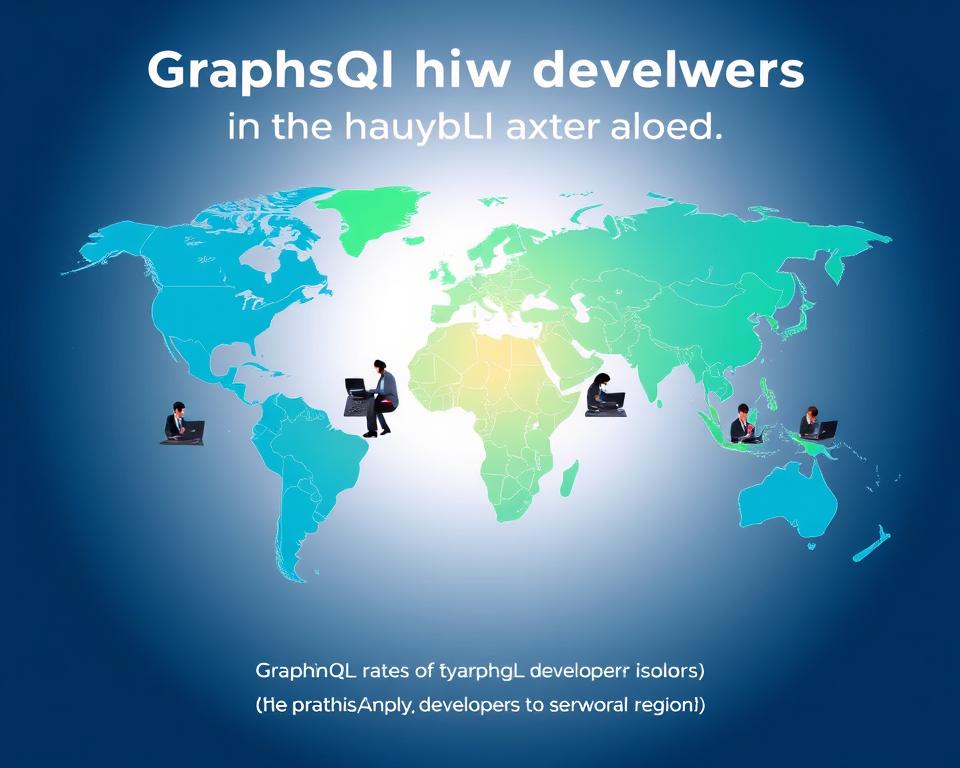
The place where GraphQL developers are from affects their rates. Rates change because of living costs, market demand, and more. For example, developers in the U.S. or Western Europe usually charge more than those in Eastern Europe or Asia.
Experience Level and Pricing Tiers
The experience of GraphQL developers also changes their rates. More experienced developers, with a strong track record and skills, charge more. It’s important to find a balance between needing expertise and staying within budget. Look at different pricing tiers and what they offer for your project.
Hidden Costs and Comprehensive Budget Planning
There are hidden costs to think about too, like project management tools and overtime. Good budget planning means including these extra costs. This helps avoid going over budget and keeps your project profitable.
By carefully looking at these costs, businesses can make smart choices when hiring GraphQL developers. This ensures projects are done on time and within budget, meeting their goals.
Best Practices for Successful Team Augmentation
For team augmentation to work well, you need to follow some key steps. This approach adds special skills to your team. It makes your projects better.
Establishing Clear Communication Channels and Protocols
Good communication is key for any team. When you add new members, make sure everyone can talk easily. Use tools like Slack and set clear times for answers.
Setting Development Standards and Code Guidelines
Keeping your project quality high is important. Set rules for coding and development. This way, everyone works the same way, making your project easier to manage.
Effective Onboarding and Knowledge Transfer Processes
Getting new team members up to speed is crucial. Give them lots of info, train them, and pair them with a guide. This helps them learn fast and understand the project well.
Regular Performance Reviews and Continuous Feedback
Checking in regularly and giving feedback is key. Set goals, give helpful advice, and celebrate wins. This keeps everyone performing well and growing.
| Best Practice | Description | Benefits |
|---|---|---|
| Clear Communication | Establishing open and efficient communication channels | Enhances collaboration and reduces misunderstandings |
| Development Standards | Setting coding standards and guidelines | Improves code quality and maintainability |
| Effective Onboarding | Comprehensive onboarding and knowledge transfer | Speeds up integration and reduces ramp-up time |
| Regular Feedback | Continuous performance reviews and feedback | Maintains high performance and fosters growth |
Integrating Augmented GraphQL Developers into Your Existing Team
Adding augmented GraphQL developers to your team needs a careful plan. It’s all about collaboration and making everyone feel part of the team. This is key to getting the most out of team augmentation and making your projects a success.
Creating a Collaborative and Inclusive Environment
To make augmented developers feel welcome, you need to create a special space. This means:
- Encouraging open communication and feedback
- Fostering a culture of mutual respect and understanding
- Providing clear roles and responsibilities
This way, augmented developers can work well with your team. Together, you can achieve your project goals efficiently.
Tools and Technologies for Remote Collaboration
Today, the right tools are essential for working together from anywhere. Some must-haves include:
- Project management software like Jira or Trello
- Communication platforms such as Slack or Microsoft Teams
- Version control systems like Git
Managing Time Zones and Coordinating Working Hours
Working with developers in different time zones requires smart time management. Here’s how:
- Implementing flexible working hours to overlap with core team hours
- Using time zone-friendly project management tools
- Scheduling regular virtual meetings
This strategy keeps your team working together smoothly.
Building Trust and Long-Term Team Cohesion
Trust is essential for a strong team. You can build it by:
- Promoting transparency in communication and decision-making
- Encouraging team-building activities
- Recognizing and rewarding team contributions
By building trust and unity, your team will stay motivated and focused on your goals.
Common Challenges and How to Overcome Them
Businesses use team augmentation to grow their GraphQL development team. But, they face challenges that need careful planning to solve. Team augmentation is helpful but comes with its own set of problems that can affect project success if not handled right.
Communication Barriers and Effective Solutions
One big challenge is communication barriers. When team members are in different places or time zones, talking smoothly is key. Effective communication strategies help solve this.
Using tools like Slack or Microsoft Teams for quick chats and project management software like Jira or Asana helps a lot. Regular virtual meetings and clear notes also keep everyone on the same page.
“The art of communication is the language of leadership.” – James Humes
Maintaining Quality Control and Code Standards
Keeping quality high and following code standards is hard. When you add new developers, making sure they fit your coding style and quality standards is key.
To fix this, setting clear coding rules and doing regular code checks is important. Using automated tests and continuous integration tools also keeps the code quality up.
Security Concerns and Intellectual Property Protection
Security and protecting your ideas are top priorities when adding new developers. Keeping sensitive info safe needs strong security steps.
Using strict access controls and NDAs helps protect your ideas. Regular security checks and following rules also lower risks.
Managing Technical Dependencies and Avoiding Technical Debt
Handling technical dependencies and avoiding debt is key for project success. Debt can grow fast if not managed, leading to more costs and less performance.
To handle technical dependencies well, documenting your tech stack and knowing how parts work together is crucial. Regular updates and focusing on reducing debt help avoid big problems later.
By knowing these common challenges and using good strategies to tackle them, businesses can make team augmentation work. This way, they can reach their project goals.
Selecting the Right GraphQL Team Augmentation Partner
Finding the right GraphQL team augmentation partner is key. It can make or break your project’s success. So, it’s important to choose wisely.
Evaluating Service Providers and Development Agencies
When searching for a GraphQL team augmentation partner, check their skills and experience. Choose partners with a strong track record in GraphQL development. They should know GraphQL well and have handled big projects.
Look at their technical skills, services offered, and ability to grow with your project. Good communication and team integration are also important.
Vetting Individual Developers vs Development Firms
Choosing between individual developers and development firms is crucial. Individual developers offer flexibility and specialized skills. Development firms have more resources and a wide range of skills.
Think about your project’s size, complexity, and budget. For big projects needing many skills, a firm might be better. For smaller, specialized tasks, an individual developer could be the way to go.
Checking References and Validating Past Project Success
It’s important to check references and past project successes. Ask for case studies and testimonials to see their experience and quality.
Talk to their past clients to learn about their work ethic, professionalism, and meeting deadlines. This will help you know what to expect from them.
Understanding Contract Terms and Service Level Agreements
Before you partner up, understand the contract and Service Level Agreements (SLAs) well. Read the contract carefully, including payment terms and intellectual property clauses.
Make sure SLAs are clear about service standards, response times, and how to handle problems. This avoids misunderstandings and ensures a smooth partnership.
Conclusion
Hiring GraphQL developers through API team augmentation can really help businesses. It boosts their API development skills and speeds up project delivery. With specialized GraphQL expertise, you can make your APIs better and save money on development.
API team augmentation is flexible and scalable. It lets businesses grow without being tied down. With the right GraphQL developers, you can fetch data better and improve your software development.
Choosing the right GraphQL team augmentation partner is key. You need clear communication and to integrate new team members well. This way, businesses can get the most out of GraphQL development and innovate in their projects.