






The market for customer communication software is rapidly evolving. Today, companies require smart AI agents and top-notch data security for each user. This shift prompts teams to seek out superior customer support tools for their daily tasks.
Teams now expect to communicate with users through WhatsApp or voice calls with ease. If your current tool is too pricey or too complicated, exploring Intercom alternatives is a smart move. A versatile platform can help your business expand and boost your team’s productivity.
This guide offers a detailed look at the top choices to aid in your decision-making. We delve into specific features and costs to ensure your company thrives. Choosing the right platform gives you a strong advantage over competitors. Start now by selecting a tool that perfectly aligns with your specific needs.
Table of Contents
Key Takeaways
- AI agents are now a standard expectation for modern support.
- Data privacy has become a mandatory part of business software.
- Integrated WhatsApp and voice channels drive better user engagement.
- Many teams need more flexibility than legacy platforms provide.
- Evaluating different pricing models helps maintain a healthy budget.
- The right tool improves both team speed and customer satisfaction.
Understanding the Customer Communication Software Landscape
The world of customer communication software is changing fast. New tech and what customers want are driving these changes. Businesses are working hard to give customers the best experience possible.
Now, Artificial Intelligence (AI) is a big part of customer support tools. It helps businesses answer questions, guess what customers might ask, and help them before they even ask. AI-powered chatbots are everywhere, helping customers 24/7 without needing a person.
There’s also a big focus on data privacy compliance. Laws like GDPR and CCPA mean businesses must protect customer data. This keeps customers safe and builds trust.
“The future of customer service lies in the ability to balance technology with a human touch, ensuring that interactions are both efficient and personalized.” –
The trend of omnichannel support is also changing things. Businesses need to support customers on many platforms, like social media, email, phone, and live chat. They need help desk software that can handle all these channels well.

| Trend | Description | Benefits |
|---|---|---|
| AI Integration | Use of AI to automate and enhance customer support | Improved efficiency, 24/7 support capability |
| Data Privacy Compliance | Ensuring software complies with data protection regulations | Avoids legal issues, builds customer trust |
| Omnichannel Support | Providing support across multiple channels | Enhanced customer experience, unified customer view |
As the world of customer communication software keeps changing, businesses must keep up. Using the newest tools and software helps them give amazing customer experiences. This leads to happy customers and more success for the business.
What is Intercom and Why It’s Popular
Intercom is known for its advanced customer service platforms. It uses AI to automate tasks, making it a top choice in customer messaging apps.
It has become a leader in customer messaging and support. Its success comes from combining support across different channels. This gives businesses and customers a smooth experience.
Key Features of Intercom:
- AI-powered automation
- Omnichannel capabilities
- Advanced customer messaging
One of Intercom’s key features is “Fin,” its AI agent. It helps provide fast and effective solutions to customer questions.

The table below shows some of Intercom’s main features and benefits for customer service:
| Feature | Description | Benefit |
|---|---|---|
| AI Agent “Fin” | AI-powered customer support | Quick and efficient customer support |
| Omnichannel Support | Unified customer support across channels | Seamless customer experience |
| Customizable Messaging | Personalized customer messaging | Enhanced customer engagement |
Why Businesses Look for Intercom Alternatives
Companies are searching for Intercom alternatives because they want tools that are more flexible and scalable. They are looking to make sure their customer communication software fits their changing needs.
Pricing concerns are a big reason why companies are looking for other options. As they grow, the cost of their customer support tools can get too high. Intercom is great, but it might not be affordable for all businesses, especially smaller ones.
Data privacy is another key factor. With stricter rules and customer demands for data protection, companies want tools that keep their data safe. Some might find Intercom doesn’t meet their privacy standards.

Companies also want tools that they can customize and scale easily. They need tools that fit their unique workflows and grow with their business. This means being able to integrate with other systems, customize workflows, and handle more users without extra costs.
Lastly, the search for help desk alternatives is driven by the need for advanced features. Companies might want better ticketing systems, more detailed reports, or easier-to-use interfaces.
In short, businesses are looking for Intercom alternatives because of concerns about pricing, data privacy, and the need for more flexible and customizable tools.
Top 15 Intercom Alternatives – Features, Pros & Cons
The market has many Intercom alternatives, each with special features and benefits. Businesses looking for the best customer communication software should explore these options.
1. Zendesk
Overview
Zendesk is a well-known customer service platform. It offers AI-powered automation, support across many channels, and top security. It helps businesses manage customer inquiries efficiently.
Key Features
- AI-powered ticket routing and automation
- Omnichannel support across multiple platforms
- Customizable dashboards and reporting
- Integration with numerous third-party apps
Pros
Enhanced customer experience through personalized support and quick issue resolution. Zendesk’s automation reduces response times.
Zendesk’s documentation says, “AI-powered automation helps in prioritizing and routing tickets to the right agents, ensuring timely resolutions.”
Cons
Some find Zendesk’s pricing too high, especially for small businesses. The customization options, while extensive, can be complex.

2. Drift
Overview
Drift is a big alternative to Intercom, focusing on conversational marketing and sales. It lets businesses talk to customers through live chat and chatbots.
Key Features
- Conversational marketing and sales tools
- Live chat and chatbot functionality
- Email marketing integration
- Analytics and reporting
Pros
Drift’s conversational approach leads to personalized customer interactions. This can improve engagement and conversion rates.
“Drift’s conversational marketing platform helps businesses connect with customers in a more human way, driving meaningful conversations.”
Cons
Drift’s pricing can be steep for some. The learning curve for using it well can be significant.
3. HubSpot Service Hub
Overview
HubSpot Service Hub is part of the HubSpot ecosystem. It offers integrated customer service and support features. It helps businesses provide great service while aligning with sales and marketing.
Key Features
- Ticketing and pipeline management
- Customer feedback and surveys
- Knowledge base and self-service tools
- Integration with HubSpot CRM
Pros
The integration with HubSpot CRM allows for seamless alignment between customer service, sales, and marketing. This gives a complete view of customer interactions.
Cons
HubSpot Service Hub offers great features. But, its full potential is best for businesses already in the HubSpot ecosystem. For others, the onboarding process can be complex.
Quick Comparison Table of Top Alternatives
This table shows the main features and prices of the top 15 Intercom alternatives. It helps you choose the best customer support tool for your business.
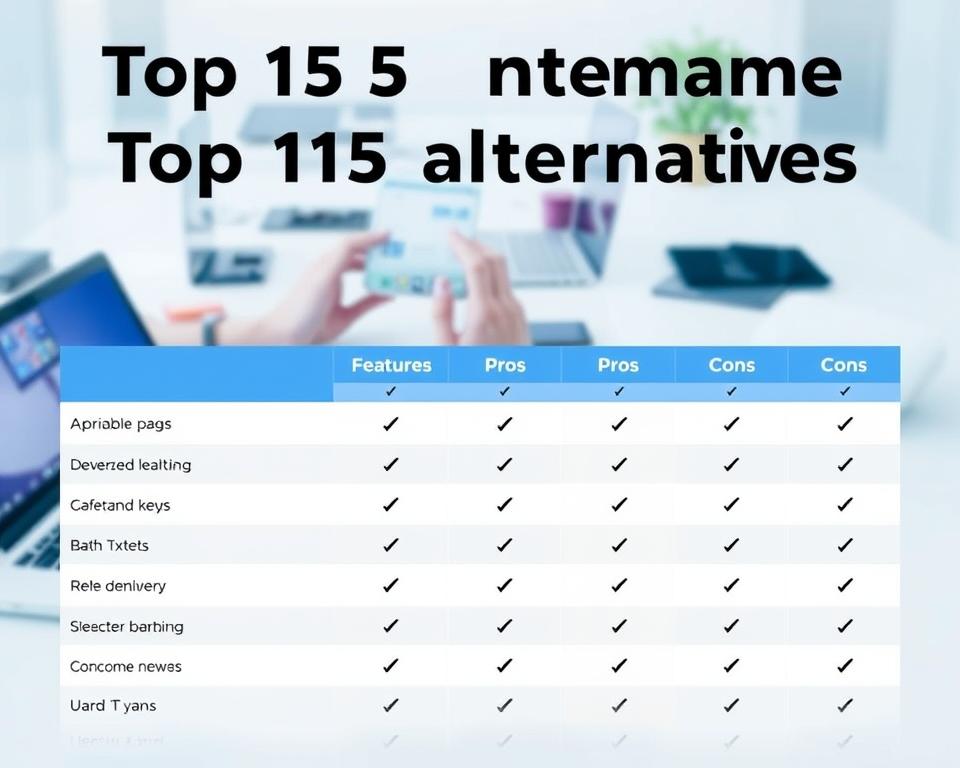
For businesses needing smooth teamwork, checking out video conferencing tools is key. Below, we summarize the top alternatives’ features and pricing.
| Tool | Key Features | Pricing Model | Standout Feature |
|---|---|---|---|
| Zendesk | Ticketing system, Live Chat, Knowledge Base | Starts at $19/month | Advanced Ticketing System |
| Drift | Conversational Marketing, Chatbots, Email Marketing | Starts at $50/month | AI-powered Chatbots |
| HubSpot Service Hub | Ticketing, Live Chat, Customer Feedback | Starts at $50/month | Integration with HubSpot CRM |
| Freshdesk | Omnichannel Support, Automation, Reporting | Starts at $19/month | Multi-channel Support |
| Crisp | Unified Inbox, Chatbots, Knowledge Base | Starts at $25/month | Unified Inbox for Teams |
This table gives a quick look at what each Intercom alternative offers. It helps you find the right tool for your business needs.
Key Factors to Consider When Choosing an Intercom Alternative
Businesses looking for Intercom alternatives need to think about what they need. They should look at scalability, how well it integrates, and the support it offers. It’s important to match the software with your business’s size and communication needs.
Scalability is key. Your software should grow with your business. It should handle more traffic and data without slowing down.
Integration capabilities are also crucial. The software should work well with your current tools and platforms. For example, if you use Shopify, your software should integrate with it smoothly.

Customer support matters a lot. Good support helps solve problems fast and keeps things running smoothly. Look for vendors with live chat, email, and phone support, plus lots of documentation and forums.
Don’t forget about your budget. Different software has different prices. Choose one that fits your budget and meets your needs.
Finding the right Intercom alternative takes careful thought. You need to think about your business’s needs, how it will grow, and what support you need. By considering these, you can pick software that improves your customer service.
Pricing Comparison: Budget-Friendly to Enterprise Solutions
The prices for Intercom alternatives vary a lot. They meet different business needs and budgets. You can pick from affordable options like Zoho Desk or more expensive ones like Zendesk.
When looking at Intercom alternatives, think about the pricing models. Some offer a freemium model for starting small and growing. Others have custom pricing for bigger businesses.
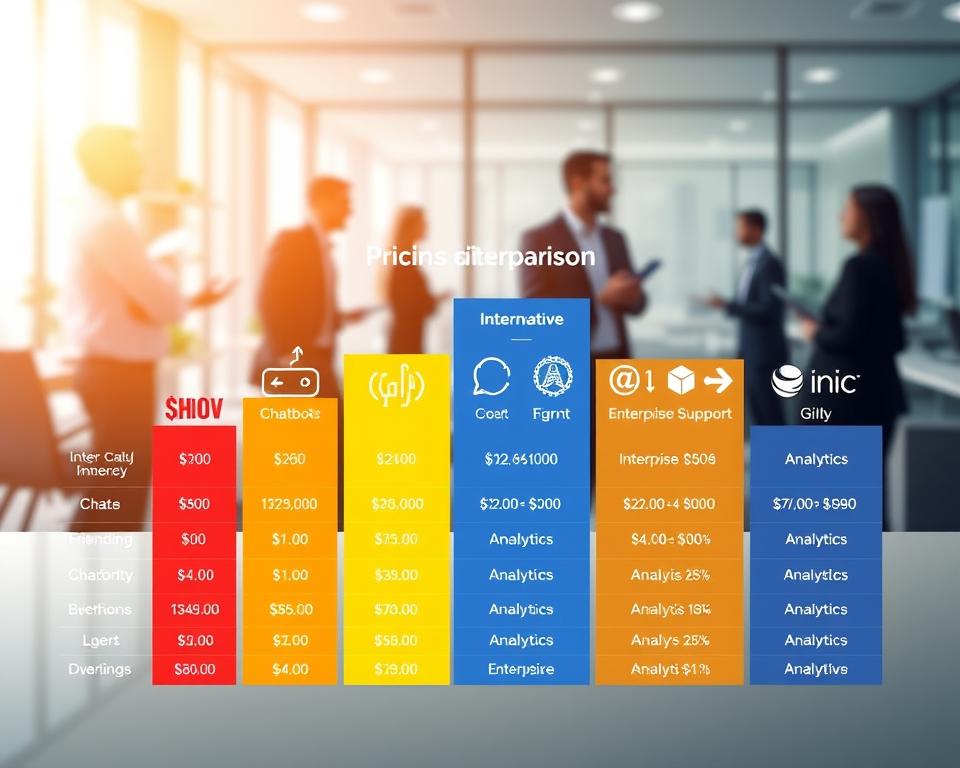
Looking at top Intercom alternatives shows a wide range of prices. For example, Drift has a free plan but with fewer features. On the other hand, HubSpot Service Hub has a free tier with optional paid upgrades. Meanwhile, Zendesk and Freshdesk are more expensive but offer advanced features.
Businesses should think about their needs and budget before choosing. This way, they can find an Intercom alternative that fits their communication needs and budget.
| Intercom Alternative | Pricing Model | Key Features |
|---|---|---|
| Zoho Desk | Budget-friendly | Ticketing, automation, reporting |
| Zendesk | Enterprise-level | Advanced ticketing, AI-powered support |
| Drift | Freemium | Conversational marketing, chatbots |
Which Intercom Alternative is Right for Your Business
Finding the best Intercom alternative for your business starts with knowing what you need. Every business is different, with unique sizes, industries, and ways of interacting with customers. It’s important to figure out what you need before choosing.
Think about how big your support team is and how many customer questions you get each day. For example, smaller businesses might like Zendesk or HubSpot Service Hub. These options are easy to use and grow with your business.

Bigger companies might need more features that work with their CRM systems and offer detailed analytics. Looking into sales tracking software tools that also support customer service could be a good idea.
Experts say the secret to great customer support is finding a platform that fits your needs now and grows with your business. This means picking a flexible and adaptable Intercom alternative.
“The key to successful customer support lies in choosing a platform that not only meets your current needs but also scales with your business growth.”
To help you decide, here’s a table comparing some top Intercom alternatives:
| Feature | Zendesk | Drift | HubSpot Service Hub |
|---|---|---|---|
| Ticketing System | Yes | No | Yes |
| Live Chat | Yes | Yes | Yes |
| Integration with CRM | Yes | Yes | Yes |
In the end, the best Intercom alternative for your business depends on your customer support needs, how well it can grow, and if it fits with your current setup.
Integration Capabilities Across Platforms
When looking at Intercom alternatives, it’s key to check their integration capabilities across different platforms. Many companies use various tools and software to run their operations. It’s important for customer communication software to work well with these systems.
The best Intercom alternatives have strong integration features. This lets businesses make their workflows smoother and improve how they talk to customers. For example, linking customer communication software with CRM systems gives a clearer view of customer interactions. This helps in sales and customer service.

Also, working with marketing automation tools can make marketing efforts more personal. This leads to more successful campaigns and happier customers. Other important integrations include helpdesk software, sales tools, and productivity apps. This ensures a smooth and efficient work environment.
When picking Intercom alternatives, look closely at their integration features. Think about how they fit with your business’s needs and how they can help your workflow. Choosing software that integrates well with your current systems can boost efficiency and help your business grow.
- Evaluate the range of integrations offered by each Intercom alternative.
- Consider the ease of setting up and managing these integrations.
- Assess the quality of support provided for integration-related issues.
Customer Support Features Comparison
When looking for Intercom alternatives, it’s key to compare their customer support features. These features include ticketing systems, live chat, and AI-powered support. Each platform offers something different.
Customer support is vital in any customer communication software. The best Intercom alternatives have a variety of support features. For example, some offer advanced ticketing systems for organizing and prioritizing customer questions.
Ticketing Systems: Zendesk and HubSpot Service Hub have strong ticketing systems. They help businesses manage customer inquiries well. Drift, however, focuses on conversational marketing and sales. Its ticketing system is part of its chat function.
AI-powered support varies among Intercom alternatives. Some have smart AI chatbots for quick answers. Others need more human help.
| Platform | Ticketing System | Live Chat | AI-Powered Support |
|---|---|---|---|
| Zendesk | Advanced ticketing with automation | Available with multiple chat options | AI-powered chatbots for query resolution |
| Drift | Integrated into conversational marketing | Conversational chat with personalization | AI-driven chatbots for lead generation |
| HubSpot Service Hub | Robust ticketing with SLA management | Live chat with chatbots and automation | AI-powered support for customer service |
Comparing customer support features helps businesses choose the right platform. It’s important to pick a platform that matches your customer support needs. Look for the features that matter most to you.
Scalability and Growth Considerations
Choosing the right Intercom alternative is key. It must grow with your business. As your company expands, your software needs to handle more traffic and customers.
Look for solutions that scale well. They should manage more customer inquiries and support various communication channels. They should also work well with other business systems.
A scalable platform offers many benefits. It’s flexible, reliable, and cost-effective. This means you can adjust to new needs without a big cost.
- Flexibility: Easily adapt to new markets or products.
- Reliability: Keeps performing well even when busy.
- Cost-Effectiveness: Saves money in the long run by avoiding frequent upgrades.
Let’s compare some Intercom alternatives:
| Platform | Scalability Features | Maximum User Capacity |
|---|---|---|
| Zendesk | Cloud-based infrastructure, flexible pricing plans | Unlimited |
| Drift | AI-driven chatbots, scalable conversation management | High Volume |
| HubSpot Service Hub | Integrated with HubSpot CRM, scalable ticket management | Unlimited |
In conclusion, picking the right Intercom alternative is vital. It must grow with your business. This way, you can avoid outgrowing your tools and keep customer satisfaction high.
Implementation and Migration Tips
Switching from Intercom to a new platform is more than just a tool change. It needs a detailed migration plan. This plan should cover data migration and team training to avoid disruptions and ensure a smooth transition.
First, you must assess your current setup and figure out what data to migrate. This includes customer chats, user info, and other important data. For example, if you’re looking at alternatives to Intercom, knowing their data migration is key.
Then, pick the right team for the job. This could be your internal team or external experts, based on your resources. Make sure the team knows both the old Intercom setup and the new platform.
Training your team on the new platform is crucial. This includes the customer support team and other departments using the tool. Good training reduces the learning curve and ensures everyone is comfortable with the new system.
Testing the new setup is another important step. You should test all features, integrations, and workflows to find and fix issues. Running a pilot program with a small group can also help gather feedback and make adjustments.
Lastly, look at the integration capabilities of the new platform. Make sure it works well with your current tools and systems. For instance, if you’re switching to a new messaging app, check if it works with other apps like WhatsApp.
By following these tips, businesses can make a smooth transition to their chosen Intercom alternative. This minimizes disruption and maximizes the benefits of the new platform.
Conclusion
Choosing the right customer communication software is key for businesses to offer top-notch customer experiences. This article looked at the best Intercom alternatives. It highlighted their features, pros, and cons.
The market has many Intercom alternatives. This gives businesses the chance to pick a customer support tool that fits their needs. When picking, think about pricing, how well it integrates, its customer support features, and how it scales.
Knowing the good and bad of each Intercom alternative helps businesses make smart choices. Whether you need something affordable or a full-featured tool, there’s an option out there for you.
Choosing the right software is a big step for business growth and customer happiness. Check out these Intercom alternatives to find the perfect one for your business.