







When you want to be online, you face a big business decision. It’s about picking between a web app and a website.
A web app is interactive and gives a personal experience. On the other hand, a website is mainly for sharing information.
Choosing between these two can be tricky. But, making the right choice is key to success online.
Table of Contents
Key Takeaways
- Understand the fundamental differences between a web app and a website.
- Learn how to identify your online needs and goals.
- Discover the key factors to consider when making a business decision.
- Explore the benefits and drawbacks of each option.
- Gain insights into the latest trends and best practices.
Understanding the Basics: Websites and Web Applications Defined
The terms ‘website’ and ‘web application’ are often mixed up, but they are different. Knowing the basics of both is key to making smart choices online.
What Exactly is a Website?
A website is a group of web pages on a server, open to the internet. It’s mainly for sharing information, with content that users can only read. Websites can be simple blogs or big e-commerce sites.
Key website traits include:
- Static or dynamically generated content
- Primarily used for informational purposes
- User interaction is typically limited to navigation and sometimes contact forms
Websites use web tech like HTML, CSS, and JavaScript. They aim to be easy to use and navigate.
What Defines a Web Application?
A web application is software on a server, accessed through a browser or app. It’s interactive, unlike websites, and lets users do specific tasks. Examples are online banking and social media.
Web application key features are:
- Interactive and dynamic user interface
- Complex backend processing and data storage
- User authentication and personalized experiences
Web apps use frontend and backend tech, like JavaScript and Node.js. They also need databases for user data and app state.
The Evolution From Static Websites to Dynamic Web Apps
The web has changed a lot since it started. It moved from simple static websites to complex dynamic web applications. This change came from new technology and what users want.

The Traditional Website Model
Old websites were static, showing the same content all the time. They were mostly for information, with users just looking and clicking.
This old model had:
- Static content that needed manual updates
- Limited user interaction
- Simple design and functionality
The Rise of Interactive Web Applications
Dynamic web applications are different. They offer a better user experience. They can update in real-time, show content tailored to you, and have complex features.
| Feature | Static Websites | Dynamic Web Applications |
|---|---|---|
| Content Updates | Manual | Automated/Real-time |
| User Interaction | Limited | High |
| Functionality | Simple | Complex |
The move to interactive web applications came from wanting better online experiences. Users now want content that changes and is made just for them.
Key Technical Differences Between Web Apps and Websites
Choosing between a web app and a website depends on the technical setup. This setup affects how well your site works, grows, and what it can do.
Architecture and Infrastructure
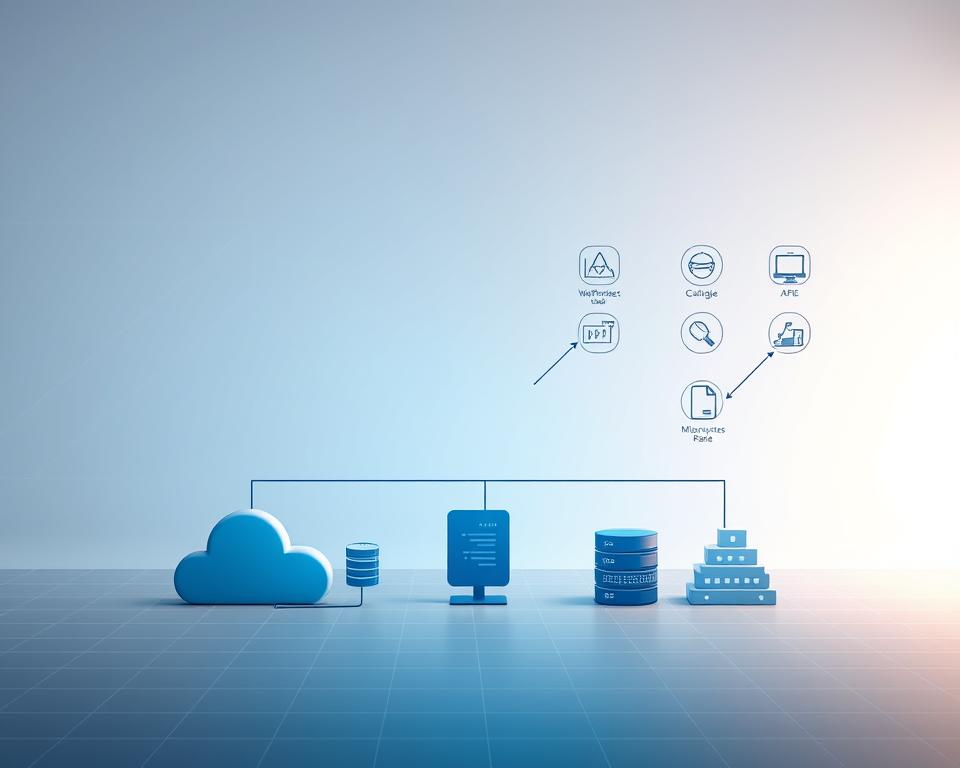
Websites are built with a simple setup, using static HTML/CSS files. Web apps, however, have a more complex setup. They use server-side programming and databases for dynamic experiences.
Infrastructure for web apps includes cloud services or dedicated servers. This ensures they can handle lots of users and stay available. Websites, especially simple ones, can run on shared hosting or CDNs.
Programming Languages and Frameworks
Web apps and websites use different programming languages and frameworks. Websites might use JavaScript and HTML/CSS. Web apps use frameworks like React and Node.js for more complex tasks.
Database Integration and Management
Web apps need database integration for user data and app state. They design a database schema and ensure data security. Websites, unless dynamic or e-commerce, might not need this.
Client-Side vs Server-Side Processing
Websites mostly use client-side processing, where the browser does most work. Web apps need both client-side and server-side processing. This balance helps manage data and app logic.
User Experience Considerations: Web App vs Website
User experience is a big difference between web apps and websites. The design and how they work affect how users feel and interact. This impacts their happiness and how much they use it.
Navigation and Interface Design
Navigation and design are key for user experience. Websites aim for simple, easy-to-use navigation to help users find information. Web apps, on the other hand, have more complex designs to support interactive features.
Key considerations for navigation and interface design include:
- Clear and consistent layout
- Intuitive menu systems
- Responsive design elements
Usability expert Jakob Nielsen says, “The most advanced technology is invisible to the user.” This shows how important smooth navigation and design are for a good user experience.
“The most advanced technology is invisible to the user.”
Responsiveness and Accessibility
Responsiveness and accessibility are crucial for both web apps and websites. They ensure users can access content on various devices and with different abilities. Responsive design adjusts to screen sizes, and accessibility features make content available to everyone.
| Feature | Websites | Web Apps |
|---|---|---|
| Responsive Design | Essential for broad accessibility | Critical for complex interactions |
| Accessibility Features | Important for inclusivity | Essential for user engagement |

Offline Capabilities and Performance
Web applications often outperform websites in offline capabilities and performance. They can provide offline access to features, making them useful in areas with poor internet.
Performance optimization strategies include:
- Caching resources
- Minimizing HTTP requests
- Optimizing database queries
By focusing on these areas, developers can greatly enhance the user experience of web apps and websites. This meets the needs of their audience.
Performance Metrics: Speed, Reliability, and Scalability
In today’s digital world, how fast, reliable, and scalable web apps and sites are matters a lot. Users want smooth online experiences. So, making sure your site performs well is key for developers and businesses.

Loading Times and Performance Optimization
How quickly a site loads affects user happiness and search rankings. Optimizing performance means making sites faster. This includes fewer HTTP requests, better browser caching, and file compression. Google PageSpeed Insights helps spot and fix slow spots.
“A fast website can boost sales by up to 25%,” says Akamai. This shows how crucial quick loading times are.
Handling User Traffic and Scaling Solutions
More users mean your site needs to grow too. Scalability means your site can handle more traffic without slowing down. This is done with load balancing, auto-scaling, and CDNs.
- Load balancing spreads traffic across servers.
- Auto-scaling adjusts resources as needed.
- CDNs speed up content by caching it closer to users.
Measuring and Improving Performance
To get better, you must measure well. Look at page load times, server speeds, and bounce rates. Monitoring tools like New Relic and Datadog give real-time data. This helps developers fix issues fast.
“You can’t improve what you don’t measure.” This saying shows why good monitoring is vital for better performance.
By focusing on performance and using smart strategies, businesses can make their sites better. This leads to happier users, more sales, and staying ahead online.
Development Costs and Timeframes Compared
When deciding between a web app and a website, understanding costs and time is key. Both can affect your budget and schedule. This choice is important for businesses and individuals alike.
Initial Development Investment
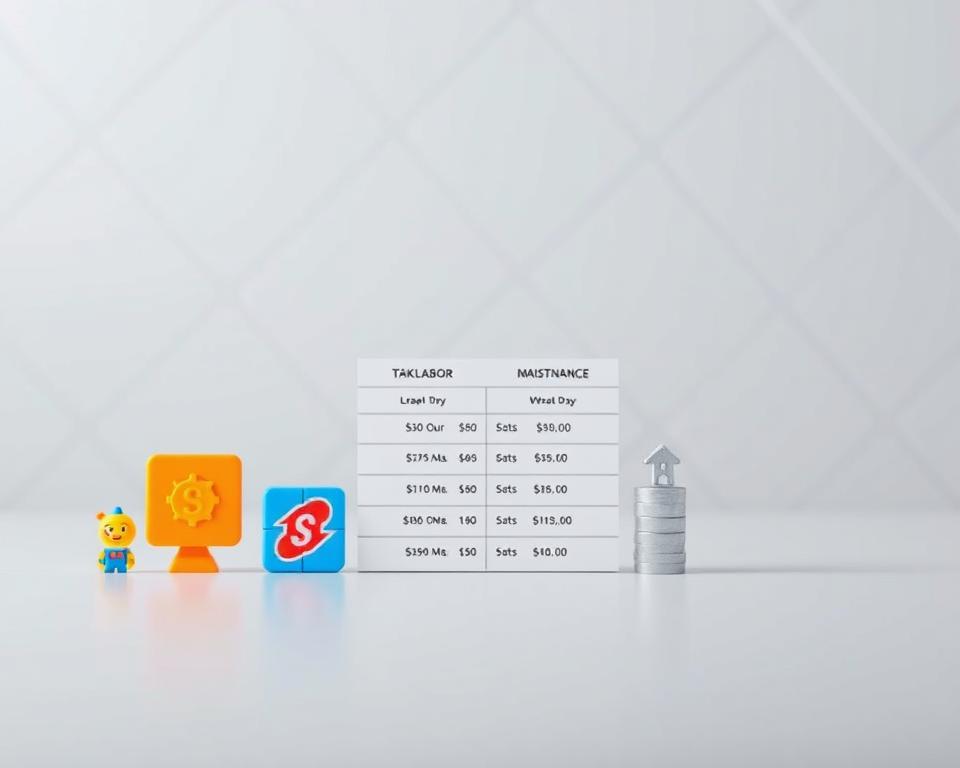
The cost to start a web app or website varies. It depends on how complex and functional it needs to be. Web apps, needing more features, usually cost more than simple websites.
A basic website might take a few months and not much money. But, a web app with lots of features could take longer and cost more. It could take a year or more and cost tens of thousands of dollars.
Ongoing Maintenance Requirements
Keeping a web app running is more work than a website. Web apps need updates to stay safe and work well. Websites, especially simple ones, cost less to keep up.
- Regular security updates and patches
- Compatibility checks with new browsers and devices
- Feature enhancements and bug fixes
Total Cost of Ownership Analysis
Looking at the total cost means adding initial and ongoing costs. Web apps cost more because they need constant updates. This makes their total cost higher.
Total Cost of Ownership = Initial Development Costs + (Ongoing Maintenance Costs * Projected Lifespan)
Budget Considerations for Different Business Sizes
Business size and budget matter in this choice. Small businesses might choose a website for money reasons. But, big companies might go for web apps for their advanced features.
Choosing between a web app and a website should be based on a detailed cost and maintenance analysis. It should match the business’s budget and goals.
Security Considerations for Websites vs Web Applications
In today’s digital world, knowing the security needs of websites and web applications is key. As more people go online, it’s crucial to understand and fight off security threats.
Common Vulnerabilities and Threats
Websites and web applications face different security risks. Websites often get hit by Cross-Site Scripting (XSS) and SQL Injection attacks if they’re not updated often. Web applications, being more interactive, are at risk from Cross-Site Request Forgery (CSRF) and authentication breaches. Knowing these risks is the first step to keeping your online space safe.

Security Best Practices for Each Option
For websites, using HTTPS, keeping content management systems updated, and choosing secure themes and plugins are key. Web applications need stronger security, like input validation, secure authentication mechanisms, and regular security audits. Following these best practices can greatly lower the chance of a security breach.
Compliance and Data Protection Requirements
Websites and web applications must follow data protection laws like GDPR and CCPA. This means making sure user data is handled securely. Using data encryption and having a clear privacy policy are vital steps to stay compliant and protect user data.
By grasping the unique security challenges of websites and web applications, and by taking the right security steps, both individuals and businesses can safeguard their online assets. This helps keep the trust of their users.
Business Goals: Matching Your Objectives to the Right Solution
To choose between a web app and a website, first know your main business goals. This step helps pick the best digital solution that fits your objectives.
Marketing and Brand Presence Goals
For marketing and brand focus, a website is usually best. Websites share info on products, services, and company history. They help with SEO strategies to reach more people through search engines. A good website boosts brand visibility and trust.
“A website is your company’s digital face, often the first contact with customers,” says a top digital marketing expert. This shows why a professional online presence is key.
Operational and Functionality Requirements
Businesses needing complex operations might prefer web apps. Web apps handle tasks like data processing and user management. They offer a more interactive experience than websites.
E-commerce sites need to manage inventory and payments. Web apps are great for these tasks, making operations smoother.
Revenue Generation and Business Models
Websites and web apps can both make money, depending on your model. Websites earn from ads and affiliate marketing. Web apps, especially those with subscriptions or transaction services, offer direct income.
- E-commerce web apps can process transactions directly.
- Subscription-based models offer recurring revenue.
- Freemium models can attract users with basic free services.
Growth and Scalability Planning
Businesses should think about growth and scalability. Web apps are more scalable than websites, thanks to modern tech and cloud services. This is important for businesses expecting to grow or face changing demands.
Scalability is key in development to meet future needs. A scalable web app can handle more users and traffic without slowing down.

In summary, matching your business goals with the right digital solution is vital. Whether it’s a website or web app, knowing your objectives helps make the right choice.
Industry-Specific Considerations: Who Needs What?
Different industries have unique needs for their online presence. This means choosing between web apps and websites is crucial. The business type, target audience, and needed functionalities are key factors in this decision.
E-commerce and Retail Solutions
E-commerce and retail businesses usually need a website for online sales. But, web apps can help manage inventory, process payments, and offer personalized experiences. E-commerce platforms like Shopify or Magento can boost a website’s features.
Service-Based Businesses
Service-based businesses, like consulting or finance, often need a website to show their services and educate clients. Yet, web apps can help manage client relationships, schedule meetings, and deliver services online.

Educational and Informational Organizations
Educational and informational groups need websites to share info and engage with people. Web apps can create interactive learning tools, manage educational content, and support online courses.
Healthcare and Financial Services
Healthcare and financial services must prioritize security and compliance. Web apps can provide secure, personalized experiences, like patient portals or online banking. But, they must be built with top security to protect sensitive data.
In summary, the choice between a web app and a website depends on a business’s specific needs and goals. Understanding the unique needs of each industry helps businesses make the right choice for their online presence.
Web App vs Website: What’s the Right Choice for You?
It’s important to know the difference between web apps and websites. This knowledge helps you make a choice that fits your goals.
Before deciding on your online presence, think about what you need and want. Making the right choice can really help you succeed.
Decision Framework for Businesses
Businesses have to decide between web apps and websites based on several things. These include how they operate, how they interact with customers, and their data needs.
Web apps are good for complex data handling, user login, and updates in real-time. But, if you’re more into marketing and showing off your brand, a website might be better.
- Think about your business and how you connect with customers.
- Look at what you need to do with data.
- Check if you need complex features.
Decision Framework for Individuals and Entrepreneurs
Individuals and entrepreneurs have their own things to think about. They need to decide based on what they want to share and how they plan to make money.
If you’re showing off your work, blog, or sharing info, a website is usually best. But, if you have interactive or transactional services, a web app might be better.
- Figure out what you want to do online.
- Think about your content and how you’ll connect with people.
- Plan how you’ll make money.
When to Choose Both Options
Sometimes, having both a web app and a website is the smartest move. This way, you can use each platform’s strengths to reach more goals.
For example, a business might use a website for marketing and info. But, they could use a web app for more complex tasks.
By knowing what you need and what each option offers, you can make a choice that supports your goals well.
Real-World Success Stories and Case Studies
Websites and web applications have shown us what works. By looking at real examples, we learn what makes them successful.
Website Success Stories
Many websites have hit it big by meeting their goals. For example, e-commerce websites like Amazon changed the retail game. They offer a smooth online shopping experience.
Informational sites like Wikipedia are also huge successes. They’re top choices for learning about different subjects.
These sites focus on making things easy for users. They have simple designs and work well on all devices. They also use search engine optimization (SEO) to draw in more visitors.
Web Application Success Stories
Web apps have also made a big splash in many fields. Productivity web applications like Trello have changed how we manage projects. They offer a place to work together and stay organized.
Financial web applications like Mint have made managing money easier. They give a clear picture of your finances.
The success of these apps comes from their ability to update in real-time. They also offer personalized experiences. Thanks to tech like cloud computing and AI, they perform well and grow with users.
Lessons Learned from Implementation Challenges
Even successful sites and apps face hurdles. Common problems include scalability issues, security risks, and integration problems. Learning from these helps developers avoid similar issues in the future.
Good planning and thorough testing can solve many problems. Using agile development helps make improvements step by step. This ensures the final product meets user needs.
Future Trends: How the Web App vs Website Landscape is Changing
The web is always changing, with new trends shaping web apps and websites. Looking ahead, several key developments will change how we see these two digital platforms.
Emerging Technologies and Approaches
New technologies like Artificial Intelligence (AI), Machine Learning (ML), and the Internet of Things (IoT) are changing web development. These technologies make web experiences more interactive and personalized. For example, AI chatbots are becoming common on websites, and ML algorithms improve web app functionality.
Key emerging trends include:
- Voice User Interface (VUI) integration
- Augmented Reality (AR) and Virtual Reality (VR) experiences
- Blockchain technology for enhanced security
Progressive Web Apps and Hybrid Solutions
Progressive Web Apps (PWAs) and hybrid solutions are making web apps and websites more similar. PWAs give users the reliability and performance of native apps in a web browser. Hybrid solutions mix native app features with web tech for a smooth user experience on any platform.
The benefits of PWAs include:
- Offline capabilities
- Push notifications
- Home screen installation
Preparing for Future Web Development Needs
To stay ahead, businesses and developers need to adapt to these trends. This means investing in education, using flexible frameworks, and focusing on user needs. By doing this, they can keep their web presence competitive and meet user expectations.
Key strategies for preparing for the future include:
- Embracing a mobile-first development approach
- Focusing on performance optimization
- Leveraging cloud services for scalability
Conclusion
Choosing between a web app and a website depends on several key factors. These include your business goals, target audience, and technical requirements. We’ve looked at the main differences between these two options. This includes their definitions, technical aspects, user experience, and development costs.
When deciding, think about what you want to achieve online. If you need a platform for complex operations and data analysis, a web app might be best. But if you want to inform or market, a website could be better.
Understanding the difference between a web app and a website is key. It helps you make a choice that fits your goals. By looking at your needs and what each option offers, you can pick the best for your online presence.
In the debate of web app vs website, the choice is clear. It depends on your specific needs and goals. By carefully considering these, you can make a decision that supports your online success.