







YouTube has over 2.7 billion users worldwide. It’s a top spot for watching and sharing videos online. But, it might not be right for everyone. Some people look for other platforms that meet their needs or likes better.
Video sharing platforms are key in the online world. As the internet grows, finding alternatives with special features is important.
This article will look into YouTube alternatives. We’ll check out their features, good points, and downsides. Knowing what each platform offers helps users choose the best for their video sharing needs.
Table of Contents
Key Takeaways
- Discover alternative video sharing platforms beyond the popular choice.
- Understand the unique features and benefits of each platform.
- Learn about the pros and cons of using alternative video sharing platforms.
- Make informed decisions about your online video sharing needs.
- Explore new options for content creation and consumption.
1. Vimeo
Vimeo is a top choice for those who want a better video-sharing experience than YouTube. It’s known for its high-quality videos and professional users. This makes it perfect for businesses and creatives.
Overview
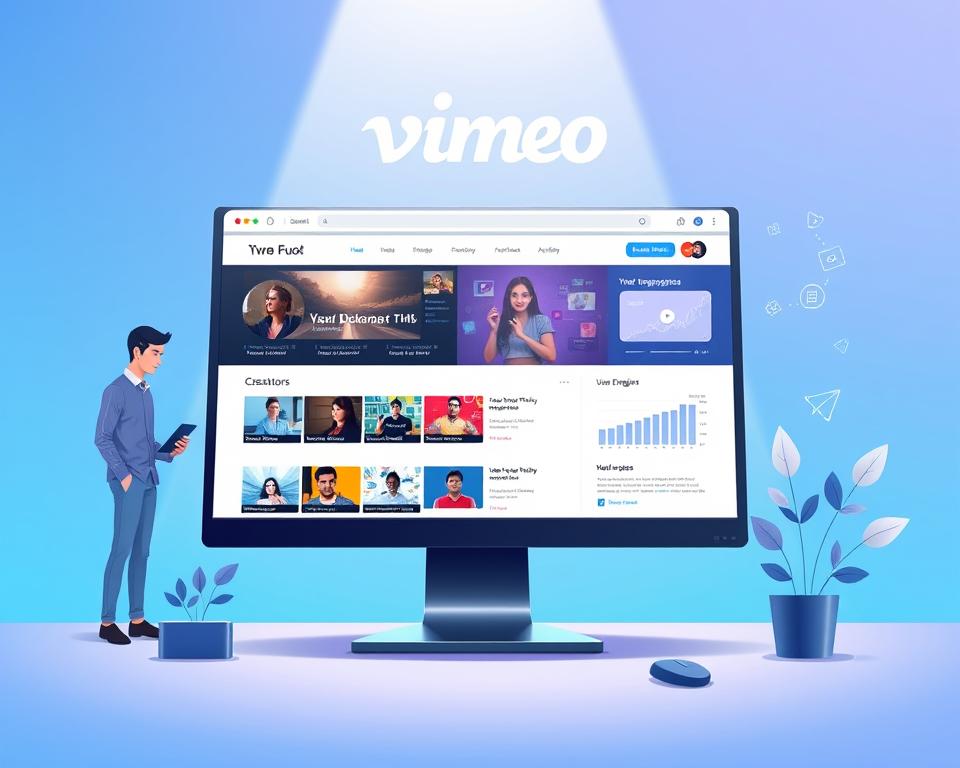
Vimeo focuses on quality and professionalism. It’s loved by creatives, businesses, and marketers for its clean, ad-free space. Unlike YouTube, Vimeo doesn’t show ads, making it better for viewers.
Key Features
Vimeo offers high-definition video, advanced privacy, and customizable players. You can upload videos in many formats and resolutions. It also supports 4K and HDR. Plus, there’s password protection, live streaming, and analytics for tracking viewers.
- High-definition video playback
- Advanced privacy settings
- Customizable video players
- Support for 4K and HDR content
- Password protection for videos
- Live streaming capabilities
- Analytics for viewer engagement
Pros
Vimeo’s big plus is its ad-free environment. This makes watching videos better. It also has advanced privacy settings and high-quality video playback. Plus, the players are customizable, making it a top choice for professionals.
| Feature | Description | Benefit |
|---|---|---|
| Ad-Free | No advertisements on the platform | Enhanced viewer experience |
| Advanced Privacy | Control over who can view your videos | Increased security for sensitive content |
| High-Quality Playback | Support for HD, 4K, and HDR content | Better video quality for viewers |
Cons
Vimeo has some downsides. It’s pricier than YouTube, especially for big businesses. Also, its audience is smaller than YouTube’s, which might limit a video’s reach.
In summary, Vimeo is a solid choice for professionals and businesses. It may not have YouTube’s audience size, but its focus on quality and user experience is worth it.
2. Dailymotion
Dailymotion started in 2005 and offers a unique space for both creators and viewers. It’s a long-standing video-sharing site that’s similar to YouTube but has its own special features.
Overview
Dailymotion has been around for over 15 years. It lets users upload, share, and watch videos. This makes it a big name in the online video world.
Key Features
Dailymotion has a huge video library and an easy-to-use interface. It also has different content types and lets creators make money from their videos. Plus, you can watch videos in high definition.
- Large community of users and creators
- Variety of content categories
- Monetization options for creators
- High-definition video playback
Pros
Using Dailymotion has its perks. It has a big user base, lots of content types, and ways for creators to earn money.
Key Advantages:
- Established platform with a large user base
- Diverse content across various categories
- Opportunities for creators to monetize their content
Cons
However, Dailymotion also has some downsides. It’s very competitive, has strict rules for content, and has ads that might not please everyone.
- High competition among video creators
- Strict content policies
- Advertisements may be intrusive
To see how Dailymotion stacks up against other platforms, let’s look at a comparison table:
| Platform | Monetization Options | Content Diversity | User Base |
|---|---|---|---|
| Dailymotion | Yes | High | Large |
| YouTube | Yes | Very High | Very Large |
| Vimeo | Limited | High | Large |

3. Twitch
Twitch started in the gaming world but now caters to many interests. Launched in 2011, it’s a top spot for gamers, artists, and entertainers to share their live content.
Overview
Twitch lets users stream their gameplay, creative work, or just chat with their audience. It’s a big deal for gamers, with millions watching their favorite streamers.

Key Features
Twitch has cool features that make streaming better. These include:
- Live Streaming: The main feature, for real-time interaction.
- Chat Functionality: Live chat lets viewers talk to the streamer and each other.
- Subscriptions and Donations: Viewers can support their favorite streamers with subscriptions and donations.
- Extensions: Streamers can add tools and features to their channel with extensions.
Pros
Twitch is great for streamers and viewers. Here’s why:
- Large Community: Twitch has a big, active community for streamers.
- Monetization Options: Streamers can make money through subscriptions, donations, and ads.
- Customization: Twitch lets streamers customize their channels with extensions and overlays.
“Twitch has been a game-changer for the gaming community, providing a platform for gamers to connect and share their passion.”
Cons
But Twitch isn’t perfect. Some downsides include:
- Competition: With so many streamers, it’s hard to stand out.
- Content Guidelines: Twitch’s strict rules can be limiting for streamers.
- Technical Issues: Some users face problems like lag or stream delay.
In summary, Twitch is a strong live streaming platform with lots of features and benefits. While it has its flaws, the good stuff makes it a great choice for live content.
4. Rumble
Rumble is changing the way we share videos. It’s a “Freedom-First” platform that stands out from YouTube. It focuses on free speech and has less strict rules for content.
Overview
Rumble is a safe space for creators who feel limited by big platforms. It has a more relaxed way of checking content. This lets many different views be shared freely.
Key Features
Rumble values free speech and makes it easy to upload videos. It also shares money with creators. The platform is simple to use for everyone.
- Free Speech Orientation: Rumble believes in freedom, which means it’s more open than YouTube.
- Earnings for Creators: Creators can make money from their videos on Rumble.
- User-Friendly Interface: Rumble is easy to use, welcoming everyone.

Pros
Using Rumble has many benefits. It supports free speech, lets creators earn, and has a clean interface. These make it stand out from other platforms.
“Rumble’s commitment to free speech is a breath of fresh air in a crowded video sharing landscape.”
- Less Restrictive Moderation: Creators like the relaxed rules.
- Monetization Opportunities: Rumble helps creators make money from their videos.
Cons
However, Rumble faces some challenges. It must compete with big names, deal with less strict rules, and keep users coming back.
- Competition: Rumble faces tough competition from YouTube and others.
- Moderation Concerns: Its relaxed rules might lead to unwanted content.
5. Odysee
Odysee stands out because it gives users more control over their videos. It uses blockchain technology to make video sharing more secure and less likely to be censored.
Overview
Odysee is a platform for sharing videos that uses blockchain. This means content is shared directly between users, not through big servers.
Decentralized Architecture: Because of blockchain, Odysee doesn’t rely on one person or group. This makes video sharing more open and fair.
Key Features
- Blockchain-Based Metadata: This keeps content metadata safe and open.
- Peer-to-Peer Distribution: It makes sharing content faster and less likely to be blocked.
- Monetization Options: Creators can earn LBRY Credits, a cryptocurrency, for their work.

Pros
- Censorship Resistance: Odysee’s setup makes it hard for others to remove content.
- Creator Incentives: Creators get LBRY Credits, which helps them financially.
- Community Governance: The community helps decide how Odysee is run.
Cons
- Complexity: Odysee’s use of blockchain can be hard for beginners to grasp.
- Content Moderation: It’s tough to keep content in check because of its decentralized nature.
- Adoption Barriers: Some people might find it hard to use blockchain and cryptocurrency.
| Feature | Description | Benefit |
|---|---|---|
| Decentralized Architecture | Built on blockchain technology | Censorship resistance and community governance |
| Peer-to-Peer Distribution | Content is distributed directly between users | Efficient content delivery and reduced reliance on centralized servers |
| LBRY Credits | Cryptocurrency used for rewards and transactions | Provides a financial incentive for creators and supports the platform’s ecosystem |
6. PeerTube
PeerTube is a unique video hosting platform that focuses on community. It’s different from other sites because it lets users host their own videos. This creates a lively and diverse community.
Overview
PeerTube is all about decentralization. It doesn’t have one main boss controlling everything. This means more freedom for users and less chance of censorship.
Users can start their own PeerTube sites. This makes a network of sites that work together but also stand alone.
Key Features
- Decentralized Architecture: PeerTube’s setup means it’s hard to shut down. It’s more reliable than sites with one main server.
- Community-Driven: The site relies on its users. They can start their own sites, pick what videos to show, and help keep things in order.
- Interoperability: Sites on PeerTube can talk to each other. This makes watching videos smooth, no matter where they’re hosted.
- Open Source: Because it’s open source, PeerTube gets better with help from its users. It’s always getting better and more open.

Pros
- Enhanced Privacy: PeerTube’s setup means your data is safer. It’s not all in one place, so it’s harder to get to.
- Resistance to Censorship: Without one big boss, it’s tough for anyone to block content. This keeps things open and free.
- Community Engagement: Users have more say in what happens. This makes the site more fun and interactive.
Cons
- Complexity: PeerTube is complex. It’s hard for new users to get into because of its unique setup.
- Content Discovery: Finding new videos is harder because they’re spread out. It’s not as easy as on big sites.
- Technical Requirements: To host your own PeerTube site, you need tech skills. This can stop some people from joining in.
PeerTube changes how we share videos. It’s a strong choice for those who want something different. Its community focus and decentralized setup offer both benefits and challenges.
7. BitChute
BitChute is known for its strong support of free speech. It’s different from many other video hosting sites because it doesn’t censor content as much.
Overview
BitChute lets creators share their videos without worrying about being censored. This attracts people who think other sites are too strict. It’s a place where users can freely express themselves.
Key Features
BitChute has some key features:
- Unrestricted Content Policy: It allows a wide range of content, giving creators more freedom.
- Decentralized Platform: It works on a peer-to-peer model, giving users more control over their data.
- Monetization Options: Creators can make money through ads and direct support from users.
Pros
Using BitChute has its benefits:
- Free Speech Advocacy: It supports free speech, helping creators who feel limited by other sites.
- Community Engagement: The platform has a supportive community that values diverse views.
- Creator-Friendly: It offers ways for creators to earn money, supporting them financially.
Cons
But, BitChute also has some downsides:
- Lack of Regulation: Its lenient policies can lead to the spread of false information or harmful content.
- Limited Mainstream Recognition: It’s not as well-known or respected as bigger platforms.
- Technical Issues: Users might face technical problems or inconsistent service quality.
In summary, BitChute is a platform that values free speech. It offers a unique alternative for video hosting. While it has its benefits, like a supportive community and creator-friendly features, it also faces challenges like content regulation and acceptance.
8. Brighteon
Brighteon is becoming a big name in video sharing. It lets users upload and share videos, offering a different choice than usual sites.
Overview
Brighteon stands out by supporting free speech and uncensored content. It attracts creators who feel limited by other sites’ rules. It values open discussion and sharing different views.
Key Features
Brighteon has features that set it apart from other platforms:
- Uncensored Content: It allows a wide range of content, without strict rules.
- Monetization Options: Creators can make money through ads and tips.
- Community Engagement: The site encourages comments and community talks.
Pros
Using Brighteon has its benefits:
- Freedom of Expression: Creators like the relaxed content rules.
- Diverse Content: It offers a variety of content not found on mainstream sites.
- Support for Creators: Brighteon helps creators make money from their content.
“Brighteon represents a new frontier in video sharing, where creators can express themselves freely and connect with their audience in meaningful ways.”
Cons
However, Brighteon also has some downsides:
- Lack of Mainstream Recognition: It’s not as well-known as YouTube, which might affect visibility.
- Content Quality Concerns: Without strict rules, content quality can vary.
- Limited Features: It might not have all the features that creators expect from bigger platforms.
In summary, Brighteon is a unique choice for those looking for a different video sharing experience. It focuses on free speech and diverse content.
9. DTube
DTube brings decentralization to video sharing. It’s a blockchain-based platform that rewards creators with cryptocurrency. This makes it a great alternative to traditional sites.
Overview
DTube runs on a decentralized network. This means users can upload, share, and view videos without a central authority. This approach helps avoid censorship common in centralized platforms.

Key Features
- Blockchain Technology: DTube uses blockchain for fair content moderation and rewards.
- Cryptocurrency Rewards: Creators earn cryptocurrency for their content, motivating them to create high-quality videos.
- Decentralized Governance: The platform is run by its users, ensuring decisions benefit the community.
Pros
DTube stands out for its resistance to censorship. Its decentralized nature means content is less likely to be censored. The use of blockchain and cryptocurrency rewards also makes the system fair and transparent.
The platform’s community-driven governance means it evolves based on user needs and preferences.
Cons
DTube faces challenges like inconsistent content quality and moderation issues. The lack of a central authority can lead to varying content standards.
Also, relying on cryptocurrency rewards might deter users who are not familiar with or have no access to it.
10. LBRY
LBRY is changing video sharing with its blockchain-based platform. It offers a more open and democratic space. Creators can upload and share videos freely, without the usual restrictions.
Overview
LBRY is a blockchain-based platform that gives creators more control. It’s different from traditional sites because it’s decentralized. This means content can’t be easily censored or removed.
Key Features
LBRY stands out with its decentralized architecture. This makes it hard to censor content. It also has a blockchain-based reward system. Creators earn cryptocurrency based on how much people engage with their videos.
- Decentralized content distribution
- Blockchain-based reward system
- Resistance to censorship
Pros
LBRY is great because it fights censorship. Creators can share content without fear of it being taken down. It also has a transparent and fair monetization system. This means creators get paid for their work.
For those looking for YouTube alternatives, LBRY is a good choice. Check out our detailed guide on YouTube alternatives.
Cons
LBRY has some challenges. It faces issues with adoption rates and user interface complexity. New users might find it harder to use than other platforms. This could slow down its growth.
11. TikTok
TikTok has changed how we watch and share videos. It’s easy to use and has lots of features. This makes it popular with both creators and viewers.
Overview
TikTok lets users make and share short videos. These videos can be from 15 seconds to 60 seconds long. It’s famous for its “For You” page, which shows content based on what you like.
Key Features
TikTok has features that make it fun and creative. Some key features include:
- Short-form video creation: Users can make videos up to 60 seconds. They can add music, filters, and effects.
- Duet and Reaction features: Users can interact with others’ videos by making duets or reaction videos.
- Hashtag challenges: TikTok’s hashtag challenges let users join in on trending topics and get more views.
If you’re looking for something different from Instagram, TikTok is worth checking out. Learn more about new features on platforms like Instagram alternatives at Top 5 Alternatives to Instagram.
Pros
TikTok has many good points that make it popular:
- High engagement: TikTok’s feed keeps users interested for a long time.
- Creative freedom: The platform’s features let users show their creativity.
- Large community: With millions of users, TikTok offers a big audience for creators.
Cons
But TikTok also has some downsides:
- Content moderation: TikTok struggles to keep content safe, with worries about bad or harmful stuff.
- Addictive nature: The platform’s algorithm can make users spend too much time on it.
- Privacy concerns: TikTok has faced questions about how it collects data and protects user privacy.
In summary, TikTok is a strong platform for sharing videos. Its features, good points, and bad points make it appealing to both creators and viewers.
12. Instagram Reels
Instagram Reels is a part of the Instagram app. It lets users make and share short videos up to 90 seconds. This feature uses Instagram’s huge user base and fun features.
Overview
Instagram Reels lets users make short, fun videos. It’s right in the Instagram app, so lots of people can see it. You can use cool editing tools, filters, and effects to make your videos look great.
Key Features
Instagram Reels has some cool features:
- Short-form video creation: You can make videos up to 90 seconds.
- Editing tools and effects: There are lots of tools and effects to make your videos better.
- Integration with Instagram: It works well with Instagram, making it easy to share and find videos.
- Hashtag challenges: You can join hashtag challenges to get more people to see your videos.
Pros
Instagram Reels has some big advantages:
- High engagement: Instagram’s fun features like likes and comments make people interact a lot.
- Large user base: Instagram has millions of users, so you can reach a lot of people with your Reels.
- Creative tools: There are many editing tools and effects to help you make your videos look amazing.
Cons
But, Instagram Reels also has some downsides:
- Monetization limitations: Compared to YouTube, Instagram Reels doesn’t have as many ways to make money.
- Content discovery: Finding your Reels can be hard because there’s so much content out there.
Instagram Reels is great because it’s part of the Instagram app and has lots of editing tools. But, if you want to make more money, you might find it limited.
13. Facebook Watch
Facebook Watch is a video service that lets users watch a variety of content. It offers videos from different creators and publishers. This makes it stand out in the world of social media.
Overview
Facebook Watch is a video service launched by Facebook. It aims to give users a more personalized video experience. It combines content from both professional creators and users.
Key Features
Facebook Watch has several key features. These include:
- Personalized video recommendations based on user behavior
- Original content from popular creators and publishers
- Live streaming capabilities
- Integration with the broader Facebook ecosystem
Pros
Facebook Watch has many benefits. Some of the main advantages are:
- Diverse content offerings: It offers a wide range of content, from news to educational topics.
- Personalized experience: It uses algorithms to suggest videos based on what you like.
Cons
Despite its benefits, Facebook Watch has some drawbacks. These include:
- Content quality variability: The quality of videos can vary a lot.
- Ad presence: Ads can sometimes interrupt your viewing.
| Feature | Description | Benefit |
|---|---|---|
| Personalized Recommendations | Videos suggested based on user behavior | Enhanced user experience |
| Original Content | Exclusive videos from creators | Increased content diversity |
| Live Streaming | Real-time video broadcasting | Interactive engagement |
14. Metacafe
Looking for something other than YouTube? Metacafe is a great choice. It lets users share videos with a wide range of people.
Overview
Metacafe has been around since 2003. It’s famous for its short videos, like viral and fun clips. The site is easy to use and has lots of different types of content.
Key Features
Metacafe focuses on short-form videos. This means you can quickly watch and enjoy content. It also has a wide range of videos, from fun to educational.
- Short-form video focus
- Diverse content library
- User-friendly interface
Pros
Metacafe stands out with its unique content. It also has an easy-to-use interface. This makes it welcoming to many people.
- Unique content offerings
- Easy-to-use interface
Cons
Metacafe has some downsides. For example, it has limited ways for creators to make money. It also faces challenges in moderating content to keep it suitable for everyone.
- Limited monetization options
- Content moderation challenges
In summary, Metacafe is a good alternative to YouTube. It offers short videos and a wide variety of content. While it has its drawbacks, it’s worth checking out for different content and features.
15. Wistia
Wistia is a great choice for those who want to host and manage videos beyond YouTube. It focuses on customization and analytics. It’s perfect for businesses and professionals who need advanced video management tools.
Overview
Wistia is a video hosting platform for businesses. It offers tools to host, manage, and analyze videos. It’s known for its high-quality video playback and customizable players.
Key Features
Wistia has several key features:
- Customizable video players: Users can create custom video players for their websites or landing pages.
- Detailed analytics: The platform provides detailed analytics on video performance, including play count, engagement, and drop-off points.
- Video SEO: Wistia offers tools to optimize videos for search engines, improving visibility and driving traffic to the content.
- Integration capabilities: Wistia integrates with various marketing and sales tools, making it easy to incorporate video into broader marketing strategies.
Pros
Using Wistia has several advantages:
- High-quality video playback: Wistia ensures that videos are played back in high quality, enhancing the viewer experience.
- Advanced analytics: The detailed analytics provided by Wistia help businesses understand how their video content is performing and where improvements can be made.
- Customization options: The ability to customize video players and other elements allows businesses to maintain their brand identity.
Cons
However, there are some drawbacks to consider:
- Cost: Wistia is a paid service, and the cost can be a barrier for small businesses or individuals with limited budgets.
- Limited free options: Unlike some other video hosting platforms, Wistia does not offer a free plan, which may limit its accessibility to some users.
Conclusion
Looking into YouTube alternatives can really help you stand out online. The 15 platforms we talked about have cool features like live streaming and community building.
Think about what you want to do with your videos when picking a platform. TikTok and Instagram Reels are great for creative stuff. Vimeo and Wistia are better for business or learning videos.
Video sharing sites are always getting better, making it easier to connect with people. Knowing the good and bad of each site helps you choose the right one for your content.
Whether you make videos or run a business, there’s a YouTube alternative for you. Try out different sites to see which one fits your needs best.