







The rise of sneaker culture has changed how we buy and sell online. Creating a high-end resale app is more than just a listing site. It needs a robust engine for efficient high-stakes trades.
Many founders aim for a StockX clone to replicate its success. This means dealing with payment escrow and real-time pricing. Such features require a specialized team and a six-figure budget for a successful launch.
Expert marketplace development ensures strict authentication for every product. If you’re building a meesho clone, you know trust is key. Smart workflows verify items before they reach buyers.
Setting up these systems is complex but offers great rewards. The goal is to balance speed and security. Success hinges on a seamless and safe user experience for every transaction.
Table of Contents
Key Takeaways
- Bid and ask systems allow for real-time market pricing on every item.
- Secure escrow payments protect both the buyer and the seller during trades.
- Strict authentication workflows are mandatory to verify product legitimacy.
- High-performance infrastructure is required to handle volatile traffic spikes.
- Developing a professional platform typically involves a six-figure investment.
- Trust-building features are essential for success in the secondary luxury market.
1. Understanding the StockX Marketplace Model
StockX has created a new way to sell things, mixing stock trading with physical goods. This approach has drawn many sneakerheads and collectors.
What Makes StockX Unique in the Resale Market
StockX uses a stock market-style system. Buyers bid, and sellers set prices. This makes prices clear and fair for everyone.
The Stock Market of Things Concept
StockX’s core idea is the “stock market of things.” It lets people trade unique items like stocks. This makes it easier to find their value.
Target Market and User Demographics
StockX mainly attracts sneaker fans and collectors. It’s especially popular with young people who love online trading and social media.
| Demographic | Characteristics | Interests |
|---|---|---|
| Age: 18-35 | Tech-savvy, active online | Sneakers, collectibles, fashion |
| Primary Interests | Sneaker culture, collecting | Rarity, condition, authenticity |
| Preferred Communication | Social media, online forums | Real-time updates, community engagement |
Why Businesses Want to Replicate This Model
Companies like the StockX model because it’s clear, efficient, and fun. It shows that stock market ideas work for selling real items.

2. Market Opportunity and Business Case for Resale Marketplaces
The resale economy is booming, offering a great chance for businesses to make money from second-hand items. As people care more about the environment and want to save money, the resale market is set to grow a lot.
Growth of the Resale Economy
The global resale market is growing fast. This is because more people want to buy sustainable and affordable products. Experts say the resale market will grow faster than traditional retail in the next few years.
Consumer Behavior and Spending Trends
Young people, especially millennials and Gen Z, are leading the way in the resale market. They look for second-hand items that are good for the planet and don’t cost too much.

Competitive Landscape Analysis
The resale market is getting more competitive, with new sites popping up all the time. To succeed, businesses need to offer something special, make shopping easy, and ensure products are genuine.
Revenue Potential and Projections
Resale marketplaces have huge earning potential. Global e-commerce sales are expected to hit $8 trillion by 2027. By 2024, marketplaces will make up almost 30% of all online sales.
| Year | Global E-commerce Sales | Marketplace Share |
|---|---|---|
| 2023 | $5.8 trillion | 25% |
| 2027 | $8 trillion | 30% |
3. Essential Features of a StockX-Inspired Marketplace App
A StockX-inspired marketplace app needs key features for smooth trading and secure transactions. These features make the app easy to use and safe for everyone.
Dynamic Bidding and Ask System
The dynamic bidding and ask system is a key feature. It lets buyers bid on products and sellers set their prices. This system enables real-time price discovery and makes the marketplace competitive.
Real-Time Market Data and Price Analytics
Having real-time market data and price analytics is crucial. It helps users make smart choices by understanding market trends.

Live Market Activity Feed
A live market activity feed keeps users in the loop. It shows the latest transactions and market changes, adding excitement.
Historical Price Charts
Historical price charts give insights into past trends. They help users spot patterns and predict future market behavior.
Product Authentication and Verification Process
A strong product authentication and verification process is key. It ensures products are genuine, building trust and reducing counterfeit risks.
Transparent Transaction History
Keeping a clear transaction history is vital. It helps users track their deals and check product authenticity.
| Feature | Description | Benefit |
|---|---|---|
| Dynamic Bidding | Allows buyers to bid on products | Encourages competitive pricing |
| Real-Time Market Data | Provides current market trends | Informed decision-making |
| Product Authentication | Verifies product legitimacy | Reduces counterfeit risk |
4. User Profile and Account Management System
The user profile and account management system is key to trust and smooth transactions on marketplace apps. It’s vital for both buyers and sellers to use the platform easily.
Comprehensive Buyer Profile Features
Buyer profiles should have ratings, transaction history, and verification status. This builds trust and credibility. It helps buyers build a good reputation, making sellers more likely to work with them.
Advanced Seller Dashboard and Analytics
Sellers need dashboards for inventory management, bid tracking, and earnings reports. An advanced dashboard gives insights into sales trends and customer behavior.
Portfolio Tracking and Management
Both buyers and sellers get benefits from portfolio tracking and management. It lets them keep an eye on their investments and make smart choices.
Customizable Notification Preferences
Customizable notification preferences help users stay in the loop. They get updates on bids, sales, and messages, improving their experience.

5. Product Catalog and Inventory Architecture
The product catalog and inventory architecture are key to a good user experience on a marketplace. A well-organized catalog is essential. It should include search, filters, and product verification features.
Robust Product Listing Framework
A strong product listing framework is vital for managing many products. It should have product categorization, detailed descriptions, and high-quality images.
Strategic Category Organization
Organizing categories strategically makes products easy to find. It involves creating relevant categories and subcategories that match user searches.
Advanced Search and Filter Capabilities
Advanced search and filter options improve the user experience. They let buyers quickly find what they need. This includes filters for price, brand, and condition.
Product Verification Database Management
Managing a product verification database is crucial for authenticity. It involves verifying product details and keeping a database of verified products.
SKU and Variant Management
SKU and variant management are key for different product versions. It involves managing attributes like size, color, and style.
Image and Media Management
Image and media management handle product images and media. It includes optimizing images for speed and ensuring they match the right products.
Here is an example of how a product catalog can be structured:
| Product ID | Product Name | Category | Price |
|---|---|---|---|
| 001 | Sneakers | Footwear | $100 |
| 002 | Handbag | Accessories | $200 |
| 003 | T-Shirt | Apparel | $20 |

6. Payment Processing and Financial Infrastructure
The financial setup of a StockX-like app is key to its success. A good payment system makes transactions safe, fast, and reliable.
To make this happen, several important parts need to work together. These include setting up multiple payment gateways, a secure escrow system, automated payouts, and clear fees.
Multi-Payment Gateway Integration
Using many payment gateways lets users pick their favorite way to pay. This makes the app more user-friendly and could boost sales. Popular options include PayPal, Stripe, and Square.
Secure Escrow System Implementation
An escrow system keeps payments safe until the buyer is happy with the product. This builds trust and lowers the chance of problems.
Automated Payout Management
Automated payouts make things easier for everyone. They cut down on work and make sure sellers get paid on time. This keeps sellers happy.
Transaction Fee Structure and Processing
It’s important to have clear fees. The fees should be fair and known to everyone.
Currency Support and Conversion
Supporting many currencies and offering good exchange rates helps users worldwide. This improves the app for international users.
Refund and Dispute Management
Handling refunds and disputes well is key to keeping trust. A fair and open process helps solve problems fast.

“A secure payment processing system is not just a necessity but a competitive advantage in the marketplace.”
The payment system must be strong, safe, and easy to use. With these features, a StockX-like app can offer a smooth experience. This builds a loyal user base and helps the business grow.
7. StockX Like Marketplace App Development: Technology Stack
Choosing the right technology stack is key for a successful StockX-like marketplace app. The technology stack is the app’s backbone, affecting its performance and ease of use. Selecting the right technology stack is vital for a marketplace app’s success.
Frontend Technologies and Frameworks
The frontend of a StockX-like app is crucial for a smooth user experience. Two important frontend technologies are:
React Native for Mobile Development
React Native lets you build native mobile apps for iOS and Android with one codebase. It’s great for a consistent user experience across platforms.
Progressive Web App Capabilities
Adding Progressive Web App (PWA) features makes the app work like a native app. PWAs have perks like offline use and push notifications.
Backend Framework and Architecture Selection
The backend is the app’s engine, handling data and communication between the frontend and database.
Node.js and Express.js Implementation
Node.js with Express.js is a strong backend choice. Node.js is known for its efficiency in real-time apps.
Microservices Architecture
A microservices architecture makes the backend modular. This means different services can be developed and scaled separately.
Database Solutions and Data Management
Effective data management is essential for a marketplace app. It needs a solid database solution.
PostgreSQL for Relational Data
PostgreSQL is a top relational database for complex data. It’s great for managing user data and transactions.
MongoDB for Flexible Content
MongoDB is a flexible NoSQL database for unstructured data. It’s perfect for product listings and user content.
Cloud Infrastructure and Hosting
Cloud infrastructure is vital for scalability and reliability in a marketplace app. Options include Amazon Web Services (AWS), Microsoft Azure, and Google Cloud Platform (GCP).
| Technology | Description | Use Case |
|---|---|---|
| React Native | Cross-platform mobile app development | Mobile app for iOS and Android |
| Node.js with Express.js | Backend framework for real-time applications | Handling real-time bidding and data processing |
| PostgreSQL | Relational database for structured data | Managing user data and transactions |
| MongoDB | NoSQL database for flexible content | Handling product listings and user-generated content |
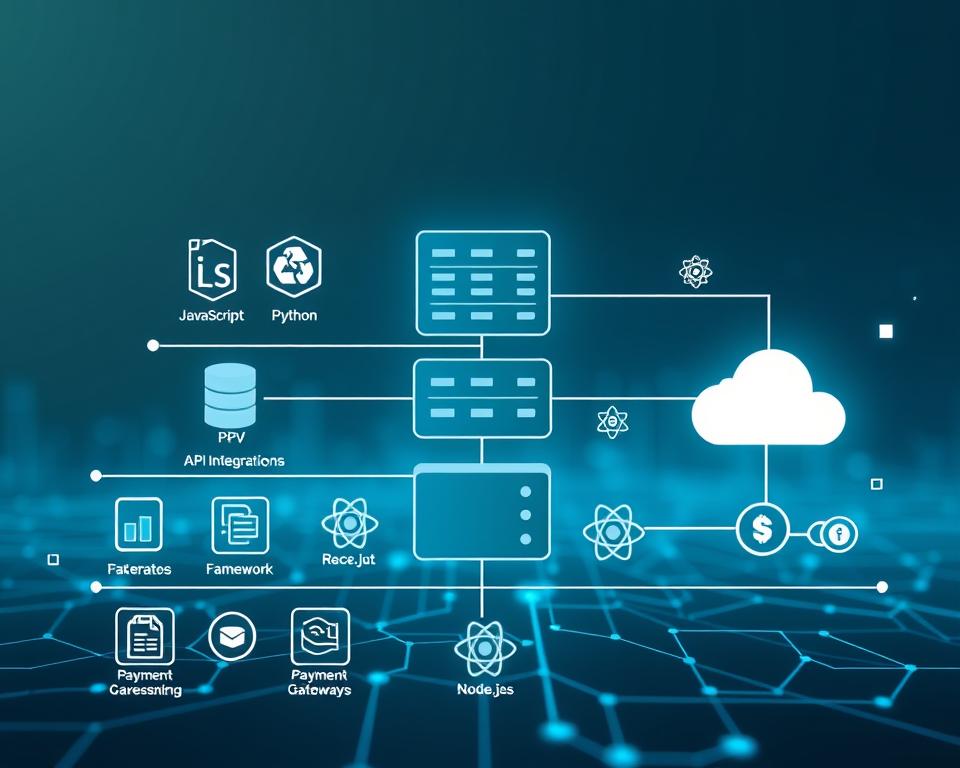
Experts say, “The technology stack choice greatly affects a marketplace app’s success. It impacts scalability, performance, and user experience.” A well-thought-out technology stack is key for a StockX-like app’s long-term success.
8. Authentication and Product Verification Systems
In the resale market, being sure of a product’s authenticity is key. A strong product authentication system builds trust between buyers and sellers.
A good StockX-like app needs a solid authentication and verification system. It must check if products are real through several steps and technologies.
Multi-Step Product Authentication Workflow
Verifying products involves a few important steps. These steps help make sure products are genuine.
- Initial inspection by sellers
- Verification by experts
- Use of advanced technologies like AI and machine learning for counterfeit detection
Expert Verification Team Integration
Having a team of experts is crucial for checking high-value or luxury items. These experts can spot fake products.
Digital Authentication Certificate Generation
After checking, a digital certificate is given to the product. This certificate proves the product’s authenticity and can be seen by buyers.
AI-Powered Counterfeit Detection
AI helps find fake products. It uses:
Machine Learning for Pattern Recognition
Machine learning looks for patterns in genuine products.
Image Analysis Technology
Image tech checks product images for signs of fakes.
| Authentication Method | Description | Benefits |
|---|---|---|
| Multi-Step Workflow | Involves initial inspection, expert verification, and AI-powered detection | High accuracy in detecting counterfeit products |
| Expert Verification Team | Experts verify high-value or luxury items | Ensures authenticity of high-end products |
| Digital Authentication Certificate | Provides proof of authenticity for verified products | Boosts buyer confidence |

9. Security, Privacy, and Trust Features
Online marketplaces like StockX focus a lot on security and trust. They make sure user data and transactions are safe. This is key for their success and good reputation.
End-to-End Data Encryption Standards
Strong end-to-end data encryption is vital for keeping user info and transaction details safe. They use TLS (Transport Layer Security) to protect data while it’s being sent.
Advanced Fraud Detection Systems
It’s important to have systems that can spot and stop fraud. They use machine learning to check user actions and transaction patterns.
Key Features of Advanced Fraud Detection:
- Real-time transaction monitoring
- Behavioral analytics
- Machine learning-based risk assessment
Multi-Factor User Verification
Using a multi-factor authentication process is crucial for security. This can include passwords, biometric data, and one-time codes sent to devices.
PCI DSS Compliance for Payment Security
Following the Payment Card Industry Data Security Standard (PCI DSS) is essential. This means regular security checks and strict data handling rules.
SSL Certificate Implementation
An SSL certificate is needed to secure the connection between the user’s browser and the website. It makes sure data exchanged is encrypted.
Regular Security Audits
Regular security audits are important. They help find weaknesses and make sure security measures are current and effective.
Security Features Comparison:
| Security Feature | Description | Importance Level |
|---|---|---|
| End-to-End Encryption | Protects user data and transactions | High |
| Fraud Detection Systems | Identifies and mitigates fraudulent activities | High |
| Multi-Factor Authentication | Enhances user account security | High |
| PCI DSS Compliance | Ensures payment security | Critical |

10. UI/UX Design Principles for Marketplace Success
In the world of online marketplaces, a great UI/UX design can really set you apart. A well-designed UI/UX is key for success. It includes easy navigation, mobile-first design, and smooth transaction flows.
Intuitive Navigation and Information Architecture
Intuitive navigation means users can find what they need easily. This comes from a clear information structure. It organizes products well and makes searching simple.
Mobile-First Design Approach
Most users access marketplaces on mobile. So, a mobile-first design is vital. It makes sure the app works well on small screens and with touch.
Data Visualization for Market Insights
Data visualization is important for insights. It uses graphs and charts to help users make smart choices.
Streamlined Transaction Flow Design
A smooth transaction flow is crucial. It lowers friction and boosts conversion rates. Features like one-click bidding and simplified checkout help a lot.
One-Click Bidding Experience
One-click bidding makes bidding fast and easy for buyers.
Simplified Checkout Process
A simple checkout process cuts down on cart abandonment. It makes buying a breeze by reducing steps.
| Feature | Well-Designed Marketplace | Poorly Designed Marketplace |
|---|---|---|
| Navigation | Intuitive and clear | Confusing and cluttered |
| Mobile Optimization | Fully optimized for mobile | Limited mobile functionality |
| Transaction Flow | Streamlined and efficient | Complex and frustrating |
11. Development Process, Timeline, and Methodology
To create a marketplace app like StockX, you must go through a detailed development process. This process has many stages. Each stage is key for the app’s successful launch.
Discovery and Requirement Analysis Phase
The first step is a deep discovery and requirement analysis. It’s vital to know the project’s scope and who will use the app. It also helps decide what features are needed.
Design and Prototyping Stage
After understanding the project, the design and prototyping stage starts. Here, wireframes and the user interface (UI) are created. Prototypes are made to test the app’s functionality and user experience (UX).
Agile Development Sprints
The development stage uses agile development sprints. This approach makes the app flexible and allows for continuous improvement. It ensures the app meets the changing needs of its users. For more on building a marketplace app, check out this resource.
Comprehensive Testing and Quality Assurance
Before the app is released, it goes through thorough testing and quality assurance. This includes:
-
Unit and Integration Testing
-
User Acceptance Testing
Unit and integration testing check if each part of the app works right and together smoothly. User acceptance testing (UAT) makes sure the app meets the requirements and is ready for users.
Launch Preparation and Deployment
The last step is getting the app ready for launch and deploying it. This involves setting up the app’s infrastructure, doing final checks, and planning a strategic launch to draw in users.
By sticking to this structured development process, developers can make a strong and easy-to-use marketplace app. It will meet the needs of both buyers and sellers, just like StockX.
12. Cost Analysis and Budget Planning
Creating a StockX-like marketplace app needs a detailed cost analysis and budget plan. This ensures the project stays financially sound.
Development Team Structure and Expenses
The cost to make a marketplace app changes based on the team structure. You can choose between in-house or outsourced development.
In-House vs. Outsourced Development
In-house means hiring a team directly. This gives you control but raises costs for salaries, benefits, and equipment.
Required Expertise and Roles
A typical team for a marketplace app includes:
- Project Manager
- UX/UI Designers
- Frontend and Backend Developers
- Quality Assurance Testers
- DevOps Engineers
Technology and Infrastructure Investment
The tech stack and infrastructure chosen greatly affect the cost. Consider:
- Frontend and backend technologies
- Database solutions
- Cloud infrastructure and hosting
Third-Party Integration and Licensing Fees
Adding third-party services, like payment gateways, increases costs. Also, think about licensing fees for certain tech or software.
Ongoing Maintenance and Update Costs
After launch, keeping the app updated is key for success.
Bug Fixes and Performance Optimization
Regular updates and bug fixes keep the app stable and fast.
Feature Enhancements
Adding new features and improving old ones keeps the app competitive and fun for users.
Understanding these costs helps businesses plan their budget. This ensures their marketplace app is developed and maintained successfully.
13. Monetization Strategies and Revenue Models
To make a StockX-like marketplace successful, you need to understand monetization strategies and revenue models well. It’s important to have a variety of ways to make money. This keeps the platform going strong for a long time.
Transaction Fee Structures
One big way to make money is through transaction fees on each sale. These fees can be a percentage of the sale price or a flat rate. The goal is to make enough money without making fees too high.
Seller Fees and Premium Listing Options
Marketplaces can also make money by charging sellers for special services. These might include better product visibility, faster customer support, or detailed product data.
Authentication Service Charges
For high-value or luxury items, offering authentication services can bring in a lot of money. Sellers pay a fee for checking if their products are real.
Subscription and Membership Tiers
Creating subscription and membership tiers can give a steady flow of income. These tiers can offer things like lower fees, special features, or better customer support.
Pro Seller Accounts
Pro Seller Accounts come with perks like lower fees, better analytics, and faster listing. This makes high-volume sellers happy and keeps them coming back.
Enhanced Analytics Access
Offering enhanced analytics access in higher-tier memberships helps sellers improve their listings and sales plans. It’s a great tool for serious sellers.
14. Scaling, Growth, and Market Expansion Strategies
To grow a marketplace like StockX, you need a plan that covers infrastructure, expanding into new markets, and improving features. It’s important to focus on these areas to grow sustainably.
Infrastructure Scalability Planning
A strong infrastructure is key for growth. This means:
- Load Balancing and Auto-Scaling: Your platform should handle more traffic without slowing down.
- CDN Implementation: Use Content Delivery Networks to speed up content delivery worldwide.
Geographic Market Expansion Approaches
Entering new markets needs understanding local tastes and habits. Partnering with local businesses or influencers can help you get started smoothly.
Product Category Diversification
Adding new product categories can draw more users. Look at trends and what people want to find new areas that fit your brand.
Feature Enhancement Roadmap
Keeping your platform fresh is crucial for keeping users interested. Think about adding:
- AI-Powered Recommendations: This can make the shopping experience more personal and boost sales.
- Social Features Integration: Let users connect, share, and build a community around your platform.
For tips on making a platform scalable and user-friendly, check out how to create a stock trading app like Robinhood. It has similar scalability and user experience goals.
15. Conclusion
Creating a marketplace app like StockX needs careful planning and ongoing improvement. It’s important to understand the StockX model to tap into the growing resale market. This way, businesses can meet the changing needs of consumers and their spending habits.
A strong marketplace development includes key features like dynamic bidding and real-time data. It also needs a good user profile system and secure payment options. These elements ensure a smooth experience for users.
The resale market is growing, and a StockX-like app can thrive with the right infrastructure. It should have a variety of products and a plan to add new features. By focusing on user needs and using data, businesses can succeed in the competitive resale market.