







Creating a telemedicine portal that follows HIPAA rules is key for healthcare providers. It lets them offer virtual care safely. They need to know about HIPAA rules, the tech needed, and how to make video calls secure. Using the right healthcare tech helps keep patient info safe and follows HIPAA rules.
Healthcare providers must focus on HIPAA when using telemedicine to protect patient data. By using the right tech and following HIPAA, they can make a safe and trustworthy telemedicine portal.
Table of Contents
Introduction to HIPAA-Compliant Telemedicine
Telemedicine is growing, and healthcare providers must understand HIPAA to keep patient info safe. Knowing HIPAA rules and setting up the right tech helps make a secure telemedicine portal.
Key Takeaways
- Creating a HIPAA-compliant telemedicine portal is crucial for secure virtual care services
- Understanding HIPAA requirements is essential for healthcare providers
- Technical infrastructure plays a key role in ensuring HIPAA compliance
- Secure video conferencing integration is necessary for telemedicine solutions
- Healthcare technology can facilitate the development of a secure telemedicine portal
- Adhering to HIPAA compliance guidelines is vital for avoiding data breaches
- Implementing a reliable telemedicine portal requires careful planning and execution
Understanding HIPAA Requirements for Telemedicine Solutions
Creating a telemedicine portal that meets HIPAA requirements is key for keeping patient data safe. Patient data security is a major focus. Telemedicine solutions must follow strict rules to guard sensitive info. HIPAA sets the rules for protecting electronic health records, and telemedicine portals must follow these to keep patient and healthcare trust.
Protecting electronic health records is a big part of HIPAA. This means using strong security to stop unauthorized access or damage to patient data. Telemedicine portals must handle, store, and send electronic health records securely, following HIPAA rules. This way, telemedicine can offer a safe way to get healthcare services from home.
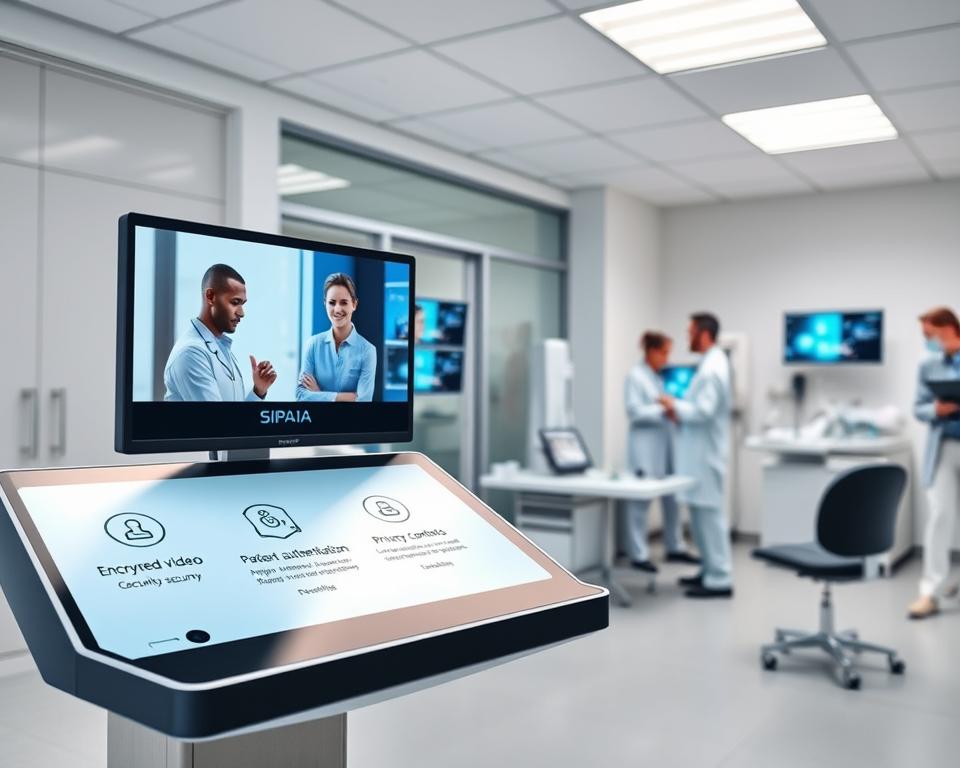
To meet HIPAA, telemedicine solutions need to use secure login methods, encrypt health records, and control who can access them. These steps help keep patient data safe and meet HIPAA standards. This ensures the highest security and privacy for patients, while also following the law.
Essential Components of a Telemedicine Portal
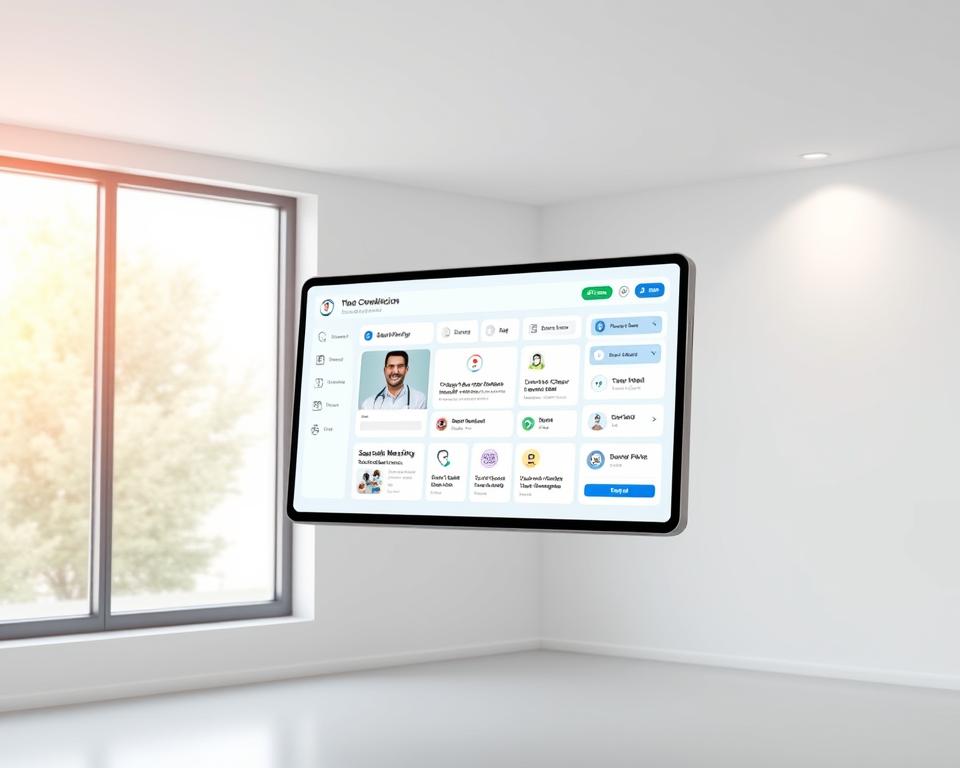
A well-designed telemedicine portal is key for good virtual care. It uses healthcare technology to help with patient engagement. It should have things like patient registration, scheduling, and secure messaging.
These parts are important for patient engagement and care coordination. They make sure patients can get to their health info and talk to doctors. A telemedicine portal should also be easy to use, so patients can find their way around.
Some main features of a telemedicine portal are:
- Patient registration and profile management
- Appointment scheduling and reminders
- Secure messaging and communication with healthcare providers
- Access to medical records and test results
- Integration with healthcare technology systems, such as electronic health records (EHRs)
With these features, a telemedicine portal can make patient engagement better and health outcomes improve. It also makes clinical work easier and cuts costs. Healthcare technology helps with remote monitoring and virtual visits, making care more accessible and patient satisfaction higher.
Technical Infrastructure Requirements
When creating a telemedicine portal, it’s crucial to think about the technical setup. A strong technical base is key for the portal’s performance, security, and growth. This involves server requirements, database setup, and network security measures. A solid technical foundation helps healthcare providers offer a reliable and safe telemedicine service to patients.
One important part of the technical setup is server requirements. The servers hosting the portal must handle lots of traffic and data safely. They also need to protect sensitive patient info. A good telemedicine portal development company can help design and set up secure servers.

- Scalability: The ability to handle increased traffic and data as the portal grows
- Security: The implementation of robust network security protocols to protect patient data
- Reliability: The ability to ensure that the portal is always available and accessible to patients
By focusing on these key areas, healthcare providers can build a telemedicine portal on a strong technical base. This ensures a safe and dependable experience for patients.
User Authentication and Access Control
User authentication and access control are key in a telemedicine portal. They make sure only the right people can see patient data and do certain tasks. Using strong user authentication like multi-factor authentication helps keep patient data safe from unauthorized access.
Keeping patient data security tight means strict access control rules. This includes giving users access to certain features and data based on their job. It’s like a lock and key system for your data.
Here are some tips for better user authentication and access control:
- Implementing multi-factor authentication to prevent unauthorized access
- Using role-based access control to restrict access to sensitive data
- Regularly reviewing and updating user access permissions to ensure they are up-to-date

With strong user authentication and access control, telemedicine portals keep patient data safe. This builds trust with both patients and healthcare providers.
Secure Video Conferencing Integration
Secure video conferencing is key in telemedicine portals. It lets healthcare providers do virtual consultations safely. They can keep patient data private and safe. To do this, encryption standards are used to guard data as it’s sent. A good telemedicine portal should use secure video conferencing that follows strict encryption rules.
For video quality, high-definition is a must for good virtual talks. You need a fast and stable internet connection. Also, enough bandwidth for clear video streaming. Important things for secure video conferencing include:
- Using end-to-end encryption to keep data safe
- Choosing secure video conferencing protocols to block unauthorized access
- Having high-quality video streaming for better virtual talks
By focusing on secure video conferencing, telemedicine portals can offer a safe place for healthcare providers to give virtual care. 
Electronic Health Records (EHR) Integration
EHR integration is key in telemedicine portals. It lets healthcare providers easily manage patient data. This helps them make better decisions for patient care.
It also makes healthcare interoperability better. This means patient data can move smoothly between different healthcare providers.
Having EHR integration brings many benefits. It improves care coordination and reduces medical mistakes. It also leads to better patient outcomes.
To integrate EHR systems well, telemedicine portals need to work with many EHR systems. They use standard ways to share data. This is done through EHR integration platforms that work with various EHR systems.
Some important things to think about for EHR integration are:
- Ensuring compatibility with various EHR systems
- Implementing standardized protocols for data exchange
- Providing secure access to patient data

By focusing on EHR integration, telemedicine portals can better manage patient data. This leads to better care for patients. As healthcare keeps changing, EHR integration will become even more important. Telemedicine portals need to invest in good EHR integration solutions.
Developing a HIPAA-Compliant Telemedicine Portal: Step-by-Step Guide
Creating a HIPAA-compliant telemedicine portal needs a clear plan. It involves several steps, each with its own tasks. A step-by-step guide helps make sure everything is covered, from the start to the end.
For a telemedicine portal development project to succeed, HIPAA compliance must be a top priority. This means using strong security, protecting patient data, and keeping detailed records of all interactions.

Planning Phase
In the planning phase, it’s crucial to outline the project’s scope, know the target audience, and decide on the needed features. This phase lays the groundwork for the whole project. It makes sure the telemedicine portal meets the users’ needs.
Development Phase
The development phase is about designing and making the telemedicine portal. It involves creating an easy-to-use interface, adding secure video conferencing, and linking to electronic health records (EHR) systems. A step-by-step guide helps ensure everything is done right and fast.
Testing Phase
In the testing phase, the telemedicine portal is checked to make sure it follows HIPAA compliance and works as expected. This includes security, performance, and usability tests to find and fix any problems.
Data Encryption and Storage Solutions
Data encryption is key to keeping patient data safe in telemedicine portals. It makes sure sensitive info stays private and out of wrong hands. It’s also important to look at how patient data is stored to keep it safe.
Good data encryption and storage are essential for keeping patient data safe. This means using strong encryption, like at-rest and in-transit encryption, to guard against breaches and cyber threats.
Encryption Methods
- At-rest encryption: protects data stored on devices or servers
- In-transit encryption: protects data being transmitted between devices or servers
Using these encryption methods helps keep patient data safe. It builds trust with patients and meets legal standards.

It’s vital for telemedicine portals to invest in strong data encryption and storage. This ensures patient data security and follows the law. By focusing on data encryption and storage, telemedicine portals can keep patient info safe and offer a secure experience.
Implementing Audit Trails and Logging
Setting up audit trails and logging is key for a telemedicine portal. It lets healthcare providers keep track of system activity. They can spot security issues and follow rules.
Audit trails keep a record of all system actions. This includes who logs in, what data is accessed, and changes to patient records.
Good logging helps find and fix security problems fast. By looking at log data, providers can catch threats early. Compliance documentation is also vital. It shows providers follow rules and care about patient data safety.
Here are some tips for setting up audit trails and logging:
- Check and analyze log data often to find security issues.
- Use automated logging and alerts to quickly tell providers about threats.
- Keep compliance documents up-to-date to show you follow rules.

With good audit trails and logging, providers can keep patient data safe. They can also meet rules and offer top-notch telemedicine services.
Mobile Device Compatibility and Security
It’s key to make sure a telemedicine portal works well on mobile devices. This lets patients and doctors use virtual care services safely and easily. With more people using mobiles, strong security is needed to keep patient data safe.
For a telemedicine portal to work well, it must be compatible with many devices. This includes iOS and Android phones, and different screen sizes. This way, more people can get care easily.
- Use encryption to protect patient data
- Implement secure authentication and authorization protocols
- Regularly update and patch mobile devices and software
By focusing on mobile device compatibility and security, healthcare providers can keep patient data safe. They can also make sure virtual care services are secure and work well.
Patient Data Management and Privacy Controls
Patient data management is key in telemedicine. It helps healthcare providers manage patient data well. This ensures HIPAA compliance for online communications. It also involves using strong privacy controls to keep patient info safe.
Here are some top tips for managing patient data and privacy:
- Encrypt patient data when it’s moving and when it’s stored
- Use secure login methods, like multi-factor authentication
- Keep software and systems up to date to avoid security issues
- Do security checks and risk assessments often
By focusing on patient data management and privacy, healthcare providers can keep patient trust. This is crucial for a successful telemedicine service. Patients must feel sure their personal info is safe.
Security Risk Assessment and Mitigation
It’s vital to do a detailed security risk assessment for a telemedicine portal. This step helps find possible threats like data breaches and cyber attacks. By focusing on security, healthcare providers can keep patient data safe and sound.
Threat analysis is a big part of this. It’s about spotting security threats and figuring out how likely and harmful they could be. This includes looking at risks in data sending, storing, and getting to. Good threat analysis helps healthcare providers make plans to tackle these risks.
To keep patient data safe, healthcare providers need to use strong security measures. This includes things like encryption, firewalls, and who can access what. They also need to keep up with vulnerability management and incident response planning. By putting security first, healthcare providers can lower the chance of data breaches and follow the rules.
- Do regular security risk assessments to find threats
- Make plans to tackle the risks you find
- Use strong security tools, like encryption and access controls
By sticking to these steps, healthcare providers can keep patient data safe. They also make sure they follow the rules. Keeping up with security risk assessment and mitigation is key to protecting patient data and stopping security breaches.
Compliance Documentation and Reporting
Compliance documentation and reporting are key parts of a telemedicine portal. They help healthcare providers show HIPAA compliance and keep accurate records. These steps are vital for keeping patient data safe and meeting rules.
To make sure compliance documentation and reporting work well, healthcare providers need to:
- Make a detailed plan for all needed compliance documents and reports
- Use a safe and dependable reporting system to track all activity
- Do regular checks and risk assessments to find and fix any weak spots and ensure HIPAA compliance
By focusing on compliance documentation and reporting, healthcare providers can lower the chance of not following rules. This helps keep patient data safe and sound.
Testing and Quality Assurance Protocols
Keeping patient data safe is key for telemedicine platforms. Quality assurance is crucial for their reliability and security testing. Healthcare providers use strict testing to ensure their platforms meet standards.
HIPAA-compliant telehealth platforms need security testing to avoid data breaches. Here are important testing and quality assurance aspects:
- Regular security testing to find and fix weaknesses
- Using quality assurance to check the platform’s reliability and performance
- Doing compliance verification Farr to follow rules
Healthcare providers can protect patient data by following these protocols. This builds trust with their patients. Regular testing and quality checks are vital for telemedicine’s success.
Conclusion
Creating a HIPAA-compliant telemedicine portal is key for healthcare providers. It lets them offer virtual care safely and ethically. Following HIPAA rules for patient data security and using secure technology is important.
This ensures a HIPAA-compliant telemedicine portal that patients can trust. It builds confidence in the care they receive.
This article gives a detailed guide for healthcare providers. It helps them build a secure and compliant telemedicine solution. Each step, from planning to deployment, is vital for meeting HIPAA standards.
By focusing on security and compliance, healthcare groups can use telemedicine’s benefits. They can keep high care standards and protect patient data.