






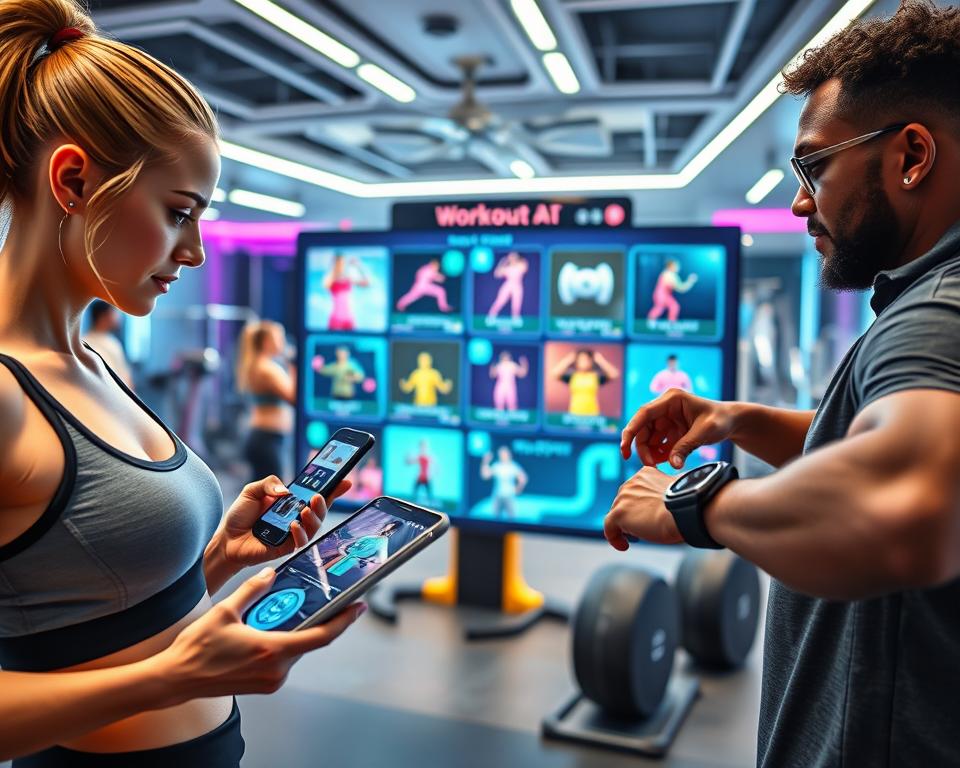
The integration of artificial intelligence and gamification elements is changing the fitness industry. AI-powered fitness apps are making exercise more fun and personal. They’re changing how we stay healthy.
Gamification in fitness is a big trend now. It makes working out more fun and interactive. Thanks to fitness technology, developers can create experiences that keep users motivated to reach their goals.
Table of Contents
Key Takeaways
- AI-powered fitness apps offer personalized experiences for users.
- Gamification elements make workouts more engaging and fun.
- Fitness technology is driving innovation in the industry.
- AI gamified fitness apps can improve user motivation and retention.
- The integration of AI and gamification is transforming the fitness landscape.
The Evolution of Fitness Technology and AI Integration
The world of fitness tech is changing fast, thanks to AI and gamification. These changes are big in the fitness app market. They’re making how we use fitness tech different.
The Current State of the Fitness App Market
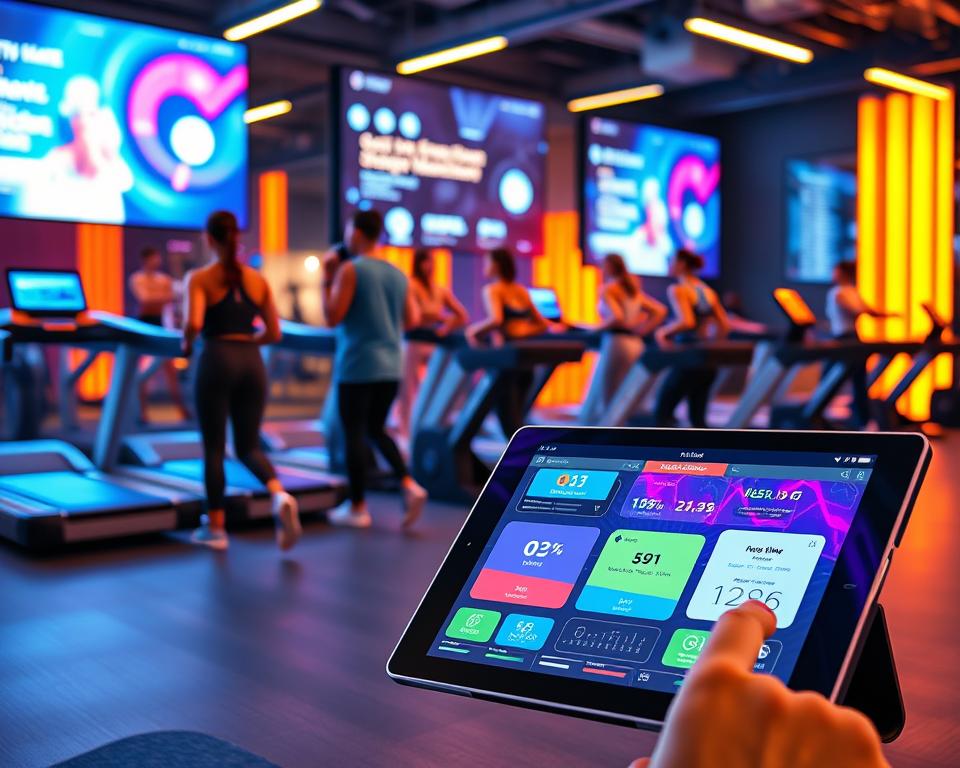
The fitness app market has grown a lot lately. More people are using mobile apps for their workouts. AI-powered fitness apps lead this trend, offering custom plans and feedback on the go.
The market is very competitive. But apps that use AI and gamification are getting noticed. They offer fun and personalized experiences.
Why AI and Gamification are Transforming Fitness
AI and gamification are making workouts more fun and effective. AI algorithms make fitness plans based on your data. Gamification adds rewards and challenges to keep you motivated.
Adding AI and gamification also improves the user experience. It gives real-time feedback and tracks your progress. This keeps users interested and helps them reach their fitness goals.
Understanding AI Gamified Fitness App Development
Fitness apps are getting smarter with AI and gamification. This mix makes workouts more fun and personal. It’s changing how we stay fit by offering tailored experiences.
Defining AI-Powered Fitness Applications
AI fitness apps use machine learning to create personalized fitness plans. They look at your workout history and goals. Then, they adjust your plans to keep you challenged but not overwhelmed.
AI also adds cool features like real-time coaching and form correction. For example, it can check your exercise form and give you tips to improve right away.
The Role of Gamification in User Motivation
Gamification makes fitness apps more fun. It adds points, badges, and leaderboards to make workouts enjoyable. This fun factor helps users stay motivated and reach their goals.
- Points systems reward users for completing workouts or achieving milestones.
- Badges are awarded for specific accomplishments, such as completing a certain number of workouts or reaching a new personal best.
- Leaderboards foster a sense of competition among users, motivating them to perform better.
How AI and Gamification Work Together
AI and gamification together make fitness apps very engaging. AI uses what it knows about you to make the game elements better. For instance, it can make challenges harder or easier based on how you’re doing.
| Feature | AI Contribution | Gamification Element |
|---|---|---|
| Personalized Workouts | AI-driven workout planning | Points for completing workouts |
| Real-time Feedback | AI-based form correction | Badges for perfect form |
| Progress Tracking | AI analytics for progress insights | Leaderboards for competition |
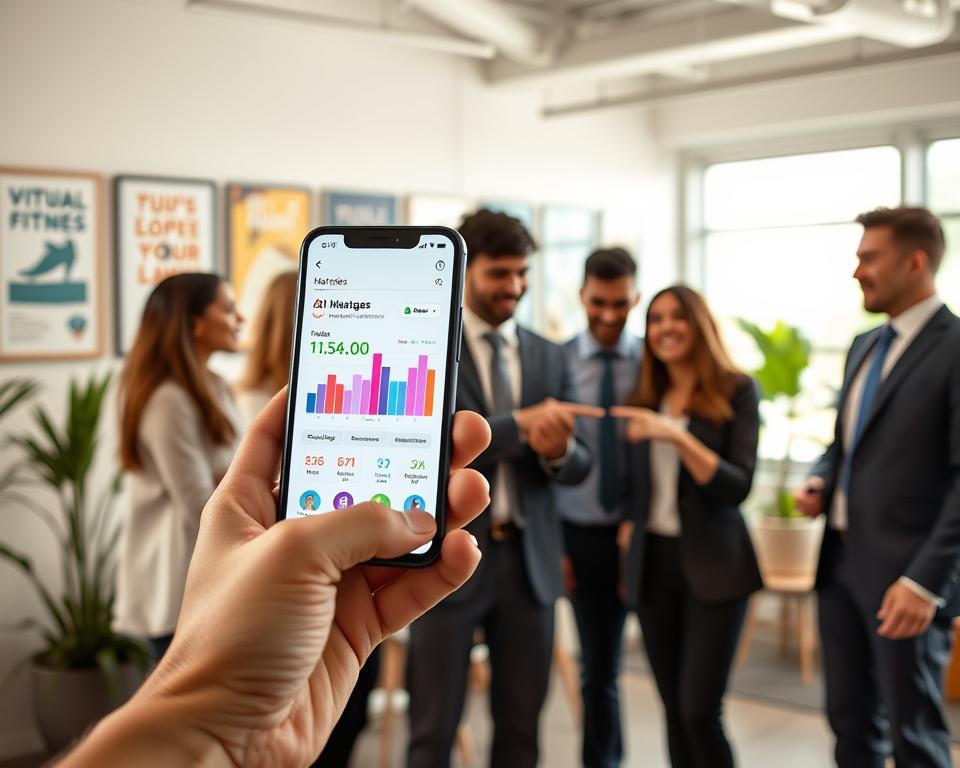
In conclusion, AI and gamification in fitness apps are changing the game. They offer personalized experiences and make staying fit fun. This combo helps people reach their fitness goals more easily.
Core Features That Define Successful AI Fitness Apps
AI fitness apps succeed because of key features that improve user experience and results. These features make top apps stand out. They also help keep users coming back and happy.
Intelligent Workout Personalization
AI fitness apps are known for intelligent workout personalization. They create exercise plans that fit each user’s needs, goals, and fitness level.
Adaptive Training Plans
Adaptive training plans are a big deal in these apps. They change as the user gets better, keeping workouts challenging but doable. AI checks how well users are doing and tweaks the workout to get the best results.
Exercise Modification Based on Performance
AI apps can also change exercises based on how well users do them. If someone finds an exercise hard, the app might suggest easier versions. This helps avoid injuries and keeps users motivated by offering the right challenge.
Real-Time Movement Analysis and Feedback
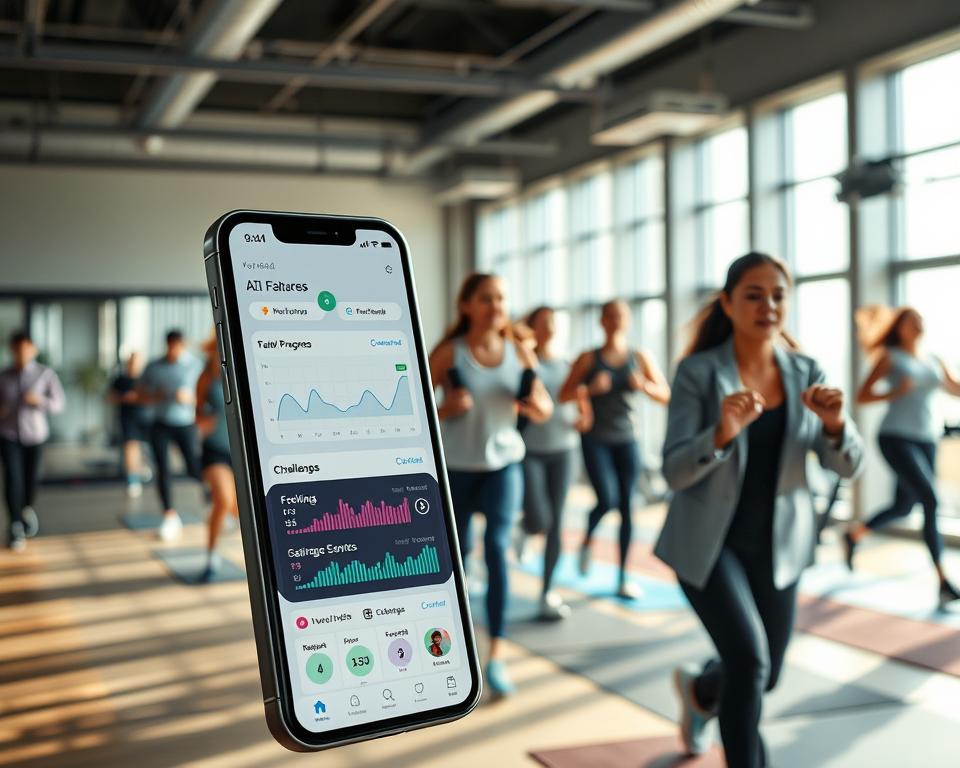
Real-time movement analysis and feedback is another key feature. AI apps use computer vision and machine learning to check how users move during exercises. They give instant feedback on form and technique. This helps fix mistakes, improve performance, and lower injury risk.
Progress Tracking and Predictive Analytics
Progress tracking is essential in any fitness app. When combined with predictive analytics, it gets even better. AI apps track how users are doing over time. They use this data to predict future performance and suggest changes to training plans. This helps users stay focused on their fitness goals.
Virtual Coaching with Natural Language Understanding
The addition of virtual coaching with natural language understanding (NLU) makes AI fitness apps more personal and interactive. Users can talk to the app naturally, getting advice and support like from a real coach. This makes the app feel more like a personal trainer, boosting user engagement and satisfaction.
Gamification Elements That Drive User Engagement
Gamification is a key tool for making fitness apps more fun and engaging. It uses game design to keep users active and focused on their fitness goals.
Points, Badges, and Achievement Systems
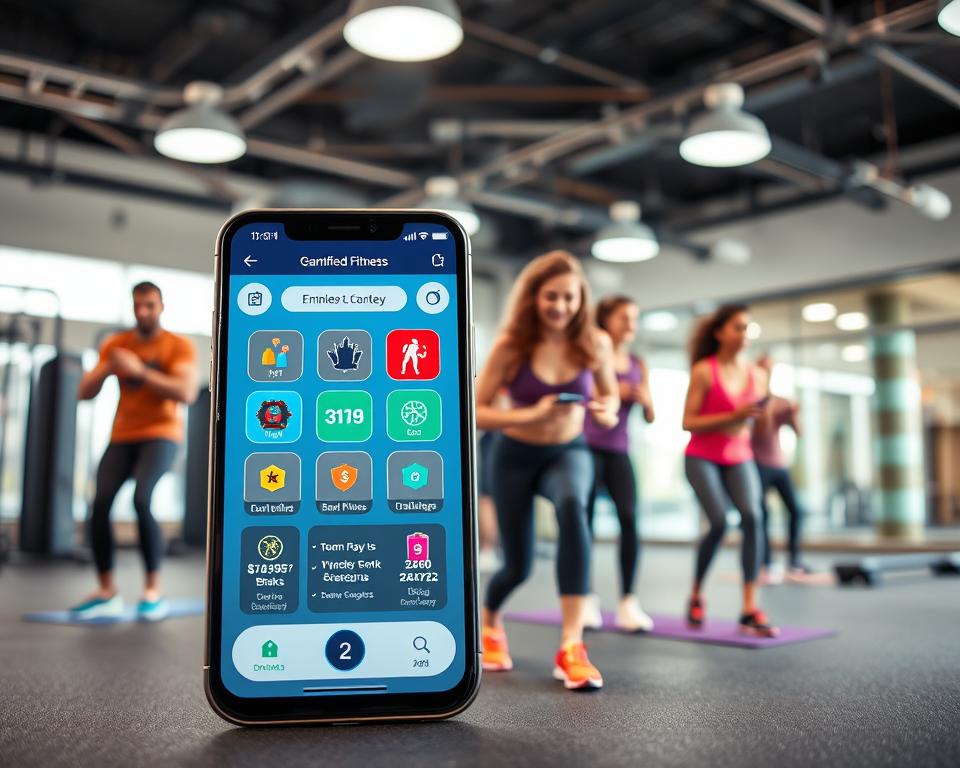
Points, badges, and achievements are great for gamification. They make users feel proud of their progress. For example, users get points for workouts, hitting milestones, or joining challenges. These points can unlock badges that show off their achievements.
Key benefits of points, badges, and achievements include:
- Increased user motivation
- Enhanced sense of accomplishment
- Improved user retention
Leaderboards and Social Competition
Leaderboards add a competitive edge that boosts user interest. They rank users based on their performance. This competition encourages users to do better and work out more.
“The competitive aspect of leaderboards can be a powerful motivator, as it taps into users’ natural desire to compete and achieve recognition.”
Challenges and Missions
Challenges and missions give users clear goals to aim for. They make workouts more exciting and meaningful. Challenges can be short-term, like a weekly goal, or long-term, requiring consistent effort.
Examples of challenges and missions include:
- Daily workout challenges
- Weekly step count competitions
- Monthly fitness goal challenges
Avatar Customization and Progression
Customizing avatars makes the app more fun and personal. As users progress, their avatars change, showing their achievements. This adds a creative twist to fitness.
Reward Mechanisms and Unlockables
Rewards and unlockables motivate users to keep using the app. They can get virtual rewards or even real discounts on fitness gear. These incentives make the app more rewarding.
Effective reward mechanisms can lead to:
- Increased user engagement
- Improved retention rates
- Enhanced overall user experience
AI Technologies Powering Fitness App Intelligence
AI has changed the fitness app world, making it more personal. Now, apps use AI to make workouts better and more fun for everyone.
Machine Learning Algorithms for Personalization
Machine learning is key in AI fitness apps. It helps make workout plans just for you.
Recommendation Engines
These engines suggest the best exercises based on what you like and want to achieve. They use your data to make plans that really work for you.
User Behavior Prediction
Machine learning can guess how likely you are to stick with a workout plan. This lets the app adjust plans to keep you motivated and on track.
Computer Vision for Exercise Form Correction
Computer vision checks how you move and gives feedback on your form. This is thanks to:
Pose Estimation Technology
This tech uses cameras to track your body. It helps you do exercises right, which is safer and more effective.
Real-Time Movement Tracking
This feature watches your exercises and corrects your form right away. It helps you get the most out of your workouts.
| Technology | Function | Benefit |
|---|---|---|
| Machine Learning | Personalization | Tailored workout plans |
| Computer Vision | Exercise Form Correction | Reduced injury risk |
| Natural Language Processing | Conversational AI | Enhanced user interaction |
Natural Language Processing for Conversational AI
NLP lets apps understand and talk back to you. This makes your fitness journey more fun and less lonely.
Deep Learning for Pattern Recognition
Deep learning finds patterns in your workout data. It helps the app plan your next workouts and gives you tips to reach your goals.
AI makes fitness apps more personal and effective. As AI gets better, we’ll see even more cool things in fitness apps.
The Development Process for AI Gamified Fitness Apps
Creating an AI gamified fitness app is a detailed process. It combines the latest tech with a focus on the user. Each step is important for the app’s success.
Discovery and Planning Phase
This first phase sets the foundation for the app. It includes several key steps:
Market Research and Competitor Analysis
It’s important to know the market and competitors. This helps find opportunities and challenges. It shapes the app’s unique features.
User Persona Development
Developing user personas is crucial. It helps tailor the app to what users want and need. This makes the app more engaging.
Feature Roadmap Creation
After research and persona development, a roadmap is made. It outlines the app’s main features and their priority. This focuses on what will engage users the most.
Design and Prototyping
The design phase focuses on making the app easy and fun to use. Key areas include:
User Interface Design Principles
Using design principles like simplicity and consistency makes the app look good and work well.
User Experience Optimization
Improving the user experience means making the app easy to navigate. It also means making the gamification elements fun and rewarding.

Development and Integration
The development phase turns the design into a real app. It adds AI and gamification. Key methods include:
Agile Development Methodology
Agile development allows for quick changes and feedback. It makes the app development process flexible.
AI Model Training and Implementation
Training AI models on data makes the app personal and engaging. It’s key for the app’s intelligence and user interaction.
Testing and Quality Assurance
Testing is crucial for the app’s quality and user experience. It finds and fixes bugs. It also checks if the app is easy to use.
Launch and Deployment Strategies
A good launch plan is vital for success. It includes building excitement before launch and promoting on launch day. It also involves evaluating and improving after launch. Deployment should be scalable and easy to maintain.
Choosing the Right Technology Stack
When making an AI gamified fitness app, picking the right tech stack is key. It affects how well the app works, grows, and feels to users.
Mobile Development Frameworks
Mobile frameworks are the core of any fitness app. They decide how the app is built and works on different devices. There are two main ways: native and cross-platform development.
Native Development with Swift and Kotlin
Native development means making apps for one platform (iOS or Android) using specific languages and tools. For iOS, Swift is the top choice. For Android, Kotlin is the go-to.
- Swift gives high performance and works well with iOS features.
- Kotlin has a simple syntax and safety features for Android apps.
Cross-Platform Solutions with React Native and Flutter
Cross-platform frameworks let developers make apps for both iOS and Android with one codebase. React Native and Flutter are popular choices.
- React Native uses JavaScript and React for apps that perform like native ones.
- Flutter uses Dart and has pre-designed widgets for a native-like feel.
Backend Technologies and Cloud Infrastructure
The backend of a fitness app handles data and communication between the app and users. Picking the right backend tech and cloud infrastructure is vital for growth and reliability.
Node.js and Python for Backend Services
Node.js and Python are top picks for backend services. They’re flexible and have a wide range of tools.
- Node.js is great for real-time apps with its non-blocking I/O model.
- Python is simple and has many libraries, including for machine learning.
AWS, Google Cloud, and Azure Options
Cloud platforms like AWS, Google Cloud, and Azure offer services for hosting, data, and machine learning.
- AWS has a wide range of services, including S3 for storage and Lambda for serverless computing.
- Google Cloud has strong machine learning tools and works well with other Google services.
- Azure has robust services and supports hybrid cloud setups.
AI and Machine Learning Frameworks
AI and machine learning frameworks are key for smart features in fitness apps, like personalized advice and workout analysis.
TensorFlow and PyTorch
TensorFlow and PyTorch are leading machine learning frameworks.
- TensorFlow is scalable and works well in production environments.
- PyTorch is dynamic and favored for research and development.
Core ML and ML Kit
For mobile AI, Core ML (iOS) and ML Kit (iOS and Android) offer tools for integrating AI into apps.
- Core ML enhances iOS apps with features like image recognition and natural language processing.
- ML Kit simplifies mobile machine learning tasks with ready-to-use APIs.
Database and Storage Solutions
Good data management is crucial for fitness apps. They need strong database and storage solutions.
The choice between relational and NoSQL databases, and cloud or on-premises storage, depends on the app’s needs. This includes data structure, scalability, and compliance.
Integration with Wearables and Health Platforms
Fitness technology is getting better, and linking AI fitness apps with health platforms is key. This link helps in a better health and fitness approach. It makes sharing data easy and improves how users feel.
Connecting with Apple Watch and Wear OS
Linking AI fitness apps with Apple Watch and Wear OS devices gives a single fitness tracking experience. This connection lets users see their data in real-time. It includes features like:
- Workout tracking
- Heart rate monitoring
- GPS tracking
This integration helps fitness apps create more tailored workout plans.
Fitbit and Garmin Integration
Fitbit and Garmin are favorites among fitness fans. Linking AI fitness apps with these platforms lets users:
- Sync workout data
- Track sleep patterns
- Monitor daily activity
This link makes the app better at guiding fitness in a complete way.
Apple HealthKit and Google Fit APIs
The Apple HealthKit and Google Fit APIs are vital for linking health and fitness data. By using these APIs, AI fitness apps can:
- Get user health data
- Give personalized advice
- Boost user interest with data insights
Heart Rate Monitors and Smart Scales
Working with heart rate monitors and smart scales adds more data to AI fitness apps. This lets them:
- Monitor health more accurately
- Plan fitness based on detailed health data
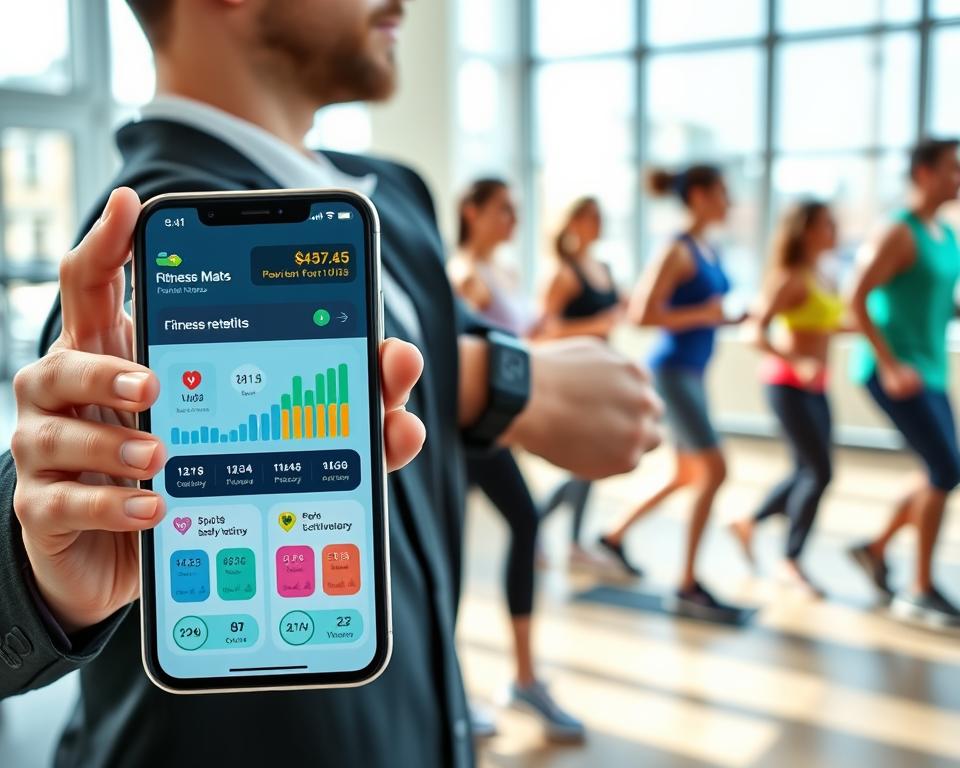
By working with many wearables and health platforms, AI fitness apps offer a more detailed and personal fitness journey. This boosts user interest and helps in better health results.
User Retention and Engagement Strategies
Keeping users interested in AI fitness apps is key to their success. These apps need to use many strategies to meet different user needs. This helps keep users coming back for more.
Personalized Push Notification Systems
Personalized push notifications are crucial for keeping users interested. Fitness apps use AI to send messages that fit each user’s needs. For example, a message might encourage someone who hasn’t worked out in a while to start again.
Streaks and Consistency Rewards
Streaks and rewards for consistency are great for keeping users engaged. These features make users feel accomplished and keep them motivated. For instance, completing a workout for seven days in a row might earn a badge or discount.
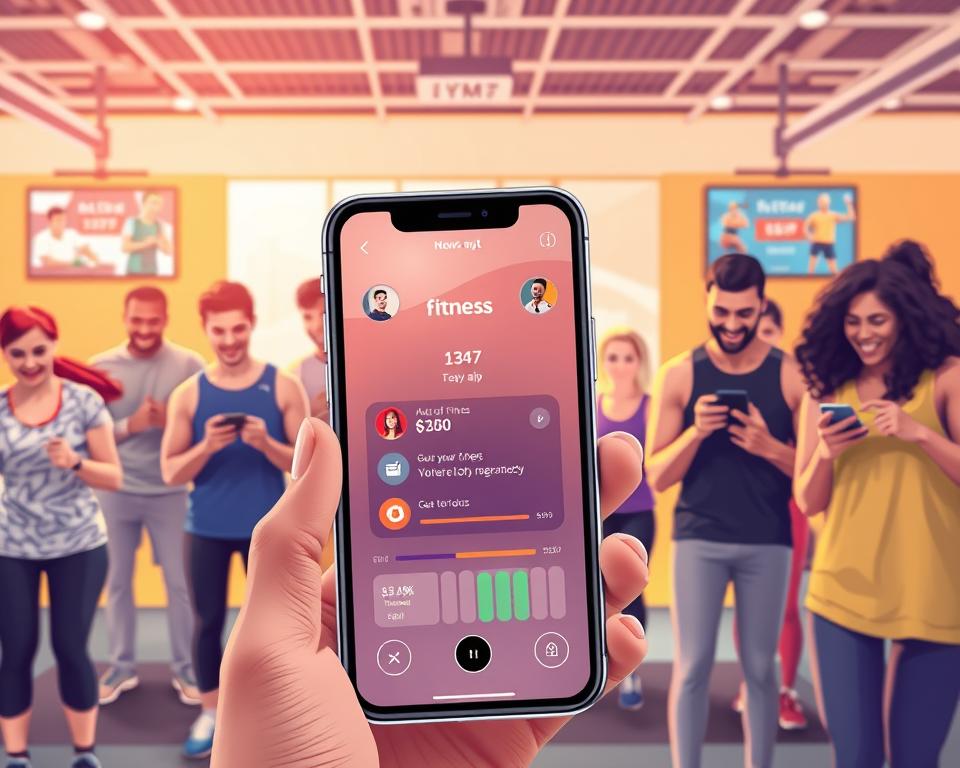
Community Features and Social Sharing
Features that let users share and connect with others boost engagement. Sharing progress and joining challenges creates a sense of community. This can really motivate users to stay active and engaged.
Regular Content Updates and Seasonal Events
Keeping the app fresh with new content and events is important. Introducing new workouts and features keeps things exciting. Seasonal events, like summer challenges, add a fun and urgent element.
AI-Driven Re-engagement Campaigns
AI can help bring back users who haven’t been active. By analyzing user behavior, AI can suggest the best ways to re-engage. This can help keep the user base strong and active.
| Strategy | Description | Impact on User Retention |
|---|---|---|
| Personalized Push Notifications | Tailored messages based on user data and behavior | High |
| Streaks and Consistency Rewards | Recognizing and rewarding consistent user behavior | Medium-High |
| Community Features and Social Sharing | Fostering a sense of community and social interaction | Medium |
| Regular Content Updates and Seasonal Events | Keeping the app fresh with new content and events | Medium |
| AI-Driven Re-engagement Campaigns | Targeted campaigns to re-engage inactive users | High |
Monetization Approaches for Fitness Apps
Monetizing fitness apps is all about finding the right balance. It’s about making money without losing user interest. As the fitness app market grows, developers are trying new ways to make money while keeping users happy.
Subscription-Based Revenue Models
One top way to make money is through subscriptions. Users pay a fee for extra content or services. This model has many benefits:
- Predictable Revenue: Subscriptions give a steady income.
- User Retention: New content keeps users coming back.
- Premium Services: Exclusive features or coaching are offered.
Freemium Features and Premium Upgrades
The freemium model gives basic features for free but charges for more. It lets users try before they buy, which can boost sales.
Key points include:
- Limited Free Version: Advanced features are only for upgrades.
- Clear Upgrade Paths: It’s easy to see the value of premium versions.
In-App Purchases for Virtual Goods
In-app purchases let users buy extra content. This can include:
- Customizable Avatars: Users can personalize their experience.
- Additional Workout Plans: Special training programs are available.
Corporate Wellness Program Partnerships
Working with corporate wellness programs can be very profitable. Fitness apps can offer special wellness solutions for employees.
Benefits include:
- B2B Revenue: Income from business partnerships.
- Bulk Licensing: Discounts for big corporate clients.
Affiliate Marketing and Brand Collaborations
Affiliate marketing promotes other companies’ products and earns a commission. It’s a way to make money by promoting products in the app.
Key strategies include:
- Relevant Partnerships: Working with brands that fit the app’s users.
- Native Advertising: Ads are smoothly integrated into the app.
| Monetization Strategy | Key Benefits | Potential Challenges |
|---|---|---|
| Subscription-Based | Predictable revenue, user retention | User churn, competition |
| Freemium Model | Wide user base, conversion potential | Balancing free and premium features |
| In-App Purchases | Additional revenue streams, enhanced user experience | User resistance to microtransactions |
| Corporate Partnerships | B2B revenue, bulk licensing opportunities | Sales challenges, customization requirements |
| Affiliate Marketing | Commission-based revenue, brand collaborations | Finding relevant partners, maintaining user trust |
In conclusion, fitness app developers have many ways to make money. By knowing the pros and cons of each method, they can find the best balance between making money and keeping users happy.
Data Privacy, Security, and Compliance
AI gamified fitness apps are changing how we view health and wellness. It’s crucial to keep user data safe and private. These apps collect personal health data and fitness metrics, so they need strong data protection.
HIPAA Compliance for Health Data
The Health Insurance Portability and Accountability Act (HIPAA) has strict rules for health data. Apps that handle this data must follow HIPAA. This ensures the data’s safety and privacy.
Key HIPAA compliance requirements include:
- Implementing robust access controls and authentication mechanisms
- Encrypting PHI both in transit and at rest
- Conducting regular risk assessments and mitigating identified vulnerabilities
- Providing comprehensive training to employees handling PHI
- Establishing clear policies for data breach notification and response
GDPR and Data Protection Regulations
The General Data Protection Regulation (GDPR) has strict rules for personal data in the European Union. Apps with users worldwide must follow both HIPAA and GDPR. They need to adapt their data handling to meet these strict standards.
“The GDPR has set a new standard for data protection, emphasizing transparency, user control, and accountability. Fitness apps must be prepared to demonstrate compliance and face significant penalties for non-compliance.”
End-to-End Encryption Implementation
End-to-end encryption is key for data security in fitness apps. It encrypts data from the user’s device to the app’s servers. This way, even if there’s a breach, the data stays safe.
| Encryption Method | Description | Application in Fitness Apps |
|---|---|---|
| Transport Layer Security (TLS) | Encrypts data in transit between client and server | Secures data transmission between app and servers |
| AES-256 | Symmetric encryption algorithm for data at rest | Encrypts stored user data and workout logs |
| Homomorphic Encryption | Allows computations on encrypted data | Enables AI processing without decrypting sensitive information |
User Consent and Data Transparency
Getting user consent and being clear about data use is vital. Fitness apps must tell users what data they collect and how it’s used. They should also let users control their privacy settings.
Secure Authentication Methods
Strong authentication is key to keep user data safe. Fitness apps can use biometric authentication, multi-factor authentication, and OAuth integration. These methods help prevent unauthorized access.
By focusing on data privacy, security, and compliance, app developers can earn user trust. They protect sensitive information and stay ahead in the fitness tech world.
Overcoming Development Challenges and Pitfalls
AI and gamification in fitness apps bring many challenges. Developers face technical, design, and user experience hurdles. They aim to make engaging and effective apps.
Balancing Gamification Without Overwhelming Users
One big challenge is finding the right balance in AI gamified fitness apps. Too many gamification features can overwhelm users. This leads to less engagement and app abandonment.
To solve this, developers use progressive gamification. They introduce features gradually as users get more comfortable. This keeps users interested without getting tired.
Maintaining AI Model Accuracy and Reliability
Keeping AI models accurate and reliable is key for good fitness recommendations. Developers must update and refine their models regularly. This ensures they adapt to new data and user behaviors.
Regular model retraining and validation are vital. They help keep AI-driven features in fitness apps working well.
Managing Battery Consumption and Performance
Fitness apps need to collect data constantly, which can drain batteries. It’s important to manage battery use while keeping the app running smoothly.
Using efficient data sampling and background process optimization helps. These techniques reduce battery drain.
| Optimization Technique | Description | Impact on Battery Life |
|---|---|---|
| Efficient Data Sampling | Reducing the frequency of data collection | High |
| Background Process Optimization | Limiting background activities | Medium |
| Low-Power Modes | Utilizing device low-power modes | High |
Preventing User Burnout and Fatigue
User burnout is a big risk in gamified fitness apps. Aggressive goal-setting or repetitive challenges can frustrate users and make them disengage.
Using personalized goal-setting and varied challenge structures helps. It keeps users motivated and prevents burnout.
Scaling Infrastructure for Growing User Bases
As fitness apps grow, their infrastructure must also scale. This means having robust backend architecture and scalable cloud services.
Investing in cloud scalability and load balancing is key. It ensures the app stays responsive and reliable as more users join.
Future Innovations in AI Fitness Technology
AI is changing the fitness world in big ways. New tech is making exercise and wellness better. We’re seeing new methods that will change how we work out and stay healthy.
Augmented and Virtual Reality Workouts
Augmented Reality (AR) and Virtual Reality (VR) are making workouts more fun. They let you play in virtual worlds that make exercise feel like a game. This makes working out more enjoyable and effective.
Key Benefits of AR and VR in Fitness:
- Interactive environments make workouts more engaging
- Workouts can be customized to fit your likes
- Games and challenges boost your motivation
Advanced Biometric Analysis with AI
AI is getting better at tracking our health. It can monitor our vital signs and fitness levels more accurately. This helps us understand our health better.
| Biometric Metric | Traditional Method | AI-Driven Method |
|---|---|---|
| Heart Rate | Manual pulse check | Continuous monitoring with wearables |
| Body Composition | Periodic measurements | Real-time tracking with smart scales |
Holistic Health Integration with Nutrition and Sleep
Fitness is now about more than just exercise. It’s about nutrition, sleep, and overall health. AI helps give personalized advice for a healthy lifestyle.
Nutrition planning and sleep analysis are key parts of fitness now. They help users get the best advice for their health.
Metaverse Fitness Experiences
The metaverse is bringing new fitness experiences. Imagine joining virtual fitness classes or competing in AR challenges with people all over the world.
The metaverse is changing fitness by making it more social and fun. As it grows, we’ll see new fitness communities and challenges.
Conclusion
AI and gamification are changing how we think about health and fitness. They make fitness apps more personal and fun. This new approach can really change the fitness world.
These apps use smart tech to give you workouts that fit you. They also offer virtual coaching and track your progress. Plus, they make it fun with points, badges, and leaderboards.
The future of fitness looks bright with AI and gamification. We’ll see more cool tech like augmented reality and biometric analysis. This means even more exciting ways to stay fit.
In short, AI and gamification are set to change fitness forever. They make working out more effective and enjoyable. It’s up to us to use this tech to make fitness better for everyone.