






Selecting the right automation technology is a critical step for modern companies. Many leaders must choose between simple scripted tools and advanced systems that reason through complex tasks.
Artificial intelligence in business now goes beyond basic text responses. Some programs answer predictable questions, while others manage multi-step workflows through internal systems and maintain context.
At Next Big Technology, we provide the clarity needed for informed decisions. We help you assess costs, capabilities, and implementation needs, so your software stack supports operational goals.
Table of Contents
Key Takeaways
- Understand the fundamental differences between scripted responses and reasoning systems.
- Learn how to match specific software capabilities to your unique operational workflows.
- Evaluate the long-term cost implications of different automation strategies.
- Discover how to integrate advanced tools into existing company infrastructure.
- Gain expert insights from Next Big Technology to streamline your digital transformation.
Why the AI Agent vs Chatbot Decision Matters for Modern Businesses
The rapid growth of artificial intelligence in business has changed how companies serve customers and handle internal tasks. Leaders must distinguish simple tools from advanced systems that support real growth. A poor choice can waste resources and cause missed opportunities for efficiency.

How Artificial Intelligence Is Changing Business Operations
Modern automation technology goes beyond basic question-and-answer interfaces. Businesses now use intelligent systems to simplify complex workflows and reduce manual work. Teams can focus on valuable tasks while software handles repetitive work faster and more accurately.
Smart systems help companies process huge amounts of data in real time. This ability supports better decisions and more personal customer experiences. Organizations that adopt these tools early often gain a strong advantage in their markets.
Why Conversational Automation Requires More Than a Basic Chat Interface
A standard chatbot often struggles with requests that need several steps or external business tools. These bots help with simple inquiries but cannot retain deep context during long interactions. True automation technology must execute actions, not only provide text responses.
Advanced agents can connect with your CRM, inventory systems, and databases to solve problems on their own. They understand a user’s intent and follow complex logic to reach a solution. This interaction helps businesses scale their operations effectively.
How Next Big Technology Helps Businesses Evaluate AI Solutions
Understanding artificial intelligence in business can overwhelm many organizations. Next Big Technology acts as a strategic partner and helps you choose tools for your needs. We connect technical choices with measurable results and long-term goals.
Our approach helps you build a foundation for future success, not just install software. We review current workflows to find where automation can provide the highest return on investment. Below is a summary of how these solutions affect operational efficiency.
| Feature | Basic Chatbot | AI Agent |
|---|---|---|
| Interaction Type | Rule-based | Goal-oriented |
| Task Execution | Limited | Advanced |
| Context Retention | Low | High |
| System Integration | Minimal | Deep |
What Is a Chatbot?
A chatbot is a digital interface that connects user questions with automated business responses. These tools act as virtual assistant software, helping companies handle many inquiries without constant human intervention. Automating routine interactions helps businesses maintain a consistent presence across digital channels.

How Rule-Based Chatbots Generate Responses
Rule-based systems follow predefined rules, often shown as a decision tree. When users send messages, the system scans for keywords or triggers and chooses the next step. This approach keeps conversations within predictable boundaries, so it suits simple, repetitive tasks.
How AI-Powered Chatbots Use Natural Language Processing
Unlike basic scripts, AI-powered chatbots use Natural Language Processing (NLP) to understand the intent behind a user’s message. This technology recognizes different wording, slang, and context. Machine learning helps these bots improve accuracy over time, providing a more fluid and human-like experience for the end user.
Common Chatbot Development Features
Effective chatbot development needs a clear plan for features and user experience. Next Big Technology emphasizes building systems that are scalable and easy to manage. The core features below define modern automated interfaces.
Website and Messaging Platform Integration
Modern bots should appear where customers spend their time. They can integrate with a corporate website, WhatsApp, or Facebook Messenger. This multi-channel design creates a smooth transition and one brand voice, whatever the user’s entry point.
Predefined Conversation Flows and Knowledge Bases
A strong knowledge base acts as the chatbot’s brain and stores answers to frequently asked questions. Combined with predefined flows, this data guides users toward specific outcomes. This structure keeps the bot on topic and gives users accurate information every time.
Lead Capture, Routing, and Customer Support Functions
Beyond answering questions, virtual assistant software can support business growth. It can qualify leads in real time, route complex issues to human agents, and schedule appointments. This automation eases the workload for support teams while increasing conversion rates.
| Feature Type | Rule-Based Chatbot | AI-Powered Chatbot |
|---|---|---|
| Logic Basis | Decision Trees | NLP & Machine Learning |
| Flexibility | Low (Rigid) | High (Adaptive) |
| Implementation | Fast & Simple | Complex & Iterative |
| Best Use Case | Basic FAQs | Complex Conversations |
What Is an AI Agent?
Unlike simple programs, an AI agent works as an autonomous system designed to achieve specific goals. These systems do not just respond to text; they actively interpret user intent to complete complex, multi-step tasks across digital environments.
How AI Agents Interpret Goals and Choose Actions
An AI agent breaks high-level goals into manageable steps. It reviews the task’s current state and chooses the most efficient path to completion.
Using advanced logic, the agent selects the tools or software functions needed for the desired result. This proactive approach helps it overcome obstacles without constant human help.

The Role of Large Language Models, Machine Learning, and Business Data
These agents use sophisticated large language models to process natural language with high accuracy. With machine learning applications, models find patterns in historical data and improve decisions over time.
Next Big Technology emphasizes that quality business data forms the foundation for success. When companies provide relevant operational data, agents align each action with internal policies and goals.
How AI Agents Connect With Business Systems
An agent must interact with your existing software stack to work well. This connection enables true business process optimization across the organization.
Customer Relationship Management Platforms
Agents can pull data from platforms like Salesforce or HubSpot, update records, schedule follow-ups, and personalize customer interactions. This gives your sales team the most current information.
Enterprise Resource Planning and Inventory Systems
By connecting with ERP systems, agents can monitor stock levels in real time. They can start automatic reordering when inventory falls below a set threshold, preventing costly supply chain delays.
Calendars, Email, Documents, and Workflow Tools
Modern ai agent development lets these systems manage daily operations by drafting emails, organizing meetings, and updating project management boards. This automation frees staff to focus on high-value strategic work instead of repetitive administrative duties.
AI Agent vs Chatbot: Key Differences at a Glance
Businesses often struggle to tell simple chatbots from advanced autonomous business systems. Both support communication, but their logic and problem-solving abilities differ greatly. Understanding this difference starts a successful AI Agent vs Chatbot comparison.
Comparison of Capabilities, Autonomy, and Interaction Depth
A standard chatbot follows strict rules or recognizes basic intent. It gives prewritten answers and usually ends the interaction after answering a specific question. An AI agent can plan, complete, and check tasks across several steps.
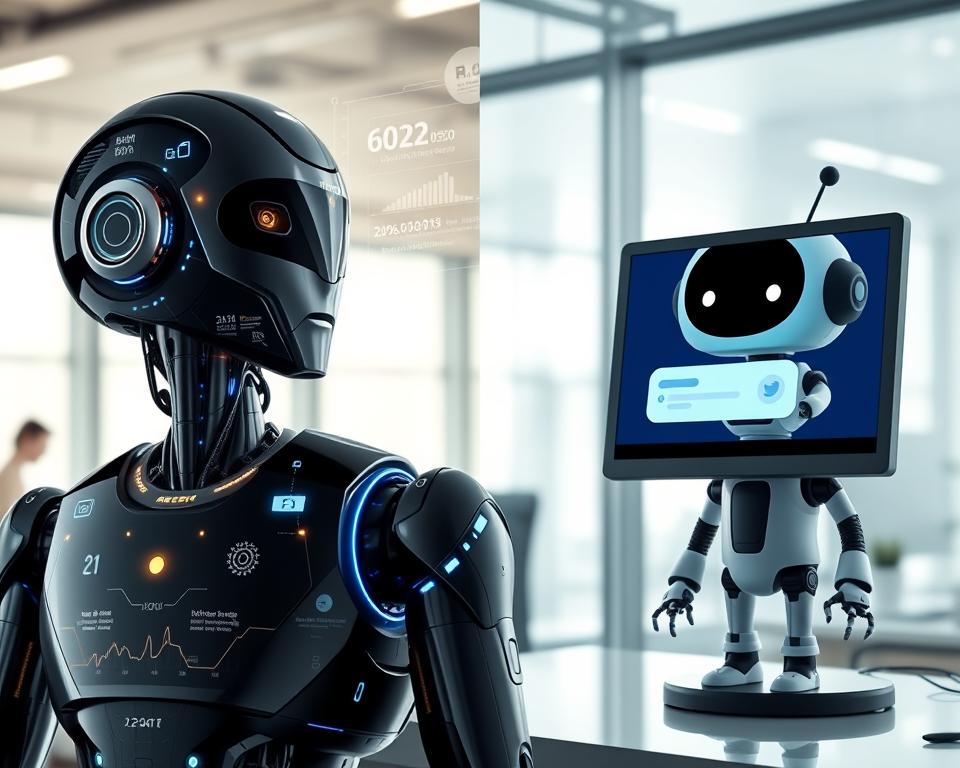
An agent’s conversational AI capabilities help it handle complex workflows without constant human guidance. A chatbot is like a digital receptionist; an agent resembles a digital employee that can reason independently.
Comparison of Context Retention and Personalization
Context retention reveals a growing gap between these technologies. Chatbots often forget earlier details, so users must repeat information. AI agents use advanced memory structures to maintain context during long, multi-turn interactions.
“The true power of artificial intelligence lies not in its ability to mimic human speech, but in its capacity to understand intent and execute meaningful actions on behalf of the user.”
This deep context lets agents provide highly personalized experiences. They can recall past preferences and use them for future tasks, creating a smooth customer journey.
Comparison of Integrations and Task Execution
Chatbots usually retrieve information from a knowledge base. They rarely act outside the chat window. AI agents can connect directly to internal business systems, including CRM or ERP platforms.
An agent can update records, process payments, or start workflows in external software. This integration capability changes the tool from a passive source into an active engine for business productivity.
Comparison of Human Handoffs, Oversight, and Escalation
Both systems need clear rules for involving a human. Chatbots usually escalate when they find an unknown keyword or cannot match an intent. AI agents use advanced triggers, such as confidence thresholds or high-risk transaction flags.
Next Big Technology stresses that human oversight remains critical for any autonomous deployment. With strong escalation paths, businesses ensure complex or sensitive issues reach a qualified human representative.
Comparison Table for Business Decision-Makers
| Feature | Chatbot | AI Agent |
|---|---|---|
| Primary Goal | Information Delivery | Task Execution |
| Autonomy | Low (Rule-based) | High (Goal-oriented) |
| Workflow | Single-turn | Multi-step |
| Integration | Limited | Deep/System-wide |
Capabilities, Use Cases, and Limitations of Chatbots
Next Big Technology helps businesses find where conversational tools create the most value. Modern chatbot development creates efficient, rule-based or simple AI-driven interfaces for high-volume interactions.
When Chatbots Excel at Customer Support and Lead Qualification
Chatbots manage first contact with potential clients well. They automate early sales steps, so no inquiry goes unanswered during busy hours.
- Lead Qualification: Automatically filtering prospects based on predefined criteria.
- Data Collection: Gathering contact information before a human agent joins the conversation.
- Instant Response: Providing immediate engagement to reduce bounce rates on landing pages.
Using Chatbots for Frequently Asked Questions and Self-Service
The use of artificial intelligence in business changed how companies handle routine questions. Chatbots answer common questions quickly, reducing work for human support teams.
This form of customer support automation lets users solve issues on their own. Users can check an order status or reset a password through smooth self-service tools.

Chatbot Applications in E-Commerce, Healthcare, Finance, and Education
Different sectors use these tools to improve efficiency. In e-commerce, they recommend products and track orders, while healthcare tools schedule appointments and share basic health information.
Financial institutions use them for balance inquiries and fraud alerts. Educational platforms use chatbots to guide students through course materials and administrative tasks.
Where Chatbots Struggle With Complex or Multi-Step Requests
These tools are powerful, but they have clear limits with non-linear tasks. Knowing these limits supports successful artificial intelligence in business implementation.
Ambiguous Customer Intent
Chatbots often use specific keywords to trigger responses. If a user makes a vague or nuanced request, the system may give an incorrect answer and cause frustration.
Requests Requiring Multiple Systems or Approvals
Most standard chatbots support single-path interactions. They struggle when a request needs data from several databases or a manager’s approval.
Situations Requiring Judgment and Continuous Context
Effective customer support automation depends on keeping context throughout a long conversation. Chatbots may lose the discussion when users change topics or add complex issues requiring human judgment and empathy.
Capabilities, Use Cases, and Limitations of AI Agents
AI agents change how companies handle complex digital tasks. Unlike static tools, they can interpret goals and act across multiple platforms. With advanced machine learning applications, these agents can improve daily work across your organization.

Using AI Agents for Business Process Optimization
Strong business process optimization needs more than simple task automation. It requires systems that analyze data, find bottlenecks, and suggest real-time improvements. Next Big Technology helps firms add these systems so each workflow runs efficiently.
AI Agent Applications in Sales, Marketing, Operations, and Service
In sales and marketing, agents qualify leads by studying customer behavior and writing personalized outreach messages. In operations and service, they act as force multipliers, managing routine questions and updating internal databases. This automation technology lets staff focus on strategic work instead of repetitive data entry.
How AI Agents Manage Multi-Step Workflows
Modern agents coordinate complex sequences across multiple software systems. They securely access records, verify conditions, and trigger later actions without constant human help. Consistent logic keeps these workflows accurate and compliant with company standards.
Where AI Agents Need Human Oversight
These tools are powerful, but they are not infallible. Human oversight remains vital to successful ai agent development. Clear permissions and audit logs keep your business in full control of automated outputs.
High-Impact Financial and Legal Decisions
Decisions with major financial risk or legal liability should always receive human review. Even the most sophisticated machine learning applications may miss details in complex regulatory settings. Human judgment in these high-stakes cases protects your firm from possible errors.
Sensitive Personal or Proprietary Information
Data privacy is a top priority for every organization. For sensitive customer details or proprietary intellectual property, agents need strict security frameworks. Next Big Technology recommends strong access controls to prevent unauthorized exposure during automated tasks.
Exceptions Outside Approved Business Rules
Agents follow set logic, but they may face edge cases outside their programmed rules. When this happens, the agent should pause and escalate the issue to a human supervisor. This business process optimization approach keeps your automation technology reliable and predictable at all times.
Costs, Development Time, and Return on Investment
Budgeting for intelligent systems means weighing setup costs against long-term gains. Whether you explore basic automation or advanced autonomous systems, knowing the cost helps you succeed. Next Big Technology helps organizations manage these needs so each dollar creates measurable value.
Typical Cost Factors in Chatbot Development
Standard chatbot development uses set flows and scripted interactions. Costs often include platform licenses, interface design, and initial knowledge base setup. Rule-based logic also means these systems usually need less maintenance than complex autonomous models.

AI Agent Development Costs and Ongoing Infrastructure Needs
Unlike simple bots, AI agents need major investments in infrastructure and computing power. You must budget for Large Language Model (LLM) token use, cloud hosting, and strong security protocols. These systems need ongoing monitoring to work correctly in your environment.
“True innovation in automation is not just about the technology itself, but about the sustainable infrastructure that supports it over time.”
How Data Quality, Integrations, and Customization Affect Budgets
The complexity of your business process optimization directly affects your total budget. Clean, high-quality data helps agents perform tasks accurately. Custom integrations with existing CRM or ERP systems often make up the largest development expense.
- Data Preparation: Cleaning and structuring legacy data for AI consumption.
- API Development: Building secure bridges between your agents and internal databases.
- Customization: Tailoring agent behavior to match your unique brand voice and operational needs.
Measuring Return on Investment
Effective ai implementation strategies need clear metrics for tracking success. Specific KPIs help businesses justify the higher upfront costs of advanced agent systems.
Reduced Support Costs and Faster Response Times
Automation lets your team handle many inquiries without adding staff. By solving routine issues at once, you lower the cost per ticket and improve customer satisfaction scores.
Higher Conversion Rates and Revenue Opportunities
Intelligent agents can engage visitors early and guide them through complex purchases. This personalized approach often produces higher conversion rates than static web forms or basic support tools.
Employee Productivity and Operational Efficiency
When agents handle repetitive administrative tasks, staff can focus on valuable strategic work. This shift is a cornerstone of successful business process optimization. By using ai implementation strategies, companies often improve overall output and team morale.
Security, Compliance, and Risk Considerations
Integrating advanced technology into business requires strict security and compliance. As organizations adopt new tools, they must make data security for AI a top priority. This helps prevent unauthorized exposure.

Protecting Customer and Business Data Across AI Systems
Protecting sensitive information requires encryption at rest and in transit. Companies must use strong firewalls and secure cloud environments to protect proprietary knowledge bases.
Next Big Technology says proactive monitoring is essential. Finding vulnerabilities early helps businesses prevent breaches before they affect operations.
Managing Access Controls, Authentication, and Audit Trails
Strict access controls ensure that only authorized personnel can use sensitive system settings. Multi-factor authentication adds defense against credential theft.
Detailed audit trails record every action taken within the system. This oversight supports accountability and helps troubleshoot unexpected errors.
Addressing Hallucinations, Bias, and Incorrect Actions
Modern machine learning applications can produce inaccurate outputs called hallucinations. Businesses must use validation layers to check generated content before users see it.
Developers should also audit algorithms often to find and reduce bias. Fair automated decisions are central to responsible artificial intelligence in business.
“The true measure of success for any automated system is not just its efficiency, but its ability to operate safely and reliably within the bounds of human trust.”
Compliance Considerations for United States Businesses
Operating in the United States requires compliance with federal and state privacy laws. Companies must align technical workflows with regulatory frameworks to avoid legal problems.
Industry-Specific Privacy and Recordkeeping Requirements
Healthcare, finance, and other sectors face unique rules for storing and processing information. Organizations must tailor their machine learning applications to meet these industry standards.
Data Retention, Consent, and Third-Party Vendor Policies
Clear data retention and user consent policies are essential. Businesses must also review third-party vendors carefully to ensure their security practices meet internal requirements.
| Risk Factor | Mitigation Strategy | Responsibility |
|---|---|---|
| Data Breach | End-to-end encryption | IT Security Team |
| System Bias | Regular algorithmic audits | Data Scientists |
| Compliance Gap | Legal and privacy reviews | Compliance Officer |
| Unauthorized Access | Multi-factor authentication | System Administrators |
By focusing on these pillars, firms can use artificial intelligence in business while maintaining strong data security for AI. Next Big Technology supports this careful, structured approach for long-term stability.
Choosing Between a Chatbot, an AI Agent, or a Combined Strategy
Navigating modern automation technology can feel overwhelming without a clear plan. The right tool depends on your operations and task complexity. Careful planning supports simple efficiency and deeper, autonomous problem-solving.
When a Chatbot Is the Better Starting Point
For many organizations, a standard chatbot is an ideal entry point into artificial intelligence in business. It handles high-volume, repetitive questions that need little complex reasoning. Choose one for instant answers to common questions and lower costs.
- Reduces wait times for basic customer support.
- Provides 24/7 availability for simple self-service tasks.
- Requires lower initial investment compared to advanced agents.
When an AI Agent Justifies Greater Investment
An AI agent helps when workflows need more than a scripted response. It can interpret goals, access business data, and complete multi-step actions across software platforms. If your business processes transactions, updates records, or manages complex customer journeys, the investment in an agent is highly justified.
“True innovation in customer experience comes from moving beyond simple text responses to active, goal-oriented task execution.”
When Businesses Should Combine Both Technologies
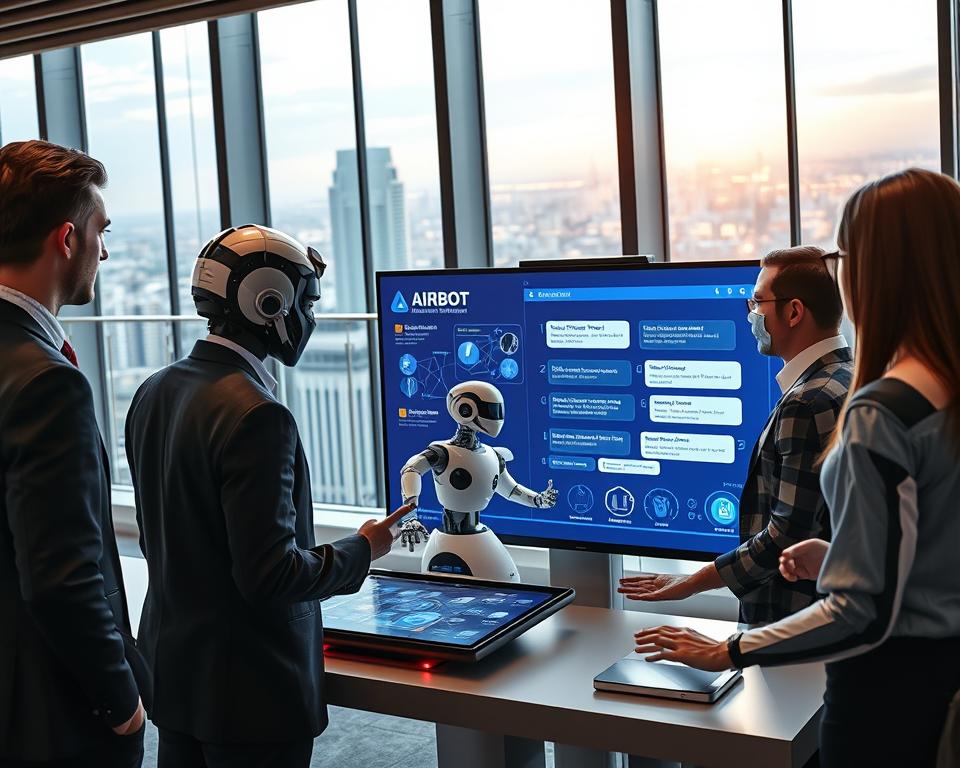
Many successful companies use a hybrid strategy to improve operational efficiency. A chatbot handles simple questions first, while an AI agent works behind the scenes. This keeps your virtual assistant software fast and responsive while solving complex issues.
Routing requests by complexity limits human involvement to cases that truly need it. This tiered approach creates a seamless transition between automated support and deep system integration.
Matching Technology Choice to Business Maturity and Customer Expectations
Your choice should match your digital maturity. Startups may find basic virtual assistant software meets immediate needs, while established enterprises may need an AI agent’s robust capabilities. At any size, artificial intelligence in business should focus clearly on the end-user experience.
Next Big Technology recommends checking internal data readiness before expanding automation technology efforts. When technology matches customer expectations, it supports long-term growth and a sustained competitive advantage.
How to Evaluate AI Solutions for Your Business
Evaluating AI solutions takes more than comparing features. You must examine your business needs closely. The right choice creates real value without adding complexity to your current systems.
Define the Business Problem and Desired Customer or Employee Outcome
Start by naming the problems you want to solve. Do you want to reduce support ticket volume or automate complex internal data processing? Clearly defined goals guide the entire project.
Focus on your desired end-user outcome, such as faster responses or more accurate internal reports. Make each objective measurable. This clarity helps you choose which ai implementation strategies best serve your organization.
Map the Workflow, Data Sources, and Required Integrations
Successful automation depends on how well your tools connect with your current environment. Map the workflows that need support, so the technology can complete each required step.
- Identify the primary data sources the system must access.
- List all existing software platforms that require seamless integration.
- Determine the level of human oversight needed for sensitive tasks.
Next Big Technology emphasizes that understanding your data architecture is critical. Without proper connectivity, even advanced tools cannot deliver meaningful results.
Assess Accuracy, Reliability, Scalability, and User Experience
When evaluating systems, prioritize reliability and accuracy above all else. Incorrect information can damage your brand reputation and frustrate customers.
Consider how the solution will scale as your business grows. A system serving ten users might struggle with thousands of daily requests. Test the user experience to ensure the interface stays intuitive and helpful.
Compare Build, Buy, and Custom AI Implementation Strategies
Choosing between off-the-shelf products and custom solutions is a major decision. Your budget, timeline, and requirements will guide the best path for your team.
When Off-the-Shelf Virtual Assistant Software Is Appropriate
Virtual assistant software often suits businesses with standard, well-defined needs. When your requirements match common industry practices, pre-built tools offer faster time-to-market.
These solutions suit companies needing immediate results without long-term maintenance demands. They provide a reliable baseline for basic customer interactions and simple task management.
When Custom AI Agent Development Is Necessary
Custom ai agent development becomes necessary when workflows are unique or highly complex. A custom approach is essential when proprietary data or special logic exceeds standard tools.
Partnering with experts like Next Big Technology lets you build a solution for your exact operational needs. This approach requires a larger initial investment but offers flexibility as your business evolves. Choosing the right ai implementation strategies helps your custom solution stay competitive for years.
Planning an Effective AI Implementation
Bringing automation technology into daily operations takes careful planning. Organizations should avoid rushed rollouts and use proven ai implementation strategies for stable, lasting growth. Next Big Technology helps businesses manage these changes by matching technical tools with clear operational goals.
Start With a Focused Pilot and Measurable Success Criteria
Begin by choosing one high-impact use case for a pilot program. This lets your team test the technology safely without disrupting core services.
Set clear, measurable success criteria before starting. Specific benchmarks help you measure the return on investment, such as faster responses or better lead qualification rates.
Prepare Business Data, Knowledge Bases, and System Permissions
Your results depend on the quality of your input. Before launch, review your knowledge bases for accurate, current, and well-structured information.
Establish strict system permissions to protect sensitive information. Next Big Technology considers secure data handling a foundation of successful business process optimization.
Design Human Oversight and Escalation Procedures
Even advanced systems need human help with unusual cases or sensitive inquiries. Create clear escalation procedures for handing complex or high-stakes requests to a live agent.
Human control over important actions supports strong risk management. This approach provides consistent customer support while letting staff step in when needed.
Train Employees and Manage Organizational Change
New tools depend on people as much as software. Provide thorough training so staff can work effectively with these systems.
Managing organizational change means addressing concerns and showing how tools reduce repetitive tasks. Supported employees are more likely to welcome automation technology as a work partner.
Monitor Performance and Improve the System Over Time
Implementation is a continuous process, not a one-time event. Monitor system metrics to find bottlenecks or logic that needs adjustment.
Use these findings to support ongoing business process optimization. By improving the initial setup, your ai implementation strategies can keep delivering value as needs change.
Practical Recommendations From Next Big Technology
Next Big Technology gives you strategic guidance for modern automation. We align your business goals with the most effective tools available today. Our expertise helps you manage digital transformation with confidence and clarity.
Questions to Ask Before Selecting an AI Partner
Before choosing a provider, review its technical skills and long-term vision. Ask how it handles data security and system permissions to protect your proprietary information. Also ask how it supports customization and measures your project’s business value.
Ask about their specific ai implementation strategies and whether they fit your current infrastructure. A reliable partner should explain human oversight and escalation procedures clearly. Check their experience with complex integrations to avoid deployment problems.
How Next Big Technology Can Support Chatbot Development
Our team provides chatbot development for high-volume, repetitive inquiries. Our solutions connect with existing knowledge bases and give instant, accurate responses. We focus on user experience, so customers get helpful support without friction.
How Next Big Technology Can Support AI Agent Development
For businesses needing more autonomy, we provide complete ai agent development services. These agents understand complex goals and complete multi-step workflows across internal systems. We prioritize scalability and reliability, so agents perform well as needs change.
Technology Selection by Business Goal
Choose tools based on your operational needs and desired outcomes. Whether you need simple virtual assistant software or an autonomous agent, we match technology to your goals.
Customer Service Automation
For customer service, we recommend robust chatbots for FAQs and basic support tickets. This reduces wait times and lets your team focus on high-priority issues. Efficiency is the primary success measure in this category.
Lead Generation and Sales Enablement
Lead generation needs a proactive approach to engage potential clients. We design systems that qualify leads in real time and sync data with your CRM. Your sales team gets high-quality information without manual data entry.
Internal Workflow and Operations Automation
Internal operations often benefit from autonomous agents that manage multi-step tasks across software platforms. Automating routine processes can reduce operational costs and human error. We create secure, reliable workflows that help employees work smarter.
Conclusion
Choosing the right technology starts with clear operational goals. The AI Agent vs Chatbot decision depends on the autonomy and integration your tasks require. Simple, predictable interactions suit standard chatbots, while complex, multi-step processes need advanced AI agents.
Your business automation strategy should favor long-term growth over quick fixes. Consider interaction depth and system connectivity to choose tools that deliver real value. Intelligent workflow automation connects basic support with high-level efficiency.
Next Big Technology offers expertise for these technical choices. We help you decide whether one solution or a combined approach fits your current maturity level. Contact our team to build a secure, measurable, and effective future for your organization.