






Today, companies are moving away from one-time sales. Instead, they offer long-term services for a small monthly fee. This change helps them focus on subscription business models to provide lasting value.
This approach brings a steady flow of recurring revenue for the company. It allows brands to grow without constantly looking for new customers. Stability is the main goal for these businesses as they expand.
Teams work hard on customer retention by offering better service and updates. Keeping customers happy is crucial for success in this competitive market. Many sectors, from software to retail, are adopting this model to strengthen their ties with American consumers.
Table of Contents
Key Takeaways
- Steady income creates financial stability for the firm.
- Deep connections with users lead to higher loyalty.
- Companies can predict future growth with better accuracy.
- Service-based plans reduce the need for constant sales.
- High-quality support keeps users subscribed for longer.
- Brands can collect useful data to improve their offerings.
Understanding the Subscription Economy Revolution
The subscription economy is a big change in how businesses make money. It moves from one-time sales to ongoing income. This change comes from how people shop and new tech that makes subscriptions easier to manage.
Subscriptions bring in steady money and help businesses keep customers. This has led to growth all over the world. Now, companies in many fields are using subscriptions to keep up and meet customer needs.

The Transition from Transactional to Recurring Revenue
Switching to recurring revenue is a big deal for businesses. Transactional revenue is one-time, like a project. Recurring revenue is ongoing, like monthly payments.
This change helps businesses predict their income better. It also keeps customers coming back and makes finances more stable. By focusing on recurring revenue, companies can build strong relationships with customers and have a more stable business.
Historical Context of Modern Subscription Services
Subscription services have been around for a while. They started with things like magazines and club memberships. But, digital tech has made them much bigger and more varied.
Now, subscriptions are in many areas, like software, entertainment, and even everyday items. This growth is thanks to tech, changes in how people shop, and the need for businesses to stay competitive.
Economic Drivers Behind Subscription Adoption
Several things have made subscriptions popular. One big reason is the need for predictable revenue streams. This helps businesses manage their money better and plan for the future.
Another reason is the desire for convenience and personal experiences. Subscriptions offer tailored services and easy delivery. This makes customers happy and loyal.
- Increased customer retention through continuous engagement
- Improved revenue forecasting and financial stability
- Enhanced customer insights through data analysis
By understanding these reasons and using subscription models, businesses can thrive in today’s fast-changing market.
Core Types of Business Models Built Around Subscriptions
The subscription economy has led to many business models. These models offer convenience, flexibility, and personalized experiences. They help businesses create ongoing revenue and build strong customer relationships.
There are several main types of subscription models. Each has its own features and benefits. Knowing these models is key for businesses considering a subscription strategy.
Replenishment Subscription Models
Replenishment models send regular deliveries of goods customers need. These are common for things like household items, personal care products, and groceries. Consumable replenishment services like Dollar Shave Club and Amazon’s Subscribe & Save make life easier with automatic deliveries and discounts.

Curation and Discovery Subscription Models
Curation and discovery models send curated products or experiences. They often personalize offerings based on what customers like. For example, curated subscription boxes like Birchbox send personalized beauty products, and Netflix offers content based on what you’ve watched.
Access and Membership Subscription Models
Access and membership models give customers special access to products, services, or experiences. They often include perks like discounts, early access, or premium content. Membership-based programs like Amazon Prime and Spotify Premium give subscribers special benefits, making them loyal customers.
Hybrid Subscription Approaches
Many businesses use hybrid subscription approaches. They mix elements from different models to stand out. For instance, a company might offer replenishment services with curated products or exclusive content with a subscription. This way, businesses can innovate and be unique in a crowded market.
Fundamental Components of Subscription Business Architecture
To build a successful subscription business, you need to understand its key parts. A solid architecture supports growth, boosts customer happiness, and ensures the business lasts long.
Defining Your Value Proposition
A strong value proposition is crucial for any subscription service. It highlights what makes your service special, setting it apart from others. Knowing your audience’s needs helps create a value proposition that speaks to them.
For example, a service might offer unique content, personalized tips, or easy delivery. The goal is to meet what customers value most.
Revenue Stream Design and Optimization
Creating a good revenue stream is key for a subscription business’s financial health. This means setting the right price, choosing the best billing cycle, and managing promotions. Keeping an eye on revenue streams helps find ways to improve, like adding subscription services to custom e-commerce sites.
Optimizing revenue might also mean offering different service levels at different prices. This attracts more customers.
Customer Relationship Infrastructure
A strong customer relationship infrastructure is essential for a good subscriber experience. It includes good customer support, regular updates, and ways to get feedback. Building strong relationships keeps customers coming back and reduces the chance they’ll leave.
Personalization is key in managing customer relationships. Using data and analytics helps tailor interactions, making customers feel special and understood.
Technology Stack Requirements
The right technology stack is the heart of a subscription business. It supports smooth operations, secure payments, and valuable insights. This includes tools for managing subscriptions, customer relationships, and analytics.
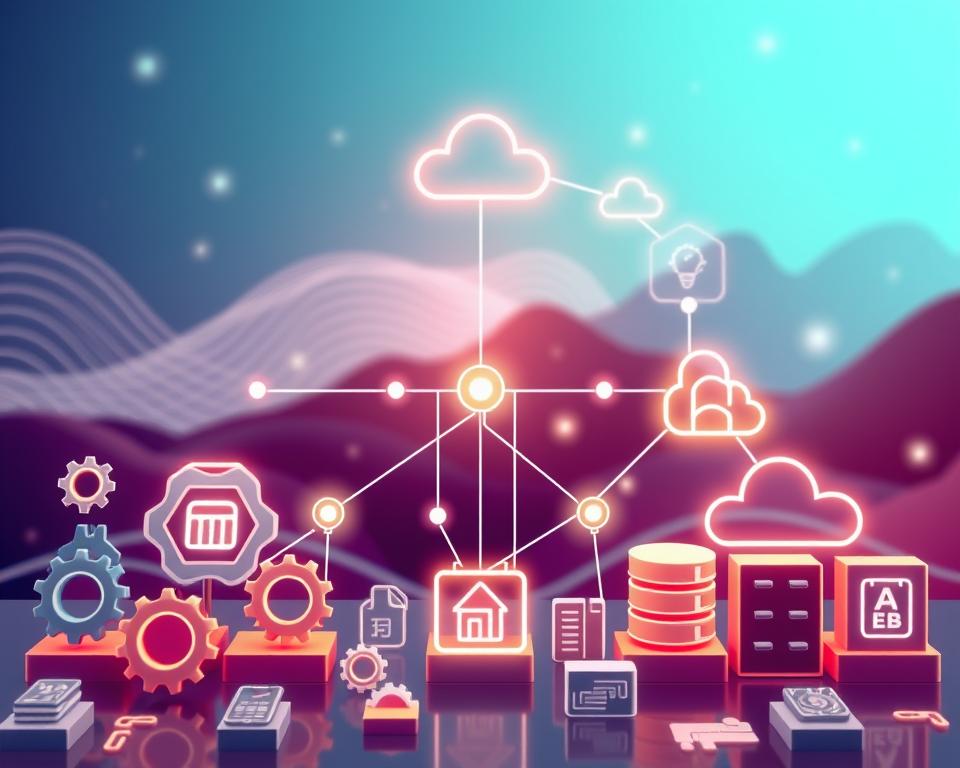
Choosing the right technology stack is important. It should be scalable, easy to integrate, and meet your business’s needs. The right stack boosts efficiency and effectiveness.
Software as a Service Subscription Models
SaaS subscription models are key in today’s software world. They offer flexible and scalable solutions for many needs.
The SaaS model lets users access software over the internet. This means no need for local installation or upkeep. It’s popular for being cost-effective, easy to use, and scalable.
Cloud-Based Productivity Software
Cloud-based productivity software has changed how businesses work. It lets teams collaborate better and work from anywhere.
Microsoft 365 Business Model
Microsoft 365 is a top SaaS example. It includes Word, Excel, and Outlook. It also offers regular updates, security, and cloud storage with OneDrive.
Key Features of Microsoft 365:
- Access to many productivity apps
- Regular updates and security patches
- Cloud storage and collaboration tools
Google Workspace Strategy
Google Workspace (formerly G Suite) is another big SaaS player. It has Gmail, Google Drive, and Google Docs for productivity and collaboration.
Google Workspace’s edge is its smooth app integration and strong collaboration features.
Creative and Design Software Subscriptions
The creative field has moved to SaaS models. Software subscriptions are now common for professionals and hobbyists.
Adobe Creative Cloud Transformation
Adobe Creative Cloud is a big win in SaaS. It has Photoshop, Illustrator, and Premiere Pro. The subscription gives users the latest software and extra services.
Benefits of Adobe Creative Cloud:
- Wide range of creative apps
- Regular updates with new features
- Cloud storage and collaboration tools
Canva Pro Model
Canva Pro is for graphic design needs. It’s a user-friendly platform for creating professional graphics, presentations, and more.
“Canva has democratized graphic design, making it accessible to everyone, regardless of their design experience.”
Enterprise and CRM Platforms
Enterprise software, including CRM platforms, use SaaS models. They offer scalable and flexible solutions for businesses.
Salesforce Revenue Architecture
Salesforce is a top CRM platform on a SaaS model. It gives businesses tools for managing customer relationships, sales, and marketing.

The SaaS model lets Salesforce keep innovating. It updates its platform regularly, giving customers the latest features and tech.
Media and Entertainment Subscription Platforms
Media and entertainment subscriptions have changed how we enjoy content. They offer a more personal experience. Companies like Netflix, Spotify, and The New York Times use subscriptions to keep content flowing.

Video Streaming Service Models
Video streaming services have changed the entertainment world. They offer lots of content for a monthly fee. These services use different ways to keep subscribers coming back.
Netflix Content-Driven Strategy
Netflix focuses on original content to draw in viewers. This approach helps Netflix stand out and keep customers loyal.
Disney Plus Franchise Approach
Disney+ uses its famous franchises to attract viewers. It combines old favorites with new content, making it a big hit in streaming.
HBO Max Premium Positioning
HBO Max aims to be top-notch, offering quality TV shows and movies. It also has exclusive HBO content. This high-end approach attracts premium subscribers.
Music Streaming Platforms
Music streaming services use subscriptions to give users access to huge music libraries. They’ve changed how we listen to music.
Spotify Freemium Model
Spotify lets users listen for free with ads. Premium subscribers get ad-free music and extra features. This model helps Spotify grow its user base and make money from subscriptions and ads.
Apple Music Ecosystem Integration
Apple Music fits well into the Apple ecosystem. It works smoothly with Apple devices and services. This integration attracts Apple fans who want to use Apple Music.
Digital Publishing and News Subscriptions
Digital publishing and news outlets now use subscriptions to make money. They offer quality journalism and deep analysis to their subscribers.
The New York Times Digital Transformation
The New York Times has moved to digital subscriptions. It focuses on top-notch content and storytelling. This approach has brought in many digital subscribers.
For more creative business ideas, check out 90 innovative online business ideas to explore in 2024.
Consumer Product and E-Commerce Subscriptions
The subscription economy has grown in the consumer product and e-commerce fields. This growth has opened new ways for businesses to grow and connect with customers. Now, there are many subscription models to meet different needs.
Consumable Replenishment Services
Consumable replenishment services are getting more popular. They send customers essential products regularly. This keeps businesses steady and loyal customers coming back.
Dollar Shave Club Disruption Model
The Dollar Shave Club changed the razor market. They offered quality razors at a low cost on subscription. This made buying razors easier and cheaper for customers.
Amazon Subscribe and Save Program
Amazon’s Subscribe and Save program gives discounts on regular deliveries. It helps keep customers loyal and coming back.
Chewy Autoship for Pet Products
Chewy’s Autoship program sends pet food and supplies on schedule. It keeps pets supplied and helps Chewy grow its customer base and sales.
Curated Subscription Box Services
Curated subscription box services give a personalized shopping experience. They send products based on what you like. These services are popular in fashion, beauty, and food.
Stitch Fix Personalization Model
Stitch Fix uses data to create clothing boxes for its customers. It tailors the shopping experience based on customer feedback. This boosts satisfaction and loyalty.
HelloFresh Meal Kit Strategy
HelloFresh sends pre-measured ingredients and recipes. It makes cooking at home easy and fun. This service has changed how people cook, offering convenience and new culinary experiences.

Membership-Based Retail Programs
Membership-based retail programs offer special perks. These include discounts, free shipping, and early access to new products. They build loyalty and encourage repeat business.
Amazon Prime Ecosystem
The Amazon Prime ecosystem is a top example of a membership program. It offers free shipping, streaming, and exclusive deals. It’s a big draw for customers.
Strategic Pricing Models for Subscription Services
Effective pricing models are key for subscription businesses to grow. The right pricing strategy attracts customers and keeps them coming back. It also helps increase revenue over time.
Companies use different pricing models like tiered, usage-based, and freemium. These models help reach various customer segments and meet their needs. The pricing model chosen greatly affects how well a business attracts and keeps customers, and its overall revenue.
Tiered Pricing Architecture
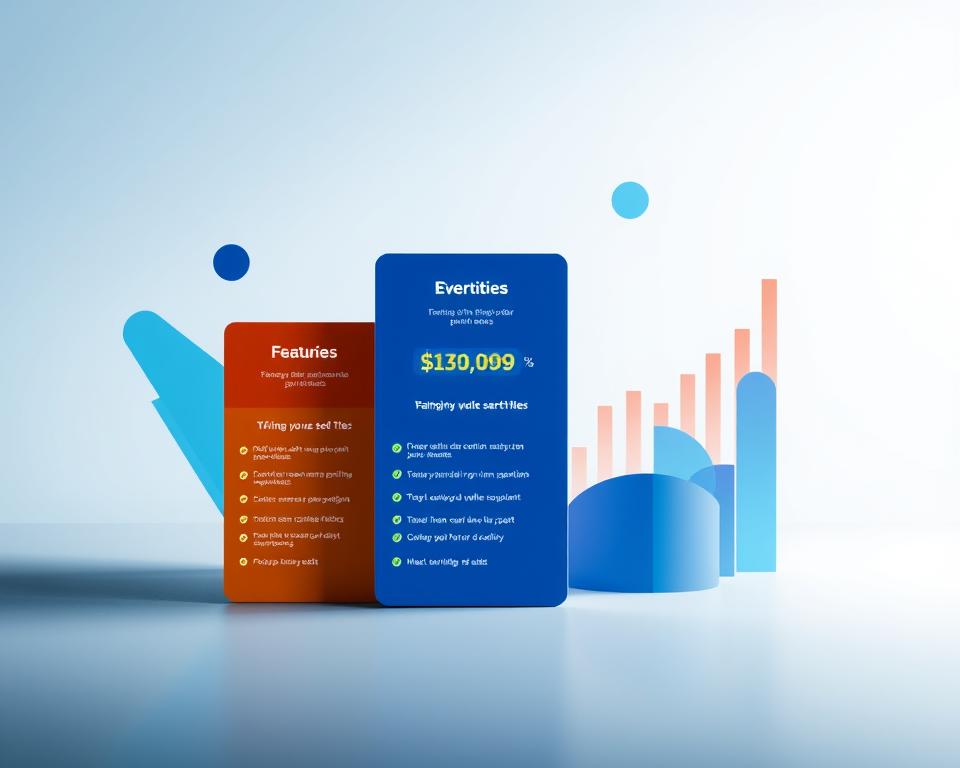
Tiered pricing offers plans with different features and prices. This way, businesses can serve a wide range of customers. From those on a tight budget to those looking for premium services.
For example, a SaaS company might have a basic plan, a standard plan, and a premium plan. The premium plan includes advanced features and priority support. Studies show tiered pricing can make customers happier by offering choices that fit their needs.
Usage-Based and Consumption Pricing
Usage-based pricing charges based on how much a customer uses the service. This model works well for services with varying usage among customers.
Cloud storage services are a good example. They charge based on how much storage is used. This pricing is fair because it matches costs with actual usage.
“Pricing is not just about covering costs or maximizing revenue; it’s about creating a perceived value that resonates with your target audience.”
Freemium and Free Trial Strategies
The freemium model offers a basic service for free but charges for premium features. It’s great for getting a lot of users and converting some into paying customers.
Free trials let potential customers try the full service for a short time. Both strategies help reduce the risk for new customers and increase the chance of them becoming paying customers.
Annual Versus Monthly Billing Incentives
Choosing between annual and monthly billing affects customer retention and revenue predictability. Annual billing gives a steady income and can keep customers longer.
Discounts for annual commitments are common to encourage this choice. But, monthly billing is flexible and might appeal to customers who don’t want to commit long-term.
Dynamic and Personalized Pricing
Dynamic pricing changes prices in real-time based on demand and competition. Personalized pricing adjusts prices for each customer based on their behavior and willingness to pay.
Using advanced analytics and AI, businesses can implement these pricing strategies effectively. This way, they can make more money by getting the most from each customer segment.
Customer Acquisition Strategies for Subscription Growth
To grow, subscription businesses need strong customer acquisition plans. They must improve marketing, make signing up easy, and create great onboarding experiences.
Optimizing Marketing Channels for Subscribers
It’s key to pick the best marketing channels to attract new subscribers. Businesses should look at their channels to see which ones work best.
- Data-Driven Decision Making: Use analytics to understand customer behavior and preferences.
- Channel Diversification: Try out different marketing channels like social media, email, and influencer partnerships.
Reducing Sign-Up Friction and Barriers
It’s important to make signing up easy to turn potential subscribers into real customers. A simpler sign-up process can really help.
- Simplify Registration Forms: Cut down the number of fields needed for sign-up.
- Offer Guest Checkout: Let users subscribe without making an account.
Designing Effective Onboarding Experiences
A good onboarding process can keep users engaged and reduce churn. Making onboarding personal can make new subscribers feel special.
- Personalized Content: Customize the onboarding based on user preferences and behavior.
- Interactive Tutorials: Show new users how to use the service’s features.
Referral Programs and Viral Growth Tactics
Referral programs can help a lot with growth. By rewarding existing subscribers for referrals, businesses can grow faster.
- Clear Incentives: Give rewards for successful referrals.
- Easy Sharing Mechanisms: Make it simple for users to share their referral links.
For more tips on building a subscription app, check out Next Big Technology.

“Acquiring new customers is just the beginning; retaining them is what drives long-term success.”
Retention Strategies and Churn Prevention
To grow, subscription businesses need to focus on keeping customers. Good retention helps prevent customers from leaving and keeps them longer.
Analyzing Churn Patterns and Root Causes
Knowing why customers leave is key to keeping them. By looking at how customers act and what they say, we can find out why they cancel.
Key metrics to analyze include:
- Time-to-churn
- Usage patterns before cancellation
- Customer support interactions
- Feedback and survey responses
Building Engagement Through Content and Features
Keeping customers interested and happy is crucial. This means sending them personalized messages, adding new features, and sharing special content.
Strategies for enhancing engagement:
- Personalized email campaigns
- Regular product updates and new features
- User-generated content and community building

Implementing Pause and Downgrade Options
Letting customers adjust their plans can help keep them. Options like pausing or downgrading plans give customers more control.
Proactive Customer Success Initiatives
Anticipating and solving customer problems before they happen is important. This includes regular check-ins, health checks, and support tailored to each customer.
| Initiative | Description | Benefit |
|---|---|---|
| Regular Check-ins | Periodic communication to ensure customer satisfaction | Early identification of potential issues |
| Health Checks | Analysis of customer usage and behavior | Proactive issue resolution |
| Tailored Support | Customized support based on customer needs | Enhanced customer satisfaction |
Win-Back and Re-Activation Campaigns
Win-back campaigns can bring back customers who have left. These campaigns aim to understand why customers left and offer them reasons to come back.
Effective win-back strategies include:
- Personalized offers and discounts
- Feedback collection and response
- Improved service or feature offerings
Essential Metrics for Subscription Business Performance
To understand a subscription business’s health, it’s key to track certain metrics. These metrics show the business’s current state and guide future growth plans.
Monthly Recurring Revenue and Annual Recurring Revenue
Monthly Recurring Revenue (MRR) and Annual Recurring Revenue (ARR) show the predictable income each month or year. MRR shows short-term financial health, while ARR looks at the long-term.
A growing MRR means more subscribers or higher revenue per user. ARR helps in planning for the year ahead.
Customer Lifetime Value Calculation
Customer Lifetime Value (CLV) estimates the total revenue from a customer over their lifetime. It shows if customer acquisition strategies are working well.
CLV is found by multiplying the average order value by purchase frequency and customer lifespan. A higher CLV means a more profitable customer base.
Customer Acquisition Cost Optimization
Customer Acquisition Cost (CAC) is the cost to get a new customer. It includes marketing and sales expenses. Keeping CAC low is crucial to avoid losing money on new customers.
The CAC payback period shows how long it takes for a customer to cover their acquisition cost. A shorter period is better.
Churn Rate and Net Revenue Retention
Churn rate is the percentage of customers who stop their subscription. It’s important because high churn rates hurt revenue and growth.
Net Revenue Retention (NRR) shows revenue from existing customers over time. It accounts for upgrades, downgrades, and churn. A high NRR means a healthy business.
Unit Economics and Profitability Metrics
Understanding unit economics means looking at the profit of each customer. This includes metrics like contribution margin and customer profitability.
Here’s a table showing these key metrics:
| Metric | Description | Importance |
|---|---|---|
| MRR | Monthly recurring revenue | Indicates short-term financial health |
| ARR | Annual recurring revenue | Provides a long-term revenue perspective |
| CLV | Customer lifetime value | Estimates total revenue per customer |
| CAC | Customer acquisition cost | Helps in optimizing acquisition strategies |
| Churn Rate | Percentage of customers who churn | Impacts revenue and growth |
| NRR | Net revenue retention | Measures revenue retained from customers |
For more on these metrics, check out Recurly’s blog on subscription metrics.
Operational Challenges in Subscription Management
Subscription businesses face many challenges that can slow their growth. As the subscription economy grows, companies must tackle these hurdles to stay ahead.
Payment processing is key in subscription management. Failed payments can lead to lost revenue and higher churn rates. To avoid this, businesses need strong payment processing systems for recurring payments.
Payment Processing and Failed Transaction Handling
Good payment processing is more than just handling transactions. It also means having a plan for failed payments. This includes sending reminders to customers and making it easy for them to update their payment info.
Using payment gateways with advanced features like payment tokenization and subscription plans can also help. These features can lower the chance of failed payments and improve customer satisfaction.
Billing Complexity and Dunning Management
Billing can get complex as businesses grow. This makes it hard to manage and keep billing accurate. To solve this, automated billing systems can handle complex scenarios and reduce errors.
Dunning management is also key to dealing with failed payments. Good dunning processes can lower churn rates and keep cash flow healthy.
Scaling Infrastructure for Subscriber Growth
As businesses grow, their infrastructure must scale to meet demands. This means investing in technology that can handle more traffic and transactions.
Using cloud-based solutions can also help. They offer flexibility and scalability, allowing businesses to quickly adapt to changes.
Managing Customer Expectations and Communication
Managing customer expectations is crucial for subscription businesses. Companies need to communicate well with customers to ensure they understand the value they’re getting.
Regular updates can build trust and loyalty, reducing churn. Businesses should have strategies for regular communication with customers.
Regulatory Compliance and Data Privacy
Subscription businesses must follow regulations and laws, especially those on data privacy. This means having strong data protection policies and procedures to keep customer data safe.
By tackling these challenges, subscription businesses can become more efficient, cut costs, and improve the customer experience.
Technology Infrastructure for Subscription Businesses
A strong technology setup is key for any subscription business. It helps manage billing cycles and keeps customers happy. As the subscription market grows, companies need advanced tech to run smoothly and grow.
Key parts of a subscription business’s tech include platforms for managing subscriptions, tools for customer data, payment gateways, and CRM systems. Each part is crucial for a subscription business to work well and grow.
Subscription Management Platforms
Subscription management platforms are essential for any subscription business. They handle recurring payments, complex billing, and keep subscriptions active. These platforms automate the subscription process from start to renewal.
Zuora for Complex Billing
Zuora is a top choice for managing complex billing. It’s great for businesses with unique pricing needs. Zuora’s CEO says, “The future of business is subscription-based, and Zuora is leading this change.”
“The subscription economy is not just about selling products or services; it’s about creating ongoing relationships with customers.”
Zuora is perfect for big businesses with complex billing needs. It offers flexible pricing, automated revenue tracking, and detailed analytics.
Stripe Billing for Developers
Stripe Billing is made for developers. It’s flexible and scalable for managing payments and subscriptions. Stripe is known for easy integration and a strong API, making it great for custom billing solutions. Stripe says, “Billing is not just about sending invoices; it’s about creating a seamless customer experience.”
Chargebee for Growing Businesses
Chargebee is a top pick for growing businesses. It has features like automated billing, revenue tracking, and customer management. Chargebee is ideal for businesses that need a solution that can grow with them.
Customer Data and Analytics Tools
Tools for customer data and analytics are crucial. They help understand customer behavior and preferences. These tools enable businesses to make informed decisions, personalize experiences, and improve their offerings. By using customer data, businesses can lower churn, increase retention, and grow.
Payment Gateway Integration
Payment gateway integration is vital for subscription businesses. It ensures secure and efficient payment processing. A good payment gateway reduces the risk of failed payments and lost revenue.
Customer Relationship Management Systems
CRM systems are essential for managing customer interactions. They help keep customer relationships strong. By linking CRM systems with subscription platforms, businesses get a full view of their customers. This enables better customer engagement and retention.
Future Trends Shaping Subscription Business Models
Looking ahead, several trends will change subscription services. The subscription economy is getting smarter, thanks to new tech and changing how people shop.
Artificial Intelligence and Hyper-Personalization
Artificial intelligence (AI) will be key in the future of subscriptions. AI lets businesses tailor services to each customer’s likes and habits. This makes customers happier and more loyal.
AI can also predict when customers might leave and help keep them. It can even change prices based on demand and what customers are willing to pay.
Sustainability-Focused Subscription Services
More people want sustainability-focused subscription services. They care about the planet and choose services that do too. These services are likely to keep and attract customers.
For example, services with little packaging, that encourage recycling, or support green practices stand out. They show they care about the environment, which customers value.
| Sustainability Feature | Example | Benefit |
|---|---|---|
| Minimal Packaging | Biodegradable packaging materials | Reduced environmental impact |
| Recycling Programs | Partnering with recycling facilities | Increased recycling rates |
| Eco-Friendly Products | Sourcing products from sustainable suppliers | Appeals to environmentally conscious consumers |
Web3 and Blockchain-Based Subscriptions
Web3 and blockchain technologies are changing subscription models. They bring better security, clearness, and freedom from control.
Blockchain makes transactions safe and open, cutting down fraud. Web3 makes experiences better by creating community-driven platforms.
Super Apps and Bundled Subscription Offerings
Super apps are becoming popular. They offer many services in one place. This makes things easy and convenient for users.
By combining services, businesses keep customers longer and sell more. It’s a smart way to grow and keep customers happy.
Usage-Based and Outcome-Driven Models
There’s a move to usage-based and outcome-driven models. These charge based on what you use or achieve, not a set fee.
This makes pricing fair and flexible. It also pushes businesses to offer quality services that meet needs.
Conclusion
The subscription economy is growing fast. More businesses are using subscription models to make money over and over again. They also build strong relationships with their customers. It’s important to know the different types of subscription models out there.
Keeping customers happy is key for subscription businesses. This helps them make more money and stay profitable. By using data, making things personal, and helping customers, companies can keep more customers around.
Running a subscription business smoothly is a big challenge. It involves handling payments, billing, and talking to customers. With the right technology and pricing, companies can make their subscription models work better. This leads to steady growth.