







Today, neighborhood stores and providers need digital tools to succeed. A custom platform helps small businesses streamline operations and grow fast. It connects neighbors with top-notch help easily and effectively.
Enhancing the customer experience is key when building these digital tools. By choosing professional SaaS Development, brands can offer smooth booking and easy payments. This lets Local Businesses compete with big global players in the digital world.
A well-built Service Marketplace brings big benefits to all. We’ll look at how it changes the game for neighborhood shops. Join us as we explore the future of community commerce and software solutions.
Efficiency is key to success today. These digital solutions help owners manage schedules easily. Our guide offers a clear path to success in this journey.
Table of Contents
Key Takeaways
- Modern platforms boost growth for small neighborhood brands.
- Streamlined tools help reduce daily administrative stress.
- Better user experiences lead directly to higher sales.
- Professional tech levels the playing field against giants.
- Platform models connect vendors with customers efficiently.
- The building process ensures a scalable future for shops.
Understanding Service Marketplace SaaS Platforms
Service Marketplace SaaS platforms are changing the service industry. They connect service providers with customers online. This makes it easier for both sides to work together.
Definition and Core Concept
A Service Marketplace SaaS platform is a digital tool for businesses. It lets many service providers offer their services to lots of customers. This way, customers can easily find and use services they need. It also makes service providers compete, which means better services for everyone.
How Service Marketplaces Differ from Traditional Business Models
Service marketplaces are different from old business models. They don’t just focus on one provider or a few services. Instead, they let many providers offer their services on one platform.
Multi-Vendor vs Single-Provider Approach
With many providers, customers get a wide range of services. This meets different needs and tastes. On the other hand, having just one provider limits what’s available.
| Feature | Multi-Vendor Approach | Single-Provider Approach |
|---|---|---|
| Service Variety | Multiple services from various providers | Limited to services offered by a single provider |
| Customer Choice | Wide range of choices for customers | Limited options for customers |
| Competition | Fosters competition among service providers | No competition as it’s a single provider |
Platform Economy Benefits
Service Marketplace SaaS platforms offer big benefits. They make things more efficient, cut costs, and improve the customer experience. Businesses can reach more people, offer better services, and grow.

As the service industry grows, knowing about Service Marketplace SaaS platforms is key. It helps businesses stay ahead in the digital world.
Why Local Businesses Need Service Marketplace SaaS Solutions
The digital economy keeps changing, and local businesses must use technology to solve their problems. The way local businesses work is changing fast. This is because of how people shop and new tech.
Addressing Local Market Challenges
Local businesses face big challenges that slow their growth. They struggle with competition from big companies and limited resources.
Competition from National Platforms
National companies have come into local markets. They have lots of money and customers. This makes local businesses work harder to keep their customers.
Resource Limitations and Budget Constraints
Local businesses often have small budgets and few resources. This makes it hard for them to compete with big companies. They need affordable ways to work better and be seen more.

Competitive Advantages in the Digital Economy
Service Marketplace SaaS solutions give local businesses an edge. They help improve how they work and connect with customers better. This way, local businesses can compete with bigger companies.
These platforms give local businesses the tools to manage their services well. They can meet customer needs quickly and grow their business.
Customer Expectations and Market Trends
Today, people want easy, personal experiences. Service Marketplace SaaS solutions help local businesses give this. They offer features like booking on the spot, personal service tips, and easy customer talk.
By following market trends and what customers want, local businesses can improve their image. They can keep their customers happy and get new ones.
Key Benefits of Service Marketplace SaaS Development for Local Businesses
Service marketplace SaaS development helps local businesses work better, grow their income, and make customers happier. It does this by offering features that make work easier and improve how customers interact with them.
Operational Efficiency and Automation
One big plus of service marketplace SaaS development is how it makes work more efficient by automating tasks. This includes:
Streamlined Booking Management
Automated booking systems cut down on paperwork for local businesses. They make it easier to manage appointments and reservations. This saves time and cuts down on mistakes.
Automated Payment Processing
Integrated payment systems make sure money moves quickly and safely. This means less manual work and better money management.

Revenue Growth and Sales Optimization
Service marketplace SaaS development also helps businesses grow their income and sell more by:
Expanded Customer Reach
Online marketplaces let local businesses reach more customers. This helps them get new clients and boost sales.
Multiple Revenue Streams
By offering different services and products, businesses can make more money. This makes them more stable and able to grow.
Enhanced Customer Experience and Retention
Local businesses can make customers happier and more loyal by offering personalized services. This is done through easy-to-use platforms and quick customer support.
Data-Driven Decision Making
Service marketplace SaaS platforms give businesses useful data and insights. This helps them make smart choices and improve how they work.
Essential Features of a Service Marketplace Platform
Creating a custom SaaS for a service marketplace requires key features. These features improve user experience and make operations more efficient. A good platform meets the needs of both service providers and customers, ensuring smooth interaction.
User Management and Profile Systems
User management is crucial for a service marketplace’s success. It involves creating strong profile systems for customers and service providers.
Customer Account Management
Managing customer accounts is key. It tracks user activity, manages bookings, and offers personalized experiences. Features like order history, saved preferences, and notification settings boost customer satisfaction.
Service Provider Profiles
Service provider profiles are also critical. They let providers display their services, skills, and availability. Detailed profiles with ratings, reviews, and portfolio showcases build trust and credibility.
Service Listing and Discovery Tools
A service marketplace needs a strong service listing and discovery system. This helps customers find services that fit their needs efficiently.
Advanced Search and Filtering
Advanced search and filtering are essential. They let customers narrow their search by location, price, and service type. Filters and sorting options enhance the user experience.
Category Organization
Organizing services into categories and subcategories makes the marketplace user-friendly. It helps customers navigate and find relevant services easily.

Booking and Scheduling Functionality
A smooth booking and scheduling system is vital. It turns customer interest into sales. This feature must be easy for both customers and service providers to use.
Calendar Integration
Calendar integration in the booking system helps service providers manage their time. Real-time calendar updates ensure customers see the latest availability.
Availability Management
Availability management lets service providers set their working hours and breaks. It’s key for managing customer expectations and reducing no-shows.
Payment Processing and Financial Management
Efficient payment processing and financial management are crucial. They handle transactions, manage commissions, and ensure secure payments.
Multiple Payment Gateway Support
Supporting multiple payment gateways enhances customer experience. Integration with popular payment processors can also reduce cart abandonment.
Commission and Fee Management
Managing commissions and fees is vital for revenue. The platform should handle different commission structures and fee schedules for providers.
Advanced Functionality for Service Marketplaces
Service marketplaces can add advanced features to improve user experience and business operations. These features boost customer satisfaction and give businesses useful insights and tools.
Rating and Review Systems
A good rating and review system is key to trust in a service marketplace. It lets customers share their experiences, helping others make better choices.
Trust Building Mechanisms
Features like verified reviews and ratings help build trust. For example, a service provider with a high rating is more likely to attract new customers.
Quality Control Features
Quality control features ensure service providers meet high standards. This includes tools to moderate reviews and incentives to improve ratings.

Real-Time Communication Tools
Real-time communication tools make it easy for customers and service providers to talk. This includes in-platform messaging and notifications.
In-Platform Messaging
In-platform messaging lets users talk directly in the marketplace. This cuts down on the need for outside communication channels.
Notification Systems
Notification systems keep users updated on things like new messages or service availability. This ensures timely responses and actions.
Analytics and Reporting Dashboards
Analytics and reporting dashboards give businesses insights into their performance and customer behavior. This data is crucial for making smart decisions and improving services.
For example, a local services and reviews app development company can use these dashboards to track user engagement and adjust their strategies.
Mobile Application Integration
Mobile app integration is key to reaching more people. A mobile app makes the service marketplace more convenient and accessible.
| Advanced Functionality | Benefits | Impact on Customer Experience |
|---|---|---|
| Rating and Review Systems | Builds trust, ensures quality | High |
| Real-Time Communication Tools | Enhances user interaction | Medium |
| Analytics and Reporting Dashboards | Provides valuable insights | Low |
| Mobile Application Integration | Increases accessibility | High |
The Service Marketplace SaaS Development Process
Building a service marketplace SaaS is complex and needs careful planning. It has several key steps for a successful launch and operation.
Discovery and Planning Phase
The discovery and planning phase is the start of SaaS development. It’s about gathering needs and doing market research. This helps understand the audience and the market.
Requirements Gathering
Requirements gathering is a key step. It’s about collecting and writing down what the platform needs to do. This includes knowing what users want and what features to include.
This step makes sure the platform meets user needs and stays competitive.
Market Research and Competitor Analysis
Market research and competitor analysis are important. They help understand the market and find ways to stand out. This involves looking at competitors, finding gaps, and knowing what customers like.
This way, developers can make a platform that’s unique and meets user needs.
Design and Prototyping
The design and prototyping phase focuses on making a user-friendly design and a working prototype. It includes designing the user experience and creating mockups and wireframes.
User Experience Design
User experience design is key for a good platform. It’s about designing the interface and how users interact with it. This ensures a smooth user experience.

Creating mockups and wireframes helps see the platform’s layout and design. It’s important for finding and fixing design issues before development starts.
Development and Testing
The development and testing phase is when the platform is built and tested. It’s about making sure it works well and is of high quality.
Agile Development Methodology
Using agile development makes the process flexible and iterative. It breaks down the work into smaller parts and tests and refines the platform continuously.
Quality Assurance and Bug Testing
Quality assurance and bug testing are vital. They ensure the platform is stable, secure, and performs well. This includes finding and fixing bugs and testing performance.
Deployment and Launch
The final phase is deploying and launching the platform. It involves setting up the infrastructure and making it available to users.
A successful launch needs good planning, including marketing and user onboarding.
Technology Stack Considerations for Marketplace Development
Building a strong marketplace platform needs a well-thought-out technology stack. It should meet the needs of both service providers and consumers. The right mix of frontend, backend, and cloud hosting can greatly affect performance, security, and user experience.
Frontend Technologies and Frameworks
The frontend of a marketplace is key for a smooth user experience. There are many frontend technologies to choose from.
React and Vue.js Options
React and Vue.js are top JavaScript frameworks for dynamic user interfaces. React is great for complex apps with its component-based architecture and virtual DOM. Vue.js is easier to learn and fits various project sizes well.
“React’s component-based architecture makes complex UI components efficient to develop and maintain,” says a leading software development expert. This makes it a top choice for many developers.
Progressive Web App Capabilities
Adding Progressive Web App (PWA) features can improve user experience. PWAs offer offline access, push notifications, and can be installed on home screens. They use modern web tech for a native app-like feel.
Backend Infrastructure and Databases
The backend infrastructure is crucial for any marketplace platform. It handles data storage, processing, and communication between the frontend and database.
Node.js and Python Frameworks
Node.js and Python are popular for backend development. Node.js is great for real-time apps with its non-blocking I/O model. Python frameworks like Django and Flask are known for security and fast development.
SQL and NoSQL Database Selection
Choosing between SQL and NoSQL databases depends on the platform’s needs. SQL databases like MySQL are good for structured data and complex transactions. NoSQL databases like MongoDB are flexible for unstructured data and scalable.
Cloud Hosting and Scalability Solutions
Cloud hosting is key for scalable and reliable infrastructure. Providers like AWS, Google Cloud, and Microsoft Azure offer computing power, storage, and database management.
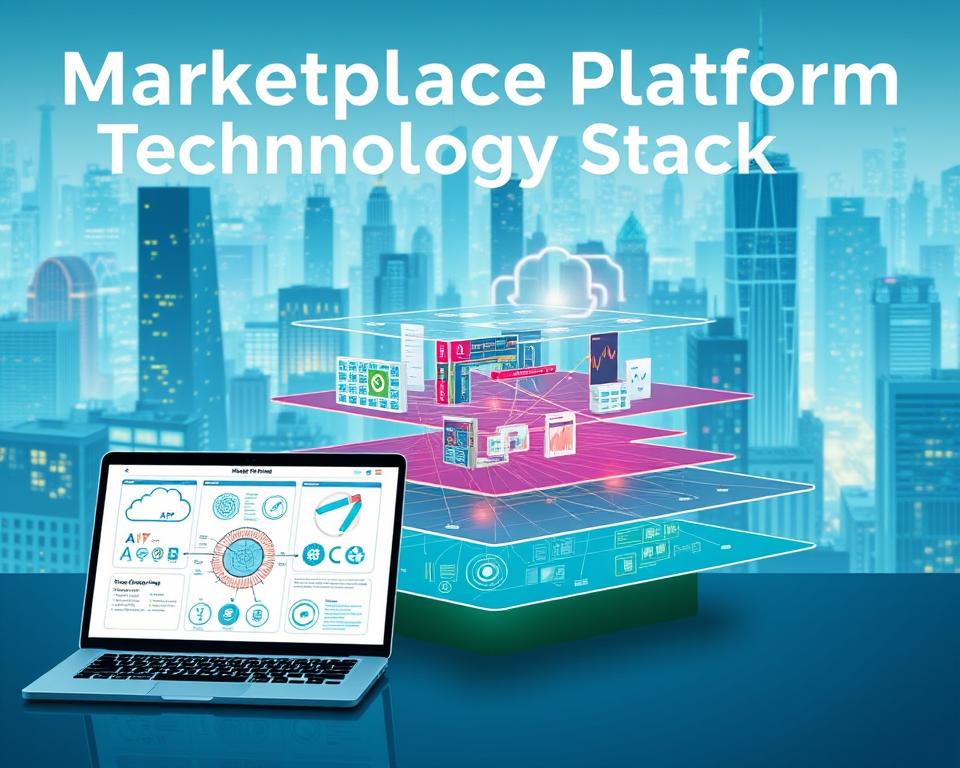
Experts say, “Cloud hosting lets businesses scale infrastructure as needed, ensuring high availability and performance.” This is crucial for platforms with changing traffic and usage.
Customization Options for Local Business Needs
Custom SaaS solutions let local businesses tailor service marketplace platforms to fit their needs. This flexibility is key for businesses aiming to shine in a crowded local market.
Industry-Specific Features
Different industries have unique needs for service marketplace platforms. Custom options can meet these needs, making the platform more effective.
Home Services Marketplace Adaptations
Home services need features like service scheduling, real-time tracking, and specialized service categorization. These features make the platform easier for both providers and customers to use.
- Customizable service packages
- Integration with CRM systems for personalized customer interactions
- Review and rating systems tailored to home services
Professional Services Configurations
Professional services, like legal or consulting, need secure client communication channels, document sharing, and appointment scheduling. These features ensure professionalism and confidentiality.
- Secure messaging and file sharing
- Customizable appointment reminders
- Integration with billing and invoicing systems
Health and Wellness Marketplace Customization
Health and wellness services might include HIPAA compliance, patient scheduling, and secure health record management. These are vital for patient privacy and care quality.

Branding and White-Label Solutions
Branding is crucial for local businesses to build their identity. White-label solutions let businesses brand the platform as their own. This boosts customer trust and loyalty.
- Customizable UI/UX to match business branding
- White-label reporting and analytics
- Personalized customer support
Workflow Customization
Workflow customization helps businesses streamline their operations. This includes custom workflows for service delivery, payment processing, and customer management.
By customizing workflows, businesses can boost efficiency, cut costs, and improve customer satisfaction.
Integration Capabilities with Existing Business Systems
Being able to connect with current business systems is crucial for Service Marketplace SaaS success. It’s about linking up with CRM and marketing tools, accounting software, and third-party APIs. This makes everything run smoothly.
CRM and Marketing Tool Integration
Linking Service Marketplace SaaS with CRM and marketing tools boosts business performance. It helps manage customer data better and makes marketing more effective.
Salesforce and HubSpot Connectivity
Connecting to Salesforce and HubSpot automates sales and marketing. This makes your business more efficient. Experts say, “CRM systems like Salesforce improve customer insights and tailor marketing.”
Email Marketing Platform Integration
Connecting with email marketing platforms keeps customer interactions consistent. It ensures your marketing strategy works well across all channels.
Accounting Software Connectivity
For managing finances, linking Service Marketplace SaaS with accounting software is key. It makes financial reports accurate and simplifies accounting tasks.
QuickBooks and Xero Integration
Connecting to QuickBooks and Xero helps manage finances well. It automates tasks like invoicing and tracking expenses.
Third-Party API Integration
Being able to connect with third-party APIs expands Service Marketplace SaaS’s capabilities. It lets businesses use a variety of tools and services that meet their specific needs.
As business operations change, the need for integration grows.
“The future of business lies in its ability to adapt and integrate with the ever-changing technological landscape.”

Security and Compliance Requirements
Security and compliance are key for service marketplace SaaS platforms. They protect user data and follow the law. These platforms handle sensitive info, so they need strong security and follow rules.
Data Protection and Privacy Standards
Data protection is crucial for service marketplace SaaS platforms. They must follow strict privacy rules to keep user info safe.
GDPR and CCPA Compliance
Following laws like GDPR and CCPA is a must. These laws set clear rules for handling user data.
Data Encryption Methods
Using strong data encryption methods is key. This keeps user data safe when it’s moving or stored. Advanced encryption, like AES-256, makes data unreadable if it’s caught.
Payment Security and PCI Compliance
For platforms that deal with money, payment security is critical. They must follow PCI DSS to handle credit card info safely.
Secure Payment Gateway Standards
Choosing a secure payment gateway that meets PCI DSS is important. This ensures all payment info is encrypted and safe.
Fraud Prevention Measures
Using fraud prevention measures like two-factor auth and monitoring helps fight fraud. It keeps the platform safe for users.
User Authentication and Access Control
Strong user authentication and access control are vital. They make sure only the right people can see and do things on the platform.
Building a service marketplace SaaS platform with security and compliance in mind is important. It keeps user data safe and builds trust. For more on making a secure and compliant platform, check out Next Big Technology.
| Security Measure | Description | Benefit |
|---|---|---|
| Data Encryption | Protects data from unauthorized access | Ensures confidentiality and integrity of user data |
| PCI DSS Compliance | Adheres to payment card industry security standards | Reduces risk of data breaches and financial fraud |
| User Authentication | Verifies user identity | Prevents unauthorized access to user accounts |
Cost Factors in Service Marketplace SaaS Development
For local businesses, knowing the costs of a service marketplace SaaS platform is key. The cost can change based on several things. These include the development cost, ongoing expenses, and what you expect to get back.
Development Cost Variables
The cost to start a service marketplace SaaS platform can change a lot. Two big things to think about are whether to go for custom or platform-based solutions. Also, how complex the features need to be.
Custom Development vs Platform-Based Solutions
Businesses have to choose between custom or platform-based solutions. Custom development is tailored but can cost more and take longer. Platform-based solutions are cheaper and faster but might not be as customizable.
- Custom development: Offers high customization, potentially higher costs, and longer development time.
- Platform-based solutions: Provides quicker implementation, lower upfront costs, but limited customization.
Feature Complexity Impact on Budget
The features you choose for your SaaS platform affect the cost. Things like advanced user management and complex payment systems need more time and money.
For more details on SaaS platform costs, check out this article. It goes into the different cost factors.
Ongoing Maintenance and Support Expenses
After you start, you’ll need to keep your platform running. This includes hosting costs and money for updates and new features.
Hosting and Infrastructure Costs
Hosting and infrastructure are key for your platform’s performance. Cloud hosting is flexible but has ongoing costs. These need to be in your budget.
Update and Enhancement Budgets
Keeping your platform up-to-date is important. Setting aside money for updates helps keep it competitive and secure.
ROI Expectations and Timeline
Understanding your return on investment (ROI) is crucial. By looking at costs and potential earnings, you can set realistic goals. This helps in planning your investment.
Consider your initial costs, ongoing expenses, and expected revenue growth. This way, you can make smart choices about investing in SaaS development.
Implementation Strategies for Local Businesses
For local businesses, the success of service marketplace SaaS depends on good planning. It’s key to make the most of Custom SaaS solutions made just for them.
Phased Rollout Approach
A phased rollout is vital for a smooth transition. It starts with a minimum viable product (MVP). Then, it adds more features based on what users say.
Minimum Viable Product Launch
Starting with an MVP lets local businesses test the platform with a few users. They can then adjust before launching fully.
Iterative Feature Addition
After the MVP, features are added bit by bit. This keeps the platform up-to-date with what local businesses need.
User Training and Onboarding
Good training and onboarding are crucial. They help service providers and customers use the platform well.
Service Provider Education Programs
Service providers need to learn how to manage their services and interact with customers. They also need to know how to make the most of the platform.
Customer Onboarding Flows
Customers need a smooth onboarding experience. They should know how to use the platform, book services, and manage their accounts.
Marketing and User Acquisition
Marketing is key to attract service providers and customers. It uses digital marketing, social media, and local ads.
A good plan for implementing service marketplace SaaS can really help local businesses. Here’s a table with the main strategies:
| Strategy | Description | Benefits |
|---|---|---|
| Phased Rollout | Launch MVP, then add features iteratively | Reduces risk, allows for feedback incorporation |
| User Training | Comprehensive training for providers and customers | Enhances user experience, increases adoption |
| Marketing | Digital marketing, social media, local advertising | Attracts users, drives engagement |
Measuring Success and Optimizing Performance
Measuring success and improving performance are key for a service marketplace SaaS platform’s growth. It’s important to focus on areas that show the platform’s health and efficiency.
Key Performance Indicators
Key Performance Indicators (KPIs) are measurable signs of a SaaS platform’s performance. For service marketplaces, these KPIs are vital for spotting improvement areas and tracking progress towards goals.
Transaction Volume and Revenue Metrics
Transaction volume and revenue metrics show the platform’s financial health. Monitoring these metrics helps understand the platform’s transaction effectiveness and revenue generation.
- Total transaction value
- Revenue growth rate
- Average transaction value
User Growth and Retention Rates
User growth and retention rates are key KPIs. They measure the platform’s ability to attract and keep users. High retention rates often mean a good user experience and effective engagement.
User Engagement Metrics
Understanding user interaction with the platform is crucial for performance optimization. User engagement metrics offer insights into user behaviors and preferences.
Platform Usage Analytics
Platform usage analytics track user navigation, feature usage, and time spent on the platform. This info is key for identifying areas for improvement and improving user experience.
Customer Satisfaction Scores
Customer satisfaction scores, from surveys or feedback, directly show user happiness. High satisfaction scores lead to better retention and positive word-of-mouth.
Continuous Improvement Strategies
Continuous improvement is vital for a service marketplace SaaS platform’s long-term success. It involves regularly checking performance metrics, gathering user feedback, and making changes to improve functionality and user experience.
By focusing on key performance indicators, user engagement metrics, and continuous improvement, service marketplace SaaS platforms can improve their performance and sustain growth.
Conclusion
Creating a Service Marketplace SaaS for local businesses is a smart move. It needs careful thought about many things. These include platform features, customization, security, and how to implement it.
Understanding what local businesses need is key. Using Service Marketplace SaaS Development can make operations better. It can also help grow revenue and make customers happier.
The digital world keeps changing. Using a Service Marketplace SaaS is important for local businesses to stay ahead. It helps them succeed in their markets.
Local businesses should focus on the main features and advanced functions. They should also think about how to integrate it well. This way, they can fully benefit from Service Marketplace SaaS Development and find lasting success.


