







The global resale market has grown to over $200 billion. People are now choosing to shop sustainably. This shift is making second-hand fashion popular for its ethical and affordable appeal, especially among the young.
Today’s shoppers want to buy and sell items easily from their phones. A social-focused app connects eco-friendly communities well. Many entrepreneurs aim to create apps like this to reach a wide audience.
To succeed, your app must be easy to use and trustworthy. By focusing on a unique niche, you can stand out online. Starting a project similar to a leader in this field is a smart move.
Table of Contents
Key Takeaways
- Global shopping sectors now exceed $200 billion in value.
- Demand for ethical clothing choices is rising among consumers.
- Social features drive high user engagement in mobile tools.
- Platform security builds long-term customer loyalty and trust.
- New ventures benefit from focusing on specific niche styles.
- Circular economy trends shape the future of modern retail.
Understanding the Depop Business Model and Market Success
Depop is a top resale marketplace that mixes social media with e-commerce. This mix has helped it stand out in the online market.

What Makes Depop Unique in the Resale Market
Depop is special because it combines social features with shopping. Mario Mannino, Depop’s CEO, says, “Depop is not just a marketplace, it’s a community.” This makes users feel connected and loyal.
The site focuses on visuals and social interaction. Users can follow each other, like, comment, and share items. This makes it a lively and interactive place.
Target Audience and User Demographics
Depop mainly targets young adults and Gen Z. They like the site’s social and visual style. Most users are female and into fashion and sustainability.
Depop’s users are mostly 23 years old, with many between 16 and 24. They love the site’s focus on community and socializing.
Revenue Streams and Business Strategy
Depop makes money through a commission-based model. Sellers pay a fee on sold items. This encourages a lively marketplace with lots of user activity.
“Depop’s business model is designed to benefit both buyers and sellers, creating a win-win situation that drives growth and profitability.”
Depop also looks into other ways to make money, like premium services and brand partnerships. This helps keep the platform growing and sustainable.
Market Opportunity for Depop-Style Marketplace Apps
The second-hand fashion market is booming. This growth is thanks to younger people’s love for sustainable fashion.
Growth of the Secondhand Fashion Industry
The second-hand fashion market is growing fast. This is because more people want to be green. Reports say this market will keep growing, even faster than regular retail.
This change in fashion isn’t just a trend. It’s a big shift in how people shop. Sustainability and caring for the planet are key reasons. People choose second-hand clothes because they’re better for the environment than fast fashion.

Gen Z and Millennial Shopping Trends
Gen Z and millennials are leading the way in second-hand fashion. They care about the planet and like to shop online. This makes apps like Depop perfect for them.
These young shoppers love finding unique items. They enjoy the thrill of the hunt for special pieces. Social media helps them find new things to buy, thanks to influencers and user posts.
Competitive Landscape Analysis
The market for apps like Depop is getting crowded. But, there’s still a chance to stand out. Apps like Poshmark, ThredUp, and eBay are big competitors.
| Platform | Focus | User Base |
|---|---|---|
| Depop | Social marketplace with a focus on fashion and creativity | Primarily Gen Z |
| Poshmark | Fashion resale platform | Millennials and Gen Z |
| ThredUp | Online thrift store with a curated selection | Environmentally conscious consumers |
To succeed, new apps need to be different. They must offer a great user experience and smart marketing.
Essential Features for Depop Like Marketplace App Development
To make a marketplace app successful, it needs features that make using it easy and transactions smooth. A Depop-like app must have key features for both buyers and sellers.
These features fall into several areas. They include user registration and profile management, listing products and social feeds, search and discovery, messaging, secure payments, and a rating system.
User Registration and Profile Management
User registration is key for creating profiles, saving preferences, and tracking activities. A good registration process keeps users coming back. Depop’s success comes from its easy-to-use interface and simple registration, showing the importance of simplicity and security.
Product Listing and Social Feed Integration
Listing products is crucial for sellers. Adding a social feed lets users share and interact, building a community. “Depop’s social aspect makes it more than a marketplace – it’s a social platform.”

Search and Discovery Features
Good search and discovery features help users find what they want. This can be done with filters, categories, and recommendations based on user behavior.
In-App Messaging and Communication
In-app messaging lets buyers and sellers talk directly, making transactions easier and building trust. Secure and reliable messaging is key for a successful app, helping with negotiations and solving problems.
Secure Payment Processing
Secure payment processing is crucial for protecting financial info and ensuring smooth transactions. Using trusted payment gateways builds trust and reduces fraud risk.
Rating and Review System
A rating and review system lets users share their experiences. It builds trust and credibility, making the marketplace healthy and reliable.
Advanced Features to Enhance User Engagement
Advanced features are key to making user experiences better and more engaging in marketplace apps. They help improve how users interact and feel about the app.
Social Media Integration and Sharing
Adding social media sharing lets users share their favorite items on different platforms. This boosts the app’s visibility and draws in new users. It works well with social e-commerce app development plans.
Also, social media login makes signing up easier and less of a hassle.

Personalized Recommendations and AI-Powered Suggestions
AI-driven recommendation engines offer tailored product suggestions. They use what users have looked at and liked before.
This boosts user interest and chances of buying. It shows products that match what users are into.
Photo Editing and Enhancement Tools
Photo editing tools help sellers show off their products in the best way. This makes listings look better overall.
Tools like filters and brightness adjustments make it simple to create attractive product images.
Push Notifications and Alert Systems
Push notifications keep users interested by telling them about new items, price drops, or sales.
A good alert system sends timely and useful notifications. This encourages users to keep using the app and shopping.
Technical Stack for Building a Depop-Like Marketplace
To create a marketplace app like Depop, picking the right technical stack is key. It must support current needs and future growth. The stack includes frontend, backend, and database technologies that work well together.

Frontend Development Technologies
The frontend of a Depop-like app is vital for user interaction. React Native or Flutter are top picks for cross-platform apps. They let developers build apps for both iOS and Android with one codebase, saving time and money.
For a more tailored approach, Swift for iOS and Kotlin or Java for Android can offer better performance. The choice depends on the app’s needs and the team’s skills.
Backend Infrastructure and Frameworks
The backend is the heart of any marketplace app. It handles user authentication, data storage, and business logic. Node.js with Express.js is a favorite for scalable backend services. Django (Python) and Ruby on Rails also offer a lot of functionality for quick development.
For real-time features, Socket.io or cloud services like Firebase are great choices.
Database Management Solutions
Choosing the right database is crucial for app performance and scalability. Relational databases like MySQL and PostgreSQL are good for structured data. NoSQL databases like MongoDB are flexible for large volumes of unstructured data.
For a Depop-like app, using both relational and NoSQL databases is a good strategy. For example, MySQL for user data and MongoDB for product listings.
Cloud Hosting and Scalability Options
Cloud hosting is essential for a growing app. Amazon Web Services (AWS), Google Cloud Platform (GCP), and Microsoft Azure offer many services. They include computing power, storage, and database management.
Cloud services help the app scale as needed, ensuring high performance. They also provide tools for monitoring, security, and analytics, important for app maintenance and optimization.
User Interface and User Experience Design Principles
A good user interface and user experience are key to a marketplace app’s success. They greatly affect how easy and enjoyable the app is to use. This, in turn, influences how many people will use the app.
To make a marketplace app stand out, focus on a design that looks great and is easy to use. This means following a few important principles. These principles help make the app easy to navigate and fun to use.
Creating an Instagram-Like Visual Experience
Depop’s success comes from its attractive design, similar to Instagram. To achieve this, the app should have a clean, modern look. It should also show products in a way that grabs attention.
High-quality product images and a grid layout make the app look better. Adding features like image zoom and swipe gestures also enhances the user experience.

Mobile-First Design Approach
Using a mobile-first design approach is vital for marketplace apps. It ensures the app works well on smaller screens and is easy to use on mobile devices.
This means designing the app with mobile users in mind first. Then, if needed, adjust it for larger screens. A mobile-first design makes the app simpler and more user-friendly.
Seamless Navigation and Intuitive Layout
Seamless navigation and an intuitive layout are crucial for a good user experience. The app’s navigation should be straightforward. Labels should be clear and help users find what they need quickly.
An intuitive layout means organizing the app’s features and content in a logical way. Using familiar design patterns, like bottom navigation bars and swipe gestures, makes the app more intuitive.
Development Process and Timeline
A well-planned development process is key to a successful app. It makes sure the app is of high quality, works well, and is easy to use.
Discovery and Planning Phase
The discovery phase starts the project. It sets the project’s scope, goals, and timeline. It also involves market research and understanding the target audience.
This phase is vital. It sets the project’s direction. A good plan here helps guide the whole project.
Design and Prototyping
After planning, the design and prototyping stage begins. It focuses on making the app look good and easy to use. This stage creates wireframes, prototypes, and detailed designs.

MVP Development Strategy
Creating a minimum viable product (MVP) is a smart start. It launches the app with basic features. This lets users test the app and provide feedback.
This strategy is important. It lowers the risk of launching a new product. It also makes sure the app meets user needs.
Testing and Quality Assurance
Testing is a crucial step. It checks the app’s quality, stability, and performance. It includes unit testing, integration testing, and user acceptance testing (UAT).
Good testing finds and fixes bugs. This improves the user experience.
Launch and Deployment
The last stage is the launch and deployment of the app. It prepares the app for release and creates a marketing plan. It also monitors the app’s performance after it’s launched.
A successful launch needs careful planning. This includes setting up analytics tools and being ready to solve any problems.
Monetization Strategies for Your Marketplace App
To make money, marketplace apps like Depop need good ways to earn. It’s key for them to grow and stay profitable.
Choosing how to make money affects both users and earnings. So, it’s smart to try different methods for a Depop-like app.
Commission-Based Revenue Model
A common way is the commission model. The app takes a part of the sale price for each deal.
Key benefits include:
- It makes sellers and the app work together
- It helps sellers sell more
- It gives a clear way to make money
Premium Membership and Subscriptions
Premium services can bring in steady cash. These might include more visibility, extra storage, or special features.
There are many ways to set up premium services, like:
| Membership Tier | Monthly Fee | Benefits |
|---|---|---|
| Basic | $9.99 | More visibility for listings |
| Premium | $19.99 | More storage, fast customer support |
| Pro | $29.99 | All premium perks, plus special tools |
Featured Listings and Promotional Services
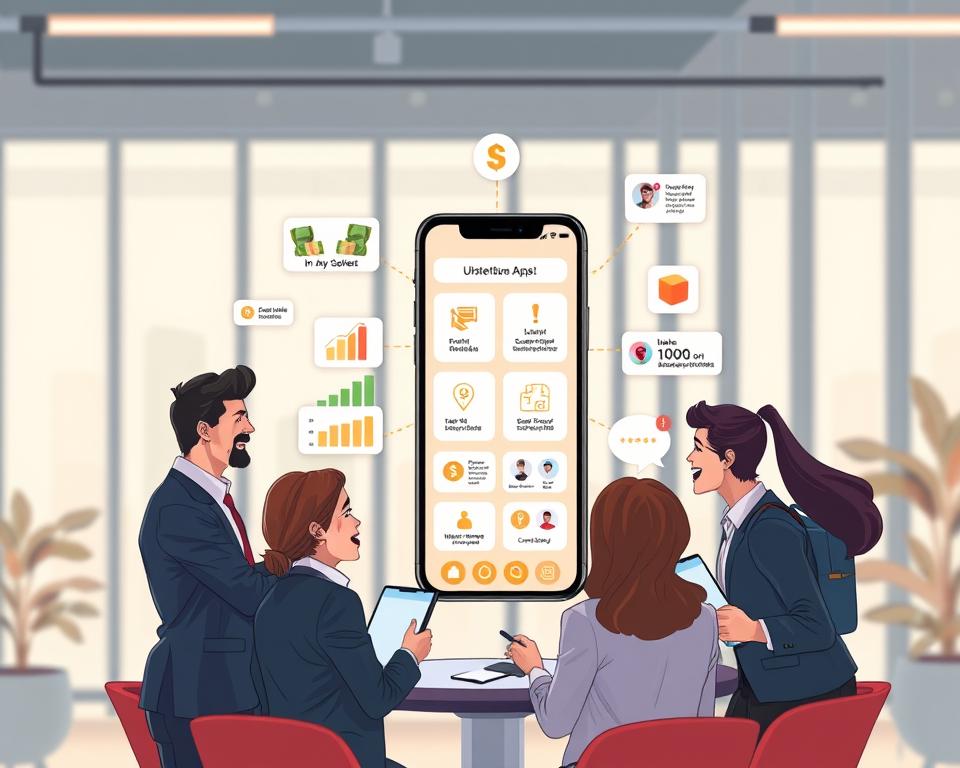
Apps can also make money by offering special listings or ads. This means highlighted products or sponsored content.
Payment Processing Fees
Apps can also earn by charging fees for payments. This is a small fee for each transaction made through the app’s system.
By trying different ways to make money, a Depop-like app can build a strong and lasting income model. This supports its growth and success.
Security and Trust-Building Mechanisms
To build a trustworthy community, a Depop-like app must focus on security and verification. A safe space is key for protecting user data and ensuring safe trades.

User Verification and Authentication
Strong user verification and authentication are crucial. This includes email, phone number, and social media checks. Biometric methods like facial recognition add extra security.
Verifying users helps lower fraud risks and boosts trust among users.
Payment Security and Fraud Prevention
Payment security is vital. The app should use secure payment systems that meet standards like PCI-DSS. Features like tokenization and encryption protect financial info.
Machine learning can spot and stop fraud by identifying unusual patterns.
Buyer and Seller Protection Policies
Clear buyer protection and seller policies are key. They should explain how to handle disputes and refunds. A fair system makes both buyers and sellers feel safe.
For example, holding funds until the buyer confirms they got the product protects sellers.
Data Privacy and Compliance
Data privacy is a big deal for users. The app must follow laws like GDPR and CCPA. It should clearly say how it uses user data.
Using strong encryption and doing regular security checks is important. This keeps the app’s data safe.
Cost Considerations for Depop Like Marketplace App Development
When planning to build a marketplace app like Depop, knowing the development costs is key. The cost can change a lot based on several things. These include the app’s complexity, the tech used, and the team’s location and skills.
“The cost of making a mobile app can be from $50,000 to $500,000 or more,” a report by Clutch says. This shows how important it is to plan well and budget carefully.
Factors Affecting Development Costs
Several important factors affect the cost of making a Depop-like app:
- Complexity of Features: The more features your app has, the more it will cost.
- Technology Stack: The tech choices can greatly affect the cost.
- Development Team: The cost of developers changes a lot based on their location, experience, and if you hire them or outsource.
- Design Requirements: Making the app look good and easy to use, like Depop’s, needs skilled designers and adds to the cost.
Budget Breakdown by Development Phase
A typical budget breakdown for a marketplace app includes several phases:
- Discovery and Planning: This first step is about market research, defining the project, and making a detailed plan.
- Design and Prototyping: This is where you create the app’s design and prototypes to see how it will look and work.
- MVP Development: Building a basic version of the app with main features to test it.
- Testing and Quality Assurance: Making sure the app is stable, secure, and works right.
- Launch and Deployment: Getting the app ready for stores and deploying it on servers.
Ongoing Maintenance and Update Costs
After the app is made, ongoing maintenance costs are key to keep it updated, secure, and competitive. This includes:
- Fixing bugs and improving performance regularly.
- Adding new features to keep users interested.
- Keeping up with changing rules and standards.
Cost Optimization Strategies
To cut down development costs, consider these strategies:
- Outsourcing: Hiring a team from places with lower costs can save money.
- MVP Approach: Starting with a basic version first can save money and test the market.
- Agile Development: Using agile methods can make development more flexible and might lower costs.
Understanding these cost factors and using good strategies can help you plan and manage your Depop-like app’s development better.
Challenges in Marketplace App Development and Solutions
Creating a marketplace app that users love means tackling big challenges. A successful app like Depop must overcome many obstacles. These include getting lots of users, ensuring quality, and handling logistics.
Building Critical Mass of Users
Getting a lot of users is a big challenge. To attract users, use social media, partner with influencers, and offer rewards to early users. For more tips, check out Sharetribe’s guide on marketplace mobile app.
Ensuring Quality Control and Authenticity
Keeping listings high quality and products authentic is key. Use a strong quality control system with user checks, reviews, and AI monitoring. Clear rules for sellers also help keep the marketplace top-notch.
Managing Logistics and Shipping
Smooth logistics and shipping are crucial for a good user experience. Work with trusted shipping companies and use app tools for logistics. Make sure to share tracking info with everyone involved.
Handling Disputes and Customer Support
Good customer support is vital for solving problems and keeping users happy. Set up a support system with in-app chat, FAQs, and quick customer service. For more on support, see Next Big Technology’s insights on mobile apps.
The table below shows the main challenges and how to solve them:
| Challenge | Solution |
|---|---|
| Building Critical Mass of Users | Social media marketing, influencer partnerships, incentives for early adopters |
| Ensuring Quality Control and Authenticity | User verification, product review processes, AI-powered monitoring |
| Managing Logistics and Shipping | Partnering with reliable shipping providers, logistics management tools |
| Handling Disputes and Customer Support | In-app messaging, FAQs, responsive customer service |
Marketing and Growth Strategies for Your Marketplace App
To stand out in the competitive marketplace app world, a solid marketing plan is key. Good marketing and growth strategies are vital for success. They help attract users, keep them engaged, and retain them.
Pre-Launch Marketing Tactics
Before your Depop-like marketplace app launches, it’s important to create excitement. Pre-launch marketing tactics include:
- Creating a landing page to capture email addresses and build a mailing list
- Using social media to share interesting content and teasers
- Offering early access or beta testing to spark interest
These steps help build a community around your app, setting it up for success.
Influencer Partnerships and Social Media Marketing
Influencer partnerships and social media marketing are key for promoting your app. Find influencers who match your brand and audience to:
- Promote your app through sponsored content and product placements
- Encourage users to share their experiences and content
- Use their followers to bring more traffic to your app
Also, stay active on social media to connect with your audience and share updates.
Community Building and User Engagement
Creating a strong community is essential for your app’s long-term success. Focus on community building by:
- Setting up forums or discussion boards for users to interact
- Hosting events or contests to get users involved
- Offering exclusive deals or rewards to make users feel valued
Engage with your users through feedback and support to build trust and loyalty.
Retention Strategies and Loyalty Programs
To keep users coming back, use retention strategies and loyalty programs. These can include:
- Offering loyalty points or rewards for frequent use or referrals
- Providing special benefits or early access to new features for loyal users
- Personalizing the user experience with tailored recommendations and offers
By focusing on keeping users, you can build a loyal community that grows your app over time.
Conclusion
The resale market and second-hand fashion are booming, thanks to platforms like Depop. To create a successful app like Depop, you need to understand the business model and the market well. You also need to know what features keep users coming back.
Success in the resale market means making the user experience smooth. This includes features like a social feed, in-app messaging, and safe payment options. The cost and features needed for a fashion e-commerce app are important to get right. This ensures your app is strong and can grow.
To make a marketplace thrive, know your audience well. Use advanced features like AI suggestions. Also, find good ways to make money. This way, you can tap into the growing demand for second-hand fashion.
As the resale market keeps changing, staying updated and adapting to new trends is crucial. This will help you succeed in creating a Depop-like app in the long run.


