







The digital world has changed a lot with influencer marketing becoming big. Brands want to work with influencers to promote their stuff. This need has led to a demand for a platform that makes it easy for brands and influencers to team up.
A marketplace app development can fill this gap. It offers a place for brands and influencers to work together smoothly. With such an app, brands can find and work with influencers easily. Influencers can also find the right opportunities that match their audience and niche.
Table of Contents
Key Takeaways
- Efficient brand-influencer connection through a dedicated marketplace app.
- Streamlined process for discovering and partnering with influencers.
- Opportunities for influencers to find collaborations that fit their niche.
- Enhanced collaboration between brands and influencers.
- Simplified management of influencer marketing campaigns.
Understanding the Influencer Marketing Landscape
Influencer marketing is now a key strategy for brands. It helps them connect with their audience in a real way. The digital world has changed, making influencer marketing a big part of advertising.

The Rise of Influencer Marketing in Digital Advertising
Social media has fueled the growth of influencer marketing. Sites like Instagram, YouTube, and TikTok let influencers grow their fan base. They can share engaging content with ease.
Influencer marketing is now a must for many brands. It lets them connect with their audience in a genuine and fun way.
Current Market Size and Growth Projections
The influencer marketing market is big and getting bigger. In 2022, it was worth $13.4 billion. By 2025, it’s expected to hit $24.1 billion.
| Year | Market Size (in billion $) | Growth Rate (%) |
|---|---|---|
| 2022 | 13.4 | 10.2 |
| 2023 | 15.6 | 16.4 |
| 2024 | 19.3 | 23.7 |
| 2025 | 24.1 | 25.1 |
Why Brands Struggle to Find the Right Influencers
Brands face a big challenge in finding the right influencers. There are so many influencers out there. It’s hard for brands to find ones that match their values and audience.
The Need for Dedicated Marketplace Solutions
Brands need help finding the right influencers. That’s where dedicated marketplace solutions come in. These platforms connect brands with influencers, making it easier to work together.
Using these marketplaces helps brands succeed in influencer marketing. They can reach their goals more effectively.
What Is an Influencer Hiring Marketplace App
An influencer hiring marketplace app connects brands with influencers. It makes working together easier by offering a place for managing campaigns and talking.

Core Concept and Platform Functionality
This app’s main idea is to let brands post campaign briefs. Influencers can then look, apply, and work on these projects. It has tools like user registration, campaign management, and messaging for easy talks between brands and influencers.
It makes finding and working with influencers easier. This helps brands reach their marketing goals through influencer partnerships.
Key Stakeholders and User Roles
The main players in this app are brands, influencers, and sometimes agencies. Brands post campaigns and pick influencers. Influencers show their audience, engagement, and past work to help brands choose.
- Brands: Post campaigns, pick influencers, and manage projects.
- Influencers: Make profiles, apply for campaigns, and work with brands.
- Agencies: May help connect brands and influencers or manage campaigns.
How Influencer Marketplaces Differ from Agency Models
Influencer marketplaces are different from traditional agencies. Agencies act as middlemen, taking a big cut. Marketplaces offer a direct connection between brands and influencers. This saves brands money and lets influencers control their work more, earning more.
By skipping the middleman, marketplaces make collaborations more efficient and clear. This helps both brands and influencers.
Business Benefits of Influencer Hiring Marketplace App Development
Influencer hiring marketplace apps change how brands market. They offer easy ways to connect with the right influencers.

Streamlined Connection Between Brands and Influencers
Developing an influencer hiring marketplace app has big business benefits. It makes it easy for brands to find influencers for their campaigns. This direct connection cuts out middlemen.
Cost Efficiency and Time Savings for Marketing Teams
This platform saves money by automating influencer marketing tasks. It cuts down on time for marketing teams. They can then focus on strategy and creativity.
Enhanced Transparency and Campaign Performance Tracking
Enhanced transparency is a major plus of these apps. They offer real-time campaign tracking. This lets brands see how their campaigns are doing. It helps in making better marketing choices.
Scalability Opportunities and Revenue Potential
These apps are scalable, allowing businesses to grow their influencer marketing. They also have revenue potential through fees or subscriptions. This makes them a good business idea.
Must-Have Features for Your Influencer Marketplace Platform
An influencer hiring marketplace app needs strong features for brands and influencers. A good platform makes it easy for brands to find the right influencers. It also makes the user experience better.
User Registration and Profile Management
User registration and profile management are key. They let brands and influencers make detailed profiles.
Brand Profile Components and Business Verification
Brands need a full profile with:
- Business information
- Brand identity
- Campaign history
- Verification documents
Verification builds trust on the platform.
Influencer Profile Elements and Portfolio Showcase
Influencers should show:
- Their niche
- Audience demographics
- Engagement rates
- A portfolio of their work

Advanced Search and Filtering Capabilities
The platform must have advanced search and filters. This makes finding influencers easier.
Search by Niche, Location, and Audience Demographics
Brands can search by:
- Niche or category
- Geographic location
- Audience demographics
This helps them find influencers that match their goals.
Engagement Rate and Performance Metrics Filters
Filters for engagement rates and performance help brands find successful influencers.
Campaign Brief Creation and Management Tools
Good campaign management tools are vital. Brands can make detailed briefs and manage them well.
In-App Messaging and Negotiation Features
Direct messaging in the app makes communication easy. It helps in smooth negotiations and teamwork.
Advanced Features to Differentiate Your Platform
To stand out in the influencer marketing world, adding advanced features to your platform is key. These features make the user experience better and give you a competitive edge. They help streamline processes and boost platform efficiency.
AI-Powered Influencer Matching and Recommendations
AI-powered influencer matching is a big step forward in influencer platforms. It uses smart algorithms to pair brands with the right influencers. It looks at niche, audience, engagement, and past work.
Machine learning makes the matches better over time. This means brands get the right influencers, and influencers find projects that fit their brand and audience.
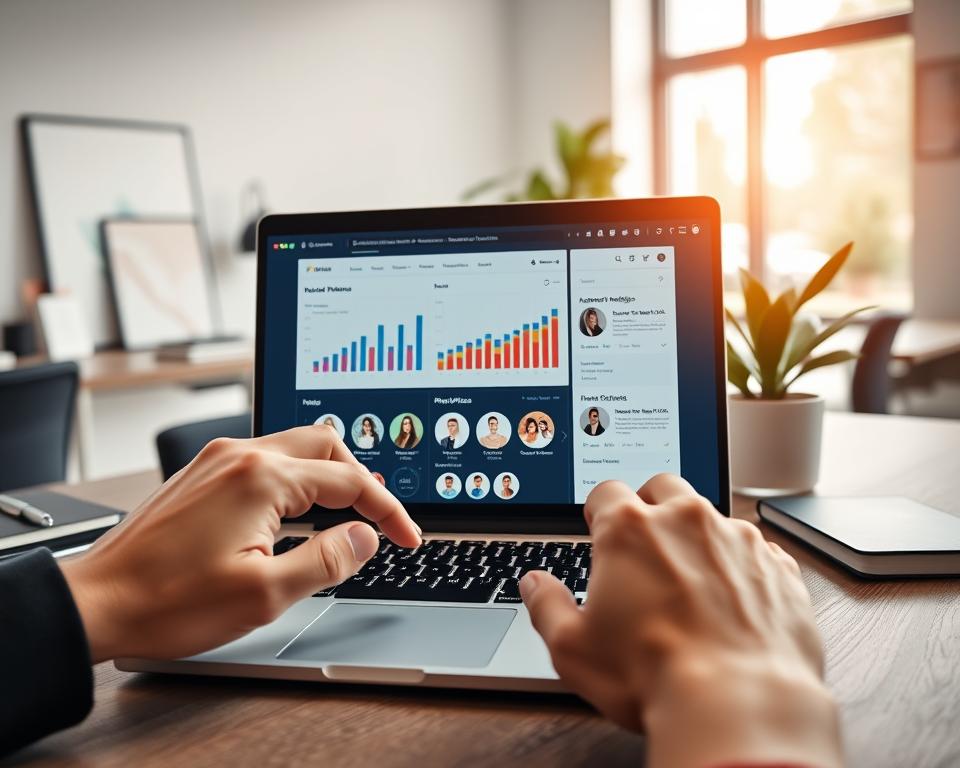
Real-Time Analytics and Performance Dashboard
Real-time analytics and a performance dashboard are crucial. They let users see how campaigns are doing right away. They track things like engagement, reach, and conversions.
With this info, brands can make better choices, and influencers can tweak their content. This helps them connect better with their audience.
Integrated Content Approval Workflows
Having a smooth content approval process is important. Integrated workflows let brands review and approve content easily. This cuts down on communication and ensures content fits brand standards.
Secure Payment Processing and Escrow Services
Security is a top priority for payments. Secure payment processing and escrow services protect everyone. They hold funds until campaigns are done, building trust and reducing fraud risk.
Comprehensive Rating and Review System
A good rating and review system is key for trust and transparency. It lets both sides rate and review each other after a campaign. This feedback loop keeps standards high, promoting professionalism and accountability.
By adding these advanced features, your influencer app can stand out. It offers a better, safer, and more efficient experience for brands and influencers.
Choosing the Right Technology Stack
Building an influencer marketplace starts with the technology stack. It’s key for the platform’s growth and performance. A good stack helps the platform meet the needs of brands and influencers.
Frontend Development Technologies
The frontend of an influencer marketplace app is vital for user interaction. Popular web app technologies include:
- React: It’s known for its component-based design and virtual DOM. This makes it efficient for complex interfaces.
- Angular: It offers a full framework with features like dependency injection and a strong templating engine.
- Vue.js: It’s a progressive and flexible framework. It’s easy to use with other projects.
React, Angular, and Vue.js for Web Applications
These frameworks are great for making web apps that are responsive and interactive. For example, React’s component reusability can cut down development time.
React Native and Flutter for Mobile Apps
For mobile apps, React Native and Flutter are top picks. They let you build apps for both iOS and Android without writing separate code.
Backend Development Frameworks
The backend is crucial for any marketplace. It handles data, storage, and business logic. Popular frameworks include:
Node.js, Python Django, and Ruby on Rails
- Node.js: It’s great for real-time apps because of its non-blocking I/O model.
- Python Django: It’s a high-level framework for fast development and clean design.
- Ruby on Rails: It’s a favorite among startups because of its convention over configuration principle.
Database Management Systems
Choosing the right database is essential for managing data. Options include:
PostgreSQL, MongoDB, and MySQL Options
| Database | Type | Key Features |
|---|---|---|
| PostgreSQL | Relational | ACID compliance, advanced indexing |
| MongoDB | NoSQL | Flexible schema, high scalability |
| MySQL | Relational | High performance, ease of use |
Cloud Infrastructure and Hosting Solutions
Cloud infrastructure is key for scalability and reliability. Amazon Web Services (AWS), Microsoft Azure, and Google Cloud Platform (GCP) are popular choices. They offer tools for computing, storage, and networking.

Essential Third-Party Integrations
Third-party integrations are key to making an influencer hiring marketplace app better. They add new features that help both brands and influencers. This makes the app more useful and easier to use.
Social Media Platform APIs
Using social media APIs is important. It helps get data on influencers, how well campaigns do, and what their audiences like. This info helps brands make smart choices and influencers improve their work.
Instagram, TikTok, YouTube, and Twitter Integration
Linking up with big social media sites like Instagram, TikTok, YouTube, and Twitter is a big plus. It lets the marketplace:
- Get how many followers influencers have and how engaged they are
- See how well campaigns are doing
- Share and promote content easily

Payment Gateway Integration
A good payment gateway is essential for handling money between brands and influencers. It makes sure payments are safe and go through smoothly.
Some top payment gateways are:
- Stripe
- PayPal
- Square
Analytics and Tracking Tools
Adding analytics and tracking tools gives insights into how users act, how campaigns perform, and how the platform is used. This info is crucial for making the platform better and improving user experience.
Some important analytics tools are:
- Google Analytics
- Mixpanel
- Amplitude
Email and Notification Services
Email and notification services are vital for keeping users in the loop about updates, messages, and activities. They help keep users interested and coming back.
Some well-known email and notification services are:
- SendGrid
- Mailgun
- OneSignal
Step-by-Step Development Process for Your Marketplace App
Creating a strong influencer hiring marketplace app needs a detailed development process. This process has several key phases. Each phase is important for the app’s success in today’s digital world.
Discovery and Market Research Phase
The first step is a deep dive into market research and discovery. This stage is key to understanding the market and what users want.
Competitor Analysis and Feature Prioritization
Looking at competitors helps find gaps and opportunities. Prioritizing features ensures the app’s main functions are built first. This makes the app more appealing to users right away.
Target Audience Definition and User Personas
Identifying the target audience and creating user personas are crucial. They help shape the app’s features and user experience. This is to meet the needs of brands and influencers.
UI/UX Design and Wireframing
The next phase focuses on designing an easy-to-use interface. This stage is key for a smooth user experience.
Creating User Flows for Different Stakeholders
Designing user flows for brands and influencers makes the app user-focused. It ensures the app meets the needs of all users.
Design System and Brand Identity Development
Creating a design system and brand identity is vital. It keeps the app consistent and builds trust with users.

MVP Development and Core Feature Implementation
The MVP development phase focuses on the app’s main features. This allows for early app deployment. It also opens the door for feedback and improvements.
Quality Assurance and Beta Testing
Quality assurance and beta testing are crucial. They help find and fix bugs. This ensures the app is stable and performs well.
Platform Launch and User Onboarding Strategy
A good launch and onboarding strategy are essential. They help attract and keep users. Effective onboarding boosts user engagement and lowers churn rates.
Monetization Models for Influencer Marketplace Platforms
To grow and stay strong, influencer platforms need good ways to make money. They can use many ways to earn more.
Commission-Based Revenue Structure
A common way to make money is through a commission-based model. This means taking a percentage of the money made from deals between brands and influencers.
Percentage Fees on Completed Transactions
The fee percentage can change based on the platform’s rules and services. For example, a site might take 10% on all deals it helps set up.
| Transaction Value | Commission Rate | Platform Revenue |
|---|---|---|
| $1,000 | 10% | $100 |
| $5,000 | 10% | $500 |
| $10,000 | 10% | $1,000 |
Subscription Plans for Brands and Influencers
Subscription plans with different levels and perks are also a good way to make money. Brands and influencers can choose premium services for more features and help.
Tiered Membership Levels and Benefits
There can be basic, premium, and enterprise levels, each with different services. For example, premium might offer better profile visibility, faster support, and special analytics tools.
- Basic: Limited profile visibility, standard customer support
- Premium: Enhanced profile visibility, priority customer support, access to analytics tools
- Enterprise: Maximum visibility, dedicated account manager, comprehensive analytics and reporting
Featured Listings and Premium Placement Options
Featured listings and premium spots let brands and influencers shine. These can cost extra, making more money for the platform.

Value-Added Services and Additional Revenue Streams
Platforms can also offer extra services like campaign help, content support, and influencer training. These services improve user experience and bring in more money.
By using different ways to make money, influencer platforms can create a strong and lasting business. This benefits both the platform and its users.
Development Costs and Timeline Expectations
Knowing the costs and timeline for an influencer marketplace app is key. Many factors affect the cost and time needed. It’s important to understand these before starting.
Factors That Influence Development Costs
The cost to make an influencer marketplace app varies a lot. This depends on the features’ complexity, the platform’s scope, the developer’s location, and if it’s custom or based on a template.
Feature Complexity and Platform Scope
More complex features and a wider platform scope mean higher costs. For example, advanced search, in-app messaging, and secure payments need more time and skill, raising the price.
Geographic Location of Development Team
The developer’s location also changes costs. Teams in places like North America or Western Europe charge more. This is because living costs are higher there.
Custom vs Template-Based Development
Choosing custom or template-based development also impacts the price. Custom work gives more flexibility but costs more. Template-based is cheaper but limits what you can change.
Estimated Budget Ranges for Different Approaches
When budgeting for an influencer marketplace app, knowing the costs is crucial. The budget can vary a lot, depending on whether you’re making a Minimum Viable Product (MVP) or a full-featured platform.
MVP Development Costs
Building an MVP is a cost-effective way to start. Costs for MVP development range from $50,000 to $150,000. This depends on the features included.
Full-Featured Platform Investment
A full-featured platform needs a bigger budget. Costs can go from $150,000 to $500,000 or more. This depends on the features and their complexity.
Realistic Timeline from Concept to Launch
The time it takes to go from idea to launch varies. It depends on the development approach, feature complexity, and team size. An MVP might take 3 to 6 months. A full-featured platform could take 6 to 12 months or more.
Here are some key milestones in the development process:
- Discovery and market research phase: 2-4 weeks
- UI/UX design and wireframing: 4-8 weeks
- MVP development: 12-24 weeks
- Quality assurance and beta testing: 4-8 weeks
- Platform launch: 2-4 weeks
By understanding these factors and planning well, you can estimate costs and timeline. This ensures a successful launch and long-term success.
Building and Managing Your Development Team
The success of your influencer marketplace platform depends on your development team. A well-structured team ensures your platform is developed with the right technical skills. It also meets user needs and is launched on time.
In-House Team vs Outsourced Development Agency
Deciding between an in-house team and an outsourced development agency is crucial. An in-house team offers more control and better integration with your company’s culture. On the other hand, an outsourced development agency brings specialized expertise and may be more cost-effective for complex projects.
Consider your budget, project technical requirements, and company goals when making this decision. Each option has its pros and cons, and the best choice depends on your specific needs.
Essential Roles and Technical Expertise Required
Whether you choose an in-house team or an outsourced agency, certain roles and technical expertise are key. These are crucial for the successful development of your influencer marketplace platform.
Project Manager and Business Analyst
A Project Manager is vital for overseeing the development process. They ensure the project is completed on time and manage the budget. A Business Analyst defines the project’s requirements and ensures the solution meets business needs.
UI/UX Designers and Frontend Developers
UI/UX Designers create an intuitive and engaging user interface. Frontend Developers bring the design to life, making sure the platform is user-friendly and responsive.
Backend Developers and DevOps Engineers
Backend Developers handle server-side logic, database integration, and API connectivity. They ensure the platform’s backend is robust and scalable. DevOps Engineers manage the platform’s smooth operation from development to deployment.
Quality Assurance Specialists
Quality Assurance Specialists test the platform, identify bugs, and ensure it meets standards. They make sure the platform is free from defects.
Team Size Recommendations Based on Project Scope
The size of your development team should match your project’s scope. Larger projects need a bigger team with a broader range of skills. It’s important to find a balance between having enough people and avoiding unnecessary costs.
Overcoming Key Challenges in Marketplace Development
Building a successful influencer marketplace platform is tough. It needs to connect brands with influencers smoothly. But, it faces many challenges that can affect its growth.
Solving the Cold Start Problem and Attracting Initial Users
The cold start problem is a big hurdle for new marketplaces. To beat it, attracting brands and influencers from the start is key.
Strategies for Onboarding Brands and Influencers
Offering discounts or special services can attract early users. Targeted marketing campaigns also help reach more people. For influencers, showing them relevant brand opportunities is important. For brands, highlighting easy influencer discovery and campaign management is a big plus.
Ensuring Platform Security and Data Privacy Compliance
Today, keeping user data safe and following privacy laws is essential. This means strong security and keeping up with laws like GDPR and CCPA.
GDPR, CCPA, and Other Regulatory Requirements
To meet these laws, platforms need data protection measures like encryption and secure storage. They also need to get clear consent from users. Regular checks and updates to privacy policies are also needed.
Managing Two-Sided Marketplace Dynamics
A two-sided marketplace must balance the needs of brands and influencers. This means managing supply and demand well.
Balancing Supply and Demand
Platforms can use dynamic pricing to adjust fees based on demand. They can also provide tools for brands to post campaigns and for influencers to show their services. This keeps the marketplace lively.
Building Trust Through Verification and Safety Measures
Trust is vital in a marketplace, especially one that connects businesses with individuals. Verification processes for brands and influencers can greatly increase trust.
These processes might include checking social media profiles and past collaborations. Safety measures like secure payments and dispute resolution also help build trust.
Scaling Infrastructure as Your User Base Grows
As more users join, the platform’s infrastructure must grow too. This means more servers and a system that can handle more traffic.
Investing in scalable cloud infrastructure and regularly checking platform performance are key. Having a team that can quickly adapt to growth needs is also crucial.
Marketing and Growth Strategies for Your Platform
The success of an influencer marketplace depends on good marketing and growth plans. As influencer marketing changes, platforms must keep up and get creative to draw in and keep users.
Pre-Launch Marketing and Beta User Acquisition
Getting users before launch is key. You can make a landing page to grab interest, give special deals to early users, and use social media to build excitement.
Key strategies include:
- Creating a waitlist or pre-registration page
- Using social media ads to find potential users
- Working with influencers to promote the platform
- Offering special perks to early users
Content Marketing and SEO Optimization
Content marketing is crucial for getting seen and attracting visitors. By making quality, relevant content, platforms can rank better in search engines and show they know their stuff in influencer marketing.
Effective content marketing tactics include:
- Writing about industry trends and tips
- Creating guides and whitepapers on influencer marketing
- Using the right keywords in website content
- Using videos to keep users engaged
Partnership Strategies with Agencies and Brands
Working with agencies and brands can really help a platform grow. These partnerships can bring in more users and make the platform more credible.
| Partnership Type | Benefits |
|---|---|
| Agency Partnerships | Access to influencers, more credibility |
| Brand Partnerships | More visibility, chance for big campaigns |
Community Building and User Retention Tactics
Building a strong community is key to keeping users loyal. This means creating chances for users to engage, offering great customer support, and always improving the platform based on what users say.
Community building strategies include:
- Hosting webinars and workshops on influencer marketing
- Creating a forum or community section on the platform
- Always asking for user feedback and making changes
Leveraging Influencers to Promote Your Marketplace
Influencers can be great for promoting the platform. By working with influencers, platforms can reach their followers and have a more real marketing approach.
Effective influencer leveraging tactics include:
- Finding and working with influential users
- Offering rewards for influencers to promote the platform
- Collaborating with influencers on content
Conclusion
Creating an influencer hiring marketplace app is a great chance to link brands with influencers easily. It’s important to know the influencer marketing world well. Also, adding key and advanced features is crucial for success.
Building a good influencer hiring marketplace needs careful thought on how to make money, the cost of development, and marketing plans. It’s also key to tackle big challenges like starting from scratch and keeping the platform safe.
The future prospects for influencer hiring marketplaces are looking good. A focus on platform development that makes it easy to use, open, and can grow is essential. This way, developers can build a platform that helps both brands and influencers.
In the end, a well-made influencer hiring marketplace app can take advantage of the increasing need for influencer marketing. It will be a valuable tool for both brands and influencers.