







The circular economy is booming, leading to a big jump in demand for sustainable e-commerce solutions. As people care more about the planet, they want to buy and sell used items. This need has skyrocketed.
Resale marketplace apps are now key in this change. They make it easy for users to deal in second-hand goods. By creating such an app, businesses can join this growing trend and help the planet.
Table of Contents
Key Takeaways
- The demand for sustainable e-commerce solutions is on the rise.
- Resale marketplace apps are becoming increasingly popular.
- Developing a resale marketplace app can help businesses tap into the growing market.
- E-commerce solutions are crucial for a sustainable future.
- App development is key to creating a successful resale marketplace.
1. Understanding the Resale Marketplace Industry
The resale marketplace industry has grown a lot in recent years. This growth comes from people wanting sustainable and affordable products. It’s changing how we shop and sell, opening up new chances for everyone.
Current Market Landscape and Leading Players
The resale market has both old and new players. Big names like eBay, Poshmark, and ThredUp lead the way. They offer everything from used clothes to vintage and collectibles.
Growth Trends and Statistics
The resale market is growing fast. It’s expected to double in size by 2025. In 2020, it was worth over $150 billion and could hit $300 billion by 2025.
This growth comes from people caring more about the planet and wanting quality at a good price.
| Year | Market Size (in billions) | Growth Rate (%) |
|---|---|---|
| 2020 | 150 | 15 |
| 2022 | 200 | 20 |
| 2025 | 300 | 25 |
Popular Resale Marketplace Business Models
There are many business models in the resale market. Peer-to-peer (P2P) platforms like Depop and Mercari let people sell directly to each other. Business-to-consumer (B2C) models have businesses selling used or refurbished items to shoppers.
Knowing these models is key for anyone wanting to get into the resale market.
2. Why Invest in a Resale Marketplace Platform
More people are thinking about the planet, leading to a rise in resale marketplaces. This makes them a smart investment choice. The resale market is booming because it fits well with the circular economy.
Business Opportunities in the Circular Economy
The circular economy aims to cut down on waste and encourage the reuse of items. Resale marketplaces are key in this effort. They let people buy and sell used goods, helping the environment and creating new business chances.
- Reduced waste through the reuse of products
- Increased demand for sustainable products
- New revenue streams for businesses and individuals
Consumer Behavior Shifts Toward Sustainability
People are now choosing to buy things that are good for the planet. This change is boosting the need for resale marketplaces. Consumers want affordable, eco-friendly options instead of new products.
Key drivers of this shift include:
- Increasing awareness of environmental issues
- Desire to reduce personal waste and carbon footprint
- Economic benefits of buying and selling second-hand goods
Revenue Potential and Return on Investment
Resale marketplaces can make a lot of money through sales commissions and listing fees. The growth of the circular economy and more demand for green products mean a good chance for a strong return on investment.
Investing in a resale marketplace platform lets businesses tap into the growing trend of sustainability. It gives them a chance to stand out in the market.
3. Types of Resale Marketplace Applications
The resale marketplace app world is diverse, with many categories for different needs. These platforms help with various transactions, from individual sales to business deals and niche markets.
Peer-to-Peer Resale Platforms
Platforms like eBay and Poshmark let people sell and buy used items directly. They’re known for connecting buyers with unique, second-hand goods. These sites have features like profiles, ratings, and messaging to help with sales.

Business-to-Consumer Resale Models
Business-to-consumer models have companies buying used items to resell. The RealReal is a top example, focusing on luxury goods. This model makes it easy for people to buy quality, used products.
Niche Category Marketplaces
Niche marketplaces focus on specific items, like vintage clothes or used electronics. They’re great for those searching for rare items. By focusing on a niche, they offer a curated selection and attract a loyal user base.
Hybrid Marketplace Solutions
Hybrid solutions mix different models, offering a flexible platform for all. They can meet various market needs, providing a strong resale experience.
Knowing the different resale app types is key to success. By understanding your audience and their needs, you can pick the best model or mix for your app.
4. Core Features for Successful Resale Marketplace Apps
The success of a resale marketplace app depends on its core features. These features must offer a smooth and secure user experience. A well-designed app can boost user engagement and help the business grow.
User Registration and Profile Management
A strong user registration process is key to building trust. It should let users create detailed profiles with their info and transaction history. Secure authentication methods like email verification and social media login add to account security.
Product Listing and Catalog Management
Sellers need an easy way to list their items. The app should allow for detailed descriptions, pricing, and images. It should also have a system for categorizing, filtering, and searching items, making it easier for buyers to find what they need.
Advanced Search and Filtering Options
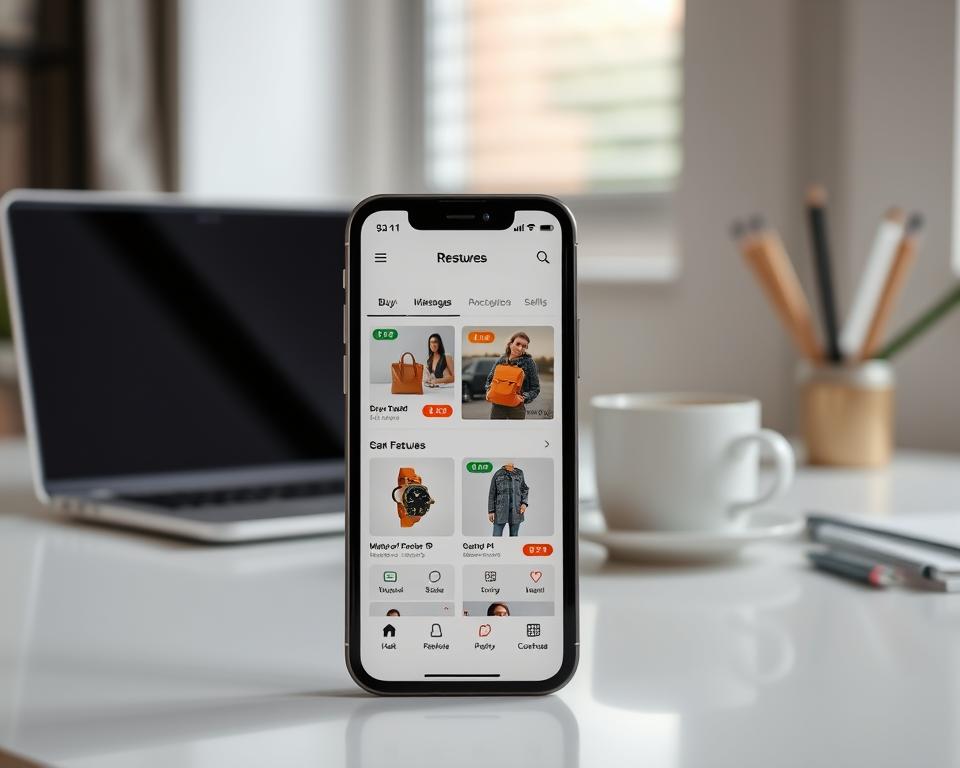
The app should have advanced search and filtering options. This helps buyers quickly find products by price, location, and condition. It makes the user experience smoother.
In-App Messaging and Communication Tools
In-app messaging lets buyers and sellers talk directly. It’s great for negotiations and transactions. The feature should include real-time notifications to keep users updated on messages or updates.
| Feature | Description | Benefit |
|---|---|---|
| User Registration | Secure sign-up process | Builds trust within the community |
| Product Listing | Easy item upload with details | Enhances seller experience |
| In-App Messaging | Direct communication between buyers and sellers | Facilitates transactions |
Rating and Review System
A rating and review system is crucial for credibility. It lets buyers share feedback on their transactions. This helps build a reputation for trustworthy sellers.
Secure Payment Gateway Integration
Integrating a secure payment gateway is vital for protecting transactions and user data. It should support various payment methods and make checkout easy.
By including these core features, a resale marketplace app can offer a strong and engaging platform. This drives growth and success in the competitive resale market.
5. Multi-Panel Architecture and User Roles
Multi-panel architecture is key for resale marketplace apps. It supports different user roles and functions. This setup helps the app meet the needs of buyers, sellers, and admins, making the experience smooth and efficient.
Buyer Panel Features and Functionality
The buyer panel is made for easy shopping. It has:
- Advanced search and filtering options
- Product categorization and recommendations
- Secure payment processing
- Order tracking and history
Seller Panel Capabilities
The seller panel helps vendors manage their sales. It includes:
- Product listing and inventory management
- Order management and fulfillment
- Sales analytics and insights
- Profile and listing customization
Administrative Panel Requirements
The admin panel is crucial for managing the app. It needs:
User and Content Management
Admins must manage user accounts and content. They also ensure the platform follows its rules.
Transaction Oversight
The admin panel should have tools for tracking transactions. It should handle disputes and manage payouts.
Analytics and Reporting Dashboard
A detailed analytics dashboard is needed. It tracks the app’s performance, user engagement, and sales trends.
| User Role | Key Features |
|---|---|
| Buyer | Advanced search, product recommendations, secure payment, order tracking |
| Seller | Product listing, order management, sales analytics, profile customization |
| Administrator | User management, transaction oversight, analytics dashboard |

In conclusion, a well-designed multi-panel architecture is vital for a resale marketplace app. It supports various user roles and offers a wide range of features for each.
6. Technology Stack for Resale Marketplace App Development
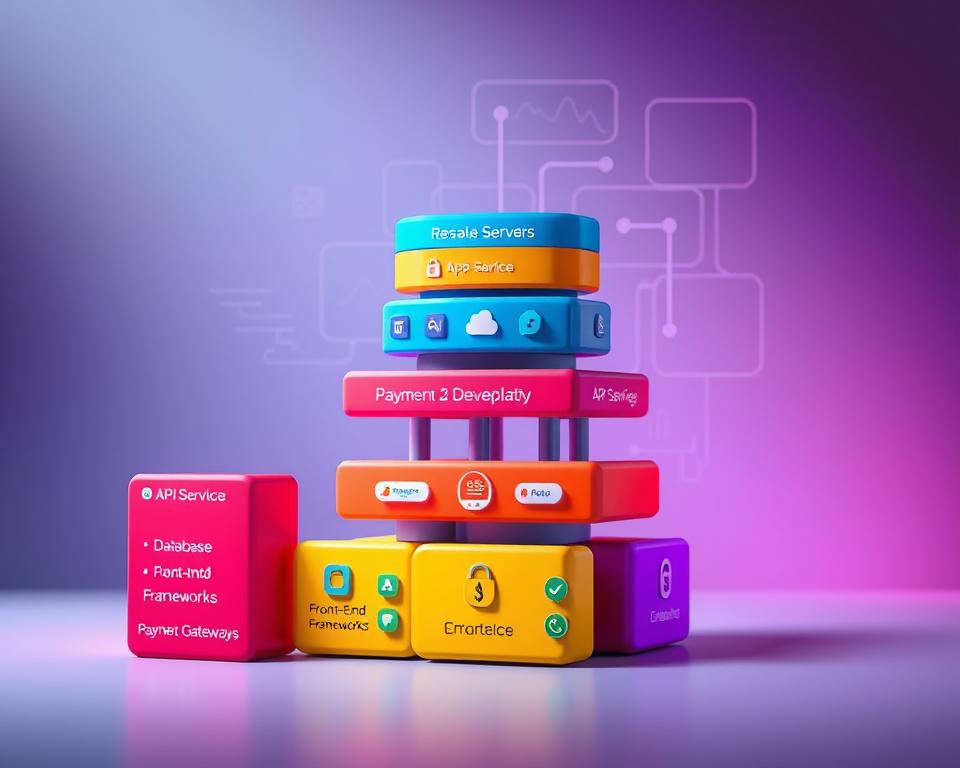
Choosing the right technology stack is key to a competitive resale marketplace app. It includes frontend development, backend infrastructure, and cloud services. These components ensure the app’s performance, scalability, and user experience.
Frontend Development Technologies
Frontend development focuses on creating a user-friendly interface. There are two main approaches: native mobile development and cross-platform frameworks.
Native Mobile Development
Native development creates separate apps for iOS and Android. Swift and Objective-C are for iOS, and Java and Kotlin for Android. Native apps perform well and access device hardware directly.
Cross-Platform Frameworks
Cross-platform frameworks like React Native and Flutter build apps for both iOS and Android with one codebase. This method saves time and costs while ensuring a consistent user experience.
Backend Infrastructure and Architecture
The backend infrastructure manages data, processes transactions, and handles business logic.
Server-Side Technologies
Server-side technologies like Node.js, Ruby on Rails, and Python Django build server-side logic, API integrations, and database interactions.
Database Management Systems
A good database management system is essential for efficient data storage and retrieval. Relational databases like MySQL and PostgreSQL are best for structured data. NoSQL databases like MongoDB handle large volumes of unstructured data.
Cloud Services and Scalability Solutions
Cloud services provide scalable infrastructure and tools for app growth. AWS, Google Cloud, and Microsoft Azure offer computing power, storage, and database management. They ensure high availability and reliability.
The success of a resale marketplace app depends on a balanced technology stack. By combining the right frontend, backend, and cloud technologies, developers can build a strong and user-friendly platform.
7. User Experience and Interface Design Best Practices
In the world of resale marketplaces, user experience and interface design are key to success. A good interface attracts and keeps users by offering a smooth, easy experience.
Mobile-First Design Strategy
For resale apps, a mobile-first design is essential. It makes the app work well on small screens, giving a clean, focused experience. Google suggests a mobile-first design since most people use mobiles to surf the web.

Intuitive Navigation and User Flow Optimization
Good navigation and user flow keep users interested. It means making menus simple, cutting down steps, and making the app easy to use. Clear call-to-actions help users move through the app, improving their experience.
Visual Product Presentation and Gallery Features
How products look is crucial in resale apps. High-quality images and good galleries help users decide. Features like zoom and 360-degree views make looking at products better.
Accessibility Standards and Inclusive Design
Making the app accessible to everyone is a must. It’s not just the law, but it also makes users happier. Following accessibility standards and inclusive design helps more people use the app.
“Accessibility is not a feature, it’s a fundamental aspect of user experience.” –
By following these guidelines, developers can make resale apps that look great and work well. These apps are easy to use and enjoyable for everyone.
8. Payment Processing and Financial Management
To succeed, resale marketplace apps must focus on payment processing and financial management. A good payment system is key for smooth transactions between buyers and sellers.
Multi-Payment Gateway Integration
Using multiple payment gateways offers users flexibility and boosts transaction success. Popular options include PayPal, Stripe, and Square. This lets users pick their favorite payment method, making their experience better.
Escrow and Secure Transaction Systems
An escrow system holds the buyer’s payment until they confirm they got the product. This reduces fraud risk. Experts say, “Escrow services add a protective layer for both sides in a deal.”
“Escrow services have become a cornerstone of secure online transactions, protecting both buyers and sellers from potential fraud.”
Seller Payout Management
Good payout systems make sure sellers get paid quickly. They include options like bank transfers and digital wallets. Here’s a table showing a payout system:
| Payout Method | Processing Time | Fees |
|---|---|---|
| Bank Transfer | 2-3 business days | 1.5% |
| Digital Wallet | Instant | 2% |
Transaction Fee Structure and Processing
A clear fee structure builds trust with users. It’s important to clearly state any fees, like payment processing and service charges. 
By focusing on these areas, resale marketplace apps can create a secure, efficient, and user-friendly financial system. This supports the platform’s growth.
9. Security Features and Trust-Building Mechanisms
Strong security is key for resale apps to gain and keep user trust. In a digital world where strangers meet, solid security is a must. It keeps the marketplace safe and reliable.
User Verification and Authentication Systems
To stop scams, resale apps need strict user verification steps. This includes checking emails, phone numbers, and social media. Two-factor authentication (2FA) adds extra security, keeping accounts safe from hackers.
Fraud Detection and Prevention Tools
Stopping fraud is vital for a trustworthy marketplace. Apps use smart algorithms to watch transactions and user actions. They catch fraud early by reporting and monitoring suspicious activity.

Data Encryption and Privacy Compliance
Data encryption keeps user data safe from hackers. Apps must use end-to-end encryption for financial and personal info. Following privacy laws is also a must.
GDPR and CCPA Compliance
Apps in the EU and California must follow GDPR and CCPA. These laws control how user data is used, stored, and protected.
PCI DSS Standards
The Payment Card Industry Data Security Standard (PCI DSS) is essential for e-commerce sites. It makes sure payment info is handled safely.
Dispute Resolution and Mediation Systems
Even with strong security, disputes can happen. A fair dispute resolution process is crucial. It uses mediation to solve problems between buyers and sellers quickly and fairly.
10. Shipping and Logistics Integration
Shipping and logistics are key to a resale marketplace’s success. A good shipping system makes things easier for users, cuts costs, and boosts happiness.
Automated Shipping Label Generation
Automated shipping labels are a big help for sellers. They work with shipping companies to give sellers ready-to-use labels. This cuts down on mistakes and saves time. It also makes tracking and managing shipments easier.
Real-Time Tracking and Delivery Notifications
Keeping buyers updated on their orders builds trust. It makes the wait for delivery less stressful. Resale marketplaces can do this by working with shipping companies to give accurate tracking info.
Return Management and Refund Processing
Handling returns and refunds smoothly is crucial. This includes making return labels, tracking returns, and handling refunds. A hassle-free return process makes customers happy and keeps them coming back.
Let’s look at why shipping and logistics matter:
- Increased Customer Satisfaction: Fast and accurate shipping makes buying better.
- Reduced Operational Costs: Automated steps cut down on mistakes and save time.
- Improved Seller Experience: Easy shipping and returns attract more sellers.
Adding these shipping and logistics features makes resale marketplace apps better. They become more efficient, friendly, and reliable for everyone.
11. Monetization Strategies for Resale Platforms
Monetizing resale marketplaces needs a careful plan. It’s important to balance making money with keeping users happy. A good strategy can make the platform more profitable and keep users coming back.
Commission-Based Revenue Model
A common way to make money is through a commission model. The platform gets a share of the sale price for each deal made on the site. This way, the platform and users both win, making it a win-win situation.
Listing Fees and Featured Placement
Listing fees and featured spots are other ways to make money. Sellers pay for more visibility to sell more. This can be a flat fee or a premium service for top listings.
Subscription Plans for Premium Sellers
Subscription plans offer a steady income. Premium sellers get extra features like more listings, better analytics, or fast support. This encourages sellers to pay more, helping the platform and the sellers.
In-App Advertisement Opportunities
In-app ads are another good way to make money. Ads in the app can earn money based on clicks or views. Targeted ads that match user interests work best.
| Monetization Strategy | Description | Benefits |
|---|---|---|
| Commission-Based | Earns a percentage of each sale | Aligns platform revenue with user success |
| Listing Fees | Charges for listing or featured placement | Generates revenue from seller services |
| Subscription Plans | Offers premium services for sellers | Provides steady revenue stream |
| In-App Advertising | Earns from ad clicks or impressions | Effective with targeted, relevant ads |
By using different ways to make money, resale platforms can build a strong business. This supports growth and keeps users happy.
12. The Development Process and Project Timeline
Creating a resale marketplace app is a detailed process with many stages. From the start to the end, each step is important for success.
Discovery and Requirements Analysis
The first step is laying the foundation. It’s about gathering needs, defining what the app will do, and who it’s for. This stage is key to making an app that users will like.
Key activities during this phase include:
- Conducting market research and competitor analysis
- Defining the app’s features and functionalities
- Creating user personas and user journeys
Design and Prototyping Phase
After gathering needs, the design phase starts. Here, wireframes, prototypes, and detailed designs are made. They show how the app will look and work.
Development Sprints and Testing
The coding part happens in this phase. It’s split into sprints, each focusing on a part of the app. Testing is also key to make sure the app works well and is safe.
| Development Stage | Key Activities |
|---|---|
| Frontend Development | Building the user interface and client-side logic |
| Backend Development | Creating server-side logic, database integration, and API connectivity |
| Testing and QA | Ensuring the app’s stability, security, and performance |
Deployment and Launch Strategy
The last step is getting the app ready for stores and planning its launch. This includes marketing, setting up analytics, and listening to user feedback.
The key to a successful launch is not just about releasing the app, but also about creating a buzz around it. A well-planned marketing strategy can make all the difference.
Knowing the development process and timeline helps plan and make a resale marketplace app. It ensures the app meets user needs and stands out in the market.
13. Cost Factors and Budget Considerations
When planning a budget for a resale marketplace app, it’s important to know what costs are involved. The total cost depends on several things. These include the app’s features, the technology used, and the rates of the development team.
Development Team Structure and Rates
The cost of a development team can change a lot. It depends on where they are, their skills, and how complex the project is. Teams in North America and Western Europe usually charge more than those in Eastern Europe or Asia. A typical team has developers, designers, project managers, and quality assurance experts.
Feature Complexity and Budget Impact
The complexity of features greatly affects the cost. Simple features like user registration cost less than advanced ones like AI-powered recommendations. Choosing which features to prioritize can help manage your budget better.
Third-Party Integrations and Licensing
Adding third-party services like payment gateways or shipping providers can increase costs. You also need to think about licensing fees for certain technologies. Choosing the right third-party services can help keep costs down.
Maintenance and Update Costs
After the app is launched, keeping it updated is key to its success. This includes fixing bugs, updating for new laws, and adding new features based on user feedback. It’s important to budget for ongoing maintenance to keep the app competitive and secure.
Effective budgeting for a resale marketplace app means considering both initial and ongoing costs. Understanding these costs helps businesses plan better and ensure their app’s long-term success.
14. Marketing and User Acquisition Strategies
The success of a resale marketplace app depends on its marketing and user acquisition. It’s important to use a mix of strategies to reach more people.
Social Media Integration and Sharing
Social media is key in promoting resale apps. It lets users share listings and products easily. This helps more people find out about the app and join.
Referral Programs and Incentive Systems
Referral programs help by getting current users to bring in new ones. Offering discounts or rewards can make users want to share the app with others.
App Store Optimization and SEO
Being easy to find in app stores and search engines is crucial. This means using the right keywords, writing good app descriptions, and keeping a high rating.
Community Building and Engagement
Creating a strong community around the app keeps users engaged and loyal. This can be done with forums, reviews, and rating systems.
| Marketing Strategy | Description | Benefits |
|---|---|---|
| Social Media Integration | Sharing features for listings and products | Increased visibility, new user acquisition |
| Referral Programs | Incentives for referring new users | Motivated users, increased user base |
| App Store Optimization | Keyword optimization, app descriptions | Improved visibility, organic traffic |
Using these strategies, resale apps can attract and keep users. This leads to growth and success.
15. Emerging Trends and Future Technologies
The future of resale apps is bright, thanks to new technologies. These innovations aim to make shopping more sustainable and efficient. Developers are using these trends to improve how we shop and run businesses.
Artificial Intelligence and Personalization
Artificial Intelligence (AI) is changing how we shop online. It uses our buying habits to suggest products we might like. This makes shopping more fun and personal.
Augmented Reality for Virtual Product Viewing
Augmented Reality (AR) lets us see products virtually. It’s great for trying on clothes or seeing how furniture fits in our homes. This tech makes online shopping feel more real.
Blockchain for Product Authentication
Blockchain technology helps prove products are real. It fights against fake goods in the resale market. This is a big win for honest sellers and buyers.
Sustainability Tracking Features
More people want to shop green. So, resale apps are adding sustainability tracking features. These help us choose products that are better for the planet.
By adopting these new trends, resale apps can do more for us. They make shopping better and help our planet too.
Conclusion
The rise of resale marketplace apps is changing how we buy and sell things. It’s making our economy more sustainable and circular. These apps connect buyers and sellers, helping them trade used goods.
Investing in these apps can help businesses meet the growing need for eco-friendly products. It also helps reduce waste and supports green practices. Success comes from making apps easy to use with features like safe payments and good shipping.
New tech like AI, AR, and blockchain will shape the future of these apps. By using these innovations, businesses can lead the way in sustainability. This will help them meet the increasing demand for green products.
In short, the resale app market is booming with lots of room for growth and new ideas. By understanding what people want and using the latest tech, companies can make apps that are good for the planet and profitable.