






In today’s fast world, efficient logistics management is key for businesses to keep up. The rise of mobile app development has changed how companies handle their supply chains. Now, they can track things in real-time, make operations smoother, and please their customers more.
Apps for managing logistics are making a big difference in the industry. They offer new ways to solve old problems. These apps help with supply chain management by linking different steps, making communication better, and cutting costs.
This article will explore the world of logistics management app development. We’ll look at its benefits, main features, and how it’s made.
Table of Contents
Key Takeaways
- Efficient logistics management is crucial in today’s digital age.
- Mobile app development has transformed supply chain management.
- Logistics management apps enable real-time tracking and streamlined operations.
- The development process involves integrating various processes and improving communication.
- Logistics management apps reduce costs and enhance customer satisfaction.
The Digital Transformation of Logistics Operations
Digital technologies are changing logistics, making it more efficient and cheaper. The industry is moving towards automation and digitalization. This is because of the need for quicker and more reliable supply chain management.

How Technology is Reshaping Supply Chain Management
Technology is changing how we manage supply chains. It brings real-time tracking, data analytics, and automated processes. A study shows that using digital technologies can cut costs and speed up delivery times.
“The use of technology in logistics is no longer a competitive advantage but a necessity for survival.” This shows how important technology is in modern logistics.
The Shift from Manual to Automated Logistics
The move from manual to automated logistics is key in digital transformation. Automated systems do tasks like inventory management and order processing better than humans. This not only cuts down on mistakes but also lets people focus on more important tasks.
Market Demand for Digital Logistics Solutions
The need for digital logistics solutions is growing. This is because of the need for better efficiency, transparency, and reliability in supply chains. With e-commerce increasing, logistics companies must deliver faster and more reliably, driving the demand for digital solutions.
As the logistics industry keeps evolving, using digital technologies is essential for staying competitive. By adopting automation and digitalization, logistics companies can improve their operations, cut costs, and make customers happier.
What is Logistics Management App Development
Creating software for logistics and supply chain management is called logistics management app development. It involves making apps that manage goods, information, and resources well. These apps help in coordinating the flow of goods and information in the supply chain.
Defining Modern Logistics Management Applications
Today’s logistics apps are advanced platforms. They handle transportation management, inventory control, and order processing. These apps aim to make logistics smoother, more accurate, and cheaper.

Key Components of Logistics Software Solutions
Logistics software has several important parts:
- Real-time tracking and monitoring for better supply chain visibility.
- Route optimization to cut down on costs and speed up deliveries.
- Inventory management for efficient stock levels.
- Order management systems to make order processing smoother.
The Difference Between Off-the-Shelf and Custom Solutions
Off-the-shelf apps are a one-size-fits-all solution. They might not fit your business perfectly. On the other hand, custom logistics management app development creates apps tailored for your business. Custom apps are more flexible, scalable, and can integrate well with your systems.
Business Benefits of Logistics Management Apps
More and more businesses are using logistics management apps. These apps help them see what’s happening in their supply chain in real time. This lets them make better decisions.
Operational Efficiency and Cost Reduction
Logistics apps make operations smoother and cut costs. They automate tasks like planning routes and managing inventory. This reduces mistakes and lowers expenses.
A study found that using these apps can cut costs by up to 15%. Effective route optimization also means less fuel used and lower emissions. This saves money and helps the environment.
Real-Time Visibility Across the Supply Chain
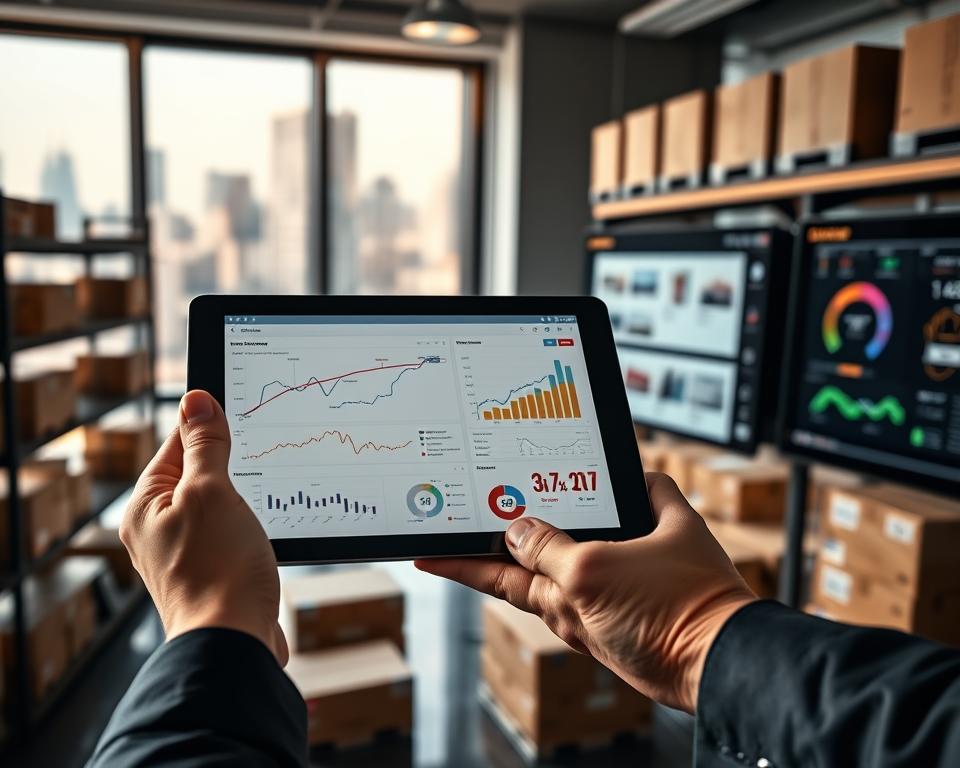
These apps offer real-time tracking and monitoring. This means businesses can see everything happening in their supply chain. They can quickly handle problems, keep customers happy, and make smart choices.
A logistics expert said, “Real-time visibility is key in today’s fast world. Delays can cost a lot.” With real-time data, businesses can handle changes better and stay strong.
Enhanced Decision-Making Through Data Analytics
Logistics apps also offer data analytics. They collect and analyze lots of data. This gives businesses insights into how they’re doing.
By using data analytics, companies can find ways to get better. They can predict demand and adjust their plans. This helps them make smart choices.
Improved Customer Experience and Satisfaction
Logistics apps also make customers happier. They give real-time updates and accurate delivery times. This builds trust and keeps customers informed.
Being able to track shipments helps customers plan. This reduces worries about when things will arrive. A logistics executive said, “Being open and talking to customers is key to keeping them happy.” Using these apps helps businesses keep their customers happy and stay ahead.
Types of Logistics Management Applications
Different types of logistics management applications meet the varied needs of businesses. They are made to tackle specific challenges and boost efficiency.
Fleet and Transportation Management Systems
Fleet and transportation management systems help manage goods movement. They offer real-time tracking, optimize routes, and log automatically. This ensures timely deliveries and cuts down fuel use.
Warehouse Management Solutions
Warehouse management solutions aim to enhance warehouse efficiency. They include inventory management, order tracking, and automated workflows. This helps businesses manage stock well and lower costs.

Last-Mile Delivery Applications
Last-mile delivery apps are key for timely and efficient deliveries. They give real-time updates and offer flexible delivery choices. This improves the customer experience.
Supply Chain Visibility Platforms
Supply chain visibility platforms provide full visibility across the supply chain. They let businesses track goods in real-time. This helps in making better decisions and strengthens the supply chain.
Knowing the different logistics management applications helps businesses pick the right ones. This leads to better efficiency and happier customers.
Essential Features Every Logistics App Must Have
A good logistics app is key for smooth supply chain management. It needs certain features to meet logistics needs.
Real-Time GPS Tracking and Geofencing
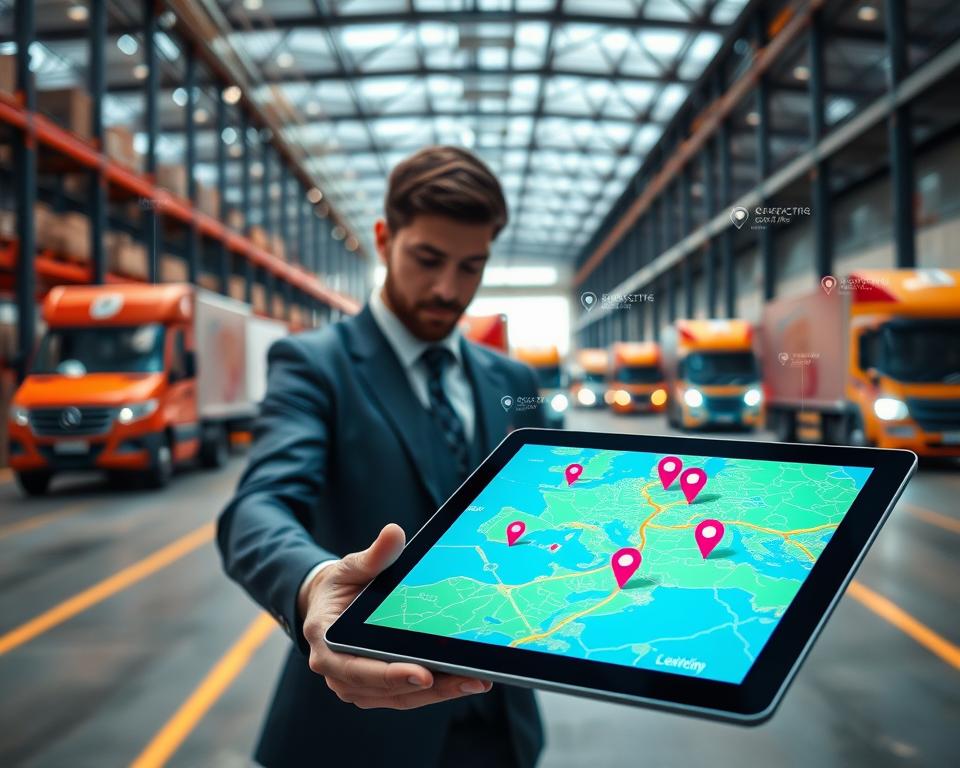
Real-time GPS tracking lets you see where vehicles are. This helps give accurate delivery times to customers. Geofencing sets virtual boundaries. It sends alerts when vehicles enter or leave these areas.
Route Optimization and Planning
Route optimization is vital for saving fuel and reducing emissions. It makes deliveries more efficient. Logistics apps use traffic and road data to find the best routes.
This saves time and money.
Inventory and Warehouse Management
Good inventory management is crucial for logistics. It ensures goods are stored and shipped well. A top app helps manage stock, track warehouse activities, and speed up order fulfillment.
Order Processing and Management
A logistics app should handle order processing and management well. It tracks orders from start to finish. It updates customers and handles any issues.
Proof of Delivery and Digital Signatures
Proof of delivery confirms that goods have been delivered. Digital signatures prove delivery legally. This reduces disputes and makes customers happier.
With these features, logistics companies can work better, save money, and please customers more. As the logistics world changes, having a strong app will become even more important.
Advanced Features for Competitive Advantage
In today’s fast-paced logistics world, adding advanced features to apps is key. These features boost efficiency and make customers happier.
Artificial Intelligence and Machine Learning Integration
AI and machine learning are changing logistics. They help with predictive maintenance, better routes, and forecasting demand. Machine learning algorithms use past data to guess future trends. This helps companies make smart choices.
Predictive Analytics for Demand Forecasting
Predictive analytics lets companies see demand changes ahead. It helps manage stock and cut costs. By looking at different data, predictive models can guess demand well.

IoT Device Integration for Smart Monitoring
IoT devices keep an eye on shipments, vehicles, and warehouses in real-time. This lets companies track their stuff always. It makes things safer and cuts down on loss or damage.
Automated Notifications and Communication Systems
Automated updates tell customers about their shipments. This makes customers happier and saves logistics staff from extra work. It cuts down on the need for manual updates.
| Advanced Feature | Benefit |
|---|---|
| AI and Machine Learning | Predictive maintenance and optimized routes |
| Predictive Analytics | Accurate demand forecasting |
| IoT Device Integration | Real-time asset monitoring |
| Automated Notifications | Improved customer satisfaction |
User Roles and Access Management
User roles and access management are key for secure and efficient logistics apps. By setting specific roles, companies can make sure employees get the right info and tools. This way, they can do their jobs well without risking sensitive data.
Admin Dashboard and Control Panel
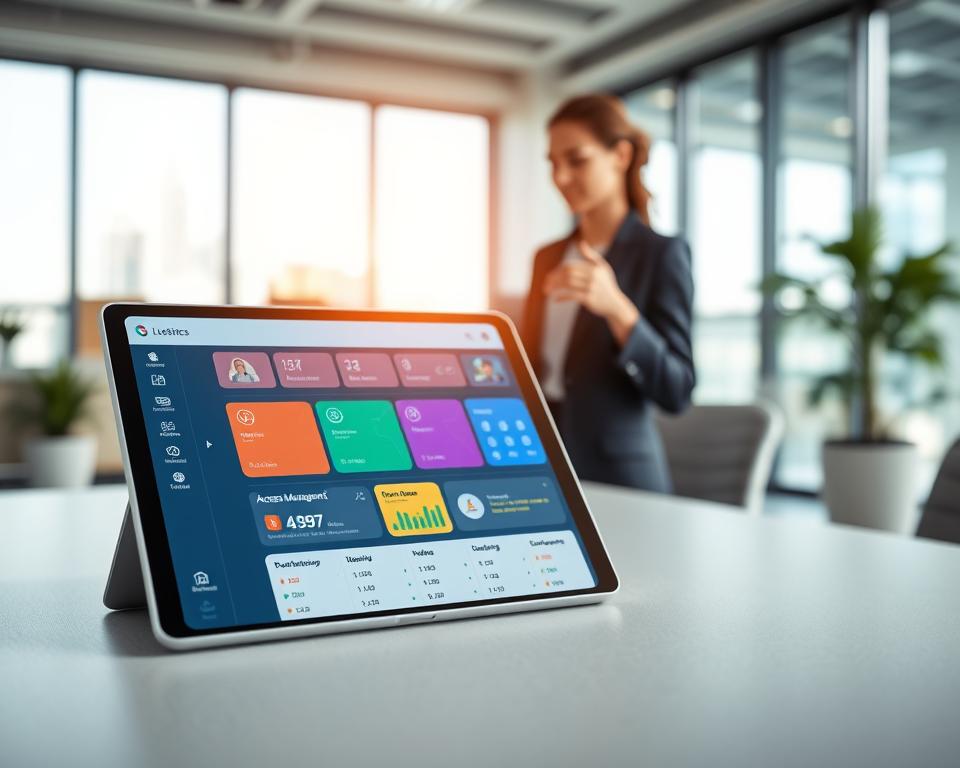
The admin dashboard is the main spot for managing the app. It gives a full view of operations, user actions, and system health. Admins can set up settings, watch real-time data, and make reports to guide big decisions.
Driver and Field Personnel Mobile Interface
Drivers and field staff need an easy-to-use mobile interface. It should let them get and confirm delivery orders, update task status, and talk to dispatch smoothly.
Customer-Facing Features and Portals
Customer portals give clients updates on their shipments. They can track deliveries and see documents. This makes customers happy and builds trust.
Manager and Supervisor Tools
Managers and supervisors need tools to watch over operations, assign tasks, and check performance. These tools help use resources better and boost efficiency.
Technology Stack for Logistics Management App Development
Choosing the right technology stack is key for a logistics app that meets today’s supply chain needs. The stack is the app’s backbone, affecting its performance, growth, and user experience.
Frontend Development Technologies
For the frontend, developers pick between native iOS and Android or cross-platform tools like React Native or Flutter. React Native uses one codebase for all platforms, saving time and money. Flutter offers a wide range of widgets and fast rendering.
Backend Frameworks and Languages
The backend is built with strong frameworks like Node.js, Django, or Ruby on Rails. Node.js is known for its fast, event-driven architecture. Django, a Python framework, supports quick development. The backend tech depends on the app’s needs.
Database Management Systems
Good database management is essential for handling logistics data. Relational databases like PostgreSQL and MySQL are common. NoSQL databases, such as MongoDB, handle unstructured data well.

Cloud Infrastructure and Hosting Solutions
Cloud infrastructure is vital for logistics apps’ scalability and reliability. AWS, Azure, and GCP are top providers, offering services from computing to storage and databases.
APIs and Third-Party Service Integration
APIs are crucial for integrating services like payment gateways and mapping. A good API strategy ensures smooth integration and boosts app functionality.
| Technology | Description | Use Case |
|---|---|---|
| React Native | Cross-platform framework | Building native mobile apps for iOS and Android |
| Node.js | Asynchronous, event-driven backend framework | Real-time data processing and API development |
| MongoDB | NoSQL database | Handling large volumes of unstructured data |
A leading tech expert notes, “The right tech stack is crucial for a logistics app’s success. It must align with your business goals and scalability needs.”
“The right technology stack is the foundation of successful logistics management apps. It helps businesses streamline operations, enhance customer satisfaction, and stay ahead in a fast-changing market.”
The Complete Development Process
Creating a logistics management app is a detailed journey. It goes from the start to when it’s ready to use. This process needs careful planning, exact steps, and lots of testing. It’s all to make sure the app is top-notch and meets user needs.
Business Analysis and Requirements Gathering
The first step is understanding what the client needs. We figure out who will use the app and what it should do. This helps set the project’s goals and what it will cover.
UI/UX Design and Wireframing
Next, we work on the app’s look and feel. We make sure it’s easy to use. Good design makes the app better for users and helps more people use it.

Agile Development Methodology
Then, we use an agile development methodology. This method is flexible and lets us work in cycles. It helps us adapt quickly and deliver the app in parts.
Quality Assurance and Testing
Testing is a key part of making the app. We check for bugs and make sure it works right. Testing well is key to a great app.
Deployment and Go-Live Strategy
The last step is getting the app ready to use. We plan how to launch it and set up the needed systems. A good plan helps everything go smoothly and keeps the app running without problems.
In short, making a logistics management app is a big job. It needs careful planning, doing things right, and lots of testing. By following these steps, developers can make a useful and easy-to-use app.
Integration with Existing Business Systems
Seamless integration with existing systems is key for logistics apps to reach their full potential. They can connect with various business components. This streamlines operations, cuts down on errors, and boosts efficiency.
Enterprise Resource Planning (ERP) Connectivity
Linking logistics apps with ERP systems helps businesses sync their supply chain with finance, HR, and procurement. This exchange of data in real-time improves decision-making.
Customer Relationship Management (CRM) Integration
Integrating logistics apps with CRM systems enhances customer service and satisfaction. It shares customer data, order status, and delivery info. This leads to a more unified and responsive customer experience.
Accounting Software and Payment Gateways
Connecting logistics apps to accounting software and payment gateways makes financial transactions smoother. It automates invoicing, payment processing, and financial reports. This reduces administrative work.
E-commerce Platform Connections
For online businesses, integrating logistics apps with e-commerce platforms is crucial. It syncs order data, inventory, and shipping info. This ensures timely and accurate order fulfillment.
| Business System | Integration Benefits |
|---|---|
| ERP | Real-time data exchange, synchronized supply chain operations |
| CRM | Improved customer service, shared customer data |
| Accounting Software | Automated invoicing, payment processing, and financial reporting |
| E-commerce Platforms | Synchronized order data, inventory levels, and shipping information |
By integrating logistics apps with existing systems, companies can run more smoothly. This leads to happier customers and business success.
Security and Compliance Requirements
Keeping logistics management apps safe and following rules is key today. These apps deal with important data like customer info, shipment details, and money. This makes them a big target for hackers.
Data Encryption and Secure Communication
Data encryption is a must for app security. It keeps data safe as it moves between the app, servers, and other services. Using Secure Sockets Layer/Transport Layer Security (SSL/TLS) is key for safe talks.
User Authentication and Authorization
Strong user authentication stops bad guys from getting to private info. This means using multi-factor login, good password rules, and letting users see only what they need to see.
GDPR, CCPA, and Data Privacy Regulations
Logistics apps must follow rules like the General Data Protection Regulation (GDPR) and the California Consumer Privacy Act (CCPA). These rules are strict about how data is handled. They require getting user okay, giving data access, and making sure data can be moved.
Industry-Specific Compliance Standards
Logistics apps also have to follow industry-specific standards. This includes rules for moving dangerous stuff or handling special cargo. Following these rules is important for keeping things running smoothly and avoiding legal trouble.
Cost Breakdown and Investment Considerations
For businesses looking to improve their operations, understanding the cost of logistics management app development is key. The total cost includes several parts that need to be looked at closely.
Factors Affecting Development Costs
The cost of a logistics app can change based on several things. These include the app’s complexity, the tech used, and the team’s location and skills. Custom features, integrations, and scalability needs also play a big role in the cost.
Fixed Cost vs. Time and Material Models
Businesses have two main choices for app development costs: fixed-cost and time-and-material. The fixed-cost model gives a clear price upfront. The time-and-material model is more flexible as the project grows. Each has its own benefits and fits different needs.
Ongoing Maintenance and Support Expenses
After the app is made, keeping it running well is key. This means regular updates, bug fixes, and support to keep it working and safe.
Expected ROI and Payback Period
It’s important to figure out the app’s return on investment (ROI) and payback period. By making operations better, cutting costs, and pleasing customers, businesses can see a big ROI.
By thinking about these points and planning well, businesses can make a logistics app that fits their budget and goals.
Common Development Challenges and Solutions
Creating logistics management apps faces many hurdles. These include scalability, integration, and getting users to adopt them. As logistics gets more complex, apps need to be strong, flexible, and easy to use.
Scalability and Performance Optimization
Ensuring the app can grow with demand is key. Scalability means handling more users and data without slowing down. Developers use cloud services and efficient databases to achieve this.
Complex Integration Requirements
Apps must work well with other systems like ERP and e-commerce platforms. Integrating these can be tough due to different data formats and systems. Standard APIs and middleware help make this easier.
User Adoption and Change Management
Getting users to use the app is vital. People may resist change. A user-friendly design and good training can help overcome this.
Real-Time Data Synchronization Issues
Logistics needs real-time data for quick decisions. Keeping data up-to-date across all systems is hard. Using strong data sync protocols and WebSockets can solve this.
| Challenge | Solution |
|---|---|
| Scalability | Cloud infrastructure, efficient database management |
| Complex Integration | Standardized APIs, middleware solutions |
| User Adoption | Intuitive UI design, comprehensive training |
| Real-Time Data Sync | Robust data synchronization protocols, WebSockets |
By tackling these challenges with the right solutions, developers can make apps that work well. These apps will be scalable, integrated, and easy for users to adopt.
Best Practices for Successful App Implementation
To make a logistics management app work well, follow some key steps. These steps help the app get used smoothly in your company.
Starting with a Minimum Viable Product
Start with a Minimum Viable Product (MVP). This lets you test the app’s main parts with little cost. You get feedback early and can make changes quickly, avoiding big problems later.
Prioritizing User-Centric Design
A user-centric design is key for app success. It means making the app fit the needs and ways of work of its users. This makes the app easy to use and gets more people to use it.
Building for Scalability and Future Growth
Design the app to grow with your business. Make sure it can handle more users and data without slowing down.
Implementing Comprehensive Testing Strategies
Comprehensive testing is a must before launching the app. Test it in different ways to catch and fix problems. This ensures the app works well and meets standards.
Here’s a quick guide to the best ways to implement an app:
| Best Practice | Description | Benefits |
|---|---|---|
| Minimum Viable Product | Launch with core features | Reduced initial investment, early feedback |
| User-Centric Design | Design based on user needs | Enhanced user experience, higher adoption rates |
| Scalability | Architecture designed for growth | Better performance, future-proofing |
| Comprehensive Testing | Thorough testing before launch | Fewer bugs, higher quality |
By using these best practices, companies can make their logistics management app a success. This leads to better work and happier customers.
Selecting a Development Partner or Team
Choosing the right team for your logistics app is key to success. This choice affects the app’s quality, function, and overall success.
In-House vs. Outsourced Development
Deciding between in-house or outsourced development is crucial. In-house development gives you control but needs lots of resources and skills. Outsourced development offers specialized skills and saves money but might cause communication issues.
Consider your budget, timeline, and resources when choosing. Also, think about your project’s complexity and the skills needed.
Evaluating Technical Expertise and Experience
When picking a team, check their technical skills and experience in app development. Look for a team with a good track record and expertise in GPS, route optimization, and inventory management.
Portfolio Assessment and Client References
Reviewing a team’s portfolio gives insight into their abilities. Check their past projects for quality and relevance. Also, ask for client references to see if they’re happy with the team’s work.
Communication and Project Management Approach
Good communication and project management are vital for app success. Make sure your team has a solid project management plan. They should also keep you updated and open throughout the project.
Emerging Trends and Future of Logistics Technology
Looking ahead, logistics tech will be shaped by several key trends. The industry is set for big changes that will make it more efficient, open, and green.
Autonomous Vehicles and Delivery Robots
Autonomous vehicles and delivery robots are changing logistics. They cut down on labor costs and speed up deliveries. Companies are putting a lot of money into autonomous delivery systems to keep up.
Blockchain for Supply Chain Transparency
Blockchain technology is making supply chains more transparent. It creates a secure, unchangeable record of transactions. This builds trust among all parties involved and helps track goods and verify their authenticity.
5G Technology and Enhanced Connectivity
The arrival of 5G technology is set to change logistics. It offers faster data transfer and more reliable connections. This means real-time tracking and monitoring of shipments, boosting supply chain efficiency.
Sustainability and Green Logistics Solutions
Sustainability is now a big deal in logistics, thanks to consumer demand and laws. Green solutions like electric vehicles and better routing are being used to cut down on carbon emissions.
The future of logistics tech looks promising, with these trends leading to a more efficient, open, and green industry.
Conclusion
Logistics management app development is changing how businesses work in the logistics field. It uses technology to make operations smoother, more efficient, and better for customers.
Apps offer many advantages, like seeing things in real-time, automating tasks, and making decisions based on data. To create a great app, focus on what users need, make it scalable, and test it well.
New trends like self-driving cars, blockchain, and 5G will shape the future of logistics. By using these new things, businesses can stay competitive and succeed in the long run.
In short, investing in logistics app development is key for businesses wanting to boost their logistics. By knowing the benefits and how to use them, companies can grow and thrive in the changing logistics world.