






The rise of AI-powered fitness technology has changed how we think about personal fitness. Now, with AI fitness coach apps, people can get workout plans made just for them. They also get real-time advice.
These fitness apps meet the need for better health and wellness. As more people want these apps, it’s important to know how they work. This is true for both app developers and those who use them.
Table of Contents
Key Takeaways
- Personalized workout plans with AI-powered fitness technology
- Real-time guidance for effective fitness routines
- Growing demand for health and wellness apps
- Understanding the technology behind AI fitness coach apps is crucial
- Benefits of AI fitness coach apps for users and developers
1. The Rise of AI-Powered Fitness Applications
AI-powered fitness apps are changing the game in the fitness world. They offer personalized experiences that meet individual needs and goals. These apps use machine learning and data analysis to give users tailored workout plans and feedback in real-time.
The demand for personalized fitness experiences is on the rise. This is why AI-powered fitness apps are becoming more popular. People want new ways to reach their fitness goals, and these apps are answering that call.
AI-powered fitness apps are great because they analyze user data to create customized workout plans. This helps users reach their fitness goals more effectively. It also reduces the risk of injury by making sure exercises match the user’s fitness level.
| Feature | Traditional Fitness Apps | AI-Powered Fitness Apps |
|---|---|---|
| Personalization | Limited | High |
| Workout Plans | Generic | Customized |
| Real-Time Feedback | No | Yes |
The market for AI-powered fitness apps is expected to grow a lot in the future. This growth will be driven by advancements in fitness technology and more people using health and wellness apps. As the industry keeps evolving, we’ll see even more innovative features and apps that improve the fitness experience.
2. Understanding AI Fitness Coach Apps and Their Core Purpose
AI fitness coach apps are leading a new era in fitness. They use machine learning for personalized workouts. These apps tailor fitness journeys to users’ progress and goals.
2.1 What Makes a Fitness App AI-Powered
An AI-powered fitness app uses machine learning to create personalized workout plans. It does this by analyzing user data. This analysis is made possible by AI technologies that learn from user interactions.
2.2 Key Differences Between Traditional and AI Fitness Apps
Traditional fitness apps have fixed workout routines. They don’t change based on user performance. On the other hand, AI fitness coach apps adjust their plans based on user progress and goals. This makes for a more dynamic and effective workout experience.
2.3 How AI Transforms Personal Training Experience
AI changes personal training by offering real-time feedback and guidance. It uses computer vision and machine learning to analyze user form. This helps improve workout effectiveness and reduces injury risk.
AI in fitness coaching makes workouts more personalized and engaging. Key features include:
- Personalized workout plans tailored to user goals and fitness levels
- Real-time form correction and movement analysis
- Adaptive programming that adjusts based on user progress
Understanding AI-powered fitness apps is key for developers. It helps create more advanced and user-friendly apps. This knowledge is essential for anyone working with AI fitness coach apps.
3. Market Opportunities and Business Potential
The AI fitness coach app market is growing fast. This is because more people want health and wellness solutions that fit them. Advances in AI and the need for a healthy lifestyle are driving this growth.
Current Market Size and Growth Projections
In 2022, the global fitness app market was worth $4 billion. It’s expected to grow by 21.7% each year until 2030. AI in fitness apps is a big reason for this growth. It makes the apps more personal and fun for users.
Target Audience Demographics and User Segments
Knowing who to target is key for a fitness app’s success. The main groups for AI fitness apps are:
- Health-conscious individuals aged 25-45
- Fitness enthusiasts looking for personalized workout plans
- Busy professionals seeking convenient fitness solutions
These groups are drawn to the tailored experiences AI fitness coaching offers.
Competitive Landscape Analysis
The AI fitness coach app market is getting more crowded. To shine, developers need to highlight what makes their app special. This includes advanced AI insights, easy-to-use interfaces, and new features like virtual training.
Key factors for success include knowing your audience, using the latest AI, and creating experiences that keep users coming back.
4. Must-Have Features for AI Fitness Coach Applications
To stand out, AI fitness coach apps need to have innovative features. These features cater to different user needs. They make the app more useful and comprehensive.
4.1 Personalized Workout Plans and Adaptive Programming
Personalized workout plans are key for AI fitness apps. They use user data to create tailored plans. Adaptive programming then adjusts the workouts based on progress and feedback.
4.2 Real-Time Form Correction and Movement Analysis
Real-time form correction is vital to avoid injuries and ensure exercises are done right. Computer vision technology helps AI apps analyze movements. They give instant feedback on form and technique.
4.3 Progress Tracking and Performance Analytics
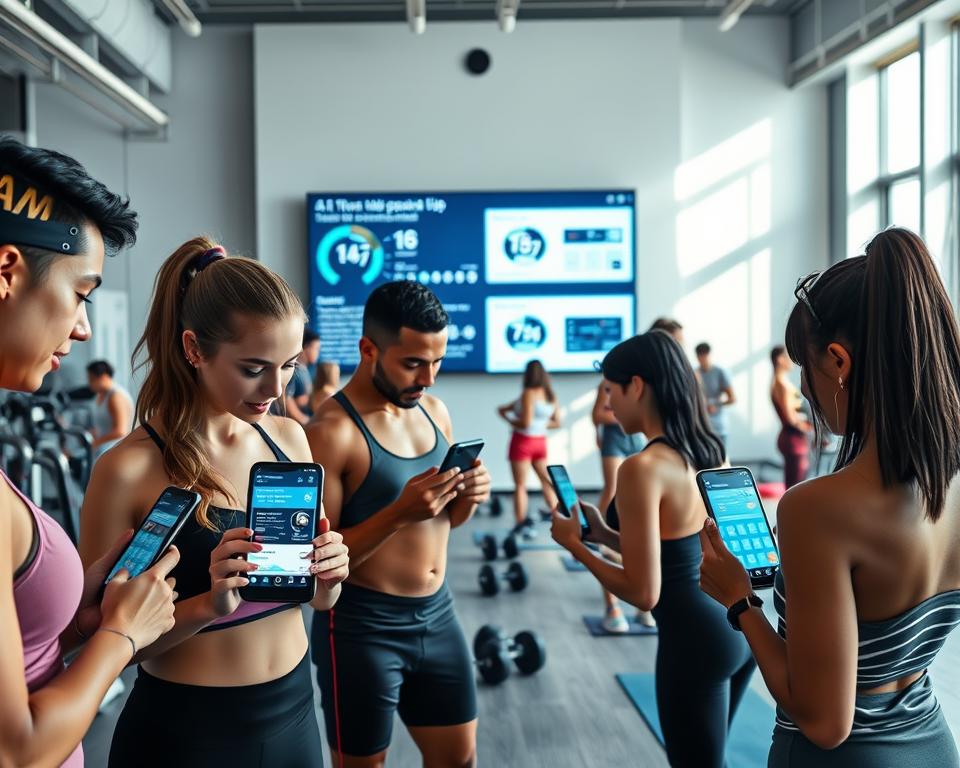
Tracking progress is key to keep users motivated and see how workouts are working. AI apps track metrics like workout completion, weight lifted, and calories burned. They offer detailed performance analytics.
| Feature | Description | Benefits |
|---|---|---|
| Personalized Workout Plans | Customized workouts based on user data and goals | Increased effectiveness, user engagement |
| Real-Time Form Correction | Instant feedback on exercise form and technique | Injury prevention, improved performance |
| Progress Tracking | Monitoring of workout completion and performance metrics | Motivation, measurable progress |
4.4 AI-Driven Nutrition Planning and Meal Recommendations
Nutrition planning is crucial for fitness. AI analyzes dietary needs, preferences, and goals. It offers personalized meal recommendations.
4.5 Voice-Activated Coaching and Guidance
Voice-activated coaching lets users get guidance hands-free. This makes workouts more convenient and accessible.
By including these features, AI fitness apps provide a complete fitness solution. They address various aspects of user health and fitness goals.
5. Advanced AI Technologies Powering Modern Fitness Apps
Modern fitness apps are changing how we exercise. They use advanced AI to offer personalized workouts. These apps give users tailored plans, real-time advice, and adjust to their needs.
5.1 Machine Learning Algorithms for Personalization
Machine learning is key in modern fitness apps. It makes workout plans fit each user’s needs. Machine learning algorithms look at what users do, their goals, and how they’re doing to make special routines.
5.1.1 Supervised Learning for Exercise Classification
Supervised learning helps classify exercises and correct form. It trains on big datasets to spot and fix form issues in real-time. This lowers injury risks.
5.1.2 Reinforcement Learning for Adaptive Programming
Reinforcement learning makes workout plans change based on how users do. It keeps users challenged and motivated. This helps them reach their fitness goals better.
5.2 Computer Vision for Movement and Posture Analysis
Computer vision looks at how users move and stand. It gives feedback and tips right away. It’s great for precise exercises like weightlifting or yoga.
5.3 Natural Language Processing for Conversational Interfaces
Natural Language Processing (NLP) lets fitness apps understand and talk back to users. It makes apps more friendly and easy to use. NLP chatbots offer help, answers, and support, making fitness more fun.
5.4 Predictive Analytics for Goal Achievement and Injury Prevention
Predictive analytics forecasts how users will do and spots injury risks. It looks at user data and actions. This helps keep fitness safe and effective.
6. Integration Capabilities and Ecosystem Connectivity
The success of AI fitness coach apps relies on their ability to work with wearable devices and health data platforms. This ensures a smooth experience for users.
6.1 Wearable Device Synchronization
Syncing with wearable devices is key for AI fitness coach apps to track user activity well. This includes:
- Tracking workouts and daily activities
- Monitoring vital signs such as heart rate and blood pressure
- Providing real-time feedback to enhance user performance
6.1.1 Apple Watch and Fitbit Integration
Working with Apple Watch and Fitbit lets AI fitness coach apps get a lot of user data. This includes activity levels, heart rate, and more.
6.1.2 Heart Rate Monitors and Smart Bands
Heart rate monitors and smart bands help the app keep track of user health. They also offer personalized feedback.
6.2 Health Data Platforms and API Connections
Health data platforms and API connections are crucial. They help gather user health data from different sources. This leads to better health and fitness tracking.
Key benefits include:
- Comprehensive health data analysis
- Personalized recommendations based on user health trends
6.3 Social Media and Community Features
Adding social media and community features to AI fitness coach apps boosts user engagement. This includes:
- Sharing progress on social media platforms
- Participating in community challenges and discussions
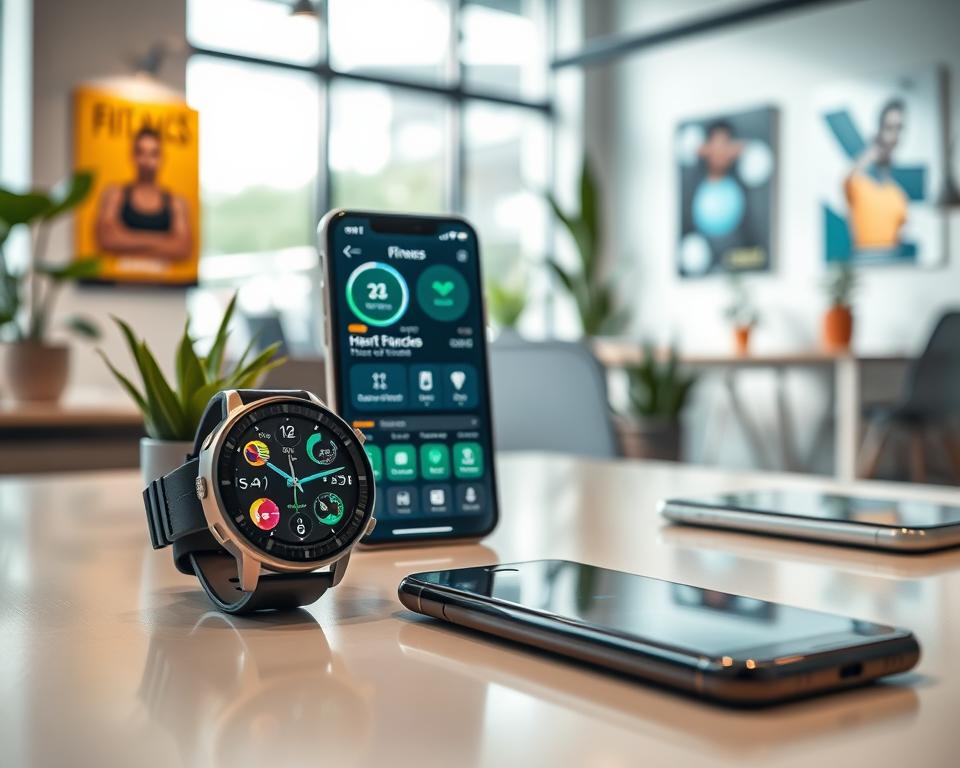
By using these integration features, AI fitness coach apps can offer a more complete and engaging fitness experience. This leads to better results for users.
7. Technical Architecture and Development Stack Requirements
A strong technical architecture is key for a successful AI fitness coach app. It includes frontend development, backend infrastructure, and AI frameworks. These elements are crucial for a smooth user experience.
7.1 Frontend Development Technologies
Choosing the right technology for frontend development is essential. Cross-platform development tools like React Native and Flutter are great. They let you deploy apps on both iOS and Android at once, saving time and money.
7.1.1 React Native and Flutter for Cross-Platform Development
React Native and Flutter help developers create mobile apps with one codebase. This makes development faster and ensures apps look the same on all platforms.
7.1.2 Native iOS and Android Development Options
If you need direct access to device hardware or a highly customized UI, native development is best. It offers top performance and follows platform-specific rules.
7.2 Backend Infrastructure and Server Requirements
The backend handles data storage, processing, and client-server communication. A scalable and secure backend is vital for user data and real-time updates.

7.3 AI and Machine Learning Frameworks
AI and machine learning frameworks are crucial for an AI fitness coach app. They enable personalized workout plans and real-time form correction.
7.3.1 TensorFlow and PyTorch Implementation
TensorFlow and PyTorch are top AI frameworks for machine learning models. They offer tools for complex AI algorithms.
7.3.2 Core ML and ML Kit for Mobile AI
Core ML and ML Kit are great for mobile AI. They work well with iOS and Android devices, respectively.
7.4 Cloud Services and Database Solutions
Cloud services provide scalable storage and computing. Database solutions manage user data efficiently. Picking the right cloud and database services is important for app performance and data security.
By carefully choosing and integrating these technical components, developers can create a comprehensive AI fitness coach app. This app meets user needs and stands out in a competitive market.
8. Complete AI Fitness Coach App Development Process
Creating an AI fitness coach app involves many steps. It starts with market research and ends with the app’s launch. This ensures the app is useful and easy to use.
8.1 Market Research and Competitive Analysis Phase
Understanding the market and competition is key. This phase helps find out what users want and what’s missing. It also finds the app’s unique selling point.
8.2 Requirement Gathering and Feature Prioritization
Developers talk to users and stakeholders to know what the app should do. They then decide which features are most important. This helps make a great app.

8.3 User Experience Design and Prototyping
Making the app easy and fun to use is crucial. This means designing the interface and testing it. It ensures the app works well and meets its goals.
8.4 AI Model Training and Dataset Preparation
Training the AI model is essential for good fitness coaching. This step prepares and trains the model. It also checks if the model works well.
| Development Phase | Description | Key Activities |
|---|---|---|
| 8.5 Application Development and Integration | Developing the app’s core features and integrating them with the AI model | Coding, testing, and integrating APIs |
| 8.6 Quality Assurance and Beta Testing | Ensuring the app’s quality and performance | Testing, debugging, and iterating |
| 8.7 Deployment and Launch Strategy | Planning and executing the app’s launch | Marketing, deployment, and post-launch review |
By going through these steps, developers can make a top-notch AI fitness coach app. It will meet user needs and compete well in the market.
9. User Experience Design Best Practices
Creating an intuitive and engaging user interface is key for AI fitness coach apps to shine. A well-designed user experience boosts user engagement and keeps users coming back.
9.1 Creating an Intuitive and Clean Interface
An intuitive interface is vital for user adoption. It means designing a clean and simple layout. This makes it easy for users to explore the app’s features.
Simple navigation and clear typography are essential. They help users find their way around without getting lost.
9.2 Effective Onboarding and Initial User Assessment
The onboarding process sets the tone for the user’s experience. It should include an initial assessment to understand the user’s fitness level and goals. This can be done through interactive questionnaires and fitness assessments.
9.3 Motivational Elements and Gamification Strategies
Motivational elements and gamification strategies boost user engagement. Features like reward systems, leaderboards, and progress tracking are great for this.
9.4 Accessibility Features for Diverse User Needs
Ensuring the app is accessible to all is crucial. This means adding features like font size adjustment, color contrast options, and voice command functionality.
| Feature | Description | Benefit |
|---|---|---|
| Simple Navigation | Easy to use menu and buttons | Reduces user frustration |
| Clear Typography | Readable font styles and sizes | Improves user comprehension |
| Reward Systems | Badges and rewards for milestones | Motivates continued engagement |

By following these best practices, developers can make AI fitness coach apps that are both functional and engaging. These apps will motivate and engage users.
10. Data Security, Privacy, and Regulatory Compliance
AI fitness coach apps deal with sensitive user data. This makes data security and privacy very important. These apps collect personal and health info, making them targets for cyber threats.
10.1 HIPAA Compliance for Health Data
The Health Insurance Portability and Accountability Act (HIPAA) has strict rules for health info. AI fitness coach apps must follow HIPAA to protect user data.
10.2 GDPR and Data Protection Requirements
The General Data Protection Regulation (GDPR) has strict rules for personal data of EU residents. AI fitness coach apps with global users must follow GDPR.
10.3 Data Encryption and Secure Storage Solutions
Strong data encryption and secure storage are key to protect user data. Advanced encryption, like end-to-end encryption, keeps data safe during and after transmission.
10.4 User Privacy Controls and Consent Management
It’s important to give users control over their data and clear consent. Users should be able to manage their privacy settings and know how their data is used.
Here’s a comparison of different data security measures:
| Data Security Measure | Description | Benefits |
|---|---|---|
| End-to-End Encryption | Encrypts data from the moment it’s sent until it’s received | Ensures data remains secure throughout its transmission |
| Secure Storage Solutions | Protects data stored on servers or cloud storage | Prevents unauthorized access to stored data |
| User Privacy Controls | Allows users to manage their data sharing preferences | Enhances user trust and compliance with regulations |
By focusing on data security and privacy, AI fitness coach apps can gain user trust. They also meet regulatory needs.
11. Monetization Strategies and Revenue Models
The success of AI fitness coach apps depends on the right money-making plans. Developers have many ways to earn more.
11.1 Subscription-Based Pricing Tiers
Offering different subscription levels lets users pick what they can afford. This keeps users coming back and brings in steady money.
11.2 Freemium Model with Premium Upgrades
The freemium model gives basic features for free but charges for more. It draws in more users and turns some into paying customers.
11.3 In-App Purchases for Specialized Programs
In-app purchases add extra money by offering special workouts or coaching. This is a good way to earn more.
| Monetization Strategy | Description | Revenue Potential |
|---|---|---|
| Subscription-Based Pricing | Multiple tiers for user flexibility | High |
| Freemium Model | Basic features free, premium paid | Medium to High |
| In-App Purchases | Specialized programs and coaching | Medium |
11.4 Corporate Wellness and B2B Partnerships
Working with companies for wellness programs can bring in a lot of money. This is through bulk subscriptions and custom services.
11.5 Affiliate Marketing and Equipment Recommendations
Affiliate marketing promotes fitness gear or services and earns a commission for each sale. This is a way to make money through the app.
By using different money-making strategies, AI fitness coach app developers can make a strong income model. This appeals to many users.
12. Cost Breakdown and Investment Planning
Creating an AI fitness coach app needs a detailed cost breakdown for good budget planning. The total cost to make a top-notch AI fitness coach app is big. It’s key to know all the costs involved for businesses.
Development Team and Talent Costs
The team working on the app is a big part of the cost. This includes the costs of hiring developers, designers, and project managers. They need to know about AI and making mobile apps. The cost of talent changes based on where they are, how much experience they have, and the tech they use.
AI Technology Licensing and Infrastructure Expenses
Getting the right AI tech and infrastructure is key. This includes the cost of machine learning frameworks, computer vision tech, and other AI tools. These are needed for the app to work right.
Design and User Experience Investment
Spending on a good design is crucial for the app’s success. This includes making the app easy to use and fun. It also includes the cost of creating a nice interface and design that makes users happy.
Marketing, Launch, and Customer Acquisition Budget
A smart marketing plan is important for the app’s launch and getting users. This includes money for social media, working with influencers, making content, and other marketing ways.
Ongoing Maintenance and Update Costs
Keeping the app updated is important to stay competitive and keep users interested. This includes the cost of updating AI models, fixing bugs, and adding new features.
| Cost Component | Estimated Cost | Description |
|---|---|---|
| Development Team | $100,000 – $200,000 | Cost of hiring developers, designers, and project managers |
| AI Technology Licensing | $20,000 – $50,000 | Cost of licensing AI technologies and infrastructure |
| Design and User Experience | $30,000 – $70,000 | Cost of creating an intuitive and engaging user experience |
| Marketing and Launch | $50,000 – $100,000 | Cost of marketing and launching the app |
| Ongoing Maintenance | $10,000 – $20,000/year | Cost of ongoing maintenance and updates |
13. Key Challenges in Building AI Fitness Applications
Creating effective AI fitness apps is tough. It involves technical and user-related hurdles. As the fitness world gets more competitive, developers face these challenges head-on to make apps that work.
13.1 Ensuring AI Accuracy and Exercise Recognition Reliability
One big challenge is making sure the AI can spot and analyze exercises right. This means training the AI models with diverse datasets. This helps them work well for all kinds of users, no matter their fitness level.
13.2 Managing User Retention and Long-Term Engagement
Keeping users interested is key for AI fitness apps to succeed over time. Developers need to find ways to keep users coming back. This can include personalized workout plans and motivational features.
13.3 Handling Diverse Fitness Levels and User Conditions
AI fitness apps must serve users at all fitness levels and health conditions. They need adaptive programming. This means the app can change to fit what each user needs.
13.4 Differentiating in a Competitive Market
The market for AI fitness apps is getting crowded. Apps need to stand out. This can be done with unique features, like advanced biometric sensing or cool virtual training spaces.
By tackling these challenges, developers can make AI fitness apps that really meet user needs. They also need to make sure these apps are accurate and keep users coming back. This is how they can shine in a competitive market.
14. Future Trends and Emerging Innovations
AI is getting better, and fitness apps are too. The future looks bright with new trends and innovations.
Virtual Reality and Immersive Workout Experiences
Virtual reality (VR) is changing fitness apps. It makes workouts fun and real. Imagine cycling in a virtual world or running in new places.
Advanced Biometric Sensing and Health Monitoring
New tech is tracking health better. Advanced biometric sensing monitors heart rate, blood pressure, and stress. It gives a full picture of health.
AI-Powered Mental Wellness and Holistic Health
AI-powered mental wellness tools are becoming common. They help with stress and anxiety. Users get personalized advice and meditations.
Social Fitness and Virtual Training Communities
More people want to work out together. Social fitness and virtual groups are popular. They offer support and motivation.
In summary, AI fitness apps are getting better. With VR, biometric sensing, and mental wellness, they’re more engaging and helpful. These changes make fitness more fun and personal.
15. Conclusion
Creating an AI fitness coach app is a big challenge. It needs a good grasp of tech, market trends, and what users want. By using AI and linking with wearables, apps can offer tailored fitness plans. These plans meet each person’s goals and likes.
The fitness world is always changing. To stay on top, keeping up with new trends is key. New tech like virtual reality and better biometric sensors will make AI fitness apps even better. They will give users deeper and more complete fitness experiences.
The future of AI fitness apps looks bright. There’s a lot of room for growth and new ideas. By focusing on making the app easy to use, using the latest AI, and keeping up with trends, developers can change how we see fitness and health.