





Choosing the right web development agency is key to your project’s success. Today, having a good website is vital for businesses to shine online.
A web development agency can craft a custom solution for you. With many agencies out there, picking the right one can feel daunting.
Deciding wisely means looking at several important factors. This article will help you find a web development agency that fits your project needs.
Table of Contents
Key Takeaways
- Understand the importance of selecting the right web development agency.
- Identify key factors to consider when evaluating potential agencies.
- Learn how to assess an agency’s expertise and experience.
- Discover the benefits of a well-designed website for your business.
- Understand the role of a web development agency in achieving your project goals.
Understanding Web Development Agencies
The internet keeps growing, making web development agencies more vital. They help businesses have a strong online presence.
What Web Development Agencies Do
These agencies focus on making and keeping websites and web apps running. They aim to create digital products that are both useful and easy to use.
Key Activities:
- Understanding client requirements and objectives
- Designing and developing websites and web applications
- Testing and deploying digital products
- Maintaining and updating existing websites and applications
Services Typically Offered
Web development agencies provide many services to meet client needs. Here are some of them:
Website Design and Development
They create websites that look good and work well. A good website is key for a strong first impression and keeping visitors interested.
Web Application Development
They build web apps that offer special features. These apps are made to fit the client’s specific needs.
E-commerce Solutions
They set up online stores for businesses to sell online. These stores have features like payment systems and product catalogs.
| Service | Description | Benefits |
|---|---|---|
| Website Design and Development | Creating visually appealing and functional websites | Enhanced brand image, improved user engagement |
| Web Application Development | Developing custom web applications for specific needs | Increased efficiency, improved customer experience |
| E-commerce Solutions | Developing online stores with payment and order management | Increased sales, broader market reach |
A study found that a good website can boost sales by up to 200%. (Source: Unbounce)
“A well-designed website is not just about aesthetics; it’s about creating a seamless user experience that drives business results.”

Why Your Business Needs a Professional Web Development Agency
In today’s digital world, a professional web development agency is vital. It unlocks your business’s online potential. A strong, user-friendly website is key to attracting and keeping customers.
Benefits of Professional Web Development
Working with a professional web development agency offers many benefits. You get a team with skills in design, development, and testing. This ensures your site looks great and works well, too.
Some main benefits include:
- Enhanced user experience
- Improved website performance and speed
- Better search engine optimization (SEO)
- Scalability and flexibility for future updates
In-house Development vs. Agency Partnership
Businesses often choose between in-house development and agency partnership. In-house might seem more controlled but can be costly and lack expertise.
| Aspect | In-house Development | Agency Partnership |
|---|---|---|
| Cost | Higher initial investment in talent and technology | Flexible pricing models, potentially lower upfront costs |
| Expertise | Limited to the skills of your in-house team | Access to a wide range of expertise and latest technologies |
| Scalability | Difficult to scale quickly | Easily scalable to meet project demands |
ROI of Professional Web Development
Investing in professional web development can pay off big time. A well-designed site boosts conversions, customer engagement, and brand image. By looking at ROI, businesses see the value of a professional web development agency.

Types of Web Development Agencies
The world of web development agencies is full of variety. Each type meets different business needs and project requirements. Knowing these differences is key to picking the right partner for your project.
Full-service Digital Agencies
Full-service digital agencies do it all. They handle web development, digital marketing, and design. They’re perfect for businesses wanting to boost their online presence.
- They offer a complete digital solution, covering many areas.
- But, their wide range of services might not mean they’re experts in everything.
Specialized Web Development Firms
Specialized web development firms focus mainly on web development. They often specialize in certain technologies or industries. These firms are great for projects needing deep technical skills.
Key advantages include:
- They have deep knowledge in web development technologies and trends.
- They usually work more agilely, managing projects efficiently.
Boutique Agencies vs. Large Firms
Choosing between boutique agencies and large firms depends on your project’s size and complexity. Boutique agencies offer personalized service and flexibility. Large firms have more resources and a wide range of services.
Consider the following when deciding:
- Boutique agencies for a more personal and flexible approach.
- Large firms for extensive resources and a broad range of services.
Onshore, Offshore, and Nearshore Options
Choosing between onshore, offshore, or nearshore agencies depends on your budget, needed expertise, and cultural fit. Onshore agencies are in the same time zone and share cultural nuances. Offshore and nearshore options offer cost savings and access to global talent.

When picking, think about your project’s needs, budget, and communication needs. Each type has its strengths and is right for different priorities.
Assessing Your Project Requirements
Before looking for web development agencies, it’s key to know what your project needs. This step helps you talk clearly about your project to agencies. It also lets you see if they’re a good fit for your project.
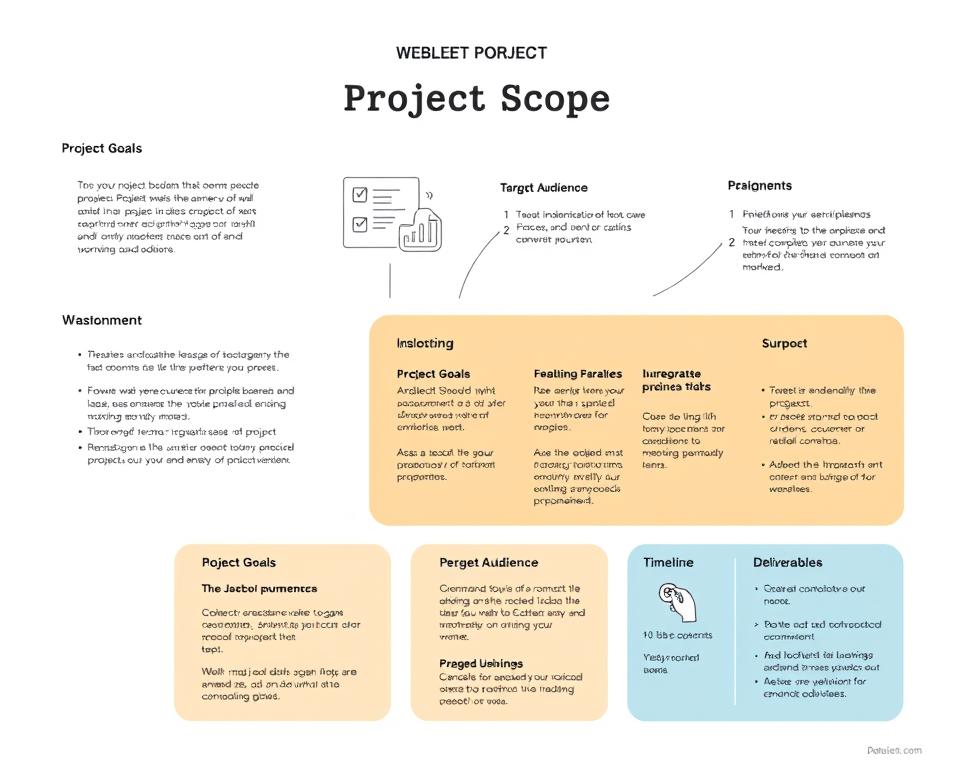
Defining Your Project Scope
Defining your project scope means outlining what you want to achieve. You need to list the features, timelines, and any special tech needs. A clear scope keeps your project on track and ensures everyone is in agreement.
Setting Clear Objectives
Setting clear goals is important for judging your project’s success. You should pick key metrics like user engagement or conversion rates. This way, you can see if your project is working well and make smart choices.
Establishing Your Budget
Having a realistic budget is crucial for your project’s success. You need to think about the initial costs and any future updates. A good budget helps you manage expectations and make smart choices during the project.
Timeline Considerations
Knowing your project timeline is key for planning. You should set realistic milestones and deadlines. Also, think about any challenges that might come up. A clear timeline keeps your project on track and finished on time.
How to Choose a Web Development Agency for Your Project
Choosing a web development agency is more than just finding someone to code. It’s about finding a partner who gets your business and can make a website that works well and is easy to use.
Step-by-Step Selection Process
To pick the right agency, start by clearly defining what you need. Know who you’re trying to reach, what features are important, and how much you can spend.
- Identify your project goals and objectives.
- Research potential agencies and their areas of expertise.
- Evaluate their portfolio and case studies.
Creating a Shortlist of Potential Agencies
After finding agencies to consider, narrow your list. Look at their experience, the tech they use, and what past clients say. Choose agencies with a strong track record in your field.
| Agency | Experience | Technology Stack |
|---|---|---|
| Agency A | 5+ years | React, Node.js |
| Agency B | 3+ years | Angular, .NET |
Evaluation Criteria for Agency Selection
When looking at agencies, think about their tech skills, how they communicate, and how they manage projects.
“A good agency is one that not only delivers on time but also understands your business goals and works towards achieving them.”

Key things to look at include:
- Technical expertise and innovation.
- Communication and project management skills.
- Client reviews and testimonials.
By using this method, you can make a smart choice for your web development project.
Evaluating Technical Expertise and Capabilities
The technical skills of a web development agency are key to your project’s success. It’s important to check their abilities well. A good agency has a solid technical base for top-notch solutions.
Technology Stack Considerations
Looking at an agency’s tech stack is crucial. This includes both frontend and backend tech.
Frontend Technologies
Frontend tech shapes your web app’s look and feel. Important areas include:
- Proficiency in HTML5, CSS3, and JavaScript
- Experience with modern frameworks like React, Angular, or Vue.js
- Knowledge of responsive design
Backend Technologies
Backend tech handles server-side tasks, database work, and API connections. Look for:
- Expertise in languages like Python, Ruby, PHP, or Java
- Familiarity with frameworks like Django, Ruby on Rails, or Laravel
- Experience with databases like MySQL, PostgreSQL, or MongoDB
| Technology | Description | Importance |
|---|---|---|
| React | A JavaScript library for building user interfaces | High |
| Node.js | A JavaScript runtime for server-side execution | High |
| MongoDB | A NoSQL database for flexible data storage | Medium |
Development Methodologies
An agency’s development method can greatly affect your project. Common methods are Agile, Waterfall, and Hybrid.
Scalability and Future-Proofing
It’s vital to see if the agency can create a scalable solution. This means it should be ready for future updates and growth.

Analyzing Agency Portfolios and Case Studies
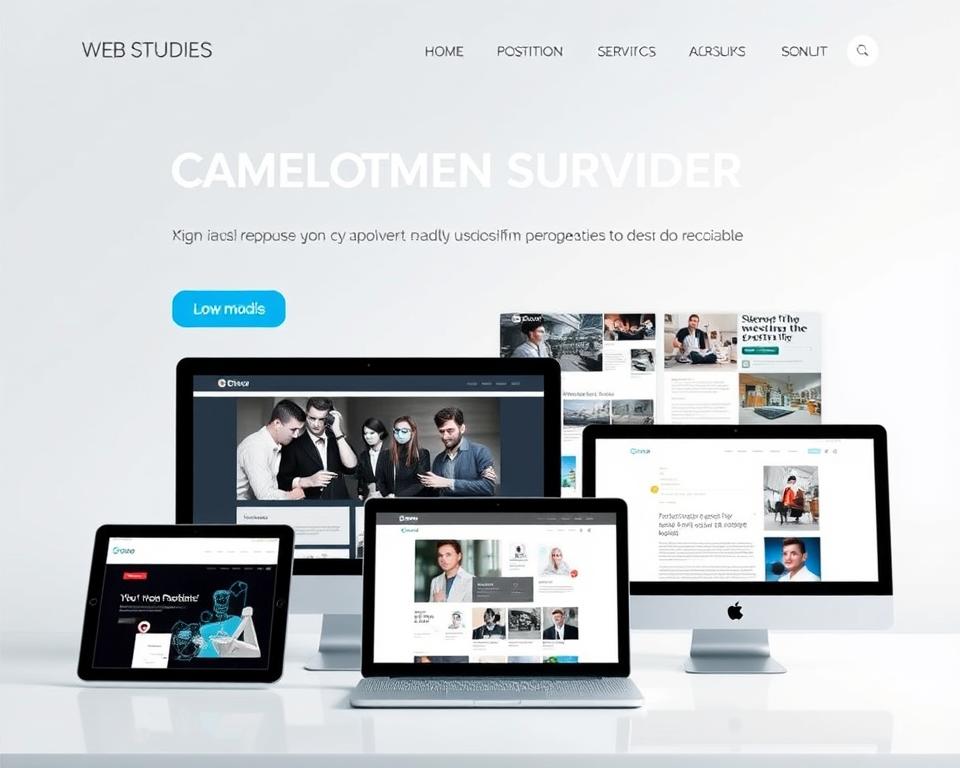
When looking at a web development agency, their portfolio and case studies are key. They show what the agency can do, their design style, and technical skills. A close look at these can give you a good idea of their abilities.
What to Look for in Previous Projects
Checking out an agency’s past projects can tell you a lot. Look for projects that match your needs in size and complexity. See what tech they used, the problems they faced, and how they solved them. Also, check if their portfolio shows variety, which means they can handle different kinds of projects.
Industry-Specific Experience
It’s important to find an agency that knows your industry well. They’ll get your specific needs and challenges better. Look for case studies that show they know your industry. This knowledge can make your project more likely to succeed.
Design Quality and User Experience
It’s important to judge an agency’s design and user experience. Check if their websites look good and are easy to use. A good website should look nice and work well. Make sure their designs work on all devices.
Technical Implementation
How an agency tackles technical issues is also key. Look at how they handle problems and their tech choices. Make sure their tech skills match your project needs.
Checking Client Testimonials and References
To find out if a web development agency is reliable, look at client testimonials and references carefully. These give you real insights into what the agency can do. They show if the agency keeps its promises.
How to Verify Agency Claims
Checking an agency’s claims is more than just reading their website. You need to dig deeper. Start by asking for a list of past clients. Then, talk to them directly to learn about their experiences.
Questions to Ask Previous Clients
When you talk to past clients, ask important questions:
- Was the project finished on time and within budget?
- How would you rate the quality of work?
- Were there any big problems during the project, and how were they fixed?
- How was the communication during the project?
Online Reviews and Reputation
Looking at online reviews also helps understand an agency’s reputation. Check reviews on different sites to get a full picture.
| Review Platform | Rating | Comments |
|---|---|---|
| Clutch | 4.5/5 | Excellent service, met deadlines. |
| GoodFirms | 4.8/5 | Highly professional, great communication. |

By carefully looking at client testimonials, agency references, and online reviews, you can choose the right web development agency for your project.
Understanding Agency Pricing Models
To manage project costs well, it’s key to know the pricing models used by web development agencies. These models can greatly affect your budget and project success.
Fixed Price vs. Time and Materials
Agencies often choose between a fixed-price model or a time-and-materials model. The fixed-price model means a single cost upfront, giving you budget certainty. On the other hand, the time-and-materials model charges for actual time and resources, offering flexibility but with possible cost changes.
Retainer Agreements
Retainer agreements mean paying a regular fee for ongoing services. This can include maintenance, updates, and support. It’s good for long-term projects or businesses needing constant web development help.
Hidden Costs to Watch For
When looking at agency pricing, watch out for hidden costs. These might include extra fees for project management tools, charges for revisions beyond a limit, or costs for integrating third-party services.
Value-Based Pricing
Value-based pricing models link the agency’s fees to the value or ROI they provide. This approach aligns the agency’s goals with yours, leading to better project results.
| Pricing Model | Description | Pros | Cons |
|---|---|---|---|
| Fixed Price | Single, upfront cost for the project | Budget certainty, predictable costs | Limited flexibility, potential for scope creep |
| Time and Materials | Charges based on actual time and resources used | Flexibility, accommodates changes | Cost variability, potential for budget overrun |
| Retainer Agreements | Recurring fee for ongoing services | Ongoing support, predictable costs | Commitment required, potential for underutilization |
| Value-Based Pricing | Fees tied to the value or ROI delivered | Aligns agency incentives with client goals | Can be complex to implement, difficult to measure value |
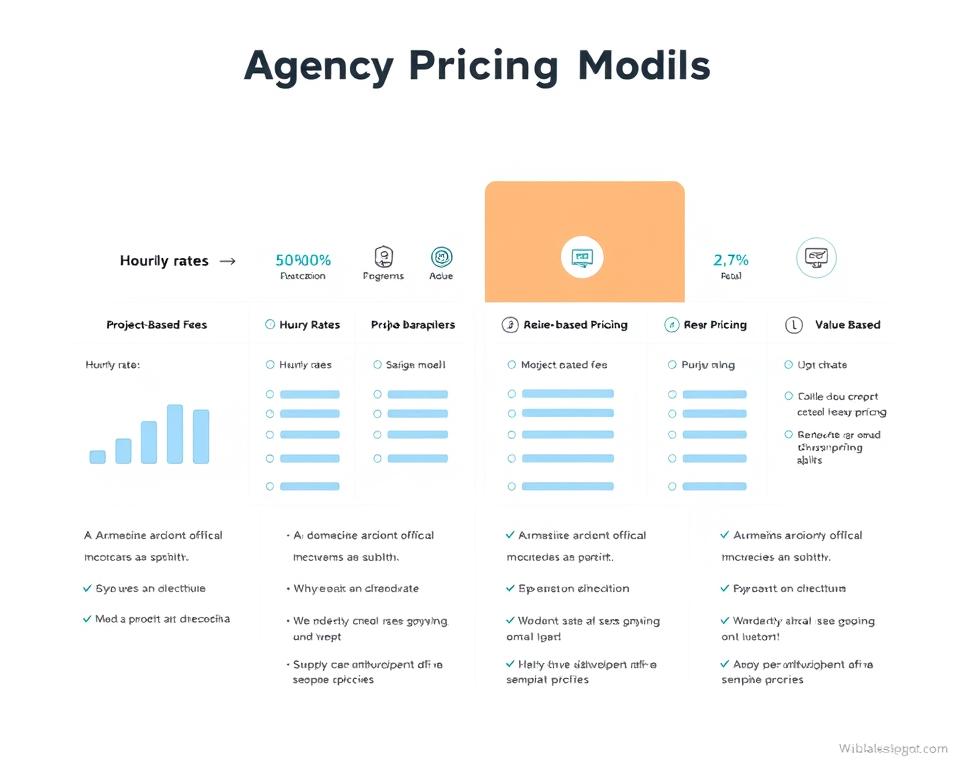
Understanding these pricing models helps businesses make better choices when picking a web development agency. It’s important to talk about and agree on the best pricing for your project needs and budget.
Evaluating Communication and Project Management
Clear communication and strong project management are key for a web development project’s success. When looking at a web development agency, check their communication and project management skills.
Communication Channels and Frequency
A good agency sets up clear communication channels from the start. This means regular meetings, updates, and a way to ask questions or share concerns. They should communicate often enough to keep you in the loop but not too much.
Project Management Methodologies
The agency should use a known project management methodology, like Agile or Waterfall, that fits your project. Knowing their method helps set clear expectations and keeps the project on track.
Transparency and Reporting
Transparency is crucial in project management. The agency should give you regular, detailed updates on the project’s status, milestones, and any issues. This openness builds trust and keeps you informed.
Cultural Fit and Team Dynamics
The agency’s team dynamics and cultural match with your company are important. A team that gets your culture and values can create a better solution. This leads to a more successful project.
Assessing Post-Launch Support and Maintenance
Launching your web project is just the beginning. Ongoing support is key to its success. Make sure your web development agency offers thorough post-launch support for your project’s long-term success.
Ongoing Support Options
Web development agencies provide many ongoing support options. These include 24/7 technical support, regular software updates, and security monitoring. When choosing an agency, look at the support they offer and if it fits your project’s needs.
- Priority support for critical issues
- Regular maintenance and updates
- Security monitoring and vulnerability assessment
Maintenance Agreements
Maintenance agreements outline the terms of ongoing support. They cover response times and the scope of work. These agreements give you peace of mind, knowing your project is well-supported. Always read the agreement carefully to know what’s included and what’s not.
Emergency Response Times
Knowing an agency’s emergency response times is crucial. A good agency has a clear plan for emergencies. This includes rapid response times and effective communication channels.
“A well-structured emergency response plan can make all the difference in minimizing downtime and ensuring business continuity.”
Upgrade and Enhancement Processes
Agencies should have a clear plan for upgrades and enhancements. This keeps your project current with the latest tech and security patches. They should have a structured approach to planning, testing, and implementing changes.
By carefully evaluating an agency’s post-launch support and maintenance, you can ensure your web project thrives. It will meet your business goals.
Red Flags to Watch Out For
Choosing a web development agency can be tricky. It’s important to watch out for red flags that might show a bad partnership. Being careful in the selection process can help avoid bad deals.
Warning Signs During the Selection Process
At the start, you might see some warning signs. These include unclear communication, dodging questions, and not wanting to share past work or references.
Poor communication is a big warning sign. If an agency doesn’t want to talk about how they work or seems unsure about challenges, it could mean trouble.
Common Agency Pitfalls
Some agencies might make mistakes that hurt their clients. These include not knowing certain technologies well, bad project management, and not keeping clients updated.
Unrealistic Promises and Timelines
Agencies that promise too much or set tight deadlines might fail. Such promises can lead to quick, low-quality work and unhappy clients.
Lack of Transparency
A lack of transparency about costs, timelines, or how they work is a big warning. Agencies should be clear about their methods and any project challenges.
Knowing these red flags helps businesses make better choices. This leads to more successful partnerships.
Questions to Ask Before Signing a Contract
Before you sign a contract with a web development agency, it’s key to ask the right questions. This ensures a successful partnership. It helps you understand the agency’s skills, work methods, and if they fit your project needs.
Technical Questions
Technical questions are crucial to check the agency’s tech skills and their plan for your project.
Technology Stack and Architecture
- What technology stack do you recommend for our project and why?
- How will you ensure the scalability and flexibility of the solution?
Security and Performance
- What measures do you take to ensure the security of the web application?
- How will you optimize the website or application for performance?
Business and Process Questions
It’s important to know the agency’s business processes and project management. This ensures a smooth collaboration.
- What is your project management methodology?
- How will you communicate with our team throughout the project?
Legal and Contractual Questions
Legal and contractual questions clarify the agreement terms and protect your interests.
- What are the terms of the contract regarding intellectual property rights?
- How are disputes resolved according to your contract?
By asking these questions, you can understand the agency’s approach and capabilities. This is vital for making an informed decision. It ensures a successful partnership.
Understanding Web Development Contracts
Learning about web development contracts can help you avoid problems and make sure your project goes smoothly. A good contract is more than just a paper; it’s a guide for your project from start to finish.
Key Contract Elements
A solid web development contract has several important parts. These include the project’s scope, deadlines, what needs to be done, and who does what. Being clear about these points helps avoid confusion and makes sure everyone knows what’s expected.
Intellectual Property Rights
The part of the contract about intellectual property rights is very important. It decides who gets to own the website, including its look, content, and code. It’s key to talk about this so it fits your business needs, like keeping full control or sharing some rights with the agency.
Payment Terms and Milestones
The contract should also cover payment terms. This includes the total cost, when payments are due, and any important milestones. This part makes sure both sides know their financial responsibilities and can plan well. It’s also smart to have rules for if the project scope changes and costs might go up.
Dispute Resolution Procedures
Even with careful planning, disagreements can happen. A good contract has dispute resolution procedures for these situations. This could be mediation, arbitration, or other ways to solve problems, giving a clear way to move forward if there’s a disagreement.
By understanding these parts of a web development contract, you can protect your interests and set up your project for success.
Building a Successful Agency Relationship
Creating a strong partnership with your web development agency is key to your project’s success. A good agency relationship means better communication, more trust, and a higher quality product.
Setting Expectations
It’s important to set clear expectations from the start. This includes defining the project’s scope, timelines, and how you’ll communicate. This way, you can avoid confusion and make sure everyone is on the same page.
Effective Collaboration Strategies
Good collaboration is essential for a successful partnership. This means having regular meetings, open communication, and being flexible with project changes. Regular check-ins help spot problems early.
Managing Feedback and Revisions
Handling feedback and revisions is a big part of working together. It’s important to give constructive feedback that is specific, timely, and clear. This helps make sure changes are made well and quickly.
Long-term Partnership Development
Building a long-term partnership with your agency has many benefits. It leads to better communication, more trust, and better project results. A strong relationship helps you work together to reach your business goals.
| Aspect | Description | Benefits |
|---|---|---|
| Clear Expectations | Defined project scope and timelines | Avoids misunderstandings |
| Effective Collaboration | Regular meetings and open communication | Identifies potential issues early |
| Constructive Feedback | Specific, timely, and actionable feedback | Efficient revisions |
Conclusion
Choosing the right web development agency is key to your project’s success. It’s important to know what you need, look at their work, and check their skills. This helps you make a smart choice.
A good agency will give you a top-notch website and help you keep it running. Think about how they communicate, manage projects, and their prices. This ensures a good partnership.
Before picking an agency, know your project’s goals, budget, and deadline. This way, you can find the best agency for your project. They will help you achieve great results.