






In today’s digital world, businesses are always searching for ways to boost their online presence. Ecommerce development is key, helping companies reach more people and sell more.
Finding the right ecommerce developers can be tough. But with dedicated hiring services, businesses can find the perfect talent for their ecommerce sites.
By hiring dedicated ecommerce developers, businesses gain from their skill in making ecommerce sites easy to use and fast. This can make customers happier and lead to more sales.
Table of Contents
Key Takeaways
- Benefits of hiring dedicated ecommerce developers
- Importance of ecommerce development for businesses
- How dedicated hiring services can simplify the hiring process
- Expertise of ecommerce developers in creating user-friendly platforms
- Potential for improved customer satisfaction and increased conversions
Why Your Business Needs Professional Ecommerce Developers
To succeed in the ever-changing ecommerce world, companies need professional ecommerce developers. These experts bring together skills in development, design, SEO, CRO, and operations. They help improve revenue, efficiency, and long-term growth.

The ecommerce market is getting more competitive. Businesses must quickly meet new consumer needs and tech changes. Professional ecommerce developers are key in this, making ecommerce sites that look good and work well.
One big reason for hiring professional ecommerce developers is to boost your online presence. They create websites that search engines love, making it easier for customers to find products. They also use digital marketing to get more people to visit and buy.
Another key benefit is better operational efficiency. With streamlined processes and new tech, businesses can save money and make customers happier. This leads to more loyal customers and more sales.
Ecommerce development services from pros also help businesses grow. As companies expand, their websites need to handle more traffic and sales. Professional developers make sure ecommerce sites can grow with the business.
In short, professional ecommerce developers are crucial for businesses to succeed in ecommerce. Their skills help improve online presence, efficiency, and growth.
Understanding Dedicated Ecommerce Development Services
In today’s fast-paced ecommerce world, companies are turning to dedicated ecommerce development services. They want to stay ahead by being flexible, saving money, and getting expert help. This is what dedicated hiring models provide.

What Are Dedicated Hiring Services
Dedicated hiring services mean having a team of developers just for your ecommerce project. This approach gives you a team that’s all in on making your project succeed.
The main advantages of dedicated hiring services are:
- Flexibility: You can grow or shrink your team as your project needs change.
- Cost-effectiveness: You save money by having a team work on your project full-time.
- Expertise: You get a team of experts with deep ecommerce development knowledge.
How Dedicated Services Differ from Freelancers and Agencies
Dedicated ecommerce development teams are different from freelancers and agencies. Freelancers work on a project-by-project basis, and agencies handle many projects at once. Dedicated teams, however, focus solely on your project. This focus means:
- They can work faster because they’re not juggling multiple projects.
- They understand your business goals better and can integrate them into your project.
- They provide ongoing support and updates to keep your project successful in the long run.
The Value Proposition of Dedicated Teams
Dedicated ecommerce development teams offer a big advantage. They provide high-quality, custom solutions that fit your business’s specific needs. With a dedicated team, you can:
- Get a competitive edge with ecommerce solutions made just for you.
- Improve your online presence with strong, easy-to-use platforms.
- Get ongoing support and updates to keep your ecommerce platform up-to-date and secure.
Krishang Technol sources highlight the benefits of dedicated hiring models. They offer flexibility, cost savings, and access to specialized expertise. Understanding these benefits helps businesses make smart choices for their ecommerce development needs.
Types of Ecommerce Developers You Can Hire
Building a successful ecommerce platform needs understanding different developer types. Ecommerce development is complex, needing various skills and expertise.
Frontend Ecommerce Developers
Frontend ecommerce developers focus on making online stores easy to use. They design and implement user-friendly interfaces. They also ensure the site works well on all browsers and loads fast.
User Interface and Experience Design
Frontend developers create the look and feel of ecommerce sites. They make sure navigation is easy, products are clear, and checkout is smooth.
Responsive Design Implementation
Most online shoppers use mobile devices. So, frontend developers make sure sites work well on all devices. This gives a consistent and engaging experience everywhere.

Backend Ecommerce Developers
Backend ecommerce developers handle the server-side logic and database integration. They focus on the technical side of ecommerce platforms. Their main tasks include developing server-side logic, integrating payment gateways, and ensuring data security.
Server-Side Programming
Backend developers use programming languages like PHP, Python, or Ruby. They create the server-side logic that powers ecommerce sites. They also maintain the core functionality of online stores.
Database Management
Good database management is key for ecommerce platforms. It involves storing and retrieving data like products, customers, and orders. Backend developers design and optimize database schemas for efficient data handling.
| Type of Developer | Primary Focus | Key Responsibilities |
|---|---|---|
| Frontend | User interface and experience | UI/UX design, responsive design, frontend performance optimization |
| Backend | Server-side logic and database integration | Server-side programming, database management, payment gateway integration |
Full-Stack Ecommerce Developers
Full-stack ecommerce developers have both frontend and backend skills. They can work on all layers of ecommerce applications. They are versatile and can handle complex projects.
Mobile Ecommerce App Developers
Mobile ecommerce app developers are in high demand. They create native or cross-platform mobile apps for ecommerce businesses. They provide a seamless shopping experience on mobile devices.
Essential Skills to Look for in Ecommerce Developers
To build a successful ecommerce platform, you need developers with the right skills. They should have technical know-how and ecommerce expertise. The best candidate can design, develop, and maintain a strong online store.
Technical Competencies and Programming Languages
Ecommerce developers need to know many programming languages. They should be good with HTML, CSS, JavaScript, and server-side languages like PHP, Ruby, or Python. Knowing frameworks like React, Angular, or Vue.js is also a plus. Proficiency in multiple programming languages makes for a more flexible and scalable ecommerce solution.
| Programming Language | Primary Use |
|---|---|
| HTML/CSS | Front-end development, structuring content |
| JavaScript | Front-end development, dynamic effects |
| PHP/Python/Ruby | Back-end development, server-side logic |
For more insights, check out Next Big Technology on hiring ecommerce developers.
Ecommerce-Specific Expertise
Ecommerce developers need to know ecommerce platforms like Shopify, WooCommerce, or Magento. They should also know about payment gateways, shipping integrations, and other ecommerce features. Ecommerce expertise helps create a smooth shopping experience for customers.
“The key to a successful ecommerce platform lies in understanding the nuances of online shopping and leveraging technology to enhance the customer experience.”
Problem-Solving and Communication Abilities
Ecommerce development projects often have complex problems. Developers need to analyze issues, find solutions, and apply them. Good communication skills are key for working with teams, understanding project needs, and explaining tech to non-tech people.
- Analyzing project requirements and identifying potential issues
- Collaborating with designers, product managers, and other stakeholders
- Implementing solutions and testing for quality assurance
By focusing on these skills, businesses can find ecommerce developers. They should have technical skills, ecommerce knowledge, and problem-solving abilities. This ensures the online store’s success.

Popular Ecommerce Platforms and Technologies
Online shopping has grown a lot, making ecommerce platforms key for businesses. These platforms help businesses create a strong online presence. They also make it easier to manage operations and improve customer experience.
Shopify Development
Shopify is a top choice for ecommerce, known for being easy to use and highly customizable. Businesses can pick from many themes and apps to make their online stores unique.
Theme Customization
Customizing themes is important for a unique online store. Shopify has many themes that can be changed to match a business’s brand.
App Integration and Development
Shopify’s app ecosystem lets businesses add more features to their stores. There are apps for marketing, sales, inventory, and shipping, among others.
“The right ecommerce platform can make all the difference in your online business. Shopify’s flexibility and scalability make it an ideal choice for growing businesses.”
WooCommerce and WordPress
WooCommerce is a top plugin for WordPress, making it great for WordPress users. It’s flexible and has many extensions to boost ecommerce functions.
Magento Development
Magento is an open-source platform known for its flexibility and scalability. It’s best for big businesses or those with complex ecommerce needs.
BigCommerce and Other Platforms
BigCommerce is a leading platform with many features to help businesses succeed online. Other big platforms like Salesforce Commerce Cloud and Oracle Commerce Cloud also offer strong solutions for big businesses.
Custom Ecommerce Solutions
For businesses with special ecommerce needs, custom solutions can offer tailored functionality. This means building an ecommerce platform from scratch to meet specific business needs.

| Ecommerce Platform | Key Features | Ideal For |
|---|---|---|
| Shopify | Ease of use, extensive app store, customizable themes | Small to medium-sized businesses |
| WooCommerce | Flexibility, wide range of extensions, integrates with WordPress | Businesses using WordPress |
| Magento | Scalability, flexibility, extensive customization options | Large businesses or those with complex needs |
| BigCommerce | Built-in features, scalability, ease of use | Growing businesses, enterprises |
Benefits of Hiring Dedicated Ecommerce Developers
Businesses looking to boost their ecommerce can see big gains by hiring dedicated developers. This choice can greatly enhance their online presence and business success.
Cost Efficiency and Resource Optimization
Choosing dedicated ecommerce developers can save money compared to having an in-house team or freelancers. They can adjust their size based on project needs, making the most of resources.
| Cost Component | In-House Team | Dedicated Team | Freelancers |
|---|---|---|---|
| Development Costs | High | Medium | Variable |
| Recruitment Costs | High | Low | Low |
| Training Costs | High | Low | Variable |
Flexibility and Scalability for Growing Businesses
Dedicated ecommerce teams can easily adjust to changing needs and grow with your business. This is key for companies that are growing fast or have seasonal ups and downs.

Access to Specialized Expertise
With dedicated ecommerce developers, businesses get access to specialized expertise they might not have in-house. This includes skills in various ecommerce platforms and technologies.
Faster Time to Market
Dedicated ecommerce teams work fast, helping businesses launch their ecommerce solutions quickly. This faster time to market gives them a big edge in the fast-moving ecommerce world.
Ecommerce Development Team Structure Options
Different ecommerce development team structures offer unique advantages and cater to various business needs. Businesses can choose from a range of options when it comes to structuring their ecommerce development teams. Each option has its own set of benefits and considerations.
Individual Developer Hiring
Hiring an individual developer can be a cost-effective solution for small projects or businesses with limited budgets. This approach allows for direct communication and flexibility in managing the project.
Small Development Team
A small development team offers a balance between cost and capability. It provides a versatile workforce that can handle a variety of tasks. This structure is ideal for growing businesses that need more than one developer but don’t require a large team.
Full-Scale Development Department
For large-scale ecommerce projects or businesses with complex requirements, a full-scale development department is often the best choice. This structure provides a comprehensive team with a range of skills and expertise.
Key Roles Within a Dedicated Ecommerce Team
A dedicated ecommerce team typically includes several key roles:
- Project Manager: Oversees the project and ensures timely completion.
- Frontend Developer: Focuses on the user interface and user experience.
- Backend Developer: Handles server-side logic, database integration, and API connectivity.
- Quality Assurance (QA) Engineer: Tests the application for bugs and ensures it meets the required standards.
| Team Structure | Advantages | Ideal For |
|---|---|---|
| Individual Developer | Cost-effective, flexible | Small projects, limited budgets |
| Small Development Team | Balanced cost and capability, versatile | Growing businesses, varied tasks |
| Full-Scale Development Department | Comprehensive skill set, scalable | Large-scale projects, complex requirements |

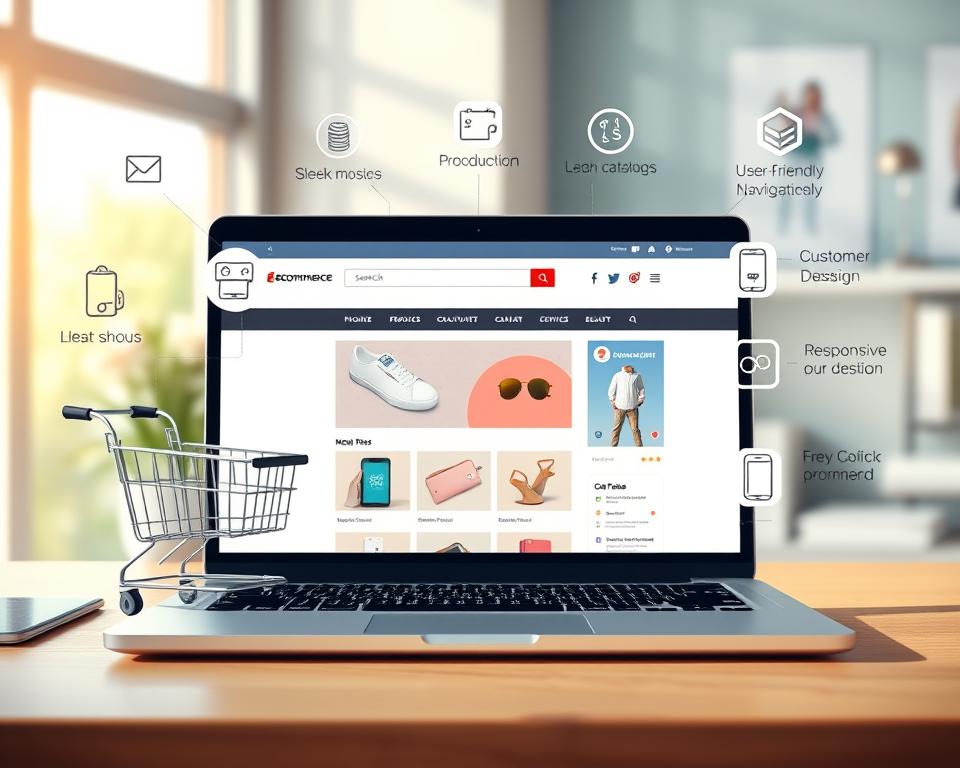
Key Features Your Ecommerce Website Needs
Ecommerce sites need both basic and advanced features to offer a smooth user experience. A well-designed site can boost customer happiness, sales, and business growth.
Core Ecommerce Functionality
The core of a good ecommerce site is its basic functions. These let customers look at products, buy them, and manage their accounts.
Shopping Cart and Checkout System
A good shopping cart and checkout system are key to keeping customers from leaving. Options like guest checkout and clear shipping details help.
Payment Gateway Integration
Secure payment gateways are essential for safe transactions and customer data protection. PayPal, Stripe, and Square are popular choices.
Product Management
Good product management lets businesses easily add, update, and manage products. This includes details like descriptions, prices, and inventory.
Advanced Features for Competitive Advantage
To compete, ecommerce sites need advanced features. These improve the shopping experience and make operations more efficient.
Personalization and Recommendations
Features like personalized product recommendations can make shopping better. AI and machine learning help make these recommendations.
“Personalization is not just a nice-to-have; it’s a must-have for ecommerce businesses looking to stay competitive.”
Multi-Channel Integration
Connecting ecommerce sites with social media, marketplaces, and physical stores is beneficial. It helps reach more people and makes operations smoother.
By adding these features, ecommerce sites can build a strong online presence. This attracts and keeps customers, leading to long-term success.
How to Choose the Right Ecommerce Development Service Provider
In the competitive world of ecommerce, finding the right development service provider is crucial. It can change your business for the better. You need to look at several key factors to find a partner that fits your goals and needs.
Evaluating Provider Experience and Portfolio
When looking at potential ecommerce development service providers, their experience and portfolio are key. Look for providers with a track record in ecommerce solutions like yours. For example, if you need a mobile app, choose a provider with experience in hiring professional e-commerce mobile app developers.
A good portfolio shows a provider’s range and skill. It’s also smart to ask for case studies or references. This helps you see how they solve problems and the success of their past work.

Checking Client Reviews and Success Stories
Client reviews and success stories give you insight into a provider’s reliability and results. Look for reviews on independent sites and ask for references. Focus on their communication, meeting deadlines, and overall satisfaction with the final product.
Success stories tell you how the provider helped other businesses. They show what you can expect and if their approach fits your goals.
Assessing Technical Capabilities and Certifications
The technical skills of an ecommerce development service provider are crucial. Check their expertise in ecommerce platforms, programming languages, and technologies for your project. Certifications from tech companies show their competence and commitment to new technologies.
Make sure the provider has the right technical skills for your project. This could be a custom ecommerce solution or integrating with existing systems.
Cultural Fit and Communication Standards
Cultural fit and good communication are key for a successful partnership. Make sure their culture, values, and communication match yours for smooth collaboration.
Check their responsiveness, clear communication, and understanding of your business needs. A provider that gets your goals and challenges is more likely to meet your expectations.
The Vetting and Selection Process for Ecommerce Developers
To make your ecommerce project a success, it’s key to vet developers well. This means going through several important steps. These steps help you find the right developer for your project.
Technical Assessment and Skill Testing
A technical assessment is a big part of vetting. It lets you check if the developer can code well, solve problems, and knows the right tech. You can test this through coding challenges or by looking at their past work.
Key areas to focus on during technical assessments include:
- Proficiency in relevant programming languages
- Understanding of ecommerce platforms and frameworks
- Ability to solve complex problems efficiently
Portfolio Review and Code Quality Evaluation
Looking at a developer’s portfolio gives you insight into their experience and coding style. It shows the quality of their work. When reviewing a portfolio, look for projects that match your project’s scope and complexity.
Key factors to consider during a portfolio review:
- The complexity and variety of projects
- Code quality and maintainability
- Innovative solutions and features implemented
Critical Interview Questions to Ask
It’s important to interview developers thoroughly. This helps you understand their technical skills, how they communicate, and if they fit your team’s culture. Make a list of key questions that cover both technical and non-technical areas.
Examples of critical interview questions:
- Can you describe a challenging ecommerce project you worked on and how you overcame any obstacles?
- How do you stay updated with the latest ecommerce trends and technologies?
- Can you explain your approach to optimizing ecommerce website performance?
By using a detailed vetting and selection process, you can find an ecommerce developer who fits your project’s needs. This ensures your project’s success.
Engagement Models for Hire Ecommerce Developers – Dedicated Hiring Services
Choosing the right engagement model is key to a successful ecommerce project. Each model offers different levels of flexibility, cost control, and resource use. These factors greatly affect the project’s success.
Fixed-Price Project Model
The fixed-price project model sets a fixed price for the project upfront. It’s great for projects with clear scopes. But, it can be tough if changes are needed later.
Time and Material Model
The time and material model charges based on developer time and materials. It’s flexible and good for projects with changing needs. But, it needs careful tracking to keep costs in check.
For more insights on flexible engagement models, you can visit Next Big Technology.
Dedicated Team Model
The dedicated team model hires a team just for your project. It offers deep commitment and flexibility. It’s perfect for long-term projects or ongoing development needs.
Companies like Mobilunity provide dedicated ecommerce development services. They help businesses advance their ecommerce projects.
Hybrid Engagement Approaches
Hybrid engagement approaches mix different models to fit project needs. For example, a project might start with a fixed-price phase and then use a time and material model for updates. This mix is great for complex ecommerce projects.
Understanding the various engagement models helps businesses choose the best when hiring ecommerce developers. This ensures their projects are done well and efficiently.
Cost Considerations When Hiring Ecommerce Developers
The cost of hiring ecommerce developers can change a lot. It’s important to know what affects these costs for good budget planning. When you want to build or improve an ecommerce site, you need to think about different costs.
Factors Affecting Development Costs
Several key factors influence the overall cost of ecommerce development. Understanding these factors is crucial for businesses to make informed decisions.
Project Complexity and Scope
The complexity and scope of the ecommerce project play a significant role in determining development costs. More complex projects need more time, resources, and expertise, which raises costs.
Technology Stack Requirements
The choice of technology stack is another critical factor. Different technologies have varying costs, including licensing fees, development time, and maintenance needs.
Regional Price Variations
Development costs can also vary significantly based on the region or country where the developers are based. Factors such as labor costs, living standards, and market rates contribute to these regional price variations.
Balancing Quality and Budget
Finding the right balance between quality and budget is essential. While it’s tempting to opt for the cheapest option, businesses must consider the long-term implications of their choices on the quality of their ecommerce platform.
Long-Term Maintenance and Support Costs
Beyond the initial development costs, businesses must also consider the ongoing expenses associated with maintaining and supporting their ecommerce platform. Regular updates, security patches, and performance monitoring are essential for the platform’s longevity and success.
In conclusion, understanding the various cost considerations when hiring ecommerce developers is vital for businesses to make informed decisions and allocate their budget effectively. By considering factors such as project complexity, technology stack, regional price variations, and long-term maintenance costs, businesses can ensure they develop a high-quality ecommerce platform that meets their needs and drives success.
Industry-Specific Ecommerce Development Requirements
Ecommerce for industries like fashion, electronics, and food and beverage needs special care. Each sector has its own needs and challenges. These must be met to make effective ecommerce solutions.
Fashion and Apparel Ecommerce
The fashion world needs ecommerce sites that handle many product types and high-quality images. It’s also important to have fast checkout and features like size charts and virtual try-on.
Electronics and Technology Stores
Ecommerce for electronics and tech needs detailed product specs and comparison tools. It’s also key to have strong customer support and show product compatibility with different devices. Customer reviews are also important.
Food and Beverage Ecommerce
For food and beverage, features like freshness indicators and meal planning tools are great. It’s also important to follow food safety rules and provide clear nutrition info.
B2B Ecommerce Solutions
B2B ecommerce needs bulk ordering, custom pricing, and complex inventory management. Dedicated ecommerce development services can help tailor platforms for these needs.
| Industry | Key Ecommerce Features | Development Considerations |
|---|---|---|
| Fashion | Size charts, virtual try-on, product variations | High-quality image handling, fast checkout |
| Electronics | Product specifications, comparison tools, customer reviews | Device compatibility, robust customer support |
| Food and Beverage | Product freshness indicators, meal planning tools | Food safety compliance, nutritional information |
| B2B | Bulk ordering, custom pricing, inventory management | Complex order processing, tailored pricing models |
Ensuring Security and Compliance in Ecommerce Development
Ecommerce security is now a must, not a choice. As online shopping grows, keeping transactions and customer data safe is key. This means following strict rules for payment security, data protection, and using SSL certificates.
Payment Security Standards and PCI DSS Compliance
Payment security is a top priority. The Payment Card Industry Data Security Standard (PCI DSS) sets the bar high. PCI DSS compliance is not optional; it is a requirement for any business that handles credit card transactions.
To meet PCI DSS, ecommerce sites must take several steps. These include:
- Installing and maintaining a firewall configuration to protect cardholder data
- Encrypting the transmission of cardholder data across public networks
- Regularly updating and patching systems to prevent exploitation of vulnerabilities
- Restricting access to cardholder data by business need-to-know
- Monitoring and testing networks regularly
| PCI DSS Requirement | Description | Importance Level |
|---|---|---|
| Firewall Configuration | Protect cardholder data with firewalls | High |
| Data Encryption | Encrypt cardholder data during transmission | High |
| Vulnerability Management | Regularly update and patch systems | High |
Data Protection and Privacy Regulations
PCI DSS is just the start. Ecommerce sites must also follow broader data protection laws. Laws like the General Data Protection Regulation (GDPR) in the European Union and the California Consumer Privacy Act (CCPA) in California, USA, are strict. These laws require businesses to be open about data use, give customers control over their data, and have big penalties for breaking the rules.
SSL Certificates and Encryption
SSL certificates and encryption are also key. They make sure data between the customer and the site is safe. An SSL certificate shows as “https” in the URL and a padlock icon in the browser, making customers feel secure.
For extra security, ecommerce sites should also use strong encryption for stored data. This means using top-notch encryption algorithms and managing encryption keys well.
Ongoing Support and Maintenance Services
The success of an ecommerce website is not just about its start. It needs continuous support and maintenance.
Keeping the site updated and secure is key. This keeps the ecommerce platform safe and reliable.
Regular Updates and Security Patches
Updates fix bugs, improve how the site works, and boost security. Security patches protect against new threats. They keep customer data safe and build trust.
Performance Monitoring and Optimization
Keeping an eye on the site’s performance is important. It helps find and fix problems. Optimization makes sure the site is fast and can handle more traffic and sales.
Feature Enhancements and Scalability
Adding new features and improving old ones keeps the site competitive. Scalability is key for business growth. It lets the site grow with the business without slowing down.
Investing in ongoing support and maintenance services keeps ecommerce sites secure and efficient. This is vital in a fast-changing market.
Getting Started with Your Ecommerce Development Project
To start your ecommerce project, you need to outline your project scope and timelines. This step makes sure everyone is on the same page and working towards the same goals.
Defining Your Project Requirements
First, you must identify what your ecommerce platform needs to work well. You’ll need to decide on the products you’ll sell, payment options, and shipping details.
Key considerations include:
- Knowing your target audience and their shopping habits
- Choosing the right ecommerce platform for your business
- Planning for growth to handle more customers
Setting Clear Goals and Timelines
Setting clear goals and timelines is key to keeping your project on track. You need to set milestones and deadlines for your team.
Effective goal-setting means:
- Defining what needs to be done and what you’ll deliver
- Creating a timeline that matches the project’s complexity
- Choosing KPIs to measure your success
| Goal Type | Description | Timeline |
|---|---|---|
| Short-term | Launch a basic ecommerce platform | 3 months |
| Mid-term | Implement advanced features like personalized recommendations | 6 months |
| Long-term | Achieve scalability and integrate with other business systems | 12 months |
Initiating the Hiring Process
After defining your project and setting goals, it’s time to start hiring your ecommerce development team. You’ll need to decide if you’ll hire in-house or outsource.
When hiring, think about:
- The technical skills needed for your project
- The cultural fit and communication skills of potential team members
- The best engagement model for your project
Conclusion
Building a successful ecommerce business needs a strong online presence. Hiring dedicated ecommerce developers is key to this. They help businesses make smart choices about their online needs.
Ecommerce development is more than just a website. It includes frontend and backend work, mobile apps, and ongoing support. Dedicated developers bring the expertise needed to grow your business and engage customers better.
Using dedicated hiring services helps businesses get specialized ecommerce development help. This can save money and speed up your online presence. Whether you’re starting a new site or improving an old one, hiring dedicated developers is a smart move.
With the right team, businesses can stay ahead in the market. They can improve customer experience and grow their revenue. As ecommerce keeps changing, investing in dedicated development services is a smart choice for online success.