





The world of e-commerce is always changing. Businesses are looking for good payment processing solutions. While popular payment gateways are common, there’s a need to look at alternative options too.
Businesses want payment solutions that are flexible, secure, and affordable. Alternatives like Square, Braintree, and Authorize.Net offer different strengths and weaknesses. This article will look at the top alternatives, their features, pros, and cons. It aims to help businesses make the right choice.
Table of Contents
Key Takeaways
- Explore beyond popular payment gateways to find more suitable options.
- Various payment processing alternatives offer unique features and benefits.
- Understanding the pros and cons of each alternative is crucial for businesses.
- Factors such as security, flexibility, and cost-effectiveness play a significant role in choosing a payment gateway.
- Businesses can benefit from comparing different payment processing solutions.
Why Businesses Are Seeking Stripe and PayPal Alternatives
Businesses are looking for better payment options than Stripe and PayPal. The digital payment world is changing fast. Companies want to make sure they’re using the best payment methods for their needs.
High transaction fees are a big reason for the search. For businesses with small profits or lots of transactions, these fees hurt a lot. They’re looking for cheaper options without losing quality.

Stability issues with accounts are another big worry. Businesses have faced account freezes and unexpected holds. They need a reliable payment processor to avoid these problems.
Businesses also want advanced features that meet their specific needs. As they grow, their payment needs get more complex. They’re looking for processors that offer custom solutions, support for many currencies, and easy integration with their systems.
In short, businesses are looking for Stripe and PayPal alternatives because of high fees, stability issues, and the need for advanced features. By exploring these options, they can find better payment solutions that support their growth.
Essential Criteria for Selecting a Payment Processor
Choosing a payment processor requires looking at key criteria. This ensures the chosen solution fits the business’s needs well. Businesses need to consider several important factors to make a good choice.
Transaction Fees are a big deal. Different processors charge different fees for transactions. These can be percentages, flat fees, or a mix of both. It’s important to know these fees to avoid surprise costs.
Another key factor is the security features offered. Good security, like encryption and tokenization, keeps customer data safe. It also meets PCI-DSS standards to prevent data breaches.

The variety of supported payment methods matters too. A processor that accepts many payment types, like credit and debit cards, and digital wallets, makes shopping easier. This can also boost sales.
Integration capabilities are also crucial. The processor should work well with the business’s current systems. This makes operations smoother.
To wrap it up, the main criteria for picking a payment processor are:
- Competitive transaction fees
- Robust security features
- Multiple supported payment methods
- Seamless integration capabilities
By carefully looking at these criteria, businesses can find a payment processor that meets their needs. This improves efficiency and customer happiness.
Square
Square is a well-liked payment processing solution. It’s easy to use and has clear pricing. It’s popular among businesses of all sizes because of its strong features and flexibility.
Payment Processing with Square
Overview
Square offers a full payment processing solution. It includes free POS software. This makes it great for businesses that want to handle sales and transactions in one place. Its easy-to-use interface and clear pricing help businesses know their costs upfront.
Key Features
- Inventory Management: Square helps businesses manage their inventory well. They can track stock levels and get alerts when it’s time to restock.
- Chargeback Protection: Square protects businesses from chargeback costs. This helps avoid the expenses of disputed transactions.
- Multichannel Sales: Square lets businesses sell across different channels. This includes online, in-store, and on-the-go. It provides a smooth experience for customers.
- Reporting and Analytics: Square’s tools give businesses insights into their sales. This helps them make better decisions.

- Ease of Use: Square is easy to use. Its simple interface makes it quick to set up and start processing payments.
- Transparent Pricing: Square’s pricing is clear. There are no hidden fees. This lets businesses accurately predict their costs.
- Robust Features: The platform has many features. It meets the needs of different businesses, from basic payment processing to advanced inventory management.
Cons
- Limited Customization: While Square is easy to use, it has limited customization options. This might not fit businesses that need highly tailored solutions.
- Fees for Advanced Features: Some advanced features on Square come with extra fees. This can increase costs for businesses that need these services.
- Customer Support: Some users have had mixed experiences with Square’s customer support. They’ve reported long wait times at times.
Braintree
Braintree is a top payment gateway with solutions for different businesses. It makes transactions smooth and improves customer experience.
Payment Processing Solutions
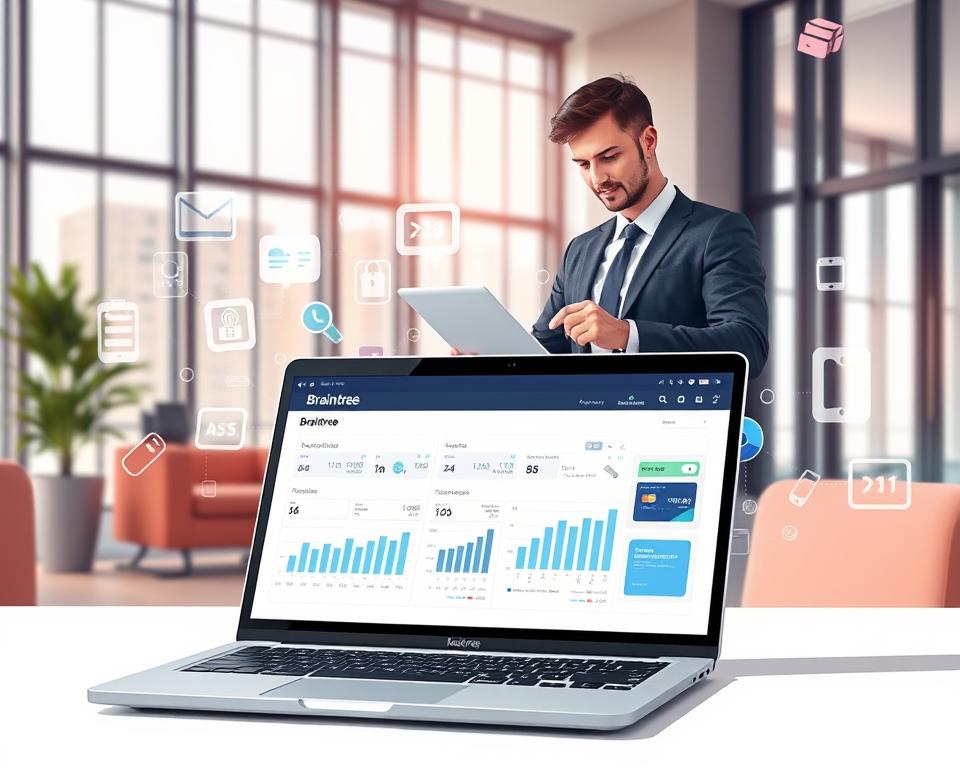
Braintree is known for its developer-friendly APIs. It supports many payment methods, like PayPal, Venmo, and credit/debit cards. This makes it great for businesses that want to serve many customers.
Overview
Braintree’s payment solutions are customizable. This lets businesses adjust their payment processes to fit their needs. It supports various payment methods, helping businesses grow their customer base.
Key Features
- Multi-payment method support: Braintree accepts many payment methods, including credit/debit cards, PayPal, and Venmo.
- Advanced fraud protection: It has strong fraud protection tools to keep transactions safe.
- Customizable checkout: Businesses can make the checkout process their own, improving customer experience.
- Reporting and analytics: It offers detailed reports and analytics for tracking transactions and making smart decisions.
- Flexible payment options: Braintree’s support for many payment methods lets businesses meet different customer needs.
- Robust security: It has advanced fraud protection to keep transactions and customer data safe.
- Developer-friendly: Its APIs are easy to use, making it simpler for developers to start.
Cons
- Transaction fees: Braintree charges transaction fees, which can reduce businesses’ profits.
- Complexity for beginners: While Braintree is easy for developers, its advanced features and customization can be too much for beginners.
In summary, Braintree is a strong payment gateway with many tools and features for businesses. It has its advantages and disadvantages. But its flexibility and security make it a good choice for many.
Adyen
Adyen is a top choice in payment processing. It offers a platform that meets many business needs. Its payment solutions help businesses make transactions smoother.
Comprehensive Payment Solutions
Overview
Adyen’s platform makes managing transactions easy. It works for online, mobile, and in-store payments. Adyen’s end-to-end payment solutions let businesses accept many payment types. This boosts customer happiness and loyalty.

- Multi-channel payment processing: Adyen lets businesses handle all payment channels from one place. This gives a clear view of transactions.
- Advanced fraud management: Adyen’s tools help fight fraud. This protects businesses’ money and reputation.
- Flexible payouts: Adyen offers ways to get money quickly. This helps with cash flow management.
- Cross-channel insights: The platform gives insights into customer behavior. This helps businesses improve marketing and customer engagement.
Pros
Adyen has many benefits:
- Comprehensive payment solutions for various business needs.
- Advanced security features to fight fraud and keep transactions safe.
- Flexible and scalable platform that grows with businesses.
Cons
Adyen has some downsides to think about:
- Setting up Adyen can be hard, especially for big or complex businesses.
- Pricing might be a worry for some. Adyen’s fees are competitive but can change based on services needed.
Authorize.Net
Authorize.Net is a strong alternative to Stripe and PayPal. It offers advanced security and supports many payment types. It’s a trusted name in the payment processing world, helping businesses manage online transactions safely.
Payment Gateway Solutions
Overview
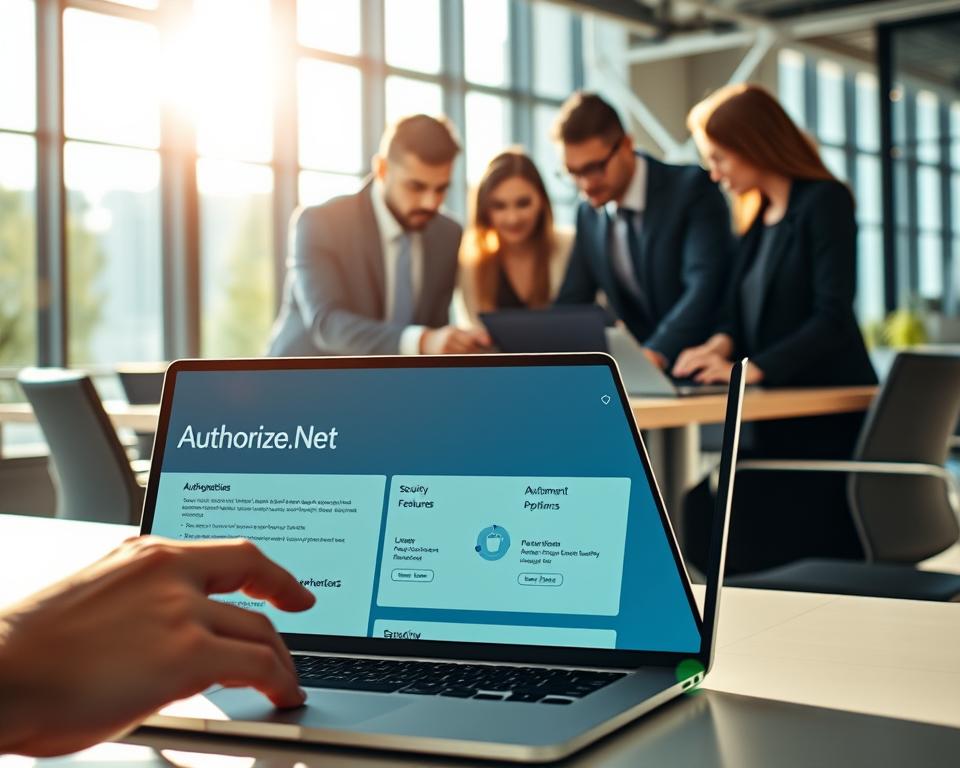
Authorize.Net is known for its top-notch security and flexible payment options. It accepts many payment types, like credit cards, eChecks, and digital payments. This makes it a great choice for businesses.
Key Features
Authorize.Net has some key features:
- Advanced Fraud Detection: It has smart fraud detection tools to protect against scams.
- Support for Multiple Payment Types: It accepts various payments, including credit cards, eChecks, and digital invoicing.
- Integration Capabilities: It works well with many merchant accounts and e-commerce platforms.
Pros
Using Authorize.Net has many benefits:
- Reliable Customer Support: It has quick and helpful customer support.
- Customizable Solutions: It offers payment solutions that can be customized for businesses.
Cons
However, Authorize.Net also has some downsides:
- Complex Setup: Setting it up can be tricky, needing some tech know-how.
- Cost Structure: Its pricing might be too high for some businesses, especially small ones.
2Checkout and Worldpay
For businesses looking for alternatives to Stripe and PayPal, 2Checkout and Worldpay are great choices. They provide services to help with online payments.
2Checkout (Verifone)
Overview
2Checkout, now a part of Verifone, helps businesses take online payments worldwide. It supports many payment methods and currencies. This makes it a good option for international sales.
Key Features
- Multi-currency support
- Variety of payment methods
- Recurring billing and subscription management
- Advanced fraud protection
Pros
- Global reach with support for multiple currencies and payment methods
- Robust subscription management features
- Effective fraud protection measures
Cons
- Fees can be complex and potentially higher than some competitors
- Customer support can be inconsistent
Worldpay
Overview
Worldpay is a top payment processing company. It helps businesses of all sizes with payment solutions. It offers payment gateway integration, processing, and risk management.
Key Features
- Omnichannel payment processing
- Advanced risk management and fraud detection
- Support for multiple payment methods and currencies
- Integration with various e-commerce platforms
Pros
- Comprehensive omnichannel payment solutions
- Advanced risk and fraud management capabilities
- Wide range of payment methods and currencies supported
Cons
- Pricing can be on the higher side for some businesses
- Integration with certain platforms may require technical expertise
In conclusion, 2Checkout and Worldpay are strong choices for payment processing. They each have unique features and benefits. Businesses should weigh their needs and compare these options to find the best one.
Skrill and Payoneer
As businesses grow globally, Skrill and Payoneer are becoming more popular. They offer digital payment solutions for businesses and individuals. These platforms meet different needs.
Skrill
Overview
Skrill is a digital payment platform known for fast and secure payments. It supports many currencies and is accepted by online merchants worldwide.
Key Features
- Multi-currency support
- Secure payment processing
- Competitive fees
- Easy integration with e-commerce platforms
Pros
Security: Skrill uses advanced security to protect transactions.
Global Reach: It is accepted by millions of merchants globally.
Cons
Fees: While competitive, fees can add up for certain transactions.
Limited Cryptocurrency Support: Skrill has limited support for cryptocurrencies compared to other platforms.

Payoneer
Overview
Payoneer is a global payment platform that enables businesses to send and receive payments across borders. It is known for its competitive fees and user-friendly interface.
Key Features
- Global payment capabilities
- Competitive transaction fees
- Automated payment processing
- Multi-language support
Pros
Global Accessibility: Payoneer allows businesses to receive payments from anywhere in the world.
Cost-Effective: It offers competitive fees for cross-border transactions.
Cons
Customer Support: Some users have reported mixed experiences with customer support.
Hold Policies: Payoneer has hold policies that can delay access to funds.
Klarna and Razorpay
Klarna and Razorpay are great alternatives to old payment methods. They offer new solutions for businesses and shoppers today.
Klarna
Overview
Klarna is known for its ‘buy now, pay later’ (BNPL) options. This lets shoppers delay or split payments. It’s especially popular with younger people and those who want flexible payment plans.
Key Features
- BNPL options for consumers
- Integration with various e-commerce platforms
- Advanced fraud prevention tools
Pros
- More flexibility and power for shoppers
- Easy checkout process
- Strong security
Cons
- Can lead to debt if not managed
- Merchants pay fees for BNPL
- Depends on shopper’s credit

Razorpay
Overview
Razorpay is a full payment platform for businesses in India and worldwide. It has many solutions, like payment gateways, links, and supports many payment types.
Key Features
- Supports many payment methods
- Easy integration with online stores
- Real-time tracking and analytics
Pros
- Wide payment method support for shoppers
- Great for businesses with easy integration
- Advanced analytics for better money insights
Cons
- Can be complex to manage many payment types
- Transaction fees for different services
- Relies on reliable payment methods
| Feature | Klarna | Razorpay |
|---|---|---|
| BNPL Options | Yes | No |
| Multi-Payment Method Support | No | Yes |
| Integration with E-commerce Platforms | Yes | Yes |
| Advanced Fraud Prevention | Yes | Yes |
Mollie and Paddle
The world of payment processing is vast, with Mollie and Paddle standing out as two key players. They cater to different needs, each with its own strengths. Both are payment gateways, but they serve different markets and offer unique features.
Mollie
Overview
Mollie is known for its easy setup and support for many payment methods. It’s a top choice for businesses wanting to add more payment options. E-commerce sites love it for its flexibility and simple design.
Key Features
- Multi-currency support
- Easy integration with e-commerce platforms
- Support for various payment methods, including credit cards and local payment options
- Recurring payments and subscriptions
Pros
- Easy to integrate: Mollie’s API and plugins make it simple to integrate with various e-commerce platforms.
- Flexible payment options: Supports a wide range of payment methods, catering to diverse customer preferences.
Cons
- Limited advanced features: While Mollie is great for basic payment processing, it may lack some advanced features required by larger businesses.
- Fee structure: Transaction fees can add up, especially for businesses with high volumes.
Paddle
Overview
Paddle is a payment platform made for SaaS businesses. It does more than just process payments. It also handles billing, revenue management, and tax compliance.
Key Features
- Billing and revenue management
- Tax compliance and VAT handling
- Support for multiple currencies and payment methods
- Recurring payments and subscription management
Pros
- Comprehensive SaaS solution: Paddle offers a complete suite of services tailored to SaaS businesses, simplifying billing and revenue management.
- Tax compliance: Handles complex tax regulations, including VAT, reducing the administrative burden on businesses.
Cons
- Specific to SaaS: Paddle’s features are highly tailored to SaaS businesses, which may limit its appeal to businesses outside this sector.
- Fees: Paddle’s comprehensive services come with fees that may be higher than those of more basic payment processors. For more information on comparing payment processors, you can visit Stripe alternatives.
Wise, Payline, and BlueSnap
Wise, Payline, and BlueSnap are big names in payment processing. Each offers special solutions for different business needs.
Wise (TransferWise)
Overview
Wise is famous for its low-cost international payments. It makes sending and getting money across borders easy and clear.
Key Features
- Low Fees: Wise has competitive prices, great for businesses with international deals.
- Transparent Exchange Rates: You get real-time exchange rates, so you always know what you’re paying.
- Multi-Currency Support: Wise handles many currencies, helping with international trade.
Pros
- Cost-Effective: Wise’s low fees save money on cross-border payments.
- Speed: Transactions are fast, often in hours or by the next day.
- Transparency: Clear rates and fees mean businesses are always in the know.
Cons
- Limited Services: Wise mainly focuses on international payments, which might not fit all business needs.
- Customer Support: Some users have mixed experiences with customer service.
Payline
Overview
Payline offers competitive merchant services. It gives businesses a variety of payment processing options.
Key Features
- Competitive Pricing: Payline has pricing that fits different business needs.
- Advanced Security: It uses strong security to protect transactions.
- Customizable Solutions: Businesses can tailor payment solutions to their needs.
Pros
- Flexible Pricing: Payline’s pricing can be adjusted for different business models.
- Security: Its advanced security protects businesses and customers.
- Customization: The ability to customize payment solutions is a big plus.
Cons
- Contractual Obligations: Some users find the contracts too long.
- Setup Process: Setting up can be complex and take a lot of time.
BlueSnap
Overview
BlueSnap offers a wide payment platform. It supports many payment methods and currencies.
Key Features
- Multi-Currency Support: BlueSnap supports many currencies, great for global businesses.
- Diverse Payment Methods: It accepts various payment methods, including credit cards and alternative payments.
- Advanced Reporting: BlueSnap provides detailed reports and analytics for better payment processes.
Pros
- Comprehensive Platform: BlueSnap’s support for many currencies and payment methods is great for global businesses.
- Detailed Reporting: Its reporting gives valuable insights into payment trends and customer behavior.
Cons
- Complexity: The many features and options can be overwhelming for some.
- Fees: While competitive, the fee structure can be complex, with various charges for different services.
Top 15 Stripe/PayPal Alternatives – Features, Pros & Cons: Making the Right Choice for Your Business
Choosing the right payment processor is key. Our summary of the top 15 Stripe/PayPal alternatives gives you the info you need. It’s important to think about your business needs when picking a payment processor.
We’ve looked at the main features, pros, and cons of each alternative. This helps you compare and choose wisely. Look at fees, security, and integration with your current systems.
The top 15 Stripe/PayPal alternatives have different payment solutions for various business needs. Some focus on online transactions, while others handle in-store payments and mobile payment options.
To pick the right one, businesses should look at their specific needs. Our comparison shows the strengths and weaknesses of each, helping you find the best payment processor for your business.
When picking a payment processor, also think about customer support and security measures. A good processor should have strong security and quick customer support. This helps avoid downtime and ensures smooth transactions.
- Assess your business needs and requirements.
- Compare the features and benefits of each payment processor.
- Consider factors such as fees, security, and integration.
- Evaluate the level of customer support and security measures.
By following these tips and looking at our analysis, you can make a smart choice. Pick the best payment processor for your business.
Conclusion
Looking for alternatives to Stripe and PayPal is key for businesses. They need the best payment solutions. There are many options, from online to in-person payments.
Understanding each payment processor’s features, pros, and cons is important. Square, Braintree, Adyen, and others have unique benefits. These include good prices, strong security, and easy integration with online stores.
Choosing the right payment processor is crucial. It depends on the business’s needs. Whether it’s a small online shop or a big company, the right choice can make a big difference. It can improve customer happiness and increase sales.