







Hiring offshore developers can help businesses grow without spending too much. India is a top choice for this because it has many skilled workers and affordable hiring options.
It’s important for businesses to know the complete pricing guide when hiring developers. India’s big workforce and low prices make it a great choice for companies around the world.
Table of Contents
Key Takeaways
- India is a preferred destination for offshore software development.
- Understanding the pricing guide is essential for hiring developers.
- Cost-efficient hiring structures are available in India.
- Businesses can scale their development teams strategically.
- India offers a large pool of technically skilled professionals.
Why India Remains the Top Destination for Offshore Development
India is still the top choice for offshore development. Its IT industry is huge and has grown a lot in recent years. It’s a global leader in software development and IT services.

The Indian IT Industry Landscape
The Indian IT industry is diverse and complex. It offers a wide range of services, from software development to IT consulting. “The Indian IT industry has evolved into a mature ecosystem that offers end-to-end solutions for businesses worldwide.” This shows its ability to adapt and meet client needs.
It has a strong infrastructure, including modern technology parks and reliable networks. These factors make India a great place for offshore development.
Competitive Advantages Beyond Cost
Cost is a big factor, but not the only one. India offers quality, scalability, and innovation. Indian IT companies deliver high-quality solutions that meet international standards.
“India’s IT industry has achieved a level of maturity that enables it to provide high-quality services at competitive prices, making it an ideal partner for businesses looking to offshore their development needs.”
India also has a large pool of skilled professionals. It has expertise in many technologies and a track record of delivering complex projects.
Market Size and Talent Pool Statistics
The Indian IT industry is huge, with a large market size and talent pool. The sector is valued at over $150 billion, with a big part coming from exports. The industry employs millions of professionals, with a steady supply of new talent emerging from India’s education system each year.
- The Indian IT industry employs over 4 million professionals.
- The sector is expected to continue growing, driven by increasing demand for digital transformation services.
- India’s IT industry is known for its expertise in various technologies, including AI, cloud computing, and cybersecurity.
These statistics show India’s leading position in offshore development. It offers businesses a unique mix of scale, quality, and innovation.
Average Hourly Rates for Offshore Developers in India
Knowing the hourly rates for offshore developers in India is key for businesses outsourcing. Rates change based on experience, technology, and more.
Junior Developer Rates
Junior developers, with 0-3 years of experience, cost between $15 and $25 an hour. This is good for businesses on a budget or with simple projects.
Mid-Level Developer Rates
Mid-level developers, with 4-7 years of experience, charge $25 to $45 an hour. They’re perfect for businesses needing a mix of cost and skill for complex tasks.
Senior Developer Rates
Senior developers, with 8 or more years of experience, cost $45 to $75 an hour. Their skills are essential for critical parts of projects, and businesses pay more for them.
Lead and Architect Level Rates
Lead developers and architects, with lots of experience and special skills, charge $75 to $120 an hour. They’re key for managing big projects and ensuring quality.
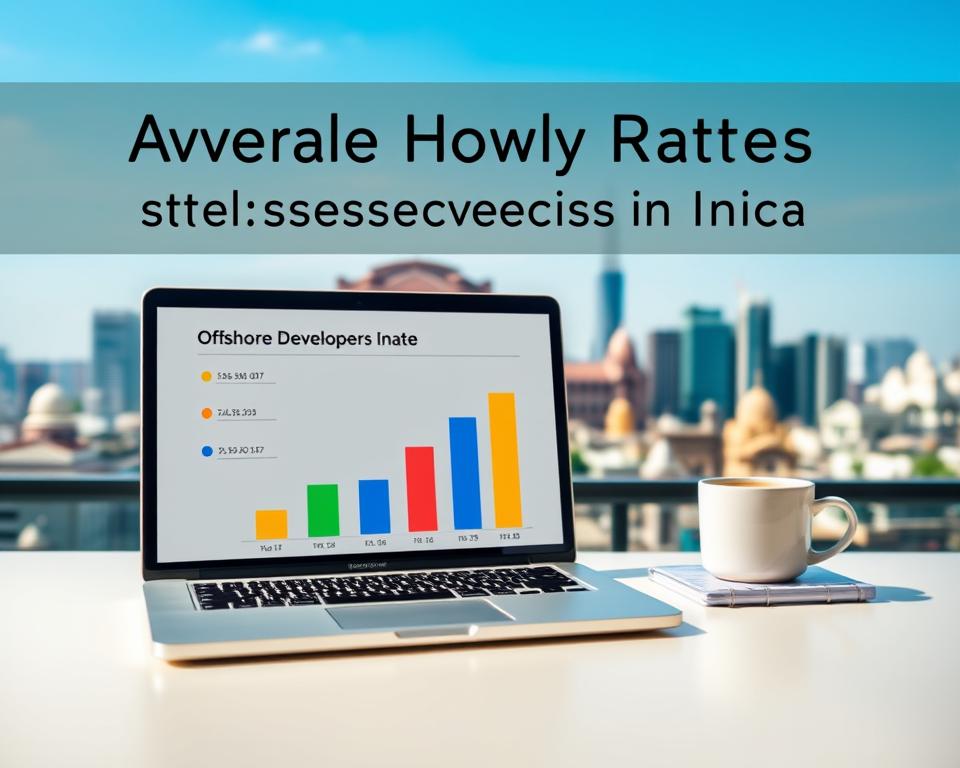
| Experience Level | Hourly Rate Range | Typical Experience |
|---|---|---|
| Junior | $15-$25 | 0-3 years |
| Mid-Level | $25-$45 | 4-7 years |
| Senior | $45-$75 | 8+ years |
| Lead/Architect | $75-$120 | Extensive experience |
The table shows the average hourly rates for offshore developers in India by experience level. This helps businesses plan their budgets and strategies for outsourcing.
Offshore Developer Cost in India – Complete Pricing Guide by Engagement Model
It’s key to know the engagement models for offshore development in India to figure out costs. Companies have many options, each with its own pricing and benefits.

Hourly Rate Model
The hourly rate model is great for projects that might change or are still being planned. You only pay for the hours worked. Rates in India range from $15 to $120 an hour, based on experience and skills.
Fixed Price Project Model
The fixed price project model means a set price for the whole project. It’s best for clear, defined projects. It offers cost certainty but needs detailed plans from the start.
Dedicated Team Model with Monthly Retainer
The dedicated team model lets you hire a team for a monthly fee. It’s perfect for ongoing work or long-term projects. Costs vary by team size, skill, and location.
Hybrid Engagement Models
Hybrid engagement models mix different approaches for specific needs. For example, a fixed price for the start and an hourly rate for updates. This flexibility helps adjust to changing project needs.
Knowing these engagement models and their costs helps businesses choose wisely. This ensures they get the most value from offshore developers in India.
Cost Breakdown by Technology Stack
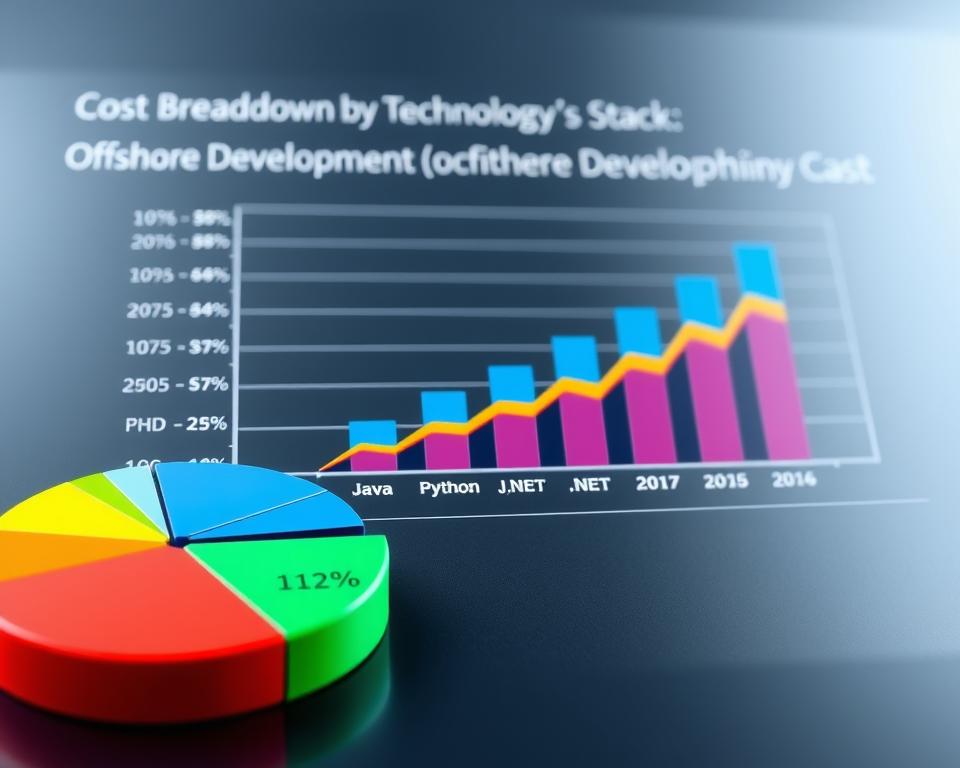
The cost of offshore development changes a lot based on the technology stack needed. Different technologies have different rates. This is because of things like developer skill, demand, and how complex they are.
Web Development Technologies
Web development covers many technologies, each with its own cost.
Frontend Developers: React, Angular, and Vue.js
Frontend developers who know React, Angular, and Vue.js are very sought after. Their hourly rates can be from $25 to $50. This depends on their experience and how complex the project is.
Backend Developers: Node.js, Python, Java, and PHP
Backend development costs change with the technology used. Node.js and Python developers tend to cost less, with rates from $20 to $40 an hour. Java and PHP developers might charge a bit more, from $25 to $50 an hour.
Mobile App Development
Mobile app development costs vary. This depends on if the app is native or cross-platform.
iOS and Android Native Developers
Native iOS and Android developers need special skills. Their hourly rates are from $30 to $60. The app’s complexity and the developer’s experience affect the cost.
Cross-Platform Developers: React Native and Flutter
Cross-platform developers using React Native and Flutter can be more affordable. Their hourly rates are between $25 and $50.
Emerging and Specialized Technologies
Emerging technologies like AI, blockchain, and DevOps need specialized skills. They come with higher rates.
Artificial Intelligence and Machine Learning Developers
AI and ML developers are among the highest-paid. Their hourly rates can be from $50 to $100 or more. This depends on the project’s complexity and their expertise.
Blockchain Developers
Blockchain developers are in high demand. Their hourly rates are usually between $50 and $100.
DevOps Engineers and Cloud Specialists
DevOps engineers and cloud specialists are key for modern projects. Their hourly rates are from $40 to $80.
In conclusion, the technology stack is key in figuring out offshore development costs. Knowing the specific technologies needed for your project helps estimate and manage expenses better.
Full-Time Equivalent Monthly Costs in India
Knowing the full-time equivalent (FTE) monthly costs for developers in India is key for businesses. They need to offshore their development needs. The FTE model offers a detailed pricing structure. It includes all costs of hiring developers full-time.
The monthly costs for FTE developers in India change a lot based on their experience. Here’s a quick overview:
Junior Developer Monthly Cost
Junior developers cost between $2,000 to $3,500 monthly. They usually have less than 3 years of experience.
Mid-Level Developer Monthly Cost
Mid-level developers, with 3 to 7 years of experience, cost between $3,500 to $6,000 monthly.
Senior Developer Monthly Cost
Senior developers, with over 7 years of experience, cost between $6,000 to $10,000 monthly. Their skills and experience make them very valuable.
What’s Included in FTE Pricing
FTE pricing in India includes more than just the developer’s salary. It also covers:
- Salary and benefits for the developer
- Office infrastructure and utilities
- Hardware and software expenses
- Training and professional development
- Administrative and HR support
Here’s a sample cost breakdown table for FTE developers in India:
| Experience Level | Monthly Cost Range | Typical Skills |
|---|---|---|
| Junior | $2,000 – $3,500 | Basic programming skills, web development fundamentals |
| Mid-Level | $3,500 – $6,000 | Advanced programming, project management basics |
| Senior | $6,000 – $10,000 | Expert programming, project leadership, complex problem-solving |
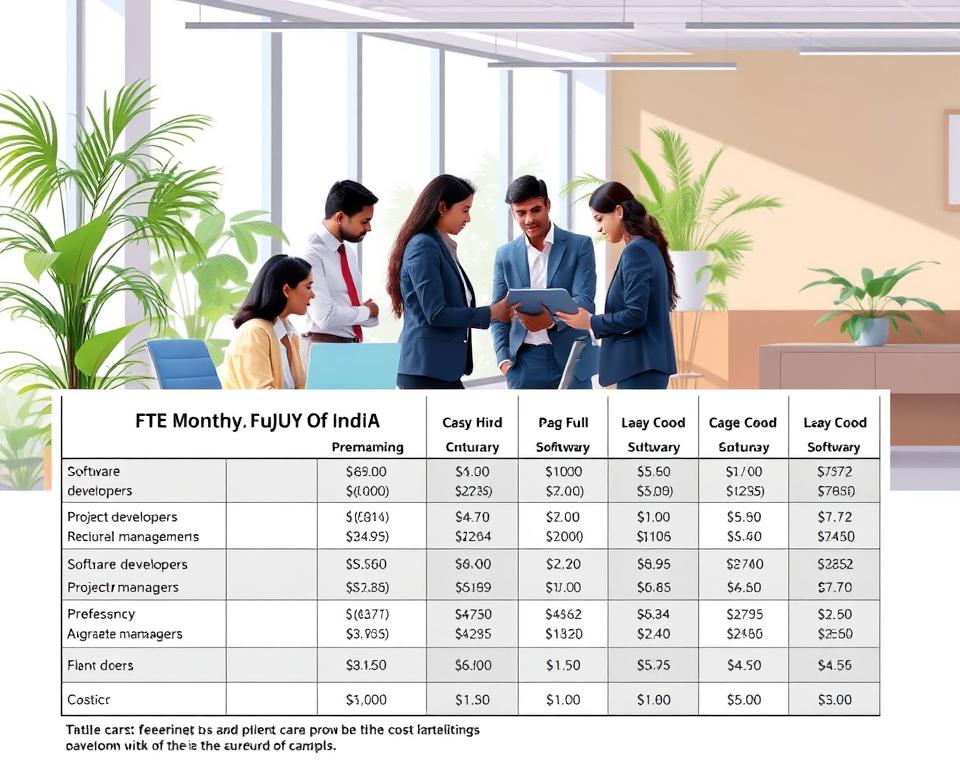
By understanding these costs and what’s included in FTE pricing, businesses can make better hiring decisions. This is especially true when hiring offshore developers in India.
Key Factors That Impact Offshore Developer Costs
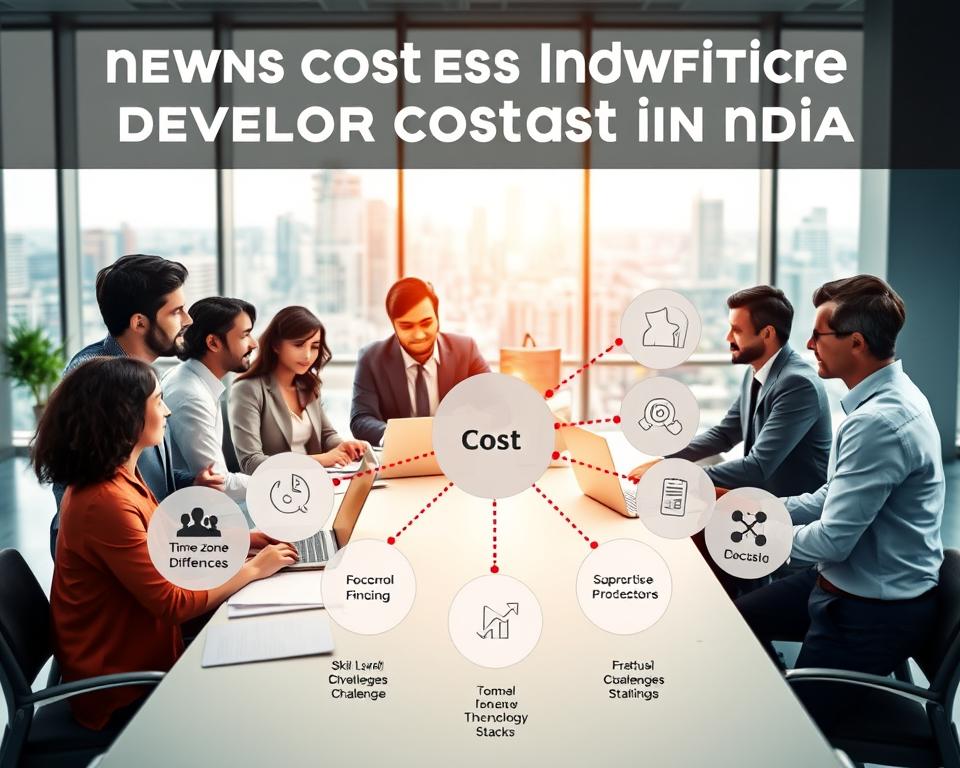
Many factors affect offshore development costs. Each one plays a big role in the final cost. Knowing these factors helps businesses make smart choices when they outsource.
Experience Level and Skill Proficiency
The experience and skills of offshore developers matter a lot. More experienced developers charge more because they can handle tough projects and deliver top-notch results.
For example, junior developers with less than three years of experience cost less. Senior developers with over five years of experience charge more.
Geographic Location Within India
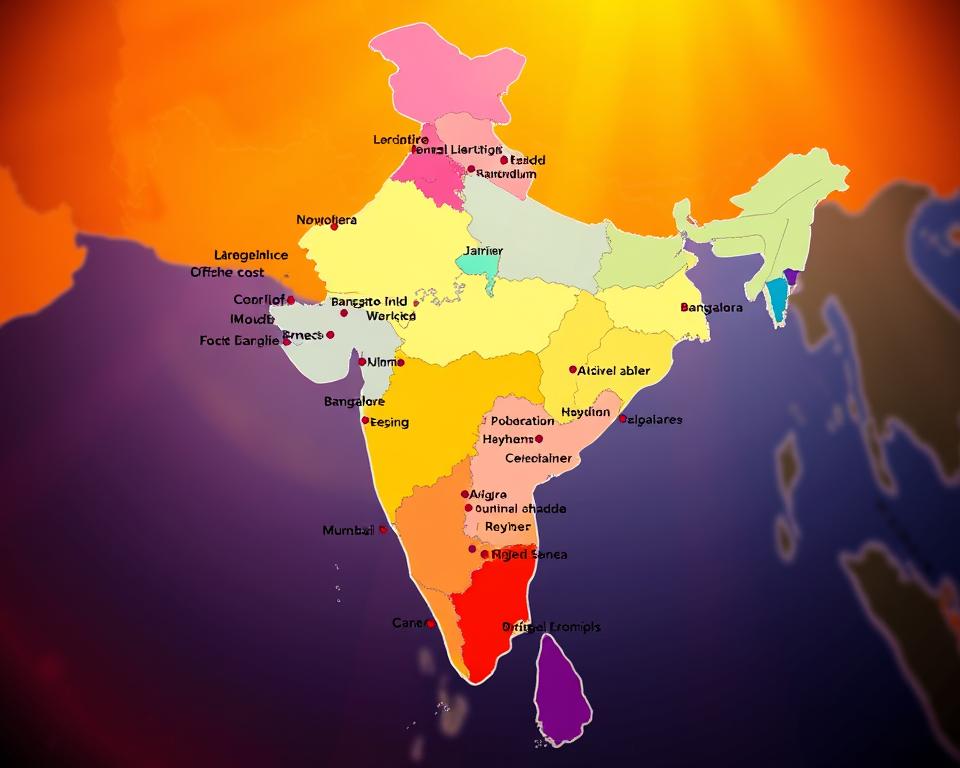
Where in India the developers are located also affects costs. Big cities like Bangalore and Mumbai have higher rates than smaller cities.
This is because of living costs, talent availability, and demand in these areas.
Company Size and Market Reputation
The size and reputation of the offshore development company also matter. Big, well-known companies charge more for their services.
This is because of their proven success, deep expertise, and high-quality service.
Project Complexity and Duration
How complex and long a project is also affects costs. Complex projects need specialized skills and more time, raising the cost.
Longer projects mean more billing time, adding to the total cost.
Technology Stack Specialization
The technology needed for a project also impacts costs. Specialized tech like AI or blockchain requires experts who charge more.
The rarity of these experts can also increase costs.
English Proficiency and Communication Skills
Finally, how well developers speak English and communicate is key. Developers with strong English and communication skills cost more because they work well with international clients.
Good communication reduces misunderstandings and ensures projects meet requirements.
Regional Cost Variations Across Indian Cities
Costs vary a lot in different Indian cities, affecting the cost of offshore projects. India’s varied geography and economy lead to big price differences in hiring developers. This is true across different cities.
Tier-1 Metropolitan Cities
Cities like Bangalore, Mumbai, Delhi, and Hyderabad are India’s tech hotspots. They have many skilled developers but are more expensive. This is because of high demand and living costs.
- Bangalore: Known as India’s Silicon Valley, Bangalore commands premium rates for developers.
- Mumbai: As a financial hub, Mumbai has a high cost of living, which translates to higher developer rates.
- Delhi: The capital city offers a vast talent pool but at rates that are slightly lower than Bangalore and Mumbai.
- Hyderabad: A growing tech hub with competitive rates compared to other tier-1 cities.
For more detailed information on custom software development costs in India, you can visit Next Big Technology.
Tier-2 Cities
Cities like Pune, Chandigarh, Jaipur, and Ahmedabad are becoming key tech centers. They offer a good balance of cost and quality, making them great for offshore projects.
- Pune: Known for its educational institutions, Pune has a growing pool of tech talent at competitive rates.
- Chandigarh: Offers a high quality of life and a growing tech industry with reasonable developer rates.
- Jaipur: Emerging as a hub for IT and ITES, with costs lower than tier-1 cities.
- Ahmadabad: Known for its business-friendly environment, Ahmadabad is attracting more tech investments.
Tier-3 Cities and Remote Developers
Tier-3 cities and remote developers are the most budget-friendly for offshore projects. Places like Nagpur, Kochi, and Vishakhapatnam are getting popular. They have lower costs and a growing talent pool.
- Nagpur: Offers competitive rates and a growing tech talent pool.
- Kochi: Known for its IT parks, Kochi is an emerging tech hub in southern India.
- Vishakhapatnam: With its growing IT industry, Vishakhapatnam offers attractive rates for developers.
Cost-Quality Trade-offs by Location
Choosing a location for offshore development means balancing cost and quality. Tier-1 cities have top talent but at a higher price. Tier-2 and tier-3 cities offer cheaper options but with varying quality.
It’s key to consider your project needs and budget when picking a location. The project’s complexity, skill needs, and timeline are all important factors.
India versus Other Offshore Development Markets: Cost Comparison
India’s offshore development costs are often compared to other popular places. Businesses want to save on software development costs. So, it’s important to know how India compares to other global markets.
Eastern Europe: Ukraine, Poland, and Romania
Eastern Europe is becoming a big player in offshore development. Countries like Ukraine, Poland, and Romania offer good prices. Ukraine is known for its skilled workers and business-friendly environment.
| Country | Average Hourly Rate | Key Strengths |
|---|---|---|
| India | $15-$45 | Large talent pool, mature industry |
| Ukraine | $15-$30 | Strong technical skills, EU proximity |
| Poland | $20-$40 | High English proficiency, EU standards |
| Romania | $18-$35 | Growing tech ecosystem, EU membership |
The table shows India’s rates are good, but Eastern Europe is similar or cheaper. They also offer the advantage of being closer to European markets.
Latin America: Mexico, Brazil, and Argentina
Latin America is gaining popularity in offshore development. Countries like Mexico, Brazil, and Argentina are attracting clients with their cultural ties to the U.S. and technical skills.
“Latin America’s nearshore model offers significant advantages, including cultural alignment and minimal time zone differences, making it an attractive option for U.S.-based companies.”
The nearshore model of Latin America is great for U.S. companies. It reduces the challenges of working with distant offshore locations.
Southeast Asia: Philippines, Vietnam, and Indonesia
Southeast Asia’s tech industry is growing fast. Countries like the Philippines, Vietnam, and Indonesia are becoming popular for offshore development.
Vietnam’s tech industry is booming. It has a young workforce and government support for tech.
| Country | Average Hourly Rate | Key Strengths |
|---|---|---|
| Philippines | $10-$25 | High English proficiency, cultural affinity with U.S. |
| Vietnam | $8-$20 | Young workforce, government support |
| Indonesia | $8-$18 | Large workforce, growing tech ecosystem |
Southeast Asia offers some of the lowest prices in offshore development. It’s a good choice for businesses looking to save money.
China
China is a big player in offshore development. It’s known for its large-scale manufacturing and growing tech industry.
While China’s costs are competitive, language barriers and regulatory complexities can affect its appeal as an offshore destination.
| Country | Average Hourly Rate | Key Strengths |
|---|---|---|
| China | $10-$25 | Large-scale manufacturing, growing tech industry |
| India | $15-$45 | Mature IT industry, strong service culture |
Comprehensive Value Proposition Analysis
When choosing offshore development markets, cost is just one factor. Talent quality, cultural alignment, infrastructure, and regulatory environment are also important. They all affect the value of a partnership.
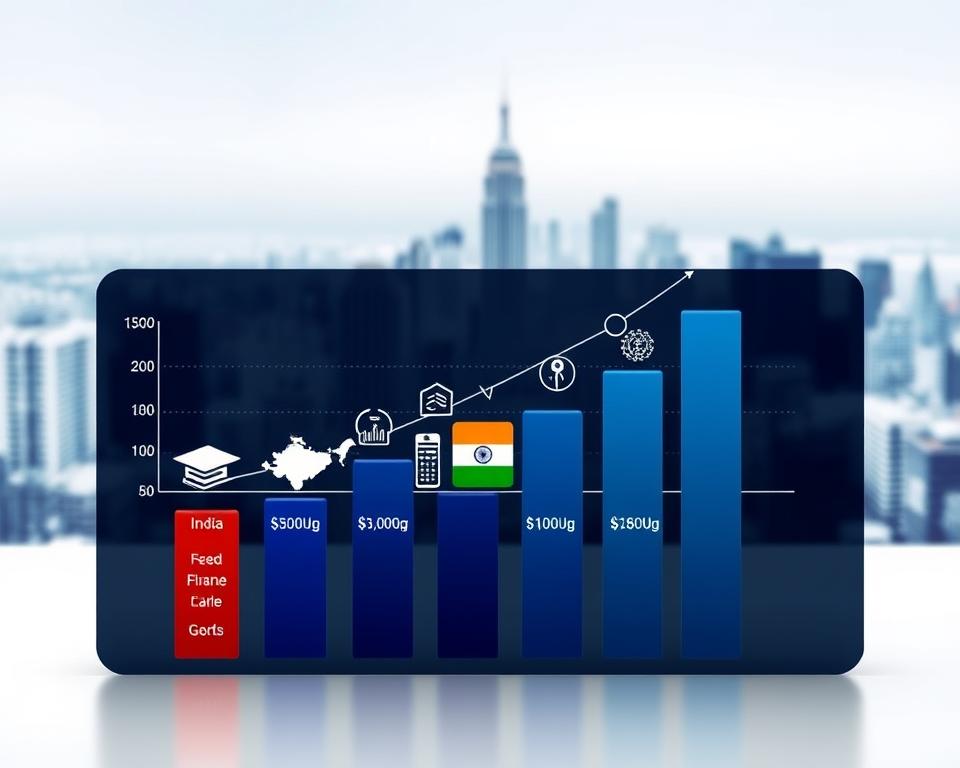
India is a strong contender in offshore development. It offers a mature industry, skilled workers, and a good business environment. But, other regions are getting competitive. Businesses need to carefully choose the best fit for their needs.
Hidden Costs and Additional Expenses to Consider
When you think about offshore development, don’t just look at the surface costs. The initial price might seem good, but hidden costs can really add up. These can change your project’s budget a lot.
Infrastructure and Technology Costs
Outsourcing development means you have to think about the tech and infrastructure costs. This includes:
- Hardware and software expenses
- Network infrastructure and security measures
- Data storage and backup solutions
These costs can vary a lot, depending on the tech used and the project’s size. For example, projects needing special hardware or software might cost more.

Project Management and Coordination Overhead
Good project management is key for offshore development success. But, it also has its own costs, like:
- Project manager salaries and benefits
- Communication tools and software
- Travel expenses for meetings
Using efficient tools and processes can help keep coordination costs down.
Time Zone Management and Communication Costs
Working across different time zones can be tough. It can affect communication and coordination. Costs include:
- Time zone-friendly communication tools
- Adjusting work schedules for overlap
- Potential delays from asynchronous communication
Legal Compliance and Contract Expenses
Legal compliance is vital in offshore development. It involves costs for:
- Drafting and reviewing contracts
- Following international laws and regulations
- Legal counsel fees
Legal costs can be high, especially for complex contracts.
Quality Assurance and Testing
Investing in quality assurance and testing is crucial. This includes:
- Testing tools and software
- QA personnel costs
- Rework costs for defects or bugs
Quality assurance is key for a reliable final product.
Knowledge Transfer and Onboarding Training
Knowledge transfer and onboarding are vital for offshore team success. Costs include:
- Training programs for offshore teams
- Creating documentation and knowledge bases
- Onboarding personnel costs
Good knowledge transfer can prevent misunderstandings and errors.
By knowing and planning for these hidden costs, businesses can better budget for offshore projects. This helps avoid unexpected expenses.
Cost Structure of Different Company Types
It’s key for businesses to know the cost structure of various company types when looking to offshore their development needs. Companies range from large IT services providers to freelance developers. Each offers different pricing models that affect the overall cost of offshore development.
Large IT Services Companies: TCS, Infosys, and Wipro
Big IT services companies like TCS, Infosys, and Wipro have a complex cost structure. They offer more than just development, like consulting and project management. Their pricing includes fixed-price projects, dedicated teams, and hourly rates.
Pricing Range: $25-$120 per hour
Mid-Sized Software Development Companies
Mid-sized software development companies strike a balance between big and small firms. They have flexible cost structures, allowing for tailored pricing to meet client needs.
Pricing Range: $20-$60 per hour
Boutique Development Agencies
Boutique development agencies focus on specific technologies or industries. They offer high-end expertise at a premium. Their costs reflect their specialized skills, often higher than larger or mid-sized companies.
Pricing Range: $30-$100 per hour
Freelance Developers and Individual Contractors
Freelance developers and individual contractors have the simplest cost structure. They charge by the hour. Prices vary based on experience, technology, and location.
Pricing Range: $15-$50 per hour
Staff Augmentation Firms
Staff augmentation firms provide IT professionals on a temporary or permanent basis. This allows businesses to quickly scale their teams. Their costs depend on the professional needed and the engagement duration.
Pricing Range: $20-$75 per hour
The following table summarizes the cost structures of different company types:
| Company Type | Pricing Model | Hourly Rate Range |
|---|---|---|
| Large IT Services Companies | Fixed-price, Dedicated Team, Hourly | $25-$120 |
| Mid-Sized Software Development Companies | Flexible Pricing | $20-$60 |
| Boutique Development Agencies | Premium Pricing | $30-$100 |
| Freelance Developers | Hourly | $15-$50 |
| Staff Augmentation Firms | Temporary/Permanent | $20-$75 |
When picking an offshore development partner, knowing these cost structures is key. It helps businesses make choices that fit their budget and project needs.
Payment Terms and Financial Arrangements
Understanding payment terms and financial arrangements is key for businesses in offshore development. These financial aspects can greatly affect a company’s budget and cash flow.
Standard Payment Structures
Offshore development companies usually have standard payment plans. These include monthly payments, project-based payments, or hourly rates. For example, a company might choose a monthly retainer. This means they pay a set amount each month for a team of developers.
Milestone-Based Payment Options
Milestone-based payments are also common. Here, payments are made when certain project milestones are reached. This setup links payments to the project’s progress. It motivates the development team to meet deadlines.
| Payment Structure | Description | Benefits |
|---|---|---|
| Monthly Retainer | Fixed monthly payment for a dedicated team | Predictable costs, dedicated team |
| Milestone-Based | Payments made upon completion of project milestones | Aligns payment with project progress |
| Hourly Rate | Payments based on actual hours worked | Flexibility, cost-effective for variable projects |
Advance Payment Requirements
Some offshore development companies ask for advance payments to secure their services. It’s crucial for businesses to know the details of these payments. This includes the amount and any refund policies.
Currency Exchange Rate Considerations
Currency exchange rates can greatly change the cost of offshore development projects. Businesses need to be aware of these rates and any fees. This helps avoid unexpected costs.
“The fluctuation in currency exchange rates can affect the overall cost of offshore development projects. Businesses should consider hedging strategies to mitigate potential losses.”
Payment Methods and Transaction Fees
Different payment methods have different fees. Businesses should think about these fees when picking a payment method for offshore development projects. For more on managing costs, check our guide on offshore development costs.
How to Calculate Total Cost of Ownership
Figuring out the total cost of ownership (TCO) for offshore projects is key for businesses. TCO includes many costs that businesses need to think about. This helps them budget well and avoid spending too much.
Direct Development Costs
Direct development costs are the main expenses for offshore projects. These costs cover what developers, project managers, and team members get paid. Hourly rates, fixed project costs, and dedicated team models are common ways to figure out these costs. Businesses should check these costs to make sure they fit their budget and project needs.
Management and Administrative Overhead
Businesses also need to think about management and administrative costs. This includes costs for project management, coordination, and communication. Using good project management tools and processes can help keep these costs down. This ensures projects are done on time and within budget.
Risk Mitigation and Insurance Costs
Offshore projects have risks like intellectual property theft, data breaches, and delays. Businesses need to plan for these risks. This includes insurance premiums, data security measures, and contingency planning. These costs help protect the business and keep projects going smoothly.
Long-Term Maintenance and Support
After the project is done, businesses need to think about ongoing maintenance and support. This includes updates, bug fixes, and technical support to keep the software or app working well. Companies should look at different maintenance and support options to find the best value.
TCO Calculator Framework for Decision Making
To get accurate TCO numbers, businesses can use a TCO calculator framework. This framework should include:
- Direct development costs
- Management and administrative overhead
- Risk mitigation and insurance costs
- Long-term maintenance and support costs
With this framework, businesses can make smart choices about their offshore projects. They can ensure they’re getting the most value for their money.
Cost-Saving Strategies Without Compromising Quality
To get the most from offshore development, companies need to find ways to save money without sacrificing quality. Managing costs well is key to the success of offshore projects.
Optimal Team Composition and Resource Mix
One key strategy is to build the right team. This means:
- Figuring out what skills you really need for the project
- Using the right mix of junior, mid-level, and senior developers
- Matching resources to the project’s complexity and needs
Optimal team composition helps avoid paying too much for talent. It keeps the quality of work high.
Leveraging Tier-2 and Tier-3 Cities
Using talent from tier-2 and tier-3 cities in India is another cost-saving tactic. These areas have lower labor costs than big cities.
Long-Term Partnerships and Volume Discounts
Creating long-term partnerships with offshore development companies can save a lot of money. This is thanks to volume discounts.
- Getting better rates for long-term work
- Committing to bigger projects
- Creating a steady workflow that benefits everyone
Flexible Engagement Models for Different Project Phases
Using flexible engagement models lets businesses adjust their offshore team as needed. This optimizes costs.
Effective Communication Tools and Processes
It’s crucial to have effective communication tools and processes. They help avoid misunderstandings and delays, which can cost extra.
Clear Requirements and Comprehensive Documentation
Clear requirements and comprehensive documentation are essential. They prevent rework and ensure the offshore team gets the project right.
Return on Investment: Is India Worth It?
India is a top choice for offshore development, offering great returns for businesses. The main reasons include big cost savings, better productivity, and quicker product launches.
Cost Savings Analysis: 40-60% Compared to US Rates
One big plus of offshore development in India is the huge cost savings. Companies can save 40-60% compared to the US, mainly because of lower labor costs. This can really help a company’s finances, letting them focus on other important areas.
For example, a company wanting to make a complex software can save a lot by going to India. A study on outsourcing to India shows big savings without losing quality.
Quality and Productivity Metrics
Cost is important, but so is the quality and productivity of Indian developers. They are very skilled and can handle big projects well. They work efficiently, thanks to their technical skills and knowledge of global standards.
| Metric | Indian Developers | Global Average |
|---|---|---|
| Code Quality Rating | 4.8/5 | 4.2/5 |
| Project Completion Rate | 95% | 85% |
| Average Project Duration | 12 weeks | 16 weeks |
Time-to-Market Advantages
India also helps businesses get to market faster. With skilled workers and good tech, projects can be done quicker. This is a big plus in today’s fast market.
Scalability Benefits for Growing Businesses
Scalability is key for growing businesses. Indian teams can grow or shrink as needed. This flexibility helps businesses adapt quickly to new needs or market changes.
Real-World ROI Case Studies
Many businesses have seen great ROI by using Indian offshore development. For example, an e-commerce site cut costs by 50% and got to market 30% faster with an Indian partner. These stories show the benefits of using India’s offshore development.
In summary, India’s offshore development offers great returns. It’s all about cost savings, quality, and being able to grow. Businesses should think about these points when deciding on offshore development.
Red Flags and Pricing Pitfalls to Avoid
When you start offshore development, watch out for red flags that could hurt your project. Offshore development can save money and find more talent. But, there are pricing traps to avoid.
Rates That Are Too Good to Be True
Be cautious of rates that seem too low. It’s okay to save money, but very low rates might mean low quality or hidden costs.
- Be wary of developers who offer rates that are 30-40% lower than the average market rate.
- Check if the low rate is due to a lack of experience or if it’s a ‘loss leader’ strategy.
Unclear or Ambiguous Pricing Structures
Clear pricing is key. Unclear pricing can lead to unexpected costs and arguments.
- Ensure that the pricing model is clearly explained.
- Understand what is included in the base rate and what constitutes additional costs.
Hidden Fees and Surprise Charges
Hidden fees can increase your project’s cost. Be aware of extra charges for things like project management or quality assurance.
- Ask for a detailed breakdown of all costs.
- Clarify any potential additional fees at the outset.
Lack of Transparency in Billing Practices
A lack of clear billing can cause mistrust. Make sure your offshore partner provides detailed invoices.
- Request monthly or quarterly invoices with detailed breakdowns.
- Understand the billing cycle and payment terms.
Unrealistic Project Estimates and Timelines
Unrealistic estimates can cause delays and cost overruns. Be careful of promises of quick results or guaranteed success.
- Review past project timelines and outcomes.
- Understand the factors that could impact project timelines.
Absence of Clear Contract Terms
A clear contract protects your interests. Make sure the contract clearly states the scope, timelines, costs, and responsibilities.
- Review the contract carefully before signing.
- Ensure that there are provisions for dispute resolution and termination if necessary.
Knowing these red flags and how to avoid them helps businesses succeed in offshore development.
How to Choose the Right Offshore Partner for Your Budget
Choosing an offshore development partner requires careful thought. You need to consider your budget, technical needs, and what you hope to get from the partnership. It’s important to find a partner that matches your budget and meets your project’s needs.
Defining Your Budget and Technical Requirements
Before you start looking for an offshore partner, know your budget and technical needs. This means:
- Setting a budget for the project
- Figuring out the technologies and skills you need
- Listing what you want the project to do and deliver
Knowing your budget and technical needs helps narrow down your options. It ensures you’re comparing similar proposals.
Evaluating Cost versus Value Proposition
Cost is important, but so is the value you get from a partner. Look at:
- The quality of their work and their expertise
- How well they communicate and manage projects
- If they can grow and adapt with your needs
Learning how to hire app/web development experts can help you make a better choice.
Vetting Process and Due Diligence Checklist
Doing your homework is key when checking out potential partners. This includes:
- Looking at their past work and projects
- Reading what their clients say about them
- Checking their technical skills and certifications
Having a checklist for due diligence helps make sure you don’t miss anything important.
Trial Periods and Proof of Concept Projects
Using trial periods or proof of concept projects is a smart way to test a partner. It lets you:
- See how well they work and communicate
- Check if they can meet your project’s needs
- Reduce risks before committing long-term
Contract Negotiation Tips
When you’re negotiating a contract, keep these tips in mind:
- Make sure the project scope, timelines, and what they need to deliver are clear
- Set up a fair payment plan
- Include rules for protecting your intellectual property
Good contract negotiation is crucial for a successful partnership.
Building Long-Term Strategic Partnerships
Choosing the right offshore partner is about more than one project. It’s about building a lasting partnership. Focus on:
- Keeping communication open and working together well
- Aligning your goals and objectives
- Always looking to improve your partnership
By following these steps, businesses can make smart choices when picking an offshore development partner that fits their budget and project needs.
Conclusion
Knowing the costs of offshore developers in India is key for businesses. This article gives a detailed look at what affects prices. Things like experience, technology, and how you work together matter a lot.
Choosing wisely can save a lot of money without losing quality. Companies can cut costs by 40-60% compared to the US. This makes India a great place for offshore work.
To get the most out of offshore work, think about all costs. This includes setup, management, and upkeep. For more on the good sides of offshore work, check out Next Big Technology.
In short, knowing about offshore costs in India helps businesses make smart choices. This leads to successful projects.