






The global mobile app market is set to hit $626 billion by 2030. This shows how fast it’s growing. Healthcare app development is a key part of this, driven by the need for new healthcare solutions.
As more people want mobile healthcare apps, knowing about the dedicated hiring model for healthcare app development is key. This model lets companies hire dedicated app developers. These developers can make your app ideas come to life, fitting your business needs perfectly.
Table of Contents
Key Takeaways
- The global mobile application market is growing rapidly, with a projected value of over $626 billion by 2030.
- Healthcare app development is a critical segment within the mobile application market.
- The dedicated hiring model offers a tailored approach to healthcare app development.
- Hiring dedicated developers can help businesses bring their app ideas to life.
- Understanding the dedicated hiring model is crucial for successful healthcare app development.
The Growing Demand for Healthcare Mobile Applications
With the rise of digital transformation, healthcare mobile apps are key for both providers and patients. The healthcare world is changing fast, thanks to new tech and patient needs.
Digital Transformation in Healthcare Industry
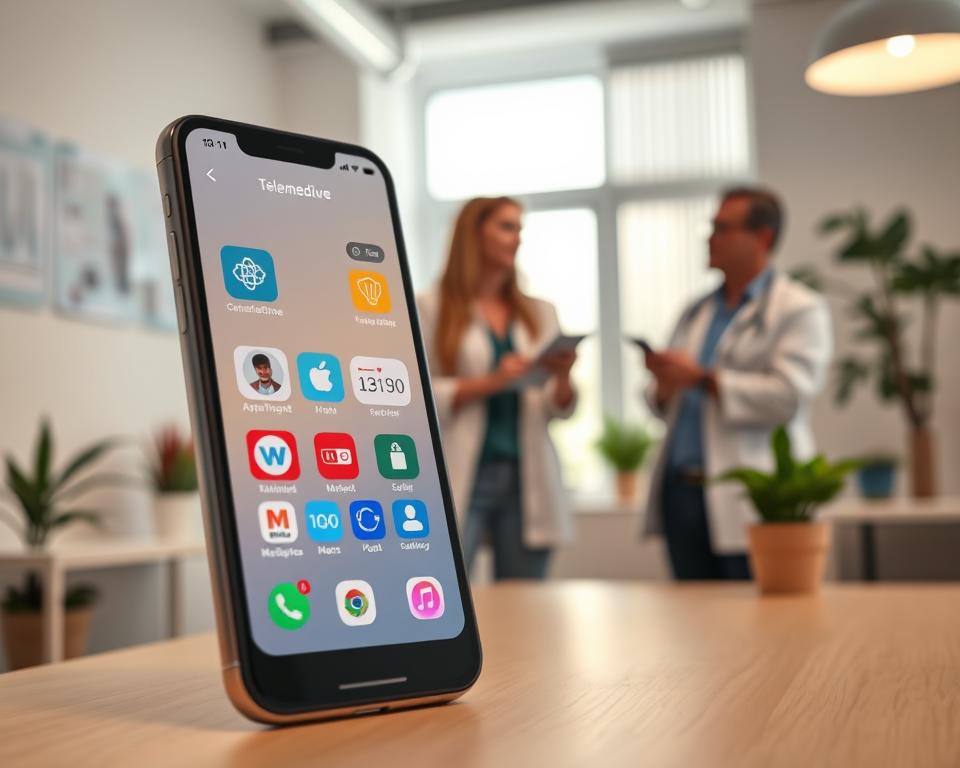
The healthcare sector is moving towards digital transformation. This aims to better patient care, make clinical work smoother, and cut costs. Mobile apps are crucial here, helping providers offer tailored care and engage patients better.
Big names like Apple lead with big mobile investments. Meanwhile, all kinds of businesses rely on skilled app developers for new healthcare solutions.
Market Statistics and Growth Projections
The market for healthcare mobile apps is booming. The global market is set to hit $43.7 billion by 2026, growing at 17.4% annually.
This growth comes from more people using smartphones, the need for remote monitoring, and the rise of telehealth. As the market grows, healthcare groups must invest in apps that meet various patient needs and stay ahead.
The need for healthcare mobile applications will keep rising. This is thanks to new tech and the push for more accessible, personalized healthcare.
Understanding the Dedicated Hiring Model
In healthcare app development, knowing about hiring models is key to success. The dedicated hiring model is popular for complex healthcare apps.

A dedicated development team is a group focused on one project. They gain deep knowledge and align with the business goals. This model works well for long-term projects needing continuity and understanding.
What Is a Dedicated Development Team?
A dedicated development team is a remote team for a project. They act like an extension of the client’s team. This team has developers, designers, and project managers working together.
As Forbes says, “A dedicated development team can change the game for complex software applications.” This is especially true in healthcare, where things are complex and must follow rules.
How It Differs from Other Hiring Models
The dedicated model is different from others like project-based or freelance. In this model, the team works on the project for its whole duration. This ensures continuity and consistency.
- The team is fully dedicated to the project, ensuring timely completion.
- It allows for direct communication and collaboration, reducing misunderstandings.
- The team accumulates knowledge over time, improving the quality of work.
When to Choose the Dedicated Model
The dedicated model is best for projects needing long-term commitment and complex problem-solving. Healthcare app development fits this because of its complexity and need for ongoing support.
“The dedicated team model is particularly suited for projects with a clear vision but evolving requirements,” says a leading expert in software development.
Choosing the dedicated model means your healthcare app project is in good hands. A team that knows your needs and goals will work on it.
Key Benefits of Hiring Dedicated Healthcare App Developers
Hiring dedicated healthcare app developers can change your project’s game. They bring specialized skills and experience to the table. This helps drive your project forward.
Full Control Over Development Process
One big plus of hiring dedicated developers is the control you get. You can watch progress, give feedback, and make changes as needed. This ensures your final product meets your expectations.
Key aspects of control include:
- Setting clear project goals and timelines
- Regular progress updates and feedback sessions
- Flexibility to make changes during the development process
Cost-Effectiveness and Budget Predictability
Dedicated healthcare app developers can also save you money. You avoid costs like benefits and training. Plus, you can predict your budget better, avoiding surprises.
| Cost Component | Dedicated Team | In-house Team |
|---|---|---|
| Development Costs | Variable | Fixed |
| Training and Benefits | Minimal | Significant |
| Project Management | Efficient | Variable |
Scalability and Flexibility
Dedicated teams are scalable and flexible. They can grow or shrink as your project needs change. This keeps your project on track.
Scalability benefits include:
- Ability to quickly adjust team size based on project needs
- Access to a broader range of skills and expertise
- Flexibility to change project direction or scope as needed

Direct Communication and Collaboration
Good communication and teamwork are key for project success. With a dedicated team, you can talk directly and work together. This ensures your vision is brought to life.
Effective collaboration involves:
- Regular meetings and updates
- Clear project goals and expectations
- Open feedback and continuous improvement
By hiring dedicated healthcare app developers, you get their expertise and experience. This ensures your project is top-notch. Dedicated teams offer many benefits, from control and cost-effectiveness to scalability. They’re a great choice for businesses aiming for quality in healthcare apps.
Essential Skills to Look for in Healthcare App Developers
Healthcare app development needs a mix of technical and domain-specific knowledge. The healthcare industry is growing fast. This makes it crucial to have skilled developers who can make strong, safe, and legal apps.
Technical Programming Expertise
Healthcare app developers must have strong technical skills. They need to know programming languages like Java, Swift, or Kotlin. This depends on whether the app is for iOS or Android.
Knowing cross-platform development frameworks like React Native or Flutter is also good. It helps reach more people. Developers should also know how to use APIs for data exchange, cloud services for storage, and AI for predictive analytics. They need to know backend development and database management to handle healthcare data safely.

Healthcare Domain Knowledge
Healthcare app developers also need to know about healthcare. They must understand laws like HIPAA in the United States. HIPAA protects patient health information.
Knowing about healthcare data privacy and security is key. It helps make apps that follow the rules. Developers with this knowledge can make apps that meet healthcare needs better. They can also make apps that work well with current healthcare systems.
Understanding of Medical Workflows
Understanding medical workflows is important for healthcare app developers. It means knowing how healthcare workers work and their challenges. It also means seeing how technology can help improve patient care.
This knowledge helps developers make apps that are useful. Apps that help with making decisions, engage patients, and make clinical work easier. It’s about making technology that fits into healthcare in a good way.
Critical Technologies for Healthcare App Development
Critical technologies are key in shaping the future of healthcare apps. They help create strong, flexible, and safe apps that meet user needs.
Mobile Development Frameworks
Mobile frameworks are essential for making healthcare apps work on different devices. Tools like React Native and Flutter help build apps that work well across platforms. They make app development faster, cheaper, and quicker to market.
Choosing the right framework depends on the app’s needs and goals. For example, React Native is great for apps needing lots of customization and native module integration.

Cloud Infrastructure and Data Storage
Cloud technology is vital for healthcare app development. It offers a safe, scalable, and compliant space for handling sensitive health data. Services like AWS and Microsoft Azure provide tools for building strong healthcare apps.
Cloud tech helps apps manage big data, back up data, and follow rules like HIPAA. It also makes it easier to use advanced tech like AI and machine learning.
AI and Machine Learning Integration
AI and machine learning are changing healthcare app development. They help apps understand complex data, predict outcomes, and offer personalized advice. AI chatbots and virtual assistants improve patient interaction and support.
Machine learning can analyze medical images, diagnose, and forecast disease. Integrating AI and ML requires expertise but can greatly improve health outcomes.
IoT and Wearable Device Connectivity
IoT and wearable devices are crucial for healthcare app development. Wearables like fitness trackers and smartwatches can connect with apps to track health data and offer feedback.
IoT lets apps talk to many devices, from medical gear to wearables. This connection makes apps more useful and gives a fuller view of patient health.
Regulatory Compliance and Security Standards
Regulatory compliance and security are key in healthcare app development. It’s vital to follow strict rules to keep patient data safe and build trust with users.
HIPAA Compliance Requirements
The Health Insurance Portability and Accountability Act (HIPAA) protects patient data. Any app handling health info must follow HIPAA rules. This means using data encryption, secure login, and access controls.
The U.S. Department of Health & Human Services says HIPAA is about keeping patient info safe. It’s not just to avoid fines. It’s to protect patients’ health info.
FDA Regulations for Medical Apps
The FDA watches over medical apps that could harm patients if they don’t work right. Developers must follow FDA rules, like design controls, risk management, and validation. They need to know the FDA’s rules for mobile health apps.

Data Encryption and Security Protocols
Data encryption is crucial for app security. Developers must use strong encryption to keep patient data safe. This includes HTTPS for online data and encrypting data on devices or in the cloud.
Good security also means regular checks, like security audits and penetration tests. Experts say encryption is the main defense against data breaches.
By focusing on rules and strong security, app developers can keep patient data safe. This helps their apps succeed.
Types of Healthcare Applications You Can Build
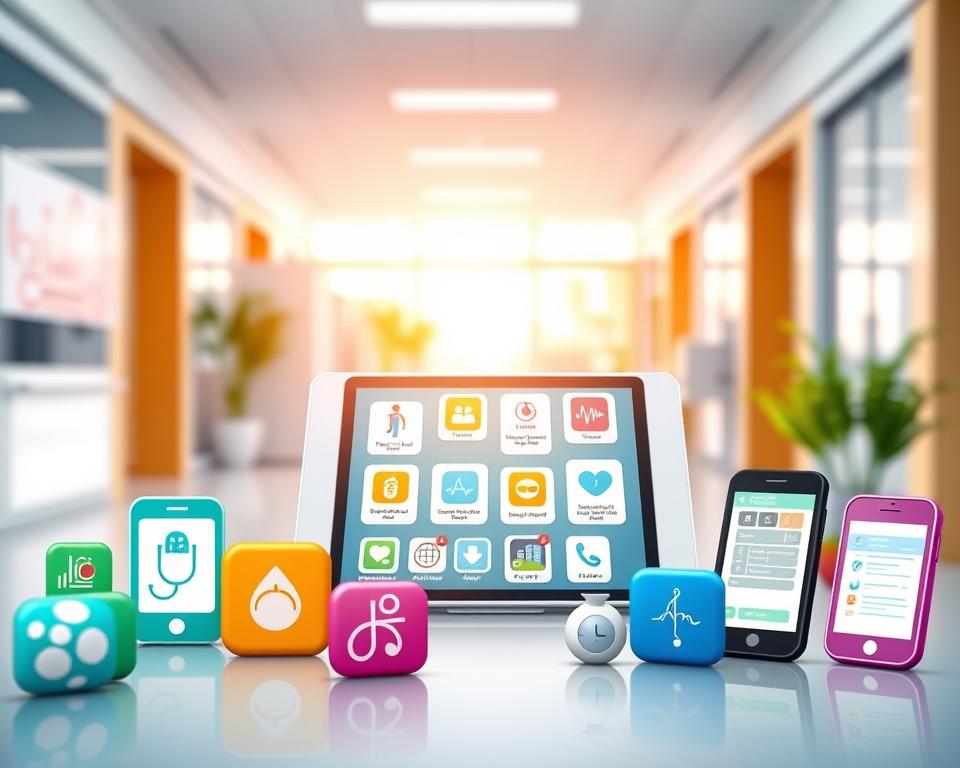
Technology has made it easier to create many healthcare apps. People want healthcare that’s easy to get, fast, and tailored to them. You can make apps for telemedicine, virtual visits, electronic health records, and more.
Telemedicine and Virtual Consultation Apps
Telemedicine apps have changed how we talk to doctors. They let you get medical advice online. This makes healthcare easier to get and helps doctors too.
Electronic Health Record Systems
Electronic Health Record (EHR) systems keep patient data safe. They store medical histories and treatment plans in one place. This helps doctors give better care by having the latest patient info.
Patient Monitoring and Management Apps
Patient monitoring apps help with chronic conditions. They let doctors track patient vital signs live. This helps doctors act fast and improve health outcomes.
Fitness and Wellness Applications
Fitness and wellness apps help you stay healthy. They offer personalized fitness plans and wellness tips. You can track your activities, plan meals, and manage stress.
There are many healthcare apps you can make. By knowing what’s possible, developers can help healthcare providers and patients more. It’s all about meeting the needs of the healthcare world.
Structuring Your Dedicated Development Team
Setting up a dedicated development team is key for a strong healthcare app. A well-organized team makes sure your project runs smoothly. It meets your business goals and follows all rules.

Core Team Roles and Responsibilities
A healthcare app team has several main roles. Developers write the code and build the app’s features. They can focus on front-end, back-end, or full-stack development.
Quality Assurance (QA) Testers check if the app works right and is bug-free. A Project Manager or Product Lead keeps the project on track and on time.
Other roles are important too. A UX/UI Designer makes the app look good and work well. A Business Analyst makes sure the app fits business needs and what users want. Knowing healthcare rules, like HIPAA, is also key.
Optimal Team Size for Different Project Scopes
The right team size depends on the project’s size and complexity. For small projects, 3-5 people might be enough. This includes a developer, QA tester, and project manager.
Bigger projects need more people. For example, if your app uses telemedicine or patient monitoring, you might need 8-10 or more. This lets you handle all parts of the app.
Adjust your team size as needed. For apps with wearable devices or AI, you might need experts in IoT or machine learning. For more on working with a dedicated team, check this resource.
Leadership and Project Management
Good leadership and project management are crucial. A skilled project manager keeps the team on track and meets deadlines. They also solve problems fast.
They make sure everyone is working together towards the project’s goals. Agile methods help teams be flexible and work in short cycles. This lets them quickly adapt and deliver parts of the app.
The Process to Hire Healthcare App Developers – Dedicated Hiring Model
Hiring dedicated healthcare app developers involves several key steps. It starts with understanding your project needs. It also includes onboarding the development team.
Define Your Project Requirements
Defining your project requirements is key to success. You need to outline the scope of work, functionalities, and technical specifications of your app. Knowing the type of app you want is crucial.
As “Understanding the specific needs of your project is crucial for finding the right talent.” A clear project scope helps in finding the right developers. It ensures they have the right expertise.
Evaluate Development Companies and Developers
After defining your project, evaluate potential developers. Look at their portfolio, experience in healthcare app development, and technical capabilities. Choose developers with similar project experience.

Evaluating thoroughly helps in finding the right candidates for your project.
Interview and Technical Assessment
Interviews and technical assessments are crucial. They help evaluate developers’ technical skills, problem-solving abilities, and understanding of your project. Prepare questions that test their knowledge and experience.
“A good developer is not just about coding skills; it’s about understanding the healthcare industry and its unique challenges.”
This step ensures you hire developers with the right technical skills and healthcare industry knowledge.
Onboarding and Integration
After selecting developers, onboard and integrate them into your team. This involves clear communication of project goals, providing necessary documentation, and setting up collaboration tools. Good onboarding leads to a successful project.
By following these steps, you can hire dedicated healthcare app developers. They will deliver a high-quality application that meets your needs.
Cost Considerations and Pricing Models
The cost of hiring dedicated healthcare app developers varies a lot. This depends on pricing models and where the developers are located. Knowing these costs is key for businesses wanting to make high-quality healthcare apps without breaking the bank.
Hourly Rates vs. Monthly Retainers
Businesses have two main pricing options: hourly rates and monthly retainers. Hourly rates are based on the time spent on a project. This is good for projects that are still being figured out. Monthly retainers offer a fixed cost for a set number of hours or services each month. This makes budgeting easier because costs don’t change.
For example, if a project’s scope is clear, a monthly retainer might be best. It keeps the project moving without the ups and downs of hourly rates. Hourly rates, however, are better for projects that need to change a lot.
Regional Cost Differences
The cost of hiring developers also depends on where they are. Developers in North America or Western Europe charge more than those in Central and Eastern Europe or Asia. This is because of differences in living costs and labor prices in these areas.
| Region | Average Hourly Rate |
|---|---|
| North America | $75-$150 |
| Central and Eastern Europe | $25-$50 |
| Asia | $15-$30 |
Hidden Costs to Consider
There are also hidden costs to think about. These include costs for project management tools, communication software, and legal or compliance fees.
Don’t forget about testing and quality assurance costs, and post-launch maintenance and updates. Including these in your budget can help avoid overspending. It also ensures your app stays successful over time.
Ensuring Quality and Performance Standards
The success of healthcare apps depends on strict quality and performance standards. It’s key to meet these standards for the app’s reliability, security, and user experience.
Code Quality and Testing Protocols
High-quality code is essential for a strong healthcare app. It means writing clean, efficient code and using thorough testing protocols to find and fix issues early.
Using unit testing, integration testing, and UI testing makes sure the app works well in different situations and with various user actions.
Performance Monitoring and Optimization
Performance monitoring is vital to make sure the app runs smoothly. It tracks important metrics like response time, throughput, and error rates.
By always improving based on these metrics, the app’s performance and user happiness can grow.
Continuous Integration and Deployment
Using Continuous Integration (CI) and Continuous Deployment (CD) helps teams release updates and new features often and reliably. CI/CD pipelines automate testing and deployment, cutting down on errors and speeding up releases.
- Automated testing checks that code changes don’t bring in new bugs.
- Regular deployments keep the app current with the latest features and security updates.
By focusing on quality standards, code quality, and performance monitoring, developers can make high-quality healthcare apps. These apps meet user needs and follow rules.
Communication and Project Management Best Practices
When you hire dedicated healthcare app developers, it’s key to have good communication and project management. This makes the development process clear, efficient, and meets your goals.
Establishing Clear Communication Channels
Good communication is the base of successful project management. It means setting up the right ways to share information, like regular meetings and email updates. Using both synchronous and asynchronous communication helps meet everyone’s needs and keeps everyone on the same page.
To do this, try these strategies:
- Have regular video conferences for team meetings and updates.
- Use tools like Slack or Microsoft Teams for quick chats.
- Have a central place for all project info.
Agile Methodology Implementation
Agile methods are key in software development, including healthcare apps. Agile’s iterative approach makes it flexible, adaptable, and always improving. It breaks the work into sprints, so teams can focus on small parts of the app quickly.
Agile’s main parts include:
- Creating a project backlog and setting priorities.
- Planning sprints and having daily meetings.
- Reviewing sprint progress and making changes based on feedback.
Regular Reporting and Transparency
Regular reports are crucial for keeping trust and transparency with the team and stakeholders. Clear reporting means giving updates on project status, milestones, and any issues. This can be weekly or bi-weekly, depending on the project.
To be more transparent, think about:
- Using project management tools for real-time updates.
- Letting stakeholders see project dashboards.
- Having regular meetings to talk about progress and solve problems.
By following these communication and project management tips, you can make the development process smoother. This leads to better teamwork, a higher quality product, and a successful project.
Intellectual Property Rights and Legal Considerations
When you hire dedicated healthcare app developers, it’s key to talk about intellectual property rights and legal stuff. This helps keep your app safe and sound. You need to know the laws that protect your app’s special features. Also, make sure working with developers doesn’t hurt your intellectual property.
Ownership and Confidentiality Agreements
Setting up clear ownership and confidentiality agreements is a big deal. These agreements make sure your company owns the app’s intellectual property. They also keep your secret stuff under wraps.
Key elements of ownership agreements include:
- Clear definition of what constitutes intellectual property
- Assignment of ownership to your company
- Provisions for handling pre-existing IP
Non-Disclosure Agreements
Non-Disclosure Agreements (NDAs) are super important. They keep your app’s idea, design, and other secret stuff from getting out. An NDA makes sure developers know they can’t share your secrets.
Best practices for NDAs include:
- Specifying the scope of confidential information
- Defining the duration of confidentiality obligations
- Outlining the consequences of breaching the NDA
To show why these agreements matter, let’s look at a comparison:
| Agreement Type | Purpose | Key Provisions |
|---|---|---|
| Ownership Agreement | Establishes IP ownership | IP definition, ownership assignment |
| Non-Disclosure Agreement | Protects confidential information | Scope of confidentiality, duration, breach consequences |
By using these legal steps, you can protect your healthcare app’s intellectual property. This keeps you ahead in the market.
Long-Term Maintenance and Support
Long-term maintenance and support are key for healthcare apps. They keep apps working well and safe. In the fast-changing world of healthcare tech, apps need regular updates to stay current and follow new rules.
Keeping an app running smoothly is a big job. It includes fixing problems and making it better over time. This work is crucial for the app’s success.
Post-Launch Support Services
Post-launch support is very important. It makes sure the app meets user needs and works without big problems. Key parts of this support are:
- Watching how the app performs and what users say
- Quickly answering user questions and fixing issues
- Updating the app to fix bugs and make it better
Updates and Feature Enhancements
Keeping the app updated and adding new features is key. This makes the app better and keeps it competitive. It includes:
- Adding new features to make the app better for users
- Improving features based on what users say and how the app works
- Making sure the app works with new devices and systems
A good update plan makes the app better and keeps users happy and coming back.
Technical Support and Bug Fixes
Technical support is crucial for fixing problems users find. This includes:
- Quickly and effectively solving technical issues
- Fixing bugs to stop them from happening again
- Helping users use the app right to avoid mistakes
| Support Service | Description | Benefits |
|---|---|---|
| Post-Launch Support | Monitoring, issue resolution, and updates | Ensures application stability and user satisfaction |
| Updates and Enhancements | New features, improvements, and compatibility updates | Enhances functionality, user experience, and competitiveness |
| Technical Support | Issue resolution, bug fixes, and user guidance | Reduces downtime, improves user experience, and builds trust |
In conclusion, long-term maintenance and support are vital for healthcare apps to succeed. By focusing on post-launch support, updates, and technical help, developers can keep their apps useful, safe, and up-to-date in the fast-changing world of healthcare tech.
Red Flags to Avoid When Hiring Healthcare Developers
When you’re looking to hire healthcare developers, it’s important to watch out for red flags. The healthcare world is very strict, and mistakes can cause big problems. It’s key that your team knows and follows these rules.
Lack of Healthcare Experience
One big warning sign is hiring developers who don’t know healthcare. They need to understand medical workflows, rules, and what healthcare providers need. Without this knowledge, they might not do a good job.
Signs they might not know healthcare include:
- They don’t know about healthcare rules like HIPAA
- They don’t get medical terms and how things work in healthcare
- They don’t have any projects that show they’ve worked on healthcare apps before
A healthcare IT expert said, “Knowing healthcare isn’t just about coding. It’s about knowing the healthcare world well.”
“The best healthcare apps are those developed with a deep understanding of the clinical environment and the needs of healthcare professionals.”
Poor Communication and Transparency
Good communication is key for any project to succeed. Bad communication can cause misunderstandings, delays, and a product that’s not what you wanted. It’s also important to be open about how things are going, how long it will take, and how much it will cost.
Signs of bad communication include:
- They don’t answer questions or updates on time
- They don’t give clear plans or deadlines
- They don’t share how the project is going
A study showed that clear communication can make projects up to 30% more successful. It’s important to make sure your team talks openly and clearly.
Inadequate Security Measures
In healthcare, keeping data safe is the top priority. If security is not good enough, patient data could be at risk. This could lead to big legal and reputation problems. It’s very important to make sure your team focuses on security.
Signs of bad security include:
- They don’t use encryption for data
- They don’t have good ways to control who can access things
- They don’t follow important security rules
Security experts say, “Security should be thought of from the start, not just added later.” Having strong security from the beginning can stop big problems later on.
Conclusion
Hiring dedicated healthcare app developers can really boost your app’s development and upkeep. This model lets businesses tap into the skills of experts in healthcare tech. They know the ins and outs of the field.
This method has many pluses. You get full control over the project, it’s cost-effective, and you can grow your team as needed. Plus, you can talk directly with your developers. This makes sure your app is exactly what your healthcare organization needs.
Thinking about making a healthcare app? It’s key to consider hiring dedicated developers. This way, your app will be top-notch, follow all rules, and easy for users. It will also keep up with the healthcare world’s changing needs.