





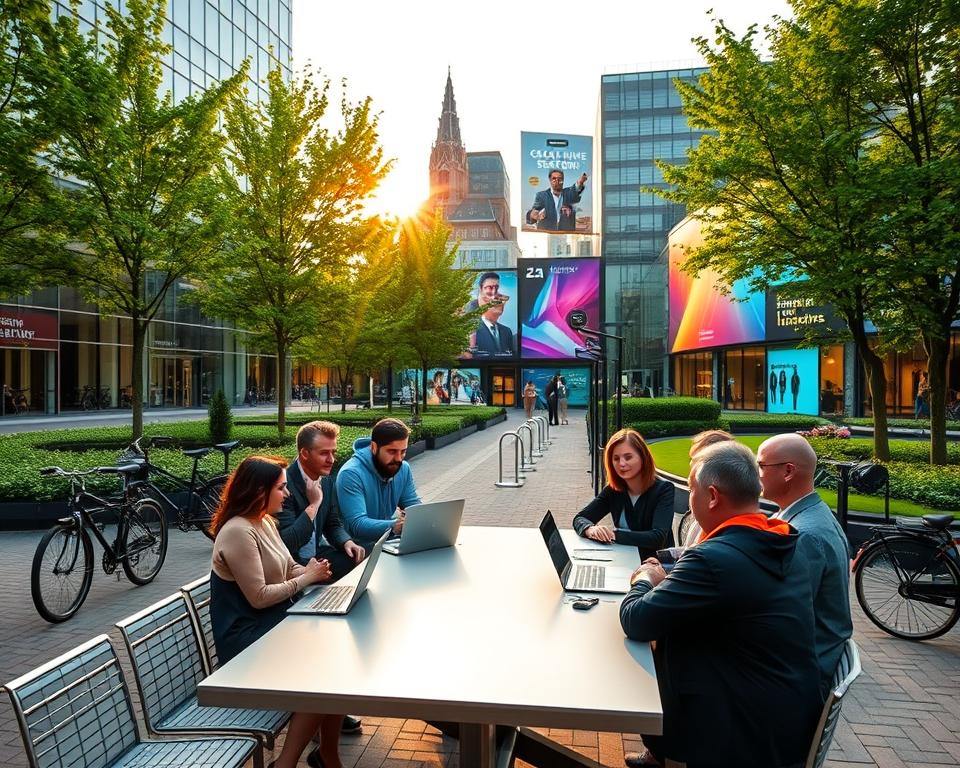
The Netherlands is now a thriving tech hub. It attracts businesses wanting to grow their tech teams. The country’s innovative vibe and business-friendly environment make it perfect for companies to build dedicated development teams.
A dedicated development team brings many benefits. These include better teamwork, higher product quality, and quicker releases. By hiring developers in the Netherlands, companies can access local talent and use the country’s strong tech network.
Table of Contents
Key Takeaways
- The Netherlands is known for its innovative culture and thriving tech ecosystem.
- Hiring a dedicated development team can improve teamwork and product quality.
- The local talent pool in the Netherlands offers a wealth of skilled developers.
- Businesses can scale their tech capabilities by leveraging the Netherlands tech hub.
- A dedicated team can lead to faster time-to-market for products and services.
Why the Netherlands Is a Leading Tech Hub for Software Development
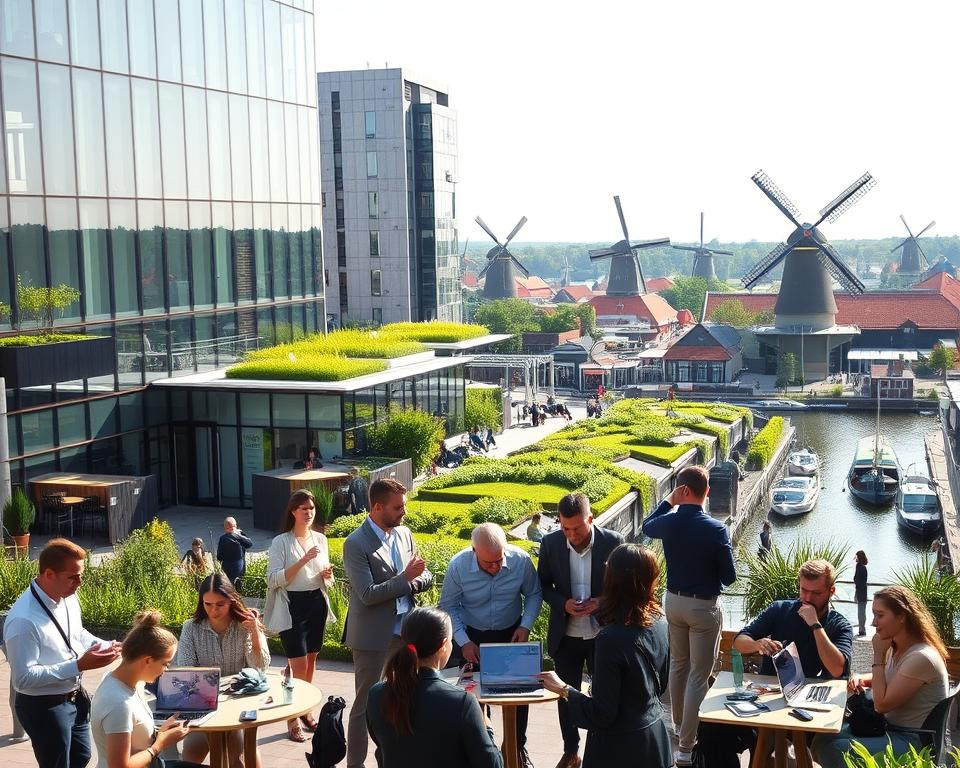
The Netherlands is quickly becoming a top tech hub in Europe. It has the right mix of innovation and technology growth. Cities like Amsterdam, Eindhoven, and Rotterdam are seeing more tech startups and scale-ups.
Thriving Tech Ecosystem and Innovation Culture
The Netherlands has a thriving tech ecosystem with a focus on innovation and teamwork. It has many tech incubators, accelerators, and co-working spaces. These places help startups grow. Big tech events and conferences also attract tech experts and entrepreneurs.
The country’s innovation culture is all about sharing ideas and working together. Businesses, universities, and government institutions collaborate. This teamwork leads to new technologies and products.
Access to Top-Tier Universities and Research Institutions
The Netherlands has some of the best universities and research centers. They are known for STEM fields. These places produce skilled graduates for the tech industry.
These educational institutions are close to tech hubs. This makes it easy to share knowledge and talent. Tech companies find it easy to find skilled workers in the Netherlands.
Government Support for Technology and Startups
The Dutch government helps the tech industry a lot. It offers funding, tax breaks, and digital infrastructure investments. These efforts make it easier for tech companies to start and grow.
The government also makes it easy to do business. Its policies and rules are friendly to innovation. This support is key for tech startups and big companies to succeed.
Understanding the Dedicated Development Team Model
Companies face many challenges in software development. The dedicated team model is key to success. It involves a team of experts who focus on one project, offering flexibility and growth.
What Is a Dedicated Development Team
A dedicated team is a group of skilled people. They include developers, designers, and project managers. They work only on one project for a client, making sure it gets done right.
This model lets businesses grow their development team as needed. It’s great for companies with changing project needs or those exploring new markets.

How Dedicated Teams Differ from Other Hiring Models
Dedicated teams are different from other models like staff augmentation or project-based teams. Staff augmentation adds extra developers to an existing team. Dedicated teams, however, are a complete unit that works on a project from start to end.
Project-based teams work on a specific project with a clear scope and timeline. Dedicated teams, though, can adjust to changing project needs and work together for a longer time.
Key differences between dedicated teams and other hiring models:
- Flexibility and Scalability: Dedicated teams can grow or shrink as needed.
- Project Ownership: Dedicated teams are fully committed to the project’s success, working closely with the client.
- Long-term Collaboration: Dedicated teams work together for a longer time, leading to deeper understanding and collaboration.
When to Choose a Dedicated Team Approach
Choosing a dedicated team is smart in many situations:
| Scenario | Benefits of Dedicated Team |
|---|---|
| Complex, Long-term Projects | Ensures continuity and deep understanding of the project’s evolving needs. |
| Fluctuating Project Demands | Allows for scaling up or down to meet changing project requirements. |
| Need for Specialized Skills | Enables access to a team with the right mix of specialized skills and expertise. |
Understanding the dedicated team model helps businesses make better choices for their software development. It offers flexibility, expertise, and growth that dedicated teams provide.
Key Advantages of Hiring Developers in the Netherlands
The Netherlands is a great place to hire developers. It has the right mix of technical skills and cultural fit. This makes it perfect for businesses wanting to grow their tech teams.
Exceptional English Proficiency and Communication Skills
One big plus of hiring developers in the Netherlands is their great English skills. Most Dutch people speak English very well. This makes working with teams from other countries easy and smooth.
Key statistics: The Netherlands is always among the top in English language skills, according to the EF English Proficiency Index.
Strong Technical Education and Professional Training
The Netherlands is known for its top-notch technical education. It has great universities and schools for computer science and engineering. This means graduates are ready to tackle the tech world.

Innovation-Driven Business Culture and Mindset
The Dutch business scene is all about being innovative and entrepreneurial. It’s a place where creativity and trying new things are encouraged. This is thanks to a strong startup scene and government support for tech.
Strategic Geographic Location and Time Zone Compatibility
The Netherlands is perfectly located in Europe. It’s great for businesses that want to reach both European and global markets. Its time zone works well with other major European countries, making teamwork easy. Plus, it’s close to big transportation hubs, making travel and logistics simple.
| Advantage | Description | Benefit |
|---|---|---|
| English Proficiency | High level of English language skills among the population | Seamless communication and collaboration |
| Technical Education | Rigorous technical programs in universities and schools | Steady supply of highly skilled developers |
| Innovative Culture | Collaborative environment promoting creativity and innovation | Encourages adoption of new technologies and business models |
| Geographic Location | Strategic location in Europe with good transportation links | Facilitates real-time collaboration and efficient logistics |
Technical Expertise Available in the Dutch Developer Market
The Dutch developer market is known for its technical skills. It offers a wide range of abilities in different programming languages and technologies. Dutch developers are in high demand for their expertise in many technical areas.
Popular Programming Languages and Frameworks
The Netherlands is a leader in programming languages and frameworks. It meets the needs of various projects. Key areas of skill include:
Frontend Development Technologies
- JavaScript frameworks like React, Angular, and Vue.js
- CSS preprocessors such as Sass and Less
- UI component libraries like Bootstrap and Material-UI
These technologies help in making web applications responsive and user-friendly.
Backend and Full-Stack Capabilities
- Server-side languages like Java, Python, and Ruby
- Frameworks such as Spring, Django, and Ruby on Rails
- Database management systems including MySQL, PostgreSQL, and MongoDB
Backend and full-stack developers in the Netherlands are skilled in creating robust, scalable server-side architectures.

Specialized Technology Domains and Niches
Dutch developers have expertise in specialized technology domains, including:
Cloud Computing and DevOps
- AWS, Azure, and Google Cloud Platform
- Containerization using Docker and Kubernetes
- CI/CD pipeline implementation and management
These skills enable the development of cloud-native applications and efficient DevOps practices.
Artificial Intelligence and Machine Learning
- TensorFlow, PyTorch, and Keras for ML model development
- Data preprocessing and feature engineering
- AI-driven solution architecture
Dutch developers are at the forefront of AI and ML innovation. They apply these technologies across various industries.
Emerging Technologies and Digital Innovation
The Netherlands is also a hub for emerging technologies. Developers actively explore and implement:
- Blockchain technology for secure, decentralized applications
- Internet of Things (IoT) development for connected devices
- Progressive Web Apps (PWAs) for enhanced user experiences
These emerging technologies drive digital innovation. They open new avenues for business growth.
Cost Analysis: Developer Salaries and Hiring Expenses in the Netherlands
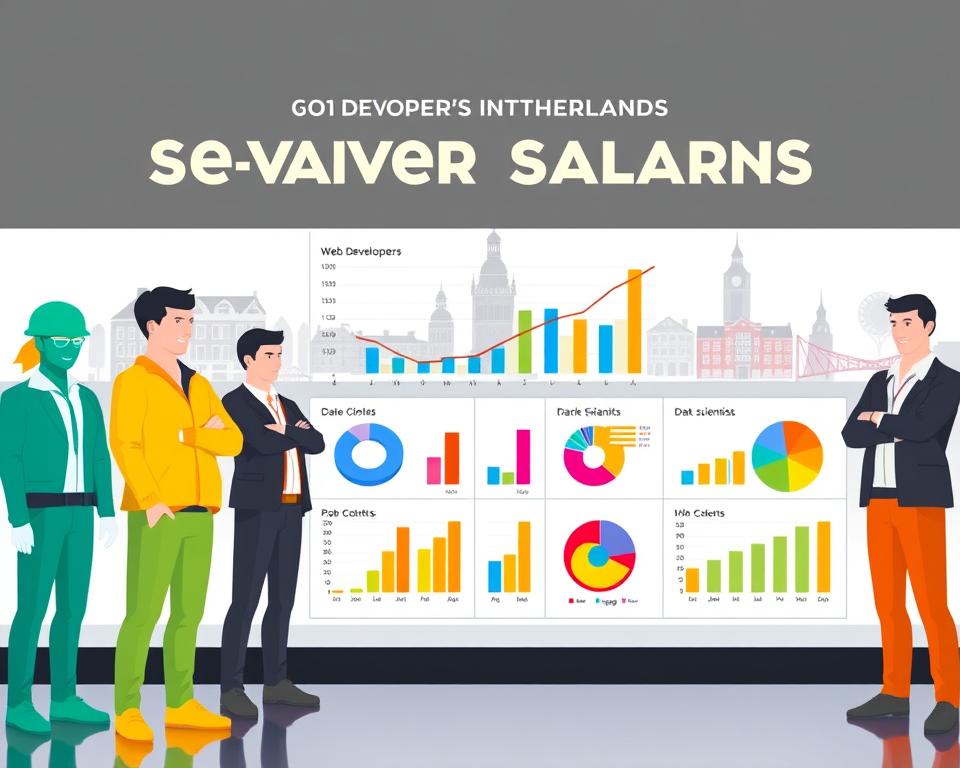
When businesses think about hiring developers, they need to look at the costs. Salaries and hiring expenses in the Netherlands vary. This depends on experience, location, and the tech needed.
Average Developer Salary Ranges by Experience Level
Developer salaries in the Netherlands are competitive. They change based on experience. Here’s a look at average salary ranges:
| Experience Level | Average Annual Salary (€) | Average Hourly Rate (€) |
|---|---|---|
| Junior (0-3 years) | 35,000 – 45,000 | 20 – 25 |
| Mid-level (4-7 years) | 50,000 – 70,000 | 30 – 40 |
| Senior (8-12 years) | 80,000 – 100,000 | 45 – 60 |
| Lead/Architect (13+ years) | 110,000 – 140,000 | 65 – 80 |
Additional Employment Costs and Mandatory Benefits
There are more costs than just the salary when hiring developers in the Netherlands. These include:
- Employer’s social security contributions: about 17.9% of the gross salary.
- Pension contributions: usually around 2% of the gross salary, but it can vary.
- Other benefits like health insurance, paid vacation, and flexible work hours.
As noted by
“The Dutch labor market is known for its flexibility and the balance it strikes between work and personal life,”
It’s key to understand these extra costs.
Cost Comparison with Other European Countries and the United States
The Netherlands has competitive developer salaries compared to other European countries and the United States. Here’s a quick comparison:
| Country | Average Annual Salary for Mid-level Developers (€) |
|---|---|
| Netherlands | 50,000 – 70,000 |
| Germany | 45,000 – 65,000 |
| UK | 40,000 – 60,000 |
| United States | 60,000 – 100,000 |
It’s important for businesses to understand these costs when hiring developers in the Netherlands. By looking at both direct and indirect costs, companies can make better hiring decisions.
Legal Requirements for Hiring Developers in the Netherlands
It’s important for businesses to know the legal rules when hiring developers in the Netherlands. Following local laws helps avoid problems and makes hiring easier.
Dutch Employment Laws and Labor Regulations
The Netherlands has strict employment laws to protect everyone. Key points include:
- Employment Contracts: Contracts must be written and include job details, salary, and hours.
- Working Hours: The standard week is 36-40 hours, with rules for overtime.
- Minimum Wage: There’s a minimum wage that changes with age.
- Annual Leave: Employees get at least 20 days off each year.

Tax Obligations and Social Security Contributions
Employers in the Netherlands must follow tax and social security rules. This includes:
- Payroll Taxes: Employers pay taxes for social security benefits.
- Income Tax: Employees’ income is taxed, with employers handling the withholding.
- Social Security Contributions: Both sides contribute to social security.
Work Permits and Visa Requirements for International Companies
Companies hiring developers from outside the EU/EEA need work permits and visas. The steps are:
- Work Permit Application: Employers apply for a work permit for the employee.
- Visa Application: Employees may need a visa to enter and live in the Netherlands.
- Residence Permit: For longer stays, employees might need a residence permit.
Intellectual Property Rights and Contract Agreements
Protecting intellectual property (IP) is key when hiring developers. This means:
- Clear Contract Agreements: Contracts should clearly state IP ownership and usage rights.
- Non-Disclosure Agreements (NDAs): NDAs protect sensitive information shared with developers.
- IP Assignment Clauses: These clauses make sure IP created during employment belongs to the employer.
By following these legal steps, businesses can hire developers in the Netherlands successfully. This sets a solid base for their projects.
Hire Developers in Netherlands – Dedicated Team Guide: Step-by-Step Process
To build a successful dedicated development team in the Netherlands, follow this step-by-step guide. It covers everything from project requirements to team onboarding.
Step 1: Define Your Project Requirements and Team Composition
Defining your project requirements is the first and most crucial step. This involves outlining the scope of your project, the technologies required, and the specific skills needed. It’s essential to determine the size and composition of your team, including the roles and responsibilities of each member.
Key considerations: Identify the project’s objectives, timelines, and budget. Determine the necessary technical skills and expertise. Decide on the team size and structure.
Step 2: Choose the Right Hiring Partner or Recruitment Strategy
Selecting the right hiring partner or recruitment strategy is vital. You can either work with a recruitment agency, use job boards, or leverage professional networks. Each approach has its advantages and should be chosen based on your project’s specific needs.
- Recruitment agencies have access to a vast pool of qualified candidates.
- Job boards are effective for reaching a wide audience.
- Professional networks can provide high-quality referrals.
Step 3: Screen and Interview Qualified Candidates
Once you have a pool of candidates, the next step is to screen and interview them. This process involves evaluating their technical skills, experience, and cultural fit. It’s crucial to use a combination of technical assessments and personal interviews to get a comprehensive view of each candidate.
Effective interviewing techniques: Use a mix of behavioral and technical questions. Assess problem-solving skills and teamwork experience.
Step 4: Onboard Your Dedicated Development Team
After selecting your team members, the onboarding process begins. This step is critical for integrating new hires into your project and ensuring they have the necessary resources to succeed. A well-structured onboarding process can significantly impact the team’s productivity and job satisfaction.
Onboarding best practices: Provide clear project documentation and expectations. Offer training and support. Foster a positive team culture.
Step 5: Establish Communication Protocols and Management Structure
Effective communication is the backbone of any successful team. Establishing clear communication protocols and a management structure helps in avoiding misunderstandings and ensures that the project progresses smoothly. Regular meetings, clear task assignments, and open feedback channels are essential.

Key elements: Regular team meetings. Clear task assignments. Open feedback channels.
Comparing Hiring Models: Dedicated Teams vs Freelancers vs In-House
Choosing between dedicated teams, freelancers, and in-house developers affects your project’s success. Each option has its pros and cons, based on your project’s needs, budget, and future plans.

Dedicated Teams: Benefits and Drawbacks
Dedicated teams offer a good mix. They give you a team focused on your project. The good points are:
- Focused expertise: A team with diverse skills dedicated to your project.
- Flexibility: Easier to scale up or down as project needs change.
- Long-term collaboration: Develops a deeper understanding of your business goals.
But, there are downsides to consider:
- Cost commitment: Requires a longer-term financial commitment.
- Management overhead: Needs ongoing management to ensure productivity.
Freelance Developers: When They Make Sense
Freelancers are great for specific needs or short-term projects. The benefits include:
- Project-based cost: You pay only for the work needed.
- Specialized skills: Access to experts for particular tasks or technologies.
- Flexibility: Easy to bring on or let go as project demands fluctuate.
But, freelancers might not fit for:
- Long-term projects: Continuity can be an issue if the freelancer is not available long-term.
- Complex projects: May require more coordination and management.
In-House Teams: Cost and Long-Term Commitment Factors
In-house teams are your company’s employees. They offer several benefits:
- Direct control: Complete oversight of the development process.
- Cultural integration: Team members are fully integrated into your company culture.
- Long-term continuity: Ensures continuity for ongoing projects.
But, there are big considerations:
- High upfront costs: Recruitment, training, and equipment expenses.
- Long-term commitment: Employment laws and costs associated with maintaining staff.
- Specialized HR and management: Requires dedicated resources for team management.
In conclusion, the choice between dedicated teams, freelancers, and in-house teams depends on your project’s specific needs, budget constraints, and long-term goals. By understanding the benefits and drawbacks of each hiring model, you can make an informed decision that aligns with your business objectives.
Top Cities in the Netherlands for Hiring Tech Talent
The Netherlands is a hotspot for tech talent. It has many thriving tech hubs. Each city has its own strengths and specializations.
Amsterdam: The Tech Capital and Innovation Center
Amsterdam is at the heart of the Netherlands’ tech scene. It’s full of startups, scale-ups, and big tech companies. The city is all about innovation, with lots of tech events and meetups.
Amsterdam’s tech talent is diverse. You’ll find experts in software development, data science, and cybersecurity.
Eindhoven: The Brainport and Hardware Hub
Eindhoven is known for its hardware skills, earning it the “Brainport” nickname. It’s a hub for tech companies, especially in IoT, robotics, and semiconductors. The city’s universities and research centers provide skilled engineers and technicians.
Rotterdam and Utrecht: Emerging Technology Ecosystems
Rotterdam and Utrecht are becoming big tech players. Rotterdam focuses on smart logistics and city tech. Utrecht is home to many tech startups and scale-ups.
Both cities offer a more affordable option than Amsterdam. Yet, they still have access to top tech talent.
Other Notable Tech Locations
Other Dutch cities like Groningen and Enschede are growing their tech scenes. Groningen is big on data science and AI. Enschede has a lively community of tech startups and entrepreneurs.
| City | Tech Specialization | Talent Pool |
|---|---|---|
| Amsterdam | Software Development, Data Science, Cybersecurity | Diverse, with a high concentration of tech professionals |
| Eindhoven | Hardware Development, IoT, Robotics | Strong in engineering and technical fields |
| Rotterdam | Logistics, Smart City Technologies | Growing tech community with a focus on innovation |
| Utrecht | Software Development, Fintech | Emerging tech hub with a growing startup scene |

In conclusion, the Netherlands has many cities for hiring tech talent. Each city has its own strengths. By knowing what each city offers, businesses can choose the best place for their teams.
Industries and Use Cases for Dutch Dedicated Development Teams
Dutch dedicated development teams are great at working in many industries. They are experts in fintech and SaaS. This makes them very useful for companies wanting to grow and innovate.
Fintech and Financial Services Applications
Dutch teams are skilled in fintech. They make secure and scalable apps for banking and payments. They also work on mobile banking, digital wallets, and blockchain solutions.
E-commerce and Retail Technology Solutions
In e-commerce, Dutch developers build strong online stores and inventory systems. They help create smooth shopping experiences online and offline. For more info on hiring e-commerce developers, check out Next Big Technology.
Healthcare and Medical Technology Platforms
Dutch teams are also big in healthcare. They make telemedicine platforms and electronic health records. Their work helps improve patient care and makes healthcare services more efficient.
SaaS Products and Enterprise Software Development
Dutch developers are experts in SaaS and enterprise software. They create cloud-based solutions for businesses. They focus on making software that is secure, reliable, and easy to use.
Using Dutch dedicated development teams can help businesses innovate and stay ahead. They improve efficiency and competitiveness in their markets.
Common Challenges When Hiring Dutch Developers and How to Overcome Them
Hiring Dutch developers can be tough. It’s filled with challenges that might affect your project’s success. It’s key to know these hurdles and how to tackle them if you want to hire the best in the Netherlands.
High Competition for Top Technical Talent
The Dutch tech scene is very competitive. Many companies are after the same skilled developers. To get noticed, you must offer good salaries, benefits, and chances for growth.
Strategies to Attract Top Talent:
- Offer competitive compensation packages
- Provide opportunities for professional growth
- Foster a positive company culture
Salary Expectations and Budget Management
Managing salaries is key when hiring Dutch developers. Hiring in the Netherlands can be pricey. You need to balance your budget with the need to attract the best talent.
| Experience Level | Average Salary Range (€) |
|---|---|
| Junior Developer | 35,000 – 45,000 |
| Mid-Level Developer | 50,000 – 70,000 |
| Senior Developer | 80,000 – 100,000 |
Cultural and Business Practice Differences
Cultural differences can affect your hiring and team management. Dutch developers like direct talk, simple structures, and a good work-life balance.
“The Dutch are known for their directness and love of clear, concise communication. Understanding and adapting to this cultural nuance can significantly improve your team’s dynamics and productivity.”
Remote Team Coordination and Management
Remote work is becoming more common. Managing a team from afar needs good communication tools and strategies.
To manage a remote team well, use strong project management tools. Also, have regular meetings to keep everyone on the same page and working towards the same goals.
Best Practices for Managing Your Dedicated Team in the Netherlands
To manage a dedicated team in the Netherlands well, focus on clear communication, performance checks, and team engagement. Good management means using several key strategies. These can greatly help your project succeed.
Establishing Clear Communication Channels and Expectations
Good communication is key for any team. For a dedicated team in the Netherlands, it’s vital to have open and clear communication. This can be done through:
- Regular team meetings and updates
- Using tools like Slack or Microsoft Teams for collaboration
- Setting clear project goals and expectations
Henrik, a project manager at a Dutch IT firm, says, “Clear communication stops misunderstandings and keeps everyone on the same page.”
Setting Performance Metrics and Key Performance Indicators
To check your team’s performance, set measurable goals and KPIs. This lets you see how you’re doing, find areas to get better, and make smart choices.
| Performance Metric | Description | Target Value |
|---|---|---|
| Code Quality | Number of bugs per thousand lines of code | < 5 |
| Project Timeliness | Percentage of tasks done on time | > 90% |
| Team Velocity | Average story points completed per sprint | > 20 |
Building Team Culture and Engagement Across Borders
Creating a strong team culture is essential, especially for remote or dedicated teams. This means:
- Planning virtual team-building activities
- Encouraging feedback and open talks
- Celebrating team wins
Providing Professional Growth and Development Opportunities
It’s important to give your team chances to grow and develop. This can include:
- Training and certification programs
- Mentorship programs
- Help with career planning
By following these best practices, you can manage your dedicated team in the Netherlands well. This will help your project succeed.
Essential Tools and Technologies for Remote Team Collaboration
Remote work has made us need special tools for team work. Software development is now global, so we need better ways to work together. Here, we’ll look at the key tools and technologies for remote teams to collaborate well.
Project Management and Task Tracking Platforms
Managing projects well is key for remote teams. Tools like Jira and Trello are must-haves for tracking tasks and managing projects. They help teams organize their work, set deadlines, and see how they’re doing.
- Jira: Great for complex projects, with advanced features for tracking and managing.
- Trello: Uses a Kanban board, giving a clear view of tasks and projects.
For more on hiring app and web development experts, check out this guide.
Communication and Video Conferencing Solutions
Good communication is vital for remote teams. Tools like Slack and Zoom have changed how we talk. Slack lets teams chat in real-time, share files, and connect with other tools. Zoom offers top-notch video calls.
| Tool | Primary Use | Key Features |
|---|---|---|
| Slack | Real-time communication | Channels, file sharing, integrations |
| Zoom | Video conferencing | High-quality video, screen sharing, recording |
Code Collaboration and Version Control Systems
For software teams, working on code together is crucial. GitHub and GitLab are top choices for managing code, reviewing it, and working together. They let many developers work on the same project at the same time without problems.
In summary, the right tools make remote team work better. With project management, communication, and code tools, teams can work well together, no matter where they are.
Cultural Considerations and Work Style in Dutch Business Environment
Knowing the Dutch business culture is key to hiring and managing a team in the Netherlands. The Dutch way of doing business has unique aspects that affect teamwork and operations.
Direct Communication Style and Flat Organizational Hierarchies
The Dutch are known for their direct communication. In business, this means clear and to-the-point talks. They value simplicity over complexity in both writing and speaking.
Key aspects of direct communication in Dutch business culture include:
- Clear and concise messaging
- Minimal use of jargon or overly complex language
- Direct feedback and constructive criticism
The Dutch also prefer flat organizational structures. This means fewer management levels and more distributed decision-making. Teams can be more agile and quick to adapt.
Work-Life Balance and Flexible Working Arrangements
The Netherlands is famous for its work-life balance. Employees enjoy a good mix of work and personal life. They work 36-40 hours a week and get generous vacation time. This leads to happier and more productive workers.
| Aspect | Description |
|---|---|
| Work Hours | Typically 36-40 hours per week |
| Vacation Time | Minimum of 20 days annually, plus public holidays |
| Flexible Working | Common practice, allowing for better work-life balance |
Meeting Culture and Consensus-Based Decision Making
In Dutch business, meetings are crucial for making decisions. They are well-organized with clear agendas and expected outcomes. The Dutch aim for consensus, encouraging everyone to contribute until a decision is made.
This approach to decision-making can sometimes be more time-consuming, but it leads to more robust and widely supported decisions.
By understanding and embracing these cultural aspects, businesses can better manage their teams in the Netherlands. This leads to better teamwork and project success.
How to Find and Vet Reliable Development Partners in the Netherlands
Finding the right development partner in the Netherlands is key to your tech success. It’s important to look for someone who shares your goals and values. The search involves several important steps.
Key Criteria for Evaluating IT Outsourcing Companies
When looking at IT outsourcing companies in the Netherlands, focus on these key points:
- Technical Capabilities: Check if they know the tech you need and can handle big projects.
- Industry Experience: Choose a partner with experience in your field or niche.
- Certifications and Compliance: Look for certifications like ISO 9001 and follow industry standards.
- Cultural Fit: See if their way of communicating and culture match yours.
Essential Questions to Ask Potential Partners
Ask these questions to get to know potential partners better:
- Can you show examples of similar projects you’ve done?
- What’s your development process, and how do you ensure quality?
- How do you manage projects and communicate?
- What security and data protection measures do you have?
- How do you grow your team, and can you adapt to project changes?
Checking References and Reviewing Portfolio Projects
Checking references and looking at their past projects is vital. It shows their:
- Track Record: Successes and challenges in past projects.
- Technical Skills: Their real-world project work shows their expertise.
- Client Satisfaction: Feedback from past clients gives insight into their reliability.
Contract Negotiation and Service Level Agreements
After finding a good partner, it’s time to negotiate a contract. Focus on these important parts:
- Scope of Work: Clearly outline the project’s goals, timelines, and what needs to be done.
- Payment Terms: Set up a payment plan that matches project milestones.
- Service Level Agreements (SLAs): Define the service quality, response times, and how to solve problems.
- Termination Clauses: Explain when the contract can end.
By carefully choosing partners, asking the right questions, and making detailed contracts, you can build a strong partnership. This partnership will help move your tech projects forward.
Getting Started: Your Action Plan for Hiring Dutch Developers
To successfully build a dedicated team in the Netherlands, you need a solid plan. This plan will help you hire the right talent and ensure your project runs smoothly.
Immediate Steps to Take Today
First, clearly define your project needs. This includes the technical skills required, the team size, and the project’s scope. It’s also key to understand the hiring process in the Netherlands.
- Define your project needs and team composition
- Research potential hiring partners or recruitment agencies
- Prepare a detailed job description and requirements
Realistic Timeline Expectations for Team Formation
Building a dedicated team takes time. It’s important to have realistic expectations about the timeline. The process can take from a few weeks to a few months, depending on your project’s complexity and the talent available.
| Team Size | Average Time to Form |
|---|---|
| Small (1-3 members) | 2-6 weeks |
| Medium (4-7 members) | 6-12 weeks |
| Large (8+ members) | 3-6 months |
Resources and Support Networks Available
There are many resources to help you hire Dutch developers. These include recruitment agencies, professional networks, and online platforms.
By using these resources and a structured plan, you can build a dedicated team in the Netherlands. This will help you achieve your project goals.
Conclusion
The Netherlands is a top tech hub, known for its innovative culture and business-friendly environment. It’s a great place to hire developers for dedicated teams.
By following our guide, businesses can find top talent in the Netherlands. They offer great English skills, strong technical education, and a culture that encourages new ideas. The country’s location and time zone are perfect for working with global teams.
To hire developers in the Netherlands, you need to know the local laws and taxes. Choosing the right partner and setting clear communication is key to a successful team.
The Netherlands is a great choice for companies looking to build dedicated teams. It has a rich tech scene, an innovative culture, and a business-friendly environment. It’s the perfect place for businesses to grow.