






The modern business world is changing fast, with remote work playing a big role. As tech gets better, companies are looking to build top teams without being in the same place.
A study by Upwork found that 73% of all departments will have remote workers by 2028. This change shows how crucial it is to have a good guide for setting up remote teams. Especially when you’re looking to hire remote developers in places like the UAE.
Setting up a remote team in the UAE has many benefits. You get to tap into a wide range of talents and enjoy more flexibility in your business. But, it also comes with its own set of challenges that need careful planning and action.
Table of Contents
Key Takeaways
- Understand the benefits and challenges of remote work in the UAE.
- Learn how to build a diverse and skilled remote team.
- Discover strategies for effective remote team management.
- Explore the importance of cultural localization in remote team setup.
- Gain insights into the future of remote work and its impact on businesses.
Why UAE Is a Strategic Hub for Hiring Remote Developers
The UAE is a top spot for hiring remote developers. It has a mix of cultural diversity and tech progress. This makes it perfect for businesses wanting to grow their tech teams.
Geographic and Time Zone Advantages
The UAE’s location is great for working with Europe and Asia. Its time zone, GMT+4, matches well with big business centers. This makes talking and working together easy.
For example, it works well with Europe in the morning and Asia in the late afternoon.

Access to Multicultural Talent Pool
The UAE has a multicultural talent pool. People from all over bring different skills and views. This makes the talent pool rich and varied.
International universities and training centers add to the pool of skilled workers.
| Nationality | Percentage in Workforce | Key Skills |
|---|---|---|
| Indian | 35% | Software Development, IT |
| Pakistani | 20% | Engineering, Finance |
| Emirati | 15% | Business Management, Marketing |
Advanced Technology Infrastructure
The UAE has state-of-the-art technology infrastructure. It has top-notch networks, data centers, and innovation hubs. This setup helps remote teams work smoothly and securely.
The UAE is an attractive hub for hiring remote developers. It offers strategic benefits, diverse talent, and advanced tech.
Understanding the UAE Tech Talent Landscape
The UAE is a top spot for tech talent, with a wide range of developers. Its strategic location, business-friendly environment, and tech investments make it perfect for a skilled workforce. This makes the UAE a great place for companies to hire remote developers with special skills.
Most In-Demand Developer Specializations
In the UAE, certain developer skills are in high demand. This is because the tech scene is always changing. Here are some of the most wanted skills:
- Full-Stack Developers: They can handle both front-end and back-end development, making them very valuable.
- Mobile App Developers: As mobile tech gets better, the need for skilled app developers grows.
- AI and Machine Learning Engineers: The UAE’s focus on innovation means there’s a big need for AI and machine learning experts.

Educational Background and Skill Levels
The UAE’s tech talent comes from a variety of educational backgrounds and skill levels. Many developers have degrees in computer science or software engineering. The country’s schools and colleges offer programs that prepare students for the tech world.
Recently, the UAE’s tech industry has seen more professionals with specialized skills. The Evans Data Corporation (EDC) report says software developers worldwide will grow from 26.9 million in 2022 to 29.3 million by 2027. This looks good for the industry.
Salary Expectations by Experience Level
Developer salaries in the UAE depend on experience, specialization, and other factors. More experienced and specialized developers usually earn more. Here’s a quick look at what to expect:
| Experience Level | Average Salary Range |
|---|---|
| Junior | $40,000 – $60,000 |
| Mid-Level | $60,000 – $90,000 |
| Senior | $90,000 – $120,000 |
Knowing the UAE’s tech talent landscape is key for businesses looking to hire remote developers. By understanding the most sought-after skills, educational backgrounds, and salary ranges, companies can make better choices when building their tech teams.
Legal Requirements for Hiring Developers in UAE
When you’re looking to grow your tech team in the UAE, knowing the law is key. The UAE has clear rules for work, making sure everyone knows their place. This helps both employers and employees work well together.
Employment Visa and Work Permit Regulations
In Dubai, there are strict rules about work visas and permits. To bring in developers, you need to get an employment visa. This means getting a labor card and registering the employee with the right people.
Key Steps for Employment Visa:
- Get a labor card for the employee
- Register the employee with the right authorities
- Submit documents like passport copies and medical clearance
| Document Required | Purpose | Timeline for Submission |
|---|---|---|
| Passport Copy | Proof of Identity | Upon Job Offer |
| Medical Clearance | Health Status Verification | Before Visa Issuance |
| Labor Card Application | Work Permit | Within 30 Days of Arrival |
Contractor vs. Full-Time Employee Classification
It’s important to know the difference between a contractor and a full-time employee. Full-time workers get benefits like health insurance and paid leave. Contractors pay for their own benefits and work on specific projects.
Classification Considerations:
- What kind of work they do and who controls it
- How long they work for you
- The kind of pay and benefits they get
Tax Implications for Remote Teams
The UAE doesn’t tax personal income, which is good for individuals. But, companies have to think about VAT and corporate tax. Remote teams need to understand these taxes for their finances.

Data Protection and Privacy Compliance
Data security is a big deal in the UAE, with laws to protect personal data. Companies hiring developers must follow these rules. This ensures they keep employee and client data safe.
Data Protection Measures:
- Have strong data security policies
- Do regular checks and risk assessments
- Train staff on keeping data safe
Choosing the Right Hiring Model for Your Business
Companies in the UAE have many hiring models to choose from. Each model affects how well your team works, how much it costs, and if your project succeeds. It’s important to pick the right one for your needs.

Direct Hiring vs. Employer of Record Services
Direct hiring means you hire employees yourself. You handle everything from contracts to benefits. It gives you control but can be a lot of work.
Employer of Record (EOR) services let you hire through a local entity. They handle the employment tasks. This makes hiring easier but might mean less control over work terms.
- EOR services are great because they save time and effort.
- But, they might cost more and offer less control.
Freelance Contractors and Project-Based Engagement
Freelance contractors or project teams are good for short-term needs. They bring in specialized skills without long-term commitments. This is flexible and can be cost-effective.
But, managing freelancers needs good project management and clear talks. This ensures your project is done well.
“Freelance platforms have changed how businesses find talent. They offer a flexible and often cheaper way to work on projects.” –
Dedicated Development Teams
Dedicated teams are great for long-term projects. They are committed to your project’s success. This model helps your team work closely together.
The benefits include:
- Better teamwork and communication.
- A team that’s really invested in your project.
- The ability to grow your team as needed.
Outsourcing to UAE-Based Development Companies
Outsourcing to UAE companies is another option. It gives you access to local talent and expertise. This is good if you don’t know the local market well.
When you outsource, make sure to:
- Be clear about what you need and expect.
- Keep good communication lines open.
- Check on how your project is going.
Understanding the pros and cons of each model helps businesses make smart choices. This ensures their goals and operations in the UAE are met.
Step-by-Step Process to Hire Developers in UAE – Remote Team Setup Guide
To hire developers in the UAE, businesses need a clear plan. This guide covers the steps to set up a remote team. It starts with defining technical needs and ends with onboarding.
Step 1: Define Your Technical Requirements and Role Specifications
First, you must clearly outline what you need. This means listing the skills and technologies required. You also need to decide on the experience level needed for the job.
- List the programming languages and technologies required
- Define the project scope and deliverables
- Determine the level of experience needed (junior, senior, or lead)
Step 2: Select Recruitment Channels and Platforms
After defining your needs, choose where to find candidates. Use job boards, professional networks, and tech communities.
- Utilize international job boards like Indeed and Glassdoor
- Leverage professional networks such as LinkedIn
- Engage with UAE-specific tech communities and forums

Step 3: Screen Candidates and Conduct Technical Assessments
After getting applications, screen candidates and do technical tests. This helps you see if they fit the job.
- Review resumes and cover letters to shortlist candidates
- Conduct technical interviews or coding tests
- Assess problem-solving skills and technical knowledge
Step 4: Interview and Evaluate Cultural Fit
It’s not just about technical skills. You also need to check if they fit your company’s culture and values.
- Conduct video interviews to assess communication skills
- Evaluate teamwork and collaboration experience
- Discuss company culture and values
Step 5: Negotiate Contracts and Compensation Packages
Once you’ve chosen a candidate, negotiate a fair contract. Make sure it’s competitive and follows UAE laws.
| Component | Description | UAE Considerations |
|---|---|---|
| Salary | Basic monthly or annual salary | Competitive rates based on experience |
| Benefits | Health insurance, bonuses, etc. | Compliant with UAE labor laws |
| Contract Terms | Duration, termination clauses | Clear terms to avoid disputes |
Step 6: Complete Onboarding and Integration
The last step is to onboard the new hire. Provide training, set up communication, and ensure a smooth start.
- Provide comprehensive onboarding documentation
- Set up regular check-ins and feedback loops
- Foster a sense of belonging within the team
Cost Analysis: What to Expect When Hiring UAE Developers
Understanding the costs of hiring developers in the UAE is key for businesses. The cost varies based on the role, experience, and location. It’s important to know this when setting up remote teams.
Average Developer Salaries by Role and Seniority
Developer salaries in the UAE depend on the job role and seniority level. Here’s a look at average salaries for different roles:
| Role | Junior | Mid-Level | Senior |
|---|---|---|---|
| Software Developer | AED 8,000 – 12,000 | AED 12,000 – 18,000 | AED 18,000 – 25,000 |
| Mobile App Developer | AED 9,000 – 14,000 | AED 14,000 – 20,000 | AED 20,000 – 28,000 |
| Backend Developer | AED 8,500 – 13,000 | AED 13,000 – 19,000 | AED 19,000 – 26,000 |
The salaries are in AED (United Arab Emirates Dirham). They are approximate and can vary based on company size, technology, and specific needs.
Additional Employment Costs and Benefits
There are extra costs when hiring developers in the UAE, like health insurance and annual leave. These can add 15-20% to the salary.
Key additional costs include:
- Health insurance
- Annual leave and public holidays
- End-of-service gratuity
- Visa and work permit fees
Cost Comparison: UAE vs. Other Outsourcing Destinations
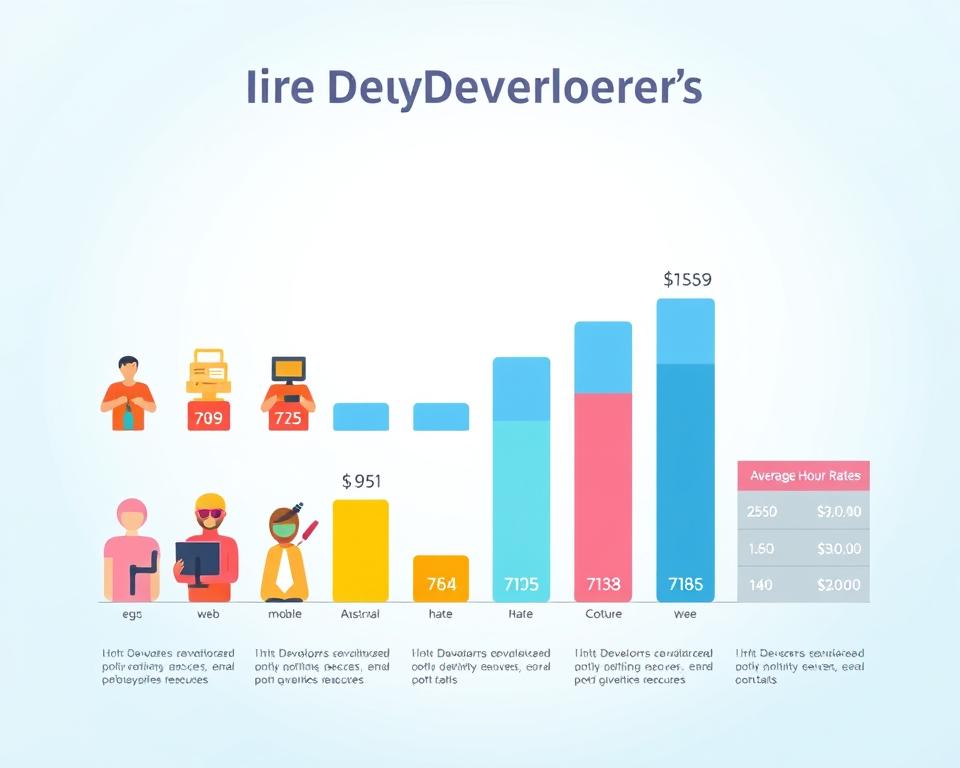
It’s important to compare the UAE with other places for hiring developers. The UAE is competitive in cost, talent, and legal framework.
| Destination | Average Developer Salary | Additional Costs |
|---|---|---|
| UAE | AED 12,000 – 20,000 | 15-20% of salary |
| India | INR 80,000 – 200,000 | 10-15% of salary |
| Eastern Europe | €800 – €2,000 | 15-25% of salary |
Hidden Costs and Budget Considerations
Businesses should watch out for hidden costs like recruitment fees and training. There are also costs for team building and management.
To avoid these, companies can work with local agencies and invest in good onboarding.
Setting Up Remote Work Infrastructure
A strong remote work setup is key for any team’s success. It includes tools and security steps. A good setup helps teams work together well, manage projects, and keep data safe.
Essential Tools for Remote Development Teams
Remote teams use many tools to work and team up. These tools fall into a few main areas:
Project Management Platforms
Platforms for managing projects are vital. They help organize tasks, track progress, and set deadlines. Some popular ones are:
- Trello
- Asana
- Jira
Communication and Collaboration Software
Good communication is key for remote teams. Tools like Slack and Microsoft Teams help teams talk and work together in real time.
Version Control and Code Repository Systems
Systems like Git and platforms like GitHub or GitLab are crucial. They help manage code changes and team development.
Cybersecurity Measures for Remote Teams
Cybersecurity is very important for remote teams. Key steps include:
- Implementing VPNs (Virtual Private Networks)
- Using multi-factor authentication
- Doing regular security checks
Hardware and Software Provisioning
It’s important to give remote developers the right tools. This includes:
| Hardware/Software | Description | Examples |
|---|---|---|
| Laptops/Desktops | Primary workstations for developers | Dell, HP, Apple |
| Development Software | Tools and IDEs needed for development | Visual Studio, IntelliJ IDEA |
| Security Software | Tools to fight malware and unauthorized access | Norton Antivirus, Kaspersky |
By focusing on these areas, companies can build a strong remote work setup. This setup supports the success of their development teams.

Managing Time Zone Differences with UAE Remote Teams
Managing time zone differences is crucial for UAE remote teams. It’s important for smooth communication and project work. This is especially true for US businesses working with UAE remote developers.

Optimal Overlap Hours for US-UAE Collaboration
The UAE is 8-9 hours ahead of US Eastern Time, depending on daylight saving. Finding the best overlap hours is key for real-time work. For example, meetings from 4 PM to 6 PM UAE time can work for a 2-hour overlap.
Teams can adjust their schedules for a few overlap hours. This helps with real-time talks and solving problems together. For more tips on managing remote teams, check out this guide.
Asynchronous Communication Strategies
Asynchronous communication is essential for teams across big time zones. Tools like project management software and messaging apps help. They let team members share info at their best times.
It’s also important to set clear response times. For example, teams might aim for a 24-hour response to messages. This keeps projects moving without delays.
Scheduling Meetings and Stand-ups Effectively
When planning meetings, time zones must be considered. Rotating meeting times helps share the inconvenience. For example, meetings could alternate between US and UAE times.
Tools that adjust meeting times for different zones can help. They reduce scheduling conflicts. Also, recording meetings lets everyone catch up later, even if they missed it live.
Cultural Considerations and Team Integration
The UAE’s diverse business environment needs a careful approach to team integration. It’s important to understand the local culture, religious holidays, and communication styles. This ensures teamwork is successful.
Understanding UAE Business Culture and Work Ethics
The UAE’s business culture blends traditional values with modern practices. Respect for hierarchy and authority is key, with decisions often made by those in charge. Knowing these cultural details is vital for managing a team well.
Business etiquette in the UAE values personal relationships and trust a lot. Building good relationships with your team can boost collaboration and productivity. Use video calls and team-building activities online to build these bonds.
| Cultural Aspect | Description | Impact on Team Integration |
|---|---|---|
| Respect for Hierarchy | Decisions are often made by senior management | Clear lines of authority help in task delegation |
| Personal Relationships | Trust and rapport are crucial | Enhances team cohesion and collaboration |
| Communication Styles | Formal communication is preferred | Ensures clarity and reduces misunderstandings |
Religious and Holiday Observances
The UAE is a Muslim country, and Islamic practices shape business. Ramadan and Eid holidays are big, with many businesses adjusting hours. Knowing and respecting these times helps manage your team well.

Building Cross-Cultural Team Cohesion
To create a united team, cross-cultural understanding is key. Virtual team-building activities and cultural exchange programs help. They bridge cultural gaps and unite the team.
Communication Styles and Expectations
Good communication is vital in a multicultural team. Knowing your UAE team members’ communication styles and expectations is crucial. Clear and concise communication and being open to feedback are essential for teamwork.
Best Platforms and Resources for Finding UAE Developers
To find developers in the UAE, knowing the best places to look is key. The UAE has a wide range of talent. Each source has its own benefits.
International Job Boards and Tech Platforms
Start with international job boards and tech sites. Upwork, Toptal, and Freelancer have lots of talent. You can post jobs, check profiles, and interview candidates. They’re great for finding freelancers or contract workers.
GitHub and Stack Overflow are also great. They show a developer’s skills through their work and problem-solving.
UAE-Specific Recruitment Websites
For a local focus, use UAE-specific job sites. Bayt, JobsInDubai.ae, and Monster Gulf focus on the Middle East. They’re perfect for finding people who know the local culture and business.
These sites have many job types, from beginner to senior roles. You can search by skills, experience, and location.
Professional Networking and LinkedIn Strategies
Professional networking is a strong tool. LinkedIn is great for this in the UAE. A strong company profile and engaging with candidates can attract top talent.
LinkedIn’s search lets you find people by skills, job, and location. Joining tech groups in the UAE can also help you meet candidates.
Tech Communities and Developer Meetups
Getting involved in tech communities and meetups is smart. Dubai Tech Meetup and events by Microsoft or Google in the UAE are good places to meet people.
These groups are for networking and learning about the local tech scene. They help you spot new trends and technologies.
Common Challenges and How to Overcome Them
Businesses expanding their remote teams in the UAE face several challenges. Managing a team from afar can be tough, with issues like language barriers and protecting intellectual property.
Language and Communication Barriers
One big challenge is language and communication barriers. Even though many UAE developers speak English, misunderstandings can still happen. Cultural differences also play a role in how we communicate.
To tackle this, setting up clear communication rules is key. Using video conferencing tools helps build a personal connection. Regular updates ensure everyone is on the same page, avoiding confusion.
Quality Assurance and Performance Monitoring
Ensuring quality assurance and monitoring performance is crucial. Businesses can use project management tools to track progress and spot issues early. Regular code reviews and pair programming also boost quality.
Setting clear performance metrics and KPIs helps evaluate the team’s work. This approach not only improves quality but also promotes accountability within the team.
Intellectual Property Protection
Intellectual property (IP) protection is a big concern for remote teams in the UAE. To protect IP, businesses need detailed contracts that outline ownership and usage rights.
It’s wise to work with legal experts who know UAE IP laws. This ensures compliance and protection. For more on building a remote software development team, check out this resource.
Team Retention and Employee Engagement
Finally, team retention and employee engagement are crucial for remote teams’ success. A positive work culture that values and recognizes employees is key to keeping them.
Regular feedback, growth opportunities, and a supportive environment are essential. By creating an inclusive and respectful culture, businesses can build a dedicated team.
Best Practices for Long-Term Remote Team Success
To keep remote teams successful, especially in the UAE, follow key practices. Effective management needs strategic planning, the right tools, and a supportive remote work culture.
Establishing Clear Performance Metrics and KPIs
Setting clear goals and KPIs is crucial for remote team success. Goals should be specific, measurable, and align with the company’s objectives. This helps team members know what’s expected and focus their efforts.
For example, a remote development team might track code quality, project completion, and collaboration. Tracking these helps managers spot areas for improvement and offer support.
| KPI | Description | Target Value |
|---|---|---|
| Code Quality Rating | Average code review score | 4.5/5 |
| Project Completion Rate | Percentage of projects completed on time | 90% |
| Collaboration Metric | Average number of collaborative code commits per project | 5 |
Regular Feedback and Professional Development
Regular feedback is key for remote team growth and satisfaction. It includes regular check-ins, performance reviews, and constructive feedback sessions. Also, offering training and workshops shows commitment to team development.
For more tips on managing remote teams, check out https://remote.com/blog/remote-work/manage-remote-teams. It has more strategies and best practices.
Creating a Strong Remote Company Culture
Building a strong remote culture takes effort. It involves virtual team-building, regular virtual social events, and using tools that help communication. A culture that values transparency, trust, and inclusivity boosts team cohesion and motivation.
Scaling Your UAE Development Team
As your business grows, so will your remote team. Scaling effectively means having a strategic hiring and onboarding process. It also means using technology to streamline workflows and keeping the team aligned with company goals and culture.
By adopting these best practices, organizations can ensure their remote teams thrive. This approach leverages global talent while keeping productivity and team cohesion high.
Conclusion
Setting up a remote team with UAE developers needs careful planning. This guide has covered the main points and steps for a successful team.
Knowing the UAE’s tech talent, legal rules, and the best hiring methods is key. Businesses can find skilled developers in the region. It’s also important to have a good remote work setup, handle time zone issues, and keep a united team.
With the right strategies, companies can benefit from hiring UAE developers. They get access to a wide talent pool and advanced tech. Following this guide helps businesses build a remote team that innovates and grows.


