







In today’s globalized tech world, more businesses in the USA are choosing offshore developers for their needs.
Working with an offshore India team lets companies access a huge talent pool. They also save money.
This smart move boosts a company’s development skills. It makes projects run smoother and sparks new ideas.
But, managing an offshore team has its own hurdles.
This guide will show you how to hire developers in the USA with an offshore India team. It covers the good points and the tricky parts.
Table of Contents
Key Takeaways
- Learn the perks of hiring offshore developers, like saving money and getting expert talent.
- Find out how to manage an offshore India team well to make projects better.
- Discover ways to beat common offshoring challenges.
- Get tips on how to smoothly add offshore teams to your business.
- See how offshore partnerships can lead to innovation and growth.
Understanding the Current USA Tech Talent Market
The USA tech talent market is facing a big shortage of skilled workers. This shortage makes it hard for companies to find and keep the best talent. It’s because there’s a high demand for developers with special skills.
The Great Tech Talent Shortage in America
The tech industry in the United States is facing a huge talent shortage. Reports show that the demand for skilled tech workers is higher than the supply. This leads to a tough competition among employers.
This shortage is not just in certain areas but is a problem all over the country. It affects both big tech hubs and smaller cities.
Key factors contributing to this shortage include:
- A rapidly evolving tech landscape that demands continuous skill updates
- A growing tech industry that requires more professionals
- A shortage of STEM graduates to fill the available positions
In-Demand Programming Languages and Skills
The tech talent shortage is made worse by the specific skills employers need. Certain programming languages and technologies are in high demand. Professionals with expertise in these areas are highly sought after.
Some of the most in-demand programming languages include:
- Python
- JavaScript
- Java
- C++
Skills related to emerging technologies like cloud computing, artificial intelligence, and cybersecurity are also highly valued.
Regional Tech Hubs and Salary Expectations
The USA has several major tech hubs, each with its own unique characteristics and salary expectations. It’s important for both employers and job seekers to understand these regional differences.
Some of the major tech hubs in the USA include:
- Silicon Valley, California
- New York City, New York
- Austin, Texas
- Seattle, Washington
Salary expectations vary a lot across these regions. This is due to factors like cost of living, demand for specific skills, and local industry trends.

Why American Companies Look to Offshore Development Teams
In the face of a growing tech talent shortage, American companies are finding value in offshore development teams. The tech industry’s rapid evolution has created a high demand for skilled professionals. But the supply remains limited. So, businesses are exploring alternative strategies to meet their tech needs.
One of the primary reasons American companies turn to offshore development teams is to optimize their budgets. Hiring developers from countries with lower labor costs can significantly reduce expenses. This is done without compromising on quality.
Cost Efficiency and Budget Optimization
By partnering with offshore development teams, companies can achieve substantial cost savings. This is especially beneficial for startups and small businesses with limited budgets. The cost efficiency gained by hiring offshore teams allows these companies to allocate more resources to other critical areas of their business.

Access to Specialized Skill Sets
Offshore development teams provide access to a vast pool of specialized talent. Whether it’s expertise in AI, blockchain, or cybersecurity, companies can find the specific skills they need. This access to specialized skill sets enables businesses to undertake complex projects that might be challenging with local talent alone.
Scaling Teams Quickly for Project Demands
The ability to scale teams quickly is another significant advantage of working with offshore development teams. As project demands fluctuate, companies can rapidly adjust their team size to meet these needs. This flexibility is crucial in today’s fast-paced tech environment, where project requirements can change rapidly.
In conclusion, American companies are turning to offshore development teams to address their tech talent needs. They are driven by the benefits of cost efficiency, access to specialized skills, and the ability to scale teams quickly. By leveraging these advantages, businesses can stay competitive in a rapidly evolving tech landscape.
India as a Premier Offshore Development Destination
India has a large talent pool, advanced education, and cultural ties with the USA. This makes it a top choice for offshore development.
The Indian Tech Ecosystem and Industry Growth
The Indian tech scene has grown fast in the last 20 years. This growth comes from big investments in tech and a focus on new ideas.
Key factors contributing to this growth include:
- Government support for IT and startups
- More foreign money in the tech field
- More tech parks and innovation centers
Educational Infrastructure and Talent Pool Size
India has a big educational system. It has thousands of colleges for engineering and computer science. This means a lot of skilled graduates every year.
The talent pool is huge and very skilled. There’s a big focus on STEM subjects.

English Proficiency and Cultural Compatibility with USA
India’s workforce speaks English well. This makes talking to US clients easy.
India also shares cultural values with Western countries. This helps Indian developers understand and meet US company needs.
Time Zone Advantages for Round-the-Clock Development
India’s time zone (IST) matches well with US ones. This means teams can work together in real time.
This time zone also helps projects move faster. Indian teams can work while US teams rest, and vice versa. This speeds up project times.
| Time Zone Advantage | Description | Benefit |
|---|---|---|
| Significant overlap with US time zones | Facilitates real-time collaboration | Enhanced communication and faster issue resolution |
| Round-the-clock development capability | Indian and US teams can work in shifts | Accelerated project timelines and increased productivity |
Cost Comparison: USA Developers vs. Offshore India Teams
Cost is key when deciding between USA developers and offshore India teams. The cost of hiring developers can greatly affect a company’s budget and project success.
Average Salary Ranges for USA Developers by Experience Level
The cost of hiring developers in the USA changes based on experience, location, and technology. Here are some average salary ranges for USA developers:
- Junior Developers (0-3 years of experience): $60,000 – $90,000 per year
- Mid-level Developers (4-7 years of experience): $90,000 – $140,000 per year
- Senior Developers (8-12 years of experience): $140,000 – $200,000 per year
- Lead/Architect Developers (13+ years of experience): $200,000 – $250,000 per year
Average Salary Ranges for Indian Developers by Experience Level
Indian developers are a cost-effective option without losing quality. Here are the average salary ranges for Indian developers:
- Junior Developers (0-3 years of experience): ₹400,000 – ₹800,000 per year (approximately $5,000 – $10,000 USD)
- Mid-level Developers (4-7 years of experience): ₹800,000 – ₹1,500,000 per year (approximately $10,000 – $19,000 USD)
- Senior Developers (8-12 years of experience): ₹1,500,000 – ₹2,500,000 per year (approximately $19,000 – $31,000 USD)
- Lead/Architect Developers (13+ years of experience): ₹2,500,000 – ₹4,000,000 per year (approximately $31,000 – $50,000 USD)

Hidden Costs and Total Cost of Ownership Analysis
Other costs add to the total cost of ownership. These include:
- Recruitment and Hiring Costs: Advertising, interviewing, and onboarding expenses.
- Training and Development: Continuous learning and professional development costs.
- Infrastructure and Tools: Hardware, software, and other resources needed for development.
- Benefits and Perks: Health insurance, retirement plans, and other employee benefits.
For USA developers, these costs can add 20-30% to the base salary. For offshore India teams, while some costs like infrastructure might be lower, others such as project management and communication tools might be higher.
Break-Even Point and Long-Term Savings
The break-even point is when the cost savings from hiring offshore developers equals the costs of transitioning and managing the offshore team. Long-term savings can be significant, often 30-60% compared to hiring USA developers.
| Experience Level | USA Developers Annual Cost | India Developers Annual Cost (USD) | Potential Savings |
|---|---|---|---|
| Junior | $60,000 – $90,000 | $5,000 – $10,000 | 50-70% |
| Mid-level | $90,000 – $140,000 | $10,000 – $19,000 | 55-75% |
| Senior | $140,000 – $200,000 | $19,000 – $31,000 | 60-80% |
In conclusion, while there are many factors to consider, the cost comparison between USA developers and offshore India teams can lead to significant savings for businesses willing to explore offshore development options.
Hire Developers in USA – Offshore India Team Guide: The Complete Process
To hire developers in the USA with an offshore India team, follow a structured approach. This involves several key steps. These steps help ensure you build a cohesive team that meets your project requirements.
Defining Your Project Requirements and Technical Specifications
The first step is to clearly define your project requirements and technical specifications. This includes outlining the scope of work and identifying the necessary skills and expertise. Detailed project requirements help in creating a precise job description and in selecting the right candidates.
For instance, if you’re developing a mobile app, specify the platforms (iOS, Android, or both), desired features, and technologies or frameworks to be used. Clear technical specifications also facilitate better communication with potential developers and help in evaluating their suitability for your project.

Choosing the Right Engagement Model for Your Business
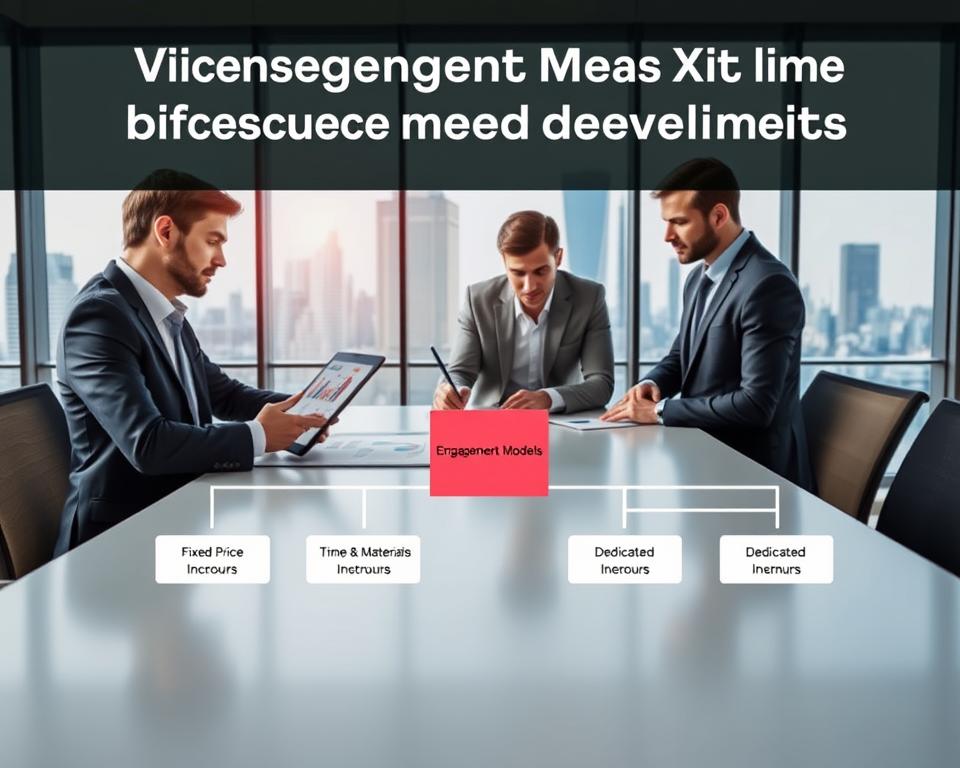
Selecting the appropriate engagement model is crucial when hiring developers. The most common models include staff augmentation, dedicated development teams, and project-based outsourcing. Each model has its advantages and is suited to different project needs and business goals.
- Staff Augmentation: Ideal for short-term projects or when you need to supplement your existing team with specialized skills.
- Dedicated Development Team: Suitable for long-term projects where you need a team to work exclusively on your project.
- Project-Based Outsourcing: Best for projects with a well-defined scope and timeline, where you can outsource the entire project to a development company.
For more insights on choosing the right engagement model, you can refer to this guide on hiring app and web development.
Building a Hybrid Team Structure That Works
A hybrid team structure combines the benefits of having both local (USA) and offshore (India) developers. This structure allows you to leverage the strengths of both teams. The local team understands the market, while the offshore team is cost-effective and technically skilled.
To build an effective hybrid team, establish clear communication channels and define roles and responsibilities. Foster a collaborative culture. Regular virtual meetings and the use of collaboration tools like Slack, Microsoft Teams, or Zoom can help in maintaining seamless communication.
Timeline and Milestone Planning
Creating a detailed timeline and setting milestones is vital for the successful execution of your project. Break down the project into smaller tasks, estimate the time required for each task, and set realistic deadlines.
Milestone planning helps in tracking progress, identifying potential bottlenecks, and making necessary adjustments. It’s also crucial for managing client expectations and ensuring that the project stays on track.
By following these steps, you can ensure a smooth hiring process and build a high-performing team of developers in the USA and offshore India.
Different Engagement Models for Offshore Development
The world of offshore development offers many ways to work together. Each model fits different needs. It’s key for businesses to know these options to use offshore talent well.
Staff Augmentation Model: When and How to Use It
The staff augmentation model adds offshore developers to your team. It’s great for filling skill gaps for short projects or scaling your team fast. You don’t have to make long-term promises.
Key benefits include flexibility, a wider talent pool, and control over your project.
Dedicated Development Team Model: Building Your Extended Team
This model means hiring a team of offshore developers just for your project. It’s best for long-term work needing a steady team and deep project knowledge.
The dedicated team model helps with better communication, easier project management, and team commitment.
Project-Based Outsourcing: Fixed Scope Engagements
Project-based outsourcing means hiring a team for a specific project with clear goals, timeline, and budget. It’s good for businesses wanting to outsource a project without ongoing support.
Advantages include knowing costs, less management work, and focusing on your main business.
Build-Operate-Transfer Model for Long-Term Commitments
The build-operate-transfer (BOT) model is for long-term work. An offshore team starts and runs the project, then hands it over to you.
This model is for businesses wanting a lasting offshore presence. It helps with knowledge transfer and eventual ownership.
How to Find and Vet Developers in the USA
Finding the right developers in the USA can be tough. But, with the right strategies, it’s easier. It’s important to know the different ways to hire top tech talent.
Top Hiring Platforms and Job Boards
Start by using popular hiring platforms and job boards for tech pros. Some top ones are:
- LinkedIn: A big network with lots of potential candidates.
- Indeed: A widely used job search site.
- Glassdoor: Gives insights on companies and salaries.
- Stack Overflow: Great for finding tech talent.
- AngelList: Good for startups looking for tech pros.
Posting job openings on these sites can reach many qualified developers. For more tips on hiring developers, check out Next Big Technology. They have useful info on hiring skilled app developers.

Technical Recruiting Agencies and Headhunters
For a focused approach, team up with tech recruiting agencies and headhunters. They have big networks and can find candidates with the skills you need.
Using tech recruiting agencies has benefits like:
- Access to a vetted pool of candidates.
- Experts in matching candidates to jobs.
- They save time by doing the initial screening.
Interview Best Practices for USA Candidates
After finding candidates, it’s key to interview them well. Here are some tips:
- Have a structured interview process for fairness and consistency.
- Use both behavioral and technical questions to check skills and fit.
- Get team members involved for different views.
Technical Assessment Tools and Coding Challenges
To check a candidate’s tech skills, use technical assessment tools and coding challenges. These tools show how well they solve problems and code.
Some popular tools are:
- HackerRank: Has coding challenges in many languages.
- Codility: Tests technical skills with coding tests.
- Codewars: Uses martial arts-themed coding challenges.
Using these tools in your hiring process helps you make better decisions about a candidate’s tech skills.
How to Find and Vet Offshore India Development Teams
Offshore India development teams are a great choice for businesses wanting to grow their tech without spending too much. Finding the right partner is key to success in the tech world.
Reputable Outsourcing Companies and Online Platforms
Start by finding good outsourcing companies and online platforms that connect you with skilled Indian developers. Some top platforms include:
- Upwork
- Toptal
- Clutch
- GoodFirms
These platforms open the door to a huge talent pool. When picking a platform, look at their developer vetting, client feedback, and service range.
Evaluating Company Portfolios and Client Testimonials
After narrowing down your choices, check their portfolios and client feedback. A good portfolio should show:
- Relevant project experience
- Technical skills
- Innovation and problem-solving
Client feedback gives insights into a company’s work ethic, communication, and meeting deadlines. Check reviews from different sources for a full picture.

Conducting Remote Technical Interviews Effectively
Remote technical interviews are crucial for vetting teams. To get the most out of them:
- Prepare technical questions and coding challenges.
- Use video calls to feel like you’re in the same room.
- Look at technical skills, communication, and problem-solving.
Good remote interviews help you find a team that fits your project’s needs.
Trial Periods and Proof of Concept Projects
Try a trial period or proof of concept project before committing. This lets you:
- See the team’s quality and processes.
- Check if they meet your needs.
- Understand their communication and teamwork.
A trial period can help avoid bad partnerships, leading to better collaboration.
| Evaluation Criteria | Description | Importance Level |
|---|---|---|
| Technical Skills | Proficiency in required programming languages and technologies. | High |
| Portfolio and Experience | Relevance of past projects and overall experience. | High |
| Communication Skills | Ability to clearly articulate ideas and respond to queries. | Medium |
| Trial Project Success | Performance during the trial or proof of concept project. | High |
Legal and Compliance Considerations
When you add offshore team members, you face a lot of legal and compliance issues. You need to know about different laws, rules, and how to avoid risks.
USA Employment Laws for Domestic Hires
It’s key to understand USA employment laws when hiring developers in the country. These laws cover many areas like contracts, discrimination, wages, and benefits. Following these laws is not just legal; it also helps your company’s image.
- Employment Contracts: Make sure contracts are clear about job duties, pay, and when work can end.
- Anti-Discrimination Laws: Make sure hiring and work policies follow federal and state laws against discrimination.
- Wage and Hour Laws: Follow rules about minimum wage, overtime, and keeping work records.
International Service Agreements and Master Service Agreements
Working with offshore teams means you need strong legal agreements. International Service Agreements and Master Service Agreements (MSAs) explain what work will be done, terms, and who does what.
Important parts of these agreements are:
- Scope of Work: Clearly state what services the offshore team will provide.
- Payment Terms: Explain how and when payments will be made.
- Intellectual Property Rights: Define who owns and can use the intellectual property created during the project.
- Confidentiality and Non-Disclosure: Make sure both sides know their duties to keep information secret.
Intellectual Property Rights and Protection Strategies
Protecting your intellectual property (IP) is very important when working with offshore teams. You need to have good ways to keep your IP safe, like:
- Non-Disclosure Agreements (NDAs): Have offshore team members sign NDAs to keep your secrets safe.
- IP Assignment Clauses: Make sure any IP made during the project belongs to your company.
- Code Reviews and Audits: Check code and do audits often to catch any misuse of IP.

Data Security Compliance: GDPR, HIPAA, and SOC 2
Keeping data safe is very important, especially when it’s sensitive. You must follow rules like GDPR, HIPAA, and SOC 2 to protect data and privacy.
Important things to follow are:
- GDPR: Handle personal data of EU residents according to GDPR rules.
- HIPAA: Follow HIPAA rules when dealing with protected health information (PHI).
- SOC 2: Use security controls and get audits to show you can safely manage customer data.
Managing Time Zone Differences Effectively
Dealing with time zone differences between the USA and India can be tough. But, with smart strategies, it’s doable. It’s key for smooth work with teams from different places.
Establishing Overlapping Work Hours for Real-Time Collaboration
Setting up overlapping work hours is a good way to handle time zone issues. It lets teams in different places work together in real-time. For example, a US team can meet with their Indian team in the morning. This works because it’s the end of the US day and the start of the Indian day.
Benefits of overlapping work hours include:
- Enhanced collaboration
- Immediate issue resolution
- Better alignment on project goals
Asynchronous Communication Strategies and Best Practices
Not all chats need to happen right away. Using tools like project management software, email, or documents is smart. It lets people respond when they can, easing the stress of quick answers across time zones.
Best practices for asynchronous communication include:
- Clear and concise messaging
- Using the right tools for the task
- Setting clear expectations for response times
Scheduling Meetings That Work for Both Continents
Planning meetings for both US and Indian teams needs careful thought. You need to find a time that works for everyone, even if it’s not perfect. Tools like World Time Buddy help find these times.
| Time Zone | Typical Work Hours | Overlapping Hours |
|---|---|---|
| USA (EST) | 9:00 AM – 5:00 PM | 10:00 AM – 12:00 PM EST (overlaps with 8:30 PM – 10:30 PM IST) |
| India (IST) | 10:00 AM – 6:00 PM |
Rotating On-Call and Support Responsibilities
Rotating on-call duties between US and Indian teams is a smart move. It spreads out the work and makes sure issues get fixed fast, no matter the time.
For more tips on handling time zone differences in offshore work, check out this detailed guide.
Communication and Collaboration Best Practices
Clear communication is key for smooth offshore project work. It keeps everyone on the same page and working together. This ensures all team members are focused on the same goals.
Setting Up Clear Communication Protocols and Channels
Good communication starts with clear rules. You need to decide how to talk, how often, and what to do in emergencies. Using both instant and delayed messages helps everyone, no matter where they are.
Some top tips include:
- Choose the right ways to talk
- Have regular updates and meetings
- Speak clearly and simply
- Have plans for urgent issues
Essential Tools: Slack, Microsoft Teams, and Zoom
The right tools are crucial. Slack and Microsoft Teams are great for quick chats. Zoom is perfect for video meetings. These tools make working together feel like being in the same room.
A recent study found that using these tools boosts team work and results. Experts say the right tools are essential for managing teams from afar.
“The future of collaboration is all about creating a seamless experience across different time zones and geographies.”
Project Management Platforms: Jira, Asana, and Trello
Jira, Asana, and Trello are must-haves for organizing work. They help you assign tasks, track progress, and keep everyone informed.
Look for these features in project management tools:
- Task assignment and tracking
- Real-time progress monitoring
- Integration with other tools
- Customizable workflows
Documentation Standards and Knowledge Management Systems
Good documentation and knowledge systems are vital. They keep information current and easy to find. This means having one place for all documents, using version control, and setting document standards.
Here are some tips for documentation:
- Use clear and consistent names
- Keep track of versions
- Make sure everyone can access it
- Keep it up to date and review it often
Quality Assurance and Project Management
In offshore development, quality assurance and project management are key to success. As more companies use offshore teams, keeping quality high and managing projects well is vital.
Implementing Agile and Scrum Methodologies Across Borders
Agile and Scrum are at the heart of modern software development. They bring flexibility, quick changes, and ongoing improvement. To use them across borders, clear communication, defined roles, and teamwork are essential. Setting up an offshore development center with Agile can greatly improve project results.
Code Review Processes and Standards
Code reviews are crucial for quality, making sure code is good to work with and follows standards. Regular reviews with tools like GitHub or Bitbucket catch bugs early and boost code quality. Clear coding rules are also key for team consistency.
Automated Testing and Continuous Integration
Automated testing is vital for quality, allowing fast and thorough testing. Continuous Integration (CI) with tools like Jenkins or CircleCI tests code changes automatically. This reduces integration problems, improves quality, and speeds up development.
Performance Metrics, KPIs, and Reporting Structures
To manage offshore projects well, clear performance metrics and KPIs are needed. These might include code quality, testing, and team happiness. Regular reports, like daily stand-ups and project dashboards, track progress and help make smart decisions.
By focusing on quality assurance and project management, companies can succeed with offshore development. They can deliver top-notch products that meet their goals.
Common Challenges and How to Overcome Them
Working with offshore teams can bring up several challenges. These can affect the project’s quality, timeline, and budget. It’s important to tackle these issues for a successful project.
Cultural Differences and Building Cross-Cultural Understanding
Cultural differences can really impact how a team works together. Understanding and respecting these differences is key for good collaboration. For example, cultural background can change how we communicate, work, and solve problems.
- Provide cultural sensitivity training for both onshore and offshore teams.
- Encourage open dialogue about cultural differences and their impact on work.
- Foster a culture of respect and inclusivity within the team.
Communication Barriers and Language Nuances
Good communication is vital for any project’s success. But, language barriers and nuances can cause misunderstandings. Clear communication protocols can help solve these problems.
- Establish a common language for project communication.
- Use simple, clear language in documentation and meetings.
- Implement regular check-ins and updates to ensure everyone is on the same page.
Quality Control and Maintaining Coding Standards
High-quality code is crucial for any software project. Implementing robust quality control measures ensures coding standards are met.
- Establish clear coding standards and guidelines.
- Conduct regular code reviews and audits.
- Use automated testing tools to identify and fix issues early.
Team Integration Between USA and India Developers
Bringing offshore and onshore teams together can be tough. But, it’s essential for project success. Fostering a sense of unity and shared goals helps bridge the gap between teams.
- Organize virtual team-building activities to foster camaraderie.
- Encourage collaboration through shared project management tools.
- Recognize and reward team achievements to boost morale.
By understanding and addressing these common challenges, companies can better manage their offshore teams. This helps achieve project goals.
Technology Stack and Infrastructure Considerations
Choosing the right technology stack and infrastructure is key for offshore development team success. It’s about making smart choices that boost team efficiency and productivity.
Cloud-Based Development Environments and Tools
Cloud-based development environments have changed how offshore teams work. Tools like AWS Cloud9, Google Cloud Shell, and Microsoft Visual Studio Code offer a flexible and collaborative space.
“Cloud-based development environments enable teams to work together in real-time, regardless of their geographical location.” –
Version Control Systems: Git, GitHub, and GitLab
Version control systems are crucial for managing codebases across teams. Git, along with GitHub and GitLab, provides strong version control and collaboration tools. Git is favored for its flexibility and wide use. A survey shows over 90% of developers use Git.
CI/CD Pipelines and DevOps Practices
CI/CD pipelines are essential for automating testing and deployments. DevOps practices improve teamwork between development and operations. Tools like Jenkins, CircleCI, and GitLab CI/CD help set up these pipelines.
Security Infrastructure and VPN Requirements
Security is a top concern for offshore development teams. A strong security setup, including VPNs, firewalls, and access controls, is vital.
“Security should be integrated into every stage of the development lifecycle to protect sensitive data and intellectual property.” –
Following standards like GDPR, HIPAA, and SOC 2 is also crucial for data safety.
Success Stories and ROI Expectations
Looking at startups and big companies that use offshore teams shows their value. Many have seen big wins by using these teams. They’ve reached their goals and seen real benefits.
Startups Scaling with Offshore Teams
Startups struggle to grow their teams fast. Offshore teams offer the talent and know-how needed. For example, a fintech startup cut costs by 40% and improved product quality by 30% with an offshore partner.
Enterprise Companies Reducing Development Costs
Big companies also save money with offshore teams. A top e-commerce company saved 25% on costs by outsourcing. They kept quality high.
Measuring Return on Investment and Success Metrics
Companies track ROI by looking at savings, productivity, and quality. They might check time-to-market, defect density, and team velocity. These help see how well the offshore team is doing.
Long-Term Partnership Benefits and Team Retention
Long-term partnerships with offshore teams bring many benefits. They improve team retention, communication, and trust. Companies with long-term partnerships see better collaboration and quality.
In summary, stories of companies using offshore teams show big wins. They highlight the potential for ROI and lasting partnerships. By learning from these, businesses can make smart choices for their projects.
Conclusion
Hiring developers in the USA can be tricky. But, using offshore teams in India can give you an edge. Knowing the tech talent market helps companies decide between local or offshore hiring.
Offshore teams bring many benefits. They are cost-effective, offer specialized skills, and can grow quickly. India’s strong tech scene, education, and culture make it perfect for offshore work.
To succeed, clearly define project needs, pick the best engagement model, and keep communication open. This way, businesses can benefit from offshore teams and achieve success.
As tech keeps changing, using offshore teams is a smart move for companies wanting to lead. With the right strategy, combining USA and offshore hiring can be a great plan.


