







Table of Contents
Introduction
In the digital age, a strong online presence is crucial for businesses to succeed. Building a website is an essential step towards establishing that presence, but it’s important to understand the cost implications involved. The cost of web development varies significantly depending on several factors, and it’s essential to have a clear understanding of these factors to make informed decisions.
In this blog post, we will delve into the various aspects that contribute to the cost of web development. By understanding these factors, businesses and individuals can navigate the web development process more effectively, align their budgets accordingly, and ensure a successful outcome for their online ventures.
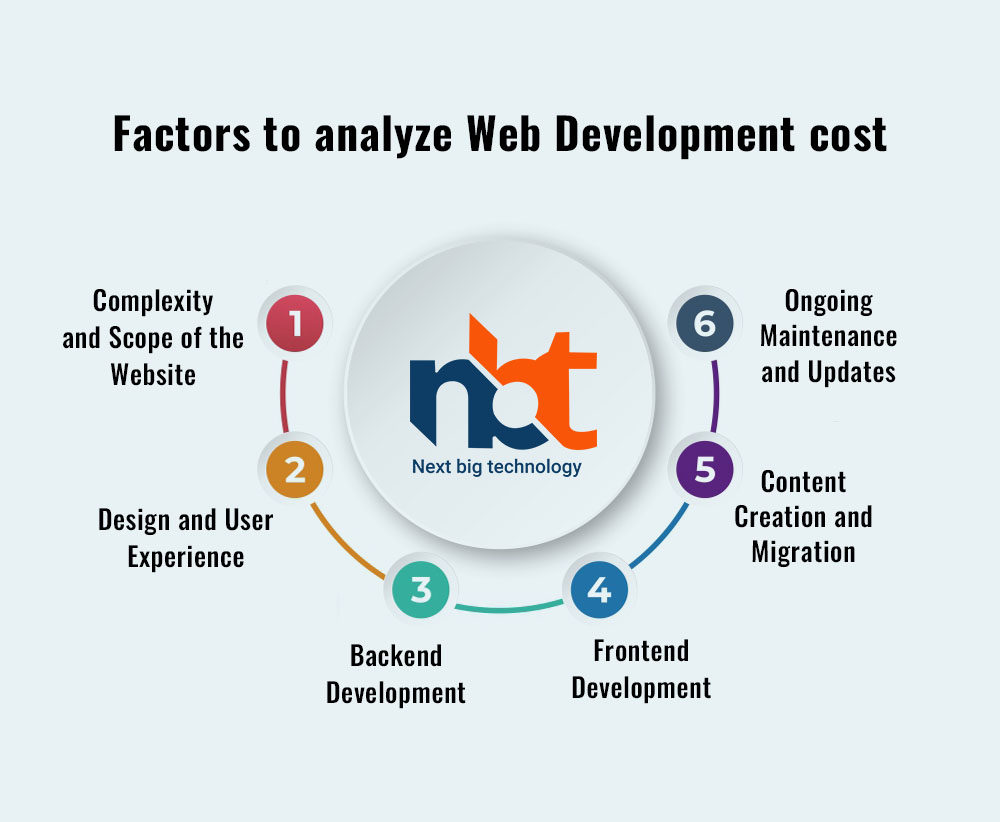
Factors to analyze Web Development cost
-
Complexity and Scope of the Website
The complexity and scope of a website play a significant role in determining its development cost. A simple static website with a few pages and basic functionality will generally be less expensive compared to a dynamic website with complex features and interactive elements.
Factors that contribute to complexity include the number of pages, user roles and permissions, integration with databases or third-party services, e-commerce functionality, content management systems, and responsive design for mobile devices. The more features and functionality required, the higher the development cost will be.
-
Design and User Experience
The design and user experience (UX) of a website are crucial in attracting and engaging visitors. The cost of web development includes the design phase, where professional web designers create visually appealing and intuitive layouts that align with the brand’s identity.
Factors influencing the cost of design include the complexity of the design, the need for custom graphics or illustrations, the level of interactivity, and the creation of a user-friendly navigation structure. Investing in a well-designed website can have a significant impact on user satisfaction and conversion rates.

Also Read : How to apply different concepts of Web Design in 2023?
-
Backend Development
Backend development involves creating the server-side functionality and logic that powers the website. It includes tasks such as database design and integration, server configuration, and developing the backend code that handles data processing, user authentication, and content management.
The complexity of the backend development affects the cost. Custom functionality, complex database structures, integration with third-party APIs or services, and the need for scalability and performance optimization all contribute to the development cost.
Also Read : Top 7 Backend Frameworks for Web App Development in 2023
-
Frontend Development
Frontend development focuses on creating the visual elements and user interfaces that users interact with. It involves writing HTML, CSS, and JavaScript code to build responsive layouts, implement interactivity, and ensure cross-browser compatibility.
Factors that impact frontend development costs include the complexity of the design implementation, the need for responsive design, the use of frameworks or libraries, and the level of customization required. Additionally, optimizing the frontend code for performance and accessibility can also influence the overall development cost.

Also Read : Tips to Choose Correct Front-End Development Technology for Your New Website
-
Content Creation and Migration
Content is a vital component of any website. The cost of web development may include content creation and migration, especially for websites with large amounts of existing content or those requiring professional copywriting services.
The cost can vary based on factors such as the volume of content, the need for SEO optimization, the creation of multimedia assets (images, videos), and the complexity of content migration from an existing website or CMS.
-
Ongoing Maintenance and Updates
After the website is developed and launched, ongoing maintenance and updates are necessary to ensure its functionality, security, and performance. Maintenance costs can include tasks such as software updates, security patches, bug fixes, content updates, and technical support.
The complexity of the website, the frequency of updates, and the need for additional features or enhancements will affect the ongoing maintenance costs. It’s important to consider these costs when budgeting for web development to ensure the long-term success and sustainability of the website.
Conclusion
The cost of web development is influenced by several factors, including the complexity and scope of the website, design and user experience requirements, backend and frontend development, content creation and migration, and ongoing maintenance needs.
By understanding these factors and their impact on the overall cost, businesses and individuals can make informed decisions and allocate appropriate budgets for their web development projects. It’s crucial to consider the long-term value and return on investment that a well-designed and properly developed website can bring to a business.
Collaborating with experienced web development professionals and setting clear goals and requirements from the beginning can help manage costs effectively and ensure the successful delivery of a high-quality website that meets the needs of the business and its target audience.
Remember, web development is an investment in your online presence and should be approached strategically to maximize its potential in today’s digital landscape.
Thanks for reading our post “The Cost of Web Development: Understanding Factors and Making Informed Decisions”. Please connect with us to know more about Web Development.