







The rise of the social commerce marketplace has changed how we shop online today. Creating a Poshmark clone is more than just a digital store. It needs a smooth user experience that mixes retail with social chat.
Investors look for strong mobile commerce solutions to tap into this growing market. Building such a platform requires tools like messaging and secure payments. A good rating system is also key to build trust between buyers and sellers.
Starting a fashion resale app is a smart move into the circular economy. This project must focus on social feeds and secure user login. If you’re interested in other platforms, check out etsy clone development for niche ideas.
Success in this field relies on handling data quickly and carefully. A well-built system supports growth while keeping a friendly atmosphere for all users.
Table of Contents
Key Takeaways
- Social interaction drives higher user engagement levels.
- Secure payment processing is vital for marketplace trust.
- Real-time messaging helps bridge the gap between users.
- Rating systems ensure a high-quality community experience.
- Scalable mobile solutions support long-term business growth.
- User login security is a top priority for data protection.
Understanding the Poshmark Business Model
Getting to know Poshmark’s business model is key for anyone wanting to create a similar fashion app. It combines social commerce with e-commerce, making a platform that’s both interactive and transactional.
What Makes Poshmark Unique in the Fashion Marketplace
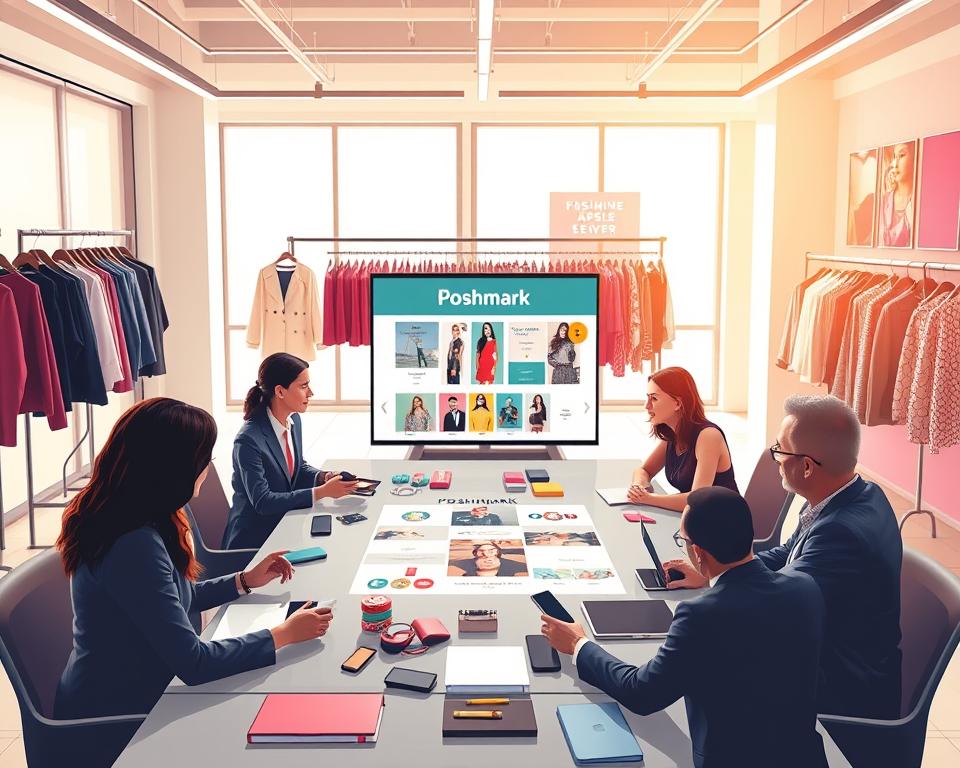
Poshmark stands out by mixing social discovery with e-commerce functionality. It lets users share listings, follow sellers, and engage through social features. This makes shopping more personal and interactive than on traditional e-commerce sites.
The app’s focus on user-generated content adds to the social shopping vibe. It lets buyers connect with sellers and learn about the products’ stories. This builds a strong sense of community.
Revenue Streams and Commission Structure
Poshmark makes money mainly through a commission-based model. Sellers pay a flat fee on sold items. This pricing is clear and fair. For more on costs for fashion e-commerce app development, check this resource.
This model motivates Poshmark to improve the platform for its sellers. It means the platform’s success is tied to its users’ success.
The Social Shopping Experience
The social shopping aspect of Poshmark is a big reason for its success. Features like product sharing, user feeds, and community engagement tools keep users engaged. Users can like, comment, and share listings, making the platform lively and interactive.
By blending social features with e-commerce, Poshmark has made a unique fashion marketplace. This mix attracts a loyal user base. It’s the core of Poshmark’s model and key for anyone creating a similar app.
Essential Features for Your Fashion Resale App
Fashion resale apps need key features to draw and keep users. A top app must offer many functions for buyers and sellers. This ensures a smooth and fun experience for everyone.
User Registration and Profile Management
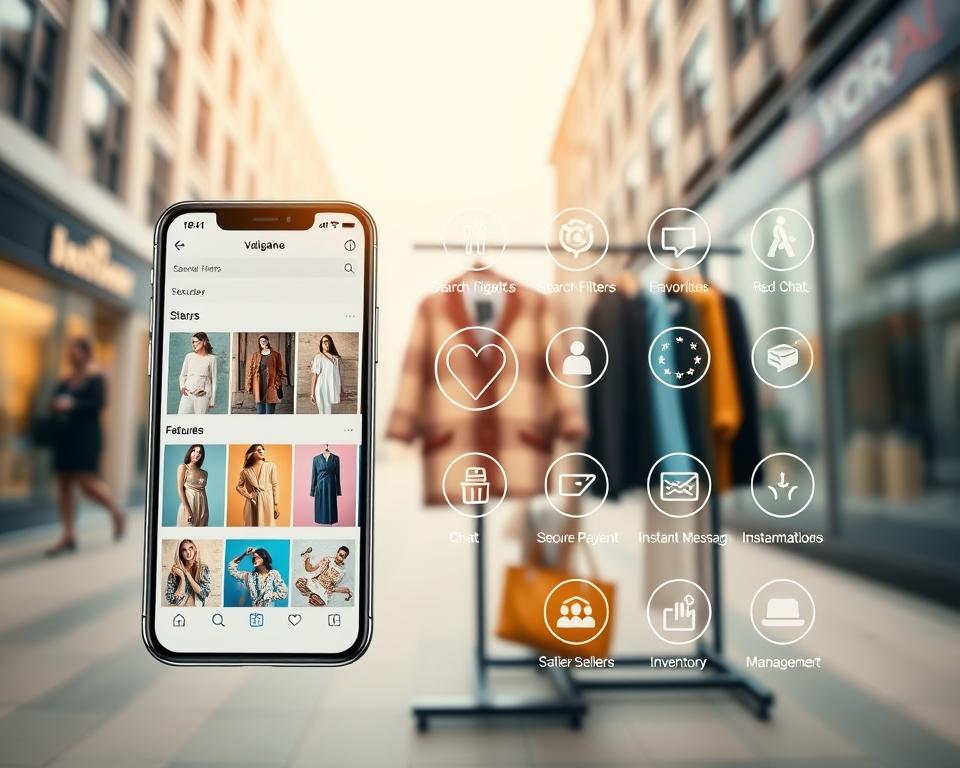
It’s important to have a simple and safe sign-up process. Users should be able to register with their email, social media, or other ways they like. It’s also key to let users show off their style, follow others, and manage their items well.
Product Listing and Catalog Management
Being able to list items easily is crucial. The app should let sellers add clear photos, detailed descriptions, and prices. A good catalog system helps buyers find what they want quickly.
Advanced Search and Filter Functionality
The app should have advanced search and filter options. This lets buyers find specific items by brand, size, price, and condition. It makes shopping easier and more personal.
Social Features and Community Building Tools
Social features are vital for building a community. This includes following, liking, and commenting on items, plus sharing on social media. These tools boost engagement and get users involved in the community.
With these key features, a fashion resale app can offer a full and engaging platform. This sets it up for success in a competitive market.
Defining User Roles and Permissions
User roles and permissions are key to a good fashion marketplace app. They affect both sellers and buyers. A strong user management system keeps things in order, safe, and easy to use.
Setting up user roles means sorting users by what they do on the platform. In a Poshmark-like app, you have sellers, buyers, and admins. Each has special permissions for what they can do.
Seller Dashboard and Inventory Management
The seller dashboard is vital for managing stock. It lets sellers list items, keep track of stock, and handle orders. A good dashboard should have:
- Tools for listing and editing products
- Ways to track and manage inventory
- Systems for managing orders
- Tools for checking how well they’re doing

Good inventory management is key for sellers. It helps keep products up-to-date and easy for buyers to find. With tools like Adalo’s database, sellers can keep their stock organized.
Buyer Experience and Shopping Features
The buyer experience is also crucial. It affects the app’s success. Important features for buyers include:
- Advanced search and filters
- Personalized suggestions
- Easy checkout
- Updates on orders
By focusing on these, the app can make shopping smooth and fun. This encourages buyers to come back and buy more.
Admin Panel and Platform Management
The admin panel is the heart of managing the platform. It lets admins keep an eye on everything. Key features include:
| Feature | Description |
|---|---|
| User Management | Tools for managing user accounts, roles, and permissions |
| Content Moderation | Tools for checking and managing content from users |
| Platform Analytics | Insights into how the platform is doing and what users are like |
A detailed admin panel is vital for keeping the platform running well. It helps solve problems quickly and keeps everything smooth.
Must-Have Technical Features
A successful Poshmark-like fashion app needs cutting-edge features. These features make the app better for users and help with smooth transactions. They are key to making the app stand out and keep users coming back.
Real-Time In-App Messaging System
A real-time messaging system is vital for buyers and sellers to talk easily. It lets them discuss prices, product details, and solve problems quickly. Having a strong messaging system makes the app better and helps more deals get done.
Good messaging also helps build a community in the app. It makes users more involved with the platform. Adding features like read receipts and typing indicators makes messaging even better.
Secure Payment Gateway Integration
Secure payment processing is key for any online shop. A reliable payment gateway makes sure transactions are safe and smooth. It keeps users’ financial info safe and builds trust in your app.
A good payment gateway should accept many payment types, like credit cards and PayPal. It must also follow top security standards, like PCI DSS, for the best protection.

Push Notifications and Alert Management
Push notifications are important for keeping users interested in your app. Targeted notifications can tell users about new items, price changes, or transaction updates. Good push notification management keeps users coming back and buying more.
To make push notifications work best, let users choose what they want to see. This way, they get the info they need without too many alerts.
Shipping Label Generation and Tracking
Streamlining shipping is key for a better user experience. A shipping label generation feature makes it easier for sellers and gives buyers accurate tracking. This feature makes the app better and reduces shipping disputes.
It also gives real-time tracking updates to buyers. This keeps them informed about their purchases.
Choosing the Right Technology Stack
The foundation of a high-performing fashion app is its technology stack. A good tech stack makes your app scalable, secure, and easy to use. When making a Poshmark-like fashion app, it’s key to think about the tech stack’s parts.

Frontend Frameworks and Mobile Development
The frontend is key for a Poshmark-like app, as it affects the user’s experience. Popular frontend frameworks for mobile apps include:
- React Native: It lets you build apps for both platforms at once, saving time and money.
- Flutter: It’s fast and lets you create beautiful UIs.
- Xamarin: It’s great for making native iOS and Android apps.
Tools like Adalo make it easy to build apps without coding, perfect for web and mobile apps.
Backend Technologies and APIs
The backend is the heart of your app, managing data and communication. Important things to consider are:
- Server-side languages like Node.js, Python, or Ruby.
- API design for smooth communication between the frontend and backend.
- Working with third-party services for things like payments and shipping.
For a detailed guide on picking the best tech stack, check out this resource.
Database Management Systems
Good database management is vital for storing and getting user data, product info, and transaction records. Popular databases include:
- MySQL: A solid relational database management system.
- MongoDB: Great for big data, being flexible and NoSQL.
- PostgreSQL: It’s strong and can handle complex queries well.
Cloud Infrastructure and CDN Services
Cloud infrastructure gives your app scalability and reliability. It helps your app handle more traffic and data. Key players are:
- AWS (Amazon Web Services): Offers a wide range of cloud services.
- Google Cloud: It has strong infrastructure and AI/ML tools.
- Microsoft Azure: It’s top-notch for enterprise cloud solutions.
Using a Content Delivery Network (CDN) boosts your app’s performance. It cuts down latency and improves content delivery.
UI/UX Design Best Practices for Fashion Marketplaces
The success of a fashion marketplace app depends on its UI/UX design. It must be easy to use and look good. A well-designed app attracts and keeps users by offering a smooth experience.
Creating an Engaging Visual Identity
A strong visual identity sets your fashion marketplace apart. Choose a consistent color palette, typography, and imagery that speaks to your audience.
Key Elements of Visual Identity:
- Consistent Color Scheme
- Typography that Reflects Brand Personality
- High-Quality Imagery and Graphics
A good mobile commerce app has clear fonts, easy animations, and smooth navigation. For example, using high-quality product images from different angles improves the shopping experience.
| Design Element | Description | Impact on User Experience |
|---|---|---|
| Color Scheme | Consistent use of colors that align with brand identity | Enhances brand recognition and user engagement |
| Typography | Fonts that are clear, readable, and consistent | Improves readability and overall user experience |
| Imagery | High-quality images that showcase products effectively | Increases user trust and likelihood of purchase |
Optimizing for Mobile User Experience
Most users access fashion marketplaces on mobile devices. So, making your app mobile-friendly is crucial. Ensure it’s responsive, loads fast, and is easy to navigate.
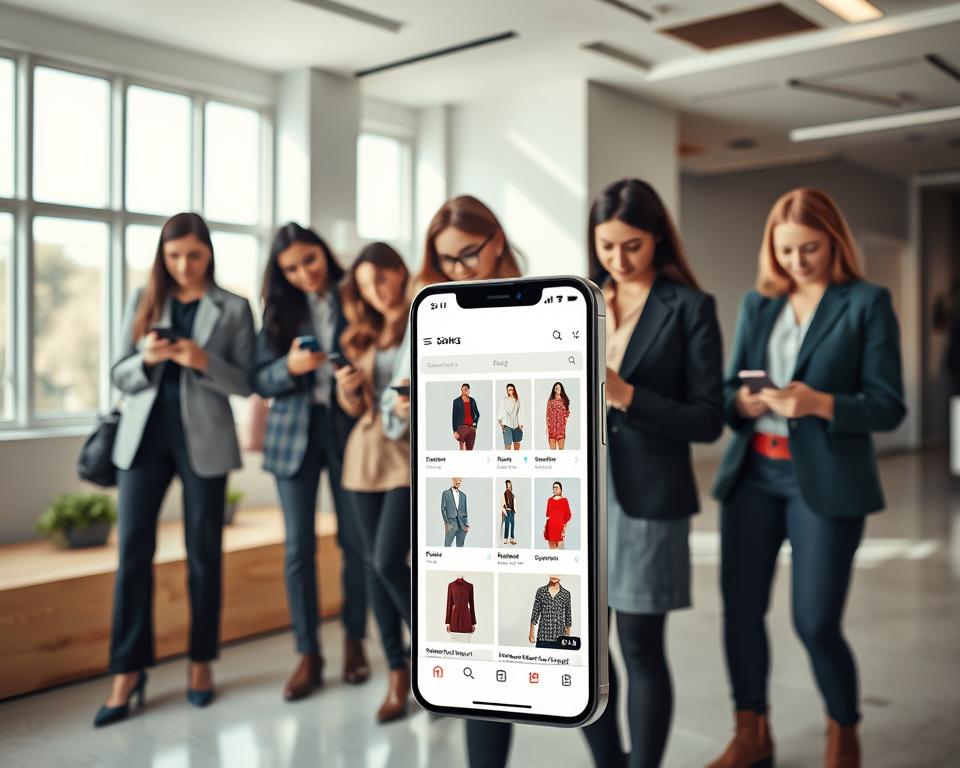
A mobile-optimized app offers a better experience, leading to more engagement and sales. Focus on simple navigation, mobile-friendly fonts, and clear calls-to-action.
Streamlining the Buying and Selling Journey
Making the buying and selling process easy is key to user satisfaction. Use features like one-click purchasing, simple listing for sellers, and clear product info.
Best Practices for Streamlining:
- Simplify the checkout process
- Provide clear product descriptions and high-quality images
- Implement an easy-to-use listing process for sellers
By following these UI/UX design best practices, fashion marketplaces can create a great experience for users. This leads to success in business.
The Complete Development Process Explained
Creating a Poshmark-like fashion app is a detailed process. It needs careful planning and execution. The development process has several key stages, from research to launch preparation. Each stage is important for the app’s success.
Discovery Phase and Market Research
The discovery phase is the start of the development process. It involves deep market research. This research helps understand the target audience, their likes, and the competition.
Steve Blank said,
“The biggest risk in startups is not the product, it’s the market.”
This phase finds out what the market needs and where opportunities lie. It makes sure the app meets user needs.
In this phase, it’s key to collect data on user behavior, market trends, and what competitors do. This data helps the development team create a solution that solves specific problems in the fashion resale market.

Design and Prototyping Stage
After market research, the next step is designing and prototyping. This stage creates wireframes and prototypes. These help visualize the app’s layout, user interface, and overall experience.
A good prototype lets stakeholders test and approve the app’s look and function before development starts. The design should make the app easy to use and visually appealing. As “Design is not just what it looks like and feels like. Design is how it works.” – Steve Jobs.
MVP Development and Core Features
With design and prototype done, the team builds the Minimum Viable Product (MVP). The MVP has the essential features for launching and getting first user feedback. Key features include user registration, product listing, search, and basic payment processing.
- User registration and profile management
- Product listing and catalog management
- Advanced search and filter functionality
- Secure payment gateway integration
Testing, QA, and Launch Preparation
Before launching, thorough testing and quality assurance (QA) are key. This stage finds and fixes bugs, checks the app’s stability and performance, and does user acceptance testing (UAT).
A good testing plan includes functional, usability, and performance tests. As development nears the end, the team gets ready for launch. They finalize marketing plans and prepare for post-launch support.
Security Measures and Regulatory Compliance
Security is key for any e-commerce platform, especially in the fashion resale app world like Poshmark. Keeping transactions safe and user data secure is vital. It builds trust and ensures the app’s success over time.
Implementing Data Privacy Standards
Data privacy is crucial for fashion resale apps. Strong data privacy standards are essential. They meet regulations like GDPR and CCPA and build user trust.
Key data privacy practices include:
- Data encryption
- Regular security audits
- Compliance with global data protection regulations
- Clear data usage policies
PCI DSS Compliance for Payment Security
Fashion resale apps that handle payments must follow PCI DSS. This ensures secure credit card transaction processing. It protects sensitive payment info.
| PCI DSS Requirement | Description |
|---|---|
| Secure Network Configuration | Implementing firewalls and secure network protocols |
| Regular Security Updates | Keeping systems and software up-to-date with the latest security patches |
| Access Control | Restricting access to sensitive data based on user roles |
Multi-Factor Authentication and Fraud Prevention
MFA adds a security layer to user accounts, lowering unauthorized access risk. It works with fraud detection to protect buyers and sellers.
Effective fraud prevention strategies include:
- Monitoring transactions for suspicious activity
- Using machine learning algorithms to detect fraud patterns
- Implementing user verification processes

Monetization Models for Fashion Marketplace Apps
It’s key to make money from a fashion app to keep it going. Good ways to do this help developers grow their apps. They make sure users have a great time using them.
There are a few ways to make money from fashion apps. You can charge sellers a fee for each sale. Or, you can offer special features for a monthly fee. You can also make money from ads and special listings.
Transaction-Based Commission Fees
One way to make money is by taking a cut of each sale. For example, Poshmark-like apps do this. They take a percentage of the sale price.
The amount you charge can depend on the product or the seller’s level. This lets app owners change how much money they make as needed.
Premium Seller Subscriptions
Another way is to offer special subscriptions for sellers. They pay a monthly fee for extra features. This could be more visibility for their products or better support.
These subscriptions help sellers stay on the app. They also make the app more popular with sellers.
Featured Listings and Advertising Revenue
Apps can also make money by promoting certain listings. Sellers pay to have their products shown more. This makes it easier for buyers to find them.
Adding ads is another way to make money. But, it’s important to do it in a way that doesn’t bother users. They should still have a good experience.
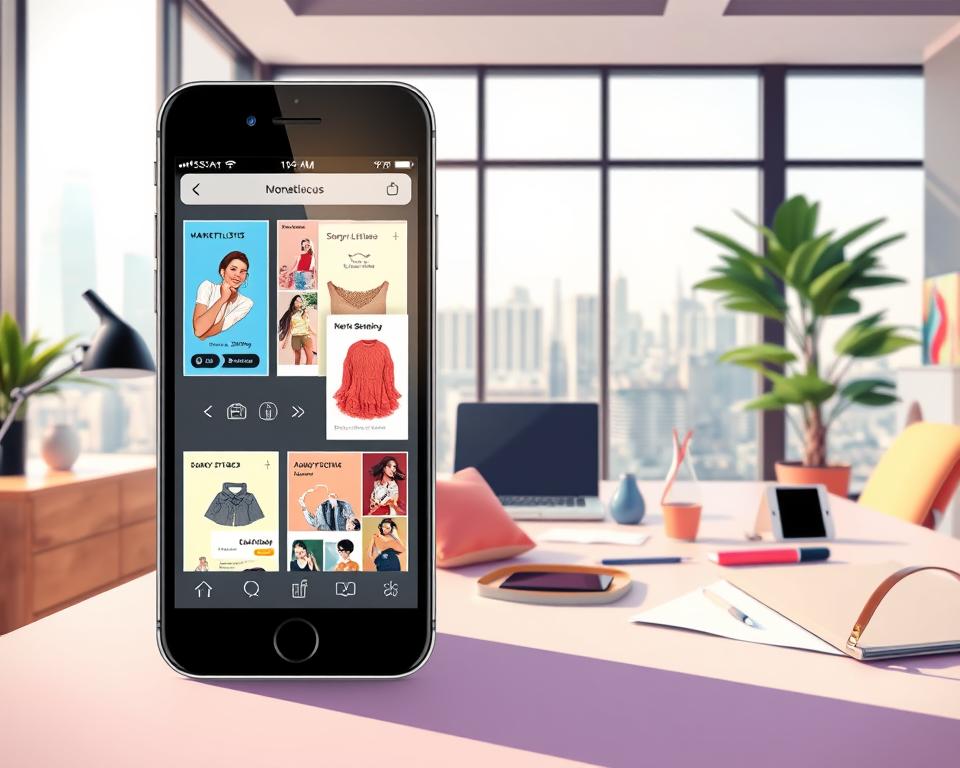
In summary, mixing different ways to make money works well for fashion apps. This includes taking a cut of sales, offering subscriptions, and using ads and special listings.
Cost Breakdown for Poshmark Like Fashion App Development
Understanding the cost of creating a fashion resale app like Poshmark is key for planning your budget. Building a marketplace app can be expensive. But, using AI-assisted platforms can help lower these costs.
When you plan to make a Poshmark-like app, knowing the different costs is crucial. The total cost includes the cost of the development team, third-party integrations, and ongoing maintenance.
Development Team Costs and Structure
The development team is the core of your project. Their costs can change based on the team’s size and where they are. A typical team has developers, designers, project managers, and quality assurance specialists.
| Team Member | Average Hourly Rate | Total Hours Required | Total Cost |
|---|---|---|---|
| Project Manager | $50 | 200 | $10,000 |
| UX/UI Designer | $40 | 150 | $6,000 |
| Backend Developer | $60 | 300 | $18,000 |
| Frontend Developer | $55 | 250 | $13,750 |
| QA Specialist | $30 | 100 | $3,000 |
Third-Party Integrations and Licensing Fees
Third-party integrations can greatly affect the cost. These include payment gateways, social media integrations, and shipping providers. You also need to think about licensing fees for certain technologies or services.
- Payment Gateway Fees: 2-3% per transaction
- Social Media Integration: $500 – $2,000
- Shipping Integration: $1,000 – $5,000
Maintenance and Infrastructure Expenses
After the app launches, ongoing maintenance and infrastructure costs are vital. These include server costs, salaries for the maintenance team, and expenses for updates.
Server Costs: $500 – $2,000 per month, depending on the scale and traffic.
Maintenance Team: $5,000 – $10,000 per month, depending on the team’s size and location.
Project Timeline and Development Phases
Knowing the project timeline is key for a Poshmark-like fashion app’s success. The development journey has many stages. The timeline changes based on how complex the project is and the team’s size.
Building a fashion resale app goes through several important phases. These include discovery, design, MVP development, testing, and getting ready for launch. Each phase has its own timeline and needs.
Estimated Timeline by Development Stage
The time needed to make a Poshmark-like app can be split into stages:
| Development Stage | Estimated Duration |
|---|---|
| Discovery Phase | 2-4 weeks |
| Design and Prototyping | 4-6 weeks |
| MVP Development | 12-16 weeks |
| Testing and QA | 4-6 weeks |
| Launch Preparation | 2-4 weeks |
David Cancel, CEO of Drift, said, “The biggest risk is not taking any risk.” Knowing the development stages and their timelines helps avoid risks. It makes the development smoother.
Factors That Impact Project Duration
Several things can change how long a project takes, including:
- How complex the features and functions are
- The size and skill of the development team
- The technology and infrastructure needed
- Any changes in the project’s scope or needs
By knowing these factors and planning well, you can make a more accurate timeline. This ensures your Poshmark-like fashion app is developed successfully.
Launching and Marketing Your Fashion App
To stand out in the fashion app market, a solid launch plan is key. It needs a mix of pre-launch prep, smart user acquisition, and a strong community. This ensures your app gets noticed and used.
Pre-Launch Beta Testing and Feedback
Before you launch your fashion marketplace app, beta testing is a must. It finds bugs, checks app stability, and gets user feedback. By testing with a small group, you can improve your app based on real use.
Here’s how to make beta testing successful:
- Choose the right beta testers, like fashion fans or potential users.
- Give them clear instructions on using the app and reporting problems.
- Use their feedback to make your app better.
User Acquisition and Growth Strategies
When your app is ready, start getting users through marketing. Good tactics include:
| Strategy | Description |
|---|---|
| Social Media Campaigns | Use Instagram and Facebook to find your audience. |
| Influencer Marketing | Work with fashion influencers to promote your app. |
| Content Marketing | Make interesting content about fashion and styling. |
For more tips on making a successful fashion app, check out this guide on how to develop a SHEIN-like app.
Building an Engaged Fashion Community
Creating a community around your app is crucial for success. Encourage users to share, give feedback, and chat with each other. You can do this by:
- Adding social features like profiles, forums, and comments.
- Hosting events, contests, or challenges to keep users engaged.
- Thanking and rewarding active community members.
By focusing on these areas, you can build a loyal user base. This will help your fashion app grow and succeed.
Common Development Challenges and Solutions
Creating a successful fashion resale app is tough. It faces technical, operational, and competitive hurdles. To succeed, you need to know these challenges and how to solve them.
Building a fashion resale app comes with many challenges. These include technical issues, operational complexities, and competition.
Overcoming Technical Obstacles
Technical challenges are big. They include making sure the app works well under heavy use, keeping user data safe, and linking with other services for payments and shipping.
To tackle these, pick the right tech stack and design. Using cloud services like AWS or Google Cloud can help with scalability and reliability. A marketplace development solution can also offer pre-built features to make things easier.
Managing Operational Complexities
Operational challenges are also big. They include handling seller and buyer interactions, managing inventory, and making sure payments and shipping are on time. You need strong systems and tools for this.
An effective strategy might include:
- Creating a detailed seller dashboard for managing inventory
- Using automated systems for payments and shipping labels
- Providing support through various channels like in-app messages, email, and phone
Standing Out in a Competitive Market
The fashion resale market is very competitive. To stand out, your app needs unique features and a great user experience.
Some ways to differentiate your app include:
- Focusing on a specific niche in the fashion resale market
- Adding innovative social features to build a community
- Offering competitive commission rates and seller-friendly policies
| Strategy | Description | Potential Impact |
|---|---|---|
| Niche Focus | Target a specific segment of the fashion resale market | High |
| Social Features | Implement features that encourage user interaction and community building | Medium |
| Competitive Commission Rates | Offer attractive commission rates to sellers | High |
By understanding these challenges and implementing effective solutions, you can create a successful fashion resale app. It will stand out in a competitive market.
Scaling Your Platform for Long-Term Success
Success in the fashion market needs smart scaling. As more users join and your platform grows, you must plan for expansion. This ensures your growth continues.
Expanding Feature Sets and Product Categories
To grow, add more features for a wider audience. This means:
- Introducing new product categories to attract different buyer segments
- Enhancing existing features to improve user experience
- Developing new features that encourage user engagement and retention
For example, virtual try-on or augmented reality can boost user interest.
Geographic Expansion Strategies
Expanding into new markets is key. Think about:
- Doing market research to find high-demand areas
- Localizing your app for new markets’ language and culture
- Partnering with local influencers or brands to gain trust
Entering new markets can greatly increase your users and earnings.
Leveraging AI for Personalized Recommendations
Artificial intelligence (AI) is vital for scaling. It offers tailored suggestions to users. This is done by:
- Studying user behavior and purchases for better product suggestions
- Using AI chatbots for support and style advice
- Forecasting fashion trends with machine learning to adjust inventory
By using these methods, you can grow your fashion app like Poshmark and succeed in the long run.
Conclusion
Creating a successful Poshmark-like fashion app needs careful planning and ongoing improvement. It’s important to understand the Poshmark business model. You should also include key features like user registration and social features.
A good UI/UX, secure payment system, and in-app messaging are vital for a smooth user experience. As you develop your app, focus on building a strong base. Listen to user feedback and keep up with fashion trends.
This way, you can build a thriving social commerce marketplace. It will attract and keep a loyal user base. This will lead to long-term success and growth.