






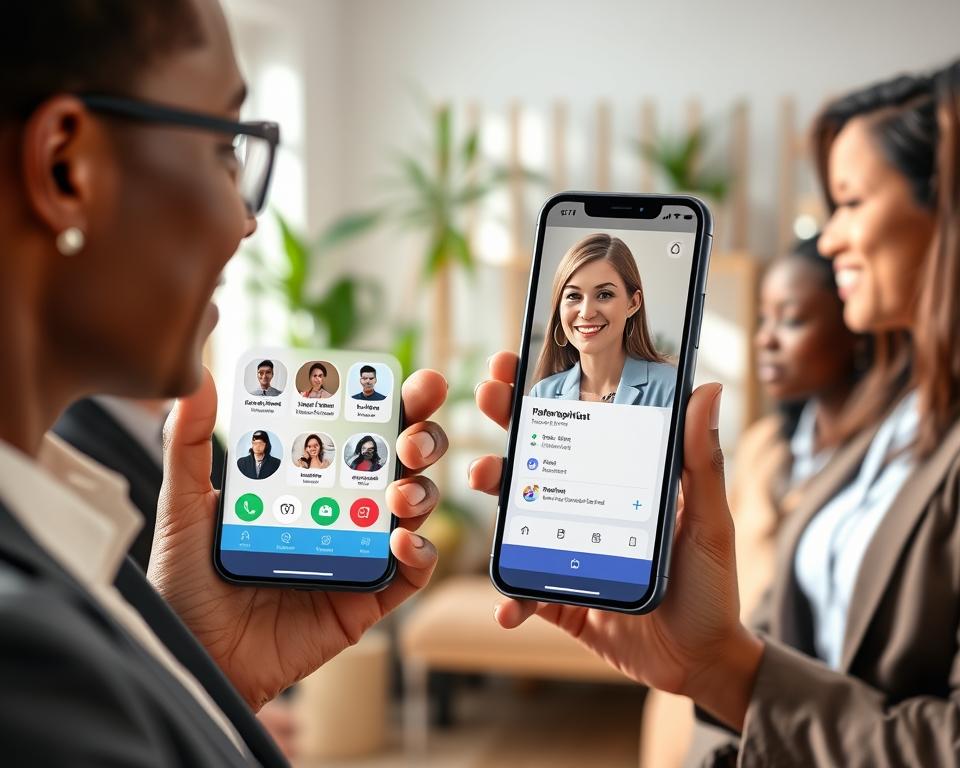
Mental health awareness is growing fast. This has led to a big need for easy and telehealth solutions. Now, the digital world of mental health is changing a lot. It’s moving towards online therapy marketplaces.
These platforms help people find licensed therapists. They offer a safe and private place for therapy sessions.
Mental health apps have changed how we get therapy. They make it easier and more accessible. With more people using smartphones, online therapy marketplaces are key in the mental health world.
Table of Contents
Key Takeaways
- The demand for online therapy is on the rise due to growing mental health awareness.
- Telehealth solutions are becoming increasingly popular for their convenience and accessibility.
- Mental health apps are transforming the therapy landscape.
- Online therapy marketplaces provide a safe and confidential environment for therapy sessions.
- The proliferation of smartphones has contributed to the growth of online therapy marketplaces.
The Growing Demand for Digital Mental Health Solutions
Mental health awareness is on the rise, and so is the need for digital mental health services. Online therapy platforms are becoming more popular. They offer convenience and flexibility, making them appealing to those seeking mental health support.
Telehealth has played a big role in the demand for digital mental health solutions. It has made mental health services more accessible. Now, people can talk to therapists from anywhere, especially in rural or underserved areas where access is hard.
Key Drivers of Demand:
- Increasing mental health awareness
- Convenience and flexibility of online therapy
- Expansion of telehealth services
- Changing societal attitudes towards mental health
Changing attitudes towards mental health have also helped. As stigma decreases, more people are looking for help. Digital platforms offer a private and comfortable space for support.
| Factor | Impact on Demand |
|---|---|
| Rise of Telehealth | Increased access to mental health services |
| Mental Health Awareness | More individuals seeking help |
| Digital Convenience | Enhanced accessibility and flexibility |

Statistics show the growing need for digital mental health solutions. With more telehealth services and a greater focus on mental health, online therapy demand will likely keep rising.
Understanding Online Therapy Marketplace Platforms
Online therapy marketplace platforms are changing how we get mental health help. They connect people looking for therapy with many mental health experts. This is a convenient and often cheaper option than seeing a therapist in person.

Core Components of Therapy Marketplace Apps
Therapy marketplace apps have key parts that make them work well and easy to use. These include:
- Therapist Matching Algorithms: These smart algorithms match patients with therapists who fit their needs and preferences.
- Appointment Scheduling: You can easily book, change, or cancel appointments with their scheduling systems.
- Secure Communication Systems: They use secure video calls, messages, and file sharing to keep your chats private.
- Patient and Therapist Profiles: You can find important info in detailed profiles to help you choose your care.
How Therapy Marketplaces Differ from Traditional Telehealth Solutions
Therapy marketplaces do more than just offer remote healthcare. They create a full system. Here’s how they differ:
- Broader Therapist Network: They have more therapists, so you have more choices.
- Personalized Matching: They use smart algorithms to find the best therapist for you.
- Streamlined Booking and Management: They make it easy to book, manage sessions, and pay for them.
Understanding these points helps us see the value of online therapy platforms for both patients and therapists.
Strategic Benefits of Building an Online Therapy Marketplace App
Creating an online therapy marketplace app brings many benefits to different groups in the mental health field. These platforms help connect mental health experts with those who need therapy. This makes getting help easier and more efficient.

Advantages for Patients and Therapy Seekers
Online therapy apps offer big advantages for those looking for help. Increased accessibility is a key benefit. Users can talk to therapists from home, which is great for those in remote areas or with mobility issues.
Another big plus is the wider range of therapist options. Users can look through many profiles, read reviews, and pick a therapist that fits their needs. This choice is not available in traditional therapy settings.
“The flexibility to choose from a diverse pool of therapists has been a game-changer for many patients, allowing them to find the perfect match for their specific needs.” – Dr. Jane Smith, Clinical Psychologist
Benefits for Mental Health Professionals
Online therapy apps also benefit mental health professionals. Increased visibility is a major advantage. These platforms let professionals showcase their skills and specialties to more people.
Also, these apps handle tasks like payment processing and scheduling. This lets professionals focus more on their clients and less on paperwork.
- Expanded client base
- Flexible scheduling options
- Reduced administrative burden
Value Proposition for Healthcare Organizations and Entrepreneurs
For healthcare groups and entrepreneurs, online therapy apps offer a strong value. They can be a new revenue stream, through commissions or subscriptions. By investing in these apps, organizations can offer more services and meet the growing demand for digital mental health solutions.
These platforms also serve as a data collection tool. They provide insights into mental health trends and user behavior. This data can help improve services, tailor marketing, and develop new features that meet user needs.
| Benefit | Description |
|---|---|
| Increased Accessibility | Patients can access therapy from anywhere |
| Wider Therapist Choice | Patients can choose from a diverse pool of therapists |
| Revenue Stream | New income opportunities for healthcare organizations |
Must-Have Features for Online Therapy Marketplace App Development
To make a top-notch online therapy marketplace, it’s key to include features for patients, therapists, and admins. A full set of features makes therapy smooth and effective. It boosts user happiness and use of the platform.
Patient-Side Functionality
The patient side is vital. It lets users easily find and book therapy sessions. This makes the platform user-friendly.
Advanced Therapist Search and Filtering Options
Users should search for therapists by specialty, insurance, language, and ratings. Advanced filtering options help find the right therapist. This makes the experience better.
Detailed Provider Profiles and Credentials Verification
Therapist profiles should list qualifications, experience, and specialties. Credentials verification ensures therapists are qualified. This helps patients choose wisely.
Seamless Appointment Scheduling and Management
The app should make scheduling and managing therapy easy. Features like automated reminders and rescheduling are helpful. This keeps therapy on track.

Therapist-Side Functionality
Therapist-side features are crucial. They help therapists manage their practice and care for patients well.
Comprehensive Professional Dashboard
A detailed dashboard gives therapists a view of their schedule and patient interactions. This makes managing their practice easier.
Availability Management and Calendar Integration
Therapists need to manage their time and integrate calendars. This avoids double-booking and lets patients schedule at the right times.
Administrative Panel Capabilities
The admin panel is key for managing the platform. It handles user management, content, and analytics.
Good admin panel features keep the platform running smoothly. They include user management, content moderation tools, and analytics and reporting. These help admins understand and improve the platform.
Integrated Video Conferencing and Communication Systems
Online therapy apps need to have secure video and chat tools. These tools help keep patient and therapist talks private and effective.

HIPAA-Compliant Video and Audio Sessions
Online therapy apps must use HIPAA-compliant video and audio sessions to protect patient data. They use strong encryption and secure methods to keep information safe during sessions.
The main features of HIPAA-compliant video conferencing are:
- End-to-end encryption for all sessions
- Secure user authentication and authorization
- Compliance with HIPAA’s technical, administrative, and physical safeguards
Secure In-App Messaging and Chat Features
Secure messaging is also key for ongoing talks between patients and therapists. It lets them send messages, set up appointments, and share info safely.
Important aspects of secure messaging include:
| Feature | Description | Benefit |
|---|---|---|
| End-to-End Encryption | Ensures that only the sender and recipient can read the messages | Protects patient privacy |
| Secure File Sharing | Allows for the safe exchange of documents and resources | Facilitates therapy and patient education |
| Message Persistence | Stores messages securely for future reference | Provides a record of communications |
Document Sharing and Resource Management
Good document sharing and resource management are key for online therapy apps. They help therapists share important materials with patients and manage their resources well.
Important parts of document sharing are:
- Secure upload and storage of documents
- Access controls to ensure that documents are shared with authorized individuals only
- Version control to track changes and updates to documents
By adding these features, online therapy apps can offer a safe, compliant, and effective place for therapy and communication. This helps improve the patient experience and supports mental health professionals.
Payment Processing and Revenue Management Systems
Online therapy apps need good payment and revenue systems to stay financially strong. These systems help manage money, accept different payments, and keep a steady income.

Multi-Gateway Payment Integration
It’s key to have many payment gateways to meet user needs and improve their experience. By supporting various payment options, like credit cards and PayPal, apps can reach more people. Multi-gateway payment integration also lowers the chance of users leaving because of payment problems.
Flexible Pricing Models and Session Packages
Flexible pricing and session packages are important for making money. Apps can use different pricing, like subscriptions or pay-per-session, to keep users coming back. Flexible pricing lets therapists set their fees based on their skills and therapy type, making it competitive.
Insurance Verification and Claims Processing Automation
Handling insurance payments well is crucial for apps that accept insurance. Automating these steps cuts down on work, mistakes, and wait times. By working with insurance companies, apps can check coverage quickly, making things easier for everyone.
In summary, a good payment and revenue system is essential for online therapy apps. With multi-gateway payments, flexible pricing, and insurance help, apps can make users happy, simplify work, and do well financially.
HIPAA Compliance and Healthcare Data Security Standards
HIPAA compliance is key for secure online therapy apps. As digital mental health grows, keeping patient data safe is crucial.

Navigating HIPAA Requirements for Mental Health Apps
Apps for online therapy must follow HIPAA rules to protect patient health info. Developers need to know the Privacy, Security, and Breach Notification Rules.
The Privacy Rule sets rules for using and sharing patient data. The Security Rule requires strong protection for electronic data. The Breach Notification Rule requires alerts when data is leaked.
Implementing End-to-End Encryption and Data Protection
End-to-end encryption is vital for data security in online therapy apps. It makes data unreadable to anyone except the sender and receiver.
Strong data protection policies are also needed. This includes secure storage, regular checks, and a plan for data breaches.
Multi-Factor Authentication and Access Controls
Multi-factor authentication (MFA) is important for verifying user identities. It makes it harder for unauthorized access to data.
Access controls are also key. They ensure users only see what they need for their job. This limits damage in case of a breach.
Audit Trails and Regulatory Documentation
Keeping detailed audit trails is essential for HIPAA compliance. They help spot unauthorized access or breaches.
Apps must also be ready to show regulatory documents. This includes their security policies and employee training.
By focusing on HIPAA and strong data security, online therapy apps can keep patient data safe. This builds trust in their services.
Optimal Technology Stack for Therapy Marketplace Development
A good technology stack is key for a therapy marketplace. It affects how users feel and how well the site works. The right mix of tech makes the site grow, stay safe, and easy to use.
Frontend Frameworks and Mobile Development Technologies
For the front end, React and Angular are top picks. They help make web apps that work well and look good. For mobile apps, React Native and Flutter are great because they work on both iOS and Android.
These tools help make the site easy to use. They make booking appointments and messaging secure and simple.

Backend Architecture and Database Management Systems
The backend is the heart of a therapy marketplace. It deals with user info, therapist details, and booking. Node.js is a top choice for building fast, scalable servers. For databases, relational databases like PostgreSQL and NoSQL databases like MongoDB are used based on what the site needs.
A strong backend keeps data safe and lets the site grow with more users.
Cloud Infrastructure and Scalability Solutions
Cloud services are essential for a therapy marketplace. They ensure the site can grow, stay up, and be secure. AWS and Google Cloud offer many services like computing, storage, and databases that can grow with the site.
Cloud services make it easy to manage resources, keep the site up, and save on costs.
Essential Third-Party APIs and Service Integrations
Adding third-party APIs is key for a therapy marketplace. APIs for payment gateways, video conferencing, and messaging services are needed for a full service.
These integrations add features like safe payments, quality video calls, and easy chats. They make the site better for users.
Step-by-Step Online Therapy Marketplace App Development Process
Creating an online therapy marketplace app needs careful planning. It starts with a detailed discovery phase. This step is key to understanding the market, knowing who to serve, and what makes the app special.
Discovery Phase and Requirements Analysis
The discovery phase is about doing market research and studying competitors. It’s also about listening to what potential users want. This stage is vital for making a robust feature set that meets everyone’s needs.
As Dr. John Smith, a renowned psychologist, says, “The success of an online therapy marketplace app depends on a smooth user experience and finding the right therapists for patients.” This shows how important detailed planning is at the start.
UI/UX Design and Interactive Prototyping
After gathering requirements, the next step is designing a user-friendly UI/UX. This means making wireframes, prototypes, and detailed designs that show the app’s look and feel. Interactive prototyping lets everyone see how the app works and make changes before starting to build it.

Agile Development and Feature Integration
The development phase uses an agile method for quick and continuous improvement. It includes adding features like video conferencing, secure messaging, and payment processing smoothly. Agile development helps the team adjust to changes and deliver a top-notch app.
Comprehensive Testing and Quality Assurance
Before the app is released, it goes through thorough testing. This includes functional testing, performance testing, and security testing. Testing finds and fixes bugs, making the app better for users.
Deployment Strategy and Launch Execution
The last step is planning a smart deployment and launch. This involves setting up the app’s infrastructure, testing it in different environments, and planning a marketing strategy. A successful launch is key to getting users and setting the app up for success.
“The key to a successful app launch lies in meticulous planning and execution. It’s not just about releasing the app, but about creating a buzz that attracts and retains users.” –
Smart Matching Algorithms and AI-Driven Recommendations
Smart matching algorithms are key in making therapy personal on digital health platforms. They use advanced data and machine learning to match patients with the right therapists. This leads to better therapy results.
Patient-Therapist Compatibility Criteria
Finding the perfect match between a patient and therapist is complex. It involves several factors:
- Therapeutic approach: The therapist’s method must match the patient’s needs and likes.
- Specialization and experience: Patients should be matched with therapists who know about their specific issues.
- Availability and scheduling: The therapist’s schedule and the patient’s availability are crucial for convenient sessions.
- Language and cultural compatibility: The therapist and patient should speak the same language and share cultural understanding for better communication.
Machine Learning Models for Enhanced Match Quality
Machine learning models are vital in making matches better. They analyze past data and user feedback. These models can:
- Find patterns in successful matches to improve future ones.
- Keep learning from new data to get better at matching.
- Adjust to changing user needs and preferences over time.
By using smart algorithms and AI, online therapy apps can make therapy more personal and effective. This leads to happier users and better therapy sessions.
The future of online therapy is bright, thanks to technology. As AI gets better, we’ll see even more advanced matching algorithms. These will make finding the right therapist for you even easier.
Monetization Strategies for Therapy Marketplace Platforms
Online therapy marketplaces need good revenue models to succeed. As more people seek digital mental health services, it’s key to have a solid plan. This plan helps these platforms thrive in the long run.
Commission-Based Revenue Models
Many platforms use a commission-based model. They charge therapists a percentage of their earnings for each session. The rate can change based on the platform’s goals, the services offered, and the competition.
Benefits of commission-based models include:
- Aligning the platform’s revenue with the therapists’ success
- Encouraging therapists to provide high-quality services
- Allowing for flexible pricing structures
Provider Subscription Tiers
Offering subscription tiers is another smart strategy. Therapists pay a recurring fee for platform access. Each tier has different features and support levels.
Key considerations for subscription tiers include:
- Clearly defining the features and benefits of each tier
- Ensuring that the pricing is competitive and aligned with the value provided
- Regularly reviewing and adjusting the tier structures based on user feedback and market conditions
Freemium and Premium Feature Monetization
The freemium model is a great choice for therapy platforms. It offers basic services for free and premium features for a fee.
Advantages of freemium models include:
- Attracting a larger user base through free services
- Converting free users to paid customers by offering valuable premium features
- Creating a revenue stream through premium feature monetization
By using these strategies, therapy platforms can be financially stable. They also offer great services to therapists and clients.
Investment and Cost Considerations in Development
Creating a successful online therapy marketplace app requires a detailed look at costs and budgeting. The financial side of this project is complex, with many stages and parts to consider.
Development Team Structure and Budget Allocation
The team for an online therapy app includes developers, designers, project managers, and quality assurance experts. Budget allocation for these roles can change a lot. It depends on things like where they are, their experience, and the tech they use.
A good team is key for a smooth project. It’s important to spread the budget right among team members and parts. For example, the budget for frontend and mobile work might be higher. This is because these areas need more work for a smooth user experience.
Feature Complexity Impact on Project Costs
The complexity of features in the app greatly affects development costs. Features like video conferencing, secure payments, and smart matching need a lot of work. This makes the costs go up.
It’s smart to pick features based on how important and complex they are. Start with the basics and add more complex ones later. This way, you can spread out the development costs over time.
Ongoing Maintenance and Technical Support Expenses
After the app is made, maintenance expenses are a big deal. Maintenance means keeping the app updated, fixing bugs, and providing tech support. This keeps the app working well and safe.
It’s important to plan for maintenance expenses for the app’s long-term success. This includes server upkeep, security updates, and customer support. It’s common to set aside a part of the initial budget for ongoing maintenance.
Overcoming Common Challenges in Therapy Marketplace Development
Creating a therapy marketplace platform is filled with challenges. These include making sure providers are credible and following complex rules. As more people seek online mental health help, solving these issues is key for success.
Provider Credentialing and Quality Assurance
One big challenge is making sure mental health experts are qualified and offer great services. To tackle this, platforms can set up a strict credentialing process. This includes:
- Checking professional licenses and certifications
- Doing background checks
- Looking at client feedback and ratings
Also, having a quality assurance team is helpful. They watch how therapists do and make sure they meet the platform’s standards.
| Credentialing Criteria | Description | Importance Level |
|---|---|---|
| Professional Licensure | Checking if they have the right to practice | High |
| Client Feedback | Looking at what past clients say | Medium |
| Continuing Education | Seeing if they keep learning | High |
Building User Trust and Driving Platform Adoption
Getting users to trust the platform is vital. Ways to do this include:
- Using strong security to keep user data safe
- Being clear about who the therapists are and what they offer
- Having safe ways to pay
To get more people using the platform, make it easy to use. Also, match clients with therapists who fit their needs well.
Navigating Multi-State Licensing and Regulatory Compliance
Platforms must follow laws about telehealth in different states. This means knowing and following multi-state licensing rules and making sure they follow HIPAA.
To deal with these rules, platforms can:
- Get advice from legal experts who know about telehealth law
- Keep track of licenses to make sure therapists are allowed to work where they do
- Keep policies up to date with changes in laws
By tackling these challenges early, therapy marketplace platforms can build a strong base for growth and success in online mental health.
Post-Launch Strategy and Continuous Platform Growth
The launch of an online therapy marketplace is just the beginning. A solid post-launch strategy is key for ongoing growth. It ensures the platform keeps up with user needs, adapts to market changes, and grows well.
User Acquisition and Marketing Tactics
Getting more users is crucial for an online therapy marketplace’s growth. A good marketing plan includes:
- Search Engine Optimization (SEO) to boost visibility.
- Content marketing that offers useful info to potential users.
- Social media campaigns to connect with the target audience.
- Influencer partnerships to reach more people.
Targeted advertising is also key. It uses Google Ads and Facebook Ads to find users looking for mental health services.
Feedback Collection and Iterative Enhancement
Getting feedback from users is vital for improving the platform. This can be done through:
- In-app surveys and feedback forms.
- User reviews and ratings.
- Social media listening to hear user concerns and ideas.
Iterative development based on feedback keeps the platform relevant and meets user needs.
Infrastructure Scaling and Service Expansion
As more users join, scaling the infrastructure is essential. This means:
- Upgrading server capacity to handle more traffic.
- Implementing load balancing to spread traffic evenly.
- Improving security to protect user data.
Adding more features or therapy types can also attract more users. This makes the platform more appealing to a broader audience.
Conclusion
Online therapy marketplace apps have changed the way we get mental health help. Now, people can get therapy from home. This change is big, and it’s here to stay.
To make a good online therapy app, you need to plan well and keep improving. It’s all about making a safe and easy-to-use space for people to talk about their feelings.
Using video calls and smart matching algorithms can make the app better. It helps people find the right therapist for them. This makes therapy more personal and helpful.
As more people want online therapy, these apps will become even more important. They use new tech to help people get the mental health care they need.
The secret to success is to keep making the app better. It should always meet the changing needs of both patients and therapists.