






In today’s fast-paced tech world, businesses are always looking for ways to make mobile applications quickly and well. One good way is to hire on-demand app developers using the dedicated resource model.
This model lets companies scale their development team as needed, making it flexible and affordable. By choosing dedicated developers, businesses can cut costs by up to 60% compared to hiring in-house.
Platforms like Krishang Technolab connect you with pre-vetted remote developers. They have skills in web, mobile, cloud, AI, and enterprise solutions.
Table of Contents
Key Takeaways
- Save up to 60% on development costs with the dedicated resource model.
- Access to pre-vetted remote developers with diverse expertise.
- Flexibility to scale your development team according to project needs.
- Cost-effective solution for businesses looking to develop high-quality apps.
- Expertise in various technologies, including web, mobile, and cloud.
Understanding the Dedicated Resource Model for App Development
It’s key to grasp the dedicated resource model for businesses looking to find the right talent for app projects. This model is popular for its flexibility and efficiency in managing app development.

What is a Dedicated Resource Model?
The dedicated resource model means hiring developers who focus only on your project. This gives you full control and flexibility. It lets businesses grow their development team as needed, ensuring they have the right skills.
How the Dedicated Resource Model Differs from Traditional Hiring
The dedicated resource model is different from traditional hiring. In traditional hiring, employees work full-time. But this model offers a flexible setup. Developers are dedicated to your project, helping align with your business goals.
Key Components of the Dedicated Resource Model
The dedicated resource model has several important parts:
- Dedicated Developers: Team members who work only on your project.
- Flexibility in Scaling: You can change the size of your team as needed.
- Direct Communication: You can talk directly with your team to meet project goals.
Knowing these parts helps businesses see the value of using the dedicated resource model for app development.
Why Businesses Choose to Hire On-Demand App Developers
More and more businesses are choosing on-demand app developers for their projects. This choice is popular because it offers many benefits. These benefits help businesses meet their needs in today’s fast-paced digital world.
Flexibility in Scaling Your Development Team
One big reason for this choice is the flexibility in scaling teams. Businesses can grow or shrink their teams as needed. This means they don’t have to pay for more staff than they need.
Access to Specialized Technical Skills on Demand
By hiring on-demand app developers, businesses get access to specialized technical skills. This is great for projects that need specific knowledge. For example, dedicated app developers with certain programming skills.

Reducing Overhead and Operational Costs
Using on-demand app developers also cuts down on costs. Businesses don’t have to keep a big team on payroll. This saves money on benefits, training, and office space. It lets businesses focus on what they do best.
Faster Time-to-Market for App Projects
On-demand app developers help businesses get their apps out faster. This is key in today’s fast-paced market. With their help, businesses can speed up their app development and get to market sooner.
| Benefits | Description |
|---|---|
| Flexibility | Scale development teams according to project needs |
| Specialized Skills | Access to specific technical expertise on demand |
| Cost Reduction | Lower overhead and operational costs |
| Faster Time-to-Market | Accelerated app development and deployment |
Core Benefits of the Dedicated Resource Model
The dedicated resource model offers companies more control and flexibility in app development. It brings many benefits that improve development processes and lead to successful projects.
Full Control Over Your Development Team
This model lets businesses have full control over their development team. They can manage their developers, assign tasks, and set priorities. This ensures the project meets their specific needs.
With full control, companies can also adjust the project scope or team as needed. This flexibility helps them adapt to changing project demands.
Direct Communication and Real-Time Collaboration
The dedicated resource model supports direct communication and real-time collaboration between the team and stakeholders. This direct communication prevents misunderstandings and ensures clear requirements. It also allows the team to quickly address any issues.
By working closely with the team, businesses can provide feedback and guidance in real-time. This helps keep the project on track and ensures high quality.

Long-Term Engagement and Team Stability
This model promotes long-term engagement and team stability, key for complex app projects. The team becomes more familiar with the company’s goals and culture. This leads to better quality outcomes.
Long-term engagement also saves on the costs of constantly onboarding new team members. It lets the company focus on delivering the project.
Alignment with Your Company Culture and Business Goals
The dedicated resource model helps ensure the development team aligns with the company’s culture and goals. By working closely, companies can instill their values and mission into the project. This results in a product that meets their needs and expectations.
This alignment is vital for a successful app that supports the company’s strategy and growth. It helps drive business success.
Types of On-Demand App Developers You Can Hire
The demand for mobile apps has grown, leading to a wide range of talent. Businesses can pick from many skilled professionals to fit their project needs.
iOS App Developers for Apple Ecosystem
iOS app developers make apps for Apple’s iOS. They know Swift and Objective-C well. They also understand Apple’s ecosystem, including Xcode and App Store rules.
Key Skills: Swift, Objective-C, Xcode, iOS SDK, App Store guidelines.
Android App Developers for Google Platform
Android app developers build apps for Android. They’re good with Java and Kotlin. They also know Android Studio and the Google Play Store.
Key Skills: Java, Kotlin, Android Studio, Android SDK, Google Play Store guidelines.
Cross-Platform App Developers Using React Native and Flutter
Cross-platform developers use React Native and Flutter. They make apps for both iOS and Android. This saves time and resources by using one codebase.
Key Skills: React Native, Flutter, JavaScript, Dart.
Full-Stack Mobile App Developers
Full-stack developers know both front-end and back-end. They handle everything from UI to server-side logic.
Key Skills: Front-end development (UI/UX, Swift, Kotlin), Back-end development (Node.js, Ruby on Rails), Database management.
| Type of Developer | Platform/Technology | Key Skills |
|---|---|---|
| iOS App Developers | Apple iOS | Swift, Objective-C, Xcode |
| Android App Developers | Google Android | Java, Kotlin, Android Studio |
| Cross-Platform Developers | React Native, Flutter | JavaScript, Dart |
| Full-Stack Developers | Front-end & Back-end | UI/UX, Swift, Kotlin, Node.js, Ruby on Rails |

How to Hire On-Demand App Developers – Dedicated Resource Model
Knowing how to hire on-demand app developers is key for companies. This model lets businesses grow their development teams fast. It makes sure projects are done on time and within budget.
Define Your Project Requirements and Technical Specifications
The first step is to clearly outline your project needs and technical details. You need to know the project’s scope, the technical skills needed, and the timeline and budget.
To define your project well, consider these points:
- Know the project’s goals and what you want to achieve
- Detail the technical needs and requirements
- Set a realistic timeline and budget
Select the Right Developers Based on Skills and Experience
After outlining your project, it’s time to pick the right developers. Look at their technical skills, experience with development tools, and teamwork abilities.
For more tips on choosing the right developers, check out effective tips to hire a dedicated developer.

Conduct Technical Interviews and Skill Assessments
Technical interviews and skill assessments are crucial. They help check developers’ technical skills, problem-solving abilities, and fit for your project.
| Assessment Criteria | Description | Weightage |
|---|---|---|
| Technical Skills | Proficiency in relevant programming languages and technologies | 30% |
| Problem-Solving Skills | Ability to solve complex problems and debug code | 25% |
| Communication Skills | Ability to communicate effectively with the team | 20% |
| Experience | Relevant experience in app development projects | 25% |
Onboard Developers and Integrate Them into Your Team
Once you’ve chosen the right developers, onboard them and integrate them into your team. Provide training, set clear expectations, and ensure they have the resources to succeed.
Establish Communication Protocols and Development Workflows
Lastly, set up clear communication and development workflows. This means regular check-ins, using project management tools, and defining the development process. It ensures everyone is on the same page.
By following these steps, businesses can effectively hire on-demand app developers using the dedicated resource model. This ensures projects are completed efficiently and effectively.
Essential Skills to Look for in On-Demand App Developers
When you’re looking to hire on-demand app developers, it’s key to know what skills are important. The right mix of technical know-how, problem-solving, and communication can make a big difference. This ensures your app is top-notch and meets your business goals.
Technical Proficiency in Modern Programming Languages
App developers need to know modern programming languages well. For iOS apps, knowing Swift or Objective-C is crucial. Android apps need Java or Kotlin skills. And for apps that work on both, React Native or Flutter knowledge is vital.
Developers with the latest skills can tackle app development’s tough parts. They can add cool features and make sure your app works well on all devices.

Experience with Popular Development Frameworks and Tools
Knowing popular frameworks and tools is also important. For example, React Native, Flutter, or Xamarin experience can speed up and improve your app’s quality.
Also, knowing about backend tech and databases like Node.js, Express, or MongoDB is helpful. This is especially true for projects that need a full-stack approach.
Problem-Solving and Analytical Thinking Abilities
App developers should also be great at solving problems and thinking analytically. These skills help them fix bugs, make apps run better, and find new ways to solve tough problems.
Developers with strong analytical skills can get what the project needs, spot potential issues, and find ways to solve them. This makes the development process smoother.
Strong Communication and Team Collaboration Skills
Good communication and teamwork are crucial for app development success. Developers should be able to share their ideas clearly, understand what’s needed, and work well with your team.
Good communication stops misunderstandings and keeps everyone in sync. This is especially important when working with remote teams. Clear communication helps overcome distance and ensures everyone is working together effectively.
Cost Structure and Pricing Models for Dedicated Developers
When looking to hire dedicated app developers, it’s important to understand the pricing models. These models can affect the total cost. The cost structure is complex, with various pricing strategies.

Understanding Hourly vs. Monthly Pricing Models
Dedicated developers can be hired on an hourly or monthly basis. The hourly pricing model charges by the hour, great for projects with changing needs. The monthly pricing model offers a fixed fee for a set number of hours, making costs more predictable.
The hourly model is flexible but can be uncertain in cost. The monthly model is stable but might be more expensive if not fully used.
Factors That Influence Developer Costs and Rates
Several factors affect the costs and rates of dedicated developers. These include:
- Location: Rates vary by region due to living costs and economic conditions.
- Experience and Skill Level: More experienced or skilled developers charge more.
- Technology Stack: Some technologies require more skilled developers, increasing costs.
- Project Complexity: Complex projects with tight deadlines can be more expensive.
Budget Planning and Cost Optimization Strategies
Effective budget planning and cost optimization are key when hiring dedicated developers. Strategies include:
- Defining Project Scope Clearly: A clear scope helps avoid extra costs.
- Selecting the Right Pricing Model: Choose a model that fits your project’s needs.
- Regular Monitoring and Reporting: Keep track of costs and project progress to find ways to save.
Understanding the cost structure and pricing models is crucial. With effective budget planning and cost optimization, businesses can manage their costs when hiring dedicated developers.
Managing Your Dedicated Development Team Effectively
Managing a dedicated development team needs a smart plan to boost productivity. It’s about setting goals and making sure the team works well together.
Setting Clear Expectations, Goals, and Milestones
To manage your team well, set clear goals and milestones. Define what needs to be done, when it should be done, and how you’ll know it’s done. This keeps everyone on the same page and working towards the same goals.
Key elements to consider when setting expectations include:
- Clearly defining project scope and objectives
- Establishing realistic timelines and milestones
- Communicating expectations to the team
Implementing Agile Methodologies and Project Management Tools
Using agile methods and project tools can make your team more productive. Agile lets you change plans as needed, and tools help you track progress and stay organized.
Popular agile methodologies include:
- Scrum
- Kanban
For project management tools, Jira, Trello, and Asana are good choices. For more on dedicated teams, check out https://blackthorn-vision.com/blog/dedicated-development-team-model/.
Conducting Regular Performance Reviews and Providing Feedback
Regular reviews are key to checking how your team is doing. They help spot areas to improve and give feedback. This keeps the team motivated and working at its best.
| Performance Review Elements | Description | Benefits |
|---|---|---|
| Regular Feedback | Continuous assessment of team performance | Improved team performance, early issue detection |
| Goal Alignment | Ensuring team goals align with project objectives | Enhanced team focus and productivity |
| Skill Development | Identifying training needs and opportunities | Enhanced team capabilities and job satisfaction |
Fostering Team Collaboration and Maintaining Productivity
Creating a team that works well together is vital. Encourage everyone to talk openly, work together, and keep a positive vibe. This boosts productivity and helps the team reach project goals.

Managing a dedicated development team is complex. It involves setting clear goals, using agile methods, reviewing performance, and promoting teamwork. By doing these things, your team will be productive, motivated, and focused on your project goals.
Dedicated Resource Model vs. Other Hiring Models
Choosing the right hiring model for app development is key. The dedicated resource model is often picked for its flexibility and control. Businesses must consider the pros and cons of each model to find the best fit for their project.
Dedicated Resources vs. Fixed Price Project Model
The fixed price project model means hiring developers for a set project with a fixed budget and timeline. It offers cost certainty but can be rigid if project needs change. On the other hand, the dedicated resource model is more flexible, allowing teams to grow as needed.
| Feature | Dedicated Resource Model | Fixed Price Project Model |
|---|---|---|
| Flexibility | High | Low |
| Cost Structure | Variable | Fixed |
| Project Control | High | Medium |
Dedicated Resources vs. Time and Material Model
The time and material model charges developers based on time worked and resources used. It’s flexible but can be uncertain in costs. The dedicated resource model also offers flexibility and direct communication, leading to more efficient projects.
| Aspect | Dedicated Resource Model | Time and Material Model |
|---|---|---|
| Cost Predictability | Medium | Low |
| Flexibility | High | High |
| Project Management | Direct | Variable |
Dedicated Resources vs. In-House Hiring
In-house hiring means hiring developers as full-time employees. It gives complete control but has high overhead costs like salaries and benefits. The dedicated resource model avoids these costs, offering skilled developers without long-term commitments.
| Criteria | Dedicated Resource Model | In-House Hiring |
|---|---|---|
| Overhead Costs | Low | High |
| Control and Flexibility | High | Very High |
| Access to Talent | Broad | Limited to In-House |
When to Choose the Dedicated Resource Model
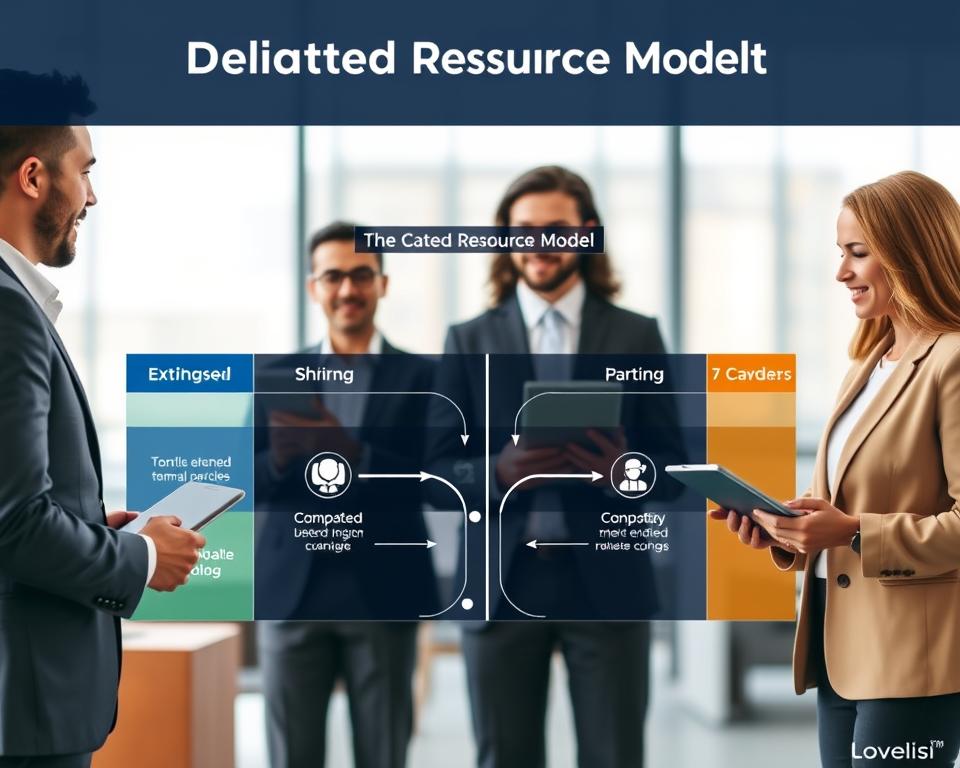
The dedicated resource model is great for businesses needing flexibility and control over their projects. It’s perfect for projects with changing needs or those that need to grow fast.
Industries That Benefit from Hiring Dedicated App Developers
Today, many industries are using dedicated app developers to boost their mobile strategies. Mobile apps are key to business success. Various sectors are using these developers to improve their digital presence.
Healthcare and Telemedicine Applications
The healthcare field is moving towards telemedicine and digital health services. Dedicated app developers are crucial in making apps for remote consultations and patient monitoring. They also help manage health records.
Telemedicine apps need to be secure and follow health data laws. This ensures patient information is protected.
“The integration of telemedicine into healthcare systems has transformed the way patients receive medical care, making it more accessible and convenient.”
Developers in healthcare must know about HIPAA, secure data storage, and wearable device integration.
E-commerce and Retail Mobile Solutions
E-commerce is using mobile apps to improve customer experience and make shopping easier. Dedicated app developers create personalized shopping experiences and manage inventory. They also ensure secure payment gateways.
| E-commerce Features | Benefits |
|---|---|
| Personalized Recommendations | Enhanced Customer Experience |
| Streamlined Checkout | Increased Conversion Rates |
| Inventory Management | Reduced Operational Costs |
Hiring dedicated developers helps e-commerce businesses stay ahead in a fast-changing market.
Fintech and Banking Applications
Fintech and banking need secure and reliable apps for financial transactions and customer data. Developers with knowledge in financial laws and security are crucial.
Fintech apps handle complex tasks like payment processing and investment tracking. They must be secure and follow financial rules.
Education and E-Learning Platforms
The education sector is changing with e-learning platforms and apps. Dedicated app developers create interactive learning experiences and manage course content. They help engage students.
E-learning platforms need features like course tracking and assessment tools. Dedicated developers are key in designing these features to improve learning.
By using dedicated app developers, schools can offer quality learning resources to students globally.
Ensuring Quality and Security with Dedicated Developers
When working with dedicated developers, quality and security are key. It’s important to set high standards and practices. This ensures your application is top-notch and safe.
Implementing Code Quality Standards and Best Practices
High code quality is crucial for your app’s reliability and growth. Developers should follow coding standards and do regular code reviews. They should also use continuous integration and deployment (CI/CD). Code quality standards lower bugs, make code easier to read, and boost app performance.
To keep code quality high, consider these steps:
- Create a coding standards document with guidelines.
- Do regular code reviews to follow these standards.
- Use automated testing and CI/CD to find and fix errors early.
Establishing Security Protocols and Data Protection Measures
Security is vital, especially when handling sensitive user data. Dedicated developers must use strong security protocols to protect against threats. This includes regular security audits, encryption, and secure coding practices.
Important security steps include:
- Use data encryption for both in-transit and at-rest data.
- Do regular security audits and penetration testing.
- Follow secure coding practices and guidelines.
Quality Assurance and Testing Processes
Quality assurance (QA) is essential to ensure your app meets standards and works as expected. Developers should team up with QA engineers. They should create test plans, do various tests, and fix bugs early.
Good QA processes include:
- Make detailed test cases and scenarios.
- Do automated and manual testing to cover all app aspects.
- Use a defect tracking system to track and solve issues.
By focusing on code quality, security, and thorough QA, your dedicated developers will deliver a top-quality, secure app. This app will meet your business needs and user expectations.
Overcoming Challenges When Hiring On-Demand Developers
Hiring on-demand developers has many benefits but also comes with challenges. Businesses face issues like time zone differences, cultural fit, and managing remote teams. These obstacles can affect project success.
Managing Time Zone Differences and Communication Barriers
Time zone differences are a big challenge when hiring on-demand developers. It’s hard to coordinate meetings and communicate in real-time when team members are in different regions. To solve this, businesses can use flexible working hours and tools for asynchronous communication.
Tools like Trello or Asana help keep everyone on the same page, no matter where they are. Having a core working hour overlap helps with real-time discussions and making decisions.
Ensuring Cultural Fit and Team Alignment
Cultural fit is key when adding on-demand developers to your team. Cultural differences can cause misunderstandings and affect team unity. Companies should clearly communicate their company culture and values to remote developers.
Organizing virtual team-building activities helps build unity and collaboration. It’s also important to give on-demand developers the resources and support they need to feel included and valued.
Effective Remote Team Management Strategies
Managing a remote team of on-demand developers is different from managing an in-house team. Businesses need to use agile methodologies and digital tools to track progress, communicate, and collaborate.
| Strategy | Description | Benefits |
|---|---|---|
| Regular Virtual Meetings | Hold weekly or bi-weekly meetings to discuss project status and address concerns. | Enhances communication, fosters team unity. |
| Project Management Tools | Utilize tools like Jira or Basecamp to track progress and assign tasks. | Improves project visibility, streamlines task management. |
| Clear Goal Setting | Establish clear objectives, milestones, and deadlines for on-demand developers. | Ensures everyone is aligned with project goals, enhances productivity. |
For more information on hiring remote developers, visit https://nextbigtechnology.com/hire-remote-developers/.
Success Factors for Long-Term Dedicated Resource Partnerships
For long-term success, partnerships need key elements. These elements create a productive and collaborative space. They ensure the partnership benefits everyone involved.
Building Trust and Transparency in Working Relationships
Trust is vital in any partnership. In dedicated resource partnerships, trust grows from being open, reliable, and communicative. Businesses should make sure both sides feel respected and valued.
Regular updates and reports boost transparency. They help both sides stay on track with project goals and deadlines.
Providing Professional Growth Opportunities for Developers
Professional growth opportunities keep developers motivated and engaged. This includes training, challenging projects, and career paths.
Investing in developers’ growth boosts job satisfaction. It also lowers turnover and improves work quality.
Maintaining Consistent Communication and Collaboration
Consistent communication is key for partnership success. Regular meetings, clear channels, and tools keep everyone informed.
Good collaboration means sharing info and working together. It’s about solving problems and reaching goals together.
Adapting to Evolving Project Requirements and Technologies
Being able to adapt to changing project needs and tech is crucial. Businesses must stay agile and open to new challenges and chances.
By being flexible and innovative, partnerships can keep delivering value. Even as projects and tech change.
Conclusion
Hiring on-demand app developers is a smart move for businesses wanting top-notch mobile apps. This method brings many benefits. It lets companies adjust their team size easily, tap into specialized skills, and save on costs.
Knowing the dedicated resource model’s perks helps businesses choose wisely for their app needs. Success comes from clear talks, setting clear goals, and a smooth development process.
As more people want mobile apps, using the dedicated resource model keeps businesses ahead. By getting on-demand app developers, companies can speed up their projects. This way, they can get their apps out faster and meet their goals.