






Table of Contents
Introduction to Mobile Wallets
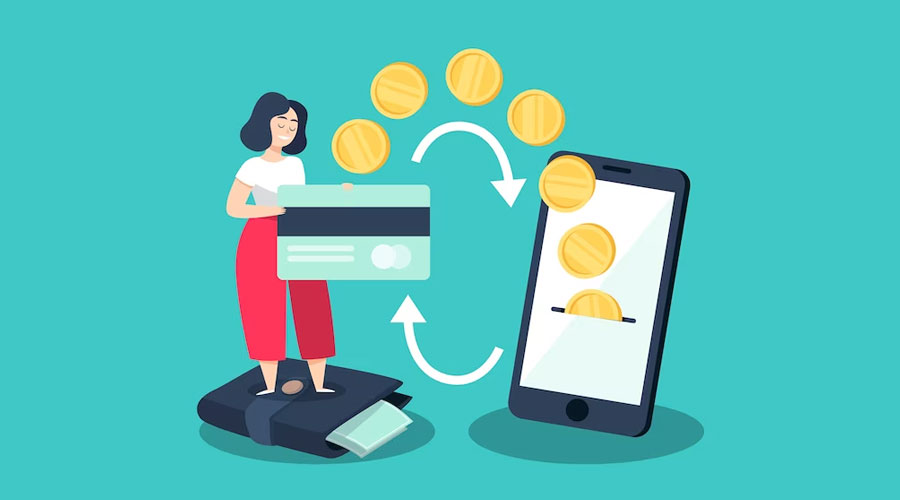
In a rapidly advancing digital landscape, the evolution of financial technology has birthed a revolutionary tool: the mobile wallet. Imagine carrying a virtual repository of your payment cards, loyalty programs, and even cryptocurrency, all encapsulated within a single, secure application on your smartphone. This is the essence of a mobile wallet—an innovation that has redefined how we perceive and conduct financial transactions.
What are Mobile Wallets?
Mobile wallets, often referred to as digital wallets or e-wallets, are software-based platforms that securely store payment information, enabling users to make transactions conveniently via their mobile devices. Unlike traditional wallets that hold physical cash or cards, these digital counterparts leverage the power of technology to facilitate seamless, contactless payments.
Evolution and Adoption
The concept of mobile wallets traces its origins to the early 2000s, gaining traction with the introduction of services like PayPal and Google Wallet. However, it was the proliferation of smartphones and advancements in encryption and authentication technologies that accelerated their adoption.
The integration of features such as NFC (Near Field Communication), QR code scanning, and biometric authentication (fingerprint or facial recognition) has enhanced the security and ease of use, making mobile wallets a preferred choice for consumers globally.
Types of Mobile Wallets
- Closed Wallets: Operated by specific vendors or service providers, these wallets are generally used for transactions within the provider’s ecosystem. Examples include Starbucks or Apple Pay.
- Open Wallets: These wallets offer more flexibility, allowing users to store multiple payment methods and engage with various merchants. PayPal and Google Pay fall under this category.
- Semi-Closed Wallets: Typically issued by financial institutions, these wallets facilitate transactions within a specified network of merchants or services. They often offer loyalty programs and discounts.
Advantages and Utility
The appeal of mobile wallets extends beyond mere convenience. They offer a myriad of advantages:
- Convenience: Rapid transactions without the need for physical cards or cash.
- Security: Encryption and authentication protocols safeguard sensitive financial information.
- Accessibility: Access to diverse payment methods, loyalty programs, and financial services in one platform.
- Contactless Transactions: Hygienic and swift transactions, especially relevant in today’s health-conscious environment.
The Future of Mobile Wallets
The trajectory of mobile wallets continues to evolve. Future innovations may include the integration of emerging technologies like blockchain for heightened security, AI-driven personalization, and the mainstream adoption of cryptocurrencies for transactions.
In conclusion, mobile wallets represent a paradigm shift in how we perceive and execute financial transactions. As technology continues to evolve, these digital companions will play an increasingly integral role in shaping the future of commerce and financial interactions.
The journey towards embracing mobile wallets begins with understanding their functionality, security measures, and the unparalleled convenience they offer. As consumers and businesses embrace this digital revolution, the landscape of financial transactions will undoubtedly continue to transform.
Key Features of a Mobile Wallet App

1. User-Friendly Interface
A seamless, intuitive interface is paramount for user adoption. It should facilitate effortless navigation, clear categorization of features, and easy access to functionalities. Visual elements, such as icons and colors, should be consistent and appealing, enhancing the overall user experience.
2. Registration and Onboarding
Streamlined and hassle-free registration processes are vital. Offering multiple signup options (email, phone number, social media) and guiding users through a simple onboarding journey helps in reducing abandonment rates and ensuring a quick start.
3. Multiple Payment Options
Support for diverse payment methods – credit/debit cards, bank transfers, QR code scanning, NFC, and integration with various payment gateways – amplifies the app’s usability, catering to a wider audience with different preferences.
4. Security Measures
Top-tier security features are non-negotiable. Integration of robust encryption protocols, tokenization, biometric authentication (fingerprint, facial recognition), multi-factor authentication, and real-time fraud detection mechanisms instills trust and ensures the safety of users’ financial data.
5. Wallet Management
Efficient wallet management features allow users to add, edit, or remove payment methods, manage balances, view transaction history, and set preferences for default payment methods or currencies.
6. Personalization and Loyalty Programs
Personalization enhances user engagement. Offering personalized recommendations, spending insights, and integrating loyalty programs, cashback offers, or rewards schemes incentivize users to use the app regularly and foster loyalty.
7. Peer-to-Peer (P2P) Transfers
Enabling users to transfer funds effortlessly between individuals through the app using various methods like phone numbers, email addresses, or QR codes promotes convenience and facilitates quicker transactions among friends, family, or businesses.
8. Bill Payments and Utilities
Integration with utility bill payments (electricity, water, internet) and recurring payment setups automates bill settlements, sparing users the hassle of manual payments and late fees.
9. Mobile Recharge and Top-Up
Incorporating features for mobile recharges, prepaid card top-ups, or adding credit to digital wallets within the app extends its functionality, providing users with a one-stop solution for financial transactions.
10. Offline Access and Integration
Providing limited offline access (like checking balances or viewing transaction history) ensures usability even in areas with poor connectivity. Integration with third-party services like retail outlets, e-commerce platforms, or transportation services broadens the app’s usability scope.
11. Push Notifications and Alerts
Real-time notifications for successful transactions, account activity, security alerts, and personalized offers keep users informed and engaged, enhancing the overall user experience.
12. Compliance with Regulations
Adherence to stringent regulatory standards like PCI DSS (Payment Card Industry Data Security Standard) and GDPR (General Data Protection Regulation) instills confidence among users regarding data privacy and compliance with industry norms.
13. Customer Support and Feedback
Prompt and accessible customer support channels within the app, along with feedback mechanisms, demonstrate commitment to user satisfaction and continuous improvement.
14. Analytics and Reporting
For users and administrators alike, providing comprehensive analytics and reporting tools aids in tracking expenses, analyzing spending patterns, and making informed financial decisions.
15. Innovative Technologies Integration
Experimenting with emerging technologies like AI for predictive analytics, blockchain for enhanced security, or IoT (Internet of Things) for seamless connectivity with devices expands the app’s capabilities and positions it as a frontrunner in innovation.
Incorporating these features with a user-centric approach, robust security, and continuous innovation can help craft a mobile wallet app that not only meets but exceeds user expectations in the ever-evolving landscape of digital payments.
Challenges and Solutions in Mobile Wallet Development

1. Security Challenges:
a. Data Encryption:
Ensuring the security of sensitive financial information is paramount. Implementing robust encryption protocols to safeguard user data from potential breaches or unauthorized access is a constant challenge. Solutions involve adopting advanced encryption standards and regularly updating security measures to stay ahead of evolving cyber threats.
b. Fraud Prevention:
Combatting fraudulent activities like identity theft or unauthorized transactions is an ongoing battle. Employing multi-factor authentication, biometric verification, and real-time transaction monitoring systems are crucial strategies to mitigate fraud risks.
c. Compliance and Regulations:
Adhering to stringent regulatory frameworks such as GDPR, PCI DSS, or regional financial regulations poses a challenge. Constant vigilance and ensuring compliance throughout the app’s development and operation are essential.
2. Technological Challenges:
a. Compatibility Across Platforms:
Developing an app that functions seamlessly across various devices, operating systems, and versions is a hurdle. Adopting responsive design principles and leveraging cross-platform development frameworks can mitigate this challenge.
b. Integration Complexity:
Integrating diverse payment gateways, banking systems, and third-party APIs while ensuring smooth interoperability can be intricate. Adopting standardized protocols and APIs and conducting rigorous testing are solutions to streamline integration complexities.
c. Performance Optimization:
Maintaining optimal app performance while handling multiple transactions, diverse networks, and varying user loads is a challenge. Continuous performance testing, code optimization, and scalable architecture design are essential to address this issue.
3. User Adoption and Experience Challenges:
a. User Trust and Adoption:
Gaining user trust in handling their financial data within an app is a significant hurdle. Transparent communication about security measures and offering incentives or trial periods can encourage user adoption.
b. Intuitive User Interface (UI) and User Experience (UX):
Designing an intuitive UI/UX that simplifies the payment process while offering a range of functionalities poses a challenge. Conducting user testing, incorporating feedback, and following best design practices can enhance the app’s usability.
c. Education and Accessibility:
Educating users about the benefits and usage of mobile wallet apps and ensuring accessibility for users with diverse technological proficiency levels is a challenge. Providing comprehensive guides, tutorials, and customer support can address this challenge.
Solutions:
- Collaborative Approach: Collaborating with cybersecurity experts, compliance officers, and user experience specialists throughout the development lifecycle ensures a holistic approach to address challenges.
- Continuous Testing and Iteration: Rigorous testing at each stage of development, followed by iterative improvements based on user feedback, helps in addressing technical glitches and refining the user experience.
- Adoption of Advanced Technologies: Embracing emerging technologies like AI for fraud detection, blockchain for enhanced security, and machine learning for personalized experiences can address several challenges.
- User-Centric Design: Prioritizing user needs, conducting market research, and employing design thinking methodologies can result in an app that resonates with users, fostering adoption and loyalty.
- Compliance and Ethical Considerations: Maintaining a thorough understanding of legal and ethical implications in handling financial data ensures compliance with regulations and builds trust among users.
Navigating the challenges in mobile wallet app development demands a multifaceted approach, leveraging technology, user-centric design, and unwavering commitment to security and compliance. By addressing these challenges innovatively, developers can create a mobile wallet app that not only meets but exceeds user expectations, ultimately driving the evolution of digital payments.
Trends Shaping the Future of Mobile Wallets
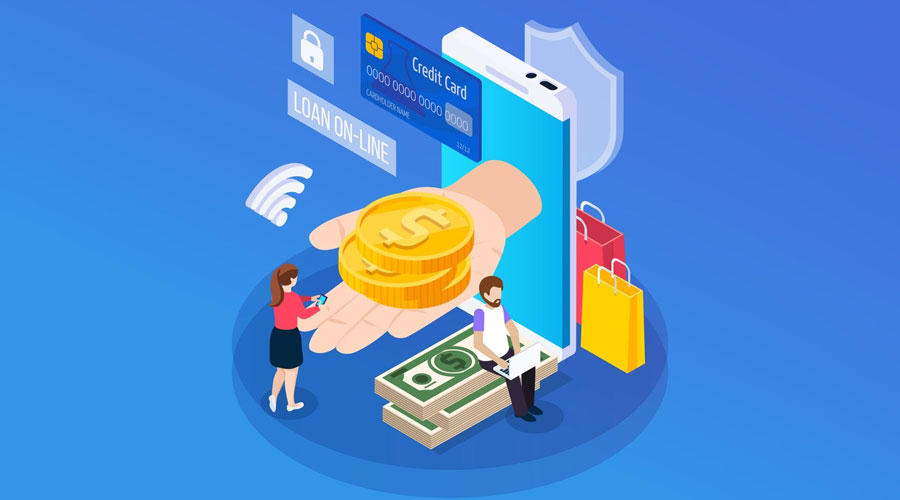
The evolution of mobile wallets is a testament to the ever-changing landscape of financial technology. As we dive deeper into the digital age, the trajectory of mobile wallets continues to be shaped by innovative trends that promise to redefine how we manage our finances. Let’s explore these trends that are poised to revolutionize the realm of mobile wallets.
1. Blockchain Integration for Enhanced Security
Blockchain technology has garnered attention for its potential to revolutionize security in various industries, and mobile wallets are no exception. Integrating blockchain into mobile wallet apps offers immutable transaction records, enhanced encryption, and decentralized storage, ensuring heightened security and transparency. This trend not only fortifies the security of transactions but also builds trust among users by providing a tamper-proof ledger.
2. Rise of Contactless and NFC Payments
The global pandemic accelerated the adoption of contactless payments, and NFC technology played a pivotal role. With its seamless and secure communication between devices, NFC has become synonymous with convenient and swift transactions. As this trend continues, mobile wallet apps will further prioritize contactless capabilities, fostering a cashless society and reducing physical contact during transactions.
3. Convergence with Internet of Things (IoT)
The amalgamation of mobile wallets with IoT devices is an emerging trend poised to redefine convenience. From smart cars to connected appliances, IoT integration allows for contextual and automated payments. Imagine your refrigerator detecting low supplies and autonomously placing an order through your mobile wallet app. This convergence streamlines daily transactions, offering unparalleled convenience in our interconnected world.
4. AI-Powered Personalization
Artificial Intelligence (AI) is reshaping the user experience within mobile wallet apps. AI algorithms analyze user behavior, preferences, and spending patterns to offer tailored recommendations and personalized financial advice. This trend not only enhances user engagement but also assists users in making informed financial decisions, thereby augmenting the overall value proposition of mobile wallets.
5. Cryptocurrency Integration and Digital Assets
The surge in interest and adoption of cryptocurrencies has prompted mobile wallet apps to integrate support for digital assets. By facilitating the storage and management of cryptocurrencies within the app, users can seamlessly access both traditional and digital currencies, broadening the scope of financial transactions. As regulations evolve, mobile wallets are likely to become comprehensive hubs for various forms of assets.
6. Biometric Authentication for Heightened Security
The use of biometric authentication methods, such as fingerprint scanning, facial recognition, and even behavioral biometrics, continues to gain prominence in mobile wallet security. These methods offer a more secure and convenient alternative to traditional passwords, significantly reducing the risk of unauthorized access or fraud.
7. Expansion of Peer-to-Peer (P2P) Payments
P2P payments have witnessed exponential growth, driven by the convenience of splitting bills, paying friends, and conducting business transactions seamlessly. Mobile wallets are continually refining their P2P capabilities, allowing users to transfer funds instantly and securely, eliminating the need for traditional banking intermediaries.
8. Focus on Financial Inclusion
Mobile wallet apps are increasingly recognized as powerful tools for fostering financial inclusion. They provide access to financial services for underserved populations, enabling them to participate in the digital economy. Future trends will likely emphasize making mobile wallets more accessible, user-friendly, and tailored to diverse socioeconomic backgrounds.
Impact of Mobile Wallets on Society and Businesses
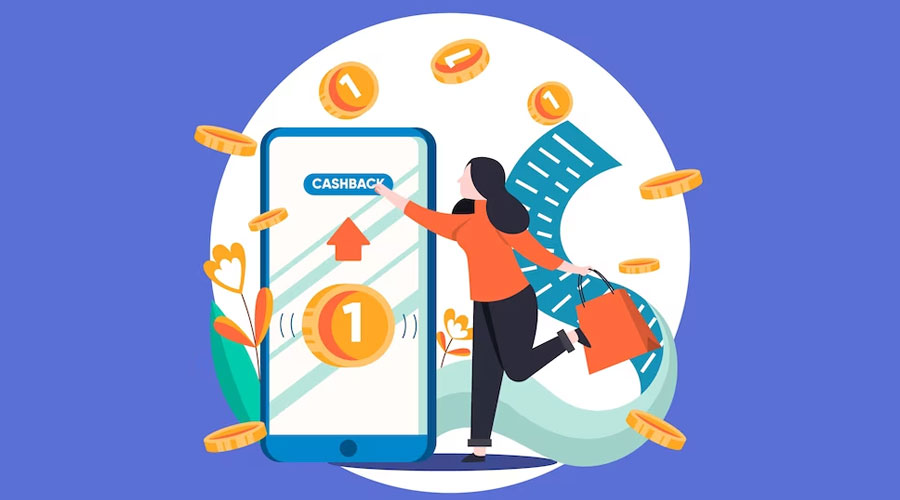
The emergence of mobile wallet apps has triggered profound changes in societal behaviors and business landscapes. These digital payment solutions have revolutionized the way people manage finances, interact with money, and conduct transactions. The impact of mobile wallets extends beyond convenience, influencing diverse aspects of society and fundamentally altering business operations. Let’s delve into the far-reaching effects these innovations have had on both fronts.
Societal Transformations
- Financial Inclusion: Mobile wallets have played a pivotal role in promoting financial inclusion, enabling individuals without access to traditional banking systems to participate in the formal economy. This has empowered underserved communities, allowing them to save, send, and receive money conveniently through their smartphones.
- Digitalization of Economies: The widespread adoption of mobile wallets has accelerated the digitalization of economies worldwide. Cashless transactions have become the norm, fostering efficiency, transparency, and traceability in financial dealings.
- Convenience and Accessibility: Mobile wallets have democratized financial services, offering a convenient and accessible platform for users to manage their money, pay bills, and make purchases effortlessly. This accessibility has significantly impacted daily life, simplifying transactions and reducing reliance on physical currency.
- Security and Trust: While concerns about security initially surrounded digital transactions, advancements in encryption and authentication technologies have instilled trust in mobile wallet apps. Users now perceive them as secure platforms for conducting financial transactions, thereby enhancing their reliance on digital payment methods.
- Changing Consumer Behavior: The adoption of mobile wallets has altered consumer behavior patterns. The preference for quick, contactless transactions has surged, influencing purchasing decisions and driving businesses to adapt to these preferences.
Impact on Businesses
- Enhanced Customer Experience: Businesses leveraging mobile wallet apps provide customers with a seamless, hassle-free payment experience. This fosters loyalty and satisfaction, contributing to a positive brand image and repeat business.
- Cost Savings and Efficiency: Adopting mobile wallets streamlines payment processes, reducing the reliance on physical infrastructure, such as cash registers or POS systems. This translates to cost savings and increased operational efficiency for businesses.
- Data-Driven Insights: Mobile wallet transactions generate valuable data that businesses can analyze to understand consumer behavior, preferences, and spending patterns. This data-driven approach enables targeted marketing strategies and personalized offerings, enhancing customer engagement.
- Market Expansion: For businesses, embracing mobile wallet technology opens doors to global markets. The borderless nature of digital payments facilitates international transactions, enabling companies to reach a broader customer base.
- Adaptation and Innovation: The integration of mobile wallet apps prompts businesses to innovate and adapt to changing market dynamics. Companies strive to offer unique incentives, loyalty programs, and value-added services through these platforms to stay competitive.
Challenges and Future Prospects
Despite the myriad benefits, challenges like cybersecurity threats, regulatory hurdles, and interoperability issues persist. However, the future of mobile wallets appears promising. Innovations such as the integration of cryptocurrencies, blockchain technology for enhanced security, and the potential convergence of IoT (Internet of Things) with mobile payments point towards continued evolution and expansion of these platforms.
Case Studies and Success Stories

Case Study 1: PayPal
Background: PayPal, founded in 1998, has been a pioneer in online payments. Over the years, it has evolved into one of the most widely used digital wallets globally, offering a secure platform for online transactions.
Success Story: PayPal’s mobile app development focused on providing users with a convenient way to make digital payments while ensuring robust security measures. With its user-friendly interface and integration with various online merchants, PayPal’s app became a game-changer in the digital payments landscape.
The company’s strategic approach to development included:
- Enhanced Security Measures: PayPal prioritized security, implementing encryption protocols and two-factor authentication to safeguard user information.
- Simplified User Experience: The app’s intuitive design made it easy for users to link their bank accounts or cards, send money, and make purchases with just a few taps.
- Global Accessibility: PayPal’s expansion into numerous countries facilitated cross-border transactions, catering to a wide user base worldwide.
Impact: The success of PayPal’s mobile wallet app led to a substantial increase in digital transactions. The app’s seamless functionality and widespread acceptance by merchants and users alike contributed to its exponential growth. PayPal’s user base continues to expand, solidifying its position as a leading digital payment solution.
Case Study 2: Apple Pay
Background: Launched in 2014, Apple Pay revolutionized the way consumers make payments using their iPhones and other Apple devices. The app leverages NFC technology and biometric authentication for secure transactions.
Success Story: Apple Pay’s development aimed to create a contactless payment experience seamlessly integrated into Apple devices. Key factors contributing to its success include:
- Seamless Integration: Apple Pay’s integration with existing iOS devices, such as iPhones and Apple Watches, made it easily accessible to millions of users without the need for additional hardware.
- Advanced Security Features: Utilizing tokenization and Touch ID/Face ID for authentication, Apple Pay prioritized security, reassuring users about the safety of their transactions.
- Merchant Adoption: Its collaboration with numerous merchants and banks expanded the reach of Apple Pay, allowing users to make purchases at various retailers.
Impact: Apple Pay’s user-friendly interface and emphasis on security led to rapid adoption by both users and businesses. The app’s ability to streamline in-store and online transactions bolstered its popularity, witnessing significant growth in the digital payments landscape.
Future Outlook and Innovations

Blockchain Integration for Enhanced Security and Transparency
Blockchain technology, renowned for its decentralized and secure nature, holds tremendous promise for the future of mobile wallets. Its implementation within these apps can fortify security measures by introducing immutable ledgers for transactions. By leveraging blockchain, mobile wallets can enhance transparency, eliminate fraud, and provide users with a heightened sense of trust in their financial transactions.
AI-Powered Personalization and User Experience
The integration of Artificial Intelligence (AI) is poised to revolutionize the user experience within mobile wallet apps. AI algorithms can analyze user behavior, preferences, and spending patterns to offer personalized recommendations and services. Imagine an app that learns from your habits, suggesting the most suitable payment methods or even providing tailored financial advice. AI-driven chatbots may also offer instant customer support, enhancing user engagement and satisfaction.
Expansion of Contactless and IoT Payments
The global paradigm shift towards contactless transactions gained substantial momentum due to health concerns during recent times. This trend is set to endure, with mobile wallet apps at the forefront of facilitating contactless payments. Moreover, the integration of Internet of Things (IoT) devices with mobile wallets presents an intriguing future. Imagine making payments directly from your smartwatch or through IoT-enabled appliances, further streamlining the payment experience.
Cryptocurrency Integration and Digital Asset Management
The rising popularity of cryptocurrencies has sparked interest in integrating these digital assets into mobile wallet apps. Future iterations may enable users to store, manage, and transact with various cryptocurrencies seamlessly. Moreover, mobile wallets could evolve into comprehensive platforms for managing a spectrum of digital assets, including loyalty points, tokens, and other forms of value beyond traditional currencies.
Biometric Authentication Advancements
Enhancing security measures within mobile wallet apps remains a paramount concern. Biometric authentication, such as fingerprint scanning and facial recognition, is expected to evolve further. Advancements in biometric technology may include more sophisticated and secure methods like vein pattern recognition or behavioral biometrics, augmenting the robustness of app security while ensuring a frictionless user experience.
Integration of Augmented Reality (AR) and NFC Innovations
The integration of Augmented Reality (AR) within mobile wallet apps presents an innovative avenue. AR can enhance the in-store shopping experience by providing real-time information, promotions, or interactive elements when users point their phones at products or retail spaces. Additionally, advancements in Near Field Communication (NFC) technology may further expedite transactions and expand the capabilities of mobile wallets, enabling smoother and faster payments.
Regulatory Compliance and Global Expansion
As the usage of mobile wallet apps transcends geographical boundaries, compliance with diverse regulatory frameworks becomes crucial. Future developments will focus on adhering to various regulations while ensuring seamless cross-border transactions. Moreover, global expansion strategies will drive the adoption of mobile wallets in emerging markets, catering to diverse financial needs and fostering financial inclusion.


