







Modern retail is changing fast. Customers now want interactive experiences that blend entertainment with buying. This shift brings streaming sales to center stage, creating fresh ways for brands to connect.
Statistics show massive growth ahead for live commerce. Market value reached $128 billion during 2024. Experts predict this sector will reach $2.47 trillion by 2033, making it an essential component within modern retail strategies.
Adapting to ecommerce trends necessitates sophisticated technological infrastructure. Building such platforms helps businesses stay competitive. These live shopping apps offer real-time engagement that boosts conversion rates and builds trust instantly.
Success across American markets often depends on engagement. High-quality video content keeps viewers interested longer than static images. Providing instant answers through chat creates seamless buyer journeys that generate significant brand loyalty.
Table of Contents
Key Takeaways
- Market valuations hit $128 billion in 2024.
- Projections suggest a $2.47 trillion value by 2033.
- Real-time interaction improves customer trust significantly.
- Video-based selling remains a top priority for brands.
- Streaming platforms provide highly interactive user experiences.
- Engagement levels are higher than traditional retail formats.
- Quick chat responses effectively streamline buying processes.
1. What is Live Commerce and Why It Matters
Live commerce is changing online shopping. It mixes live streaming with e-commerce. This makes shopping more fun and interactive.
Defining Live Commerce in the Digital Age
Live commerce lets you buy things live on video. This mix of fun and shopping changes how we shop online.
The Intersection of Entertainment and Shopping
Live commerce combines fun and shopping. You can watch demos, ask questions, and buy things right away. Live chat and Q&A sessions help you talk to sellers.

The Evolution from Traditional E-commerce to Live Shopping
Live commerce is a big change in online shopping. Old ways of shopping were static and didn’t let you talk to sellers. Live commerce fixes this with real-time demos and support.
How Consumer Behavior is Driving Change
People want more from online shopping. They want to interact more with products and brands. Live commerce lets them do this. It’s becoming more popular because of this.
- Consumers are looking for more interactive online shopping experiences.
- Live commerce provides real-time product demonstrations and customer support.
- The integration of live streaming and e-commerce is redefining the online shopping landscape.
As people’s shopping habits change, live commerce will become even more important. It makes shopping more fun and interactive. This could change how we shop online forever.
2. The Explosive Growth of Live Commerce Market
The live commerce market is growing fast, changing how we shop online. This growth comes from new tech, changing how we shop, and social media’s rise.
Global Market Statistics and Projections
In 2024, the global live-commerce market hit about $128 billion. It’s set to jump to $2.47 trillion by 2033. This is a huge growth rate of over 40% each year.
Key factors contributing to this growth include:
- More people using smartphones and fast internet
- More demand for interactive shopping
- Social media’s big role in buying decisions
Revenue Forecasts Through 2030
By 2030, the live commerce market will keep growing. This is thanks to new tech and more people joining in. The market size will keep going up, with different areas adding to the growth.

Live Commerce Success in Asian Markets
Asian markets, especially China, lead in live commerce. Platforms like Taobao Live show its power in sales and customer interaction.
Key statistics highlighting the success of live commerce in Asian markets include:
- Taobao Live made over $30 billion in sales during a festival
- Live commerce is a big part of e-commerce sales in China
North American Market Adoption Trends
In North America, live commerce is catching on. This is thanks to social media and e-commerce’s popularity. Big names like Amazon and Facebook are investing in live commerce.
Notable trends in the North American live commerce market include:
- More brands using live streaming to connect with customers
- More shoppable live videos on social media
3. How Live Commerce is Transforming Online Shopping
Live commerce is changing online shopping by making it more immersive and interactive. It affects many parts of the shopping journey.
Real-Time Customer Engagement
Live commerce lets customers talk to sellers live. They can chat, ask questions, and get answers right away.
Instant Feedback and Interactive Experiences
Live commerce offers instant feedback, making shopping more fun and personal. It’s different from traditional e-commerce, where answers come later.
Platforms add features like live polls, quizzes, and gamification to make shopping more fun. These features encourage viewers to participate more.

Building Trust Through Authentic Interactions
Trust grows when sellers and customers interact honestly. Live commerce shows products live, making them seem real.
Customers can see products live, ask questions, and feel the product’s quality. This makes them more confident in their choices.
Reducing Return Rates with Live Product Demonstrations
Live commerce helps lower return rates by showing products live.
The Power of See-It-Before-You-Buy-It
Live commerce lets customers understand products better. They see its features and how to use it. This lowers return rates because of clear expectations.
| Benefits of Live Commerce | Description | Impact on Consumers |
|---|---|---|
| Real-Time Engagement | Live chat and Q&A sessions during streaming | Increased customer satisfaction and engagement |
| Authentic Interactions | Transparent product demonstrations | Builds trust and confidence in purchasing decisions |
| Reduced Return Rates | Clear product understanding through live demos | Less likelihood of returns due to misrepresentation |
For businesses, a good shopping app development plan is key. It should include live streaming and e-commerce features for a smooth shopping experience.
4. Essential Features of a Live Commerce App
To change online shopping, live commerce apps need essential features. These features make shopping better and increase sales. They help both the customer and the seller.
Live Video Streaming Capabilities
High-quality live video streaming is key. It lets sellers show products live. This gives customers a better shopping experience.
HD Quality and Low-Latency Requirements
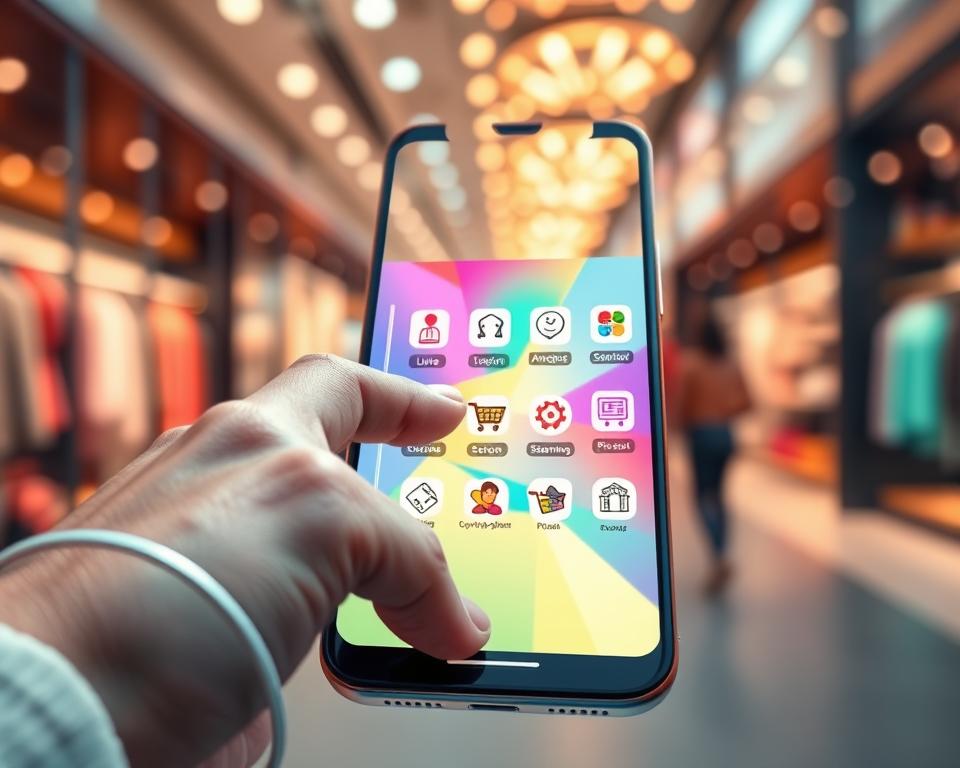
For a smooth experience, apps must support HD quality video streaming with low latency. This cuts down on buffering. It makes sure the video and app elements work together well.
Interactive Chat and Q&A Functionality
Interactive chat and Q&A let customers ask questions and get answers fast. This builds trust and helps customers buy with confidence.
| Feature | Description | Benefit |
|---|---|---|
| Live Chat | Real-time messaging between customers and sellers | Enhanced customer support |
| Q&A Session | Live question and answer sessions during video streaming | Increased customer engagement |
One-Click Purchase Integration
One-click purchase lets customers buy products right from the live stream. This makes shopping easy and fast.
Seamless Checkout Experience
A smooth checkout process is key to keeping customers from leaving their carts. It uses secure payment and fewer steps to buy.
Social Sharing and Notifications
Social sharing and notifications let customers share live streams and products. This grows the app’s reach and boosts sales.
With these features, live commerce apps offer a better, more interactive shopping experience. This leads to more business growth and happy customers.
5. Technical Architecture for Live Commerce App Development
A live commerce app’s success depends on its technical setup. It must handle live streaming and e-commerce tasks well. A good technical plan ensures a smooth user experience, can grow, and is reliable.
Frontend Technologies and Frameworks
The frontend of a live commerce app is key for keeping users engaged. It’s about picking the right tech and frameworks for real-time interactions.
React Native and Flutter for Cross-Platform Development
React Native and Flutter are top picks for making apps for both iOS and Android. They let developers work on one codebase, saving time and money.
- React Native: Has a big community and lots of libraries.
- Flutter: Is fast to develop and has a wide range of widgets.
Backend Infrastructure Requirements
The backend of a live commerce app is vital. It manages user data, transactions, and live streams.
Node.js, Python, and Microservices Architecture
Node.js and Python are favorites for the backend. They’re scalable and fast. A microservices architecture makes the app flexible and easy to update.
| Technology | Advantages |
|---|---|
| Node.js | High performance, scalable, and great for real-time apps. |
| Python | Easy to develop, lots of libraries, and strong data analysis. |
| Microservices Architecture | Flexible, scalable, and easy to maintain and update. |
Video Streaming Protocols and CDN Integration
For live commerce, top-notch video streaming is a must. RTMP and HLS protocols are used. A Content Delivery Network (CDN) ensures smooth streaming everywhere.

Database Management for Real-Time Operations
Good database management is key for real-time data and transactions. A well-designed database keeps data consistent and supports app performance.
By planning the technical architecture well, developers can create a live commerce app that’s strong and can grow. It offers a great user experience.
6. Live Commerce App Development – The Future of Online Shopping
The future of online shopping is changing with live commerce app development. This new technology is making it easier for businesses to connect with customers. As technology gets better and shopping habits change, live commerce is becoming very important in the retail world.

Why Businesses Are Investing in Live Commerce Apps
More and more businesses are getting into live commerce apps. They see how these apps can boost sales and improve the shopping experience. Live commerce lets customers interact in real time, making shopping more fun.
Higher Conversion Rates and Customer Lifetime Value
Businesses love live commerce because it can lead to more sales and loyal customers. It offers a personal and engaging shopping experience. This helps businesses build strong relationships with their customers, leading to more loyalty and repeat business.
The Competitive Advantage of Custom Development
Custom development for live commerce apps gives businesses a unique edge. By making the app fit their brand and needs, they can stand out from others. This makes their app more memorable and fun for customers.
Differentiation in a Crowded Marketplace
In a busy online shopping world, being different is crucial. Custom live commerce app development lets businesses add special features and branding. This makes their app stand out and more engaging for shoppers.
Scalability and Future-Proofing Your Platform
As businesses grow, their live commerce platforms need to grow too. Scalability is key for handling more traffic and sales. Future-proofing ensures the platform stays relevant and competitive over time.
Investing in a scalable and customizable live commerce app sets businesses up for success. It helps them thrive in the constantly changing world of e-commerce.
7. Key Technologies Powering Live Commerce Platforms
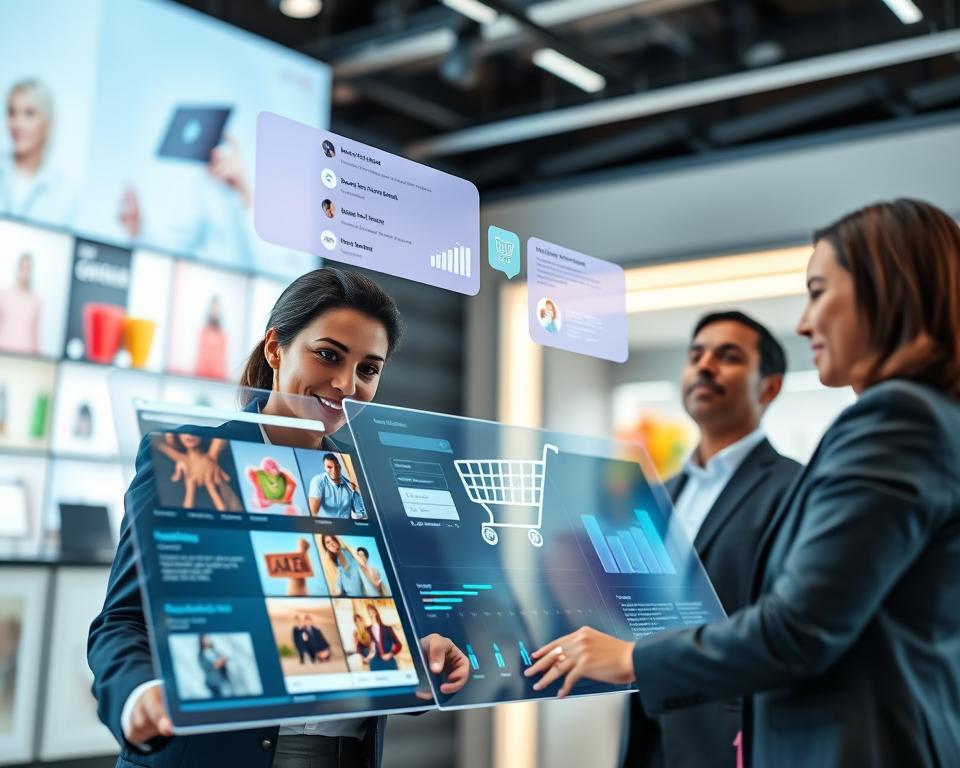
Innovative technologies are changing live commerce into something more interactive and personal. Several key technologies are leading this change. They help businesses create engaging, immersive, and seamless shopping experiences for their customers.
Artificial Intelligence and Machine Learning Integration
Artificial intelligence (AI) and machine learning (ML) are key in live commerce. They improve various aspects of live shopping, from product suggestions to customer support.
Personalized Product Recommendations
AI algorithms analyze customer behavior and preferences in real-time. They provide personalized product recommendations during live streams. This makes shopping more enjoyable and increases sales chances. For example, a study by Bloomreach shows AI’s role in e-commerce, including live commerce for tailored suggestions.
Chatbots and Virtual Shopping Assistants
ML-driven chatbots and virtual shopping assistants are integrated into live commerce. They offer instant customer support. These AI tools answer questions, help with navigation, and facilitate transactions, making shopping smooth and efficient.
Augmented Reality for Product Visualization
Augmented reality (AR) is becoming popular in live commerce. It lets customers see products in a real-world setting. This enhances online shopping, reducing uncertainty. It’s especially useful for products like furniture, cosmetics, and clothing.
For example, some platforms use AR to let customers see how a product looks in their home or on them before buying. This boosts confidence and lowers return rates.
Cloud Computing and Edge Processing
Cloud computing and edge processing are essential for live commerce. They support the high-bandwidth, low-latency needs of live commerce. Cloud infrastructure handles large traffic and data, ensuring a smooth experience. Edge processing reduces latency and improves real-time processing.
As live commerce grows, we’ll see more tech innovations. The mix of AI, AR, and cloud computing will open new ways for businesses to connect with customers and boost sales. According to Next Big Technology, keeping up with technology is key for e-commerce businesses to thrive in live commerce.
8. Monetization Strategies for Live Commerce Apps
The future of live commerce is all about new and flexible ways to make money. As the market grows, businesses are searching for the best ways to earn from live shopping. Finding good ways to make money is key for live commerce apps to succeed and make a profit.
Commission-Based Revenue Models
One big way to make money is through a commission-based model. This means the app makes money from each sale made through it. It could be a percentage of the sale or a fixed amount for each transaction.
Setting Competitive Commission Structures
To make a commission-based model work, setting a good commission rate is crucial. You need to look at what others charge, know what your audience is willing to pay, and balance making money with keeping sellers happy.
A good commission rate can be between 5% to 15% of the sale price. It depends on the industry and market. Sellers are more likely to join if they think the rate is fair and competitive.
| Industry | Average Commission Rate | Competitive Commission Range |
|---|---|---|
| Fashion | 10% | 8%-12% |
| Electronics | 7% | 5%-10% |
| Beauty and Personal Care | 12% | 10%-15% |
Subscription Plans for Sellers and Premium Features
Another good way to make money is through subscription plans for sellers. Sellers pay a regular fee for extra tools, analytics, or promotions. This can help them sell more and connect better with customers.
Premium features might include better product displays, fast customer support, or detailed sales data. By offering different subscription levels, platforms can help all kinds of sellers, from small businesses to big ones.
Advertising and Sponsored Live Events
Advertising and sponsored live events are also great ways to make money. Brands can work with popular sellers or influencers for sponsored events. This reaches a focused and interested audience.
Brand Partnerships and Influencer Collaborations
Working with brands and influencers can really boost live commerce apps’ earnings. By adding sponsored content and product placements to live streams, brands can get more visibility and reach.
For example, a beauty brand might team up with a famous beauty influencer to show off their new products. This not only promotes the brand but also gives viewers an exciting experience.

9. Development Process and Timeline
To create a live commerce app, developers go through several key phases. Each stage is important for making a top-notch, working, and easy-to-use app.
Discovery and Planning Phase
The first step is the discovery and planning phase. This phase sets the foundation for the whole project.
Market Research and Requirements Gathering
In this stage, market research helps understand the target audience and their likes. It also looks at what others are doing. Requirements gathering is key here, where the team gets and writes down what the app needs to do.
Design and Prototyping
After planning, the next step is design and prototyping. This is where the app’s look and feel are shaped.
User Experience and Interface Design
The focus is on making the app easy to use and nice to look at. The design team works on wireframes and prototypes. This ensures the app is both good-looking and user-friendly.

Development and Testing Stages
The development stage turns the design into a working app. This includes adding live video and interactive features. Testing is crucial to make sure the app works well and is safe.
Launch and Post-Launch Support
After development and testing, the app is ready for launch. It’s deployed to app stores for everyone to use. Post-launch support is vital for keeping the app running smoothly and making updates based on user feedback.
10. Cost Factors in Live Commerce App Development
When it comes to live commerce app development, several factors come into play. These include the development team, technology stack, and ongoing maintenance. Knowing these costs is key for businesses looking to create a successful live commerce app.
Development Team Structure and Rates
The cost of developing a live commerce app is greatly influenced by the development team. Businesses must choose between hiring a team in-house or outsourcing the work.
In-House vs. Outsourcing Considerations
Choosing between in-house and outsourced development has its pros and cons. In-house development gives businesses more control over their project. On the other hand, outsourcing can bring in specialized skills and might be cheaper.
- Control over the development process
- Access to specialized skills
- Cost implications
Technology Stack and Third-Party Integrations
The technology stack and third-party integrations also play a big role in costs. The choice of technologies, video streaming, and database systems can greatly affect the cost of development.
Payment Gateways and Analytics Tools
Adding payment gateways and analytics tools is essential for a live commerce app. The tools chosen can impact both the initial and ongoing costs of the app.
- Payment processing fees
- Analytics tool subscription costs
- Integration complexity
Ongoing Maintenance and Updates
After the app is built, ongoing maintenance and updates are crucial. This includes keeping the app updated, fixing bugs, and adding new features to stay competitive and secure.
Understanding these cost factors helps businesses plan and budget for their live commerce app projects. This ensures a successful launch and long-term success.
11. Real-World Success Stories and Case Studies
Live commerce is growing fast, and looking at real success stories helps us understand its power. It combines live streaming with shopping, letting businesses connect with customers in new ways. Many platforms are leading in this field.
Amazon Live and Its Impact on Retail
Amazon Live is a big name in live commerce. It lets influencers and brands show off products live. Amazon Live has really changed retail, boosting sales and brand fame for many sellers.
To make Amazon Live work best, sellers use smart strategies. They offer exclusive deals, show products in detail, and chat live with viewers.
- Use top-notch video production
- Advertise live events on social media
- Get viewers to join in
Taobao Live: The Pioneer of Live Commerce
Taobao Live, from Alibaba Group, is a live commerce trailblazer. It blends live streaming with shopping, reaching lots of people.
Taobao Live’s success comes from being an early mover. It has kept up with what shoppers want.
Facebook and Instagram Live Shopping Features
Facebook and Instagram have joined the live shopping scene. They let businesses tag products in live streams. This makes buying easy for viewers.
Social Media Integration Best Practices
To make the most of Facebook and Instagram’s live shopping, businesses should integrate well with their marketing plans. They should promote live events, use engaging content, and check analytics to improve future streams.
| Platform | Key Features | Benefits |
|---|---|---|
| Amazon Live | Real-time product demonstrations, live chat | Increased sales, brand awareness |
| Taobao Live | Early adoption, vast user base | Pioneer in live commerce, high engagement |
| Facebook/Instagram Live Shopping | Product tagging, seamless checkout | Enhanced customer experience, increased conversions |
12. Challenges and Solutions in Live Commerce Development
Live commerce faces challenges like managing high traffic and secure payment processing. As the market grows, developers must solve these issues for a smooth user experience.
Managing High Traffic and Bandwidth Requirements
Handling high traffic is a big challenge in live commerce. Platforms see sudden traffic spikes during live events. This can overload servers and slow down performance.
Load Balancing and Server Optimization
To tackle this, developers use load balancing techniques to spread traffic across servers. They also optimize servers with caching, CDNs, and database management. This ensures the platform can handle more traffic without slowing down.
Ensuring Seamless Payment Processing
Seamless payment processing is another big challenge. Live commerce needs fast, secure, and reliable payment gateways. Offering multiple payment options is also key to serving a wide range of users.
Multi-Payment Gateway Integration
Developers can integrate multiple payment gateways to give users many payment choices. This improves the user experience and lowers cart abandonment rates due to payment problems.
Content Moderation and Security Concerns
Content moderation and security are major concerns in live commerce. It’s important to moderate live streams well to block inappropriate content and keep user data safe.
Data Privacy and Compliance
Developers must follow data privacy laws like GDPR and CCPA. They need to use strong security, like encryption and secure login, to protect user data.
Preventing Fraud and Unauthorized Transactions
To stop fraud and unauthorized transactions, live commerce uses advanced security. Features like real-time transaction monitoring and machine learning-based fraud detection help spot and prevent security threats.
13. Conclusion
Live commerce is changing how we shop online. It makes shopping more fun and interactive. This includes live video, real-time chats, and easy buying.
As we’ve seen, live commerce is becoming a big part of online shopping. Big names like Amazon and Facebook are adding live shopping to their sites. This shows it’s a trend that’s here to stay.
Live commerce helps build trust and cuts down on returns. It lets customers see products live, which is really helpful.
As live commerce grows worldwide, businesses need to keep up. They can do this by creating their own live shopping apps. This way, they can stay ahead in this new market.
In short, live commerce is key to the future of online shopping. It offers great ways for businesses to engage with customers and boost sales.