






Setting up an Offshore Development Center (ODC) is key for businesses wanting to use global talent and cut costs. India is a top choice for ODC setup. It has a huge pool of Indian tech talent and offers cost-effective software development.
With 5.8 million tech professionals, India is unmatched in engineering talent. It’s perfect for companies wanting a strong ODC. An ODC in India lets businesses access this talent, boost innovation, and save a lot of money.
Table of Contents
Key Takeaways
- India offers a vast pool of tech talent, making it ideal for ODC setup.
- Cost-effective software development is a significant advantage of setting up an ODC in India.
- India’s tech industry has 5.8 million professionals, providing unmatched engineering depth.
- Setting up an ODC in India enables businesses to drive innovation and reduce costs.
- India is a prime destination for companies looking to establish a robust ODC.
Understanding Offshore Development Centers and Their Strategic Value
In today’s world, Offshore Development Centers (ODCs) are key for companies wanting to grow their tech skills. An ODC is a team of software developers and IT experts in another country. They work for a client company over a long time.

What is an Offshore Development Center
An Offshore Development Center is a branch of a company in a different country. It’s often in places like India to find cost-effective talent. This setup lets companies use global resources while still controlling the work.
How ODCs Differ from Traditional Outsourcing Models
ODCs are different from old outsourcing ways. Instead of just doing projects, they have a dedicated team. This gives more control and flexibility than traditional outsourcing. For more info on starting an ODC, check out this guide.
Core Business Benefits for US Companies
For US companies, ODCs bring big advantages, like:
- Access to many skilled IT workers
- Big cost savings over having a team in the US
- Quickly growing development teams as needed
- Getting software products and services to market faster
When Your Company is Ready for an ODC
Figuring out if your company needs an ODC involves looking at a few things. You need to know your software needs, budget, and future plans. Companies ready to understand their software needs and grow efficiently are good for ODCs.
Why India Remains the Top Destination for Offshore Development Centers
India is the top choice for companies wanting to start Offshore Development Centers (ODCs). It offers a mix of talent, technology, and cost savings.
Several factors make India appealing. Let’s dive into these.
Access to a 5 Million Strong Tech Talent Pool
India has over 5 million IT and software development experts. This is thanks to its strong education system. Many schools and colleges provide top-notch technical training.
Key statistics about India’s tech talent:
- Over 1.5 million engineering graduates annually
- More than 700,000 IT professionals entering the workforce each year
- A strong presence of top tech companies, fostering innovation and skill development
Cost Savings of 50-70% Compared to US Operations
Setting up ODCs in India saves a lot of money. Costs in India are 50-70% lower than in the US. This lets businesses use their money more wisely.
| Cost Component | US Costs | India Costs | Savings |
|---|---|---|---|
| Average Salary for Software Developer | $120,000 | $40,000 | 66.7% |
| Office Rent (per sq. ft.) | $60 | $15 | 75% |
| Operational Expenses | $100,000 | $30,000 | 70% |
World-Class Educational Institutions and Skill Development
India has some of the world’s best schools. These schools produce highly skilled workers. There are many training programs and certifications available.
The Indian Institutes of Technology (IITs) and Indian Institutes of Management (IIMs) are renowned globally for their academic excellence.
Mature IT Infrastructure and Business Ecosystem
India has a strong IT infrastructure. It has modern technology parks and business hubs. The business ecosystem is mature, with top IT companies and support.
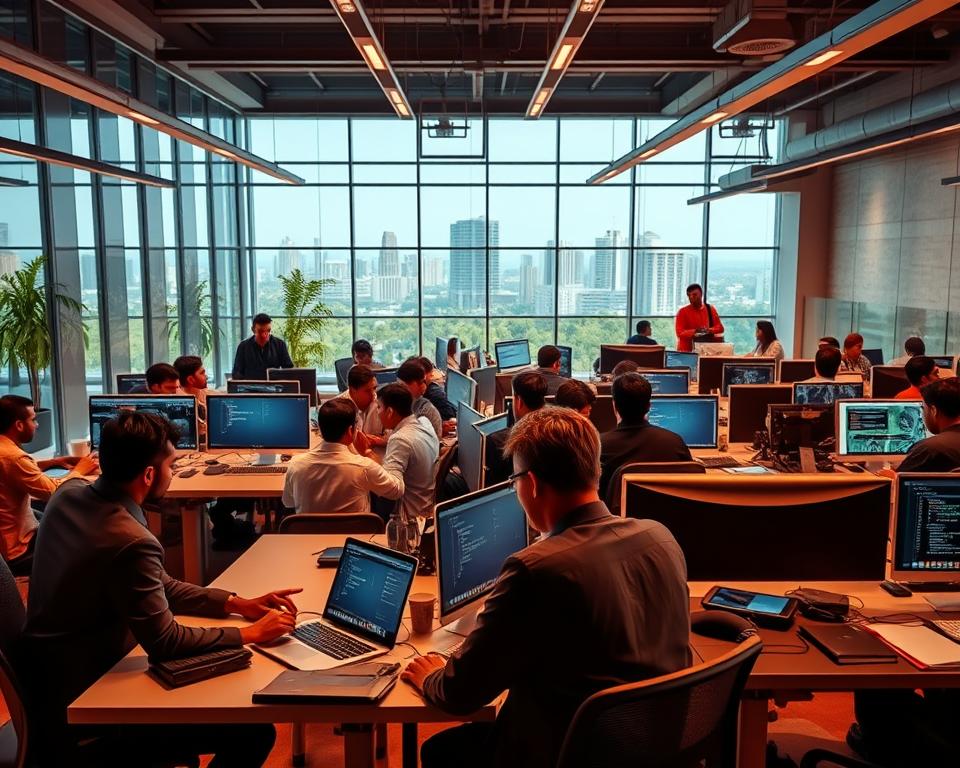
These factors make India a great place for ODCs. It has a huge talent pool, is cost-effective, and has a solid IT infrastructure. India is set to keep leading in the ODC field.
Key Models for Setting Up Your Offshore Development Center
Choosing the right setup model is key to an Offshore Development Center’s success. Each model offers different levels of control, risk, and investment needs. It’s important to understand these models to make a choice that fits your business goals.
Wholly-Owned Subsidiary Model
A wholly-owned subsidiary model gives you full control over your ODC. It’s perfect for companies that want to keep their brand and standards.
Complete Control and Long-Term Benefits
With a wholly-owned subsidiary, you can make all the strategic decisions. This control can lead to long-term benefits like better integration with global teams and the ability to scale as needed.
Investment Requirements and Timeline
Setting up a wholly-owned subsidiary requires a big investment in infrastructure, talent, and local regulations. The setup time can take several months to a year or more, depending on your operations’ complexity.
Joint Venture Partnership Model
A joint venture involves partnering with a local Indian company to set up your ODC. This model is good for sharing risks and using local expertise.
Shared Risk and Local Expertise
Partnering with a local entity can help share the risks of setting up an ODC in a new market. They bring valuable knowledge of the local environment, market, and culture.
Equity Structure Considerations
The success of a joint venture depends on the equity split and partnership terms. It’s important to negotiate a fair split and define roles to avoid conflicts.
Build-Operate-Transfer (BOT) Model
The BOT model is where a third-party vendor builds and runs your ODC initially. You can then own it after a set period.
Lower Initial Risk with Future Ownership
This model lowers the initial investment and risk. The vendor handles the setup and challenges, allowing you to benefit from their expertise.
Transition Timeline and Terms
The BOT agreement outlines a plan and timeline for transferring the ODC to you. It’s important to negotiate good terms, including the transfer price and support during the transition.
Hybrid Engagement Models
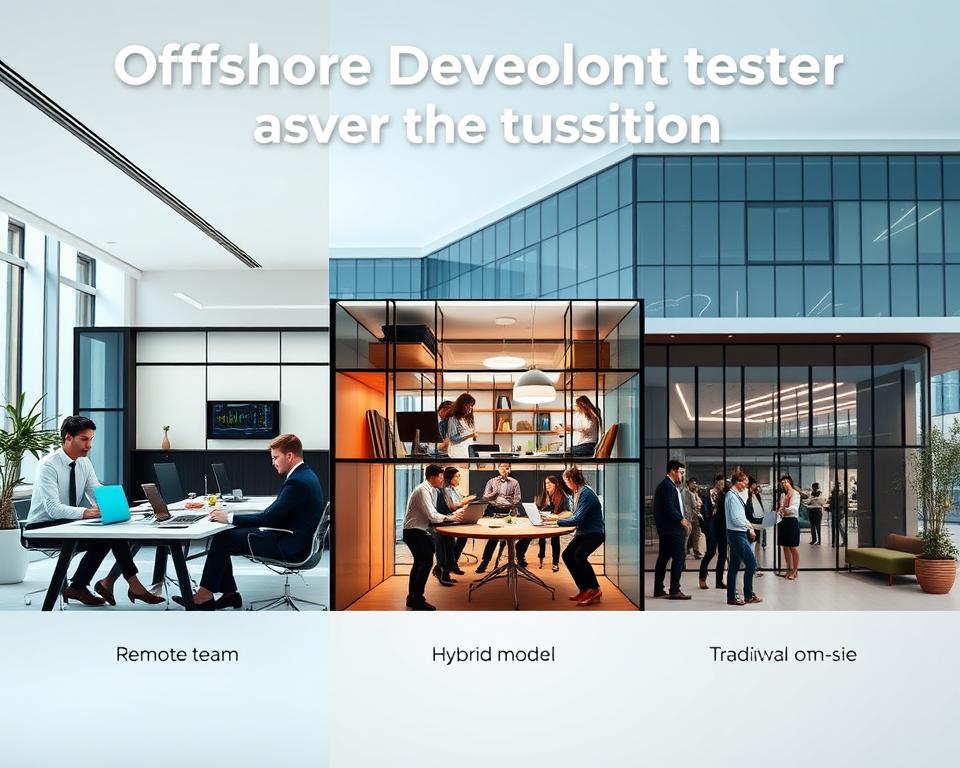
Some companies choose hybrid models that mix elements of the wholly-owned subsidiary, joint venture, and BOT models. These models offer flexibility and can be customized to fit specific business needs.
When picking a setup model for your ODC, think about your business goals, risk tolerance, and desired control level. Each model has its pros and cons, and the best choice depends on your unique situation.
| Setup Model | Control Level | Initial Investment | Risk Level |
|---|---|---|---|
| Wholly-Owned Subsidiary | High | High | High |
| Joint Venture | Shared | Medium | Shared |
| BOT Model | Low to High | Low | Low to Medium |
| Hybrid Models | Variable | Variable | Variable |
Pre-Planning Phase: Essential Considerations Before You Start
To make your ODC in India a success, thorough pre-planning is key. Pre-planning sets the stage for a smooth setup and helps avoid delays or cost increases.
Defining Clear Business Objectives and Success Metrics
First, define your business goals for the ODC. Know what you want to achieve, like saving costs or tapping into specialized talent. Having clear success metrics lets you track how well your ODC meets these goals.
A study shows that clear objectives lead to better outcomes. “Setting clear goals and metrics is crucial for any business, including ODCs,” a strategist notes.
Conducting Market Research and Feasibility Analysis
Market research and feasibility analysis are crucial. They help you understand the Indian market, talent availability, and costs. Also, assess your project’s feasibility, including legal and potential challenges.
- Check the local talent pool and skill levels.
- Look at the cost of setting up and running an ODC.
- Know the regulatory environment and compliance needs.
Assembling Your Internal Stakeholder Team
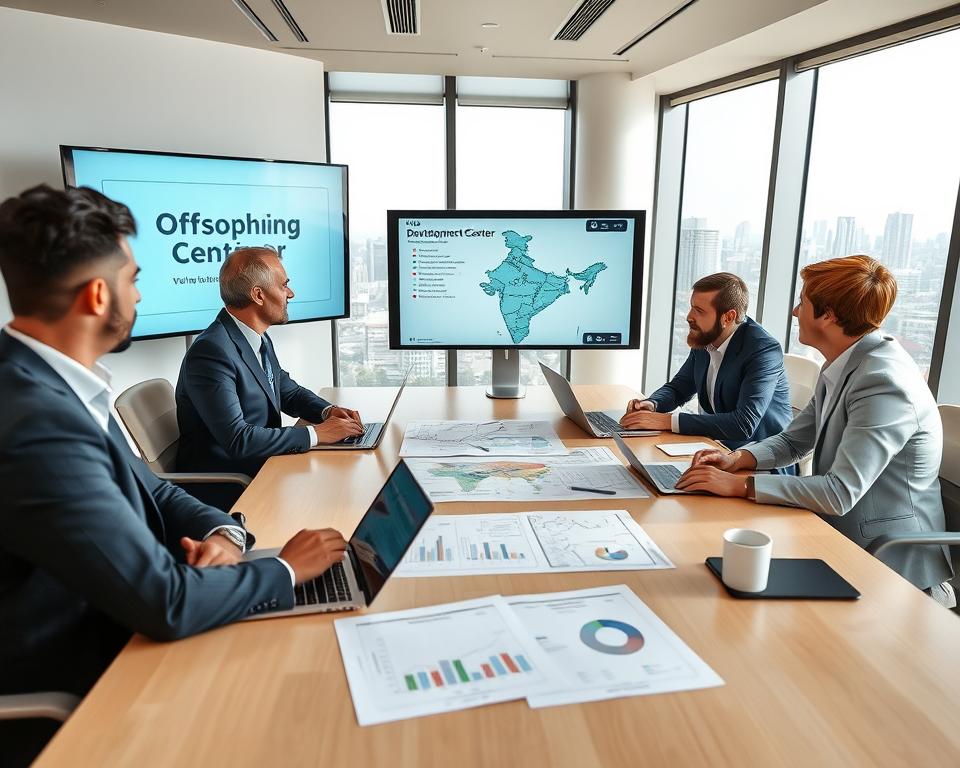
Building a team of internal stakeholders is vital. Include people from various departments who will be involved or affected by the ODC. Their input ensures the ODC meets the company’s needs.
Effective communication among team members is crucial. Regular meetings and updates keep everyone on the same page with project goals and timelines.
Creating a Realistic Budget and Timeline
Creating a realistic budget and timeline is essential. Accurately estimate costs, including setup and operational expenses, and have a contingency fund. A well-planned timeline keeps you on track and ensures timely ODC setup.
“A well-planned budget and timeline are crucial for the successful execution of any project, including the establishment of an Offshore Development Center.”
By focusing on these key aspects in the pre-planning phase, you can set your ODC up for success. This will help you achieve your business goals in India.
Build Offshore Development Center in India: Step-by-Step Setup Process
Setting up an Offshore Development Center in India is a smart move. It needs careful planning and execution. You’ll go through several key steps, from registering a legal entity to setting up IT infrastructure.
Step 1: Register Your Legal Entity in India
Registering a legal entity is the first step. You need to pick the right company structure and get the necessary approvals.
Choosing Between Private Limited Company and Liaison Office
A Private Limited Company is often chosen for ODCs. It lets you run direct business operations. A Liaison Office, however, is only for liaison activities and can’t earn income.
| Criteria | Private Limited Company | Liaison Office |
|---|---|---|
| Business Activities | Can conduct business operations | Limited to liaison activities |
| Income Generation | Can generate income | Cannot generate income |
| Registration Complexity | More complex | Less complex |
Required Documentation and Government Approvals
To register a Private Limited Company, you’ll need to submit documents. These include Director Identification Number (DIN), Digital Signature Certificate (DSC), and incorporation documents. You’ll also need approval from the Registrar of Companies (RoC).
“The registration process for a Private Limited Company in India is straightforward, but it requires careful preparation of documents and compliance with regulatory requirements.”
Step 2: Obtain Necessary Business Licenses and Registrations
After registering your legal entity, you need to get the right business licenses and registrations.
PAN, TAN, and GST Registration Process
You’ll need a Permanent Account Number (PAN), Tax Deduction and Collection Account Number (TAN), and Goods and Services Tax (GST) registration. These are key for tax compliance and business operations.
- PAN: Required for tax purposes
- TAN: Required for deducting tax at source
- GST: Required for goods and services tax compliance
Professional Tax and Other State-Level Registrations
You might also need to register for Professional Tax and other state-level registrations. This depends on your ODC’s location.
Step 3: Secure Physical Office Space
Finding the right office space is crucial. It involves lease negotiations and understanding commercial real estate.
Lease Negotiations and Commercial Real Estate Considerations
When negotiating a lease, consider location, space needs, and rental costs. Knowing India’s commercial real estate laws is also important.

Step 4: Establish Banking and Financial Infrastructure
Building a strong banking and financial infrastructure is essential. This includes opening a bank account, setting up payment systems, and managing foreign exchange.
Step 5: Build Your IT and Security Infrastructure
The last step is to set up your IT and security infrastructure. This includes hardware, software, network security, and data protection for smooth operations.
By following these steps, you can create a successful Offshore Development Center in India. You’ll tap into the country’s vast talent pool and favorable business environment.
Navigating Legal Requirements and Regulatory Compliance in India
Setting up an Offshore Development Center (ODC) in India needs a deep understanding of the legal and regulatory landscape. It’s key to follow Indian laws and regulations for an ODC’s success and growth.
Understanding the Companies Act 2013 Requirements
The Companies Act 2013 is a major law for companies in India. It covers how to start a company, its management, and what rules to follow. Important points include:
- Minimum number of directors and their qualifications
- Requirements for board meetings and resolutions
- Accounting and auditing standards
- Corporate social responsibility (CSR) obligations
Foreign Direct Investment Regulations and RBI Guidelines
India’s Foreign Direct Investment (FDI) rules are managed by the Reserve Bank of India (RBI) and the Department for Promotion of Industry and Internal Trade (DPIIT). Knowing these rules is crucial for foreign companies planning to set up an ODC.
Automatic Route vs. Government Approval Route
FDI in India can go through the Automatic Route or the Government Approval Route. Most tech investments use the Automatic Route, making things easier.
Sectoral Caps and Compliance Requirements
Some sectors have FDI limits, and following these rules is vital. For example, the telecom sector has specific rules and conditions.
| Sector | FDI Cap | Conditions |
|---|---|---|
| Telecommunications | 100% | Requires government approval beyond 49% |
| Software Development | 100% | Automatic Route |
Tax Structure and Transfer Pricing Regulations
India offers tax breaks for IT and tech companies. It’s important to understand the tax system, including corporate tax rates and transfer pricing rules.
Corporate Tax Obligations and Incentives
Companies setting up an ODC can get tax benefits under certain conditions, like Special Economic Zones (SEZs).
Double Taxation Avoidance Agreement Between US and India
The Double Taxation Avoidance Agreement (DTAA) between the US and India stops double taxation. This reduces the tax burden on companies in both countries.
Employment Laws and Labor Compliance
India has strict labor laws for employment, wages, and worker welfare. Following these laws is crucial to avoid legal problems.
Data Protection and Intellectual Property Safeguards
India has laws to protect sensitive data. Companies must follow these laws and protect their intellectual property.

In conclusion, dealing with India’s legal and regulatory needs is complex but essential for a successful ODC. Companies must keep up with legal changes and follow all rules in their operations.
Choosing the Right Location: Top Indian Cities for Your ODC
Choosing the right location for your ODC in India is key to its success. Several cities offer unique benefits. The choice of location is a strategic decision.
Bangalore: The Silicon Valley of India
Bangalore is known as the Silicon Valley of India. It’s a hub for technology and innovation. Its vibrant ecosystem supports startups and established companies alike.
Talent Availability and Ecosystem Advantages
Bangalore has a vast pool of tech talent. Many top-tier engineering colleges are in and around the city. The tech companies here create a mature ecosystem that fosters innovation and collaboration.
Cost Considerations and Infrastructure Quality
Bangalore’s higher cost is balanced by its infrastructure quality and skilled talent. “Bangalore’s infrastructure is among the best in India, making it an attractive location for ODCs,” say industry experts.

Hyderabad: The Rising Star for Tech Companies
Hyderabad is a significant tech hub, attracting major investments and companies. Its government has been proactive in creating IT-friendly policies.
Government Support and IT-Friendly Policies
The government of Hyderabad supports the IT sector with various initiatives. This includes incentives for startups and established companies. This support has made the city a tech destination.
Pune: Balanced Cost and Quality Option
Pune offers a balance between cost and quality. It’s attractive for companies setting up an ODC. It has a strong educational infrastructure, with several top engineering colleges.
Chennai: Strong Engineering Talent Base
Chennai is known for its strong engineering talent base. Many top colleges and a growing number of tech companies are here. The city’s infrastructure and connectivity make it an appealing choice.
Mumbai and NCR: Financial and Startup Hubs
Mumbai and the National Capital Region (NCR) are significant financial and startup hubs. They have a high concentration of businesses. Companies can benefit from setting up an ODC in these regions. For more insights on tech companies in India, you can visit Next Big Technology, which lists top Docker consulting companies.
Building Your Development Team: Recruitment and Talent Acquisition
Creating a top-notch development team is key to success. It’s about delivering quality projects and hitting business goals through your ODC in India. Recruitment and talent acquisition are vital. They need a smart plan to draw in, keep, and grow the best talent.
Effective Recruitment Channels in India
India has many ways to find the right talent for your ODC. Some top methods include:
Top Job Portals and Professional Networks
Job portals and professional networks are great for finding candidates. In India, some top sites are:
- Naukri.com
- TimesJobs
- Monster.com
Campus Recruitment from IITs and Premier Institutions
Recruiting from top Indian Institutes of Technology (IITs) and other top schools can get you skilled fresh graduates.
Working with Local Recruitment Agencies
Local recruitment agencies can make hiring easier. They’re great for finding talent for hard-to-fill roles or specialized skills.
Competitive Salary Structures and Compensation Packages
It’s important to offer salaries and packages that stand out. This is key to attracting and keeping the best talent in India.
Competitive Salary Structures and Compensation Packages
Knowing the market rates for different roles and experience levels is crucial. It helps create packages that are competitive.
| Role | Experience Level | Average Salary (INR) |
|---|---|---|
| Software Developer | 0-3 years | 450,000 – 700,000 |
| Senior Developer | 4-7 years | 1,000,000 – 1,500,000 |
| Technical Lead | 8+ years | 1,800,000 – 2,500,000 |
Mandatory and Optional Benefits in India
Salary isn’t the only thing to offer. Knowing and providing benefits as per Indian laws and market trends can make your package more appealing.
Retention Strategies in a Competitive Market
Keeping talent is as crucial as getting it. Good retention strategies can help keep your team stable and experienced.
Creating an Effective Onboarding Program
A solid onboarding program is essential. It helps new hires fit in, get the tools and support they need, and do their jobs well.

Infrastructure Setup: Technology, Tools, and Workplace Requirements
A well-planned infrastructure is key to a successful Offshore Development Center. It ensures smooth operations and high-quality services. This setup is essential for an ODC’s success.
Office Design and Workspace Configuration
An optimal workspace boosts productivity and employee happiness. The design should encourage teamwork, creativity, and comfort. Important factors include:
- Open spaces for team work
- Private rooms for secret talks
- Ergonomic chairs for comfort
- Breakout areas for relaxation
Hardware Procurement and IT Asset Management
Getting the right hardware and managing IT assets well is crucial. This includes:
- Fast computers
- Advanced servers and storage
- Network gear for reliable connections
- Regular updates and maintenance
Software Licenses and Development Tools
Having the right software and tools is vital for an ODC’s tech skills. This includes:
- Licenses for tools like Visual Studio and Eclipse
- Tools for managing projects like Jira and Trello
- Systems for tracking changes like Git
- Tools for teamwork like Slack and Microsoft Teams
For more on setting up an ODC, check out Offshore Development Center India.
Communication Platforms for US-India Collaboration
Good communication is vital for teamwork between US and India teams. The right tools make sure everyone can talk easily:
- Video calls with Zoom and Google Meet
- Apps for quick chats
- Tools for emails and calendars
Network Security and VPN Infrastructure
A strong network security and VPN setup is crucial. It keeps data safe and communication secure. Key points include:
- Firewalls and intrusion detection systems
- VPNs for safe remote access
- Regular security checks and compliance
Cybersecurity Protocols and Compliance
Following cybersecurity rules and standards is key to protect against threats. This means:
- Using encryption to protect data
- Training employees on security
- Meeting global security standards like ISO 27001
Data Backup and Disaster Recovery Systems
Having a good backup and disaster recovery plan is essential. It ensures business keeps running even after data loss or disasters. This includes:
- Regular data backups to safe places
- Clear disaster recovery plans
- Testing recovery steps often
Here’s a table showing what infrastructure is needed:
| Infrastructure Component | Description | Importance Level |
|---|---|---|
| Office Space | Physical space for employees | High |
| Hardware | Computers, servers, storage | High |
| Software | Development tools, project management software | High |
| Network Security | Firewalls, VPNs, intrusion detection | Critical |
| Communication Tools | Video calls, instant messaging | High |

Cost Analysis: Investment Breakdown and ROI Expectations
Businesses need to understand the costs of setting up an Offshore Development Center (ODC) in India. Knowing these costs helps plan for the ODC’s long-term success.
Initial Setup Costs: Complete Breakdown
Setting up an ODC in India involves several costs. These vary based on the operation’s size, location, and specific needs.
Legal and Registration Expenses
Registering a company in India requires legal and registration fees. These include costs for incorporation, licenses, and taxes.
Office Setup and Infrastructure Investment
Setting up an office space costs money. This includes rent, interior decoration, furniture, and initial setup.
Recruitment and Initial Hiring Costs
Finding and hiring the right talent is expensive. Costs include recruitment agencies, job postings, interviews, and onboarding.
| Cost Component | Estimated Cost Range (USD) |
|---|---|
| Legal and Registration Expenses | 5,000 – 10,000 |
| Office Setup and Infrastructure | 50,000 – 100,000 |
| Recruitment and Initial Hiring | 20,000 – 50,000 |
| Total Estimated Initial Setup Cost | 75,000 – 160,000 |
Monthly Operational Expenses
Managing an ODC’s ongoing costs is key. These costs keep the operation running smoothly.
Salaries and Benefits Allocation
Salaries and benefits are the biggest monthly expense. Costs depend on employee numbers, roles, and salaries.
Office Rent and Utilities
Monthly costs include office rent and utilities like electricity, water, and internet.
Administrative and Compliance Costs
Administrative and compliance costs are also ongoing. This includes legal fees, audit fees, and regulatory expenses.
| Operational Expense | Estimated Monthly Cost (USD) |
|---|---|
| Salaries and Benefits | 30,000 – 70,000 |
| Office Rent and Utilities | 5,000 – 15,000 |
| Administrative and Compliance | 2,000 – 5,000 |
| Total Estimated Monthly Operational Cost | 37,000 – 90,000 |
ROI Timeline and Break-Even Analysis
Knowing when an ODC will start making money is vital. It’s about comparing initial costs to ongoing savings and revenue.
Cost Savings Compared to US-Based Teams
Setting up an ODC in India can save a lot of money. Savings can be 50% to 70% compared to US teams.
By analyzing costs and ROI, businesses can decide on an ODC in India. This move can bring big financial gains and improve operations.
Managing Operations: Best Practices for Running Your ODC Successfully
To make your ODC a success, it’s crucial to follow the best practices. Good management is essential to get the most out of your Offshore Development Center in India.
Establishing Clear Communication Frameworks
Good communication is the key to a successful ODC. It’s about creating strong frameworks for easy communication between your US and India teams.
Managing Time Zone Differences Effectively
Managing time zones is a big challenge in ODCs. Use a rotating shift schedule to have overlapping work hours. This makes real-time collaboration and solving problems easier.
Daily Standups and Regular Sync Meetings
Daily standups and regular sync-ups keep teams aligned. Use collaboration tools like Slack or Microsoft Teams for these meetings. They help everyone stay updated on project progress.
Implementing Agile Development Methodologies
Agile methodologies are key for an ODC’s success. They bring flexibility, iterative development, and continuous improvement. Using Agile practices like Scrum or Kanban boosts team productivity and adaptability.
For a detailed guide on building an ODC team, check out this step-by-step guide.
Quality Assurance and Code Review Processes
Strong quality assurance and code review processes are crucial. Regular code reviews catch and fix issues early. This ensures the product meets quality and functionality standards.
Setting Up KPIs and Performance Metrics
Setting clear KPIs and performance metrics is vital. These metrics help evaluate team performance, spot areas for improvement, and guide data-driven decisions.
Fostering Cultural Integration Between US and India Teams
Cultural integration is essential for an ODC’s smooth operation. Organize cultural exchange programs and team-building activities. These help create unity and collaboration between your US and India teams.
By following these best practices, your ODC will run efficiently. It will deliver high-quality results and drive business success.
Common Challenges and Proven Solutions When Establishing an ODC in India
Setting up a successful ODC in India comes with many challenges. These can affect its success. Companies face obstacles but can still benefit from offshore development.
Addressing Communication and Cultural Gaps
Good communication is key for an ODC’s success. But, language, culture, and time zone differences can be hurdles.
Language and Accent Training Programs
Language and accent training can boost communication. It helps reduce misunderstandings and improves teamwork.
Cultural Sensitivity Workshops
Cultural sensitivity workshops are vital. They teach employees about different cultures, making the workplace more inclusive.
Managing High Attrition Rates in Indian IT Sector
The Indian IT sector faces high employee turnover. This can disrupt an ODC’s stability and continuity.
Creating Career Development Paths
Clear career paths can keep employees engaged. Training, mentorship, and advancement opportunities are key.
Competitive Compensation Reviews
Regular salary reviews keep pay competitive. This helps retain talent and lowers turnover.
Maintaining Quality and Productivity Standards
High standards of quality and productivity are essential. Strong processes and monitoring are needed.
| Challenge | Solution | Benefit |
|---|---|---|
| Communication Gaps | Language and Accent Training | Improved Collaboration |
| High Attrition | Career Development Paths | Reduced Turnover |
| Quality Standards | Robust Processes | Consistent Quality |
Dealing with Bureaucratic Delays and Red Tape
India’s regulatory environment can be tough. Working with local experts and using technology can help.
Protecting Intellectual Property and Confidential Data
Keeping IP and confidential data safe is crucial. Strong security and data protection compliance are necessary.
Scaling and Optimizing Your Offshore Development Center
A well-optimized ODC can change your business game. It offers flexibility and expertise to stay ahead. As your ODC grows, scaling and optimizing are key to get the most out of it.
Strategic Growth Planning and Team Expansion
Scaling an ODC needs strategic growth planning. This ensures growth matches your business goals. You must assess current skills, predict future needs, and plan for team growth.
Good team growth strategies include:
- Finding skill gaps and hiring the right people
- Creating strong onboarding processes
- Encouraging ongoing learning and growth
Diversifying Technical Capabilities and Service Offerings
It’s important to diversify your ODC’s tech skills and services. This means:
- Trying out new technologies and platforms
- Adding services like AI, blockchain, or cybersecurity
- Building special skills in specific areas
Diversifying helps attract more clients and boosts your ODC’s value.
Process Automation and Efficiency Improvements
Optimizing your ODC means process automation and making things more efficient. You can do this by:
- Using automation tools for routine tasks
- Streamlining workflows and removing bottlenecks
- Using data analytics for better decisions
These steps can make your team more productive and cut costs.
Building Leadership Pipeline and Reducing Dependency
Creating a strong leadership team in your ODC is vital for success. This means:
- Finding and growing internal talent
- Offering leadership training and chances to grow
- Supporting a culture of innovation and responsibility
Developing local leaders helps reduce your need for outside experts. It ensures your ODC keeps running smoothly.
Conclusion
Setting up a successful Offshore Development Center (ODC) in India needs careful planning. This guide has covered the key steps, from understanding ODCs’ value to meeting legal needs.
To make your ODC thrive, set clear goals, pick the best location, and hire skilled people. For more on offshore outsourcing benefits, check out Next Big Technology.
A well-run ODC can give your company a big advantage globally. As you start, remember to keep improving and managing your ODC well.


