






In today’s digital world, having an online store is key for businesses to grow. With many eCommerce platforms out there, picking the right one can be tough.
The top three choices are Shopify, WooCommerce, and Magento. Each has its own special features and benefits. It’s important to know what makes them different to make a smart choice.
It’s crucial to understand the strengths and weaknesses of these platforms for a successful online business. In this article, we’ll explore each platform in detail. This will help you find the best one for your needs.
Table of Contents
Key Takeaways
- Overview of popular eCommerce platforms: Shopify, WooCommerce, and Magento.
- Importance of choosing the right platform for your online store.
- Key features and benefits of each platform.
- Comparison of the three platforms to help you make an informed decision.
- Tips for selecting the best eCommerce platform for your business needs.
The Growing Importance of eCommerce Platforms
In today’s world, eCommerce platforms are key for businesses wanting to grow online. More people are shopping online, thanks to better digital marketing and easier online shopping experiences.
eCommerce solutions are now a must for businesses to keep up. These platforms help manage online stores well. They offer tools for managing stock, handling payments, and marketing.

Digital marketing is vital for eCommerce success. It helps bring more customers to online stores. This leads to more sales and better customer interaction.
| eCommerce Platform Features | Description | Benefits |
|---|---|---|
| Inventory Management | Tools for managing stock levels and tracking orders. | Efficient inventory control, reduced stockouts. |
| Payment Processing | Secure payment gateways for processing transactions. | Enhanced security, faster checkout. |
| Marketing Tools | Features for promoting products and engaging customers. | Increased brand visibility, improved customer engagement. |
The need for strong eCommerce platforms will keep growing. Businesses must keep up with these changes to stay ahead and succeed in the long run.
Understanding eCommerce Platform Requirements for Modern Businesses
For businesses to succeed online, knowing what an eCommerce platform needs is key. The right platform can make a big difference. It’s important to look at different aspects carefully.
Technical Requirements
An eCommerce platform must be strong and grow with your business. It should handle high traffic volumes and big inventories well. Important technical points include:
- Reliable hosting and infrastructure
- Scalability to accommodate business growth
- Integration with third-party tools and services
Business Requirements
Business needs are also vital. They help the platform support your operations. Key features include:
| Feature | Description |
|---|---|
| Inventory Management | Effective management of stock levels and product variations |
| Order Management | Streamlined processing of orders, including shipping and returns |
| Reporting and Analytics | Insights into sales, customer behavior, and other key metrics |
Customer Experience Requirements
Customer experience is crucial for an eCommerce business’s success. The platform should offer a smooth and easy shopping experience. Important features include:
“A great eCommerce experience is not just about the transaction; it’s about creating a journey that delights the customer at every touchpoint.”
Key aspects include mobile responsiveness, easy navigation, and secure checkout processes.

By evaluating technical, business, and customer experience needs, businesses can find the right eCommerce platform. This platform will support their success in the long run.
Best eCommerce Platforms for Businesses: Shopify vs WooCommerce vs Magento
The eCommerce world is led by Shopify, WooCommerce, and Magento. Each has its own strengths and a big following. Knowing their market share and what makes them different is key for businesses wanting to shine online.
Market Share and Popularity
Shopify, WooCommerce, and Magento have different levels of popularity. Shopify is loved for its easy-to-use interface and huge app store. It’s a top choice for small to medium-sized businesses.
WooCommerce, built on WordPress, uses its parent’s fame to offer a flexible eCommerce solution. Magento is the go-to for big companies because of its strong features and growth potential.
Recent numbers show Shopify leads in the eCommerce market, followed by WooCommerce. Magento is still a big name but has a smaller share. It’s known for its top-level features for big businesses.

Core Differences at a Glance
Shopify, WooCommerce, and Magento differ in how they work, how customizable they are, and how much they can grow. Shopify is easy to use but not very flexible. WooCommerce, as a WordPress plugin, is very customizable but needs tech skills.
Magento, available in open-source and commerce versions, offers lots of customization and growth. It’s perfect for big businesses.
Cost-wise, Shopify has different plans, from basic to advanced. WooCommerce is cheaper since it’s on WordPress, but costs can rise with premium plugins and themes. Magento is free as an open-source but can get pricey with the commerce version or enterprise features.
Shopify: Platform Overview and Key Features
Shopify is loved for its simplicity, flexibility, and wide range of features. It’s perfect for businesses of all sizes. It gives businesses the tools they need to run their online stores smoothly.

Shopify’s Business Model
Shopify uses a Software as a Service (SaaS) model. This means businesses pay a monthly fee for access to a powerful eCommerce platform. It helps businesses avoid big upfront costs and doesn’t require a lot of IT setup.
Available Plans and Pricing
Shopify has different pricing plans for various business needs:
- Basic Shopify: Starting at $29/month, great for small businesses or startups.
- Shopify: Priced at $79/month, includes more features like gift cards and advanced reporting.
- Advanced Shopify: At $299/month, for bigger businesses, with features like third-party shipping rates.
Each plan comes with features like unlimited products, 24/7 support, and secure payment processing.
Standout Features
Shopify shines with its user-friendly interface, extensive app store, and robust security measures. It also offers:
- Integrated payment gateways for safe transactions.
- Advanced inventory management tools.
- Mobile-responsive themes for a smooth customer experience.
With its wide range of features and scalable business model, Shopify is ready to help businesses grow and expand online.
WooCommerce: Platform Overview and Key Features
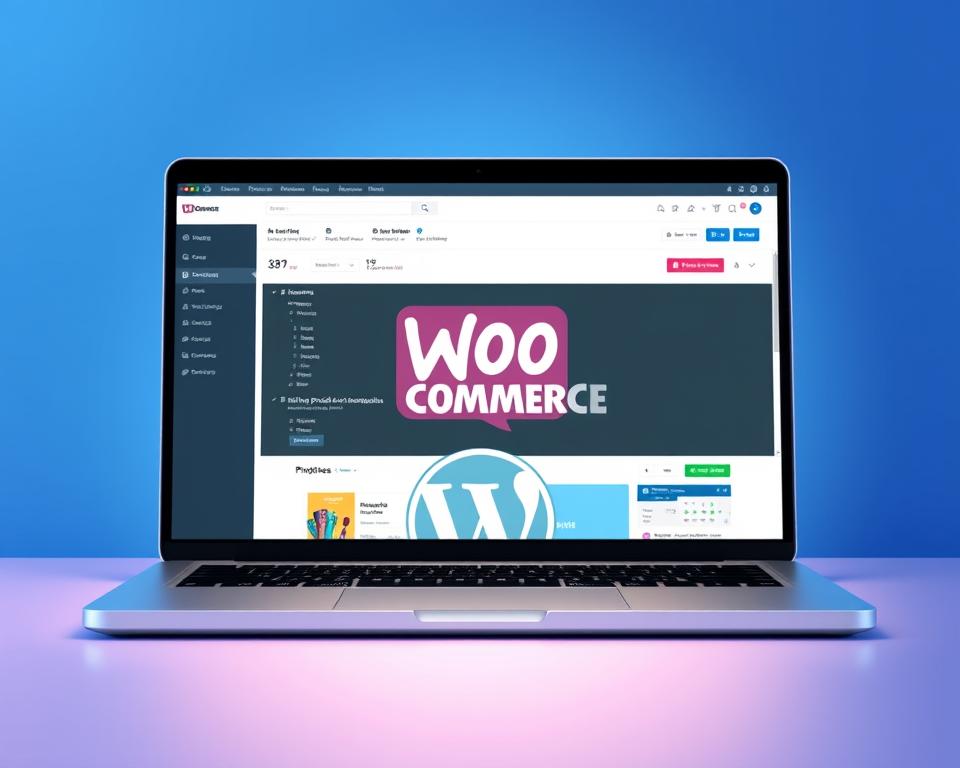
WooCommerce is a top pick for WordPress users. It’s known for its easy setup, full eCommerce features, and flexible pricing. It works well with WordPress, making it perfect for businesses already using it.
Seamless WordPress Integration
WooCommerce’s biggest plus is how well it works with WordPress. This lets users tap into WordPress’s flexibility and huge plugin library. They can manage products, orders, and customer info right from their WordPress dashboard.
Pricing Structure
WooCommerce is free to download and use, which is great for saving money upfront. But, to get the most out of it, you might need to buy extra plugins and themes. The cost depends on what your business needs.
| Feature | Cost | Description |
|---|---|---|
| WooCommerce Core | Free | Basic eCommerce functionality |
| Extensions | $29-$299 | Additional features like payment gateways and shipping integrations |
| Themes | $29-$299 | Customizable themes for WooCommerce stores |
Standout Features
WooCommerce shines with its standout features. It has flexible product management, shipping options, and many payment gateways. Plus, it’s super customizable with plugins and extensions.
Key Features Include:
- Flexible product management
- Integrated shipping options
- Multiple payment gateways
- Extensive customization through plugins and themes
Magento: Platform Overview and Key Features
For big businesses, Magento is a top choice. It has strong features and lets you customize a lot. This is great for companies wanting a big online presence.
Magento comes in two main types: Magento Open Source and Magento Commerce. Knowing the difference is key for businesses to choose wisely.
Magento Open Source vs Magento Commerce
Magento Open Source is free and community-driven. It has lots of features and customization options. But, it doesn’t have all the advanced features and support big businesses need.
Magento Commerce is paid. It has more features, better support, and grows with your business. This makes it better for large companies.
Pricing Structure
Magento Open Source is free to use. But, businesses must pay for development, customization, and upkeep. Magento Commerce costs more. Prices depend on your business’s needs and size.
Magento Commerce prices vary a lot. Businesses should talk to Magento partners or Adobe for a detailed quote.
Standout Features
Magento shines with its highly customizable architecture, advanced product management, and strong marketing tools. These help businesses create a unique online shopping experience.

| Feature | Magento Open Source | Magento Commerce |
|---|---|---|
| Customization | High | Very High |
| Support | Community | Priority |
| Scalability | Limited | High |
Total Cost of Ownership Analysis
It’s key for businesses to know the total cost of owning an eCommerce platform. This helps them plan and manage all the costs of having an online store.
Initial Setup Costs
The costs to start an online store vary a lot. For example, Shopify’s plans cost between $29 and $299 a month. WooCommerce is free but might cost for hosting and themes. Magento’s costs depend on how much you customize it.
| Platform | Basic Plan Cost | Additional Costs |
|---|---|---|
| Shopify | $29/month | Themes, Apps |
| WooCommerce | Free (Hosting varies) | Themes, Extensions, Hosting |
| Magento | Free (Open Source) | Development, Hosting, Maintenance |
Ongoing Maintenance Costs
Keeping an online store running costs money too. This includes updates, security, and support. For instance, Shopify takes care of updates and security, but you might need extra support or security.
Key maintenance costs to consider:
- Software updates and patches
- Security monitoring and protection
- Technical support and troubleshooting
Hidden Costs and Considerations
There are also hidden costs to watch out for. These include integrating third-party services, custom development, and lost sales due to platform problems.

In summary, figuring out the total cost of an eCommerce platform means looking at setup, maintenance, and hidden costs. By understanding these, businesses can make better choices about their online stores.
Ease of Setup and Use Comparison
For businesses wanting an online presence, choosing the right eCommerce platform is key. This section looks at Shopify, WooCommerce, and Magento. We focus on how easy they are to use and how fast you can start selling.
Learning Curve Assessment
The ease of learning an eCommerce platform is crucial. Shopify is easy to use, perfect for beginners. It lets you start selling quickly without needing to know a lot of tech stuff.
WooCommerce is great if you already know WordPress. It uses the WordPress dashboard, making it easy to set up. Magento is customizable but harder to learn. It needs more time and tech skills to use fully.
Time to Launch Comparison
How fast you can start selling online varies. Shopify is quick, with stores live in days. WooCommerce is fast too, especially if you already have a WordPress site.
Magento takes longer because it’s complex. It might need custom development, taking weeks or months to set up fully.

Design and Customization Capabilities
In the world of eCommerce, a standout store design is key for businesses. A good design can make a big difference in how customers feel and act. It can lead to more sales and a stronger online presence.

Theme Availability and Quality
Themes vary in quality and number on Shopify, WooCommerce, and Magento. Shopify has many themes, both free and paid, for different industries. WooCommerce uses WordPress’s huge theme library for lots of customization options. Magento offers flexibility but theme quality can vary, needing extra work for the best look.
Customization Flexibility
Being able to customize is important for unique brands. Shopify makes it easy to change themes without coding. WooCommerce’s customization is tied to WordPress’s flexibility, needing some know-how. Magento offers deep customization but it’s best for big businesses or those with special needs, needing tech skills.
Mobile Responsiveness
Most online shoppers use mobiles, so mobile-friendly designs are essential. All three platforms have mobile-responsive themes. Magento and Shopify are especially good, with many themes made for mobiles first. This makes shopping on smaller screens better.
eCommerce Features and Functionality Comparison
The world of eCommerce is led by Shopify, WooCommerce, and Magento. Each has special features for different business needs. Knowing what these platforms offer is key for a strong online presence.
Product Management Capabilities
Good product management is vital for eCommerce success. Shopify has strong features like product variants and inventory tracking. WooCommerce, a WordPress plugin, offers flexibility with product variations and inventory management.
Magento is known for its growth potential. It has advanced product management, including complex product setups and inventory across stores.
Checkout Experience
The checkout process greatly affects sales. Shopify is known for its easy checkout, with guest checkout and many payment options. WooCommerce lets merchants customize checkout with plugins.
Magento’s checkout is highly customizable. Businesses can adjust it to fit their needs, but it might need a lot of work.
Payment Gateway Options
Having many payment options is crucial for smooth transactions. Shopify has a wide range of payment gateways, including Shopify Payments. WooCommerce connects to many gateways through plugins.
Magento also supports various payment gateways. This gives businesses the freedom to pick their preferred payment methods.
Inventory Management
Keeping stock levels right is key for efficient order fulfillment. Shopify has detailed inventory management, including tracking and alerts for low stock. WooCommerce also manages inventory, with more options through plugins.
Magento’s inventory management is top-notch. It handles complex inventory needs across multiple warehouses and stores.
Integration Capabilities with Business Systems
eCommerce platforms need to integrate well with different business systems. This is key for smooth operations, better customer service, and growth.
CRM and ERP Integrations
Integrating with CRM and ERP systems is crucial. It helps manage customer data and business processes. Shopify works with CRM systems like HubSpot and Salesforce. WooCommerce and Magento also have options for CRM and ERP through extensions and APIs.
- Shopify: Native integration with CRM systems like HubSpot
- WooCommerce: Extensions available for CRM and ERP integrations
- Magento: Robust API for custom CRM and ERP integrations
Marketing Tool Integrations
Marketing tool integrations help automate campaigns and boost customer interaction. All three platforms connect with popular marketing tools. For example, Shopify works with Klaviyo for marketing automation. WooCommerce and Magento offer integrations through plugins and APIs.
Shipping and Fulfillment Integrations
Good shipping and fulfillment integrations are key for on-time delivery and happy customers. Shopify and WooCommerce connect with carriers like USPS and FedEx. Magento has advanced shipping and fulfillment options through Magento Commerce.
- Shopify: Integrates with major shipping carriers
- WooCommerce: Extensions for shipping and fulfillment
- Magento: Advanced shipping options through Magento Commerce
In conclusion, Shopify, WooCommerce, and Magento each have their own strengths. They offer unique benefits in CRM and ERP, marketing tools, and shipping and fulfillment.
Scalability and Performance Analysis
An eCommerce platform’s ability to scale and perform well is key to success. As online businesses grow, their platform must handle more traffic and sales. It must do so without hurting the user experience.
Handling High Traffic and Large Inventories
Shopify is great at handling lots of traffic and big inventories thanks to its cloud-based setup. WooCommerce, being a WordPress plugin, can also manage a lot of traffic. But, its performance depends a lot on the hosting quality. Magento, especially Magento Commerce, has advanced scalability features. It’s perfect for big companies with lots of traffic and complex inventory needs.
“Scalability is not just about handling more traffic; it’s about maintaining performance under load.” – This is a crucial consideration for businesses anticipating growth.
Speed and Performance Metrics
Shopify usually scores high in speed and performance thanks to its optimized setup. WooCommerce’s performance can be improved with the right hosting and caching plugins. Magento’s performance is highly customizable but often needs a lot of resources and expertise to optimize.
A study found that “platforms optimized for performance can see a big drop in bounce rates and an increase in conversion rates.” So, when picking an eCommerce platform, think about your current and future needs for scalability and performance.
Security Features and Compliance Standards
The rise of eCommerce has made security and compliance more important. This is key for keeping customer trust. As online shopping grows, so does the need for strong security to protect customer data.
PCI Compliance
PCI compliance is a big deal in eCommerce security. It makes sure platforms handling credit card info follow strict standards. Shopify, WooCommerce, and Magento offer tools and guidelines for PCI compliance.
Shopify is already PCI Level 1 compliant. This means it’s a safe place for transactions.
Data Protection Measures
Data protection is crucial in eCommerce security. Platforms use encryption and secure storage for data. WooCommerce, being a WordPress plugin, gets security benefits from WordPress, like data encryption.
Magento also has strong data protection. It includes data encryption and secure storage for customer data.
Fraud Prevention Tools
Fraud prevention is also key. All three platforms have tools to stop fraudulent transactions. Shopify and Magento work with fraud detection services for extra security.
WooCommerce helps prevent fraud with plugins that spot and stop suspicious activity.
In conclusion, security and compliance are essential for eCommerce platforms. By focusing on PCI compliance, data protection, and fraud prevention, businesses can lower security risks. This helps keep customer trust.
Best Platform for Different Business Types
Choosing the right eCommerce platform is key for all businesses. The needs of businesses change as they grow. This ranges from small startups to large companies.
Small Businesses
For small businesses, being easy to use and affordable is important. Shopify is a top choice because it’s simple to use and has great customer support. It has different plans, including a basic one that’s good for new businesses.
WooCommerce is also a good option. It works well with WordPress and is flexible. This makes it great for those who already know WordPress.
Medium-Sized Businesses
Medium-sized businesses need more features to manage their growth. Magento is a good choice for this group. It’s scalable and has lots of customization options.
It can handle big product catalogs and lots of traffic. But, it needs more technical knowledge, which might be a challenge.
Enterprise-Level Organizations
For enterprise-level organizations, the focus is on platforms that can handle a lot of traffic. They also need advanced customization and to work with existing systems. Magento Commerce is often suggested for its strong features, like security and scalability.
Shopify Plus is also a good choice for big businesses. It offers the support and scalability they need. But, it focuses on being easy to use and having managed services.
Experts say, “The key to successful eCommerce is choosing a platform that fits your business goals and growth needs.” The best platform for a business depends on its specific needs, growth stage, and technical skills.
Conclusion: Choosing the Right eCommerce Platform for Your Business
Choosing the right eCommerce platform is crucial for your business’s success. Shopify, WooCommerce, and Magento each have their own strengths and weaknesses. Think about what your business needs and goals are when making your choice.
If you’re a small business, Shopify might be the best. It’s easy to use and set up. But if you’re already using WordPress, WooCommerce could be a better fit because of its integration with WordPress.
For big businesses needing lots of customization and growth, Magento is a good choice. The right platform for you depends on your business needs. Look at the total cost, how easy it is to set up, design options, and how well it integrates with other systems.