






Creating a successful software as a service (SaaS) product needs a deep grasp of the full development lifecycle. This journey includes several key steps. These steps turn an idea into a fully working SaaS product.
The journey to build a SaaS product is detailed and involves many stages. From the first idea to when it’s ready to use, it’s a complex path. Knowing how to develop a SaaS product is key for businesses wanting to use this model for their software.
Table of Contents
Key Takeaways
- Understanding the full development lifecycle is crucial for SaaS success.
- SaaS product development involves multiple strategic stages.
- A well-planned development process ensures a smooth deployment.
- Leveraging the right development strategies can enhance product quality.
- Effective SaaS development requires a comprehensive approach.
Understanding SaaS: Definition and Key Characteristics
SaaS is a way to deliver software over the internet. It lets users access apps without installing them locally. This change affects both users and providers a lot.
SaaS apps run on remote servers. Users can get to them through a web browser or mobile app. This setup brings benefits like lower costs, automatic updates, and easy growth.
What Makes SaaS Different from Traditional Software
SaaS apps are managed and updated from a central place. This is different from traditional software, which users have to install and update themselves. This change affects how users experience software and the costs involved.
The SaaS model also means faster setup and more flexibility. Users can use apps from anywhere, on any device with internet.
The Business Model Behind SaaS Products
The SaaS business model relies on subscription fees. This way, providers get a steady income and work to keep customers happy.
Subscription-Based Revenue Models
With subscription models, customers pay for software over time, like monthly or yearly. This makes it simpler for businesses to plan their software costs. It also lowers the initial cost for getting started.
Customer Lifetime Value Considerations
For SaaS companies, Customer Lifetime Value (CLV) is key. It shows how much value a customer will bring over time. Companies aim to offer great service and build strong relationships to increase CLV.
Market Research and Idea Validation
Market research and idea validation are key to a successful SaaS product. Knowing your audience and checking if your idea works can lower the risk of failure.
Identifying Market Needs and Opportunities
To find market needs, you need to do market research. This means looking at trends, understanding what customers struggle with, and finding gaps your product can fill. Good research helps you make a product that really meets your audience’s needs.
Competitive Analysis Techniques
Doing a deep competitive analysis is vital. It lets you see what your competitors are doing well and not so well. You can then make your product stand out and offer something unique.
Validating Your SaaS Idea
Checking if your SaaS idea is good is a must. You can use the Minimum Viable Product (MVP) approach and early adopter feedback loops to do this.
Minimum Viable Product (MVP) Approach
The MVP method means making a basic version of your product. It has just enough features to please early users. This way, you can test your product, get feedback, and improve it before fully launching.
Early Adopter Feedback Loops
Getting feedback from early users is crucial. By listening to what they say and using their feedback, you can make sure your product meets their needs. This helps your product grow and improve over time.

By doing thorough market research, competitive analysis, and idea validation, you can boost your SaaS product’s success chances. This groundwork helps you create a product that people want. It also guides your development to make a strong and competitive SaaS solution.
Defining the Product Vision and Strategy
Creating a product vision and strategy is key to making a SaaS product that meets market needs. A clear vision guides the team, stakeholders, and customers. It makes sure everyone works towards the same goal.

To get this right, several important things need to be considered. First, you must create a value proposition that stands out from competitors.
Creating a Compelling Value Proposition
A good value proposition clearly shows what makes your SaaS product special. It should be short but powerful, and speak to your target audience. Understanding your customers’ needs and pain points is crucial for a strong value proposition.
Setting Clear Product Goals and KPIs
Setting clear goals and KPIs is essential for success. These goals should be specific, measurable, achievable, relevant, and time-bound (SMART). This ensures the product stays on track and meets its objectives. KPIs help track progress and guide decisions.
Developing a Product Roadmap
A product roadmap outlines your SaaS product’s vision, direction, and progress over time. It helps stakeholders understand the plan and ensures everyone is working towards the same goals. A good roadmap balances short-term needs with long-term goals.
Short-term vs. Long-term Planning
Effective product roadmap development requires balancing short-term and long-term planning. Short-term plans focus on immediate needs and quick wins. Long-term plans look at the overall strategy and future growth. Finding the right balance keeps the product competitive and aligned with its vision.
How SaaS Products Are Built: A Full Development Lifecycle Overview
Creating a successful SaaS product takes a detailed development lifecycle. This process includes many stages and involves different stakeholders. It’s not a straight line but a dynamic journey that needs ongoing improvement.
The Iterative Nature of SaaS Development
SaaS product development is all about going round in circles. It’s a cycle of making improvements and tweaks. Iterative development helps teams adapt to changing needs and feedback, making sure the product is what users want.

This cycle includes planning, design, building, testing, and launching. Each step is important and might need revisiting based on feedback and new needs.
Key Stakeholders in the SaaS Development Process
Getting a SaaS product right needs teamwork among many stakeholders. These groups are internal teams and external partners or vendors.
Internal Teams Collaboration
Internal teams are key to SaaS development. They include product management, development, design, quality assurance, and marketing. Working well together is essential for a top-notch product that meets user expectations.
| Team | Role |
|---|---|
| Product Management | Defines product vision and roadmap |
| Development | Builds the SaaS product |
| Design | Creates user interface and user experience |
| Quality Assurance | Tests the product for quality and bugs |
| Marketing | Promotes the product to potential users |
External Partners and Vendors
External partners and vendors are also crucial in SaaS development. They offer specialized services like tech infrastructure, security, and support. Choosing the right vendors can boost the product’s quality and growth.
Key benefits of working with external partners include:
- Access to specialized expertise
- Scalability and flexibility
- Cost savings
UX/UI Design for SaaS Applications
In the world of SaaS, UX/UI design is more than looks. It’s about making the user experience smooth and engaging. A good UX/UI helps SaaS apps stand out in a crowded market.
User Research and Persona Development
User research is the base of great UX/UI design. It digs into the audience’s needs and habits. Persona development is key here, as it shapes user profiles for design choices. Designers aim to match the user experience with the audience’s needs.
For example, a project management SaaS might find two main personas: the project manager and the team member. Each has unique needs. Knowing these helps design a better UX/UI.
Creating Intuitive User Flows and Wireframes
After personas are set, designers work on user flows and wireframes. User flows show how users complete tasks. Wireframes show the app’s layout and how it works. These tools spot issues and areas for betterment.

Design Systems and Component Libraries
A design system is a set of reusable parts for digital products. For SaaS apps, it keeps the platform consistent. This makes it easier for users to get around.
Ensuring Consistency Across the Platform
Consistency is vital in UX/UI design. Design systems and libraries help keep the app’s look and feel the same. This reduces confusion and boosts the user experience.
| Benefits of Design Systems | Description |
|---|---|
| Consistency | Uniform look and feel across the application |
| Efficiency | Reduced development time due to reusable components |
| Scalability | Easier to add new features and functionalities |
“A well-designed UX/UI is not just about making the application look good; it’s about creating an experience that users love and come back to.”
By focusing on UX/UI design, SaaS companies can boost user happiness. This leads to better retention and success in business.
Technical Architecture and Infrastructure Planning
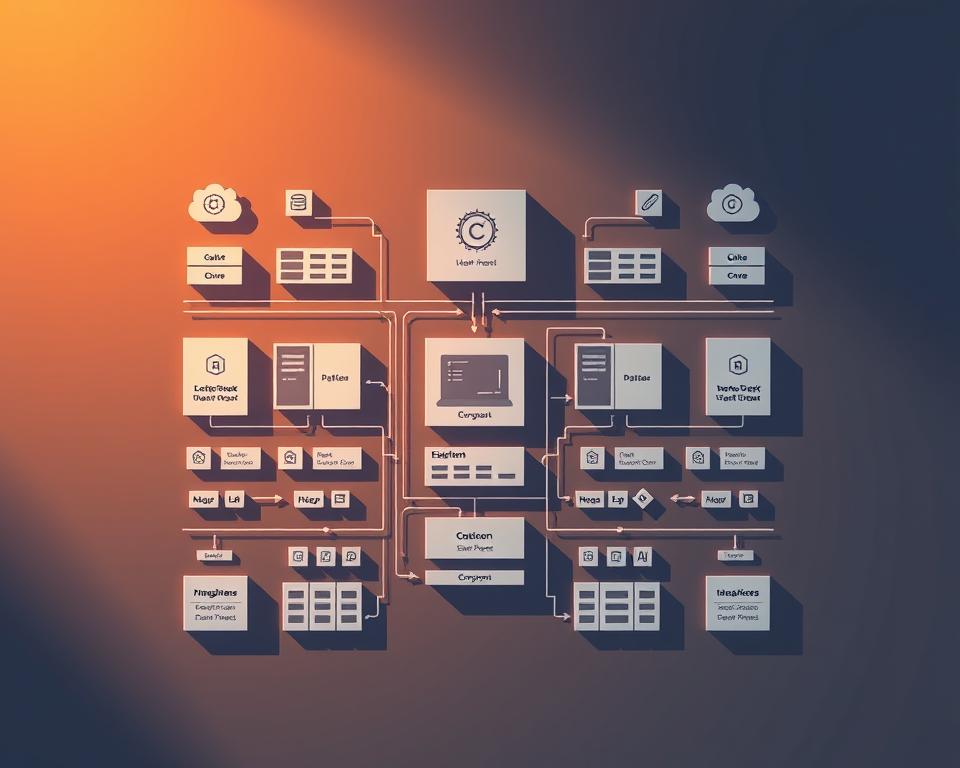
Creating a successful SaaS product needs a strong technical base. This base is key for the app’s growth, speed, and dependability. A good tech plan lets SaaS companies meet user needs and market shifts.
Choosing the Right Tech Stack
Picking the right tech stack is a big choice in SaaS making. It means choosing frontend tools, backend systems, and API setups that fit the product’s needs.
Frontend Technologies
Frontend tech shapes how users interact with the app. React, Angular, and Vue.js are top picks. They offer unique benefits in design and community backing.
Backend and API Considerations
The backend handles the app’s logic, database, and API links. Node.js, Python, and Ruby on Rails are favored backend tools. APIs are key for adding third-party services and supporting microservices.
Database Design and Data Management
Good database design is essential for managing data and growth. You can choose between MySQL for structured data or MongoDB for flexible data needs.
Scalability and Performance Considerations
Scalability is crucial for SaaS products. They need infrastructure that can grow with demand. Using cloud services like AWS or Azure, load balancing, and optimizing database queries are key for top performance.
By focusing on these tech and infrastructure areas, SaaS companies can create strong, scalable apps. These apps offer a smooth user experience.
Development Methodologies for SaaS Products
SaaS development methodologies are key to a project’s success. They help ensure timely delivery and quality. They also help companies keep up with market changes.
Agile Development Practices
Agile development is popular in SaaS for its flexibility. It focuses on teamwork, feedback, and constant improvement. Agile lets teams quickly adapt and deliver software in short cycles.
Key benefits of Agile include:
- Enhanced team collaboration
- Faster time-to-market
- Improved customer satisfaction
- Adaptability to change
Sprint Planning and Execution
Sprint planning is vital in Agile. It sets goals, assigns tasks, and estimates effort. Good sprint planning keeps the team focused and on track.
Best practices for sprint planning include:
- Clearly defining sprint goals
- Prioritizing tasks based on value and complexity
- Ensuring the team has the necessary resources and capacity
Code Quality and Technical Debt Management
Keeping code quality high is crucial for SaaS success. Technical debt can slow down future development and increase costs. Managing technical debt well is essential.
Code Reviews and Pair Programming
Code reviews and pair programming boost code quality. Code reviews check for errors and best practices. Pair programming has two developers working together.
| Practice | Benefits |
|---|---|
| Code Reviews | Improved code quality, reduced bugs, knowledge sharing |
| Pair Programming | Real-time feedback, improved design, enhanced collaboration |

Using strong methods like Agile helps SaaS companies. They improve their development, code quality, and meet customer needs better.
Security and Compliance in SaaS Development
Cloud-based services are becoming more common. This means security and compliance are key in SaaS development. Businesses need to make sure their SaaS products are safe and follow the rules.
Data Protection and Privacy Measures
Data protection is essential in SaaS security. It involves using strong encryption methods to keep user data safe. SaaS providers must also control who can see sensitive information.
They should do regular security checks and tests. This helps find and fix any weak spots.

Authentication and Authorization Systems
Good authentication and authorization systems stop unauthorized access. Using multi-factor authentication (MFA) makes it harder for hackers to get into accounts. Role-based access control (RBAC) helps too, by letting admins set up user roles and permissions.
Compliance with Industry Regulations
SaaS providers must follow rules like the General Data Protection Regulation (GDPR) and the Health Insurance Portability and Accountability Act (HIPAA). They need to know what each rule requires and take steps to meet those standards. This includes doing regular checks, keeping records, and making sure data is moved correctly.
By focusing on security and compliance, SaaS developers can earn user trust. They can also keep data safe and avoid big problems from not following the rules.
Testing and Quality Assurance Strategies
In the world of SaaS, testing and quality assurance are key. They make sure the app works well under different conditions. This is important for keeping users happy and coming back.

Automated Testing Approaches
Automated testing is a big deal in SaaS development. It helps teams find and fix problems fast. This includes unit and integration testing, which check if parts and how they work together are good.
Unit and Integration Testing
Unit testing looks at each part separately to see if it works alone. Integration testing checks how these parts work together. It makes sure the whole system is solid.
End-to-End Testing
End-to-end testing mimics real user actions. It checks the app’s whole workflow from start to end. This method catches issues that might not show up in unit or integration tests.
User Acceptance Testing
User Acceptance Testing (UAT) is a big step. It tests the app against what users expect. It makes sure the SaaS product is up to standard and ready to go live.
Performance and Load Testing
Performance and load testing are crucial. They check if the app can handle lots of users without slowing down. This means simulating a big number of users to see how the app scales and stays fast.
By using these testing and quality assurance methods, SaaS companies can make their apps more reliable and user-friendly. This leads to happier customers and success for the business.
Deployment and DevOps Practices
SaaS products keep growing, making strong deployment and DevOps strategies key. Good deployment means apps reach users smoothly and reliably. DevOps brings together development and operations teams, creating a collaborative culture.
Continuous Integration and Continuous Deployment (CI/CD)
CI/CD helps teams make and release software quickly and reliably. Continuous Integration merges code changes into a central spot for testing. Continuous Deployment then sends this code to production, getting updates to users fast.
Big names like Netflix and Amazon use CI/CD to update their apps thousands of times daily. This speed is essential in today’s fast-paced SaaS world.
Cloud Infrastructure Management
Managing cloud infrastructure is vital for SaaS apps. It’s about picking the right cloud services and setting them up right. This ensures the app scales, stays secure, and is always available.
“The cloud is not just a platform, it’s a way of life.” –
Good cloud management means:
- Picking the best cloud provider (AWS, Azure, Google Cloud)
- Creating a scalable design
- Adding strong security features
Monitoring and Alerting Systems
Monitoring and alerting systems are crucial for a SaaS app’s reliability and performance. They help teams spot problems early, cutting downtime and enhancing user experience.
Real-time Performance Monitoring
Real-time monitoring tracks important app performance metrics like response times and error rates. This helps teams find and fix issues for better app performance.
Error Tracking and Resolution
Error tracking and fixing involve finding, logging, and solving app errors. Tools like Sentry and New Relic give deep insights into errors, helping teams fix them fast.
Strong deployment and DevOps practices boost SaaS app quality and reliability. This leads to happier customers and better retention.
SaaS Monetization and Pricing Strategies
Effective SaaS pricing strategies are key to making more money and keeping customers happy. A good pricing plan draws in customers and helps the SaaS business grow over time.
Common SaaS Pricing Models
SaaS companies use different pricing models to meet various customer needs. Two main methods are:
Tiered Pricing Structures
Tiered pricing offers plans with different features and support levels. This lets customers pick the best plan for their budget, helping to bring in more customers and keep them.
Freemium Approaches
The freemium model gives a basic version for free, with paid upgrades for more features. It’s great for getting lots of users, with the chance to turn them into paying customers.
Billing Systems and Payment Processing
A good billing system is vital for managing subscriptions and payments. It affects cash flow and customer happiness. Choose a system that fits your setup and offers flexible payment options.
Customer Acquisition Cost vs. Lifetime Value
It’s important to balance the cost of getting a new customer (CAC) with the value they bring over time (LTV). A good LTV:CAC ratio means a healthy business. SaaS companies should tweak their pricing to boost this ratio, ensuring they stay profitable.
Customer Success and Retention Strategies
A good customer success strategy is key for a SaaS product’s long-term success. It helps customers get what they need, building loyalty and growth. Keeping customers happy is crucial for SaaS companies to grow.
Onboarding Processes and User Education
Onboarding new users smoothly is essential. It means making tutorials, guides, and docs easy to use. This way, SaaS companies can make users feel at home, leading to more adoption.
Satya Nadella, CEO of Microsoft, once said, “The best way to predict the future is to invent it.” Good onboarding gives a great first impression, leading to happy customers.
Customer Support Infrastructure
Having strong customer support is key. It means offering help through email, chat, and phone. Also, using AI chatbots for quick help. This builds trust and strengthens customer bonds.
According to a study by NewVoiceMedia, companies that focus on customer experience see more loyalty.
Reducing Churn and Increasing Renewals
Keeping customers is vital for growth. Regular checks, feedback, and personalized support can help. Spotting signs of churn early can prevent losses.
Engagement Metrics and Warning Signs
Watching engagement metrics is crucial. Look at login rates, feature use, and health scores. This helps spot churn risks early.
“The goal is not to be perfect by the time you launch, but to launch so you can become perfect over time.” –
Understanding and acting on these metrics is key to customer success.
Conclusion
Creating a successful SaaS product means knowing the whole development process. It starts with market research and idea checking. Then, it moves to deployment and making sure customers are happy.
Every step in the development lifecycle is important. This includes designing the user experience, building the technical framework, ensuring security, testing, and finally, deploying the product. By focusing on each part, businesses can make SaaS products that users love and grow over time.
The SaaS world is always changing. It’s key for companies to keep up with new trends and methods in making SaaS products. This way, they can stay ahead and offer products that meet their customers’ changing needs.