







For modern firms in the United States, crossing international borders is tough. Many use trade compliance software to handle these tasks daily. This helps them follow all rules without making costly mistakes during shipping.
Quickcode.ai leads in this digital area, supporting global brands well. It uses smart tech to quickly and accurately find the right codes for products. It also keeps an eye on law changes, helping users stay ready for audits.
These digital tools make global shipping simpler for everyone in the supply chain. Your team can focus on growth while the system handles the details. This leads to better results and fewer legal issues with customs agents.
Proper compliance management keeps a business safe and productive in a competitive market. It lowers the risk of long delays during transport or with government agencies. Modern tools give you the clear data needed to reach your financial goals safely.
These systems offer a reliable way to manage risk while increasing speed and efficiency across all departments. They are becoming a standard part of global business today. Embracing this technology is a strategic decision for any company looking to expand its reach.
Table of Contents
Key Takeaways
- Automate tariff classification to save time and resources.
- Reduce the risk of expensive government fines and penalties.
- Stay updated on shifting global regulatory changes automatically.
- Improve shipping speed by minimizing border and customs delays.
- Use accurate data to scale your business operations safely.
1. Understanding Trade Compliance in Modern Business
In today’s world, knowing about trade compliance is key for businesses. The global economy is complex, making regulatory tracking and supply chain compliance tough.
The Complexity of Global Trade Regulations
Global trade rules are getting more complex. Each country has its own set of rules. These rules change often, making it hard for businesses to keep up.
A report by Shannon Hynds in the article “Tariff Flashpoints Importers Can’t Ignore” in Institute for Supply Chain shows the uncertainty in 2026 tariffs. It highlights the need for businesses to stay informed and follow the rules.
What is Trade Compliance
Trade compliance means following the laws for imports and exports. It includes screening against denied party lists, classifying goods correctly, and obtaining necessary licenses. It’s crucial to avoid penalties, damage to reputation, and supply chain disruptions.
The Evolution of Compliance Management
Compliance management has changed a lot, thanks to new technology and complex global rules. Before, it was done manually, which was slow and error-prone. Now, businesses use trade compliance tracking platforms to make things easier, more accurate, and safer.
These platforms offer:
- Real-time regulatory updates
- Automated screening and classification
- Enhanced visibility and control over the supply chain

As global trade keeps changing, the need for good trade compliance will grow. By understanding global trade rules and using technology, businesses can reduce risks and keep their supply chains running smoothly.
2. What is a Trade Compliance Tracking Platform
Global trade has grown more complex, leading to the need for advanced Trade Compliance Tracking Platforms. These tools help businesses deal with the many rules and ensure they follow them.
Definition and Core Purpose
A Trade Compliance Tracking Platform is software that lets companies keep track of trade rules. Its main goal is to make following these rules easier, lowering the chance of mistakes and fines.
These platforms bring all compliance efforts together in one place. This makes it easier to see and control everything.
How Tracking Platforms Work
These platforms automate tracking of rule changes and check transactions against banned lists. For example, Quickcode.ai’s Tariff Calculator 2.0 helps importers understand tariff costs before making decisions. This shows how compliance automation works in practice.
Automation cuts down on work and mistakes, keeping businesses up to date with rules.

Digital Transformation in Compliance Management
The digital change in how we manage compliance is changing the game for businesses. With technology, companies can stay compliant in real-time, cut down on mistakes, and work more efficiently.
This shift is key in today’s fast trade world. Rules change often, and breaking them can lead to big fines.
3. Why Your Business Needs a Trade Compliance Tracking Platform
In today’s complex global trade environment, businesses face many challenges. They must keep up with changing regulations. A strong trade compliance tracking platform is key for companies to navigate international trade.
The Cost of Non-Compliance
Not following trade rules can lead to big fines and damage to a company’s reputation. For example, breaking export controls can cost millions. It can also mess up supply chains, causing delays and lost chances.
A trade compliance tracking platform helps avoid these risks. It makes sure all transactions and shipments follow the rules. This protects the company from fines and keeps its reputation strong.
Increasing Regulatory Scrutiny in the United States
In the United States, agencies like the Office of Foreign Assets Control (OFAC) and the Bureau of Industry and Security (BIS) are watching trade compliance more closely. Companies must keep up with new rules and have strong compliance programs.
The article “How Businesses Can Address Supply Chain Management With The Looming Tariff Changes” shows the challenges of changing tariffs. It highlights the need for supply chain visibility. A trade compliance tracking platform gives this visibility, helping companies manage their supply chains better and follow rules.
Limitations of Manual Compliance Processes
Manual compliance methods are slow and can make mistakes. Using spreadsheets and manual checks can lead to errors. This can cause non-compliance. A trade compliance tracking platform automates these processes, reducing errors and making things more efficient.
Competitive Advantages of Automated Systems
Automated trade compliance systems have big advantages. They give real-time updates on rule changes, keeping companies up to date. They also improve supply chain visibility, helping businesses manage their global supply chains better.
| Benefits | Manual Compliance | Automated Compliance |
|---|---|---|
| Accuracy | Prone to human error | High accuracy with automated checks |
| Efficiency | Time-consuming | Streamlined processes |
| Regulatory Updates | Manual tracking required | Real-time updates |
By using a trade compliance tracking platform, businesses can stay compliant and get ahead. They improve risk management and supply chain visibility.

4. Core Features of Trade Compliance Tracking Platforms
Global trade rules are complex. That’s why businesses need advanced tracking platforms. These tools help navigate the trade compliance world with key features.
Real-Time Regulatory Database Updates
Trade compliance platforms offer real-time updates on regulatory changes. This keeps businesses up-to-date with the latest rules. Quickcode.ai’s platform uses AI to keep you informed about regulatory needs.
Automated Screening and Classification Tools
Automated tools are crucial. They help spot compliance risks by checking transactions against restricted lists. They also classify goods for export or import correctly.
Document Management and Digital Storage
Document management is key for trade compliance. These platforms provide digital storage. They keep documents safe and easy to find for audits or checks.
Audit Trail and Reporting Functionality
A strong audit trail and reporting are vital. They let businesses track activities and create reports as needed.
Alert and Notification Systems
Alert and notification systems keep businesses in the loop. They alert you to changes or issues, helping manage compliance proactively.
The table below shows the main features of trade compliance tracking platforms:
| Feature | Description | Benefit |
|---|---|---|
| Real-Time Regulatory Updates | Provides latest regulatory changes | Ensures compliance with current regulations |
| Automated Screening Tools | Identifies potential compliance risks | Reduces risk of non-compliance |
| Document Management | Secure and accessible document storage | Facilitates audits and compliance checks |
| Audit Trail and Reporting | Tracks compliance activities and generates reports | Demonstrates compliance and aids in audits |
| Alert and Notification Systems | Informs of changes or potential issues | Enables proactive compliance management |

5. U.S. Trade Compliance Regulatory Framework
For businesses trading internationally, knowing the U.S. trade compliance rules is key. These rules cover the export, import, and sharing of goods, services, and tech.
The U.S. has a detailed set of rules for trade. To avoid big fines and harm to reputation, companies must follow these rules well.
Export Administration Regulations (EAR)
The EAR is run by the U.S. Department of Commerce. It controls the export and re-export of items that can be used for both business and military. Companies must make sure their exports meet EAR rules, get the right licenses, and follow restrictions on certain countries and groups.
International Traffic in Arms Regulations (ITAR)
The ITAR is managed by the U.S. Department of State. It deals with the export and import of defense items and services. Companies working with defense items must sign up with the Directorate of Defense Trade Controls (DDTC) and follow ITAR’s rules on licenses and reports.
Office of Foreign Assets Control (OFAC) Sanctions
OFAC is part of the U.S. Department of the Treasury. It enforces sanctions on foreign governments, people, and groups. Companies must follow OFAC’s sanctions, check transactions and parties against the Specially Designated Nationals (SDN) list.
Customs and Border Protection (CBP) Requirements
The CBP is under the U.S. Department of Homeland Security. It makes sure customs laws are followed. This includes correct classification and value of imports, following rules of origin, and other import rules.
Using trade compliance software helps a lot. It automates compliance tasks and keeps companies up-to-date with rules. This way, businesses can lower the chance of breaking rules and avoid fines.
6. Denied Party Screening and Sanctioned List Management
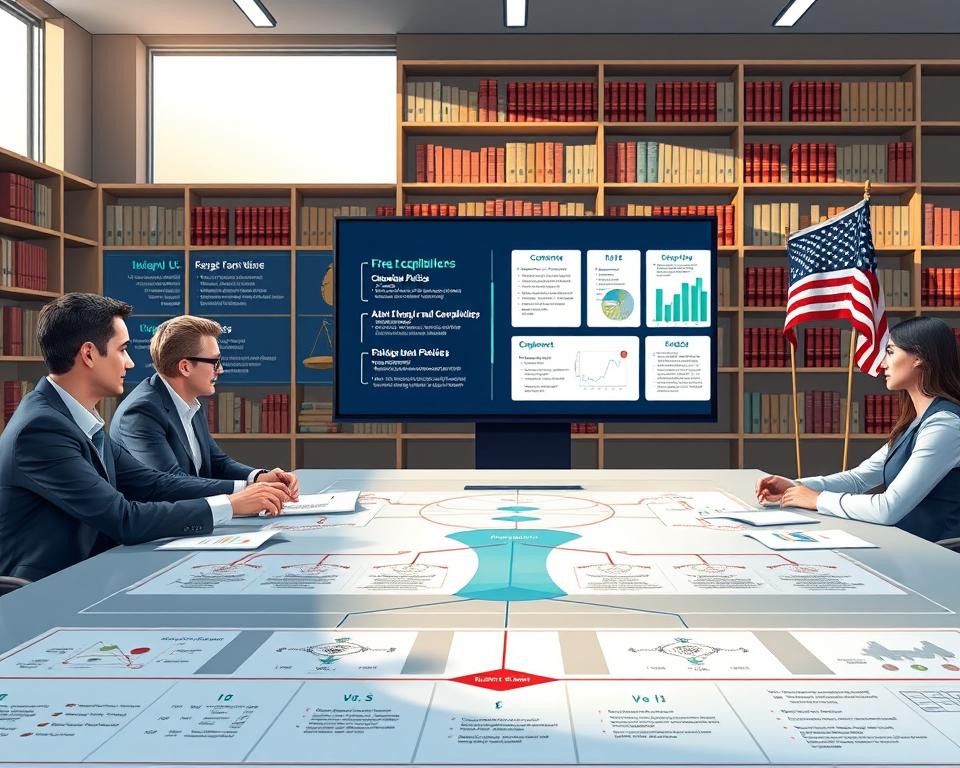
Denied party screening and managing sanctioned lists are key parts of a strong trade compliance program. They help businesses avoid risks in global trade. These steps make sure companies don’t deal with restricted or sanctioned parties.
Understanding Restricted Party Lists
Government agencies and international groups keep restricted party lists. Knowing these lists is vital for following rules. These lists name parties that can’t take part in certain deals.
Automated Screening Processes
Automated screening uses software to check against restricted party lists. Quickcode.ai’s partnership with BITE Data makes this process smoother and more accurate.

Continuous Monitoring and Updates
Keeping up with changes in restricted party lists is important. This ensures businesses stay in line with new rules. It also helps them quickly adjust to new restrictions.
Managing Screening Results and Escalations
Handling screening results well is crucial. This means having a clear plan for dealing with matches and escalations. It includes checking matches, recording findings, and taking steps to lower risks.
By using strong denied party screening and managing sanctioned lists, businesses can lower the chance of breaking rules. This protects their reputation and keeps their supply chain safe.
7. Export Classification and License Determination
Export classification and license determination are key parts of trade compliance. They need precision and current knowledge. Businesses must follow complex rules to meet all laws and regulations.
Harmonized Tariff Schedule Classification
The Harmonized Tariff Schedule (HTS) is a global system for classifying traded goods. It’s vital for figuring out tariffs, taxes, and rules for imports and exports.
Key aspects of HTS classification include:
- Detailed product descriptions
- Numerical codes for classification
- Regular updates to reflect changes in trade policies
Export Control Classification Numbers (ECCN)
Export Control Classification Numbers (ECCN) identify items for export control. The ECCN is a key part of the U.S. Export Administration Regulations (EAR).
ECCN classification involves:
- Determining the specific ECCN for a product
- Understanding the export control requirements
- Identifying license requirements for controlled items
License Requirement Determination
After classifying a product, you need to check if a license is needed. This depends on the product’s ECCN, the destination country, the end-user, and the end-use.
| Factors | Description | Impact on License Requirement |
|---|---|---|
| ECCN | Classification number for export control | Directly affects license requirements |
| Destination Country | Country to which the product is being exported | Countries under embargo or sanction may require special licenses |
| End-User | The party that will ultimately use the product | End-users with questionable integrity may necessitate additional scrutiny |
| End-Use | The purpose for which the product will be used | Certain end-uses, such as military applications, may require licenses |
Automated Classification Tools
Tools like Quickcode make classifying products easier. They use AI and machine learning to help businesses classify products and find out if licenses are needed.
“Automated classification tools reduce the risk of human error and ensure compliance with the latest regulations.”
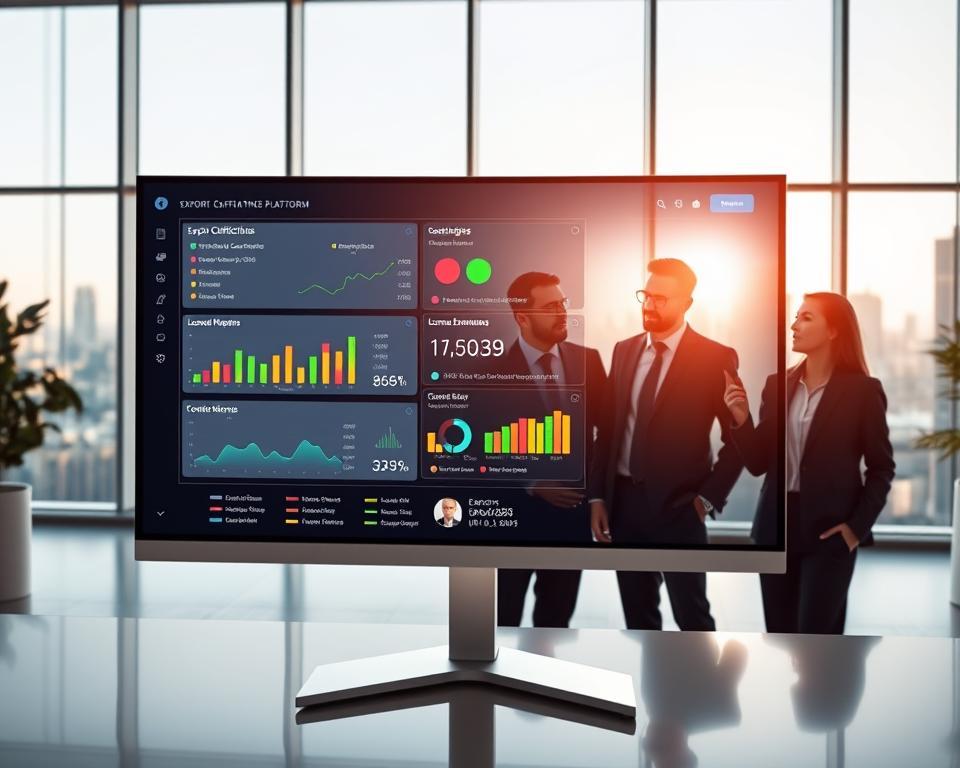
By using compliance automation and a strong trade compliance platform, businesses can meet export classification and license needs. This reduces the chance of non-compliance and its penalties.
8. Documentation Management and Record Retention
Keeping accurate and easy-to-find documents is key for trade compliance. Good document management is vital in today’s complex rules. It can greatly affect a company’s reputation and profits.
A centralized document repository is a big part of this. Quickcode’s platform has such a place. It helps businesses keep their compliance documents in order. This one spot makes it simpler to manage, update, and find documents.
Centralized Document Repository
A central spot for documents makes managing them easier. It keeps them safe from getting lost or misplaced. This helps avoid compliance problems.
Required Compliance Documentation
Compliance documents include many things like export licenses and customs declarations. Keeping these records is not just a rule. It’s also important for checking on risks and audits.

Retention Requirements and Best Practices
Rules say how long you must keep certain documents. Good practices include having a policy that follows these rules. This ensures documents are safe and can be found when needed.
Version Control and Document Tracking
Keeping track of document changes is very important. It lets businesses know which version is current. It also makes sure any changes are approved and noted.
Using a strong system for managing documents helps businesses. It improves compliance management, lowers the chance of breaking rules, and makes work more efficient.
9. Implementing a Trade Compliance Tracking Platform
Getting a trade compliance tracking platform is smart for businesses looking to handle global trade rules. As companies grow globally, they need a strong compliance system. A good platform helps make compliance easier, lowers the chance of mistakes, and boosts work efficiency.
Conducting a Compliance Needs Assessment
The first step is to check what compliance needs your business has. Look at your current processes, find gaps, and see what the new platform needs to do. Quickcode.ai, for example, helps companies improve their trade compliance by starting with a detailed needs assessment.
Important things to think about include:
- Know your global trade activities and risks
- Find out which rules and standards apply to you
- Check your current tech setup and what you might need to add
- Plan who can use the platform and how they’ll access it
Evaluating Platform Vendors and Solutions
After figuring out your needs, look at different trade compliance software. Compare what each offers and check the vendor’s reputation and support.
Things to look at when choosing vendors include:
- How much experience they have in trade compliance
- If the platform can grow with your business
- How easy it is to use
- If it can work with your current systems
- The kind of support and training they offer

Implementation Roadmap and Timeline
Creating a detailed plan and schedule is key for a smooth start. This plan should cover important steps, who will do what, and when.
A good plan might include:
- Setting up and customizing the platform
- Moving data and connecting systems
- Training users and testing
- Starting with a small launch and then going full
- Keeping the system running well
Data Migration and System Configuration
Moving data and setting up the system are big parts of the process. You’ll need to get your old data into the new system and make sure it fits your needs.
Good practices for moving data include:
- Checking that the data is correct and complete
- Matching the data with the new system’s needs
- Having a plan for backing up and recovering data
Employee Training and Adoption Strategies
Teaching employees how to use the new platform is crucial. Offer good training, user guides, and ongoing help.
Important parts of good training include:
- Training based on each person’s role
- Hands-on practice and simulations
- Clear guides and documents
- Support and ways to give feedback
By following these steps and using a trade compliance platform, businesses can improve their compliance and lower risks in global trade.
10. Integration with Business Systems and Workflows
A Trade Compliance Tracking Platform shines when it works with other business tools and processes. This teamwork is key to a smooth and effective compliance system.
One important link is with Enterprise Resource Planning (ERP) systems. By linking the Trade Compliance Platform with ERP, businesses keep compliance data in sync with finance and inventory. This makes supply chain visibility better and cuts down on non-compliance risks.
Supply Chain and Logistics System Connectivity
Connecting with supply chain and logistics systems is also crucial. It lets businesses track shipments in real-time and check for compliance automatically. This ensures all exports and imports follow the rules. Companies like Quickcode.ai have teamed up with Magaya to boost trade compliance.
Customer Relationship Management (CRM) Integration
Linking with Customer Relationship Management (CRM) systems helps too. It lets businesses check customers and partners against banned lists. For more on trade compliance in distribution, check out Econix’s trade distribution page.
API Capabilities and Data Exchange
Being able to share data through APIs is vital. APIs help systems talk to each other, keeping compliance data fresh and correct everywhere. This supports a complete approach to managing compliance.
In summary, linking a Trade Compliance Tracking Platform with different business tools is crucial. It keeps compliance strong, boosts work efficiency, and lowers the chance of breaking rules.
11. Benefits and ROI of Compliance Tracking Platforms
Using a Trade Compliance Tracking Platform is a smart move. It helps manage risks and boosts ROI. These platforms are key for companies dealing with global trade rules.
Risk Reduction and Penalty Avoidance
One big plus of these platforms is the big risk cut. They automate and watch regulatory changes in real-time. This helps avoid expensive fines for not following rules. A TechInformed report shows AI can really help with tariff and policy risks.
“AI-driven compliance solutions can help companies stay ahead of regulatory changes and avoid costly penalties.”
Operational Efficiency and Time Savings
These platforms make managing rules easier and faster. This means less time and money spent on rules. It also lets companies use their resources better.
Improved Accuracy and Reduced Errors
Automated tracking cuts down on mistakes. It makes sure all deals are checked against the latest rules. This makes the whole process more reliable and accurate.
Enhanced Visibility and Control
These platforms give a clear view of compliance in real-time. Companies can keep a close eye on their trade. They also have tools to show they follow rules to regulators and others.
Measurable Return on Investment
The payoff from using a Trade Compliance Tracking Platform is clear. It lowers the chance of fines, cuts down on manual work costs, and makes operations smoother. This means a big return on investment for companies.
| Benefits | Description | Impact |
|---|---|---|
| Risk Reduction | Automated compliance monitoring and real-time updates | Reduced risk of non-compliance penalties |
| Operational Efficiency | Streamlined compliance processes | Cost savings and improved resource allocation |
| Improved Accuracy | Minimized human error through automation | Enhanced compliance reliability |
12. Security, Data Privacy, and Technology Considerations
Businesses now rely more on digital solutions for trade compliance. This makes strong security measures even more important. Keeping trade compliance data safe is key to avoiding fines and staying compliant.
Cloud-Based vs. On-Premise Deployment
Choosing between cloud-based or on-premise Trade Compliance Tracking Platforms is a big decision. Cloud options are scalable and cost-effective, but on-premise gives more control over data. Companies with very sensitive data might choose on-premise for better security.
Data Encryption and Security Protocols
Both cloud and on-premise setups need data encryption and strong security. This means encrypting data in transit and at rest, using secure login methods, and keeping software up to date. For more on data security, check out Next Big Technology for tips on site security.
User Access Controls and Permissions
It’s crucial to control who can see sensitive trade compliance data. Use role-based access controls and check user permissions often. Also, remove access when employees change roles or leave.
Compliance with Data Privacy Regulations
Trade Compliance Tracking Platforms must follow data privacy laws like GDPR in the EU or CCPA in California. This means protecting personal data, getting consent, and being clear about how data is used.
13. Best Practices for Trade Compliance Management
Global trade is growing fast. This makes good trade compliance management even more important. Companies need to follow international trade rules well to avoid legal and financial problems.
Developing Internal Compliance Policies
Creating detailed internal compliance policies is key. These policies should show the company’s commitment to following rules. They should also define who does what and how to handle trade activities. The World Economic Forum’s report says clear policies are essential for good compliance.
Establishing Governance and Oversight
A clear governance structure is crucial for managing trade compliance. This means having a compliance officer or team. They should check for risks and fix problems. Good governance makes sure compliance fits into the company’s risk management plan.
Conducting Regular Internal Audits
Regular audits help find and fix compliance issues. These audits should be done by trained people. They should check everything related to trade compliance, like how goods are classified and documented.
Continuous Training and Education Programs
Keeping employees up-to-date is vital. This means training them on new rules and best practices. The newsletter “Trade Compliance Professionals: We See You” says training is key for staying current.
Staying Current with Regulatory Changes
Keeping up with rule changes is important. Companies should watch for updates and join industry groups. This helps them adjust their compliance efforts as needed.
By following these best practices, companies can improve their trade compliance. This reduces the risk of breaking rules and keeps them competitive globally.
14. Industry-Specific Applications and Use Cases
Trade Compliance Tracking Platforms are used in many industries. They are designed to fit the needs of each sector. This ensures they follow trade rules.
Aerospace and Defense Manufacturing
Aerospace and defense makers have to follow strict rules, like ITAR and EAR. These platforms help them manage export controls and keep detailed records.
Key Benefits: Better security, less chance of breaking rules, and easier document handling.
Technology and Electronics Exporters
Technology and electronics exporters use these platforms to classify their products right. They also figure out if they need a license. This keeps them in line with ECCN rules.
Automation in these steps cuts down on mistakes and makes exporting faster.
Pharmaceutical and Medical Device Companies
Pharmaceutical and medical device firms need to manage product registrations and follow rules in different places. Trade Compliance Tracking Platforms offer a single place for these tasks.
Automotive and Industrial Equipment
The automotive and industrial equipment fields get better supply chain visibility and follow trade rules better. They handle tariffs, export controls, and customs clearances.
Quickcode.ai has aided many sectors, like manufacturing and aerospace, with their trade compliance needs. This shows how well Trade Compliance Tracking Platforms work in different areas.
15. Conclusion
Global trade keeps changing, and following strict rules is more important than ever. Recent money put into trade compliance shows how crucial it is. A good trade compliance platform helps businesses deal with international rules, keeping them out of trouble and saving money.
Using a trade compliance tracking platform boosts a company’s ability to follow rules. This makes things run smoother and lowers the chance of breaking rules. With more rules coming, having a strong trade compliance platform is smart. It can help a company stand out in the global market.
Putting a trade compliance platform into a business is a smart move for today’s global trade. It helps companies keep up with rule changes, work better, and keep a good name in the world market.


