






The rental world is changing fast with digital tools becoming the norm. Allied Market Research shows cloud solutions are key in the property management software market today. Embracing these tools lets owners focus on growing their business instead of doing manual tasks.
Creating a top-notch SaaS platform development project means looking at both code and user experience. By understanding the local market, companies can build systems for everything from rent to repairs. Smart automation saves time and cuts down on mistakes in financial tasks.
Table of Contents
Key Takeaways
- Cloud computing is fueling massive growth in the software sector.
- Automated systems help landlords reduce manual errors significantly.
- Custom builds provide a competitive edge in the American market.
- Streamlined workflows improve the overall experience for tenants.
- Real-time data access allows for better financial decision-making.
- Efficient tech tools help companies scale their operations quickly.
Understanding the Property Management Software Market Landscape
To navigate the property management software market, you need to know the trends, who your audience is, and how you compare to others. The market was worth USD 3.2 billion in 2023. It’s expected to hit USD 7.8 billion by 2033, growing at 8.9% annually.
Current Market Trends and Growth Opportunities
The market is growing fast because of the real estate industry’s tech adoption. Trends include AI and machine learning for better analytics, cloud-based solutions for easier access, and mobile apps for convenience.
Key Growth Opportunities:
- Entering new markets with booming real estate
- Creating advanced analytics and reports
- Linking with smart building tech

Target Audience Segmentation and Customer Profiles
Knowing your audience is key to making great property management software. The main users are:
| Customer Segment | Characteristics | Needs |
|---|---|---|
| Residential Property Managers | Manage many units, deal with tenants | Easy rent collection, tracking maintenance |
| Commercial Property Managers | Manage big commercial spaces, complex leases | Advanced financial tools, lease management |
| Landlords/Single-Property Owners | Manage a few properties, often do it themselves | Simple, affordable solutions for rent and basic management |
Competitive Analysis and Market Positioning
The market is filled with many players offering different solutions. To shine, you need to find what makes you unique and focus on certain groups.
Competitive Analysis Key Factors:
- Features and customization
- Pricing and value
- User experience and support
- Integration with other systems
Defining Your SaaS Business Model and Value Proposition
Creating a strong SaaS business model is key for property management software companies. The rental property management software market is expected to grow fast. It’s set to reach $14.55 billion by 2033, showing a big chance for SaaS companies with the right model and value proposition.
A solid SaaS business model meets the changing needs of property managers and landlords. It means understanding the market, finding ways to make money, and offering something unique that sets you apart from others.
Subscription-Based Revenue Models
A subscription-based revenue model is common for SaaS companies, including property management software. This model gives a steady flow of income and can be adjusted for different customers.
There are many subscription plans you can offer, like:
- Tiered pricing based on the number of units managed
- Feature-based pricing, where advanced features are available at higher subscription levels
- Discounts for long-term commitments or bundled services
Having a flexible subscription model can draw in more customers and make your income more predictable.

Identifying Unique Selling Points for Property Management
To stand out, it’s important to find and highlight unique selling points (USPs) that solve specific problems for property managers and landlords.
Some potential USPs for property management software include:
- Streamlined rent collection and automated late fee management
- Comprehensive tenant screening and background check integrations
- Customizable reporting and analytics dashboards
- Seamless integration with existing accounting and property management systems
By focusing on these USPs, SaaS providers can make their offerings stand out and attract customers looking for specific solutions.
Market Differentiation Strategies
Effective market differentiation strategies are key for SaaS companies to make a strong mark in the market. It’s about creating a unique identity and value proposition that speaks to your target audience.
Some strategies for market differentiation include:
- Developing a user-centric design that simplifies the user experience
- Offering exceptional customer support and onboarding processes
- Incorporating innovative features that address emerging trends or customer needs
- Fostering strategic partnerships with industry stakeholders
By using these strategies, SaaS providers can gain a competitive edge and succeed in the property management software market for the long term.
Essential Core Features for Property Management Platforms
A property management SaaS platform’s success depends on its core features. A good platform should make managing properties easier, improve user experience, and offer insights for better decisions.
To achieve this, several essential features must be integrated into the platform.
Property and Unit Portfolio Management
Effective property portfolio management is key. It lets you track and manage many properties and units from one place. This feature helps property managers keep an eye on property details, unit availability, and lease information.
Tenant and Lease Administration
Tenant and lease administration is crucial. It lets property managers handle tenant info, track lease expirations, and send renewal reminders. This makes communication smoother and cuts down on work.
Rent Collection and Payment Processing Systems
A good rent collection and payment system is essential for on-time payments. It should support different payment methods and send reminders and late fee notices automatically.
Maintenance Request Tracking and Work Order Management
Maintenance request tracking and work order management are important. They ensure maintenance issues are fixed quickly. Tenants can submit requests online, which property managers then track and manage.
| Feature | Description | Benefits |
|---|---|---|
| Property and Unit Portfolio Management | Centralized management of properties and units | Efficient tracking, reduced administrative tasks |
| Tenant and Lease Administration | Management of tenant info and lease details | Improved tenant relations, reduced vacancies |
| Rent Collection and Payment Processing | Automated rent collection and payment processing | Timely payments, reduced late fees |
| Maintenance Request Tracking | Online submission and tracking of maintenance requests | Prompt issue resolution, improved tenant satisfaction |

By adding these core features, a property management SaaS platform can greatly improve efficiency and tenant happiness.
Financial Management and Accounting Capabilities
Financial management is key in property management. It helps companies make smart choices and grow. It includes tasks like collecting rent, tracking expenses, and reporting finances.
A good financial system is vital for property management. It helps companies work better, save money, and make more profit. Cloud-based software has made these tasks easier.
Automated Rent Collection and Late Fee Management
Modern software makes collecting rent easy. It helps avoid late payments. It also handles late fees automatically.
Benefits of Automated Rent Collection:
- Less work for staff
- Better cash flow
- Happier tenants
Expense Tracking and Budget Management
Tracking and managing expenses are crucial. Companies need to keep track of costs, sort them, and report on them. This helps with budgeting.
| Expense Category | Description | Budget Allocation |
|---|---|---|
| Maintenance | Costs for keeping properties in good shape | $10,000 |
| Utilities | Costs for things like electricity and water | $5,000 |
| Insurance | Costs for insuring properties | $8,000 |
Financial Reporting and Analytics Dashboards
Financial reports and dashboards give insights into a company’s money situation. They help track important numbers like income, expenses, and cash flow. This helps in making smart choices.
Key Features of Financial Reporting and Analytics Dashboards:
- Updates in real-time
- Reports can be customized
- Can drill down into details
Tax Document Generation and Management
Generating and managing tax documents is vital for following tax laws. Modern software helps with this, including 1099 forms.

Technical Architecture and Technology Stack Selection
A well-planned technical architecture is key for a property management SaaS platform’s reliability and performance. The technology stack, cloud infrastructure, and database architecture are crucial. They determine the platform’s scalability, flexibility, and maintainability.
Cloud Infrastructure Provider Selection
Choosing the right cloud infrastructure provider is vital for a SaaS platform’s scalability and reliability. The decision depends on cost, security, compliance, and geographic presence.
Amazon Web Services vs Microsoft Azure vs Google Cloud Platform
The major cloud providers are Amazon Web Services (AWS), Microsoft Azure, and Google Cloud Platform (GCP). Each has its own strengths and weaknesses.
| Cloud Provider | Strengths | Weaknesses |
|---|---|---|
| AWS | Mature ecosystem, wide range of services | Complex pricing model |
| Azure | Tight integration with Microsoft products, strong enterprise support | Less mature than AWS |
| GCP | Strong in AI and machine learning, competitive pricing | Smaller ecosystem compared to AWS and Azure |
Database Architecture and Data Modeling
The database architecture is crucial. It determines how data is stored, retrieved, and manipulated.
Relational vs NoSQL Database Considerations
The choice between relational and NoSQL databases depends on the application’s needs.
- Relational databases are good for complex transactions and strict data consistency.
- NoSQL databases are best for large amounts of unstructured or semi-structured data.
Frontend and Backend Technology Choices
The frontend and backend technology choices greatly impact the user experience and performance of the SaaS platform.
Microservices vs Monolithic Architecture
The decision between microservices and monolithic architecture depends on the application’s complexity and scalability needs.
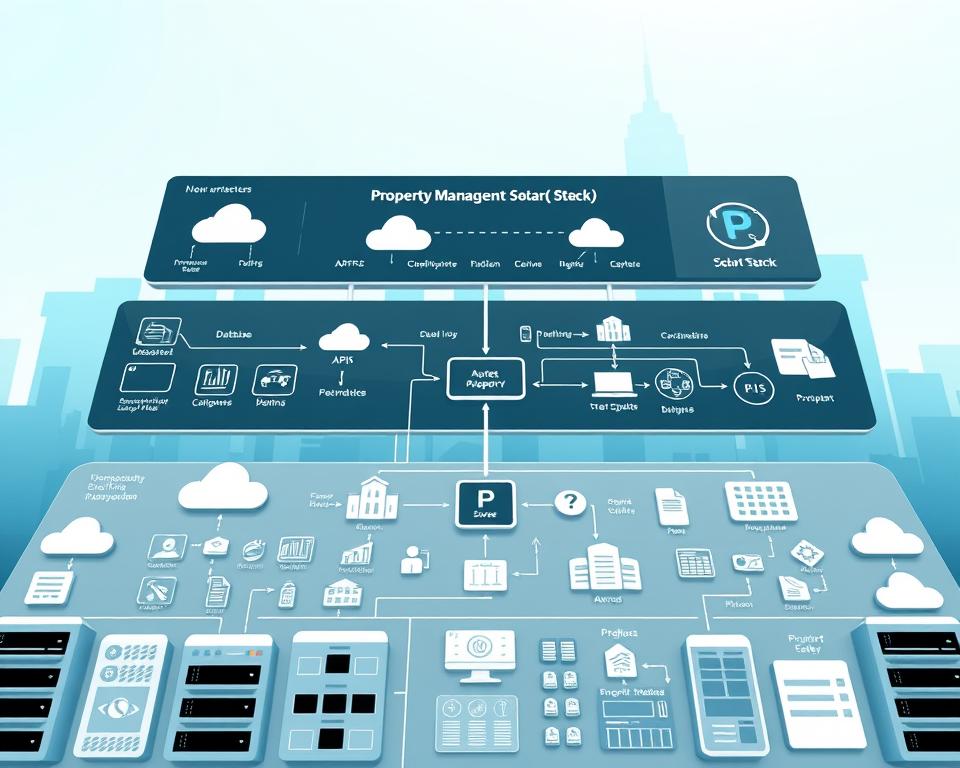
A microservices architecture offers more flexibility and scalability. A monolithic architecture is simpler to develop and maintain.
Building a Property Management SaaS Platform Development Strategy
Creating a successful property management SaaS platform needs a solid strategy. This strategy includes several key elements. These elements ensure the platform meets user needs and stays competitive.
Strategic Roadmap and Milestone Planning
A strategic roadmap is key for guiding the development. It outlines major milestones and timelines. A well-planned roadmap helps prioritize tasks, allocate resources, and keep the project on track.
The roadmap should cover phases like market research, design, development, testing, and launch. Breaking the process into milestones helps monitor progress and make adjustments as needed.
Minimum Viable Product Definition
Defining a Minimum Viable Product (MVP) is crucial. The MVP includes essential features for early customers. For a property management SaaS, this might include property listing, tenant management, and basic reporting.
Launching an MVP lets you test your product, gather feedback, and improve based on real use. This approach reduces the risk of investing in unvalued features.
Development Phase Prioritization Framework
Prioritizing development phases is essential. A framework helps evaluate features based on their value, complexity, and alignment with business goals. For a property management SaaS, prioritize rent collection, maintenance tracking, and financial reporting.
| Feature | Priority Level | Complexity |
|---|---|---|
| Rent Collection and Payment Processing | High | Medium |
| Maintenance Request Tracking | High | High |
| Financial Reporting | Medium | Low |
Resource Allocation and Team Structure
Effective resource allocation and a clear team structure are vital. Assign the right people to the right tasks. Ensure the team has the skills and resources needed.
The team might include developers, designers, project managers, and quality assurance specialists. For more on SaaS development, see this guide for startups and enterprises.

User Experience and Interface Design Principles
A good user experience is key for a property management SaaS platform’s success. Reports show this is true. The design of the interface is crucial for how well users can use the platform’s features.
Understanding the needs of property managers, landlords, and tenants is essential. This way, the platform can meet their specific needs. This improves satisfaction and productivity.
Dashboard Design for Property Managers and Landlords
The dashboard is a key part of the platform. It’s where property managers and landlords manage their properties and finances. A good dashboard design should be simple, clear, and easy to use.
- It should show important information like occupancy rates and revenue.
- It should have easy navigation to different parts of the platform.
- It should let users customize their view to fit their needs.
Tenant Portal User Experience Optimization
The tenant portal is also very important. It lets tenants manage their leases and make payments online. Making the tenant portal easy to use is key for happy tenants and fewer support calls.
To make the portal great, consider these points:
- Make the interface simple to navigate and avoid confusion.
- Make sure important features like rent payment are easy to find.
- Use a design that works well on all devices.
Mobile-First Design Approach
In today’s world, many people use mobile devices to access online services. A mobile-first design ensures the platform works well on small screens. This makes for a smooth experience on all devices.
Responsive Design Best Practices
To succeed with mobile-first design, follow these responsive design tips:
- Use flexible grids and layouts that adjust to different screen sizes.
- Optimize images and media to speed up mobile loading times.
- Make sure interactive elements work well on small screens.

By focusing on user experience and design, property management SaaS platforms can stand out. They can increase user adoption and achieve lasting success.
Security, Compliance, and Data Protection Requirements
Property management SaaS platforms deal with sensitive info. They must follow strict security, compliance, and data protection rules. These platforms handle a lot of data, from tenant info to financial records. This makes them a target for cyber threats and subject to many rules.
Data Encryption and Secure Storage Solutions
Strong data encryption and secure storage are key for property management SaaS platforms. Encryption makes data unreadable without the right key. This is true for data moving around (like HTTPS) and data stored (like encrypted databases).

Fair Housing Act and Real Estate Compliance
These platforms must follow the Fair Housing Act. It stops housing discrimination. They need to make sure their platform doesn’t discriminate against any group. This includes fair housing training for staff and unbiased algorithms.
GDPR and Data Privacy Regulations
For EU-based or EU-serving platforms, GDPR is a must. GDPR has strict rules on data protection, like data minimization and user consent. Platforms must think about GDPR from the start.
Payment Card Industry Data Security Standards Implementation
Platforms that process payments must follow PCI DSS. PCI DSS requires many security steps, like secure data storage and regular audits. It also covers safe cardholder data transmission.
Role-Based Access Control Systems
Role-Based Access Control (RBAC) systems are crucial. They let users only see data and do things that match their role. This lowers the risk of data breaches. RBAC systems need careful planning and regular checks to stay effective.
Third-Party Integrations and API Development
To make property management SaaS platforms better, they need third-party integrations. Working with services like payment gateways and accounting software is key. This helps property managers work more efficiently and gives tenants a better experience.
Payment Gateway Integration Options
Online rent payments need payment gateway integrations. By linking with trusted payment gateways, platforms can offer easy and safe payment options for tenants.
Stripe, PayPal, and ACH Processing
Stripe and PayPal are well-known for their strong APIs. ACH processing also offers direct bank transfers, giving tenants more ways to pay. It’s important to compare these options to find the best one for the platform.
| Payment Gateway | Transaction Fees | Security Features |
|---|---|---|
| Stripe | 2.9% + $0.30 per transaction | PCI-DSS compliant, Advanced Fraud Detection |
| PayPal | 2.9% + $0.30 per transaction | Two-factor authentication, Buyer/Seller Protection |
| ACH Processing | $0.25 – $1.50 per transaction | NACHA compliant, Secure data transmission |
Accounting Software Connections
Connecting with accounting software is crucial for managing finances. By linking with top accounting platforms, property management SaaS platforms can automate financial reports and cut down on errors.
QuickBooks and Xero Integration
QuickBooks and Xero are top choices for accounting software. Integrating with these platforms helps property managers keep financial data in sync, create reports, and simplify accounting tasks. For more on property management app development, check out Next Big Technology.
Communication and Marketing Tools
Adding communication and marketing tools can boost tenant engagement and keep them around. By using email marketing and messaging services, property management SaaS platforms can talk better with tenants and promote properties well.
Background Check and Tenant Screening Services
It’s important to integrate background check and tenant screening services for safety. Working with trusted screening services helps property managers make smart choices about tenant applications, lowering the chance of payment issues or property damage.

Mobile Application Development Strategy
The need for mobile access in property management is growing fast. A good mobile app strategy is key. It helps both tenants and property managers.
Mobile apps give users easy access to important features. This makes things easier and more efficient. Reports show more people are using and liking these apps.
Native vs Cross-Platform Development Comparison
Choosing between native and cross-platform development is a big decision. Native development means making separate apps for iOS and Android. It gives the best performance and access to device features.
Cross-platform development lets you make apps for both iOS and Android with one code. React Native and Flutter are popular for their performance and ease of use.
React Native and Flutter Frameworks
React Native and Flutter are top choices for cross-platform apps. React Native uses React, a well-known JavaScript library. It’s great for web developers moving to mobile.
Flutter, made by Google, uses Dart and has lots of widgets. It helps make fast and custom apps. The choice depends on the team’s skills and project needs.
Essential Mobile Features for Tenants and Managers
The app should have features for both tenants and managers. Tenants need to pay rent, submit requests, and talk to managers. Managers need to manage leases, collect rent, and handle work orders.
- For Tenants: Rent payment, maintenance requests, document access
- For Managers: Lease management, rent tracking, work order management
Push Notification and Real-Time Alert Systems
A good push notification system is key. It keeps users updated on things like rent due dates and maintenance. Real-time alerts keep users engaged and on top of tasks.
With push notifications and alerts, SaaS platforms can improve user experience and efficiency.
Scalability and Performance Optimization Planning
Scalability and performance optimization are key for a successful property management SaaS platform. Reports show that a scalable architecture is vital for handling growing demands. It ensures a smooth user experience.
To achieve scalability, planning for load balancing and auto-scaling infrastructure is crucial. Load balancing spreads the workload across servers to avoid overload. Auto-scaling adjusts to changing demands. For more on scalable architecture and API integrations, check out scalable architecture and API integrations for real estate.
Load Balancing and Auto-Scaling Infrastructure
Load balancing and auto-scaling help the platform handle more traffic without downtime. Choose a cloud provider that supports auto-scaling. Set up load balancers to spread traffic evenly.
Database Optimization and Query Performance
Optimizing the database is key for performance. This means making database queries faster and indexing data well. A good database design handles lots of data efficiently.
Content Delivery Networks and Caching Strategies
Using content delivery networks (CDNs) and caching boosts performance. CDNs store content near users, making pages load faster.
Redis and Memcached Implementation
Adding Redis or Memcached improves performance by storing data in memory. This cuts down on database queries, making data access quicker.
Development Methodology and Project Management Approach
Creating a property management SaaS platform needs a smart plan. It must balance being flexible with strict project management. Using an agile development method helps. It makes development faster and more adaptable to market changes and customer feedback.
Agile Development Framework Implementation
Using an agile development framework is key for SaaS development. Agile methods like Scrum or Kanban help teams work together well. They also make it easier to change plans quickly.
Sprint Planning and Execution Cycles
Sprint planning is vital in agile development. It sets clear goals for each sprint and decides what to do first. It also makes sure everyone has what they need. Regular sprints keep the project moving forward and getting better.
Quality Assurance and Testing Protocols
Keeping the SaaS platform top-notch is essential. This means having strict quality assurance steps and detailed testing plans. Tests should check if everything works right, runs smoothly, and is safe.
Automated Testing and Continuous Integration
Automated testing and continuous integration are important for quality. Automated tests save time and find problems early. Continuous integration makes sure new updates work well together.
Go-to-Market Strategy and Customer Acquisition
The success of a property management SaaS platform depends on its go-to-market strategy and how it attracts customers. A good go-to-market strategy is key for launching and getting people to use the platform. It means knowing who to reach and how to engage them.
Experts say a go-to-market strategy is a plan for launching a product. It includes knowing the audience, competitors, and market trends. (Source)
Digital Marketing Channel Selection
Picking the right digital marketing channels is important for reaching the audience. This includes:
- Email marketing campaigns targeting property managers and landlords
- Social media advertising on platforms like Facebook and LinkedIn
- Search engine optimization (SEO) to improve visibility in search results
- Content marketing through blog posts, whitepapers, and webinars
Sales Process Development and Lead Generation
Creating a strong sales process is key for turning leads into customers. This involves:
- Identifying and qualifying leads through targeted marketing efforts
- Building relationships with potential customers through demos and trials
- Utilizing CRM tools to track interactions and manage leads
Customer Onboarding and Training Programs
Good customer onboarding is essential for making sure customers use the platform well. This includes:
- Providing comprehensive training and support resources
- Offering personalized onboarding experiences for key customers
- Monitoring customer health and feedback to improve the onboarding process
Free Trial and Demo Strategies
Free trials and demos can show the platform’s value. This involves:
- Creating engaging and interactive demo experiences
- Providing clear and concise information about the trial or demo
- Following up with trial users to convert them into paying customers
Pricing Strategy and Monetization Models
The way a property management SaaS platform prices its services can greatly affect its earnings and how many customers it gets. A good pricing plan not only draws in customers but also helps the business stay strong over time.
Studies show that how a SaaS platform prices its services can really impact its success. So, it’s important to think carefully about different pricing models and how they might affect the business.
Tiered Subscription Pricing Structure
A tiered pricing structure offers different plans with various features and prices. This lets customers pick a plan that matches their needs and budget.
Benefits of Tiered Pricing:
- Flexibility for customers
- Increased average revenue per user (ARPU)
- Better market penetration
For example, a basic plan might cost less and have basic features. Premium plans could have more features, like advanced reporting and priority support.
Per-Unit vs Flat-Rate Pricing Analysis
Property management SaaS platforms must choose between per-unit or flat-rate pricing. Per-unit pricing charges based on the number of units managed. Flat-rate pricing charges a fixed fee, no matter the number of units.
Per-unit pricing works well for big property management companies because it grows with their business. Flat-rate pricing is simpler and more predictable, which might appeal to smaller businesses or those with a set number of units.
| Pricing Model | Advantages | Disadvantages |
|---|---|---|
| Per-Unit Pricing | Scales with business size, can be more profitable for large businesses | Can be complex to manage, may deter smaller businesses |
| Flat-Rate Pricing | Simple and predictable, attractive to smaller businesses | May not scale well for large businesses, potential revenue loss |
Add-On Services and Additional Revenue Streams
Adding extra services can bring in more money for property management SaaS platforms. These could include premium support, customized reports, or integration with other real estate software.
By offering different services, SaaS platforms can make more money than just subscription fees. It’s key to find services that add value and fit well with the main product.
Examples of Add-On Services:
- Premium customer support
- Customized reporting and analytics
- Integration services with other real estate platforms
Customer Support Infrastructure and Platform Maintenance
A property management SaaS platform’s success depends on its customer support. Good support boosts user experience, loyalty, and word-of-mouth. These are key for attracting new customers.
Effective customer support is vital for a SaaS platform’s success, as reports show. A solid support system is needed to handle user queries, solve problems, and ensure satisfaction.
Multi-Channel Support System Development
A multi-channel support system lets customers contact you through their favorite channels. This could be email, phone, live chat, or social media. Being flexible is crucial for great customer service.
To build a strong multi-channel support system, consider these steps:
- Use a ticketing system to manage customer inquiries well.
- Provide live chat for quick help.
- Create a detailed FAQ and knowledge base.
- Use social media for support and interaction.
Continuous Platform Improvement and Feature Updates
Continuous improvement is key to staying ahead in the property management SaaS market. Regular updates and new features keep your platform appealing to users.
To keep improving, focus on:
- Watching user feedback and analytics for improvement spots.
- Choosing feature updates based on customer needs and trends.
- Having a strong testing and quality assurance process.
User Feedback Collection and Integration
Collecting and using user feedback is crucial for growth. It helps understand what customers need and want.
Effective feedback collection includes:
- Doing surveys and polls.
- Looking at customer support tickets and feedback forms.
- Talking to customers on social media and forums.
Customer Success Metrics and KPIs
To see how well your support and maintenance work, track important metrics and KPIs. These might include:
| Metric | Description |
|---|---|
| Customer Satisfaction (CSAT) | How happy customers are with the support they get. |
| First Response Time | How fast you answer a customer’s first question. |
| Resolution Rate | The percentage of problems solved right away. |
For more on creating a full property management solution, check out this guide on property rental and tenant management apps.
Conclusion
Creating a property management SaaS platform needs a detailed plan. It starts with knowing the market, setting up a solid business model, and adding key features. Developers should focus on making the platform user-friendly, secure, and scalable.
This approach helps build a competitive platform. It meets the changing needs of property managers and landlords.
Building a SaaS platform involves choosing the right tech stack and prioritizing features. A good go-to-market strategy is also key. Adding third-party services and strong customer support makes the platform even better.
The property management SaaS market is growing fast. Success comes from understanding the market well and developing strategically. By following this article’s advice, developers can make a standout platform. It will offer lasting value to its users.


