







Today’s health systems are dealing with a huge amount of data. It’s crucial for teams to manage this information effectively.
Creating clinical intelligence in a health network is key to success. These tools help teams work more efficiently and improve patient care.
At Intellivon, experts say these systems are vital. They help firms make the most of their data. Without them, keeping high care standards is tough.
Good medical operations management needs clear data display. It helps providers tackle complex problems and increase efficiency in busy settings.
Admins focus on finding the best way to see trends. Using healthcare dashboard development strategies keeps all departments on track with their goals.
Table of Contents
Key Takeaways
- Streamlining daily tasks with digital tools.
- Enhancing patient care through better data.
- Solving complex issues with clear display.
- Improving firm efficiency via deep insights.
- Managing large data sets with greater ease.
- Meeting high standards of modern care.
Understanding Medical Operations Dashboard Solutions
Medical operations dashboard solutions are changing how healthcare is managed. They give real-time insights and help make decisions based on data. These tools help tackle the challenges of modern healthcare, making it better for everyone.
What Is a Medical Operations Dashboard
A medical operations dashboard is a tool that shows important health care data. It looks at patient flow, how resources are used, money matters, and quality of care. It’s a central place to watch all these things.
These dashboards use real-time data and smart analytics. They help leaders spot trends, find problems, and make smart choices. This leads to better health care operations.
The Critical Role in Healthcare Network Management
In managing health care networks, dashboards are very important. They help make health care better and more efficient. They bring together different data sources, giving a clear view of how things are going.
This clear view helps leaders use resources better, make workflows smoother, and cut costs. It’s all about making health care better for everyone.

Evolution from Manual Reporting to Real-Time Monitoring
The move from manual reports to real-time monitoring is a big step forward. Old ways of reporting were slow, error-prone, and didn’t give timely insights.
| Aspect | Manual Reporting | Real-Time Monitoring |
|---|---|---|
| Data Collection | Time-consuming, manual data entry | Automated, real-time data aggregation |
| Reporting Frequency | Periodic, often delayed | Continuous, up-to-the-minute |
| Decision Making | Based on historical data, reactive | Based on current data, proactive |
With real-time monitoring, health care can react faster to changes. This makes health care more agile and better overall.
Strategic Value of Medical Network Operations Dashboard Development
Healthcare organizations can get ahead by creating medical network operations dashboards. These tools give deep insights into healthcare delivery. They help make smart decisions and improve services.
Enhanced Decision-Making Through Real-Time Insights
A medical network operations dashboard gives real-time insights for better decision-making. It shows up-to-date data on important performance indicators. This lets healthcare leaders quickly respond to new trends and challenges.
The benefits of real-time insights include:
- Improved situational awareness
- Enhanced ability to track performance against quality benchmarks
- Faster identification of areas requiring improvement
- Data-driven decision-making

Operational Efficiency and Workflow Optimization
Creating a medical network operations dashboard boosts operational efficiency. It simplifies workflows and cuts down on unnecessary complexity. These dashboards offer a clear view of how operations are doing. They help spot bottlenecks and areas for betterment.
Key aspects of operational efficiency include:
- Streamlining clinical and administrative workflows
- Optimizing resource allocation
- Reducing wait times and improving patient flow
Cost Reduction and Revenue Cycle Improvements
A well-designed medical network operations dashboard helps with cost reduction and revenue cycle improvements. It gives insights into financial performance and spots inefficiencies. This lets healthcare organizations manage their finances better.
Some ways to cut costs include:
- Identifying and addressing financial inefficiencies
- Optimizing billing and claims processes
- Reducing unnecessary expenditures
Patient Care Quality Enhancement
The main goal of a medical network operations dashboard is to improve patient care quality. It offers insights into clinical performance and patient outcomes. This helps healthcare organizations find and fix areas needing improvement.
Key strategies for better patient care include:
- Tracking performance against quality benchmarks
- Identifying high-risk patients and implementing targeted interventions
- Improving patient engagement and satisfaction
Core Components of Effective Medical Operations Dashboards
Effective medical operations dashboards have key parts that help healthcare groups work better and care for patients more. These dashboards are important for those who run healthcare and those who treat patients. They give real-time info on how things are going and how patients are doing.
Interactive Data Visualization Elements
Interactive data visualization is a key part of good medical operations dashboards. It lets users easily understand complex data. This makes it easier to get the most out of the information.
Charts, Graphs, and Heat Maps
Charts, graphs, and heat maps are key tools in medical operations dashboards. They make complex data easy to see and act on. For example, heat maps can show where patients are most or where resources are used a lot. This helps leaders decide how to use resources better.

Trend analysis displays are also very important. They let users see how things change over time. This is great for keeping an eye on patient flow, treatment results, and how well things are running. By looking at trends, healthcare teams can spot where they can get better and make changes.
Intelligent Alert and Notification Systems
Intelligent alert and notification systems are key for quick action on big issues. They can alert staff about important changes in patient status, how things are running, or if systems go down. This makes it easier to respond quickly and care for patients better.
Customizable Performance Metrics
Being able to change performance metrics is crucial for healthcare groups. It lets them focus on the data that’s most important for their goals. This helps in making decisions based on data, no matter the level in the organization.
Automated Reporting and Export Features
Automated reporting and export features make it easier to make and share reports. They save time and cut down on paperwork. These features let users set up reports, export data, and share findings. This helps build a culture of openness and teamwork.
Dashboard Types for Healthcare Network Operations
Effective healthcare management uses different dashboard categories. Each type serves a specific purpose. They help various stakeholders make informed decisions and improve operations.
Executive Strategic Dashboards
Executive strategic dashboards are for senior leaders. They offer high-level insights into how well the organization is doing. They focus on key metrics like patient satisfaction, financial health, and quality of care.
These dashboards help leaders track progress and make informed decisions. For example, a healthcare organization might track patient satisfaction scores across different areas.
Operational Management Dashboards
Operational management dashboards are for department heads and managers. They provide real-time data on daily activities. This includes patient flow, resource use, and staff productivity.
An operational dashboard might show real-time patient wait times in the emergency room. This helps managers adjust staffing levels.
Clinical Performance Dashboards
Clinical performance dashboards are key for clinicians and quality teams. They track important clinical metrics like readmission rates and infection control.
These dashboards help healthcare providers find areas for improvement. A clinical dashboard might show readmission rates for certain conditions.
Financial Analytics Dashboards
Financial analytics dashboards are vital for financial managers and revenue cycle teams. They offer insights into financial performance. This includes revenue cycle efficiency and patient billing.
Financial managers can find ways to improve revenue cycle processes with these dashboards. For example, a dashboard might highlight claim denial rates to guide targeted actions.
Here’s a comparison of the different dashboard types:
| Dashboard Type | Primary Users | Key Metrics |
|---|---|---|
| Executive Strategic | Senior Leadership | Patient satisfaction, financial performance, quality of care |
| Operational Management | Department Heads, Operational Managers | Patient flow, resource utilization, staff productivity |
| Clinical Performance | Clinicians, Quality Improvement Teams | Readmission rates, infection control, clinical protocol adherence |
| Financial Analytics | Financial Managers, Revenue Cycle Teams | Revenue cycle efficiency, claim denial rates, patient billing |
Industry experts say, “Using different dashboard types helps healthcare organizations meet specific needs. It boosts overall efficiency.”
“The use of diverse dashboard types allows healthcare organizations to tailor their data analysis to specific needs, enhancing overall operational efficiency.”
For those building healthcare solutions, including websites and apps, integrating these dashboards is crucial. You can explore options for building healthcare technology. This technology can improve efficiency and patient care.

Critical Data Sources and Integration Capabilities
It’s key to link different healthcare data systems for a full medical operations dashboard. This lets healthcare groups see all their data in one place. They can then make smart choices based on this information.
Linking many data sources is more than just tech; it’s a must for better care and service. A good dashboard gives real-time views on healthcare, from patient care to money matters.
Electronic Health Records Systems Integration
EHR integration is vital for a medical operations dashboard. EHRs hold lots of patient info, like medical history and treatment plans. By adding EHR data to the dashboard, groups can watch patient flow and see how well care is working.
Hospital Information Management Systems
HIMS covers many systems in a hospital. Adding HIMS data to the dashboard shows how the hospital runs, like who comes in and goes out. This helps use resources better and work more efficiently.
Laboratory Information Systems
LIS handles lab data, like test orders and results. Adding LIS data to the dashboard lets groups see how labs are doing. They can spot chances to get better.

Pharmacy Management Platforms
Pharmacy systems manage meds, like what’s in stock and who gets what. Adding pharmacy data to the dashboard helps groups see how meds are used. They can then make pharmacy work better.
Billing and Revenue Cycle Management Tools
Billing and RCM tools handle the money side of healthcare. Adding RCM data to the dashboard lets groups see money matters, like denied claims. This helps with money management.
Medical Device and IoT Data Streams
Adding medical device and IoT data to the dashboard gives real-time patient info. This helps care for patients better, keeps equipment running, and makes work more efficient.
| Data Source | Key Metrics | Benefits of Integration |
|---|---|---|
| EHR Systems | Patient demographics, clinical outcomes | Improved patient care, enhanced clinical decision-making |
| Hospital Information Management Systems | Patient admissions, discharges, transfers | Optimized resource allocation, improved operational efficiency |
| Laboratory Information Systems | Test orders, results, turnaround times | Enhanced laboratory performance, improved patient outcomes |
| Pharmacy Management Platforms | Medication usage, inventory levels | Optimized pharmacy operations, reduced costs |
| Billing and Revenue Cycle Management Tools | Claim denial rates, revenue cycle efficiency | Improved financial performance, reduced revenue leakage |
Technology Infrastructure and Architecture
A successful medical operations dashboard needs a strong technology base. A well-built infrastructure is key for managing complex data and offering timely insights. These are essential for good healthcare management.
Frontend Development Technologies
Frontend tech is crucial for a user-friendly dashboard. React, Angular, and Vue.js are top picks. They’re flexible and great for complex data displays.
React, Angular, and Vue.js Frameworks
These frameworks bring many benefits. They have:
- Component-based design for easy code reuse
- Large communities and lots of libraries
- Top-notch performance and growth
Data Visualization Libraries
Data visualization is key for a dashboard. D3.js and Chart.js help create interactive, useful visuals.

Backend Systems and APIs
The backend handles data processing and storage. A strong backend is vital for managing big healthcare data volumes.
RESTful and GraphQL APIs
APIs are crucial for system integration and data sharing. RESTful APIs are simple and scalable. GraphQL is more flexible and efficient in data queries.
Microservices Architecture
A microservices setup lets services grow and be managed separately. It makes the system more flexible and resilient.
Database Solutions for Healthcare Data
Choosing the right database is key for healthcare data. Relational databases like MySQL and NoSQL databases like MongoDB are both good. The choice depends on specific needs.
| Database Type | Advantages | Use Cases |
|---|---|---|
| Relational Databases | Strong data consistency, support for complex queries | Transactional data, financial records |
| NoSQL Databases | Flexible schema, high scalability | Handling large volumes of unstructured data, real-time analytics |
Cloud Computing vs On-Premise Deployment
Choosing between cloud and on-premise depends on several factors. Cloud offers scalability and flexibility. On-premise gives more control over data security.
Healthcare Compliance and Security Standards
Creating a medical operations dashboard must follow strict healthcare rules. Healthcare groups need strong ways to keep patient data safe and keep their work running smoothly.
HIPAA Compliance and Protected Health Information
The Health Insurance Portability and Accountability Act (HIPAA) is key in healthcare. It says that Protected Health Information (PHI) must be kept safe. This includes any health info that can identify a person.
To follow HIPAA, healthcare groups must do risk checks, train staff, and make rules for handling PHI. This helps prevent data leaks and keeps patients’ trust.
Data Encryption Standards and Protocols
Data encryption is crucial for healthcare security. It makes data unreadable to keep it safe. Advanced Encryption Standard (AES) is a top choice for protecting data.
Healthcare groups should use encryption for data at rest and in transit. This way, even if data is stolen, it can’t be read without the right key.

Role-Based Access Control Implementation
Role-Based Access Control (RBAC) limits data access based on a user’s role. This makes sure employees only see what they need for their jobs.
RBAC lowers the chance of data breaches. It means setting up roles, giving permissions, and checking access often to keep it right.
Audit Trails and Activity Logging
Audit trails and logging are key for watching and catching security issues. They help spot unauthorized access, track data changes, and solve security problems.
Good audit trails should show user info, when it happened, and what was done. This helps follow rules and solve security issues.
Disaster Recovery and Data Backup Strategies
Healthcare groups need strong disaster recovery and data backup plans to keep going if data is lost or systems fail. This means backing up important data and having a quick plan to get systems back up.
A good disaster recovery plan should cover how to get data and systems back, and how to talk to others. This way, healthcare groups can keep care going even when things go wrong.
The Medical Network Operations Dashboard Development Process
Creating a good medical operations dashboard needs a clear process. This process is key to making sure the dashboard works well for its users. It gives valuable insights into how the medical network operates.
Discovery and Requirements Analysis
The first step is to understand what the stakeholders need. We look at the current state of the medical network operations.
Stakeholder Interviews and Needs Assessment
Talking to stakeholders is crucial. It helps us know what they expect from the dashboard. We figure out the important metrics and data to show.
Current State Workflow Analysis
We analyze the current workflows to see where the dashboard can help. We map out the processes and find where they can be improved.
Design and Prototyping Phase
After understanding the needs, we move to designing and prototyping. We make wireframes and mockups to show the dashboard’s layout and how it works.
Wireframing and Mockups
Creating wireframes and mockups lets us test the dashboard’s layout and interface. This stage is important for making sure the dashboard is easy to use and meets the stakeholders’ needs.
User Testing and Feedback
User testing is a key part of designing. We test the dashboard with real users to get feedback and find areas to improve.
Agile Development and Iteration
The development phase uses an agile methodology. This means we work in cycles and test continuously. It helps us stay flexible and meet the changing needs of users.
Quality Assurance and Testing
Quality assurance is essential to make sure the dashboard works without bugs and meets standards. We do thorough testing, including checking how it works, its performance, and security.
Deployment and Go-Live Support
The last step is deploying the dashboard and providing support. We offer training and help to make the transition smooth.
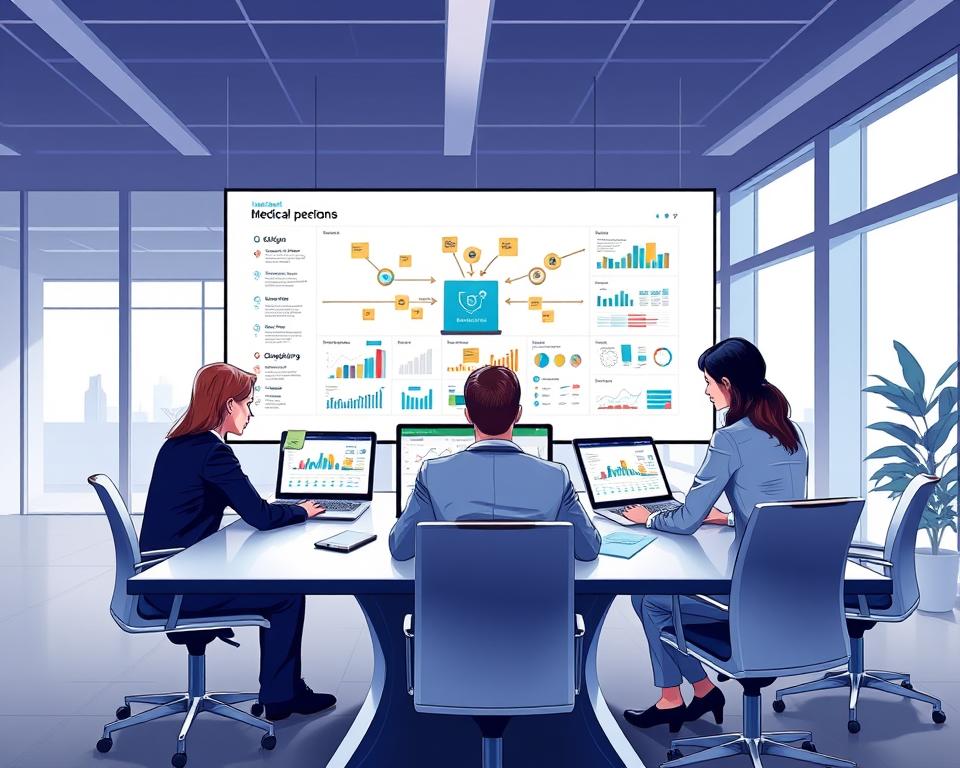
The process for making a medical network operations dashboard is detailed and has many steps. By following a structured approach, developers can make sure the dashboard is effective and meets user needs.
User Experience Design Principles for Medical Dashboards
The design of medical dashboards is key to their success. A good dashboard helps healthcare professionals make quick decisions with real-time data. This makes a big difference in their work.
Creating a user-friendly dashboard is more than just making it look good. It’s about making sure it’s easy to use, gives clear information, and works for everyone.
Intuitive Navigation and Information Architecture
Easy navigation is essential. It lets users find what they need fast. This means organizing content well and using simple labels.
- Use clear and consistent navigation elements
- Organize content based on user needs and tasks
- Minimize cognitive load by reducing clutter and focusing on key metrics
A study found that easy navigation boosts user happiness and saves time https://pmc.ncbi.nlm.nih.gov/articles/PMC10266903/.
Effective Use of Color and Visual Hierarchy
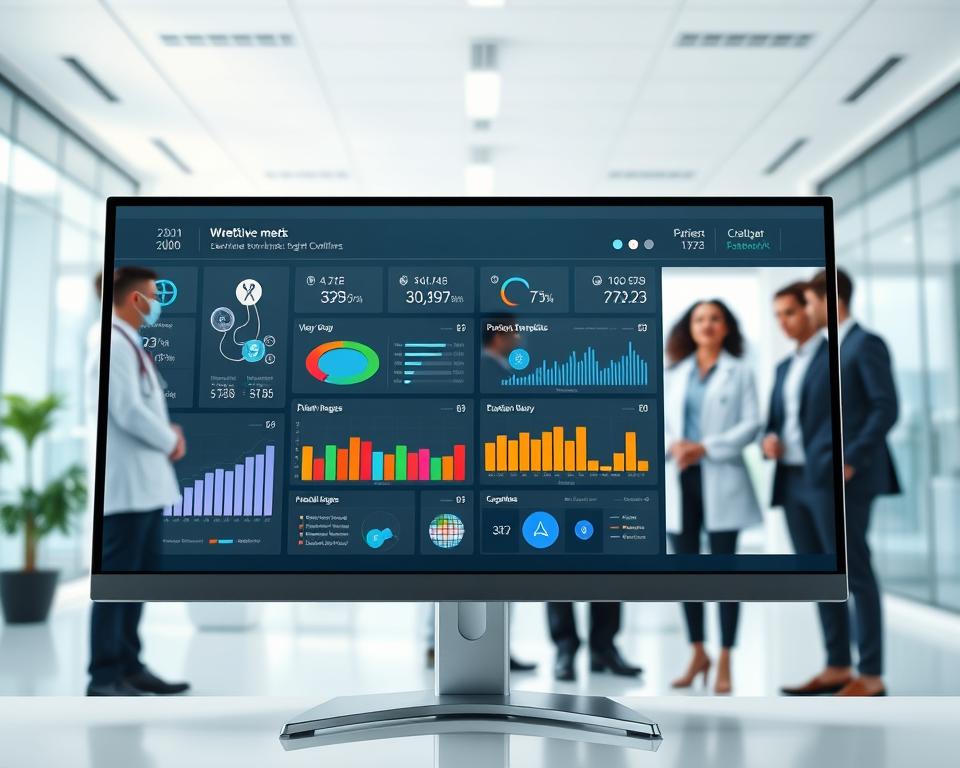
Colors and visual hierarchy guide the user’s focus. Use colors wisely and think about color blindness.
Key considerations include:
- Using a limited color palette to avoid visual overload
- Ensuring sufficient contrast between background and text
- Utilizing color to draw attention to key metrics or alerts
Personalization and Customization Options
Letting users customize their dashboard makes it better for them. This personal touch improves their experience.
This can include:
- Allowing users to customize the layout and content of the dashboard
- Providing options for different data visualization types
- Enabling users to set personalized alerts and notifications
Mobile Responsiveness and Cross-Device Compatibility
With more people using mobiles in healthcare, dashboards need to work on all devices. This ensures everyone can use them.
This involves:
- Designing dashboards that adapt to different screen sizes and orientations
- Ensuring that all interactive elements are accessible on touch devices
- Testing dashboards on a variety of devices to ensure compatibility
Accessibility Standards and Inclusive Design
Following accessibility standards is crucial. It makes sure dashboards work for everyone, including those with disabilities.
Key strategies include:
- Following Web Content Accessibility Guidelines (WCAG) 2.1
- Ensuring that all content is accessible via screen readers and other assistive technologies
- Providing alternatives for non-text content, such as images and charts
Essential Key Performance Indicators to Monitor
Creating a good medical network operations dashboard is all about picking the right key performance indicators (KPIs). These KPIs help improve how things run and patient care. They let healthcare groups make smart choices based on data, use resources better, and boost care quality.
Patient Flow and Capacity Management Metrics
It’s key to watch how patients move through the system and how much space is available. This ensures facilities can handle patient needs without sacrificing care quality. Important metrics include:
Emergency Department Wait Times
Long waits in emergency rooms can upset patients and affect their health. Tracking these times helps spot where things slow down.
Bed Occupancy Rates
High bed use can mean resources are being used well, but too high can hurt care. Watching this metric helps find the right balance.
Patient Transfer Times
Quick transfers are key for timely care. Slow transfers can make patients unhappy and stay longer than needed.
Resource Utilization and Staffing Metrics
Using resources and staff wisely is crucial for running smoothly and saving money. Important KPIs are staff-to-patient ratios, how often equipment is used, and overtime rates.
Financial Performance Indicators
Keeping finances healthy is vital for healthcare. Important financial KPIs are how much money comes in, cost per patient, and how well budgets are doing.
Clinical Quality and Patient Safety Measures
Quality of care and keeping patients safe are top priorities. Metrics like infection rates, readmission rates, and how happy patients are give insights into care quality and where to get better.
By focusing on these key KPIs, healthcare groups can use their dashboards to make real improvements in care, efficiency, and finances.
Measuring Return on Investment and Dashboard Impact
To see the real value of a medical operations dashboard, healthcare groups need to check its return on investment. They must also see how it changes their operations. This means looking at many metrics to see if the dashboard makes healthcare better.
Establishing Baseline Performance Metrics
First, set baseline performance metrics. These are the starting points for future comparisons. Important metrics might be costs, patient happiness, and how long patients stay. With a clear baseline, healthcare groups can really see how their dashboard works.
A study on the National Center for Biotechnology Information shows how data analytics can boost healthcare. This is a key baseline metric.
Quantifying Efficiency Improvements
A big plus of a medical operations dashboard is its power to improve operational efficiency. It makes processes smoother and cuts down on mistakes. To measure these gains, track things like faster processing times and better staff work.
Calculating Cost Savings and Revenue Gains
A medical operations dashboard can also save a lot of money and bring in more revenue. Savings come from lower costs, and more money from better billing and fewer denied claims. To figure out these gains, look at financial numbers before and after the dashboard is used.
| Metric | Pre-Implementation | Post-Implementation |
|---|---|---|
| Operational Costs | $1,000,000 | $800,000 |
| Revenue | $5,000,000 | $5,200,000 |
Assessing User Adoption and Engagement Rates
The success of a medical operations dashboard also depends on user adoption and engagement. If many users like and use the dashboard, it’s doing its job well. To check user adoption, look at how often people log in, what features they use, and what they say about it.
By following these steps, healthcare groups can really understand the ROI and impact of their medical operations dashboard. This helps them make smart choices to get the most out of it.
Overcoming Implementation Challenges
Getting a medical operations dashboard to work well is tough. Healthcare groups face many hurdles. They need to tackle issues that affect how well these tools work and get used.
Addressing Data Quality and Standardization Issues
Ensuring data quality and standardization is a big challenge. Data governance is key. It means setting up rules for managing data.
Healthcare groups should focus on validating and normalizing data. They need to make sure data comes from reliable sources. This helps keep data accurate and consistent.
Managing Change Resistance and Cultural Barriers
Introducing a new dashboard means changing how things are done. Change management is vital. It helps staff accept the change.
Good change management strategies can overcome cultural barriers. It’s important to involve staff in the process. This makes them more likely to use the dashboard.
Navigating Complex System Integration Requirements
Medical dashboards need to work with many systems. System integration is complex. It requires careful planning for smooth data flow.
Healthcare groups should use standard integration methods. Working with IT vendors helps ensure everything works together well.
Planning for Long-Term Maintenance and Scalability
It’s important to think about the dashboard’s future. This means having a plan for upkeep and growth. It ensures the dashboard stays useful over time.
By focusing on scalability and upkeep, healthcare groups can keep their dashboard effective. It will support their goals for years to come.
Budget Constraints and Resource Allocation
Budget issues and resource allocation are big challenges. Healthcare groups need to plan their finances well. They must also have the right people and support.
To tackle these challenges, healthcare groups should make a detailed budget. They should look for ways to save money. Getting everyone on board is also crucial.
Best Practices for Successful Dashboard Implementation
For a medical operations dashboard to succeed, several key factors are important. Healthcare organizations should follow best practices. These include engaging stakeholders, iterative development, training, and ongoing governance.
Engaging Cross-Functional Stakeholders Early
It’s crucial to involve stakeholders from different departments early on. This ensures the dashboard meets everyone’s needs. By gathering their feedback, healthcare organizations can make the dashboard user-centric and effective for all.
Adopting Iterative Development with Continuous Feedback
Using an iterative development approach helps refine the dashboard. It involves making the dashboard in stages, with each stage improving on the last. This way, the dashboard can adapt to user needs over time. For more on efficient development, check out 7 Steps to Make Custom Application Development Process.
Implementing Comprehensive Training and Support Programs
Comprehensive training and support are key to using the dashboard effectively. This includes creating user manuals and offering ongoing support. By investing in training, healthcare organizations can get the most out of their dashboard.
Establishing Governance and Maintenance Protocols
Clear governance and maintenance protocols are vital for the dashboard’s long-term success. This means defining roles, setting data governance policies, and scheduling updates. This way, the dashboard stays relevant and effective.
Building in Flexibility for Future Enhancements
Designing the dashboard to be flexible is important. This means using scalable architecture and staying updated on new trends. This flexibility ensures the dashboard remains useful for improving patient care and operational efficiency.
The following table summarizes the best practices for successful dashboard implementation:
| Best Practice | Description | Benefits |
|---|---|---|
| Engaging Cross-Functional Stakeholders | Involve stakeholders from various departments in the development process | User-centric design, meets diverse needs |
| Iterative Development with Feedback | Develop the dashboard in stages with continuous user feedback | Refined dashboard, meets evolving user needs |
| Comprehensive Training and Support | Provide user training, manuals, and ongoing support | Maximizes dashboard benefits, user adoption |
| Governance and Maintenance Protocols | Establish clear roles, data governance, and maintenance schedules | Ensures long-term success, data integrity |
| Flexibility for Future Enhancements | Use scalable architecture, modular design, and stay updated on trends | Adapts to changing needs, remains relevant |
Conclusion
Creating a medical network operations dashboard is key to bettering healthcare. It uses clinical intelligence and healthcare analytics to give real-time insights. These insights help make better decisions.
As healthcare changes, having a good medical network operations dashboard is more important than ever. It helps healthcare providers use resources better, make workflows smoother, and improve patient care.
Healthcare organizations can make the most of their data by following best practices in dashboard development. This leads to better efficiency and care for patients.