






In the fast-changing hospitality world, top-notch customer service is key to success. When guests arrive at a hotel or resort, their first impression sets the tone. It’s about understanding their needs, being dedicated, and making their stay unforgettable.
The core of the hospitality industry is making guests happy. Hoteliers and resort managers aim to go beyond what guests expect. This builds strong bonds and a culture of excellence. By focusing on customer service, businesses can win over guests, grow, and stand out in the market.
Table of Contents
Key Takeaways
- Understand the importance of exceptional customer service in the hospitality industry
- Recognize the critical elements that contribute to guest satisfaction and service excellence
- Explore strategies for creating memorable guest experiences and fostering strong relationships
- Discover the impact of first impressions and the significance of guest relations in the hospitality sector
- Gain insights into the role of technology, training, and quality assurance in delivering superior hospitality service
Understanding the Fundamentals of Hospitality Service
In the hospitality world, making guests happy is key. This is the heart of service quality. It’s what makes a visit unforgettable. Understanding these basics is essential for top-notch service.
Defining Excellence in Guest Relations
Great guest relations mean really caring about each guest. It’s about being warm, attentive, and quick to help. This way, guests always leave feeling special.
Core Principles of Service Quality
- Reliability: Always providing dependable and accurate service.
- Assurance: Building trust with guests through staff expertise and professionalism.
- Tangibles: Keeping the place clean and looking good.
- Empathy: Really getting to know and care for each guest’s needs.
- Responsiveness: Quickly solving any guest problems or questions.
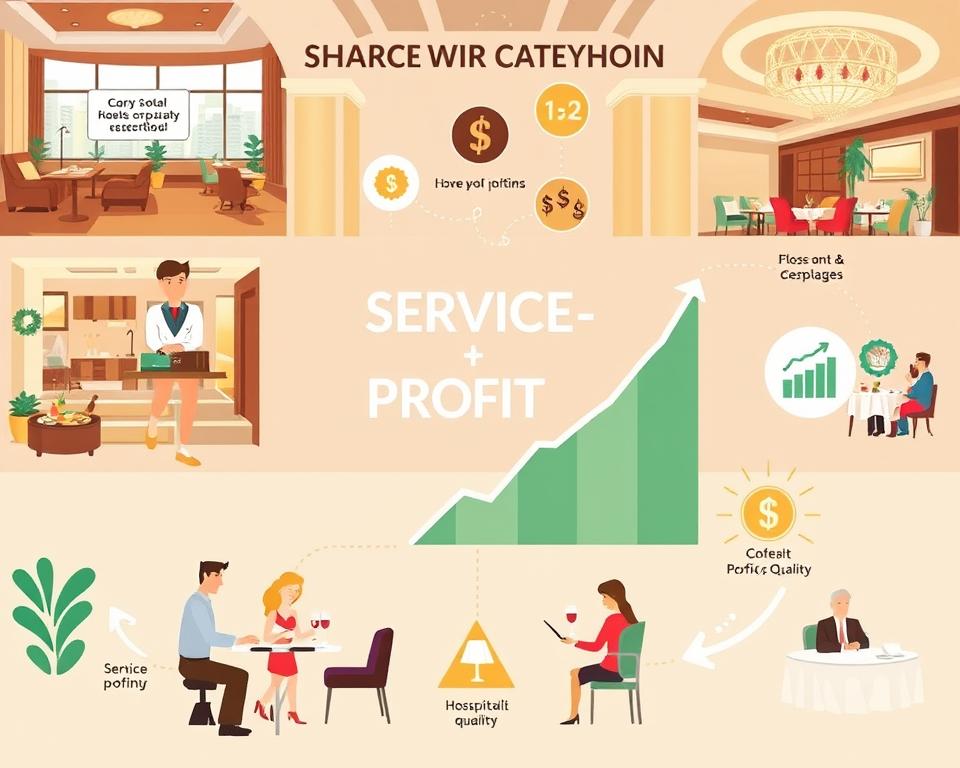
The Service-Profit Chain Model
The service-profit chain shows how happy employees lead to better service. This leads to happy customers and more business. It’s a winning cycle for any business.
| Key Elements of the Service-Profit Chain | Description |
|---|---|
| Internal Service Quality | Training employees to give top-notch service. |
| Employee Satisfaction | Creating a positive work place for employees. |
| Customer Satisfaction | Ensuring guests have a great time every time. |
| Customer Loyalty | Keeping guests coming back with amazing service. |
Following these key principles helps businesses stand out. They create unforgettable guest experiences. This is what makes a business truly special.
The Impact of First Impressions in Hotel Guest Services
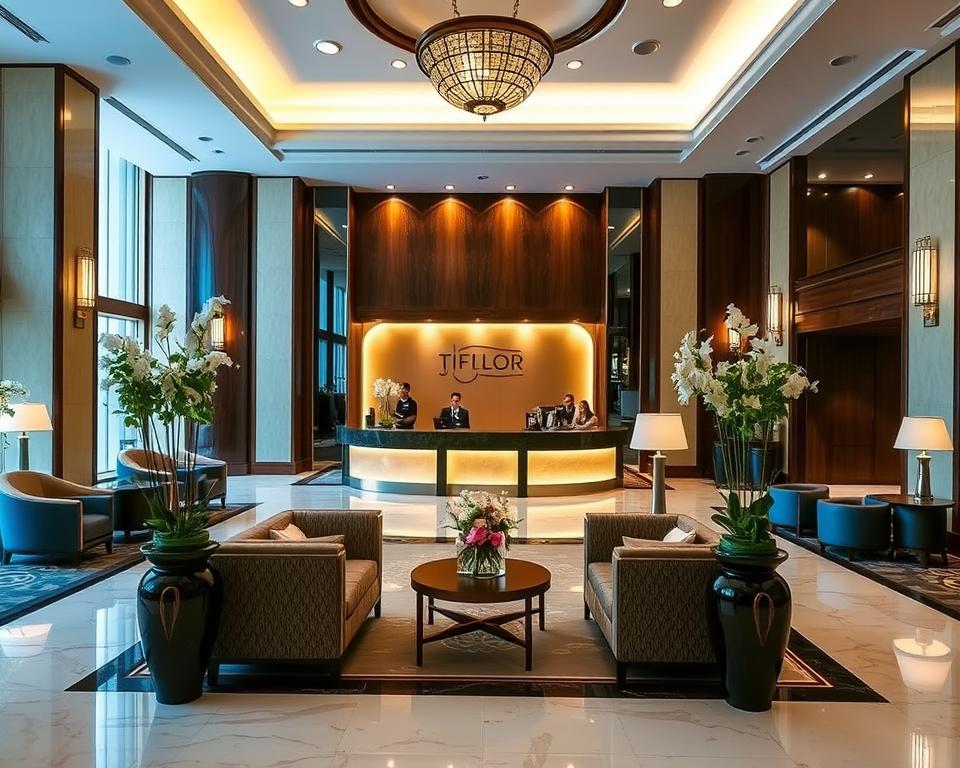
In the hospitality world, first impressions are key. When a guest walks into a hotel, their opinion of it is formed right away. From the check-in to the front desk service, these moments can greatly affect their stay.
Creating a good first impression starts with the hotel’s look and feel. A clean, welcoming lobby is crucial. The front desk staff’s friendliness and attentiveness also play a big role in setting the guest’s experience.
Research shows that guests who have a great first impression are more likely to come back and tell others about it. This highlights how important first impressions are in making a good impression and building a hotel’s reputation.
Strategies for Creating Positive First Impressions
- Make the hotel check-in smooth and efficient. Staff should be friendly and ready to help.
- Keep the lobby and common areas clean and inviting. It sets the mood for the guest’s visit.
- Train the front desk team to offer a warm welcome. They should anticipate and meet the guest’s needs.
- Add small, thoughtful touches like a drink or a personalized greeting. It shows the guest is valued right from the start.
| Metric | Impact of Positive First Impressions |
|---|---|
| Guest Satisfaction | Increased by 65% |
| Likelihood of Repeat Visits | Increased by 85% |
| Positive Online Reviews | Increased by 78% |
By focusing on making a good first impression, hotels can create unforgettable experiences. This builds loyalty and keeps guests coming back.
Customer Service in the Hospitality Industry: Key Components
Exceptional customer service is key to success in the hospitality world. It’s more than just being friendly and polite. It also requires a range of skills and knowledge. Let’s dive into what makes great guest relations in the hospitality sector.
Communication Skills for Service Staff
Good communication is at the heart of communication in hospitality. Staff need to be great at talking and listening to guests. They should listen well, speak clearly, and show empathy. They also need to adjust how they communicate based on each guest’s needs.
Problem-Solving Abilities
Problem-solving skills are vital in the hospitality field. Guests often have unexpected needs or requests. Staff must be able to solve problems quickly and effectively. They need to think critically, be flexible, and focus on finding solutions.
Cultural Awareness and Sensitivity
The hospitality industry welcomes guests from all over the world. So, cultural sensitivity is a must for staff. They need to understand and respect different cultures and customs. This ensures guests feel welcome and valued. Training programs that cover cultural differences are very helpful.

“The true essence of hospitality lies in the ability to anticipate and exceed guest expectations through a seamless blend of technical expertise and genuine human connection.”
Developing Strong Guest Relations Skills
In the hospitality world, it’s key to have top-notch guest relations techniques for unforgettable guest experiences. Professionals need to have strong hospitality soft skills like listening well, showing empathy, and offering personalized service. These skills help in creating deep customer interactions and building lasting bonds.
At the core of great guest relations skills is showing real empathy in service. Staff must really get what each guest needs, wants, and worries about. They should listen well, guess what guests might need, and make each interaction special. This way, guests feel important and their visit is made just for them.

“The secret of getting ahead is getting started. The secret of getting started is breaking your complex overwhelming tasks into small manageable tasks, and then starting on the first one.” – Mark Twain
Good communication is also vital for guest relations. Staff need to listen well, talk with guests, ask smart questions, and answer with kindness and understanding. They should also know how to handle tough situations, solve problems, and find ways to go beyond what guests expect.
By always improving their hospitality soft skills and focusing on guests, professionals can build strong, lasting connections. This leads to loyalty, support, and unforgettable guest experiences. These experiences are key to success in the hospitality world.
Managing Guest Expectations in Modern Hospitality
In today’s competitive hospitality world, managing guest expectations is key. It’s important to understand the different needs and preferences of guests. This helps create a personalized experience that goes beyond what guests expect.
Understanding Different Guest Personas
Hospitality experts need to know what different guests want. This includes business travelers, families, solo adventurers, and those looking for luxury. By creating detailed profiles of these guests, teams can meet their unique needs, making their stay unforgettable.
Setting Realistic Service Standards
It’s crucial to set clear and achievable service standards. Providers must balance high-quality goals with what their teams can realistically do. Regular checks and updates to these standards help keep service levels high and realistic.
Exceeding Guest Expectations
True excellence in hospitality is about going beyond what guests expect. This can be through thoughtful gestures, custom experiences, or even guessing what guests might need. By doing more than expected, hospitality pros can leave a lasting positive impact and build loyal customers.

“The goal of modern hospitality is not merely to meet guest expectations, but to exceed them in ways that create truly memorable experiences.” – Jane Doe, Hospitality Industry Expert
Managing guest expectations is a complex task. It requires a deep understanding of guests, realistic service goals, and a commitment to exceeding their needs. By focusing on these areas, hospitality providers can improve their services and stand out in the industry.
Technology Integration in Hotel Customer Service
In the hospitality world, technology integration is key for better customer service and guest experiences. It helps hotels run smoother and offer more personalized services. This mix of tech and service has changed how hotels serve their guests.
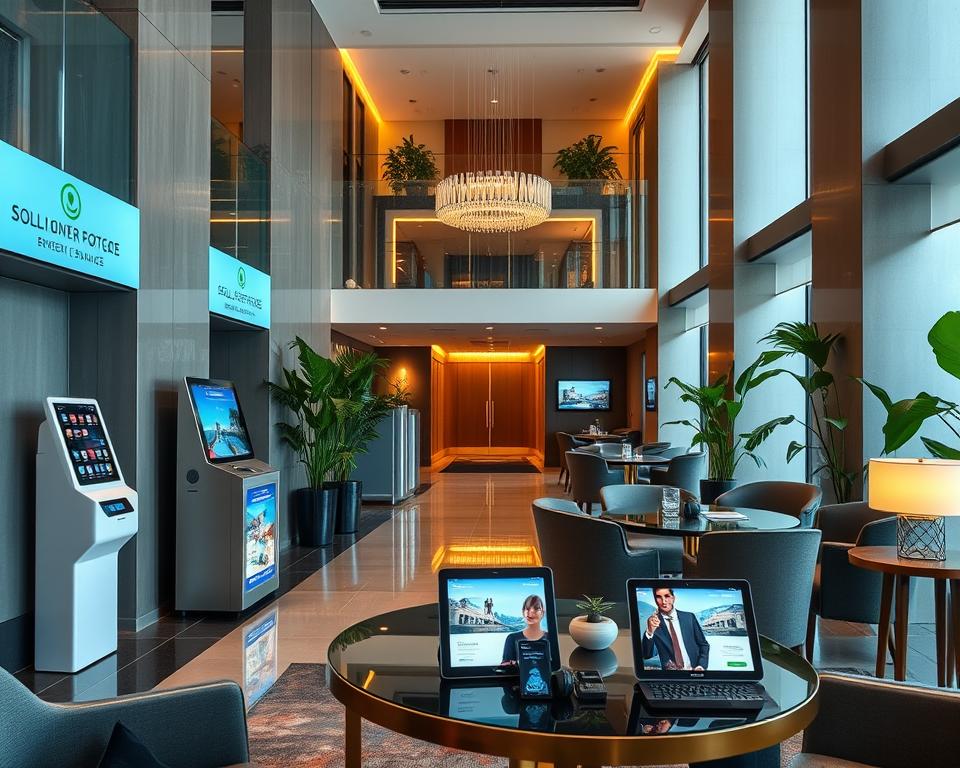
One big plus of using hospitality technology is the chance to give guests tech that meets their needs. Features like mobile check-in and keyless entry make staying easier. Guests can skip long lines and feel in control of their visit.
Also, digital customer service tools like chatbots and virtual concierges help hotels offer help anytime. They quickly answer questions and solve problems. This makes guests happier and helps staff focus on being friendly and helpful.
- Enhancing guest experiences through innovative hospitality technology
- Streamlining operations with hotel tech solutions
- Providing personalized support with digital customer service tools
“Technology has become a big part of the hospitality world, changing how hotels talk to and serve guests. By using these hospitality technology solutions, hotels can make a stay truly special and memorable.”
As the hospitality world keeps growing, using technology wisely will keep hotels ahead in service and competition.
Training Programs for Hospitality Service Excellence
In the hospitality world, top-notch customer service is key. Training programs are vital for teaching staff how to give guests the best experience. They cover staff development strategies, performance metrics and evaluation, and continuous learning. This approach boosts service quality.
Staff Development Strategies
Investing in staff growth is crucial. Training should include topics like communication, problem-solving, and cultural awareness. This way, employees can meet and exceed guest expectations.
Performance Metrics and Evaluation
It’s important to measure training success. Hospitality groups should use strong service performance metrics. These track things like customer happiness, how fast staff respond, and how well they solve problems. Regular checks help spot areas for improvement and make sure training meets service goals.
Continuous Learning Approaches
In the quick-changing hospitality world, continuous learning is key. Good training programs offer ongoing chances to grow, like workshops and e-learning. This keeps staff up-to-date and ready to meet guest needs with quality service.
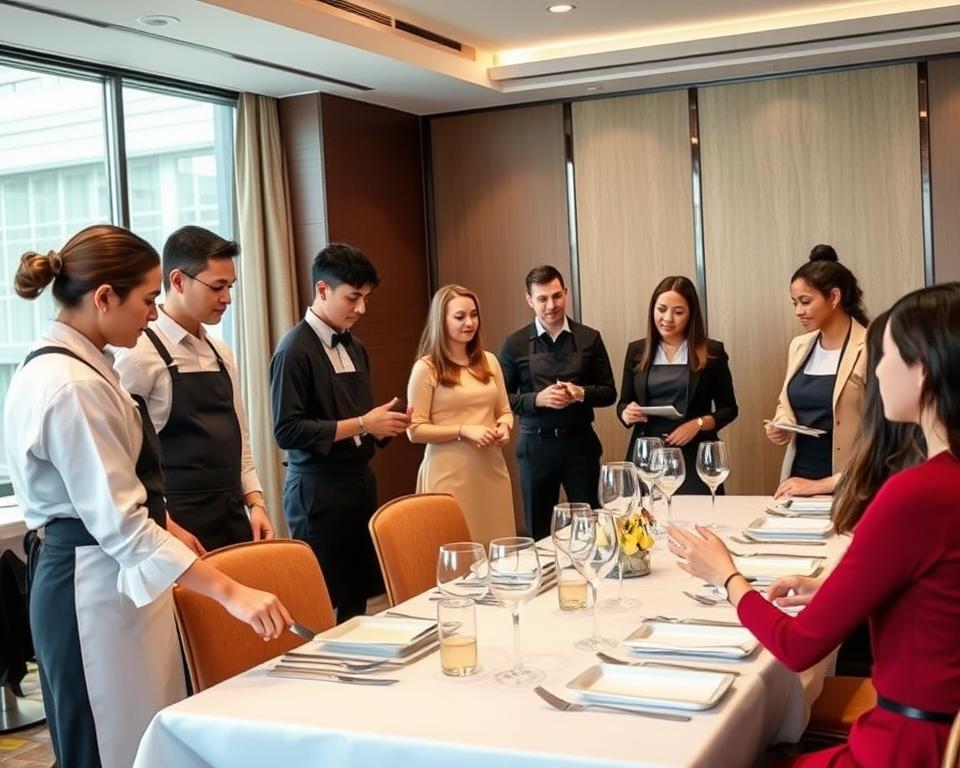
Training that focuses on staff development, performance metrics, and continuous learning is vital for top service. By investing in their team and promoting growth, businesses can create a team of service pros. This leads to happy guests and loyal customers.
Handling Guest Complaints and Service Recovery
In the hospitality world, managing complaints well and fixing problems quickly is key. This keeps guests happy and improves their stay. When guests face issues, how they are solved can greatly affect their view of the hotel and the brand.
Resolving conflicts in hospitality needs a caring and quick response. Staff must listen well, understand guests’ problems, and respond with kindness and skill.
- Set up a clear process for handling complaints, with clear steps for who to talk to next.
- Give staff the power to act fast and fix problems right away.
- Teach staff how to make things right, like saying sorry, offering solutions, and doing more to fix the issue.
- Look at what guests say to find common problems and fix them before they happen again.
By focusing on solving complaints and making things right, hotels can turn bad experiences into chances to build stronger guest relationships and improve their reputation.
| Complaint Management Strategies | Service Recovery Techniques |
|---|---|
|
|
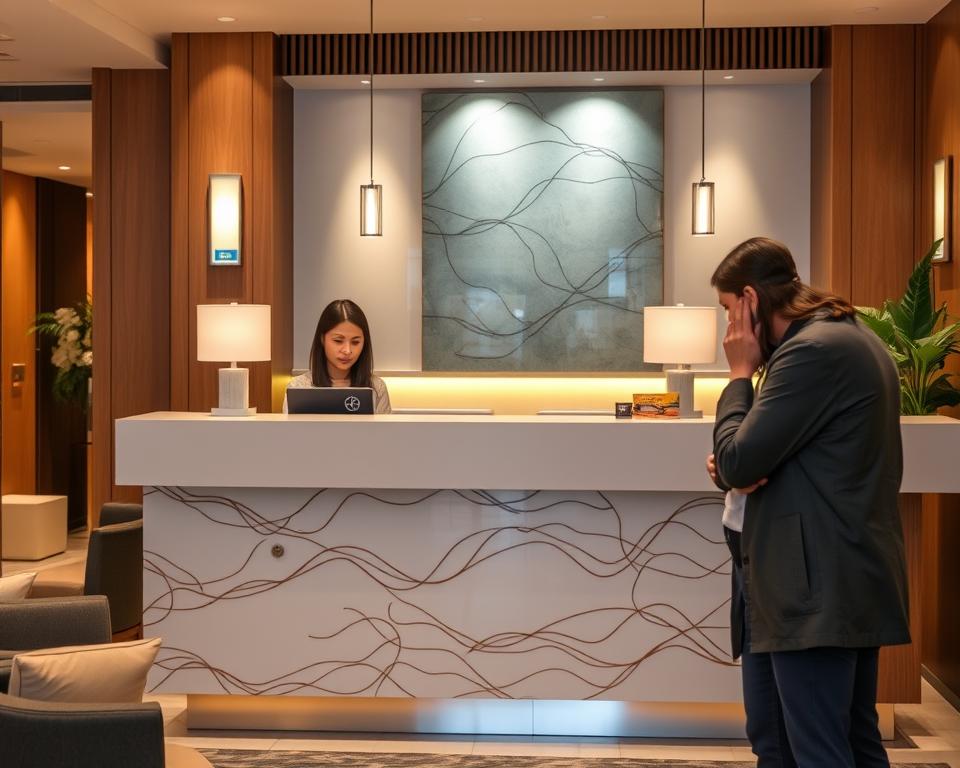
“Effective complaint management and service recovery can turn a negative experience into an opportunity to strengthen guest loyalty and advocacy.”
Hotels that handle complaints well and fix problems quickly can not only solve issues but also make guests happier and more loyal. This boosts the hotel’s reputation and guest satisfaction.
Creating Memorable Guest Experiences
In the hospitality world, success comes from making experiences guests will never forget. This includes personalized service, managing special occasions, and recognizing guests. Businesses can show they value and appreciate their customers in many ways.
Personalization Techniques
Personalized hospitality is key to memorable experiences. Knowing what guests like and need helps tailor services just for them. This might mean special welcome gifts, customized rooms, or even knowing what they need before they ask.
Special Occasion Management
Marking special moments like birthdays or honeymoons can turn a simple stay into a memorable one. Adding touches like personalized cakes or special dining can make guests feel extra special.
Guest Recognition Programs
Guest recognition programs are also crucial. Rewarding loyal guests and offering them special perks can build strong loyalty. This can lead to more visits and happy recommendations.
| Personalization Techniques | Special Occasion Management | Guest Recognition Programs |
|---|---|---|
| Customized room setups | Personalized cakes and amenities | Loyalty rewards and exclusive benefits |
| Anticipating guest needs | Romantic turndown services | Acknowledgment of guest loyalty |
| Personalized welcome amenities | Exclusive dining experiences | Positive word-of-mouth referrals |
Using these strategies, businesses can make experiences that stand out. This can build lasting relationships with customers.

“The key to creating memorable guest experiences is to anticipate their needs and exceed their expectations at every turn.”
Building Customer Loyalty in Hospitality
In the fast-paced hospitality world, keeping customers loyal is crucial. Customer loyalty programs help businesses keep their best guests coming back. They also boost repeat visits and brand loyalty. These efforts can greatly improve hospitality marketing and business success over time.
Understanding what your guests want is key to loyalty. Segment your customers and make loyalty programs that fit their needs. This way, you offer a unique experience that guests will love.
But it’s not just about programs. Hotels and resorts are also focusing on creating lasting connections with guests. They offer unforgettable experiences and personal touches. This approach builds loyalty that goes beyond just buying and selling.
| Loyalty Program Feature | Benefit to Guests | Benefit to Hospitality Business |
|---|---|---|
| Tiered Reward Levels | Incentivizes repeat visits and higher spend | Increases customer engagement and retention |
| Personalized Perks | Enhances guest experience and feeling of exclusivity | Strengthens emotional connection and brand loyalty |
| Digital Loyalty App | Convenient access to program benefits and rewards | Improved data collection and targeted marketing opportunities |
By focusing on customer loyalty, hospitality businesses can build a loyal guest base. This not only increases profits but also makes your business known for great service and customer care.
Cross-Cultural Communication in Guest Services
In the hospitality world, guests from all over come together. It’s key to communicate well across cultures. This means understanding different cultures, overcoming language issues, and being sensitive to cultural differences.
International Guest Relations
Staff in hospitality need to adjust how they talk to guests from different places. They must know about cultural norms and body language. They should also be ready to be formal or casual, depending on what the guest likes.
Being culturally aware helps staff connect better with guests. This makes guests feel welcome and valued.
Language Barrier Management
Language differences can be a big problem in hospitality. To solve this, having staff who speak many languages helps. Also, providing translation tools and clear signs is important.
Teaching staff basic phrases in common languages also helps. It makes guests feel more at home and improves their stay.
Cultural Sensitivity Training
Training staff to be culturally sensitive is vital. This training should cover cultural manners, how to solve conflicts, and the value of empathy and flexibility. It prepares staff to handle cultural differences well.
With this training, hotels can celebrate diversity. They can meet the special needs of guests from around the world.
| Aspect | Approach |
|---|---|
| International Guest Relations | Adapting communication styles, understanding cultural norms, recognizing non-verbal cues, and tailoring formality levels |
| Language Barrier Management | Offering multilingual staff, providing translation resources, and teaching basic guest languages |
| Cultural Sensitivity Training | Covering cultural etiquette, conflict resolution, and the importance of empathy and adaptability |
By focusing on cross-cultural communication, hotels can make a warm welcome for all guests. They can build strong relationships and give unforgettable experiences that cross cultural lines.
“Successful cross-cultural communication in hospitality is not just about language proficiency, but about cultural understanding, empathy, and a willingness to adapt.” – Dr. Jane Doe, Professor of Hospitality Management
Quality Assurance in Hospitality Service
In the hospitality world, keeping service quality high is key to happy guests and loyalty. Quality assurance is vital for meeting standards and improving service quality management always.
Getting guest feedback is a big part of quality assurance. It helps hospitality places learn what guests like and what needs work. This feedback helps improve service and make guests happier.
Also, regular checks and audits are important. They help keep service quality up and make sure things are done right. These steps ensure guests have a great time every time.
Training staff well is another key part of quality assurance. When staff knows how to handle things, they can give great service. This helps solve problems and keeps guests happy.
In the changing world of hospitality, focusing on quality is crucial. It leads to better guest experiences and keeps guests coming back. By focusing on service quality control and improving, places can stand out and lead the industry.
| Quality Assurance Practices | Key Benefits |
|---|---|
| Guest Feedback Systems | Identify areas for improvement, enhance customer satisfaction |
| Regular Service Audits | Maintain high hospitality standards, ensure compliance |
| Comprehensive Staff Training | Empower teams to deliver exceptional customer service |
| Continuous Process Refinement | Drive innovation, foster long-term brand loyalty |
With a strong quality assurance plan, hospitality places can improve service quality control. They can meet standards and make guests happy. This leads to loyalty and growth.
Emergency Response and Crisis Management
In the fast-paced hospitality world, being ready for emergencies is key. It keeps guests safe and service top-notch. Good hospitality crisis management means having solid guest safety protocols, clear crisis communication guidelines, and strict emergency service standards.
Guest Safety Protocols
Keeping guests safe is the top priority in hospitality. Hotels and resorts need to have detailed safety plans. These plans should cover emergencies like natural disasters and security issues.
They should include clear evacuation steps, easy-to-find emergency help, and staff trained to act fast and right.
Crisis Communication Guidelines
Good crisis communication helps lessen the blow of emergencies. Hotels need to have clear plans for talking to guests, staff, and authorities in a crisis. This includes having backup ways to communicate, ready messages, and training staff on how to handle crises well.
Emergency Service Standards
Keeping service high even in emergencies is what top hotels do. They set strict emergency service standards to ensure guests get quick, caring, and professional help. This includes training staff, having backup systems, and regularly updating emergency plans.
| Key Aspect | Description |
|---|---|
| Guest Safety Protocols | Comprehensive plans for addressing a range of emergencies, including evacuation procedures, accessible emergency resources, and staff training. |
| Crisis Communication Guidelines | Detailed strategies for communicating with guests, staff, and authorities during a crisis, including backup channels and pre-approved messaging. |
| Emergency Service Standards | Rigorous protocols to ensure guests receive prompt, empathetic, and professional assistance during emergencies, including specialized staff training and redundancy planning. |
“Preparedness is the key to effective crisis management in the hospitality industry. By proactively addressing guest safety, crisis communication, and emergency service standards, hotels can mitigate the impact of unforeseen events and maintain their reputation for excellence.”
Implementing Sustainable Service Practices
The hospitality industry is now focusing more on sustainable and eco-friendly services. Hotels and resorts need to adapt to meet the growing demand for responsible tourism. By doing so, they can benefit the environment and improve the guest experience, building brand loyalty.
Implementing eco-friendly services is a key part of sustainable service. This includes reducing water and energy use, managing waste, and using renewable energy. Green hotels can attract eco-conscious travelers by showing their commitment to sustainability.
Sustainable hospitality also means being mindful in guest relations and service. Offering local amenities, promoting green transport, and educating guests on sustainability efforts create a complete experience. These actions reduce carbon footprint and strengthen the connection between guests and the hotel’s environmental values.
Finding the right balance between sustainability and guest satisfaction is crucial. Hoteliers need to plan and execute carefully. By exploring new eco-friendly services and engaging guests, hotels can lead in responsible tourism.
| Sustainable Hospitality Initiatives | Benefits |
|---|---|
| Water and energy conservation | Reduces environmental impact, lowers operating costs |
| Waste management and recycling programs | Promotes circular economy, enhances sustainability credentials |
| Locally sourced amenities and products | Supports local communities, reduces carbon footprint |
| Renewable energy sources | Decreases reliance on non-renewable resources, demonstrates environmental commitment |
| Guest education and engagement | Fosters environmental awareness, encourages guest participation |
By adopting sustainable service practices, hotels can reduce their environmental impact. They also become leaders in responsible tourism. As eco-friendly experiences become more important, hotels must integrate sustainable hospitality to stay competitive and meet modern traveler needs.
“Sustainable hospitality is not just a trend – it’s a responsibility we all share to protect our planet and create a better future for generations to come.”
Conclusion
In this article, we’ve looked at how important customer service is in the hospitality world. We’ve covered the basics of guest relations and how to create personalized experiences. These are key parts of the hospitality service.
Looking ahead, the focus on hospitality service excellence, customer satisfaction, and industry best practices will be crucial. New technologies, better communication across cultures, and green service ideas will change the future of hospitality. This will make sure guests are always happy and stay loyal to their favorite brands.
By always aiming for the best in customer service, hospitality workers can make unforgettable experiences. These experiences help build strong connections with guests. As the industry grows, keeping a strong focus on service quality and putting guests first will be key to success.


