







The building world is getting more complex. Contractors need tools that help with making money, talking to teams, and making quick decisions. The right digital tools make managing the job site easier.
Good construction project management means clear updates for all teams. A coordination software helps track every detail. This leads to better results and fewer delays for your team.
Managing outside partners is key in any build. Good vendor management means materials arrive on time and costs are low. With smart digital solutions, your projects will run smoothly and meet deadlines.
Table of Contents
Key Takeaways
- Streamline communication with all field partners and teams.
- Boost overall profitability through better site activity tracking.
- Support fast, informed decisions for modern builders.
- Organize workflows to prevent costly and avoidable delays.
- Simplify material orders and daily delivery schedules.
- Enhance transparency across the entire active job site.
1. What is Construction Vendor Coordination Software
In the construction world, managing vendors has changed a lot. This change is due to the need for better and more reliable tools. Old ways like spreadsheets and manual tracking are no longer enough as projects grow and more subcontractors join.
The Evolution of Vendor Management in Construction
The construction industry has seen big changes in how vendors are managed. At first, it was done with simple tools like spreadsheets and paper. But as projects got more complex and more vendors were needed, these old methods failed.
“Technology has changed how we manage vendors in construction,” says an expert. “It makes projects run smoother and more efficiently.” This move to tech has helped solve the problems of old methods.
Core Definition and Purpose
Construction Vendor Coordination Software helps manage and coordinate vendors in a project. Its main goal is to make sure all vendors work together towards the project’s goals and deadlines.
The software gives a single place for vendor management. It lets project managers keep track of vendor work, handle messages, and check if they follow project rules. For more info on costs and features, check this link.
How It Differs from General Project Management Tools
General project management tools have many features for managing projects. But Construction Vendor Coordination Software is made just for managing vendors in construction projects.
| Feature | Construction Vendor Coordination Software | General Project Management Tools |
|---|---|---|
| Vendor Database Management | Advanced vendor profiling and database management | Limited or no vendor database management |
| Communication Tools | Specialized communication tools for vendor coordination | General communication tools for team collaboration |
| Compliance Tracking | Robust compliance tracking and documentation | Limited compliance tracking features |

The table shows Construction Vendor Coordination Software has special features for managing vendors in construction. This makes it different from general project management tools.
2. Essential Features of Construction Vendor Coordination Software
Construction vendor coordination software is key for today’s projects. It makes managing vendors easier, boosting project efficiency.
Vendor Database Management
A strong vendor database management system is vital. It keeps vendor info, like licenses and insurance, in one place. This makes sure all documents are current and easy to find.
Communication and Collaboration Tools
Good communication and collaboration tools help teams work together smoothly. They offer messaging and file sharing, cutting down on errors and speeding up responses.

Document Management and Sharing
A solid document management system is crucial. It keeps project documents safe and lets everyone share them. This is key for keeping track of changes and ensuring everyone has the latest info.
Scheduling and Timeline Coordination
Scheduling and timeline coordination tools are essential. They help plan and track project schedules. By syncing vendor schedules with the project timeline, teams can manage tasks better and avoid delays.
Construction vendor coordination software adds a lot of value to projects. It’s important for companies to look at these features when building a multi-vendor platform. You can reach out to experts for custom solutions.
3. Real-Time Communication Capabilities
In the fast-paced construction industry, real-time communication is key for success. Construction Vendor Coordination Software offers advanced tools for quick communication. This helps teams respond fast to changes and issues, keeping projects on track.
Instant Messaging and Notifications
Construction Vendor Coordination Software has instant messaging and notifications. This lets team members talk quickly and avoid delays. Instant notifications keep everyone updated on project changes or issues.
Mobile Access for On-Site Teams
Mobile access is vital for real-time communication in construction. With mobile apps, on-site teams can access project info and communicate instantly. This mobility boosts collaboration and keeps projects moving smoothly.

Centralized Communication Threads
Centralized communication threads organize conversations and info. This feature keeps all relevant talks in one spot. It makes tracking progress and looking back at discussions easier.
| Feature | Benefit | Impact on Project |
|---|---|---|
| Instant Messaging | Quick issue resolution | Reduced delays |
| Mobile Access | Enhanced collaboration | Smoother project progression |
| Centralized Communication Threads | Organized information | Easier progress tracking |
4. Contract and Compliance Management
The construction industry faces big challenges in managing contracts and ensuring compliance. Vendor coordination software offers a great solution. Effective contract management is key to reduce risks and make sure everyone follows their duties.
Digital Contract Storage
Construction Vendor Coordination Software has a great feature: digital contract storage. It keeps contracts safe and easy to find, lowering the chance of lost documents. With all contracts in one place, companies can better handle their agreements and follow the rules.
Compliance Tracking and Documentation
Compliance tracking is very important in contract management. The software lets you track if you’re following rules in real-time. This makes sure you have all the right documents, avoiding fines and penalties.
Insurance and Certification Monitoring
The software also checks insurance and certification of vendors and subcontractors. This makes sure they’re covered and meet the requirements. It helps lower risks from vendors without insurance or not meeting standards.
The table below shows the main features and benefits of contract and compliance management in Construction Vendor Coordination Software:
| Feature | Description | Benefit |
|---|---|---|
| Digital Contract Storage | Secure storage and retrieval of contracts | Reduces risk of lost documents and improves compliance |
| Compliance Tracking | Real-time tracking of regulatory compliance | Avoids fines and penalties associated with non-compliance |
| Insurance and Certification Monitoring | Tracking of vendor insurance and certifications | Mitigates risks associated with uninsured or non-compliant vendors |

By using these features, construction companies can greatly improve their contract and compliance management. This reduces risks and helps projects succeed.
5. Benefits of Implementing Vendor Coordination Software
Effective vendor coordination is key for construction project success. Specialized software can make a big difference. It streamlines communication, automates tasks, and offers real-time updates. This leads to better project outcomes.

Improved Project Timeline Adherence
One major benefit is improved project timeline adherence. The software keeps everyone on the same page and tasks on schedule. It uses scheduling tools and real-time tracking to help.
Reduced Communication Errors
The software also cuts down on communication errors. It uses a central platform and automated alerts to reduce misunderstandings. This ensures everyone is working towards the same goals.
Cost Savings and Budget Control
Cost savings and budget control are big pluses. It optimizes resource use, reduces waste, and boosts vendor performance. This keeps costs in check. Detailed financial tracking helps managers make smart decisions.
Enhanced Accountability and Transparency
Moreover, it promotes enhanced accountability and transparency. It tracks all transactions and communications clearly. This builds a trustworthy and reliable project environment.
In summary, Construction Vendor Coordination Software greatly improves project management. It enhances timeline adherence, reduces errors, saves costs, and boosts accountability. It’s a solid base for successful project execution.
6. Streamlining Procurement Processes
Effective procurement processes are key to successful construction projects. Construction Vendor Coordination Software plays a big role in making these processes smoother. It automates and organizes tasks, reducing delays and improving budget control.
Automated procurement processes are a major feature of Construction Vendor Coordination Software. One key way it works is through Automated Purchase Orders. This lets project managers create, approve, and send orders directly through the software. It cuts down on miscommunication and lost documents.
Automated Purchase Orders
Automated purchase orders make the procurement process easier. They ensure everyone is on the same page. This feature cuts down on manual work, reducing errors and letting staff focus on important tasks.
Bid Management and Comparison
Bid Management and Comparison is another important feature. It allows for easy management and comparison of bids. This makes it simpler to choose the best option based on price, timeline, and other factors.

Vendor Performance Tracking
Vendor Performance Tracking
lets project managers keep an eye on vendor performance. They can track delivery times, quality, and contract compliance. This information helps make better decisions about future vendor choices.
By making procurement processes smoother, Construction Vendor Coordination Software helps projects run better. It reduces delays and cost overruns. This leads to better project outcomes and happier clients.
7. Integration with Existing Construction Management Systems
Construction Vendor Coordination Software works best when it fits well with other systems. This is key for smooth operations and getting the most from the software.
The software’s ability to connect with other systems is crucial. It helps manage data better, cuts down on manual work, and boosts project efficiency.
ERP System Integration
Connecting with Enterprise Resource Planning (ERP) systems is very important. ERP system integration links project data, financials, and resources. It gives a clear view of the project’s status.
Accounting Software Compatibility
Working well with accounting software is also key. This ensures financial data is correct in all systems. It reduces manual entry and lowers financial errors.
BIM and Design Tool Connections
Connecting with Building Information Modeling (BIM) and design tools is vital. It makes sharing project plans easy. This helps everyone work together better and keeps data consistent.
API Capabilities
The software’s strong API capabilities allow for custom connections. This is important for fitting the software to a project’s unique needs.
The table below shows the main benefits of linking Construction Vendor Coordination Software with other systems:
| Integration Type | Benefits |
|---|---|
| ERP System Integration | Unified project view, streamlined data management |
| Accounting Software Compatibility | Accurate financial data, reduced manual entry |
| BIM and Design Tool Connections | Better collaboration, consistent project data |
| API Capabilities | Custom integrations, flexibility |

8. Selecting the Right Construction Vendor Coordination Software
There are many construction vendor coordination software options out there. Finding the right one for your project is key. The right software can make managing vendors easier, improve communication, and boost project efficiency.
Assessing Your Project Needs
Before picking a software, understand your project’s needs. Think about your project’s size, complexity, and the number of vendors you work with. Also, consider the features you need for your operations.
Key considerations include:
- Project size and complexity
- Number of vendors and stakeholders
- Required features and functionalities
- Integration with existing systems
Scalability Considerations
The software should grow with your business. Make sure it can handle more vendors, projects, and users as you expand.
“A scalable solution ensures that as your business grows, your software can adapt to your changing needs without requiring frequent changes or upgrades.”
User Interface and Adoption Factors
The software’s interface and how easy it is to use are very important. It should be simple and easy for your team and vendors to learn.
Pricing Models and ROI Analysis
It’s important to know how different software pricing models work. Look at the initial cost, any ongoing fees, support costs, and the potential return on investment (ROI).
| Pricing Model | Description | Pros | Cons |
|---|---|---|---|
| Subscription-based | Monthly or annual fee | Predictable costs, regular updates | Ongoing expenses |
| Perpetual License | One-time purchase | No recurring fees | Higher upfront cost, potential upgrade costs |
By carefully looking at these factors, construction companies can find a software that fits their needs. It should improve their operations and offer a good return on investment.
9. Implementation Best Practices
Getting construction vendor coordination software up and running needs a smart plan. A good plan makes sure everyone uses the software right, which helps projects go better.
Planning Your Rollout Strategy
A good start is a detailed plan. It should cover how to set it up, when, and who’s doing what. It’s also key to pick who’s important, set goals, and figure out how to keep everyone in the loop.
Important things to think about include knowing where you are now, what you want to do, and what you need to do it.
Training Teams and Vendors
Teaching people how to use the software is very important. Both your team and outside vendors need to know how to use it well. Training should be made for different groups, focusing on what they need to do their job.

Data Migration from Legacy Systems
Moving data from old systems to the new one is a big step. It’s about moving vendor data to the new software. Planning carefully is key to keep data safe and avoid problems with current projects.
Setting Up Workflows and Permissions
Setting up how things work and who can do what is crucial. This means setting up roles, deciding who can see what, and making sure things get approved the right way.
By following these steps, construction companies can make sure the software works well. This helps projects run smoother and more efficiently.
10. Overcoming Common Adoption Challenges
The adoption of construction vendor coordination software faces several common obstacles.
Resistance to Change Management
One major challenge is resistance to change from team members and stakeholders. This can be overcome with thorough training and clear communication about the software’s benefits.
Effective change management strategies include involving end-users in the selection process. Also, providing ongoing support to address concerns and questions.
Getting Vendors On Board
Another big hurdle is getting vendors to use the new software. This can be done by choosing a user-friendly platform and offering vendor onboarding support.
Some companies have successfully offered incentives for vendors who quickly adapt to the new system.
Technical Support and Troubleshooting
Technical issues can slow down adoption. It’s important to have a software provider that offers strong technical support.
| Challenge | Strategy |
|---|---|
| Resistance to Change | Comprehensive Training, Clear Communication |
| Vendor Onboarding | User-Friendly Platform, Onboarding Support |
| Technical Issues | Robust Technical Support |
As
“The key to successful adoption is not just implementing the software, but ensuring that all stakeholders are aligned and supported throughout the process.”
By understanding and addressing these common adoption challenges, construction companies can more effectively implement construction vendor coordination software and reap its benefits.
11. Analytics and Reporting Capabilities
Analytics and reporting are key parts of construction vendor coordination software. They help project managers track how things are going and make smart choices. These tools give insights into project management, like how vendors are doing and what risks might be coming.
Performance Dashboards
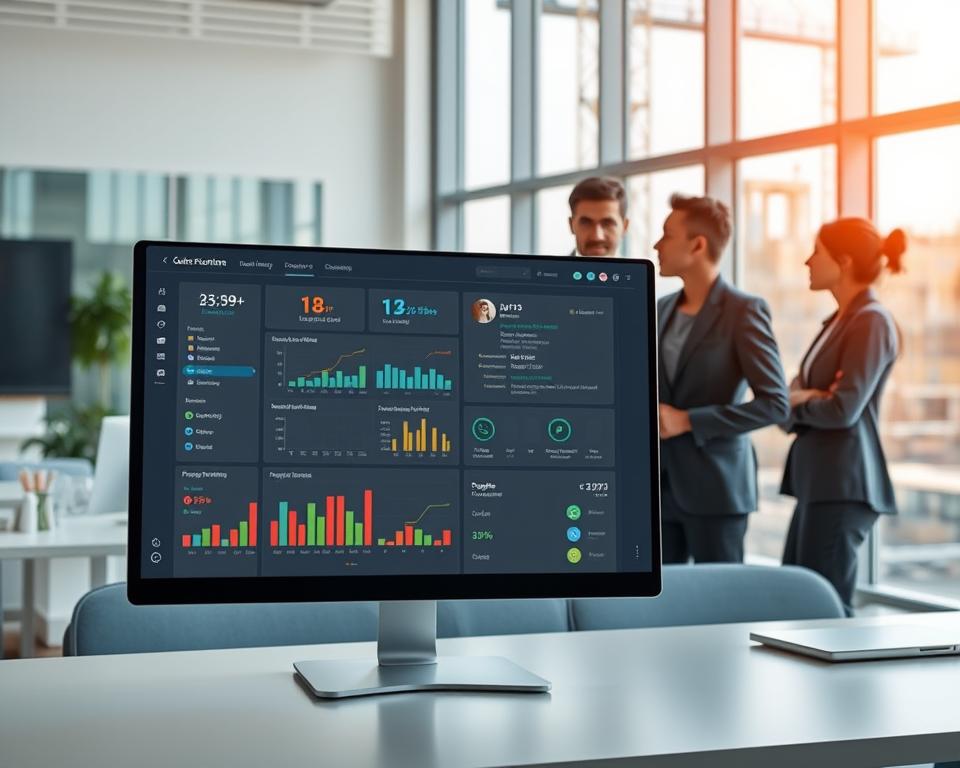
Performance dashboards give a clear view of important vendor coordination metrics. They show things like how fast vendors respond, how well they follow rules, and how the project is doing overall. This makes it easy for project managers to spot what needs work.
Vendor Scorecards and Ratings
Vendor scorecards and ratings help judge vendor performance in detail. They look at things like the quality of work, how on time vendors are, and how well they communicate. This info helps in choosing the right vendors for the future and deciding if contracts should be renewed.
Predictive Analytics for Risk Management
Predictive analytics are a big help in managing risks in construction projects. They use past data and current trends to predict problems like delays or cost overruns. This way, project managers can tackle risks early on, before they get out of hand.
Custom Report Generation
Being able to make custom reports is a great feature of construction vendor coordination software. It lets project managers create reports that meet specific needs, whether for internal checks or for reports to others. These reports can include lots of data, like how vendors are doing, project timelines, and budget info.
For more on what construction management software should have, including analytics and reporting, check out Wunderbuild’s blog.
| Feature | Description | Benefit |
|---|---|---|
| Performance Dashboards | Centralized view of KPIs for vendor coordination | Quick identification of areas needing improvement |
| Vendor Scorecards | Evaluation of vendors based on performance criteria | Informed decisions on vendor selection and contract renewals |
| Predictive Analytics | Forecasting potential project risks | Proactive risk mitigation |
| Custom Reports | Tailored reporting for specific stakeholders | Enhanced transparency and compliance |
12. Security and Data Protection Considerations
Construction projects now use digital tools more than ever. This makes strong security in vendor coordination software very important. It’s key to keep data safe, with options like cloud-based or on-premise solutions, access control, and following industry standards.
Cloud-Based vs On-Premise Solutions
The choice between cloud-based and on-premise solutions for Construction Vendor Coordination Software is big. Cloud-based offers scalability and flexibility, with data stored online. On-premise keeps data on your own servers, giving more control over security.
Maybe the best choice is a mix. Keep sensitive data on-premise and use cloud for less critical tasks.
Access Control and User Permissions
Good access control and user permissions stop unauthorized data access. It’s about setting up role-based access controls. This means users get access based on their role in the project.
“Implementing strict access controls is not just about security; it’s about ensuring that the right information is available to the right people at the right time.”
Data Backup and Disaster Recovery
Having a solid data backup and disaster recovery plan is key. It helps prevent data loss in unexpected events. This includes regular backups and a clear recovery plan.
Compliance with Industry Standards
Following industry standards and regulations is vital. This includes GDPR and ISO 27001. Construction Vendor Coordination Software must meet these standards to protect data and avoid legal issues.
| Compliance Standard | Description | Importance |
|---|---|---|
| GDPR | General Data Protection Regulation for personal data protection | High |
| ISO 27001 | International standard for information security management | High |
13. Industry-Specific Applications
Construction vendor coordination software is very versatile. It’s not a one-size-fits-all solution. Instead, it’s made to meet the unique needs of different construction sectors.
Commercial Construction Projects
In commercial construction, this software is key. It helps manage complex projects with many stakeholders. It makes communication smoother, cuts down on delays, and boosts project efficiency.
For example, a vendor coordination platform can manage vendor databases, track compliance, and enable real-time communication.
Residential Development Coordination
Residential development projects also benefit a lot from this software. It’s great for managing supply chains and ensuring materials arrive on time. It helps coordinate with suppliers and subcontractors, keeping projects on track.
Infrastructure and Public Works
Infrastructure and public works projects, like road construction and public buildings, need careful planning and coordination. The software helps manage these large projects. It offers tools for document management, scheduling, and tracking compliance.
Specialty Trade Coordination
Specialty trades, like electrical and plumbing, also gain from this software. It makes their workflows more efficient, helps them communicate with general contractors, and ensures they follow project specs.
Here’s a comparison of vendor coordination software features across different construction sectors:
| Construction Sector | Key Features | Benefits |
|---|---|---|
| Commercial Construction | Vendor database management, real-time communication | Improved project efficiency, reduced delays |
| Residential Development | Supply chain management, scheduling | Timely material delivery, streamlined operations |
| Infrastructure and Public Works | Document management, compliance tracking | Enhanced project control, regulatory compliance |
| Specialty Trades | Workflow management, communication tools | Increased efficiency, better coordination with contractors |
For companies looking to hire developers for multi-vendor e-commerce platforms, similar principles apply. This is seen in resources like top e-commerce development companies.
14. Future Trends in Vendor Coordination Technology
New technologies will change how we manage vendors in construction. They will make things more efficient and help teams work better together. These changes will come from several important areas.
Artificial Intelligence and Machine Learning
AI and ML will change vendor coordination a lot. They will do routine tasks for us, predict delays, and help us make better choices.
IoT Integration for Real-Time Tracking
The use of IoT devices will let us track materials and equipment in real time. This will cut down on losses and make projects run smoother.
Blockchain for Contract Management
Blockchain technology will make contract management better. It will keep agreements and transactions safe, clear, and unchangeable.
Enhanced Mobile Capabilities
The next version of vendor coordination software will have enhanced mobile capabilities. This will make it easier to use on construction sites.
| Technology | Application | Benefit |
|---|---|---|
| AI & ML | Automating tasks, predictive analytics | Improved efficiency, reduced delays |
| IoT | Real-time tracking | Reduced losses, improved timelines |
| Blockchain | Contract management | Enhanced security, transparency |
15. Conclusion
Effective construction vendor coordination is key to project success. The right software can make a big difference. It helps with better project timelines, fewer communication mistakes, and more accountability.
This software streamlines procurement, works with existing systems, and offers real-time communication. It boosts project management skills. As the construction world changes, using the right software is vital for staying ahead.
Choosing the right software means looking at your project needs and how it scales. Also, consider how easy it is to use. This way, construction pros can achieve better project results and better teamwork among all involved.