







The fashion world is changing fast. Today, a brand’s online presence is as important as its latest clothes. To succeed, businesses must adapt to the growing fashion ecommerce world.
Modern shoppers want smart and stylish tools. They look for easy checkouts and personalized suggestions. Success in mobile commerce depends on meeting these high expectations.
Creating a top-tier platform requires a deep focus on ecommerce app development. This guide explores the best strategies for creating a digital store that users love. We will look at how to combine style with high-tech features for the best results.
Table of Contents
Key Takeaways
- Digital presence is now a primary requirement for fashion success.
- Personalized experiences help brands connect better with modern shoppers.
- Mobile-friendly designs are essential for capturing today’s retail market.
- Quick and secure checkouts significantly improve customer satisfaction.
- Strategic planning is the foundation for creating a successful digital platform.
1. Understanding the Shein Business Model and Success Story
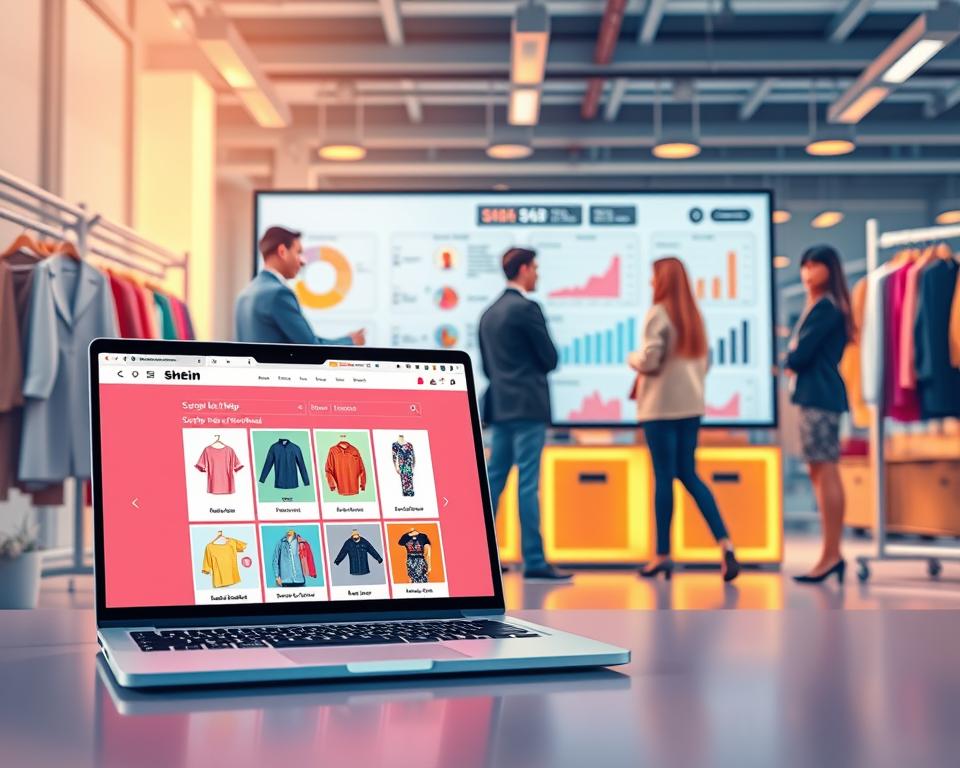
Shein, a fast-fashion e-commerce platform, has become a success story. Its business model is all about being quick and using data to make decisions. It launches products in small batches and checks how customers like them right away.
What Makes Shein Stand Out in the E-Commerce Market
Shein is known for its fast response to what customers want. It uses advanced data and a flexible supply chain to make changes quickly. This way, it keeps its products up-to-date with the latest fashion trends.
Key differentiators include its use of real-time data to inform product development and its commitment to providing a seamless, engaging customer experience.
Key Success Factors Behind Shein’s Rapid Growth
Several factors have helped Shein grow fast:
- Agile supply chain management
- Data-driven product development
- Strong customer engagement through social media
- Competitive pricing strategy
As noted by
“Shein’s success is a testament to the power of combining technology, data analytics, and a customer-centric approach in e-commerce.”
| Success Factor | Description | Impact |
|---|---|---|
| Agile Supply Chain | Ability to quickly produce and distribute products based on current trends. | Reduced inventory risk and increased responsiveness to consumer demand. |
| Data-Driven Development | Use of real-time customer data to inform product design and production. | Improved product relevance and customer satisfaction. |
| Customer Engagement | Active interaction with customers through social media and other channels. | Enhanced brand loyalty and customer retention. |
Lessons to Learn from Shein’s Digital Strategy
Shein’s digital strategy teaches us a lot. It shows how important it is to use data and talk to customers. This way, businesses can keep up with trends and stay competitive.
Key takeaways include the importance of agility in supply chain management and the need to leverage data analytics in product development and marketing strategies.
2. Market Opportunity for Fashion E-Commerce Apps in the United States
The United States offers a huge and expanding market for fashion e-commerce apps. This is thanks to changing consumer habits and new tech. People now want quick, personalized, and affordable shopping online, shaping the fashion ecommerce market.
Current Market Trends in Online Fashion Retail
The US e-commerce market is expected to keep growing. Mobile shopping is a big part of this. People want easy and smooth shopping experiences on all devices. For tips on making a great fashion e-commerce app, check out decoding the Shein app functionality.

Target Audience Demographics and Preferences
Knowing who to target is key for fashion e-commerce apps. The main group is young people who love tech and online shopping. They want personalized tips, fast delivery, and easy returns.
Competitive Landscape Analysis
The competitive landscape of US fashion e-commerce is fierce. Many brands, like Shein, are fighting for customers. To win, apps need to be unique, offer great experiences, and have smart marketing.
By grasping these market trends, businesses can make the most of the growing US fashion e-commerce market.
3. Core Features Required for Shein Like Shopping App Development
Creating a Shein-like shopping app needs key features that meet today’s shopper needs. A good e-commerce app focuses on user experience. It should make shopping easy and fun.
User Registration and Profile Management
User registration and profile management are key for a personalized shopping experience. Users can save preferences, track orders, and get recommendations tailored just for them.
Social Media Login Integration
Adding social media login options makes signing up easier. This boosts user convenience and gets more people to create profiles.
Profile Customization Options
Letting users customize their profiles with preferences like size and favorite brands keeps users engaged. It helps in showing them products they might like.
Product Catalog and Advanced Search Functionality
A wide product catalog and advanced search are key for finding products quickly.
Multi-Filter Search System
A multi-filter search system lets users find products by criteria like price and brand. This makes shopping easier and helps find what they want fast.
Visual Search Capabilities
Visual search lets users find products by uploading images. This improves the shopping experience by making it more fun and easy.

Shopping Cart and Wishlist Management
Good shopping cart and wishlist management are key for a smooth checkout. Users should be able to add, remove, and save items easily.
| Feature | Description | Benefit |
|---|---|---|
| Shopping Cart | Allows users to store items for purchase | Streamlines checkout process |
| Wishlist | Enables users to save items for future | Enhances user experience |
Secure Payment Gateway Integration
Adding a secure payment gateway is vital for safe transactions. This builds trust with users, making shopping safe and reliable.
With these core features, a Shein-like shopping app can offer a great shopping experience. It boosts user satisfaction and loyalty.
4. Advanced Features to Enhance User Engagement
Advanced ecommerce features are key to keeping users engaged and boosting sales. To make shopping exciting, using new technologies is crucial.
AI-Powered Product Recommendations
AI-driven product suggestions make shopping better by matching products to what users like. This approach helps users buy more and stay loyal.
Key benefits of AI-powered recommendations include:
- Increased sales through targeted suggestions
- Improved customer satisfaction due to personalized experiences
- Enhanced user engagement through relevant product displays
Virtual Try-On and Augmented Reality Integration
Virtual try-on and AR let users see products before buying. This reduces doubts and can lead to more sales and fewer returns.
Benefits of virtual try-on and AR include:
| Feature | Benefit |
|---|---|
| Virtual Try-On | Reduces uncertainty, increases confidence in purchase decisions |
| Augmented Reality | Enhances user experience, allows for interactive product exploration |
Social Shopping and User-Generated Content
Social shopping lets users interact with products and others, making shopping a community affair. Content from users, like reviews, builds trust and helps with buying decisions.
Product Reviews and Ratings
Reviews and ratings give insights to buyers, helping them decide. A review system boosts trust and credibility.
Share and Earn Programs
Share and earn programs reward users for sharing products. This word-of-mouth marketing can be very effective.
Flash Sales and Limited-Time Offers
Flash sales and limited-time offers create urgency, boosting sales and engagement. They prompt users to buy quickly.

By adding these advanced features, a Shein-like app can improve user engagement, increase sales, and stand out in e-commerce.
5. Technology Stack for Building a Shopping App Like Shein
Creating a shopping app like Shein needs a strong technology stack. This stack must handle lots of traffic and complex tasks. The right tech stack is key for the app’s growth, speed, and safety.
Frontend Development Technologies
When it comes to frontend development, picking between native and cross-platform is important. Native apps run faster but need different codes for each platform.
Native vs Cross-Platform Development
Cross-platform apps use one code for all platforms. This saves time and money. Some top cross-platform tools are:
- React Native
- Flutter
React Native and Flutter Options
React Native and Flutter are top picks for cross-platform apps. React Native uses JavaScript and JSX. Flutter works with Dart. Both offer lots of tools for quick app making.

Backend Infrastructure and Databases
The backend handles data, transactions, and app performance. Picking the right backend tech is crucial for growth and dependability.
Node.js and Python Frameworks
Node.js and Python are favorites for backend work. Node.js is great for real-time apps because of its non-blocking I/O model. Python, with Django, is a strong and scalable option.
Database Selection for Scalability
Choosing the right database is key for big data handling. MySQL and PostgreSQL are good for structured data. MongoDB and others are better for unstructured data.
| Database Type | Examples | Use Cases |
|---|---|---|
| Relational Databases | MySQL, PostgreSQL | Structured data, transactional data |
| NoSQL Databases | MongoDB, Cassandra | Unstructured data, big data |
Cloud Services and Hosting Solutions
Cloud services offer a scalable and safe place for e-commerce apps. They provide computing, storage, and databases.
AWS and Google Cloud Platform
AWS and Google Cloud Platform lead in cloud services. They have many services for e-commerce apps. For a full guide on making a Shein-like app, check out this detailed resource.
With the right tech stack, your e-commerce app will grow, stay safe, and work well even when busy.
6. Step-by-Step Development Process for Your Shopping App
To create an ecommerce app like Shein’s, you need a detailed plan. This plan includes several important steps. These steps make sure your app works well and stands out in the market.
Market Research and Business Planning Phase
The first step is to do market research and plan your business. You need to know who your audience is, what your competitors do, and what trends are out there.
Key activities in this phase include:
- Identifying target demographics and their shopping preferences
- Analyzing competitors’ strengths and weaknesses
- Understanding market trends and consumer behavior
Wireframing and Design Prototyping
After planning, you create wireframes and prototypes. This step is key for seeing how the app will look and work.

MVP Development Strategy
Building a Minimum Viable Product (MVP) is a smart way to start. It lets you test the app’s main features first. This way, you can get feedback and improve before launching fully.
Defining Minimum Viable Features
Choosing the essential features is important. These include things like signing up, showing products, and making payments.
Prioritizing Development Phases
It’s important to focus on the most critical features first. You need a plan that shows what to do and when.
| Development Phase | Key Features | Timeline |
|---|---|---|
| Phase 1: MVP Development | User registration, product catalog, basic payment gateway | Weeks 1-8 |
| Phase 2: Feature Enhancement | Advanced search, wishlist, social sharing | Weeks 9-16 |
| Phase 3: Full-Scale Launch | All features, performance optimization, marketing | Weeks 17-24 |
Quality Assurance and Testing Procedures
Quality assurance and testing are vital. They make sure the app is stable, safe, and works well. You’ll do lots of testing, like checking how it works, how fast it is, and if it’s secure.
Key testing procedures include:
- Functional testing to ensure features work as expected
- Performance testing to check the app’s speed and responsiveness
- Security testing to identify and fix vulnerabilities
App Launch and Deployment Strategy
The last step is to launch the app and put it live. A good plan is key to get users and make the launch smooth.
Key activities in this phase include:
- Preparing marketing materials and campaigns
- Configuring analytics and monitoring tools
- Coordinating with development and operations teams for a smooth deployment
7. Designing an Intuitive User Interface and Experience
A successful ecommerce app needs a smooth user experience. Apps like Shein show how it’s done. A good user interface and experience keep users engaged and boost sales.
Mobile-First Design Principles for Fashion Apps
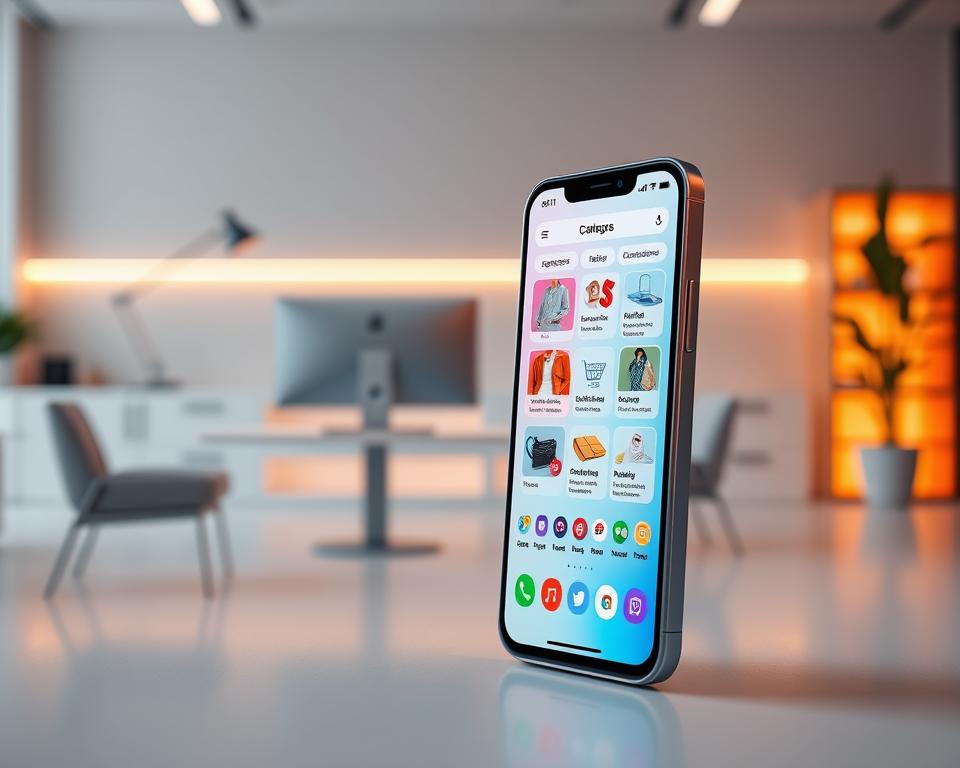
Fashion ecommerce apps should follow mobile-first design principles. This means designing for small screens first. It ensures the app works well on all devices.
Color Schemes and Visual Branding
The color scheme and visual branding of an app are key. They make the app fun to use. Brands like Shein have a look that their customers love.
Navigation and Information Architecture
Good navigation helps users find what they need fast. It’s about organizing content well and making features easy to find.
Streamlined Checkout Process
A streamlined checkout process lowers cart abandonment. It’s about making checkout quick and easy. Offering guest checkout helps too.
Personalized Homepage Design
Personalizing the homepage makes the app more enjoyable. It shows products that users might like. This makes the app feel more tailored to each user.
| Design Principle | Description | Benefit |
|---|---|---|
| Mobile-First Design | Designing for smaller screens first | Enhanced user experience on mobile devices |
| Simple Navigation | Easy-to-use navigation menu | Reduced bounce rates |
| Visual Branding | Consistent use of brand colors and imagery | Increased brand recognition |
8. Backend Infrastructure and Admin Panel Development
The heart of a successful e-commerce app is its backend infrastructure and admin panel. A strong backend is key for managing daily tasks. It tracks inventory, processes orders, and analyzes data to guide business choices.
Building a solid backend infrastructure includes several important parts. These parts work together for smooth operations. They include a good inventory system, tools for order processing, a detailed analytics dashboard, and customer relationship management.
Inventory Management System
An inventory management system is vital for keeping track of stock. It handles large amounts of data and updates stock levels in real-time. This prevents selling out and ensures customers get what they need.
Order Processing and Fulfillment Tools
Order processing and fulfillment tools are crucial for quick and accurate order handling. They work with shipping carriers, update order statuses, and manage returns and refunds.

Analytics and Reporting Dashboard
A analytics and reporting dashboard offers insights into sales, customer behavior, and efficiency. It helps businesses make informed decisions and improve their strategies.
Customer Relationship Management Integration
Integrating customer relationship management (CRM) tools with the backend enhances customer service and marketing. It keeps detailed records of customer interactions and preferences.
For more on mobile shopping app development, check out mobile shopping app development strategies and best practices.
9. Monetization Strategies for Your Fashion Shopping App
The success of a fashion shopping app depends on good monetization strategies. The ecommerce market is getting more competitive. It’s key for apps to find different ways to make money.
There are many ways to make more money. Let’s look at some of the best ones.
Direct Sales Revenue Model
This model sells products directly to customers through the app. It means more profit because there are no middlemen. Apps can work with brands or designers to offer unique items.
Commission-Based Marketplace Approach
This model lets third-party sellers sell on the app. The app makes money from each sale. It brings in more sellers and products for customers.
A report by eMarketer shows this model is getting more popular. Sales are expected to keep growing.
“The marketplace model allows businesses to expand their product offerings without holding inventory, reducing operational costs.”
Premium Membership and Subscription Plans
Premium memberships or subscription plans can bring in steady money. They offer perks like free shipping and early access to new items.
In-App Advertising and Sponsored Products
Advertising and sponsored products are also good ways to make money. By working with brands, apps can show ads or promote products to users.
Here’s a comparison of the different monetization strategies:
| Monetization Strategy | Revenue Potential | User Engagement |
|---|---|---|
| Direct Sales | High | Medium |
| Commission-Based Marketplace | Medium | High |
| Premium Membership | Medium | High |
| In-App Advertising | Low-Medium | Low |
Understanding the pros and cons of each strategy helps apps make the best choices. This way, they can increase their earnings.

10. Development Cost Breakdown and Budget Planning
To create a Shein-like app, knowing the different costs is key. The price to make an e-commerce app like Shein changes a lot. This depends on the team’s location, their skills, the app’s features, and how big the project is.
Factors Influencing Development Costs
Many things can change how much it costs to make a shopping app like Shein. Knowing these can help with budget planning.
Team Location and Expertise
The team’s location and skills play a big role in the cost. Teams in places like North America or Western Europe cost more. Teams in Eastern Europe or Asia are cheaper. Also, teams with special skills in e-commerce app making might charge more.
Feature Complexity and Customization
The cost also depends on the app’s features. Things like managing products, integrating payments, and using AI for suggestions add to the cost. More complex features need more time and skills, making the app more expensive.
Cost Estimation for MVP Development
Creating an MVP is a smart way to test the market with a basic app. The MVP development cost can be between $50,000 and $150,000. This depends on the features. For more on e-commerce app making, check out Next Big Technology.
Full-Featured App Development Investment
A fully-featured app with cool features like virtual try-on and personalized suggestions costs more. The price can go from $150,000 to $500,000 or more. This depends on how complex and customized the app is.
Ongoing Maintenance and Update Expenses
After making the app, maintenance expenses are key. They help keep the app updated, safe, and competitive. These costs usually are 15% to 20% of the initial cost each year.
By knowing these costs and planning well, businesses can get ready for the money needed to make a successful Shein-like shopping app.
11. Overcoming Common Challenges in Fashion App Development
Creating a successful fashion app is not easy. It faces many challenges. These include managing a complex supply chain, ensuring the app works well, and keeping user data safe.
Managing Complex Supply Chain Integration
One big ecommerce challenge is setting up a complex supply chain. It needs to work with many vendors, manage stock, and deliver on time.
A good supply chain is key to a great app. It makes sure products are ready when customers want them. This keeps users happy and loyal.
| Supply Chain Component | Challenge | Solution |
|---|---|---|
| Inventory Management | Tracking and managing stock levels | Implement a robust inventory management system |
| Vendor Coordination | Coordinating with multiple vendors | Use a vendor management portal |
| Logistics and Delivery | Ensuring timely delivery | Partner with reliable logistics providers |
Ensuring App Performance and Scalability
It’s important for the app to work well, even when lots of people use it. This means making sure the app’s setup can grow with more users.
Scalability is crucial for handling big increases in users, like during sales. A scalable app keeps users happy, even when it’s busy.
Addressing Security and Data Privacy Compliance
Keeping the app safe and private is very important. This means following rules like PCI DSS for payments and GDPR and CCPA for data.
PCI DSS Compliance for Payment Processing
PCI DSS makes sure payments are safe. This means using secure payment systems and protecting sensitive info.
GDPR and CCPA Considerations
Following GDPR and CCPA is key to protecting user data. This includes getting users’ consent and being clear about how data is used.
In summary, to overcome challenges in fashion app development, careful planning is needed. By focusing on supply chain integration, app performance, and security compliance, developers can make a great app.
12. Marketing Strategies and User Acquisition Tactics
Shein-like shopping apps need good marketing to attract and keep users. Marketing strategies and user acquisition are key for success in ecommerce apps.
Social Media Marketing for Fashion Apps
Social media is key for fashion ecommerce apps. Instagram, Facebook, and TikTok help reach many people. Targeted advertising on these sites helps find the right customers.
Instagram is great for showing off fashion items with photos and videos. Using Instagram Stories and Reels can also boost interaction. Here’s a quick look at social media’s impact:
| Platform | Engagement Rate | Conversion Rate |
|---|---|---|
| 2.2% | 1.08% | |
| 0.12% | 0.7% | |
| TikTok | 5.96% | 1.53% |
Influencer Partnerships and Affiliate Programs
Influencer marketing is a strong tool for ecommerce apps. Working with influencers in fashion can boost brand and sales. For more on getting users, check out Next Big Technology.
Affiliate programs add to influencer marketing. They offer commissions for sales, helping apps grow without big costs.
App Store Optimization Best Practices
App Store Optimization (ASO) is vital for more visibility. It means making the app’s title, description, and keywords better for search. Keeping these up to date can help more people find the app.
Retention Strategies and Push Notification Campaigns
Keeping users is as important as getting them. Push notification campaigns can keep users interested with special offers. But, it’s important to not send too many to keep users happy.
By using these marketing and user tactics, Shein-like apps can stand out in ecommerce.
13. Conclusion
To make a successful ecommerce app like Shein, you need to understand the business model and market trends well. Analyzing Shein’s success and the current market helps businesses plan their app development.
Knowing your target audience and market trends is key. Adding features like user registration and secure payment makes the app user-friendly. This ensures a smooth experience for users.
Planning your development is crucial. This includes market research, wireframing, and MVP development. Using AI for product recommendations and social shopping boosts user engagement and sales.
With careful planning and maintenance, businesses can create a hit ecommerce app. Focusing on what makes Shein successful helps businesses build a thriving app in the competitive market.


