







The rise of AI health assistant apps is changing healthcare. They offer personalized help to users. These apps use advanced tech for various services.
They help with checking symptoms and managing meds. The development process focuses on making apps easy to use and full of info.
Table of Contents
Key Takeaways
- AI health assistant apps provide personalized healthcare solutions.
- The development process involves leveraging cutting-edge technology.
- These apps offer a range of services, including symptom checking and medication management.
- Healthcare technology is revolutionizing the way we approach health.
- User-friendly apps are crucial for effective healthcare management.
Understanding AI-Powered Health Assistant Applications
Artificial intelligence in healthcare has led to AI-powered health assistant apps. These apps are changing healthcare by offering personalized care and support.

What Is an AI Health Assistant App?
An AI health assistant app uses artificial intelligence to help with healthcare. It can check symptoms, manage medications, and give health advice. It uses AI to understand user data and offer accurate insights.
The Evolution of Artificial Intelligence in Healthcare
AI in healthcare has grown a lot, thanks to machine learning and natural language processing. These advancements have made health apps smarter. They can diagnose diseases, give personalized advice, and manage chronic conditions.
AI health assistant apps are changing healthcare for the better. They improve patient care and make healthcare services more efficient.
Business Benefits of Developing AI Health Assistant Apps
Healthcare providers can see big improvements in patient care and work flow by adding AI to health apps. These apps bring many business benefits. They help patients get more involved in their health, make diagnoses more accurate, and save money.

Enhanced Patient Engagement and 24/7 Accessibility
AI health apps give patients 24/7 access to health services. This lets them play a bigger role in their health. They can check their health, get reminders, and talk to doctors anytime.
This makes patients more involved in their care. It helps health groups improve health results and make patients happier.
Improved Diagnostic Accuracy and Clinical Efficiency
AI algorithms in health apps make diagnosis better by looking at lots of health data fast and right. This cuts down on wrong diagnoses and makes work flow better.
Doctors can then focus on giving top-notch care. They know the tech is helping with the diagnosis.
Significant Cost Reduction for Healthcare Organizations
AI health apps help cut costs for health groups. They reduce the need for hospital visits, make treatment plans better, and cut down on paperwork. By using AI for routine tasks, groups can use their resources better.
This leads to saving money and making work more efficient.
Essential Features for AI Health Assistant Apps
AI health assistant apps need key features to offer top-notch healthcare. These features meet different user needs and make the apps more user-friendly. They ensure the apps give accurate, personalized, and timely health help.
Intelligent Symptom Checking and Health Assessment
Intelligent symptom checking is crucial. It lets users spot health problems early. AI algorithms help these apps understand symptoms and suggest what to do next. This feature reduces worry and uncertainty for users.
Automated Medication Management and Reminders
Automated medication management is key. It helps users stick to their treatment plans. AI apps send reminders, track when meds are taken, and warn about drug interactions. This boosts adherence and lowers complication risks.

Personalized Health Recommendations and Insights
Personalized health advice is tailored to each user. AI apps use health data, medical history, and lifestyle to offer insights. This approach keeps users engaged and encourages them to manage their health proactively.
Seamless Integration with Wearable Devices
Integration with wearable devices is vital. It lets AI apps collect health data like heart rate and activity continuously. This data helps the apps give more accurate and timely advice.
| Feature | Description | Benefit |
|---|---|---|
| Intelligent Symptom Checking | Assesses user symptoms to provide preliminary diagnoses or recommendations. | Early identification of potential health issues. |
| Automated Medication Management | Sends reminders and tracks medication intake. | Improved medication adherence. |
| Personalized Health Recommendations | Provides tailored health advice based on user data. | Enhanced user engagement and proactive health management. |
| Integration with Wearable Devices | Collects health data from wearable devices. | Real-time health monitoring and accurate recommendations. |
A healthcare expert noted,
“The integration of AI in healthcare apps has revolutionized health management. Features like symptom checking and personalized advice make healthcare more accessible and user-friendly.”
In conclusion, AI health assistant apps need various essential features for effective healthcare. These features improve user experience, health outcomes, and healthcare system efficiency.
AI Technologies Powering Health Assistant Applications
AI technologies are key to modern health assistant apps. They make these apps work well. These tools also help doctors give better care to patients.

Natural Language Processing for Patient Conversations
Natural Language Processing (NLP) is vital for health apps. It lets them understand and answer user questions well. NLP makes it easier for apps to offer personalized help to patients.
NLP also makes patient-conversational interfaces easy to use. This means people can talk to the app and get the help they need without trouble.
Machine Learning for Predictive Health Analytics
Machine Learning (ML) is key for health predictions in AI apps. It looks at lots of health data to spot trends and predict risks. This helps doctors act early to prevent problems.
With predictive analytics, doctors can anticipate patient needs. They can then plan care that fits each patient better. This leads to better health outcomes and saves money.
Computer Vision for Medical Image Interpretation
Computer Vision is used in AI apps to read medical images like X-rays and MRIs. It does this very accurately. This helps find issues and make diagnoses faster.
Using computer vision, doctors can improve diagnostic accuracy. It also makes their work easier. This means better care for patients.
AI Health Assistant App Development: Step-by-Step Process
Creating an AI health assistant app needs a careful step-by-step approach. This ensures the app works well and is easy to use. The process includes several key stages, from the initial discovery to thorough testing.
Discovery Phase and Requirements Gathering
The discovery phase is the start of the development process. It defines the project’s goals, who it’s for, and what it needs to do. This stage includes market research, looking at competitors, and finding what makes the app special.
Key activities during this phase include:
- Conducting stakeholder interviews to understand their needs and expectations
- Gathering and analyzing data on the target audience’s preferences and behaviors
- Defining the app’s features and functionalities based on the research findings
UI/UX Design for Healthcare Mobile Applications
The UI/UX design phase focuses on making the app’s interface easy to use and engaging. A good design is key to a great user experience and getting people to use the app.
The design process involves:
- Creating wireframes and prototypes to visualize the app’s layout and navigation
- Designing a visually appealing interface that aligns with the brand’s identity
- Conducting usability testing to validate the design decisions

Development and AI Model Training Process
The development stage is about building the app’s main features and training the AI models. This requires a strong technology base and knowledge in AI and machine learning.
The development team focuses on:
| Development Activities | Description |
|---|---|
| Front-end Development | Building the user interface and client-side logic |
| Back-end Development | Developing the server-side logic, database integration, and API connectivity |
| AI Model Training | Training machine learning models using relevant healthcare data |
Comprehensive Testing and Quality Assurance
The last stage is all about testing to make sure the app is reliable, secure, and works as expected. This includes unit testing, integration testing, and user acceptance testing (UAT).
Key aspects of testing include:
- Functional testing to validate the app’s features and performance
- Security testing to identify vulnerabilities and ensure data protection
- Usability testing to confirm that the app meets user expectations
Technical Architecture Components for AI Health Assistants
A well-designed technical architecture is key for AI health assistant apps. These apps have several important parts that work together. They make sure users have a smooth experience.
The base of a strong AI health assistant app is its cloud setup. Cloud Infrastructure and Scalability Solutions help the app handle lots of users. It also grows as more people use it.
Cloud Infrastructure and Scalability Solutions
Cloud infrastructure is vital for AI health assistant apps. It makes sure the app works well, even when lots of people are using it. This is important for keeping users happy and the app running smoothly.

Secure Data Storage and Management Systems
Keeping user data safe is another big part of the tech setup. AI health assistant apps deal with personal health info and medical records. So, it’s crucial to have secure data storage and management systems that follow rules like HIPAA. This means using encryption, access controls, and secure data centers to keep data safe.
Third-Party API Integration Framework
Being able to connect with other services is also important. A Third-Party API Integration Framework lets developers use data from outside sources. This makes the app more useful and gives users a better experience. It can connect with things like wearable devices, electronic health records (EHRs), and other healthcare systems.
Regulatory Compliance and Data Security Requirements
Regulatory compliance is key in AI health assistant app development. It ensures the safety of user data. Since these apps deal with personal health info, they must follow strict rules.

HIPAA Compliance Standards and Implementation
The Health Insurance Portability and Accountability Act (HIPAA) protects personal health info. To meet HIPAA standards, AI health apps need strong security. This includes data encryption, secure login, and who can access what.
They also need to check for risks often and teach staff about HIPAA rules.
FDA Regulations for Digital Health Software
The FDA oversees digital health software, like AI health apps. It makes sure these apps are safe and work well. Developers must follow FDA rules on testing, managing risks, and watching how apps perform after they’re released.
They also need to get the FDA’s okay before they can sell their apps.
Advanced Data Encryption and Privacy Protocols
Strong data encryption is vital for keeping user data safe in AI health apps. Developers should use end-to-end encryption, like TLS or SSL. This keeps data safe when it’s moving and when it’s stored.
They also need to use good privacy practices. This means storing data securely and controlling who can access it. This builds trust with users.
By focusing on rules and keeping data safe, developers make their AI health apps reliable. This helps improve patient care and results.
Practical Use Cases for AI Health Assistant Apps
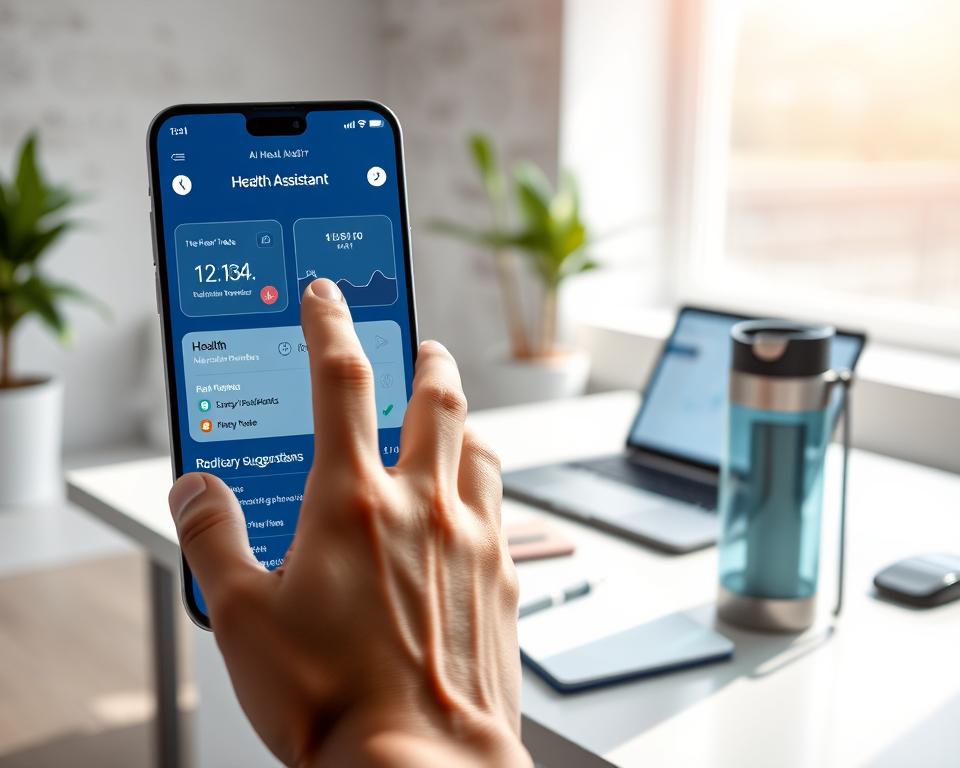
AI health assistant apps have many uses that change healthcare for the better. They make healthcare better in many ways.
Chronic Disease Management and Monitoring
AI health apps help a lot with chronic diseases like diabetes and heart disease. They track your health and remind you to take your medicine. They also give tips for a healthier lifestyle.
Thanks to AI-driven analytics, doctors can spot problems early. They can then act fast to help you.
Mental Health Support and Wellness Tracking
Mental health is also a big area where AI apps help. They track your mood and teach you to handle stress. They even offer therapy to help with anxiety and depression.
With personalized mental health support, AI apps make it easier to manage your mental health.
Telemedicine and Remote Virtual Consultations
Telemedicine has become very popular, especially since COVID-19. AI health apps make it easy to have doctor visits from home. This makes healthcare more accessible and eases the load on hospitals.
AI health apps are changing healthcare. They make it more patient-centric and efficient.
Selecting the Optimal Technology Stack
Creating AI health assistant apps needs a good technology stack. The right stack affects how well the app works, grows, and feels to users. A great stack lets the app handle health data well, give accurate info, and keep data safe.
Programming Languages and Development Frameworks
Choosing programming languages and frameworks is key. For AI health apps, Python and Java are top picks because they support AI well. React Native and Flutter are great for making apps that work on many devices.

AI and Machine Learning Platform Selection
Picking the right AI and machine learning platforms is important. TensorFlow and PyTorch are favorites for building AI models. They help with tasks like predicting health, understanding language, and recognizing images.
Database and Cloud Storage Solutions
Good database and cloud storage are essential for handling health data. Cloud-based storage like AWS and Google Cloud is scalable and safe. For databases, MongoDB and MySQL are top choices for their data handling and safety.
Investment and Cost Considerations for Development
Creating an AI health assistant app is a big job that needs a lot of money and smart planning. The cost to make a full AI health assistant app is high. It includes things like the team, training the AI, and keeping the app up to date.
Development Team Structure and Project Timeline
The team working on the app is key to the cost. A team usually has managers, designers, developers, and testers. The time it takes to finish the app also affects the cost. A good plan can help save money by using resources wisely.
| Team Member | Role | Cost Impact |
|---|---|---|
| Project Manager | Oversees project planning and execution | Medium |
| UI/UX Designer | Creates user interface and experience | Medium |
| Developers | Develops the app’s features and functionalities | High |
| QA Engineers | Tests the app for bugs and performance issues | Medium |
AI Model Training and Healthcare Data Acquisition
Training the AI is a big part of making a good AI health assistant app. It needs a lot of good health data, which can be expensive. The cost depends on the data quality and the AI model’s complexity.
Ongoing Maintenance and Feature Updates
Keeping the app up to date is important. It means fixing bugs, adding new features, and following new rules. A good plan for updates can help manage costs and keep the app successful.
Overcoming Development Challenges in AI Healthcare Apps
Creating AI health assistant apps comes with many hurdles. These include issues with data quality and integrating with current healthcare systems. As more people want these apps, it’s key to tackle these problems head-on for success.
Ensuring Data Quality and Availability
For AI models in healthcare apps to be accurate, they need high-quality, varied data. Ensuring this data is reliable involves strict validation and following healthcare laws.
Also, getting access to enough healthcare data can be tough. This is because of privacy worries and strict rules.
Building User Trust and Encouraging Adoption
Getting users to trust AI health apps is vital. This means clearly explaining what the app can and can’t do. It also means keeping user data safe and private.
Teaching users about the app and listening to their feedback can build trust. It also encourages them to keep using the app.
Integration with Legacy Healthcare Systems
Linking AI health apps with old healthcare systems is a big challenge. It needs to work with different data types and follow healthcare rules.
Doing this well makes the app more useful. It gives users a better healthcare experience.
| Challenge | Potential Solution |
|---|---|
| Data Quality Issues | Implement robust data validation and cleansing processes |
| User Trust Concerns | Enhance transparency and security measures |
| Legacy System Integration | Develop compatible APIs and adhere to healthcare standards |
Emerging Trends in AI Healthcare Technology
AI healthcare technology is on the verge of a big change. Trends like AI-driven preventive care and personalized medicine are leading the way. The healthcare world is changing fast, thanks to AI. Now, healthcare services are more efficient, tailored, and easy to get.
AI is teaming up with genomics and voice recognition to create new healthcare ideas. These new ideas are not just better for patients. They also make healthcare work smoother.
Genomics-Based Personalization and Precision Medicine
Genomics-based personalization is changing healthcare. It lets doctors create treatment plans that fit each person’s genes. This approach, called precision medicine, helps prevent and treat diseases better.
Key Benefits:
- Personalized treatment plans
- Enhanced disease prevention
- More effective treatment outcomes
Voice-Activated Health Assistants and Conversational AI
Voice-activated health assistants are getting more popular. They make it easier for patients to manage their health. Conversational AI helps by giving patients quick support and advice.
Using voice-activated assistants in healthcare helps patients stick to their treatment plans. It also makes their experience better.
AI-Driven Preventive Care and Early Detection
AI-driven preventive care is a big deal in healthcare tech. It helps find health problems early. AI looks at big data to spot signs of disease before they start.
| Trend | Description | Benefits |
|---|---|---|
| Genomics-Based Personalization | Tailored treatment based on genetic makeup | Effective disease prevention and treatment |
| Voice-Activated Assistants | Intuitive health management through voice commands | Improved patient compliance and experience |
| AI-Driven Preventive Care | Early detection through data analysis | Reduced healthcare costs and improved outcomes |
In conclusion, AI healthcare technology is set to change the industry a lot. With these new tools, healthcare providers can give better, more personal care.
Conclusion
AI health assistant apps are changing healthcare by making it more personal and easy to access. These apps use advanced AI like natural language processing and machine learning. They help patients get involved and make healthcare more efficient.
Creating these apps involves several important steps. First, you gather needs and then test and ensure quality. It’s also key to follow rules, keep data safe, and work well with current healthcare systems.
New trends like using genomics and voice commands will shape AI health apps. By focusing on what users need, developers can make big differences. This leads to better health outcomes and a more efficient healthcare system.
The future of healthcare looks bright with AI health apps leading the way. Their growth and innovation will be crucial in changing how we get healthcare.