





Cloud computing has changed how businesses work. Software as a Service (SaaS) is now a top way to offer software online.
The core of SaaS is its architecture. It mainly comes in two types: multi-tenant and single-tenant. Knowing the difference between these is key for businesses to choose the right software setup.
Choosing between multi-tenant and single-tenant SaaS architecture depends on several things. These include how well it scales, its security, and how customizable it is.
Table of Contents
Key Takeaways
- Understanding the basics of SaaS architecture is essential for businesses.
- Multi-tenant and single-tenant models have different advantages and disadvantages.
- The choice of SaaS architecture depends on business requirements.
- Scalability, security, and customization are key factors to consider.
- Cloud computing plays a vital role in SaaS architecture.
Understanding SaaS Architecture Fundamentals
SaaS architecture is all about providing software over the internet. It’s scalable and on-demand. This is key for businesses wanting to use cloud computing for better flexibility and growth.
Definition and Core Components of SaaS
SaaS, or Software as a Service, offers software over the internet. It has two main parts: multi-tenancy and scalability. Multi-tenancy means one software instance serves many clients. Scalability lets the app grow without losing speed.
Evolution of SaaS Architecture Models
SaaS architecture has changed a lot over time. It moved from old, big structures to new, microservices-based ones. This change is for more flexibility, quicker setup, and better growth. Today’s SaaS uses containerization and orchestration to handle complex apps well.
Key Business Drivers Behind Architecture Choices
Businesses pick their SaaS architecture for several reasons. These include:
- Scalability needs
- Customization wants
- Security and rules
- Costs
Knowing these reasons helps pick the right architecture. It supports the company’s goals and needs.
SaaS Architecture Explained: Multi-Tenant vs Single-Tenant
It’s important for businesses to know the difference between multi-tenant and single-tenant SaaS architectures. These choices affect how scalable and secure a software solution can be. Factors like customization, security, and growth plans play a big role.
Basic Architectural Differences
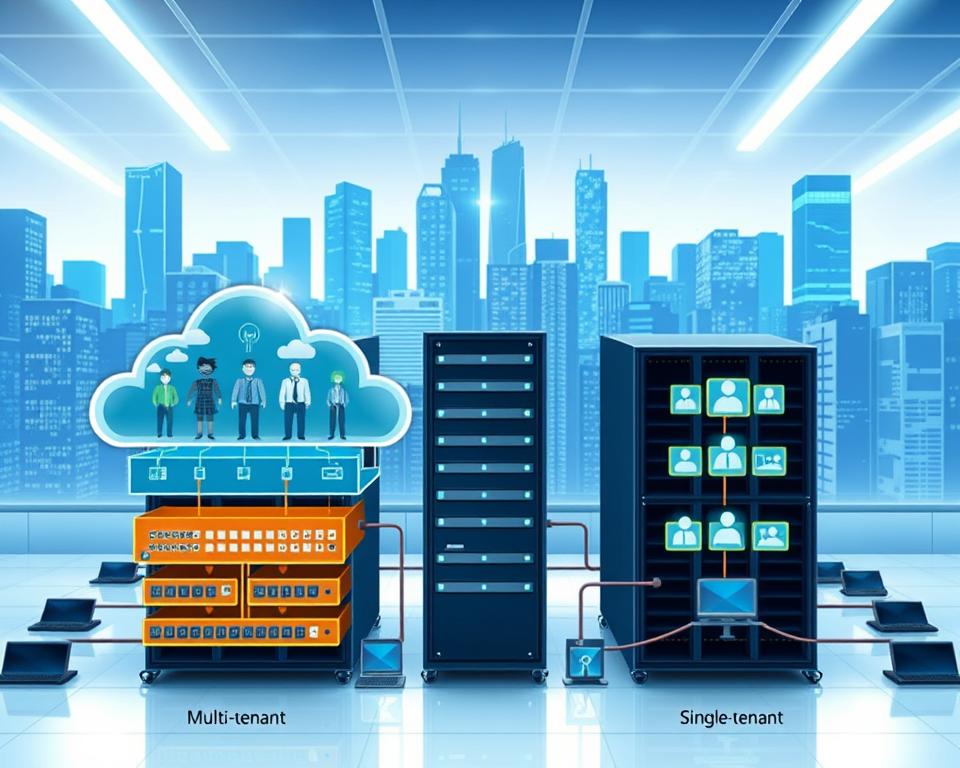
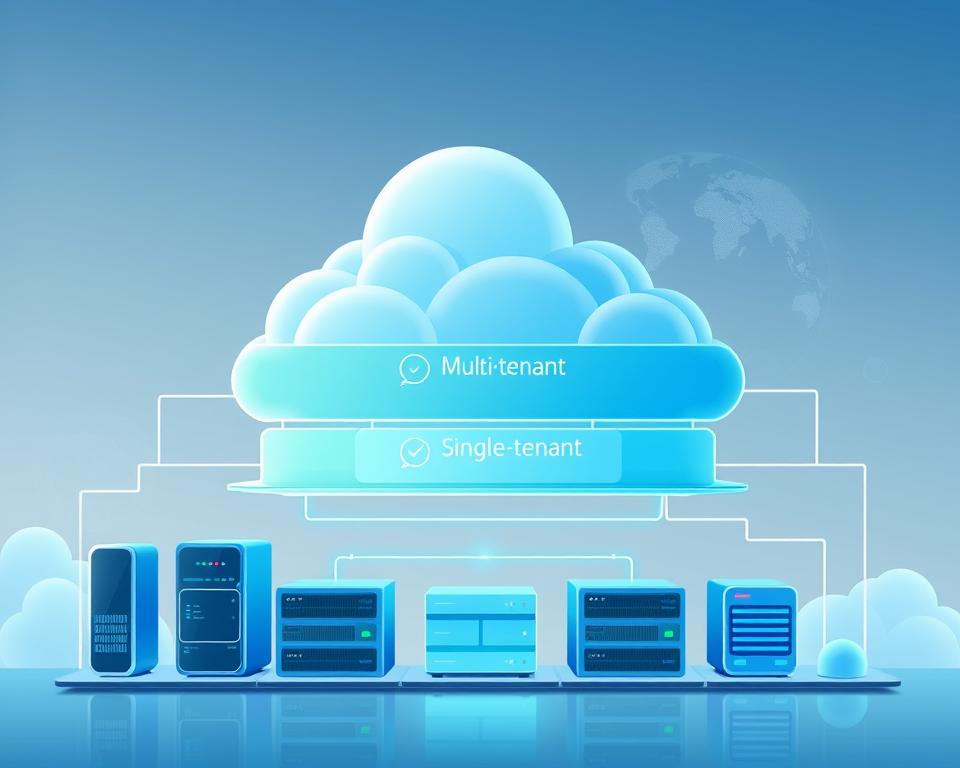
The main difference is how resources are shared. In a multi-tenant setup, one software instance serves many users. Each user’s data and settings are kept separate.
On the other hand, a single-tenant setup gives each user their own software instance. This means a more private space for each user.
Resource Sharing Principles
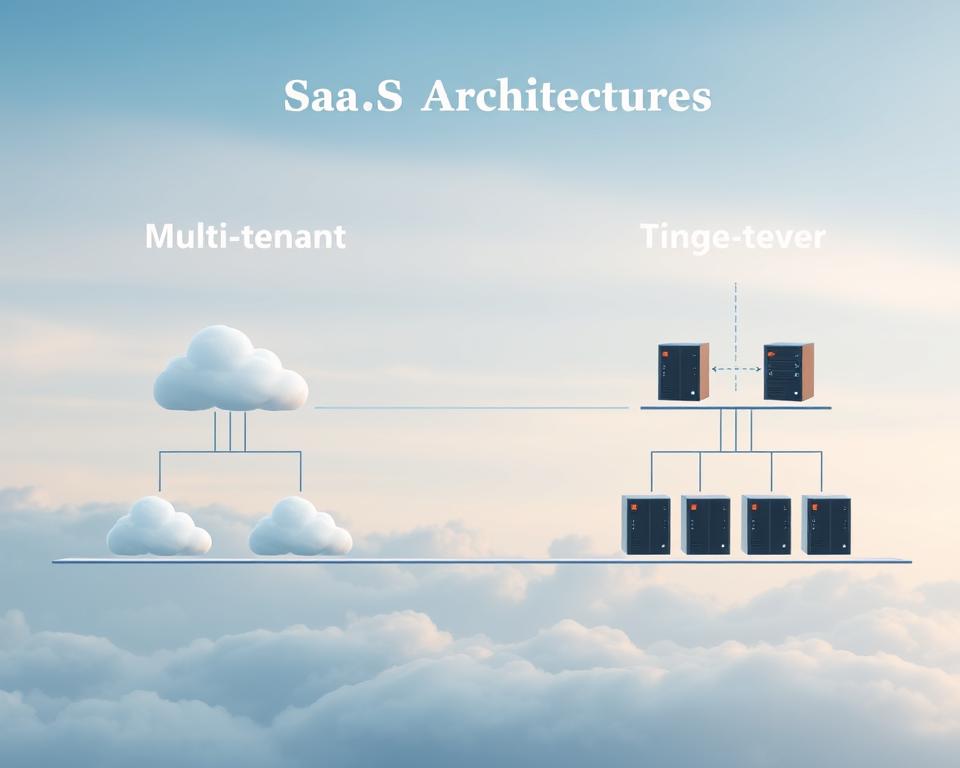
Resource sharing is a key difference. In multi-tenant systems, resources like infrastructure and data storage are shared. This makes things cheaper and easier to manage.
Single-tenant systems, however, give each user their own resources. This can be more expensive but offers more control.
Tenant Isolation Approaches
Keeping data safe and private is crucial. Multi-tenant systems use advanced data separation and strong security to do this.
Single-tenant systems, being dedicated to each user, naturally isolate data. This makes them more secure by default.
Deep Dive into Multi-Tenant Architecture
In the world of SaaS, multi-tenant architecture is a top choice for efficiency and scalability. It lets many customers, or tenants, use the same app instance. Each tenant’s data stays separate from others.
How Multi-Tenancy Works
Multi-tenancy uses one app instance for many tenants. It gives each tenant a unique experience, even though they share the same infrastructure. Tenant identifiers are key to keeping data separate for each tenant.
Database and Application Layer Organization
The database layer in multi-tenant architecture can be set up in different ways. One common method is a shared database with tenant identifiers. Here, one database holds data for all tenants, with unique identifiers for each tenant’s data.

Resource Allocation in Multi-Tenant Systems
Resource allocation is key in multi-tenant systems. It ensures each tenant gets the resources they need without affecting others.
Shared Database with Tenant Identifiers
This method uses one database for all tenants, with data split by tenant identifiers. It’s cost-effective but needs strong data isolation.
Shared Schema vs Separate Schema Approaches
There are two main ways to organize a database in multi-tenancy. The shared schema method means all tenants use the same database structure. The separate schema method gives each tenant their own schema in the shared database. The choice depends on how much customization is needed and how complex managing multiple schemas is.
Deep Dive into Single-Tenant Architecture
The single-tenant model means each customer gets their own instance of the app and its infrastructure. This ensures they have their own space and can customize it as they like.
How Single-Tenancy Works
In single-tenant architecture, every customer has their own version of the software. It runs on resources that are just for them, not shared with others.
Dedicated Resources are key in single-tenancy. They give each tenant their own private area.
Dedicated Resources and Infrastructure
Single-tenancy uses special infrastructure for each customer. This includes servers, storage, and network resources that are all their own.
Isolation Principles in Single-Tenant Systems
Isolation is very important in single-tenant systems. It’s achieved through dedicated databases and special ways to keep applications separate.
Dedicated Database Instances
Each customer has their own database. This means their data is safe from others.
Application Isolation Strategies
To keep applications separate, single-tenant systems use virtualization or containerization. This way, each tenant’s app runs in its own space.
| Feature | Single-Tenant Architecture | Multi-Tenant Architecture |
|---|---|---|
| Resource Sharing | Dedicated resources for each tenant | Resources shared among tenants |
| Data Isolation | High isolation through dedicated database instances | Data shared in a common database, with logical isolation |
| Customization | Highly customizable due to dedicated infrastructure | Limited customization to maintain multi-tenancy efficiency |

Security Considerations in Multi-Tenant SaaS
Multi-tenant SaaS is becoming more popular. But, it’s important to keep shared environments safe. With many tenants using the same setup, the risk of data breaches and unauthorized access grows. So, strong security steps are key.
Data Isolation Challenges
Keeping each tenant’s data separate is a big challenge in multi-tenant SaaS. Effective data isolation needs smart database designs and strict access rules.
Security Measures for Tenant Separation
To keep tenants separate, SaaS providers use encryption, access controls, and security checks. These steps help stop unauthorized access and data breaches.

Compliance Capabilities in Shared Environments
Multi-tenant SaaS must follow rules like GDPR and HIPAA. To meet these needs, providers have to have strong data protection plans and do regular checks.
Encryption Strategies for Multi-Tenant Data
Encryption is vital for multi-tenant security. It keeps data safe when it’s moving and when it’s stored. Advanced encryption strategies are needed to keep multi-tenant data safe and sound.
In summary, keeping multi-tenant SaaS safe needs a full plan. This includes data isolation, keeping tenants separate, following rules, and using strong encryption.
Security Advantages of Single-Tenant SaaS
Single-tenant SaaS offers strong security benefits for companies needing tight data protection. It’s great for businesses with sensitive info needing extra security.
Enhanced Data Isolation
Single-tenant SaaS gives better data isolation. Each tenant gets its own infrastructure. This means data stays separate from others, lowering breach risks.
Data isolation is key for keeping confidential info safe. It stops unauthorized access and keeps data integrity.
Customized Security Implementations
Single-tenant SaaS lets you set up customized security for each company. This means adding extra security like advanced encryption and special access controls.
Compliance Benefits for Regulated Industries
For companies in regulated fields, single-tenant SaaS has big compliance benefits. It helps meet strict rules by offering a controlled, isolated data space.
Audit and Verification Capabilities
The single-tenant model makes audit and verification easier. It offers a clear, isolated space. This makes it simpler to show you follow rules and best practices.

In summary, single-tenant SaaS is secure. It offers better data isolation, custom security, and helps with compliance. These benefits make it a good choice for companies needing strong security and following strict rules.
Scalability Comparison Between Models
As SaaS applications grow, it’s important to know the differences in scalability between multi-tenant and single-tenant models. Scalability isn’t just about handling more load. It’s also about doing it efficiently and without breaking the bank.
Scaling Multi-Tenant Applications
Multi-tenant apps scale horizontally. This means providers can add more resources as needed to serve more customers. This is a big plus of the multi-tenant model. It lets providers handle more demand without changing the app’s architecture too much.
Scaling Challenges in Single-Tenant Environments
Single-tenant environments offer more control and customization but come with scaling challenges. Each tenant’s instance must be scaled individually. This can make things more complex and costly. But, it also means you can control resources better, which might improve performance.
Resource Optimization Strategies
Both multi-tenant and single-tenant SaaS models need effective resource optimization. One strategy is load balancing. This spreads incoming traffic across multiple resources to keep things running smoothly and reliably.
Load Balancing Considerations
Load balancing is key to scalability in both models. It prevents any one resource from getting too busy. In multi-tenant setups, it spreads the load across shared resources. In single-tenant setups, it’s used for dedicated resources.

Understanding these scalability differences is crucial for picking the right SaaS architecture for your business. Whether you need the flexibility of multi-tenancy or the control of single-tenancy, scalability is a major factor in your decision.
Cost Implications of Architecture Choices
SaaS architecture choices are influenced by cost considerations. These include development, maintenance, and operational expenses. The decision between multi-tenant and single-tenant architectures greatly affects these costs.
Development and Maintenance Costs
Multi-tenant SaaS apps have lower development costs because they share costs among tenants. Single-tenant apps, however, need dedicated resources, raising development costs. Maintenance costs also differ; multi-tenant apps have lower costs because they use one codebase for all tenants.
Infrastructure and Operational Expenses
Infrastructure costs, like server and storage, are lower for multi-tenant SaaS due to shared resources. Operational expenses, such as monitoring and support, are also optimized in multi-tenant setups.
Long-term ROI Considerations
When looking at SaaS architecture ROI, businesses must weigh short-term costs against long-term benefits. Multi-tenant SaaS often has a higher ROI due to lower operational costs. Single-tenant SaaS, however, may offer better ROI for businesses with unique, high-value needs.
Cost Allocation and Tenant Billing Models
Effective cost allocation and tenant billing models are key for SaaS providers. Common models include per-user pricing, tiered pricing, and usage-based billing. The billing model chosen can greatly affect revenue and customer satisfaction.
| Cost Component | Multi-Tenant SaaS | Single-Tenant SaaS |
|---|---|---|
| Development Costs | Lower | Higher |
| Maintenance Costs | Lower | Higher |
| Infrastructure Costs | Lower | Higher |
| Operational Expenses | Optimized | Dedicated |
Performance Factors in Multi-Tenant vs Single-Tenant
When we look at SaaS architectures, performance is key. It helps us see how well multi-tenant and single-tenant models work. The choice between them affects how resources are used and managed.
Resource Contention in Multi-Tenant Systems
In multi-tenant setups, resource contention is a big deal. Many tenants sharing resources can cause fights for CPU, memory, and database spots. To solve this, tenant isolation and resource pooling are must-haves.

Performance Predictability in Single-Tenant Systems
Single-tenant systems are known for their performance predictability. Each tenant gets their own resources, so one tenant’s performance doesn’t mess with another’s. But, this means spending more on infrastructure.
Optimization Techniques for Each Model
Both multi-tenant and single-tenant setups need special optimization techniques. For multi-tenant, it’s all about better database queries and caching. Single-tenant systems can get a boost from custom infrastructure setups.
Caching Strategies for Improved Performance
Caching strategies are essential for better performance in both types. Using content caching, query caching, and application-level caching can cut down on wait times. By smart caching, SaaS providers can make their apps faster and more reliable for users.
Customization and Flexibility Comparison
Choosing between multi-tenant and single-tenant SaaS models depends on customization and flexibility needs. The level of customization a business needs can greatly affect its SaaS choice.
Customization Limitations in Multi-Tenant Systems
Multi-tenant SaaS models serve many customers from one software instance. This limits customization for each user. While some configuration options are available, deep code-level customizations are often restricted to keep the shared environment stable.
Customization Freedom in Single-Tenant Environments
Single-tenant environments offer more flexibility and customization. Each tenant has its own software instance. This means businesses can make extensive customizations, including code changes, without impacting others.
Balancing Standardization and Customization
Finding the right balance between standardization and customization is key. Customization meets specific needs, but too much can increase costs and complexity.
Configuration vs Code-Level Customization
It’s important to know the difference between configuration options and code-level customizations. Configuration is supported in both models, but code-level changes are deeper and harder to maintain. Businesses must consider their needs and resources when choosing.
In conclusion, deciding between multi-tenant and single-tenant SaaS models depends on a detailed analysis of customization needs. It’s about finding the right balance between flexibility, cost, and maintainability.
Maintenance and Updates Management
Keeping SaaS apps running smoothly is key. As they grow, handling updates well is vital for their success.
Update Rollout in Multi-Tenant Environments
Updating in multi-tenant setups is tricky. Careful planning is needed to avoid service issues. Canary releases and blue-green deployments help manage these risks.
Versioning Challenges in Single-Tenant Deployments
Single-tenant setups have their own versioning hurdles. Each tenant might use a different app version. Robust versioning strategies are needed to keep everything running smoothly.
Downtime and Maintenance Window Considerations
Reducing downtime is crucial for all SaaS apps. Scheduling maintenance during quiet times helps. Zero-downtime deployment techniques are also useful. Telling users about planned maintenance is a good idea too.
Automated Deployment Pipelines
Automated deployment pipelines are gaining traction. They automate testing and deployment, cutting down on errors. This makes updates more reliable and frequent, improving service quality.
Data Management and Privacy Considerations
SaaS providers must focus on data management and privacy to keep trust and follow rules. Good data management keeps data safe, available, and private.
Data Segregation Approaches
Data segregation is key in multi-tenant SaaS setups. Providers use different methods to keep tenant data safe and separate. These include:
- Database-level segregation, where each tenant’s data is in its own database schema or table.
- Application-level segregation, where the app logic keeps tenant data safe in a shared database.
- File-level segregation, where tenant data is in its own file system or storage bucket.
Privacy Regulations Compliance
Following privacy rules like GDPR, CCPA, and HIPAA is vital for SaaS providers. They must take steps such as:
| Regulation | Key Requirements |
|---|---|
| GDPR | Data subject rights, data minimization, and data protection by design. |
| CCPA | Consumer rights, data disclosure needs, and opt-out options. |
| HIPAA | Handling protected health information (PHI) safely and securely. |
Data Sovereignty Challenges
Data sovereignty means data follows the laws of where it’s stored. SaaS providers face hurdles in managing data across regions and meeting different data sovereignty rules.
Cross-Border Data Transfer Implications
Cross-border data transfers are common in SaaS. But, they raise big privacy and compliance issues. Providers must make sure data transfers follow rules like GDPR’s Schrems II ruling on international data moves.
In summary, data management and privacy are key for SaaS providers. By tackling data segregation, privacy rules, and data sovereignty challenges, providers can create a safe and compliant SaaS environment.
Vendor Lock-in and Portability Factors
The choice between multi-tenant and single-tenant SaaS models affects vendor lock-in and portability. Vendor lock-in happens when a customer can’t easily switch vendors without big costs or trouble.
Migration Challenges Between Architecture Models
Moving between SaaS models is hard, with issues like data migration and downtime. Companies need to plan and execute migrations carefully to avoid big problems.
- Checking if the new model fits with what they already have
- Looking at the total cost of moving, including downtime and data transfer
- Making sure the move doesn’t mess up their business
Data Portability Considerations
Data portability is key to avoiding vendor lock-in. It means being able to move data from one SaaS app to another. This needs standard data formats and APIs.
Exit Strategy Planning
Having a solid exit strategy helps avoid vendor lock-in risks. It’s about planning for getting data out, moving apps, and maybe even starting over.
- Figuring out when to leave, like when a contract ends or service levels drop
- Creating a detailed plan, including when and how to do it
- Keeping the exit plan up to date with business changes
Real-World Use Cases for Multi-Tenant SaaS
Multi-tenant SaaS is changing how companies run their operations. It offers a flexible and efficient way to manage software, unlike traditional models. This approach has been adopted in many industries, bringing benefits to businesses.
Industries Benefiting from Multi-Tenancy
Many industries have seen big advantages from multi-tenant SaaS. These include:
- Finance and Banking: Multi-tenant SaaS helps financial institutions manage customer data, transactions, and compliance efficiently.
- Healthcare: Healthcare providers use multi-tenant SaaS for patient management, data analysis, and telemedicine services.
- E-commerce: E-commerce businesses use multi-tenant SaaS for inventory management, order processing, and customer relationship management.
Success Stories and Implementation Examples
Many well-known companies have successfully used multi-tenant SaaS. For example, Salesforce uses this architecture to provide customer relationship management services to many businesses worldwide. Another example is Microsoft Office 365, which offers a range of productivity tools to its users through a multi-tenant model.
Lessons Learned from Multi-Tenant Deployments
While multi-tenant SaaS has many benefits, there are challenges too. Important lessons include the need for strong data isolation, scalable infrastructure, and customizable solutions. By understanding these, businesses can make the most of multi-tenant SaaS and see a good return on investment.
Real-World Use Cases for Single-Tenant SaaS
Single-tenant SaaS is becoming more popular, especially in areas needing strong data protection. This setup is chosen for its security, customization, and meeting strict rules.
Industries Requiring Single-Tenancy
Some industries prefer single-tenant SaaS for their unique needs. These include:
- Healthcare: Healthcare needs to keep patient data safe and follow strict rules like HIPAA. Single-tenant SaaS helps with this.
- Financial Services: Banks and financial companies need strong security to protect customer data. Single-tenant SaaS meets these needs.
- Government: Government agencies deal with sensitive info. Single-tenant SaaS offers the security they need.
Success Stories and Implementation Examples
Many companies have found success with single-tenant SaaS. For example, a big healthcare provider used it to keep patient records safe. This helped them follow important healthcare rules.
A financial services company also chose single-tenant SaaS for their CRM system. It improved their data security and allowed for more customization.
Lessons Learned from Single-Tenant Deployments
Companies have learned a lot from using single-tenant SaaS. Key points include:
- The value of thorough planning to make sure the solution fits their security and rule needs.
- The need for robust vendor assessment to pick a SaaS provider that offers the right service and security.
- Continuous monitoring and upkeep to keep the SaaS solution secure and running well.
Understanding these points helps businesses handle single-tenant SaaS better. They can then use its benefits to their advantage.
Future Trends in SaaS Architecture
The world of SaaS architecture is changing fast. New trends and tech are leading the way. As SaaS grows, we see new developments that will shape its future.
Emerging Architectural Patterns
New patterns are coming to meet SaaS needs. Event-driven architecture is one, making systems more flexible and scalable. It helps SaaS providers react quickly to changes, making systems more responsive.
Serverless computing is another trend. It lets developers focus on code, not infrastructure. More SaaS companies will use it to save money and work more efficiently.
Impact of Containerization and Microservices
Containerization and microservices are changing SaaS architecture. Containerization packages apps with their needs, making them consistent. This means faster setup and better use of resources.
Microservices architecture breaks apps into smaller parts. This makes development, testing, and deployment easier. It also helps isolate problems better.
AI and Machine Learning Influences on SaaS Architecture
AI and ML are making SaaS smarter and more adaptable. SaaS companies use them for predictive analytics, personalized experiences, and automated decisions.
AI chatbots are now common, offering quick support and better customer satisfaction. ML helps find problems before they happen, cutting downtime.
AI and ML will keep shaping SaaS. They will make apps more advanced and responsive.
Conclusion
Choosing between multi-tenant and single-tenant SaaS architectures depends on several factors. These include scalability needs, security requirements, and customization demands. We’ve looked into the basics of SaaS architecture and the differences between these two models.
A summary of multi-tenant vs single-tenant shows their pros and cons. Multi-tenancy is cost-effective and uses resources well. On the other hand, single-tenancy offers better security and customization. Knowing these differences helps businesses make smart choices for their SaaS setup.
The SaaS world is changing with new trends like containerization, microservices, and AI. These trends will influence SaaS architecture in the future. By understanding the strengths and weaknesses of each model, businesses can pick the best one for their needs. This choice is key to success in the competitive SaaS market.


