





Today, logistics companies need smart tech to stay ahead. As a full-cycle fleet management app company, we tackle real-world problems for our clients.
The market for digital tools is booming. It’s expected to hit over $70 billion by 2030. This shows how crucial these systems are for success.
Businesses use telematics to track their assets and improve routes. This real-time vehicle monitoring cuts down on fuel costs and keeps drivers safe all day.
Investing in a custom platform gives you better data control and transparency. Our top-notch software development turns complex data into clear insights for your fleet management needs.
Table of Contents
Key Takeaways
- Instantly track asset locations across the country.
- Lower fuel consumption through smart route optimization.
- Increase driver safety with automated alert systems.
- Scale your operations as the global market expands.
- Transform raw data into useful business intelligence.
- Improve customer satisfaction with accurate arrival times.
Understanding Real-Time Vehicle Monitoring Systems
For businesses that use fleets, knowing about real-time vehicle monitoring is key. Fleet operations face challenges when data is scattered. This leads to the use of fleet telematics to gather daily data in one place.
Real-time monitoring is now crucial for fleet management. It lets companies track their vehicles, see their status, and plan better routes instantly.
What is Real-Time Vehicle Monitoring
Real-time vehicle monitoring uses GPS, telematics, and IoT devices to track vehicles live. It gives fleet managers a full view of their fleet’s performance. This helps them make better decisions and boost efficiency.
The use of IoT vehicle tracking software has made these systems even better. Now, businesses can use data analytics and machine learning to fine-tune their fleet operations.
Evolution of Vehicle Tracking Technology
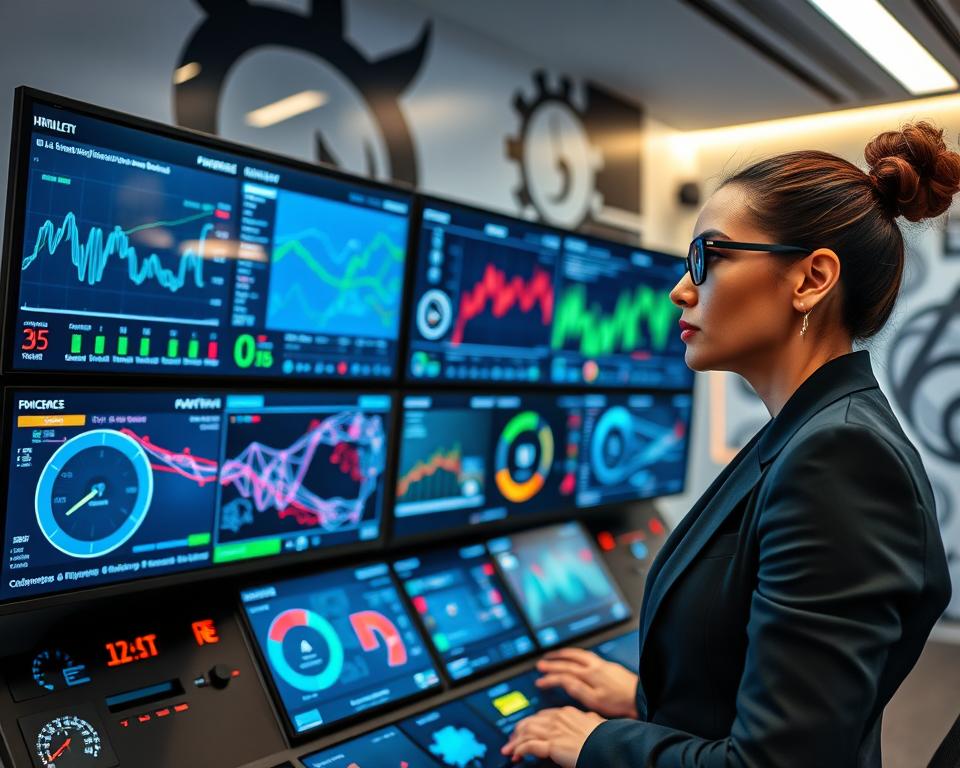
Vehicle tracking tech has changed a lot over time. From simple GPS to advanced telematics, the systems have grown. Today, they offer vehicle diagnostics, driver behavior analysis, and route optimization.
| Feature | Early Systems | Modern Systems |
|---|---|---|
| Location Tracking | Basic GPS | Advanced GPS with telematics |
| Vehicle Diagnostics | Limited or none | Comprehensive diagnostics |
| Driver Behavior Analysis | Not available | Detailed analysis |
Market Demand and Industry Growth
The need for real-time monitoring is growing. Businesses want better fleet efficiency, lower costs, and happier customers. The market is set to expand as more companies use telematics and IoT in transport and logistics.
The market’s growth is also fueled by the need to stay competitive and meet new rules. Companies are investing in real-time monitoring to improve their fleets and stay ahead.
Core Components of Real-Time Vehicle Monitoring Platform Development
Building a real-time vehicle monitoring platform needs several key parts. These parts work together to manage fleets well. They use data from vehicles to keep fleets running smoothly.
The main parts are GPS and telematics hardware, sensors and IoT devices, communication systems, and cloud data processing. These are key for a platform to work well.
GPS and Telematics Hardware
GPS hardware is key for tracking vehicles. It gives exact location data. Telematics hardware does more, like checking vehicle health and driver habits. Together, they give fleet managers a full view of their fleet.
Data Collection Sensors and IoT Devices
Data sensors and IoT devices are important for getting detailed info on vehicles. They track things like fuel use, engine health, and driver habits. This info helps improve fleet performance. For more on IoT in vehicle tracking, check out IoT Vehicle Tracking App Development.
Communication Infrastructure
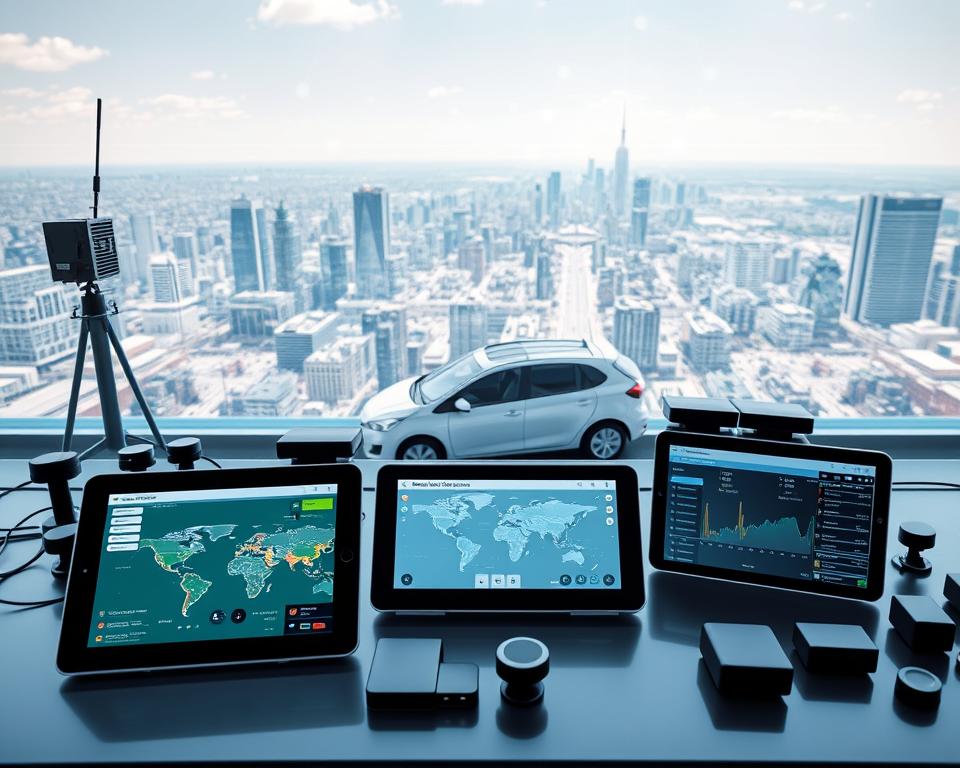
Good communication infrastructure is key for sending data in real-time. It includes cell networks, satellite comms, and wireless tech. These ensure data gets to the right place fast and reliably.
Cloud-Based Data Processing Systems
Cloud-based data processing systems are vital for handling big data from vehicles. They offer space and power to process data fast. This helps make quick, smart decisions.
With these parts, real-time vehicle monitoring platforms can give a complete view of fleet operations. This boosts efficiency, safety, and productivity.
Essential Features for Modern Vehicle Monitoring Platforms
Modern vehicle monitoring platforms need key features for fleet operators. These features boost efficiency, safety, and cut costs.
Live Location Tracking and Geofencing
Live location tracking lets fleet managers see where their vehicles are in real-time. This is key for logistics and delivery, where being on time matters. Geofencing adds a layer by setting virtual boundaries. When a vehicle goes in or out, it sends alerts for better management.
UPS uses geofencing to better its delivery routes and please customers. By keeping drivers in certain areas, UPS keeps its service top-notch.
- Real-time GPS tracking for accurate location monitoring
- Customizable geofences for enhanced security and operational control
- Automated alerts for entry and exit from designated areas
Vehicle Diagnostics and Health Monitoring
Platforms also track vehicle health and predict issues. They watch engine performance, fuel, and tire pressure. This lets managers plan maintenance, cutting downtime and vehicle wear.
A study by Next Big Technology shows the value of advanced diagnostics in fleet management. It boosts efficiency and cuts costs.

Driver Behavior Analytics
Driver behavior analytics examines how drivers act. It looks at speeding, braking, and acceleration. This helps managers spot and fix bad habits, making driving safer and vehicles last longer.
“The key to improving driver behavior lies in data-driven insights that help fleet managers make informed decisions.”
Route Optimization and Navigation
Route optimization and navigation features are crucial. They make sure vehicles take the best routes, saving fuel and emissions. They use real-time traffic and road info to adjust routes.
Companies like TomTom offer solutions that cut travel times and improve delivery schedules.
- Real-time traffic updates for dynamic route adjustment
- Advanced algorithms for optimizing routes based on various factors
- Integration with existing navigation systems for seamless operation
Technology Stack for Platform Development
A good technology stack is key for a real-time vehicle monitoring platform’s success. It includes frontend tech, backend setup, API links, and mobile app making. Each part is vital for a complete and efficient vehicle monitoring solution.
Frontend Technologies and User Interface Design
The frontend shows data to users in a way that’s easy to use. Modern frontend technologies like React, Angular, and Vue.js help make user interfaces that work well on all devices. These tools help build complex UI parts and ensure a smooth user experience.
Good design is essential for easy navigation and quick access to vehicle data. It’s about making clear and concise visualizations of vehicle data, like maps and charts, so users can understand their vehicle’s status quickly.
Backend Infrastructure and Database Solutions
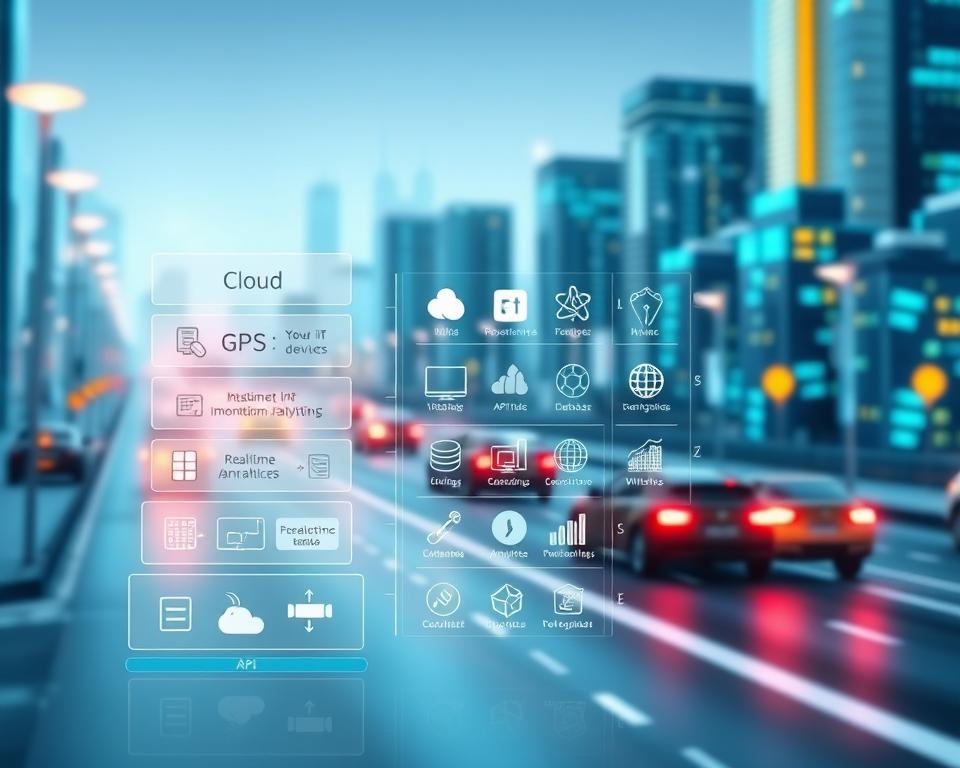
The backend is the core of a real-time vehicle monitoring platform. It handles big data from GPS and sensors. A strong backend must process and analyze data fast to give timely insights and alerts.
Cloud-based solutions like AWS and Azure provide scalable and reliable backend setups. They offer computing power, storage, and database management for large vehicle monitoring apps.
Database solutions are crucial for managing the huge data from vehicle monitoring systems. NoSQL databases like MongoDB and Cassandra are great for handling diverse and fast-changing data streams.
API Integration and Microservices Architecture
API integration is key for communication between platform parts and outside systems. A well-designed API makes data exchange smooth between the frontend and backend, and with third-party services.
Using a microservices architecture boosts the platform’s scalability and flexibility. It breaks the app into smaller services, making updates and maintenance easier without affecting the whole system.
Mobile Application Development
Mobile apps are important for real-time vehicle monitoring platforms. Mobile apps let users get critical info and alerts on their devices, helping them respond to vehicle events quickly.
Frameworks like React Native or Flutter make app development easier. They allow creating apps for both iOS and Android at the same time.
Data Architecture and Management Strategies
A strong data architecture is key for any real-time vehicle monitoring platform. It makes it easy to collect, process, and analyze data. Telematics systems gather data on costs, risks, and asset health, helping make smart decisions.
Driver behavior metrics, like speeding and harsh events, show how drivers behave. This helps improve safety and performance. Good data management is vital for dealing with all the data these systems produce.
Real-Time Data Streaming and Processing
Real-time data streaming and processing are crucial for a real-time vehicle monitoring platform. They handle data from GPS, sensors, and IoT devices quickly and efficiently.
Key benefits of real-time data streaming and processing include:
- Instant insights into vehicle and driver performance
- Better decision-making
- Quicker responses to incidents or anomalies

Big Data Storage Solutions
Big data storage solutions manage the huge amounts of data from telematics systems. They offer a scalable and flexible way to store and manage data.
Some popular big data storage solutions include:
- NoSQL databases like MongoDB and Cassandra
- Distributed file systems like Hadoop Distributed File System (HDFS)
- Cloud-based storage like Amazon S3 and Google Cloud Storage
Data Analytics and Visualization Tools
Data analytics and visualization tools are vital for making sense of the data from telematics systems. They offer an easy-to-use interface for analyzing and displaying data.
Key features of data analytics and visualization tools include:
- Data mining and predictive analytics
- Data visualization through charts, graphs, and dashboards
- Reporting and alerting capabilities
Tools like Tableau, Power BI, and D3.js are popular for this purpose.
Security and Compliance Considerations
Security and compliance are key in the world of real-time vehicle monitoring. As the field grows, keeping data safe and secure is more important than ever.
Data Encryption and Privacy Protection
Data encryption is vital for keeping information safe. End-to-end encryption protects data from start to finish. This is especially important for sensitive info like where a vehicle is, who’s driving, and what’s in the cargo.
Protecting privacy is also crucial. Real-time monitoring systems handle personal data. Companies must follow rules like GDPR and CCPA to keep this data safe.
Cybersecurity Measures for Connected Vehicles
Cybersecurity is a big worry as cars get more connected. Potential vulnerabilities can let bad actors in, risking safety. It’s important to have strong cybersecurity, like intrusion detection and secure updates.
Regulatory Compliance and Industry Standards
Real-time monitoring systems must follow many rules and standards. For example, the FMCSA requires ELDs for some commercial vehicles. Following these rules helps avoid legal trouble and makes things run smoother.
| Regulation/Standard | Description | Impact on Vehicle Monitoring |
|---|---|---|
| FMCSA ELD Mandate | Mandatory use of Electronic Logging Devices for commercial vehicles. | Enhances compliance and reduces administrative burden. |
| GDPR | General Data Protection Regulation for personal data protection. | Requires stringent data protection measures for personal data. |
| ISO 27001 | International standard for information security management. | Provides a framework for managing sensitive information securely. |
User Access Controls and Authentication
Strong user access controls and authentication are essential. This includes multi-factor authentication and regular security checks. It helps stop unauthorized access to monitoring systems.

By focusing on security and compliance, companies can keep their systems safe. This builds trust with customers and stakeholders.
Integration with Existing Fleet Management Systems
Real-time vehicle monitoring platforms work best when they connect with other systems. This connection is key to getting the most out of the data. It also makes sure everything runs smoothly.
To manage fleets well, it’s important to link the monitoring platform with other systems. This includes ERP and business system integration. It helps match fleet data with other business areas like supply chain and finance.
ERP and Business System Integration
ERP integration brings fleet data together with other business areas. This gives a clear view of how the organization is doing. It uses APIs or custom modules to connect the monitoring platform to the ERP system.
For example, linking with an ERP like SAP or Oracle adds features. These include automated reports and better supply chain visibility. It also helps with financial planning for fleet operations.
| ERP System | Integration Benefits | Common Integration Methods |
|---|---|---|
| SAP | Automated reporting, Supply chain visibility | API, Custom Modules |
| Oracle | Financial planning, Operational insights | API, Middleware Solutions |
Third-Party API Connections
Third-party APIs are crucial for adding more features to the monitoring platform. They connect with services like weather and traffic data. This helps in optimizing routes and reducing fuel use.
For instance, traffic data APIs can cut down on fuel and emissions. Weather APIs help prepare for weather issues.

Legacy System Compatibility
It’s also important for the platform to work with older systems. Many companies still use these systems.
The platform should be able to talk to these systems. It can do this through supported protocols or with the help of middleware solutions.
By integrating with existing systems, companies can get the most out of their monitoring platforms. This leads to better efficiency, smarter decisions, and improved customer service.
Development Process and Best Practices
A real-time vehicle monitoring platform’s success depends on its development process and best practices. The development lifecycle has several key stages. These stages ensure the system is strong, grows with needs, and is easy to use.
Requirements Gathering and Analysis
The first step is requirements gathering and analysis. It’s about figuring out what users and stakeholders need. For example, a mining operation with 200 dump trucks has different needs than a delivery company with 20 vans. Knowing these needs is key to designing a system that fits the business’s specific needs.
To get these requirements, developers should talk to users and stakeholders. They can do this through surveys, interviews, and workshops. This helps make a detailed list of what the system should do and how it should work.
Agile Development Methodology
Using an agile development methodology is a good idea for this kind of platform. Agile is flexible and moves in steps towards clear goals. It lets teams adapt to changes and deliver software in short, manageable pieces.
For more on agile development and its role in software creation, check out Next Big Technology. They specialize in automotive software.
Testing and Quality Assurance
Testing and quality assurance are vital parts of the development process. A good testing plan should include unit, integration, system, and user acceptance testing (UAT). This makes sure the platform is reliable, works as expected, and meets standards.
| Testing Type | Description | Objective |
|---|---|---|
| Unit Testing | Testing individual components | Ensure each unit functions correctly |
| Integration Testing | Testing integrated components | Verify interactions between units |
| System Testing | Testing the complete system | Validate the system’s functionality and performance |
| User Acceptance Testing (UAT) | Testing by end-users | Confirm the system meets user requirements |
Deployment and Maintenance Strategies
After testing, the platform is ready for deployment. A good deployment plan helps avoid problems for users. After deployment, maintenance is key to fix issues, update the system, and add new features based on user feedback.

By following these best practices and development processes, organizations can create a real-time vehicle monitoring platform. It will be strong, grow with needs, and meet the specific needs of their operations.
Real-World Applications and Use Cases
Real-time vehicle monitoring platforms have changed many industries. They help manage fleets better and keep operations running smoothly. These tools give companies the data they need to cut costs and make customers happier.
Commercial Fleet Management
Commercial fleets get a lot from real-time monitoring. With GPS and telematics, they can see where their vehicles are and how drivers are doing. This helps them save on fuel and extend the life of their vehicles.
Fleet telematics platforms vary in what data they collect and how they connect with other systems. This means companies can pick the right tool for their needs.
Public Transportation Systems
Public transport benefits from real-time monitoring too. It helps plan better routes and keep passengers informed. This makes services more reliable and keeps customers happy.
Logistics and Delivery Services
Logistics and delivery services need real-time tracking to make sure packages arrive on time. This is especially important in today’s fast-paced e-commerce world.
Emergency Response Vehicles
Emergency vehicles like ambulances and fire trucks use real-time monitoring to get through traffic fast. This means they can respond quicker in emergencies.
Here’s a table showing how real-time vehicle monitoring helps different industries:
| Industry | Primary Use | Benefits |
|---|---|---|
| Commercial Fleet Management | Vehicle tracking, driver behavior monitoring | Improved efficiency, reduced costs |
| Public Transportation | Route planning, passenger information | Enhanced reliability, customer satisfaction |
| Logistics and Delivery | Real-time tracking, delivery optimization | Timely deliveries, improved customer experience |
| Emergency Response | Navigation, response time optimization | Quicker emergency responses |
Challenges in Vehicle Monitoring Platform Development
Creating a real-time vehicle monitoring platform is tough. Fleet owners face many challenges like changing fuel prices and new rules. They need a platform that works well and is easy to use.
One big challenge is combining different technologies smoothly. Keeping network connectivity strong is key for real-time data.
Network Connectivity and Latency Issues
Good network connectivity and low latency are vital. Bad connectivity can slow down data, making tracking less accurate. Developers must use strong communication methods and new network tech.
Latency problems can happen due to distance or network traffic. Using smart data transmission and edge computing can help fix this.
Scalability and Performance Optimization
As more vehicles join, the system must grow. It needs to handle more data without slowing down.
To keep things running smoothly, optimize database queries and server speeds. This makes the platform fast and reliable, even when busy.
Hardware Compatibility and Integration
Hardware compatibility is a big challenge. The system must work with many GPS and IoT devices. It’s important to match different hardware and protocols for smooth operation.
Developers must also link with older systems. This ensures the platform works well with what’s already there.
User Adoption and Training
User adoption is key to success. Users need to know how to use the platform well. Easy-to-use interfaces and training help users get started faster.
Also, offering support and updates keeps users happy and up-to-date with new features.
Cost Analysis and Return on Investment
Creating a real-time vehicle monitoring platform is a big investment. It needs careful cost analysis and ROI assessment. Businesses must look at different factors that affect the cost and potential return.
Development Costs and Budget Planning
The cost to make a fleet management app varies. It can be from $7,000 to $250,000. This depends on the app’s features and the technology used. Knowing the costs is key for planning the budget.
Key factors influencing development costs include:
- Complexity of features
- Technology stack and infrastructure
- Development team’s expertise and location
- Integration with existing systems
Operational Expenses and Maintenance
After the app is made, there are ongoing costs. These include:
- Server and infrastructure maintenance
- Software updates and patches
- Customer support and training
- Data storage and management
Good maintenance can lower these costs. It keeps the platform running smoothly.
Measuring ROI and Business Value
To see if the investment is worth it, businesses need to measure benefits. This can be done by:
| Metric | Description | Potential Impact |
|---|---|---|
| Fuel Efficiency | Optimization of routes and reduction in fuel consumption | Cost savings |
| Vehicle Utilization | Better utilization of fleet vehicles | Increased productivity |
| Driver Behavior | Monitoring and improvement of driver behavior | Reduced accidents and maintenance |
For more insights on the ROI of fleet management, visit Gofleet’s ROI analysis.
Advanced Analytics and Artificial Intelligence
Advanced analytics and AI are changing how vehicle monitoring systems work. They offer new insights and abilities. Machine learning and AI help fleet managers handle scenarios they couldn’t before.
Predictive Maintenance Using Machine Learning
Machine learning for predictive maintenance is a big step forward. AI looks at past data on vehicle performance and maintenance. It predicts when a vehicle might need maintenance.
This approach stops breakdowns, cuts downtime, and makes maintenance schedules better. AI checks data from vehicle sensors for patterns that show when a vehicle might fail. This lets fleet managers fix problems early, making fleets more reliable and saving money.
AI-Powered Route Optimization
AI-powered route optimization is also a big deal. AI looks at traffic, weather, and more to find the best routes. This cuts travel time, fuel use, and improves delivery times.
- Real-time traffic analysis
- Dynamic route adjustments
- Integration with weather forecasts
Anomaly Detection and Alert Systems
Anomaly detection systems spot unusual vehicle behavior. This could be sudden changes in driving, unauthorized use, or route changes. When an anomaly is found, the system alerts fleet managers or security.
For example, if a driver keeps taking wrong turns or drives too fast, the system notices. This improves security and helps follow company rules and laws.
Computer Vision for Driver Monitoring
Computer vision technology watches drivers for signs of tiredness, distraction, or danger. AI looks at video from in-cab cameras to check on drivers. It alerts drivers and managers if it sees risky behavior.
This tech can greatly lower the chance of accidents from tired or distracted drivers. It makes roads safer and lowers the risk for fleet owners.
Future Trends in Vehicle Monitoring Technology
New trends are changing how we monitor vehicles, thanks to tech advancements and market needs. The global automotive IoT market is expected to hit around $274.7 billion by 2025. This growth comes from new tech that makes vehicle monitoring systems better.
5G Connectivity and Edge Computing
5G connectivity is changing vehicle monitoring by making data transfer faster and reducing delays. This is key for real-time data needs. Edge computing also helps by processing data closer to the source, cutting down on delays.
Together, 5G and edge computing make data handling and analysis more efficient. This is great for real-time fleet management and autonomous vehicles, where quick data processing is essential.
Autonomous Vehicle Integration
Autonomous vehicle technology is being integrated with vehicle monitoring systems. Autonomous vehicles need advanced monitoring to navigate and make decisions quickly. Vehicle monitoring platforms are evolving to meet these needs, including advanced sensor data and AI-driven systems.
Electric Vehicle Monitoring Capabilities
As electric vehicles (EVs) become more popular, there’s a growing need for specialized monitoring. EV monitoring tracks battery health, charging status, and energy use. New vehicle monitoring platforms are being developed to meet these needs, offering insights to improve EV performance and range.
Blockchain for Data Integrity
Blockchain technology is being used to ensure data integrity in vehicle monitoring. It creates an unchangeable record of data, making it more secure and trustworthy. This is crucial for applications where data accuracy and reliability are key.
| Trend | Description | Projected Impact |
|---|---|---|
| 5G Connectivity | Faster data transfer and lower latency | Enhanced real-time monitoring capabilities |
| Autonomous Vehicle Integration | Advanced sensor data processing and AI integration | Increased safety and efficiency in autonomous operations |
| Electric Vehicle Monitoring | Specialized monitoring for EVs | Optimized EV performance and range |
| Blockchain for Data Integrity | Immutable data recording | Enhanced data security and trustworthiness |
Conclusion
Effective fleet management is key for businesses to run better, stay safe, and save money. Real-time vehicle monitoring is a big part of this. As tech gets better, we’ll see new ways to manage fleets.
Real-time monitoring will get even smarter with advanced analytics and AI. Trends like 5G and self-driving cars will make these systems even more powerful.
As companies use these new tools, their fleet management will change. Real-time monitoring will keep playing a big role. This will help businesses stay ahead and meet their goals.