






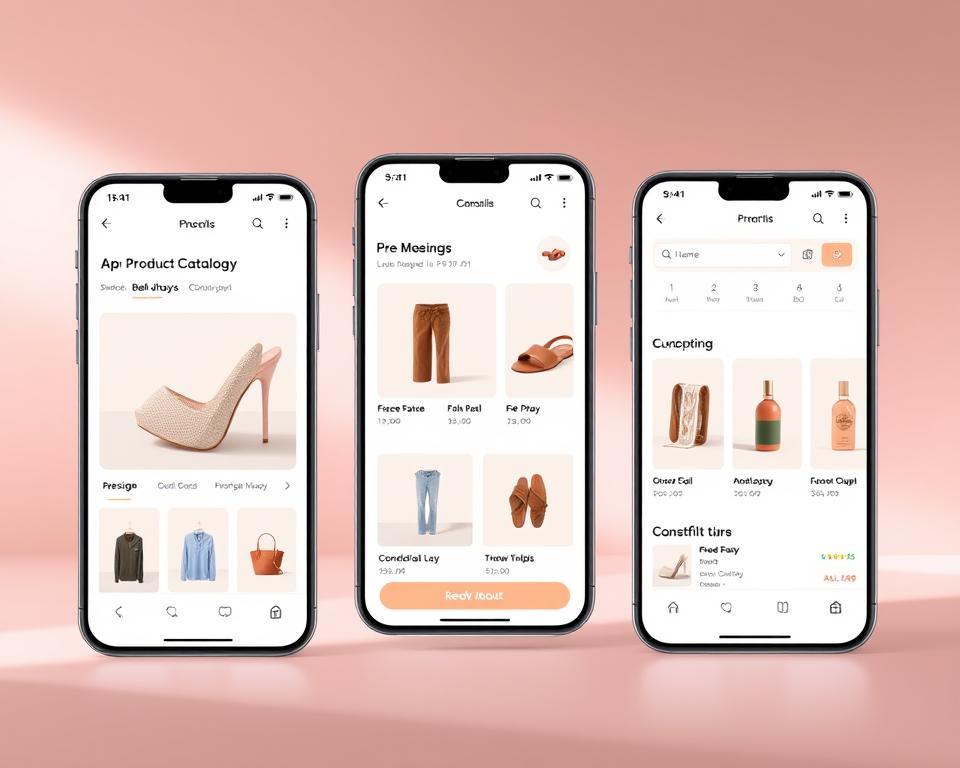
In today’s digital world, having an eCommerce mobile app is key for businesses wanting to grow online. With more people shopping on their phones, it’s crucial for eCommerce store owners to think about making a mobile app.
But is a mobile app really needed for your eCommerce store? This article will look at the good and bad sides of having a mobile app. We’ll also talk about what it means for your online business.
Table of Contents
Key Takeaways
- Understanding the role of mobile commerce in eCommerce
- The benefits of having an eCommerce mobile app
- Potential drawbacks of developing a mobile app
- How to determine if a mobile app is right for your eCommerce store
- Best practices for developing a successful eCommerce mobile app
The Current State of Mobile Commerce in 2023
In 2023, mobile commerce has made big strides thanks to new tech and how people shop. Businesses must update their plans to keep up with the fast-changing market.
Mobile Shopping Statistics and Trends
Mobile shopping is on the rise, becoming more key in online shopping.
Growth Rates and Market Share
Now, mobile shopping makes up a big part of all online sales. It’s growing faster than shopping on desktops. Mobile devices are behind over 70% of online shopping visits.
Consumer Spending Patterns
More people are shopping on mobile devices. This is because mobile shopping is easy, tailored to each user, and quick.
Consumer Behavior on Mobile Devices
It’s important for businesses to know how people use mobile devices for shopping.
Browsing vs. Purchasing Habits
Mobile devices are mostly for looking, but more people are buying on them. Companies need to make both looking and buying easy to get more sales.
Cross-Device Shopping Journeys
People often shop on different devices. Making sure shopping is smooth across all devices helps keep customers and boosts sales.
| Device | Browsing (%) | Purchasing (%) |
|---|---|---|
| Mobile | 80% | 60% |
| Desktop | 15% | 30% |
| Tablet | 5% | 10% |

Understanding the Mobile App vs. Mobile Website Distinction
Mobile apps and websites have different roles. Knowing their unique features is key for a good online plan. As businesses deal with mobile shopping, it’s important to know the difference between these two.

Key Differences Between Apps and Mobile Sites
The main differences are in technical skills, how users feel, and how easy they are to get to. Technical capabilities stand out as a big difference.
Technical Capabilities and Limitations
Mobile apps have better tech, like working offline and using device features. They also have strong security. Mobile websites, however, are stuck with what browsers can do and need internet.
Access and Availability Considerations
Mobile apps need to be downloaded and installed, which can stop some people. Mobile websites, though, can be opened in any browser, making them easier to find.
User Experience Considerations for Each Option
The user experience is very different between apps and websites. Apps give a personal and interactive feel. Websites, while getting better, are more flexible and easy to get to.
Speed and Performance Comparisons
Apps usually work faster and are easier to move around in than websites. Websites can be slow because of internet speed and browser issues.
Interface and Navigation Differences
Apps have a more user-friendly design that fits their purpose. Websites are getting better but still rely on browser navigation and can be tricky to use.
It’s crucial for businesses to understand these differences. By looking at tech, user experience, and how easy they are to use, businesses can pick the right path for their online store.
Mobile App for Your eCommerce Store – Do You Really Need One?
In today’s digital world, the need for a mobile app for eCommerce stores is a big question. We need to look at different factors to decide if a mobile app is right for your business.
The Central Question for Modern Retailers
Deciding on a mobile app for your eCommerce store depends on knowing what customers want and who your competitors are.
Changing Consumer Expectations
Today, shoppers want a smooth shopping experience on any device. A mobile app can offer a special experience, making customers happier and more loyal. Personalized push notifications and streamlined navigation are key to meeting these needs.
Competitive Landscape Analysis
The online shopping market is getting crowded. A mobile app can help your business stand out. It’s important to see what others are doing and find new ways to be different.
| Feature | Mobile App | Mobile Website |
|---|---|---|
| Push Notifications | Yes | No |
| Personalization | High | Moderate |
| Offline Access | Yes | No |
Factors Influencing the Decision
Choosing a mobile app involves looking at your business size and what’s special about your industry.
Business Size and Resources
Small businesses might struggle with making and keeping a mobile app because of money and resource issues. It’s important to think about the costs and benefits and find ways to grow.
Industry-Specific Considerations
Some industries, like retail and entertainment, might get more out of mobile apps because of their products or services. Knowing your industry well is key to making the right choice.

Benefits of Developing an eCommerce Mobile App
A mobile app can change how customers interact with your store. It makes shopping more personal and easy. This can really help your business grow.
Enhanced User Experience and Navigation
Mobile apps give a better user experience. They use the device’s full power, making shopping more fun and easy.
Streamlined Checkout Processes
Apps make checking out simple. Customers can save their info, making buying easier. This can lead to more sales and fewer abandoned carts.
Personalized Shopping Experiences
Apps can tailor shopping to each customer. They use data to suggest products and offers that fit what each person likes.
Push Notifications and Direct Marketing Opportunities

Push notifications are great for businesses. They send messages directly to customers. This can boost sales and loyalty.
Abandoned Cart Recovery
Push notifications are perfect for reminding customers about unfinished purchases. This can help them finish buying.
Promotional Campaign Effectiveness
Push notifications can also promote deals and new products. Done right, these messages can really increase sales.
Improved Customer Loyalty and Retention
Mobile apps help keep customers coming back. They offer a smooth and personal shopping experience, building strong customer relationships.
Loyalty Programs and Rewards
Apps can run loyalty programs. They offer special deals and perks to keep customers shopping with you.
Repeat Purchase Behavior
Apps make shopping easy and fun. This encourages customers to buy more, leading to loyalty and higher customer value.
A study shows mobile apps are key for eCommerce. They help businesses connect with customers and grow. By using mobile apps, businesses can stay competitive and succeed in the long run.
Potential Drawbacks of Mobile App Development
When businesses think about mobile apps, they should also consider the downsides. Mobile apps can make customers happier and more loyal. But, there are challenges in making and keeping them up.
Development and Maintenance Costs
One big problem with mobile apps is the cost. This includes the first cost and the ongoing expenses.
Initial Investment Requirements
The first cost of making a mobile app can be high. It depends on how complex the app is, the technology, and the team’s rates. Businesses need to plan for design, development, testing, and launch costs.
Long-term Maintenance Expenses
After launching, there are ongoing costs. This includes fixing bugs, updating for new OS versions, and adding new features to stay competitive.
| Cost Component | Initial Cost | Ongoing Annual Cost |
|---|---|---|
| Development | $10,000 – $50,000 | $0 |
| Maintenance | $0 | $2,000 – $10,000 |
| Updates and New Features | $0 | $1,000 – $5,000 |
App Store Approval Processes and Restrictions
Another challenge is dealing with app store approval. Apple App Store and Google Play Store have strict rules that apps must follow.
Apple App Store Guidelines
Apple has a tough review process. Apps must follow their guidelines to get approved. This can cause delays or rejections if they don’t meet the standards.
Google Play Store Requirements
Google Play Store also has its own rules and review process. While not as strict as Apple’s, it still poses challenges for developers, especially with changing policies.

User Acquisition Challenges
Getting users for an app is hard. With so many apps out there, it’s tough to stand out and get people to download yours.
App Download Conversion Rates
The rate of people downloading an app from the store can be low. Good marketing is key to getting noticed and getting downloads.
Competing for Smartphone Real Estate
With limited space on the home screen, it’s hard to get a spot. Keeping the app on the user’s device is crucial.
Cost Analysis: What to Budget for Your Mobile App
To budget for a mobile app, businesses need to know the different costs. Making a mobile app for your online store is a big deal. It’s important to plan your budget carefully.
Initial Development Expenses
The biggest part of your budget goes to the app’s creation. This includes the costs of designing and building it.
Design and Development Team Costs
The cost of a development team varies a lot. It depends on where they are, their experience, and the tech they use. For example, teams in North America or Europe might charge more than those in Asia or Eastern Europe.
Platform Considerations (iOS vs. Android)
Choosing whether to make an app for iOS, Android, or both affects your costs. Making an app for both platforms costs more but lets you reach more people.
Ongoing Maintenance Requirements
After you’ve made the app, keeping it running is key. This means regular updates, fixing bugs, and server costs.
Updates and Bug Fixes
Keeping the app up to date is important. It makes sure it works with the latest OS and adds new features. Fixing bugs keeps users happy and trusting your app.
Server and Infrastructure Costs
Server costs depend on how much data your app needs and how many users it has. Picking the right cloud services can help control these costs.
Return on Investment Considerations
Understanding how much money you’ll make back is key. It helps justify the cost of making a mobile app.
Revenue Generation Metrics
Important metrics for ROI include in-app sales, ad revenue, and how it affects overall sales.
Customer Lifetime Value Impact
A good mobile app can make customers more valuable over time. It improves their experience and encourages them to come back.
Cost Analysis Summary
| Cost Category | Description | Estimated Cost Range |
|---|---|---|
| Design and Development | Team costs for designing and developing the app | $50,000 – $150,000 |
| Platform Fees | Costs associated with publishing on iOS and Android | $100 – $10,000 |
| Ongoing Maintenance | Updates, bug fixes, and server costs | $5,000 – $20,000 per year |

Alternative Approaches to Mobile Commerce
Companies are looking for new ways to improve mobile commerce. They want flexible and cost-effective solutions to boost their online presence. This is to better engage with their customers.
Progressive Web Apps (PWAs)
Progressive Web Apps (PWAs) are becoming popular. They offer a mix of web and mobile app features. Users get a smooth experience without needing to install anything.
Benefits and Limitations of PWAs
PWAs have many advantages. They provide a great user experience and fast loading times. They also work well offline or with slow internet.
But, PWAs have some downsides. They can’t access all device features. Their performance can vary across different browsers.
- Advantages:
- Easy to develop and maintain
- No need for app store approval
- Cross-platform compatibility
- Disadvantages:
- Limited access to device features
- Variable performance
Implementation Requirements
To create a PWA, focus on a responsive design. Make sure your website works well on mobile. Use modern web technologies like service workers and web app manifests.
| Feature | PWA | Native App |
|---|---|---|
| Installation | No installation required | Installation required |
| Offline Capability | Limited offline capability | Full offline capability |
| Device Access | Limited device access | Full device access |
Optimizing Your Mobile Website Experience
Improving your mobile website is another key strategy. A well-optimized site can boost user engagement and sales.
Responsive Design Best Practices
Responsive design is crucial. It ensures your website works well on all devices and screen sizes.
“A responsive design adapts to the user’s behavior and environment, providing an optimal viewing experience.” –
Mobile-First Development Approaches
Mobile-first development puts the mobile user first. It makes sure your website works well on small screens and slow connections.

Exploring options like PWAs and improving mobile websites helps businesses meet mobile commerce demands. This enhances their online presence and customer interaction.
When a Mobile App Makes Strategic Sense
Deciding if a mobile app is right for your eCommerce business needs careful thought. You must consider your business model and who your customers are. A mobile app can be very helpful, but it’s not for everyone.
Business Models That Benefit Most from Apps
Some business models work better with a mobile app. These include models that need lots of customer interaction, personal touches, and easy processes.
Subscription-Based eCommerce
For subscription models, a mobile app makes things easier for customers. It helps keep them coming back and makes renewals simple. It also lets customers manage their subscriptions and get timely reminders.
High-Frequency Purchase Products
Businesses that sell things customers buy frequently can really benefit from a mobile app. It makes buying easier and more personal. This can lead to more sales and loyal customers.
Customer Base Considerations
Knowing your customer base is key to deciding if a mobile app is right. It’s about understanding what they like, how they act, and how they see your brand.
Demographics and Technology Adoption
Looking at your customers’ demographics and tech use can help. Younger, tech-savvy customers might love a mobile app. But older customers might prefer other ways to shop.
Brand Loyalty and Engagement Levels
For customers who really love your brand, a mobile app can make things even better. It gives them another way to connect with you. It can also reward their loyalty and keep them engaged.

In short, a mobile app is a good idea for some eCommerce businesses. It’s about making your customers’ experience better, keeping them engaged, and growing your business.
Integration with Existing eCommerce Systems
For a mobile app to succeed in eCommerce, it must integrate well with existing systems. This integration is key to unlocking the app’s full potential. It gives customers a smooth and improved shopping experience.
Connecting with Your Current Platform
To link a mobile app with your current eCommerce platform, you need to consider several technical points. You must grasp the platform’s API requirements and its limits.
API Requirements and Limitations
The API acts as a bridge between your mobile app and the platform. Knowing the API requirements is essential. This includes data formats, how to authenticate, and rate limits. API limits can impact your app’s functionality and performance.
Data Synchronization Challenges
Data syncing is a big part of integration. It’s important to keep product info, inventory, and customer details up to date in real-time. If syncing fails, it can cause problems and harm the customer experience.
Inventory and Order Management
Managing inventory and orders is crucial for integration. It’s important to keep inventory levels current and process orders from the app efficiently.
Real-Time Inventory Updates
Real-time inventory updates are key to avoid overselling. They ensure customers get accurate product availability info. This is achieved through tight integration with the platform’s inventory system.
Multi-Channel Order Processing
For businesses with multiple channels, multi-channel order processing is vital. It means integrating the app with the order system. This ensures orders from all channels are handled well and customers get their items on time.

By focusing on these integration points, eCommerce businesses can make their mobile app a great experience for customers. This can boost sales and loyalty.
Implementation Timeline and Resource Requirements
Creating a mobile app for your online store is a big job. It needs careful planning and the right resources. Knowing the different steps and their timelines is key for a smooth launch.
Planning and Development Phases
The path to launching a mobile app has many important steps. First, the planning phase lays the groundwork for the whole project.
Scoping and Requirements Gathering
The first step is scoping and gathering requirements. This means defining what the app will do and what it needs to work. It’s important to know who will use the app and what they need. A good scoping process helps the development team understand what needs to be done.
Design and Development Milestones
After planning, the design and development phases start. The design phase focuses on making the app easy to use. The development phase is where the app is actually built. Important milestones include finishing the design, building a working prototype, and adding all the app’s features. Regular updates and changes are crucial to keep the project on track.
Launch and Post-Launch Strategies
Once the app is built, it’s time to plan for its launch. A good launch needs careful planning, including marketing and promotions.
Marketing Your App to Existing Customers
One good way to launch your app is to market it to your current customers. You can use emails, social media, and in-app messages. Showing off what makes your app special can help get more downloads and keep users interested.
Gathering and Implementing User Feedback
After launching, it’s important to listen to what users say. This helps find ways to make the app better. Use this feedback to make changes, fix problems, and add new features. Keeping up with user feedback is essential for keeping users happy and coming back.
Success Stories: eCommerce Brands Winning With Mobile Apps
Many eCommerce businesses have grown a lot by using mobile apps. This section shares real success stories. We look at the challenges they faced, the results they got, and what they learned.
Case Study 1: Small Business Success
“Trendy Wear,” a small online fashion store, made a mobile app. It aimed to make shopping easier and more fun. The app offered personalized tips, special deals, and a quick checkout.
Implementation Approach and Challenges
The team had to link the app with their website. They used a step-by-step plan and API connections to solve these problems.
Results and Key Learnings
After launching, “Trendy Wear” saw a 30% jump in sales and a 25% boost in keeping customers. They learned how important it is to make shopping personal and easy.
Case Study 2: Enterprise Implementation
“TechZone,” a big electronics store, made a mobile app to better serve customers and sell more. The app showed products in AR, gave personalized tips, and made tracking orders easy.
Strategic Goals and Execution
“TechZone” wanted to get customers more involved and sell more through the app. They built a strong app with cool features and tied it to their CRM and stock systems.
ROI and Business Impact
The “TechZone” app led to a 40% hike in average order value and a 20% increase in customer loyalty. The app paid for itself, bringing in $3 for every dollar spent.
| eCommerce Brand | Key Features | Results |
|---|---|---|
| Trendy Wear | Personalized recommendations, exclusive discounts | 30% sales increase, 25% customer retention improvement |
| TechZone | AR product visualization, personalized recommendations | 40% increase in average order value, 20% rise in customer loyalty |
Measuring the Success of Your Mobile App
To see how your mobile app affects your eCommerce business, you must track its performance often. Success isn’t just about downloads or how users interact. It’s about looking at many metrics to see how well the app does and how it helps your business.
Key Performance Indicators to Track
To really measure your mobile app’s success, focus on key performance indicators (KPIs). These KPIs give you insights into how users behave, stay with your app, and how much money it makes.
User Acquisition and Retention Metrics
Metrics like downloads and the cost to get a user show how good your marketing is. Daily and monthly active users tell you if your app keeps users coming back. A report says, “retention is key to your app’s long-term success.”
Conversion and Revenue Metrics
Metrics like in-app purchases and how much users spend are key to seeing your app’s revenue. Tracking these shows you where to improve and how to make more money. Revenue per user (RPU) shows the average money made per user.
Analytics Tools and Approaches
To track these KPIs well, use analytics tools made for mobile apps. These tools give you insights into how users act, helping you make better decisions to improve your app.
Mobile App Analytics Platforms
Platforms like Google Analytics for Firebase and Mixpanel give deep insights into user actions, retention, and revenue. They let you track important metrics and see how users use your app. Choosing the right analytics platform is crucial for getting useful insights.
A/B Testing and Optimization Strategies
A/B testing compares different app features to see which works best. This helps improve your app’s user experience and how well it converts users. By using A/B testing, you can make smart choices based on user data, boosting your app’s success. As noted, “A/B testing is a powerful tool for optimizing your mobile app’s performance.”
Future Trends in Mobile eCommerce
The world of mobile commerce is always changing. To stay ahead, businesses need to know about new trends and tech. Mobile devices are now key in retail, so companies must keep up with what customers want and new tech.
Emerging Technologies Affecting Mobile Commerce
New tech is shaping mobile eCommerce. These changes make shopping better and open new ways for businesses to connect with customers.
Augmented Reality Shopping Experiences
Augmented Reality (AR) is changing mobile shopping. It lets customers see products in their space, mixing online and offline. Retailers use AR for better experiences, making customers happier and cutting down on returns.
Voice Commerce and AI Assistants
Voice commerce, with AI helpers like Siri and Alexa, is changing how we shop on mobile. Voice shopping is getting popular, making it easy to buy without using your hands. Companies are making their mobile sites better for voice search.
Preparing Your Business for Mobile Evolution
To succeed in mobile commerce, businesses must embrace new tech. This means investing in the right tech and encouraging innovation and quick action.
Building Flexible Technology Infrastructure
A flexible tech setup is vital for quick adaptation to new trends. It means using modular, scalable tech that fits with new tech. Investing in this helps businesses stay competitive and meet changing customer needs.
Staying Ahead of Consumer Expectations
Knowing what customers want is crucial for mobile eCommerce success. Businesses should use data and insights to predict trends. This way, they can adjust their strategies to keep customers happy and growing.
Conclusion
As eCommerce grows, deciding on a mobile app for your store is key. It’s important to think about the good and bad sides to make a smart choice. This choice should match your business goals.
A mobile app can make shopping better, keep customers coming back, and send special offers directly to them. But, remember the costs of making and keeping the app up. Also, getting users to download the app can be tough.
In the end, a good mobile app plan can help your business grow and keep up with the competition. Knowing your customers, business, and the mobile shopping world well will help you make the right choice. This choice will support your success in eCommerce.