






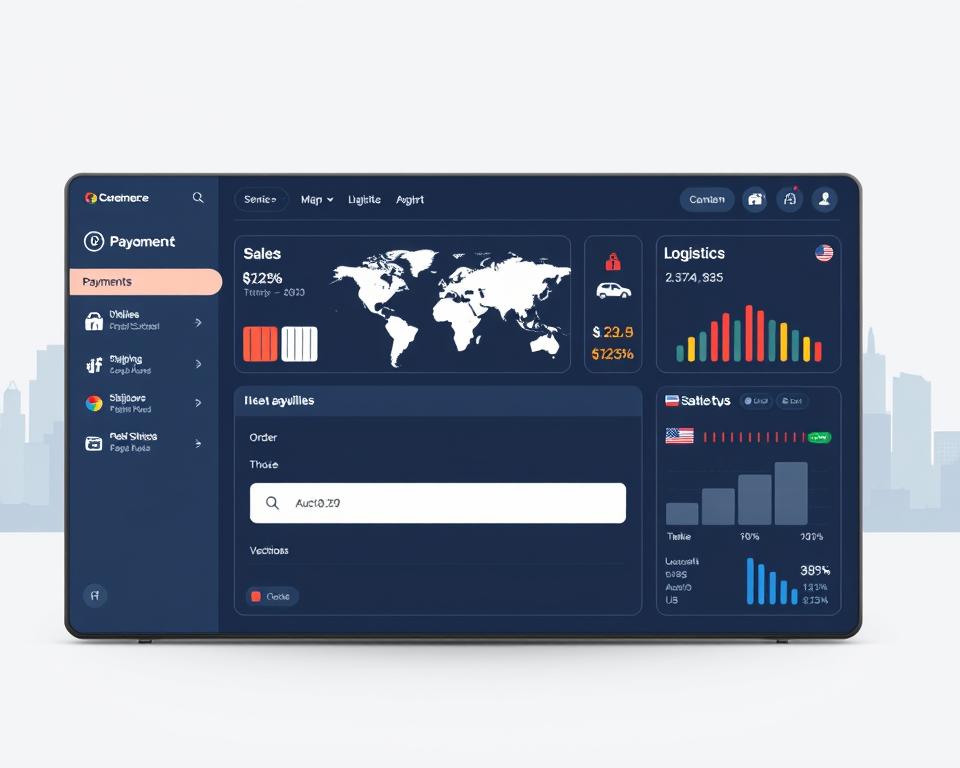
A smooth payment gateway integration and a well-run e-commerce logistics system are key to a successful online store.
When customers can easily buy and get their orders fast, it makes their shopping better. This leads to more loyal customers and more sales. On the other hand, a hard or slow payment process and late shipping can cause customers to leave without buying.
By setting up a trustworthy online store payment processing system and improving logistics, businesses can make sure customers have a good time shopping.
Table of Contents
Key Takeaways
- Seamless payment processing enhances customer experience.
- Efficient logistics are crucial for timely order delivery.
- Integration of payment and logistics systems can increase conversion rates.
- A complicated payment process can lead to cart abandonment.
- Optimizing logistics and payment processing is key to e-commerce success.
Understanding the Importance of Seamless Payment and Logistics Systems
Payment gateways and logistics are key for a better customer experience. A smooth payment process and efficient logistics can make an online store successful. We will look at how these systems affect customer experience and conversion rates.
Impact on Customer Experience and Conversion Rates
A good payment system makes checkout easy and secure. This lowers cart abandonment and boosts conversion rates. A study shows that a hard checkout process is a top reason for leaving without buying.
On the other hand, a simple payment process makes customers happy and loyal. An efficient logistics system also ensures products arrive on time and correctly. Reliable shipping and tracking build trust with customers.
| Benefits | Payment Gateway Integration | Logistics System Integration |
|---|---|---|
| Increased Conversion Rates | Secure and smooth checkout process | Reliable shipping and tracking |
| Improved Customer Satisfaction | Reduced cart abandonment rates | Timely and accurate delivery |
The Cost of Poor Integration
Poor payment and logistics integration can cost a lot. This includes lost sales, a bad reputation, and higher operational costs. A study shows that one failed transaction can cost $50 or more per customer.

In conclusion, combining payment gateways and logistics is essential. It helps online stores improve customer experience, increase sales, and cut costs.
Overview of Payment Gateway Options for E-commerce
E-commerce businesses have many payment gateways to choose from. The right one can make shopping easier for customers, lower cart abandonment, and boost sales.
Popular Payment Gateways in the US Market
The US has many payment gateways, each with its own benefits. Some top choices include:
- PayPal: Known for its widespread acceptance and ease of use.
- Stripe: Offers flexible APIs for custom integration.
- Authorize.net: Provides a robust platform for transaction processing.
- Square: Popular among small businesses and brick-and-mortar stores.
Comparing Transaction Fees and Processing Times
When picking a payment gateway, fees and processing times matter a lot. Here’s a look at how they compare:
| Payment Gateway | Transaction Fee | Processing Time |
|---|---|---|
| PayPal | 2.9% + $0.30 per transaction | 1-3 business days |
| Stripe | 2.9% + $0.30 per transaction | 1-3 business days |
Security Features and Compliance Standards
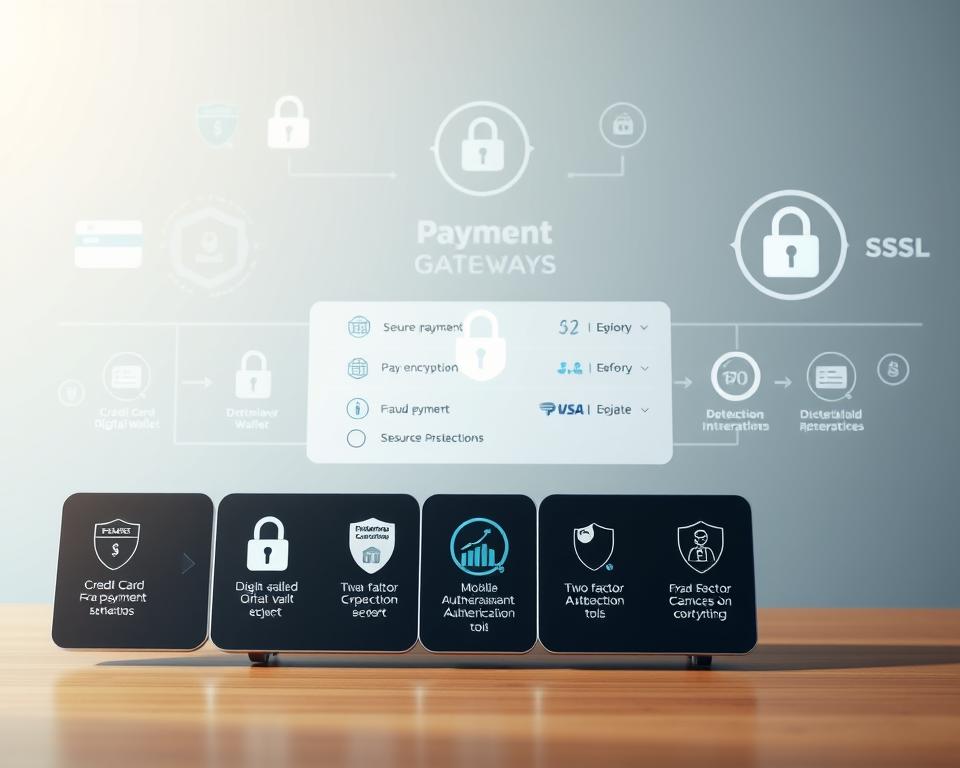
Security is key for e-commerce sites. Top payment gateways have strong security features, including:
- PCI-DSS Compliance: Ensures the secure handling of credit card information.
- Tokenization: Replaces sensitive information with a unique token.
- Two-Factor Authentication: Adds an extra layer of security for transactions.
Selecting the Right Logistics and Shipping Partners
In the world of e-commerce, picking the right logistics partner is key. Good logistics and shipping are vital for happy customers and on-time deliveries.
Major Shipping Carriers in the United States
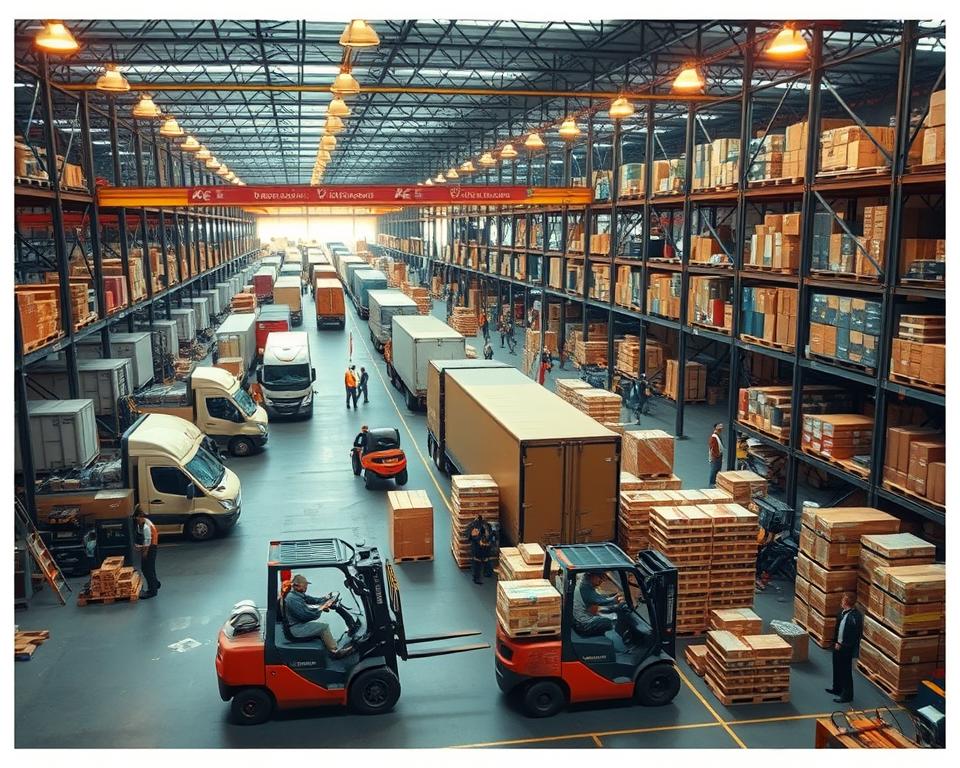
The US has big shipping carriers like UPS, FedEx, and USPS. Each carrier has services for different business needs. For example, UPS is great for ground shipping, and FedEx is fast.
When picking a carrier, think about cost, speed, and reliability. Also, check if they can handle special needs like signature delivery or keeping things cold.
Third-Party Logistics Providers (3PLs)
3PLs offer many services like storage, packaging, and shipping. Outsourcing to a 3PL can cut costs and boost efficiency. In the US, ShipBob, Fulfillment by Amazon (FBA), and DHL Supply Chain are popular choices.
Look for 3PLs with flexible options, tracking, and good customer service. It’s also important to see if they’ve worked with products like yours before.
Dropshipping vs. Self-Fulfillment Options
Dropshipping and self-fulfillment are two ways to handle orders. Dropshipping sends products straight from the maker to the buyer, skipping storage. Self-fulfillment means managing your own stock and shipping.
“Dropshipping cuts upfront costs but gives less control over shipping and quality,” says an expert. Self-fulfillment gives more control but needs a big investment in logistics. Choose wisely based on your business needs.
Technical Requirements for Payment Gateway Integration
For a smooth online shopping experience, technical requirements for payment gateway integration are key. A well-integrated payment system boosts customer satisfaction. It also lowers the chance of transaction errors and security breaches.
API Documentation and Developer Resources
To integrate a payment gateway, you need detailed API documentation and developer resources. These tools give you the instructions and code samples needed for a smooth integration. Stripe and PayPal, for example, offer a lot of documentation and tools to help merchants start fast.

SSL Certificates and Security Protocols
SSL certificates are vital for encrypting data between your website and the payment gateway. This keeps sensitive customer info safe. Also, using strong security protocols like TLS 1.2 or higher is key for a secure payment space.
Payment Card Industry (PCI) Compliance
PCI compliance is a must for merchants handling credit card transactions. Meeting PCI standards means using security measures like data encryption and secure storage. Regular security audits are also needed. Following PCI DSS (Data Security Standard) protects against data breaches and keeps customer trust.
By meeting these technical needs, merchants can have a secure, efficient, and user-friendly payment gateway. This supports their online business well.
Step-by-Step Guide to Integrating Payment Gateways
Businesses need to add a reliable payment gateway to their online stores for smooth transactions. This process has several key steps. These steps make sure customers have a smooth payment experience.
Setting Up Merchant Accounts
The first step is to set up a merchant account. This account lets businesses accept payments from customers. To get a merchant account, businesses need to provide some information.
Key requirements for setting up a merchant account include:
- Business registration documents
- Financial statements
- Identification documents
Implementing Payment APIs
After getting a merchant account, the next step is to use the payment API. Payment APIs help the e-commerce platform talk to the payment gateway. This makes transactions secure and efficient.
Popular payment APIs include:
- Stripe API
- PayPal API
- Authorize.net API
Testing Payment Flows
After setting up the payment API, it’s important to test the payment flows. This ensures transactions work right. Testing includes both sandbox and live procedures.
Sandbox Testing
Sandbox testing lets businesses test transactions in a safe space. It simulates payments without using real money.
Live Testing Procedures
Live testing means processing real payments. It checks if the payment gateway works as it should. It’s key to watch these transactions to find and fix any problems.
| Testing Type | Description | Benefits |
|---|---|---|
| Sandbox Testing | Simulates transactions in a controlled environment | Tests payment flow without real payments |
| Live Testing | Processes real transactions | Ensures payment gateway functionality |
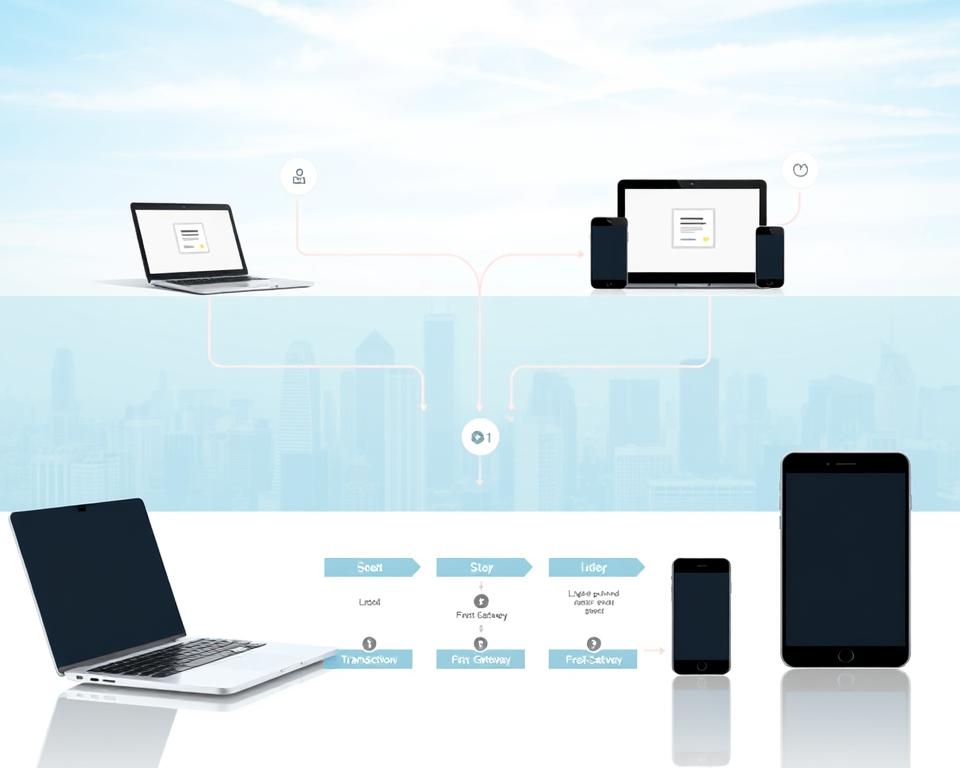
By following these steps and testing the payment gateway well, businesses can give their customers a smooth and safe payment experience.
Integrating Payment Gateways and Logistics in Your Online Store
Integrating payment and logistics systems is crucial for a smooth online shopping experience. It boosts customer satisfaction and makes the store more efficient.
Creating a Unified Customer Experience
A unified customer experience means a smooth journey from payment to delivery. Integrating payment gateways makes checkout easy. Logistics integration ensures timely and accurate delivery.
Here’s why a unified experience matters:
“The key to a successful online store is not just about selling products, but about creating an experience that keeps customers coming back.”
Synchronizing Order Management Systems
Synchronizing order management systems is key for efficient order processing. It means linking the payment gateway with logistics to update order status in real-time.
| Feature | Manual Process | Automated Process |
|---|---|---|
| Order Processing Time | Several hours or days | Near real-time |
| Error Rate | Higher due to human error | Lower due to automated checks |
Automating Information Flow Between Systems
Automating information flow between systems cuts down on errors and boosts efficiency. This lets online stores grow and focus on customer satisfaction.
By integrating these systems, online stores offer a seamless experience. This boosts customer loyalty and drives business growth.
E-commerce Platform-Specific Integration Methods
E-commerce is growing fast. Knowing how to integrate payment gateways and logistics is key. Each e-commerce platform has its own way to make these processes smoother.
Shopify Payment and Shipping Integrations
Shopify has many payment options, including Shopify Payments. You can also use PayPal and Stripe. For shipping, it works with USPS, UPS, and FedEx. This makes it easy to calculate shipping costs and print labels.
WooCommerce Payment and Logistics Solutions
WooCommerce is a top choice for WordPress users. It supports PayPal, Stripe, and Square for payments. For shipping, it works with UPS and FedEx. It also lets you use third-party logistics through plugins.
“The flexibility of WooCommerce allows merchants to choose from a wide range of payment and shipping options, making it a versatile choice for e-commerce businesses.”
BigCommerce and Magento Integration Options
BigCommerce and Magento are big names in e-commerce. BigCommerce works with Braintree and Authorize.net for payments. Magento has many payment gateways through its marketplace extensions. Both platforms offer great shipping options, including support for many carriers and strategies.
| Platform | Payment Gateways | Shipping Integrations |
|---|---|---|
| Shopify | Shopify Payments, PayPal, Stripe | USPS, UPS, FedEx |
| WooCommerce | PayPal, Stripe, Square | UPS, FedEx, Third-party plugins |
| BigCommerce | Braintree, Authorize.net | Multiple carriers |
| Magento | Marketplace extensions | Multiple carriers, shipping strategies |
Knowing the specific ways each e-commerce platform integrates is crucial. It helps businesses choose the best payment and shipping options. This improves their overall online shopping experience.
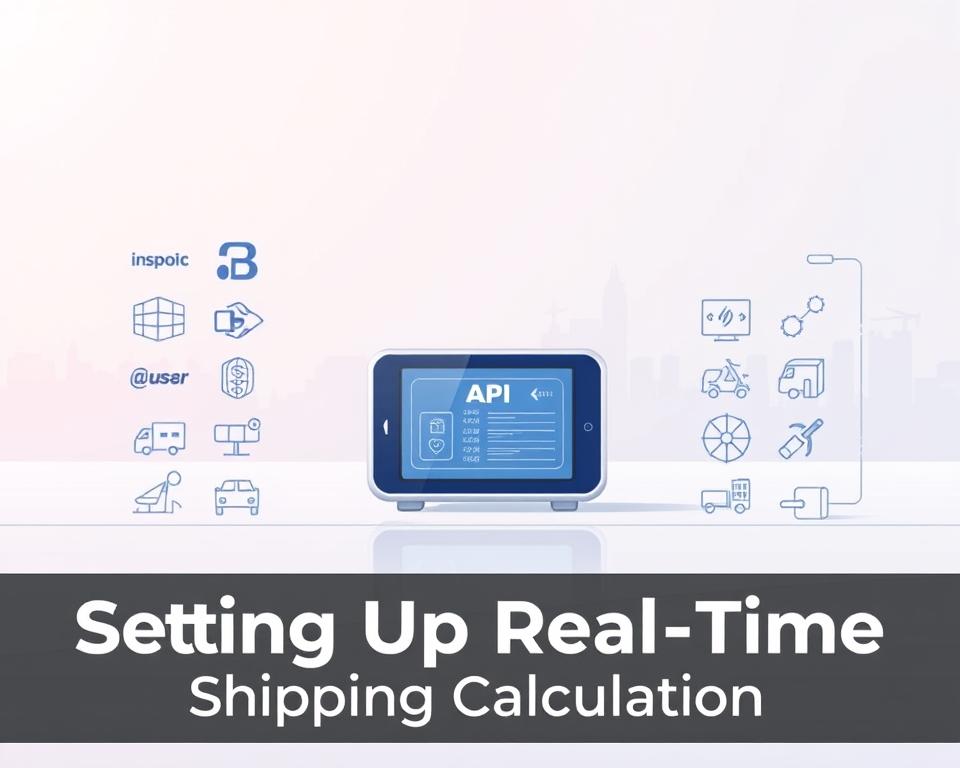
Setting Up Real-Time Shipping Calculations
To stay ahead, online stores need real-time shipping calculations. This means using shipping APIs, knowing pricing models, and offering various shipping choices. This meets different customer needs.
Integrating Shipping APIs
Shipping APIs are key for real-time rates. They give accurate rates from carriers like UPS, FedEx, and USPS. This way, stores can get rates instantly based on where the customer is and what they’re sending.
Key benefits of shipping APIs include:
- Accurate rate calculation
- Real-time tracking information
- Automated shipping label generation
Weight-Based vs. Dimensional Pricing
Carriers use two main pricing models: weight-based and dimensional. Weight-based pricing is based on the package’s weight. Dimensional pricing looks at the package’s volume. Knowing these models helps with accurate shipping costs.
“Dimensional pricing has become increasingly important as it reflects the actual space a package occupies during shipping.”
Offering Multiple Shipping Options
Offering various shipping options boosts customer happiness. Stores can provide fast shipping, standard shipping, and free shipping based on the order’s value. This lets customers choose what works best for them.
Best practices for shipping options include:
- Clearly communicating shipping times and costs
- Offering tracking information for all shipments
- Providing expedited shipping options for urgent orders
Implementing Order Tracking and Notifications
In today’s fast-paced e-commerce world, offering smooth order tracking and updates is key. It keeps customers happy and reduces worries about their orders.
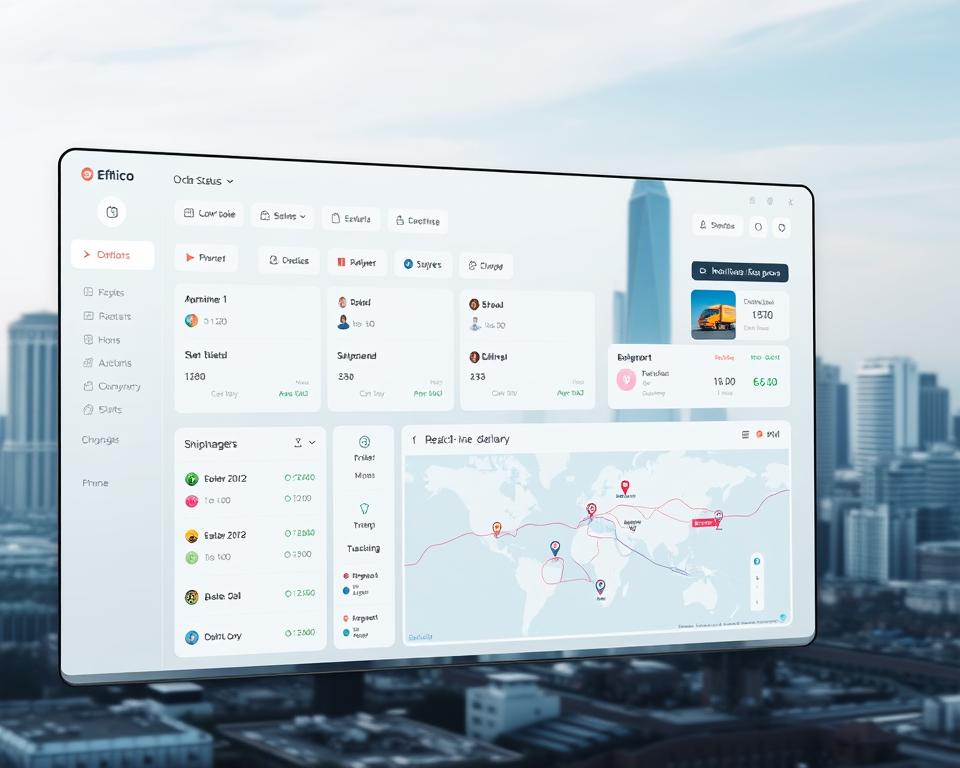
Creating Customer Tracking Portals
A tracking portal lets buyers see their order’s status live. It’s made by linking a tracking system that shows updates from start to finish. Sharing detailed tracking info builds trust and cuts down on customer service calls.
Setting Up Automated Email and SMS Notifications
Automated alerts tell customers about big steps in their order, like when it’s shipped or delivered. Personalized messages keep them in the loop. This way, businesses can talk to customers on time without having to send updates manually.
Handling Delivery Exceptions
When there are delivery problems, like failed attempts or customs hold-ups, they must be fixed fast. A system that handles these issues well, like rescheduling or extra steps, helps keep customers happy.
By using these methods, online shops can make customers happier, answer fewer questions, and make shopping better overall.
Managing Returns and Refund Processing
A good return and refund process can set you apart in the e-commerce world. It’s key to keep customers happy and loyal. Handling returns and refunds well is crucial.
Creating an Efficient Return Logistics System
To handle returns well, you need a smooth return logistics system. This means:
- Clear return windows and easy-to-follow instructions
- Pre-paid return labels to make it easy for customers
- Specific return locations or drop-off points
By making returns simple, you cut down on work and boost customer happiness.
Automating Refund Workflows
Automating refund workflows can make refunds faster, which builds trust and satisfaction. Important steps include:
- Using automated refund systems that work with your payment gateway
- Setting clear refund processing times
- Keeping customers updated on their refund status
Automation makes refunds quicker and cuts down on mistakes.
Return Policy Best Practices
A well-written return policy helps manage customer expectations and lowers returns. Best practices are:
- Clearly stating your return policy on your website, including any fees
- Making sure the policy is fair and good for customers
- Updating the policy based on feedback and return trends
By following these tips, you can create a return policy that meets both customer and business needs.
Security Considerations for Payment and Logistics Integration
Keeping payment and logistics systems safe is key in today’s online shopping world. As more people shop online, the chance of cyber attacks and data theft grows. So, strong security steps are a must.
Protecting Customer Payment Information
Keeping customer payment info safe is a top priority. This means using secure socket layer (SSL) certificates and following Payment Card Industry Data Security Standard (PCI DSS) rules. It makes sure customer data is safe from hackers.
Fraud Detection and Prevention
Stopping fraud is essential for safe online shopping. This involves using smart algorithms and machine learning to spot and stop fake transactions.
Secure API Communication
Secure API communication is also vital. It uses encryption methods and authentication protocols to keep data safe as it moves between systems.
Encryption Methods
Encryption tools like Transport Layer Security (TLS) and Advanced Encryption Standard (AES) are key. They protect data as it travels and when it’s stored.
Authentication Protocols
Authentication tools like OAuth and JSON Web Tokens (JWT) check who’s accessing data. They make sure only the right people can see important info.
By focusing on these security steps, online shops can lower the risk of data theft. This helps keep customers’ trust.
Managing International Payments and Shipping
E-commerce is growing worldwide, making international payments and shipping more complex. Online store owners face many challenges to ensure smooth transactions and on-time delivery. They must navigate these hurdles to succeed globally.
Currency Conversion and Payment Processing
Managing currency conversion and payment processing is a big challenge in international e-commerce. Online stores need to use payment gateways that handle multiple currencies well. They should also offer good exchange rates to keep customers happy and reduce losses.
To handle international payments well, e-commerce sites should team up with payment processors. These should have strong currency conversion features and fair fees. This helps improve customer satisfaction and boosts sales.
Customs Documentation and Compliance
Ensuring customs compliance and preparing the right documents is key in international e-commerce. This includes things like commercial invoices and certificates of origin. Without these, shipments can be delayed, and fines or damage to reputation can happen.
E-commerce businesses need strong systems for customs documents and to follow all regulations. This makes shipping smoother and lowers the risk of breaking rules.
International Shipping Partners and Considerations
Choosing the right international shipping partners is vital for fast and affordable delivery. E-commerce sites should look at shipping rates, delivery times, and carrier reliability. These factors help pick the best partners.
Also, offering various shipping options is important. This meets different customer needs and preferences. Options can range from fast, expensive shipping to slower, cheaper ones.
Analytics and Reporting for Payment and Logistics
In e-commerce, tracking payment and logistics is key for success. Data analytics helps businesses understand their payment and logistics better. This knowledge lets them make smart choices.
Key Performance Indicators to Track
Businesses should watch payment and logistics closely. Important metrics include how fast payments are processed, how well orders are filled, and shipping times. These numbers show how well systems are working.
By tracking these KPIs, businesses can spot where to get better. For example, slow payments might mean a better payment gateway is needed. Low order fulfillment rates could point to inventory or logistics problems.
Creating Custom Dashboards
Custom dashboards are great for keeping an eye on KPIs and other important data. They give businesses a clear view of their payment and logistics. This makes quick decisions easier.
A good dashboard shows things like how many transactions happen, how often payments succeed, and how shipping carriers do. This helps spot trends and problems fast.
Using Data to Optimize Operations
Data analytics helps improve payment and logistics. By looking at trends, businesses can find ways to do better and save money.
For instance, looking at shipping data might show which carriers are best. This info helps decide who to use or talk to for better deals.
Conclusion
Integrating payment gateways and logistics is key for an online store’s success. It makes shopping better, cuts down on cart abandonment, and boosts sales. Good payment gateway integration means safe and quick payments. Strong e-commerce logistics ensure orders are delivered on time.
Choosing the right payment gateways and logistics partners is crucial. Look at fees, how fast they process, security, and if they meet standards. Also, consider shipping options, carriers, and how orders are fulfilled.
By doing this, online stores can offer a smooth shopping experience. This leads to happier customers and more growth. As online shopping keeps changing, having the right payment and logistics systems is vital to stay ahead.


