







Shopping habits are changing fast in cities, focusing on speed and ease. On-demand delivery meets the quick needs of city folks. To keep up, understanding market changes and user habits is key.
The global grocery market is set to grow a lot in the coming years. It’s expected to jump from USD 23.89 Billion in 2025 to over USD 44.13 Billion by 2031. This growth shows a 10.77% annual increase, as people choose convenience over going to stores.
Creating a top hyperlocal platform is more than coding or logistics. It’s about keeping up with app development trends for speed and reliability. By mastering these trends, brands can grab more of the local market with strong, dependable services.
Table of Contents
Key Takeaways
- Urban growth drives the need for faster local shipping solutions.
- Market value is expected to reach $44.13 billion by 2031.
- Consumers now expect orders to arrive within very narrow timeframes.
- Precise location tracking remains a core feature for user satisfaction.
- Scalable software must handle high order volumes during peak hours.
- Localized logistics provide a significant competitive edge for new brands.
The Rise of Hyperlocal Delivery Services in the Digital Economy
Hyperlocal delivery services are becoming more popular in the digital economy. They offer fast and convenient ways to shop. This has changed how people buy and get products.
The on-demand delivery market, especially for food, is growing fast. It’s expected to jump from $1.54 trillion in 2026 to $2.03 trillion by 2030. This shows how much people rely on these services.
Key Drivers of Hyperlocal Delivery Services
- Consumer demand for convenience and speed
- Advancements in logistics and technology
- Increasing penetration of smartphones and internet services
Hyperlocal delivery services aren’t just for food. They cover a wide range of products and services. This makes them a key part of the digital economy.
“The on-demand economy is redefining the way businesses operate and how consumers interact with them. Hyperlocal delivery services are at the forefront of this transformation.”
Looking at market trends, we see some interesting numbers:
| Year | Revenue (in Trillion $) | Growth Rate (%) |
|---|---|---|
| 2026 | 1.54 | – |
| 2030 | 2.03 | 32 |
The table shows the expected growth in the food delivery market. It highlights the chance for hyperlocal services to grow even more.
Hyperlocal delivery services are set to play a bigger role in the digital economy. They meet the fast, convenient, and personalized needs of consumers.
Understanding the Hyperlocal Delivery Market Landscape
The hyperlocal delivery market is changing fast. This is thanks to new tech and what people want. Knowing where it is now and where it’s going is key.
Market Size and Growth Projections
The global hyperlocal grocery delivery market is set to grow fast. It’s expected to grow at a CAGR of 10.77% from 2025 to 2031. This means big growth in the next few years.
Things like more people living in cities, having more money, and using smartphones help grow the market. As more people shop online for groceries, the market is ready to expand a lot.
Key Players and Competitive Analysis
The market is very competitive. Companies are trying new things to stand out. Big e-commerce names and special delivery services are among the leaders.
To win, companies need to focus on efficient logistics, strong tech, and good customer service. Those who get this right will likely lead the market.
Consumer Behavior and Demand Patterns
It’s important to know what people want in hyperlocal delivery. They want fast, flexible, and personal service. The rise of on-demand services has made them expect quick delivery.
People mostly use hyperlocal services for things like groceries and household items. The convenience and speed of these services are why they’re popular.
Top Hyperlocal Delivery App Development Trends Shaping the Industry
The world of hyperlocal delivery is changing fast. This is thanks to new tech like AI, machine learning, and automation. These tools are making hyperlocal delivery apps better and easier to use.
Artificial Intelligence and Machine Learning Integration
AI and machine learning are changing the quick commerce world. They help with predicting what people will buy. By looking at past buys, weather, and local events, predictive analytics can guess what’s coming.
This lets businesses get ready and work smarter.
Predictive Analytics for Demand Forecasting
Predictive analytics use smart algorithms to guess future demand. It helps in optimizing inventory management. This means resources are used well.
Intelligent Order Management Systems
Intelligent order systems use AI to make ordering smoother. They can automate order routing, optimize delivery routes, and manage inventory levels live. This means faster and more reliable deliveries.
Automation in Delivery Operations
Automation is key in hyperlocal delivery app development. It helps cut costs, boost efficiency, and make customers happier. For example, automated systems can quickly give tasks to drivers. This cuts down wait times and makes deliveries quicker.
To learn more about making a hyperlocal delivery app for stores, visit Next Big Technology.
Real-Time Tracking and Transparency Features
Today, people want fast and reliable deliveries. Real-time tracking and transparency are key. They make customers happy and build trust.
Tracking systems show how food is made, where the rider is, and when it will arrive. This makes customers excited and confident in the app. It’s changing how we get food delivered.
GPS-Based Live Tracking Systems
GPS tracking lets customers see where their food is. It’s important for keeping promises and easing worries about when it will arrive.
- Live updates on delivery status
- Enhanced customer experience through transparency
- Reduced customer support queries related to delivery status
Automated Push Notifications and Customer Updates
Automated push notifications tell customers about their order. From when it’s made to when it arrives. It builds trust and makes customers happier.
- Order preparation updates
- Delivery partner assignment notifications
- Estimated delivery time updates
Delivery Partner Performance Monitoring
Keeping an eye on delivery partner performance is crucial. It checks how fast they deliver, what customers say, and if they follow rules.
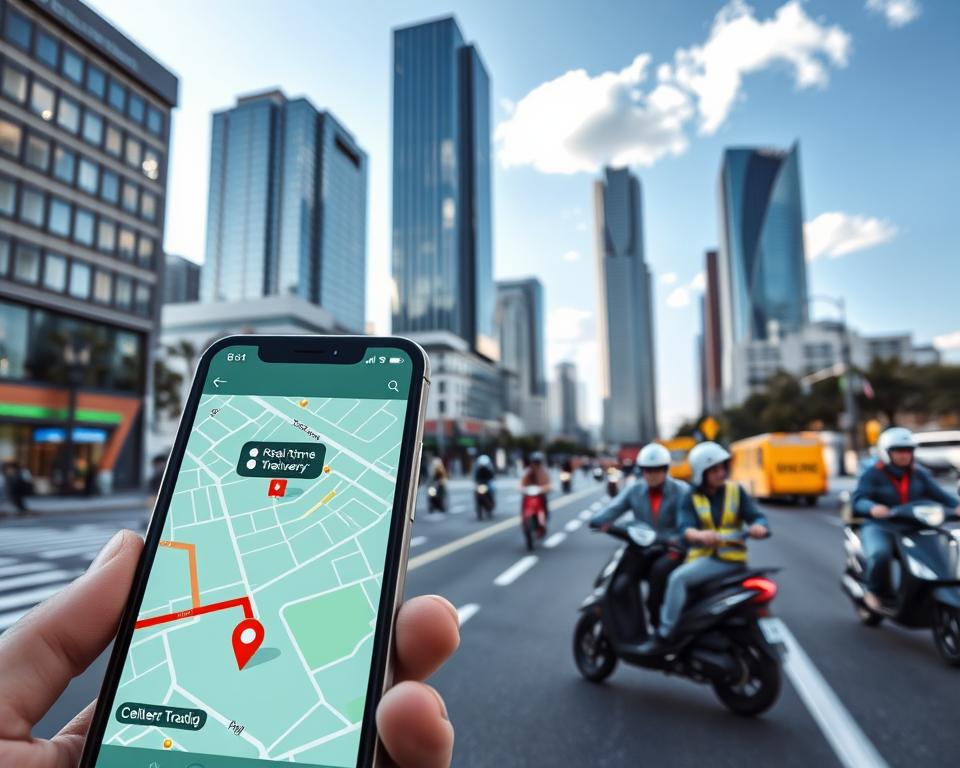
Real-Time Communication Channels
Real-time communication channels let customers talk to delivery partners and support right away. It’s key for solving problems fast and making deliveries better.
- Instant communication with delivery partners
- Prompt issue resolution
- Enhanced customer satisfaction through effective communication
Contactless Delivery and Enhanced Safety Protocols
Contactless delivery is key in hyperlocal services today. It’s all about safety and less interaction. This has led to new ways to deliver safely in apps.
Contactless delivery makes things safer and easier. It cuts down on face-to-face contact. This helps keep everyone safe and makes customers happier.
Zero-Contact Delivery Options
Many apps now offer zero-contact delivery. Orders are left at your door or a spot you choose. This lowers the chance of getting sick and makes things easier for you.
Setting up zero-contact delivery needs good planning. Delivery teams and customers must work together. They need to share clear info and updates for a smooth delivery.
Digital Payment and Wallet Integration
Digital payments are important for safe delivery. They cut down on cash and lower the risk of getting sick.
Apps use Apple Pay, Google Pay, and PayPal for easy payments. These payments are safe thanks to strong security and encryption.
| Digital Payment Method | Security Features | User Convenience |
|---|---|---|
| Apple Pay | Tokenization, Biometric Authentication | Easy integration with iOS devices |
| Google Pay | Virtual Account Numbers, Encryption | Seamless integration with Android devices |
| PayPal | Two-Factor Authentication, Purchase Protection | Wide acceptance across various platforms |
Touchless Verification Systems
Touchless systems are used for safe order delivery. They include OTP, QR code scanning, and digital signatures.
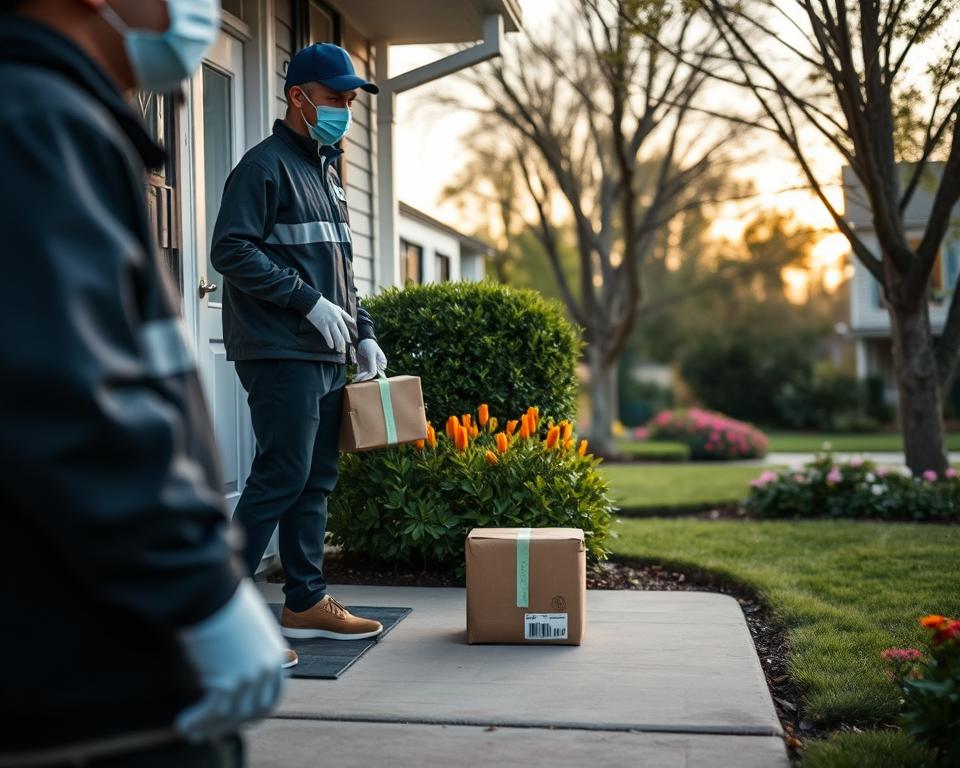
These systems reduce contact and make delivery safer. They help keep both customers and delivery teams safe.
Multi-Vendor Marketplace Integration Capabilities
Multi-vendor marketplaces are changing the game in hyperlocal delivery. They let many vendors work together on one platform. This means more choices for customers and a chance for vendors to compete, which is good for everyone.
A unified platform architecture is key for multi-vendor marketplaces. It makes it easy for vendors, customers, and delivery systems to work together. This setup helps apps run smoothly, manage vendors better, and make customers happier.
Unified Platform Architecture
A unified platform is the heart of multi-vendor marketplaces. It helps manage different vendors’ stock, process orders fast, and talk to customers clearly. This setup is crucial for a marketplace to grow and work well.
Vendor Onboarding and Management Systems
Good vendor onboarding and management systems are essential. They make sure vendors fit in well and meet the app’s standards. This is key for a marketplace to succeed.
Automated Inventory Synchronization
Automated inventory synchronization is a big deal in vendor management. It keeps product availability up to date, so there’s no chance of selling out or stock issues.
Commission Management Tools
Commission management tools are also important. They help the platform handle vendor commissions, track earnings, and make payments on time. This keeps things fair and helps vendors trust the platform.
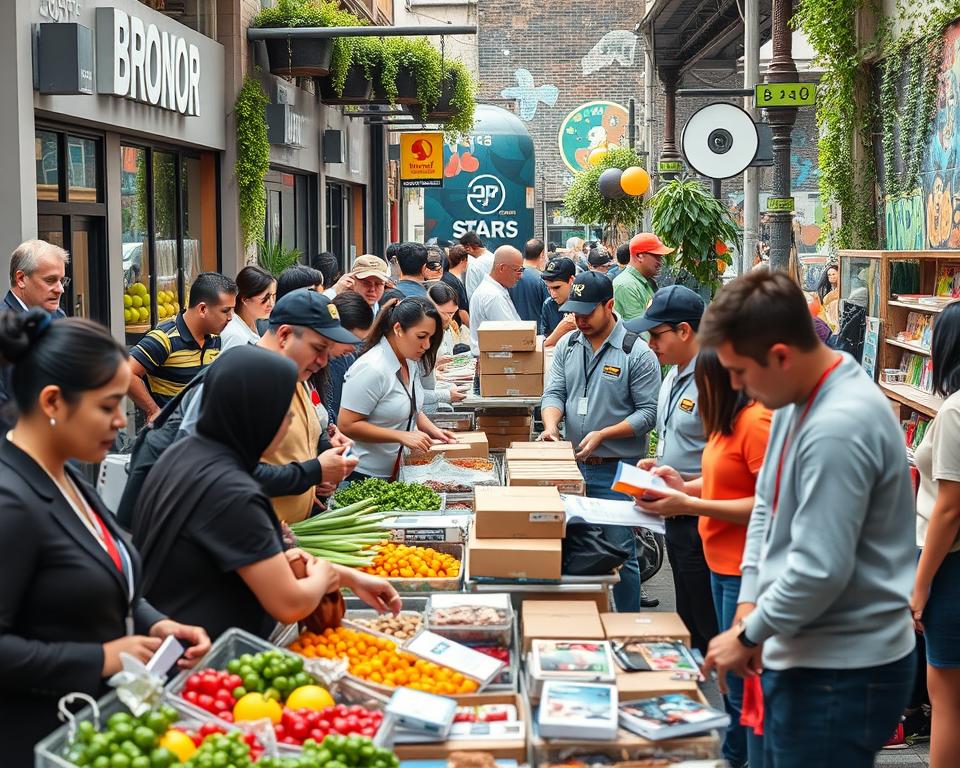
With these features, hyperlocal delivery apps can build strong multi-vendor marketplaces. More products and better prices mean happier customers and more loyalty.
Advanced Route Optimization and Logistics Technologies
Advanced route optimization and logistics technologies are changing the game in hyperlocal delivery. They make delivery services more efficient and cut costs. These technologies help navigate through busy cities, ensuring on-time deliveries and happy customers.
Optimizing Routes for Efficiency
Dynamic Routing Algorithms
Dynamic routing algorithms are key in hyperlocal delivery. They update routes in real-time, considering traffic, road closures, and more. This means delivery partners take the best routes, saving time and money.
Experts say, “AI-based route optimization helps delivery partners avoid traffic, choose the fastest routes, and deliver more orders in less time. This improves customer satisfaction and reduces costs.”
Traffic Pattern Analysis and Prediction
Traffic pattern analysis and prediction are vital for route optimization. By looking at past traffic and current updates, these technologies predict traffic jams. They then suggest better routes, making deliveries more efficient.
Multi-Stop Delivery Optimization
Multi-stop delivery optimization is another important part of logistics. It optimizes routes for delivery partners with multiple stops. This ensures they make their deliveries in the most efficient order.
Zone-Based Delivery Management
Zone-based delivery management is a key strategy in multi-stop optimization. It divides delivery areas into zones and assigns partners to these zones. This reduces confusion, speeds up deliveries, and boosts efficiency.
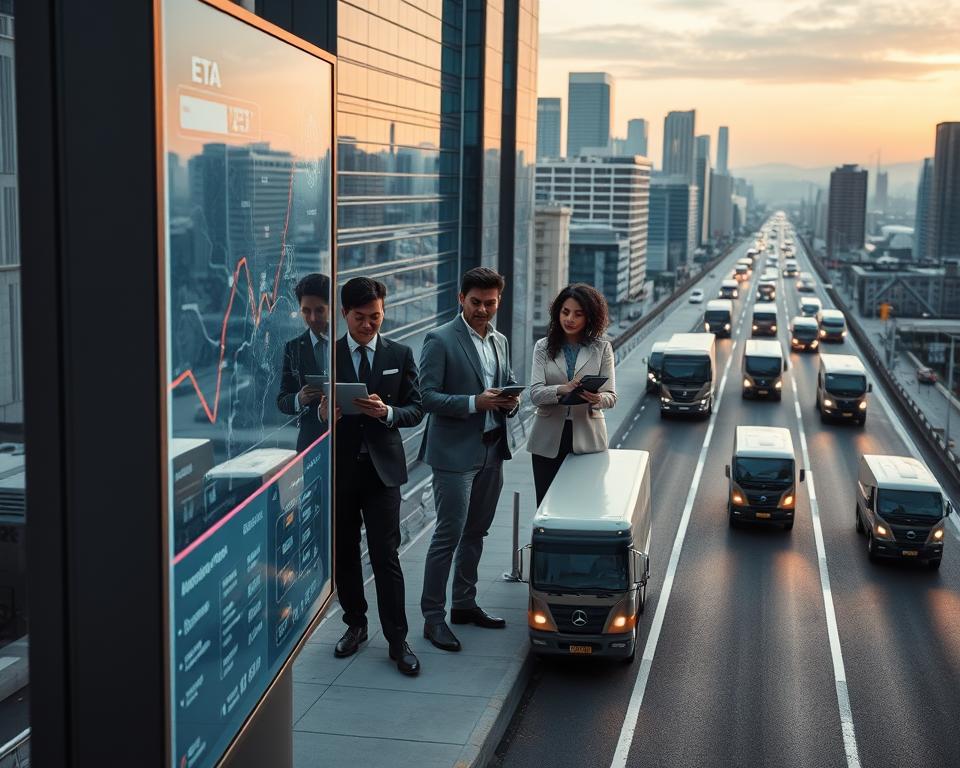
By using these advanced technologies, hyperlocal delivery services can greatly improve their efficiency and cut costs. As the industry grows, we can expect these technologies to become even more common.
Personalization Through Data Analytics and Customer Insights
Personalization is changing the game in the hyperlocal delivery world. It makes interactions more meaningful and fun. Thanks to data analytics and customer insights, apps can now tailor experiences to fit each user’s unique needs.
Customer Behavior Analysis
Getting to know what customers do is key for hyperlocal delivery. By looking at purchase history, browsing patterns, and more, businesses learn what customers like. This info helps create better marketing, boost engagement, and increase sales.
For example, knowing what customers often buy or order can help personalize their experience. This makes it more likely for them to come back.
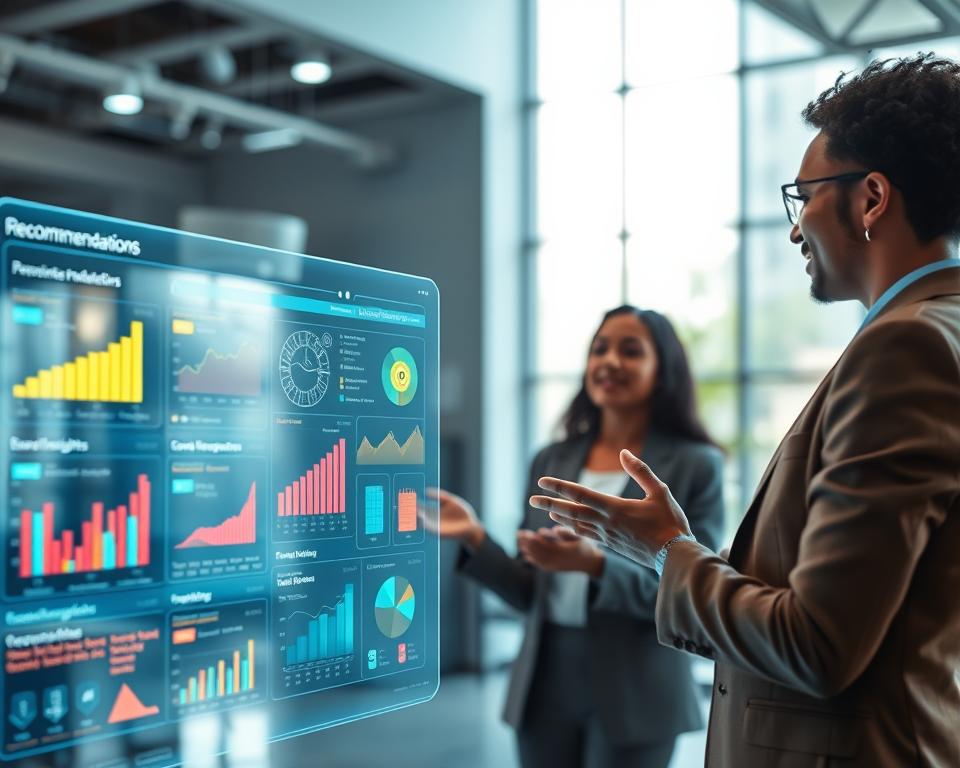
AI-Powered Recommendation Engines
AI-powered recommendation engines are a big deal in hyperlocal delivery. They use lots of data to suggest meals that are just right for each user. This makes the experience better, boosts repeat orders, and keeps customers happy.
For instance, a delivery app might suggest dishes based on what a user likes. This makes the service feel more personal and easy to use.
Customized User Experiences and Interfaces
Customizing the user experience is vital in hyperlocal delivery apps. By making the app fit each user’s style, businesses can make it more enjoyable and rewarding.
This means personalized home screens, special deals, and easier ordering. A more intuitive app keeps customers coming back and loyal.
Loyalty Programs and Rewards Integration
Adding loyalty programs and rewards is a smart move. It makes customers feel special and encourages them to keep coming back. This builds loyalty.
For example, a delivery app might give discounts or free delivery on favorite dishes. This shows customers they’re valued and keeps them using the service.
Sustainability and Green Delivery Initiatives
The hyperlocal delivery sector is moving towards green initiatives. This is because of growing environmental concerns and consumer demand for sustainable practices. It aims to lessen the environmental impact of last-mile delivery.
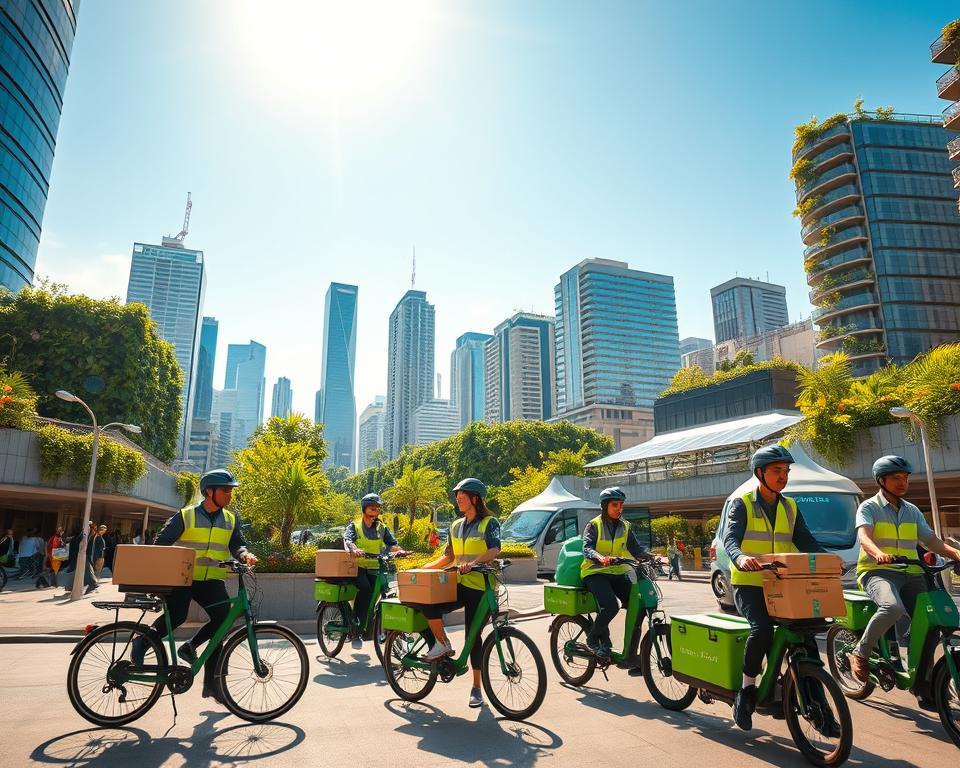
Companies are switching to electric vehicles and eco-friendly solutions. This change addresses environmental worries and high fuel costs.
Electric Vehicle and Bike Integration
Many companies are adding electric vehicles and bikes to their fleets. UPS and FedEx are leading the way with electric vans. This move cuts down on carbon emissions and saves money over time.
- Reduced carbon footprint
- Lower operational costs
- Increased efficiency
Carbon Footprint Tracking Features
Hyperlocal delivery apps are adding carbon footprint tracking features. This lets customers see the environmental impact of their deliveries. It promotes transparency and encourages eco-friendly choices.
Example: Some apps let customers offset their carbon footprint by supporting environmental projects.
Eco-Friendly Packaging Solutions
Companies are also focusing on eco-friendly packaging. They use biodegradable materials and minimal designs. This reduces waste and environmental harm.
“The shift towards eco-friendly packaging is not just a trend; it’s a necessity for businesses looking to reduce their environmental impact.”
Sustainable Partner Incentive Programs
Some companies are launching incentive programs for sustainability. These programs reward partners for using eco-friendly vehicles or practices. They encourage a culture of sustainability in the industry.
Cloud Kitchen and Dark Store Integration
Cloud kitchens and dark stores are changing how we get food delivered. Cloud kitchens save money and let chefs try new dishes. Dark stores make sure orders are ready fast, making customers happy.
Cloud kitchens help delivery services offer more food without needing more places. This saves money and lets them try new things.
Dark stores are close to customers, making delivery quick. This is key for happy customers.
Smart Inventory Management Systems
Cloud kitchens and dark stores help with smart inventory systems. These systems use data to predict demand and manage stock.
Good inventory systems cut waste, save money, and fill orders better. They use past sales and trends to plan what to stock.
| Feature | Cloud Kitchens | Dark Stores |
|---|---|---|
| Primary Function | Food Preparation for Delivery | Order Fulfillment for Online Orders |
| Inventory Management | Menu Item Inventory | Product Inventory for Various Categories |
| Location Strategy | Often Located in Commercial Kitchens or Shared Facilities | Typically Converted Retail Stores or Dedicated Fulfillment Centers |
Micro-Fulfillment Center Connectivity
Micro-fulfillment centers (MFCs) are small, automated places for online orders. Connecting cloud kitchens and dark stores to MFCs makes delivery faster.
MFCs help by reducing the distance between inventory and customers. This makes delivery quicker and more efficient.
Order Aggregation and Distribution
Order aggregation and distribution are key for hyperlocal delivery. Cloud kitchens and dark stores help these services better manage orders.
Good order management means optimizing routes and managing delivery times. Data and machine learning help make these processes better, keeping customers happy.
Essential Technology Stack for Hyperlocal Delivery Apps
A good technology stack is key for hyperlocal delivery apps to work well and grow. It includes parts that work together for a smooth app experience.
Frontend Development Frameworks
The frontend is what users see and use. Picking the right framework is crucial for a great user experience.
React Native and Flutter for Cross-Platform Development
React Native and Flutter help build apps for many platforms. They save time and money and feel like native apps.
Progressive Web App Technologies
Progressive Web Apps (PWAs) give a native app feel on the web. They’re easy to scale and use in any browser.
Backend Infrastructure Requirements
The backend is the app’s core. It handles data, storage, and server communication.
Node.js and Python-Based Solutions
Node.js and Python are top picks for backend work. They’re fast, scalable, and have lots of tools.
Microservices Architecture
A microservices architecture means building apps in parts. This makes them flexible and easy to update.
Database Management Solutions
Good database management is vital for app data. The right database depends on the app’s needs.
Cloud Services and API Integration
Cloud services make apps scalable and cost-effective. APIs add features and improve the app’s value.
| Technology Component | Description | Benefits |
|---|---|---|
| React Native/Flutter | Cross-platform development frameworks | Reduced development time, cost-effective, native-like experience |
| Node.js/Python | Backend development technologies | Scalable, high performance, extensive libraries |
| Microservices Architecture | Modular, independent services | Flexibility, scalability, easier maintenance |
Monetization Strategies for Hyperlocal Delivery Platforms
The hyperlocal delivery market is changing how it makes money. Businesses are looking at new ways to keep growing and making money.
It’s key for hyperlocal delivery platforms to make money well. They use different ways to earn, based on what their customers want and need.
Commission-Based Revenue Models
One big way to make money is through commissions. This means taking a cut of every order made through the platform.
The amount taken can change based on the product, the place it comes from, and the service needed. For example, more might be taken for fast or high-end orders.
| Commission Type | Description | Typical Rate |
|---|---|---|
| Standard Commission | Default commission rate for most orders | 10-15% |
| Premium Commission | Higher commission for premium services or restaurants | 15-25% |
| Promotional Commission | Adjusted commission for promotional activities | 5-10% |
Subscription and Membership Services
Offering subscriptions and memberships is another good way to make money. These can give users things like free delivery, special discounts, and fast customer support.
Subscriptions can be for a month or a year and come in different levels. For example, a basic one might give free delivery on big orders. A top one could add things like unlimited free delivery and special deals.
Advertising and Promotional Features
Advertising is a big money-maker for many platforms. This includes things like ads on the site, sponsored listings, and emails with special offers.
Companies can pay to show their stuff to more people. This can help them sell more.
Surge Pricing and Dynamic Pricing Models
Surge pricing and dynamic pricing help make more money when it’s busy. Surge pricing means charging more when it’s really busy, like during rush hours or bad weather.
Dynamic pricing changes prices based on things like how busy it is, traffic, and how many delivery people are available.
These ways help make sure deliveries are made well and that the platform makes good money.
Security and Compliance Considerations
The rise of hyperlocal delivery has made security and compliance key. These services handle sensitive data and financial transactions. It’s vital to ensure their platforms are secure and trustworthy.
“Security is not just a feature, it’s a necessity for hyperlocal delivery apps to build and maintain user trust,” as emphasized by industry experts. Strong security measures, including encrypted transactions and compliance with data protection laws, are essential.
Data Privacy Regulations and GDPR Compliance
Hyperlocal delivery apps must follow data privacy regulations like GDPR in Europe and similar laws elsewhere. They need to handle and process data strictly.
This includes getting clear user consent for data collection, minimizing data, and using strong protection measures. Not following these rules can lead to big fines and harm to reputation.
Payment Gateway Security Standards
Secure payment processing is key for hyperlocal delivery apps. They must follow Payment Gateway Security Standards, including PCI DSS Compliance.
PCI DSS Compliance
PCI DSS (Payment Card Industry Data Security Standard) compliance is a must for any service handling credit card transactions. It requires a secure network, protecting cardholder data, and regular security system checks.
Fraud Detection Systems
Advanced fraud detection systems are also crucial. They help spot and stop fraudulent transactions, protecting both the business and its users.
For more insights on integrating secure payment gateways, visit https://nextbigtechnology.com/integrating-secure-payment-gateways-in-mobile-shopping-apps-best-practices/.
User Authentication and Authorization Methods
Strong user authentication and authorization methods are vital. They help secure user accounts and prevent unauthorized access. This includes multi-factor authentication (MFA), biometric authentication, and secure password policies.
By focusing on security and compliance, hyperlocal delivery apps can protect user data, prevent fraud, and keep a good reputation in the market.
Overcoming Challenges in Hyperlocal Delivery App Development
Creating hyperlocal delivery apps comes with big challenges. These include making last-mile delivery better and managing a network of delivery partners. Understanding the operational, tech, and logistical sides is key.
Last-Mile Delivery Optimization
The last-mile delivery is tough because it’s expensive and doesn’t make much money. To tackle this, using advanced route optimization algorithms can cut down on fuel and emissions. Also, adding real-time tracking makes customers happier by giving them exact delivery times.
Here are some ways to improve last-mile delivery:
- Dynamic routing adjusts for traffic and other factors
- Data analytics helps predict demand and optimize routes
- Investing in autonomous delivery vehicles lowers labor costs
Managing Delivery Partner Networks
Managing delivery partner networks well is vital for hyperlocal apps to succeed. It involves several important steps:
Partner Onboarding and Training
A good onboarding process makes sure delivery partners know the app and their role. Training programs improve their skills, leading to better service.
Performance Metrics and Quality Control
Setting clear performance metrics helps check if delivery partners are doing well. Regular checks and feedback keep the service quality high.
Scaling Infrastructure for Peak Demand
To deal with changing demand, hyperlocal apps need scalable infrastructure. Using cloud services that can grow or shrink with demand is helpful. Also, a strong backend infrastructure keeps the app running smoothly, even when it’s busy.
Here’s what to think about for scaling infrastructure:
- Cloud services offer flexibility and scalability
- Load balancing spreads traffic well
- Keep data safe and sound during scaling
Cost Factors and Development Timeline Considerations
For businesses wanting to start a hyperlocal delivery app, knowing the costs and timeline is key. The price can change a lot based on the app’s complexity, features, and who you work with.
Development Phase Breakdown
The development phase is a big part of the cost and time needed. It includes planning, building, and launching the app.
MVP Development Costs
Creating a Minimum Viable Product (MVP) is a smart way to test the market. The cost of making an MVP can vary a lot, depending on what features you include. Important things to think about are:
- Basic features like signing up and placing orders
- Connecting with payment systems
- A simple design for users
For example, making a flower delivery app can show you what MVP costs are like. It has similar basic features.
Full-Scale Platform Development
Building a full platform means adding more features and making sure it can grow. This includes:
- Using AI and machine learning for better routes
- Working with many vendors and logistics
- Improving security
Ongoing Maintenance and Update Costs
After you first build the app, keeping it up and making updates is key. This means:
- Keeping it secure and fixing bugs
- Adding new features based on what users say
- Keeping servers running smoothly and growing
Usually, 15% to 20% of the first cost is for keeping the app running each year.
Team Composition and Resource Allocation
The team working on the app and how you use resources affect the cost and time. Important roles include:
- Project managers
- UI/UX designers
- Backend and frontend developers
- Quality assurance testers
Having the right team and using resources well is key to meeting deadlines and staying on budget.
Conclusion
The future of hyperlocal delivery apps depends on their ability to meet changing needs and use new technology. Trends like AI, real-time tracking, and contactless delivery will shape the industry. These changes will make hyperlocal delivery more efficient and user-friendly.
Businesses need to keep up with these trends to succeed. By staying informed and adapting, they can offer better services. This ensures that delivery services meet customer needs effectively.
As hyperlocal delivery grows, so will the need for innovative apps. This will lead to more advancements in logistics and delivery. It will redefine how we get our goods and services.