






AI is changing farming by making it more efficient and cheaper. Smart farming uses tech like AI and IoT to boost crop yields by 20% and cut water use by 30%. To start making a smart farming app, check out the AI app development guide for more info.
In the U.S., more farmers are using AI and IoT to better their farming. These technologies help farmers make better choices based on data. This lowers the chance of crop failure and boosts productivity.
Table of Contents
Key Takeaways
- Smart farming can increase crop yields by up to 20% and reduce water consumption by up to 30%.
- AI and IoT technology can help farmers make data-driven decisions.
- Smart farming is becoming increasingly popular in the United States.
- The use of AI in agriculture can improve overall productivity.
- Developing a smart farming app requires a comprehensive guide.
Understanding Smart Farming Technology Landscape
The agricultural technology market is growing fast. It’s expected to hit $15 billion by 2025. This growth comes from more farmers using precision agriculture and farm management software.
Farm management software is getting popular. It helps farmers grow more crops, waste less, and use resources better. This software gives farmers real-time data and insights. It helps them make smart choices about their farms.
As more farmers want smart farming solutions, new agricultural technology is key. It’s important for farmers and the environment.
Current State of AgriTech
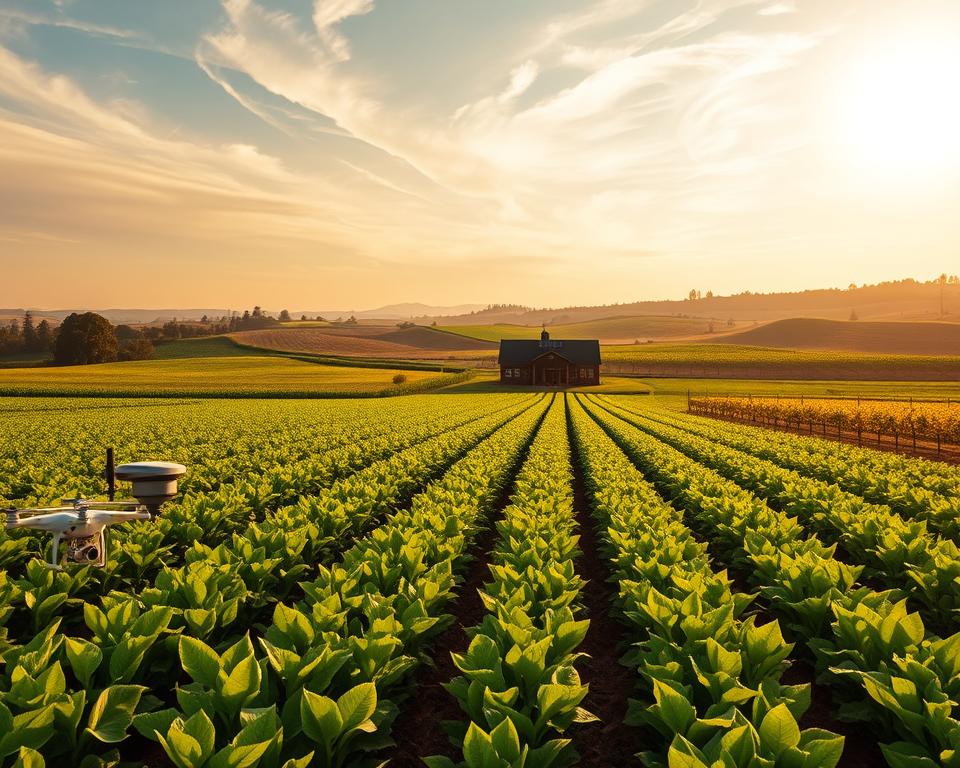
Today, farmers use sensors, drones, and satellite imaging a lot. These tools help them track soil moisture, temperature, and crop health. This leads to more precise and efficient farming.
Artificial intelligence and machine learning are also becoming common. They help farmers automate tasks and make decisions based on data.
Market Demand for Smart Farming Solutions
Farmers need smart farming solutions to grow food sustainably and efficiently. With the world’s population growing, food demand is up. Farmers must use new technologies to meet this need.
Using agricultural technology, like farm management software, is crucial. It helps farmers grow more, waste less, and farm sustainably.
Key Technology Components
Smart farming includes sensors, drones, satellite imaging, and farm management software. These tools give farmers a full view of their operations. They help farmers make smart choices and improve their practices.
As the agricultural technology market grows, new technologies are vital. They meet farmers’ and the environment’s needs.
Essential Features of a Smart Farming Application
A smart farming app is key for farmers who want to use precision agriculture. It helps them grow more crops, waste less, and farm better. With IoT in farming, farmers can make their farms more efficient. Here are some must-have features of a smart farming app:
- Crop monitoring: This lets farmers check on their crops’ health and growth anytime.
- Soil analysis: It gives farmers detailed info on soil conditions, like pH levels and nutrient content.
- Weather forecasting: This helps farmers plan their work based on the weather, avoiding damage from bad weather.
These features are vital for farmers who want to use precision agriculture. A smart farming app helps farmers make smart choices, save money, and earn more. Using IoT in farming is changing the agriculture world. Farmers who use these technologies will have an edge in the market.
Planning Your Smart Farming App Development
Planning is key when making a smart farming app. You need to know who will use it and what it should do. Studies show these are the most critical parts for success. By knowing what users want, developers can make apps that help farmers and offer new ways to farm.
The first thing to do is to define user personas. This means figuring out who will use the app, what they need, and what they want to achieve. For instance, farmers might want an app for weather and soil moisture updates. Experts might look for data on crops and soil health.
Setting Core Functionality Goals
After knowing who will use the app, it’s time to decide what it should do. This means picking the main features and functions. Some important goals for a smart farming app include:
- Providing real-time weather updates and soil moisture levels
- Tracking crop yields and soil health
- Offering personalized recommendations for crop management and soil conservation
By setting clear goals, developers can make an app that really helps farmers. This can lead to more people using smart farming solutions. It also supports farming in a way that’s good for the planet.
Integrating IoT Sensors and Devices
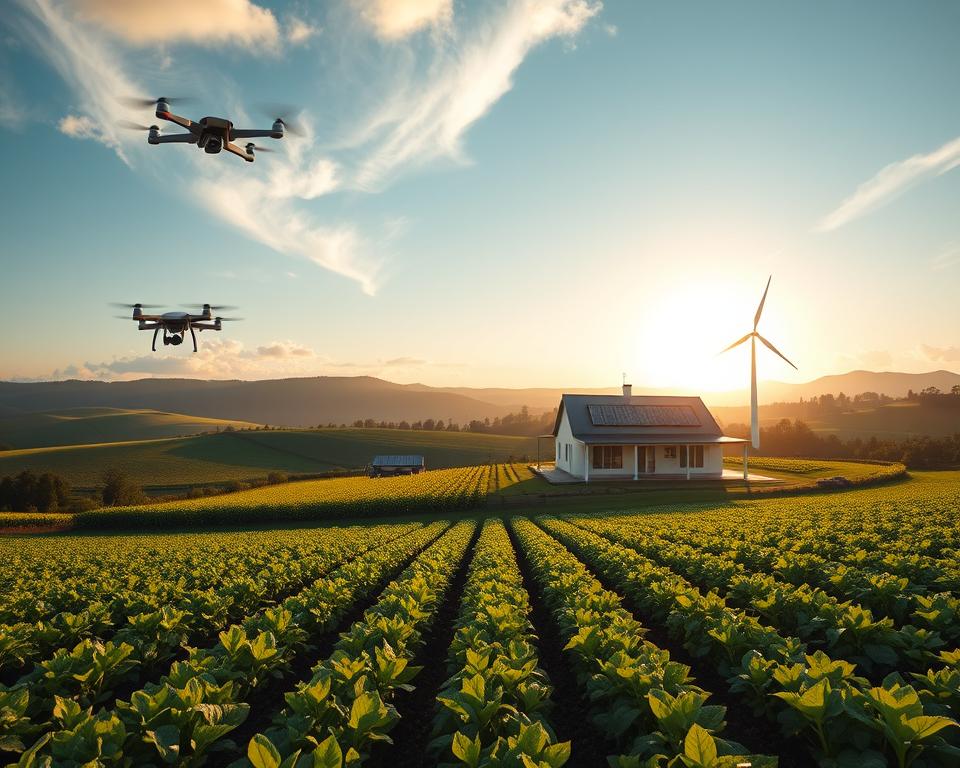
Adding IoT sensors and devices to farm systems is key for getting data. This helps farmers make better choices, leading to more crops and less spending. With IoT, farmers can keep an eye on soil moisture, temperature, and plant health as it happens.
IoT in farming brings many advantages, like better efficiency and output. For example, sensors can show how wet the soil is. This lets farmers adjust water use, saving water and money.
Selecting Appropriate Sensors
Choosing the right IoT sensors is important. Farmers need to think about how accurate, durable, and compatible the sensors are. Common sensors include those for temperature, humidity, and soil moisture.
Setting Up IoT Infrastructure
Setting up IoT needs careful planning. Farmers must think about network, power, and data storage. It’s also crucial to make sure the setup is safe and works well to avoid losing data or security issues.
Data Collection Protocols
Having clear data collection rules is vital for good analysis. Farmers should set up how data will be gathered, stored, and analyzed. This ensures that sensors and devices work together well and give consistent data.
Implementing Artificial Intelligence Components
Artificial intelligence is changing the way we farm. AI-powered farming and machine learning are leading this change. Studies show AI can boost crop yields by up to 10% and cut labor costs by up to 20%. This is thanks to machine learning algorithms that analyze data and predict outcomes, helping farmers make better decisions.
The advantages of AI in farming are clear. They include improved crop yields, reduced labor costs, and enhanced decision-making. AI is being used in various ways in agriculture, such as:
- Predictive analytics to forecast crop yields and detect potential issues
- Automated farming equipment to optimize planting, irrigation, and harvesting
- Machine learning algorithms to analyze data from sensors and make recommendations
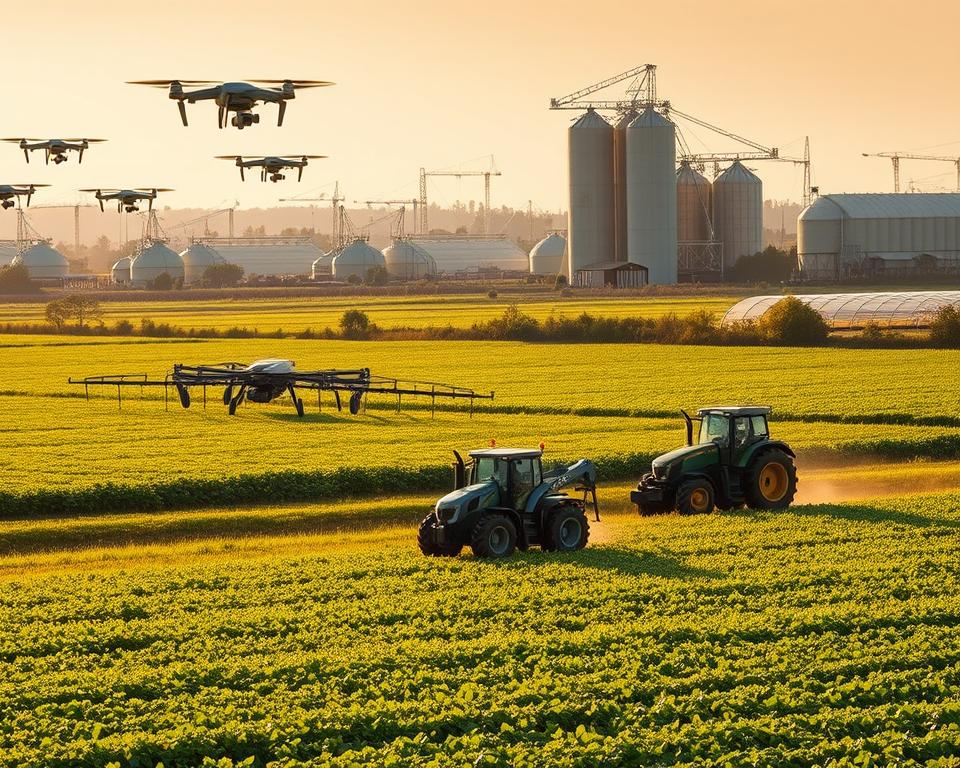
As AI in farming grows, we can expect even more innovative uses. AI has the potential to increase crop yields and lower labor costs. This makes AI an exciting development for farming.
| Benefits of AI-Powered Farming | Description |
|---|---|
| Improved Crop Yields | Predictive analytics and machine learning algorithms help farmers optimize crop growth |
| Reduced Labor Costs | Automated farming equipment and AI-poweredichert systems reduce the need for manual labor |
| Enhanced Decision-Making | AI-powered systems provide farmers with data-driven insights to inform their decisions |
How to Develop a Smart Farming App Using AI & IoT: Step-by-Step Guide
Creating a smart farming app with AI and IoT needs careful planning. A recent survey found that picking the right tech stack is key to success. Here’s a step-by-step guide to help you start.
Architecture Planning
First, plan the app’s architecture. Decide on the design, user interface, data storage, and security. IoT-based farming needs a strong architecture to handle lots of data.
Technology Stack Selection
Next, choose the right tech stack for your app. Pick programming languages, frameworks, and databases. Smart agriculture solutions need a stack that’s scalable, secure, and easy to manage.
Development Phases
Then, develop the app in phases: design, development, testing, and deployment. Develop in an iterative way with continuous testing and feedback. This ensures the app meets standards.
By following these steps and using the right tech stack, you can create a smart farming app. It will help farmers increase yields and reduce waste. Smart agriculture solutions are the future, and you can be part of it.
Data Management and Analytics Infrastructure
Effective agricultural data management is key for smart farming. It involves collecting, storing, and analyzing data from sources like sensors and drones. This data helps farmers optimize crop yields, cut costs, and better use resources.
Studies show that farm data analytics can boost crop yields by up to 15% and cut costs by up to 10%. A strong data management and analytics setup is needed for this. This includes:
- Database design: A good database is vital for managing large data amounts.
- Real-time processing systems: These systems process data quickly, offering real-time insights and decision-making.
- Analytics dashboard development: An analytics dashboard makes it easy for farmers to view and analyze their data, aiding in informed decisions.
With a solid data management and analytics infrastructure, farmers can fully utilize their data. They can make data-driven decisions to enhance their operations. This includes optimizing irrigation, predicting crop yields, and spotting areas for improvement.
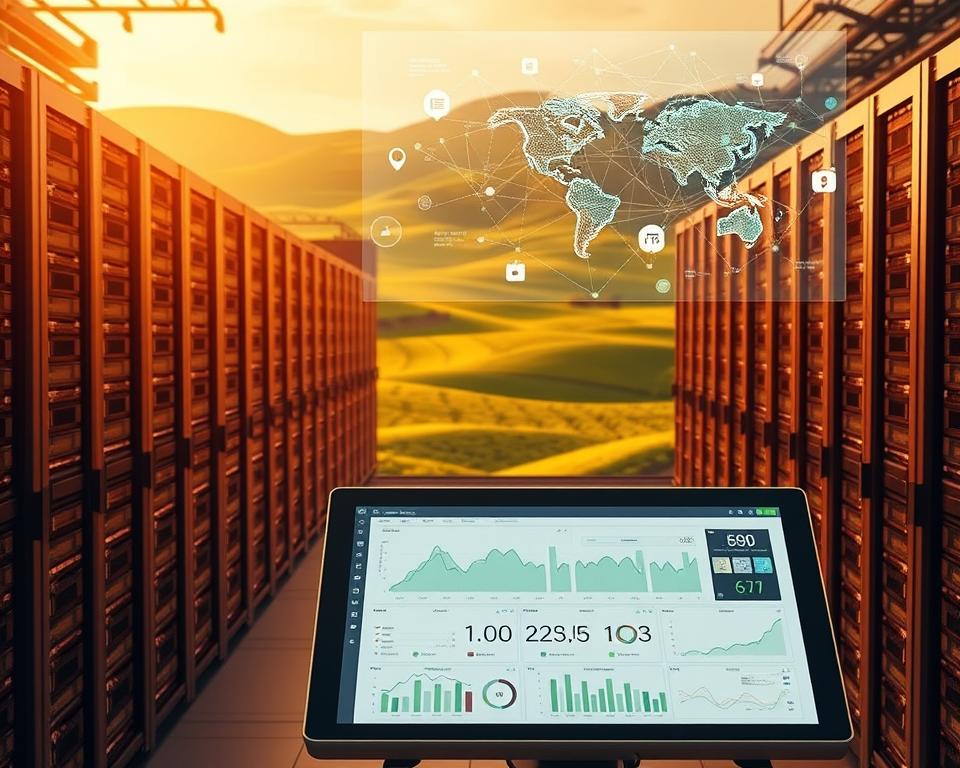
Some key features of a data management and analytics infrastructure for smart farming include:
| Feature | Description |
|---|---|
| Scalability | The ability to handle large amounts of data and scale up or down as needed. |
| Security | Robust security measures to protect sensitive data and prevent unauthorized access. |
| Integration | The ability to integrate with other systems and tools, such as sensors and drones. |
By investing in a robust data management and analytics infrastructure, farmers can enhance their operations. This leads to increased efficiency and reduced costs. It helps boost crop yields, improve food security, and supports a sustainable food system.
Security Considerations for Agricultural IoT Applications
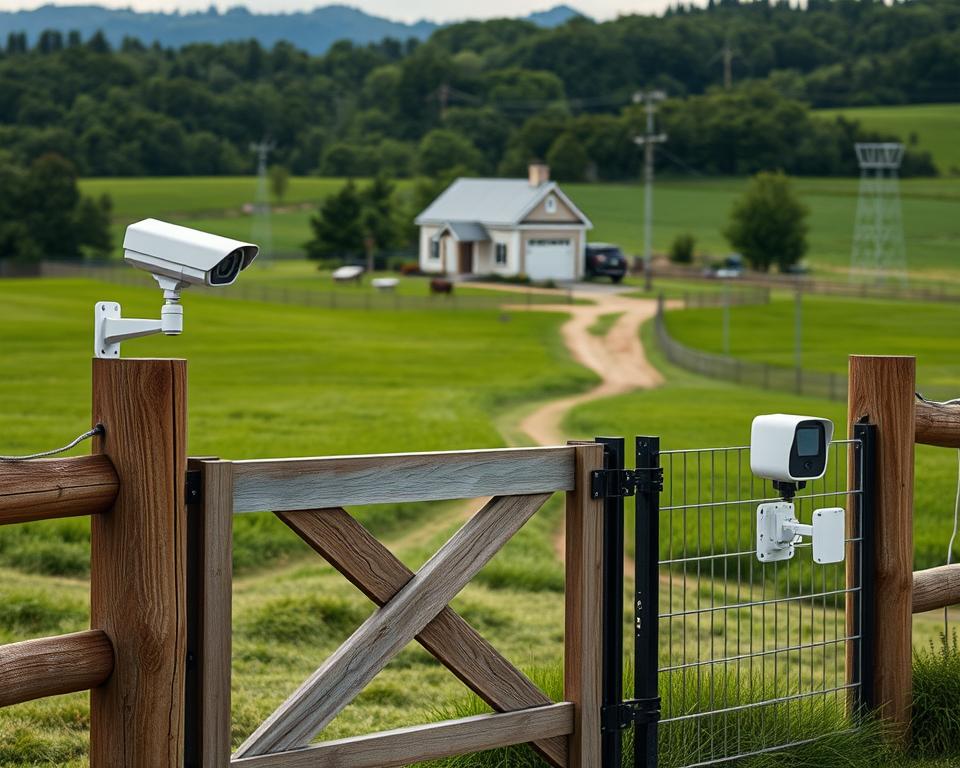
IoT use in farming is on the rise, making farm security a big worry. Protecting sensitive data is key, a recent survey found. This is because IoT in farming deals with important data like crop yields and soil moisture.
To keep farm IoT safe, strong agricultural cybersecurity is needed. This means using encryption, secure login methods, and keeping software up to date. Farmers and ag businesses must also know the risks, like data theft and tampering with equipment.
Here are some important steps for farm IoT security:
- Strong password rules and secure login methods
- Regular software and firmware updates to avoid bugs
- Encrypting data to keep it safe
- Watching for signs of tampering or unauthorized access
By following these steps, farmers and ag businesses can protect their IoT systems and data. This is crucial for keeping farming operations running smoothly and preventing food production issues.
User Interface Design for Farm Management
A well-designed user interface is key for farm management software. A study showed that user experience is the top factor for a smart farming app’s success. Farmers need to easily use the app to make good decisions for their farm.
A mobile-first approach is important for farm management apps. Many farmers use their smartphones to manage their farms. This approach makes the app easy to use and functional.
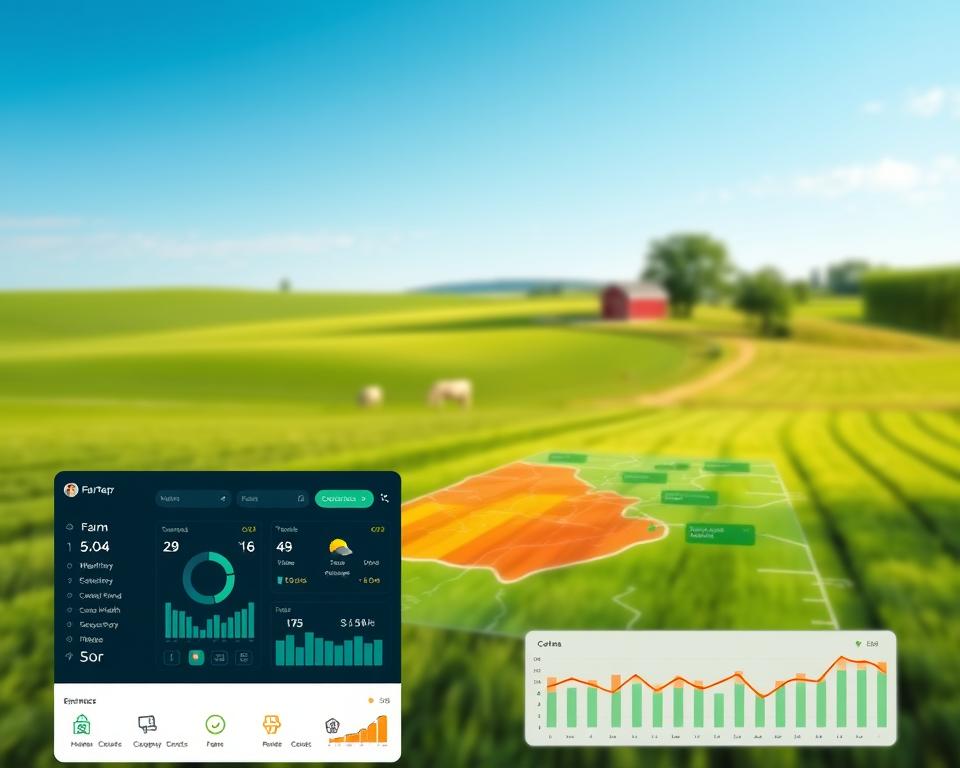
Some important things to consider in user interface design for farm management apps are:
- Simple and intuitive navigation
- Clear and concise language
- High-quality visuals and graphics
- Accessibility features for users with disabilities
By focusing on these aspects, developers can make a user-friendly interface. This improves the overall experience in farming apps. Asuser experienceis vital for farm management software, it’s crucial to focus on user interface design.
Testing and Quality Assurance Protocols
In farm app development, testing and quality assurance in agricultural software are key to success. A recent survey found that thorough testing and quality checks are most important. They ensure the app works well and meets standards.
A good testing plan includes unit, integration, and user acceptance testing. These steps help find and fix bugs. This way, the app works as it should and gives farmers accurate data.
Important parts of testing and quality assurance in farm app development are:
- Functional testing to check if features work right
- Performance testing to see if the app handles lots of data and users
- Security testing to keep user data safe
- User acceptance testing to make sure farmers like the app
By doing thorough testing and quality checks, developers can make sure their farm app is a success. This success helps farmers grow more, waste less, and work more efficiently.
By focusing on testing and quality assurance in agricultural software, developers can make top-notch farm apps. These apps meet farmers’ needs and help the agricultural industry thrive.
| Testing Type | Description |
|---|---|
| Unit Testing | Testing individual components of the app |
| Integration Testing | Testing how different components of the app work together |
| User Acceptance Testing | Testing the app with real users to ensure it meets their requirements |
Deployment and Maintenance Strategies
Getting farm management systems up and running smoothly is key. It involves setting up cloud infrastructure, scaling, and maintenance. A study found that the success of a smart farming app depends a lot on these steps.
The cloud infrastructure setup is vital. It’s where the system starts. Choosing the right cloud services and making sure it’s scalable and secure is crucial. Keeping the system updated is also important for its performance.
Some important things to think about include:
- Cloud infrastructure setup and configuration
- Scaling considerations to ensure the system can handle increased traffic and data
- Maintenance protocols to ensure the system remains secure and up-to-date
By focusing on these areas, farmers and agricultural businesses can make their systems work better. This leads to more efficiency, productivity, and profit.
Understanding how technology, agriculture, and business work together is essential. By focusing on these strategies, farmers and agricultural businesses can stay competitive. This helps them reach their goals in the changing agricultural world.
| Strategy providence | Description |
|---|---|
| Cloud Infrastructure Setup | Configuring cloud services for scalability and security |
| Scaling Considerations | Ensuring the system can handle increased traffic and data |
| Maintenance Protocols | Regular updates and security patches to ensure system integrity |
Cost Considerations and ROI Analysis
When making a smart farming app, cost considerations in farm app development are key. Surveys show that the return on investment in agricultural technology is crucial. This means we need to carefully look at ROI to make sure the tech pays off.
To figure out the ROI of a smart farming app, we must look at several costs. These include:
- Development costs: This covers hiring developers, designing the app, and testing it.
- Deployment costs: This includes setting up the app, training users, and deploying it.
- Maintenance costs: This is for updates, bug fixes, and tech support.
Doing a deep dive into cost considerations in farm app development and return on investment in agricultural technology helps developers make smart choices. This way, they can build a smart farming app that’s good for farmers and the planet.
A well-planned smart farming application can increase crop yields, reduce waste, and improve farming efficiency. By investing in smart farming tech, farmers can boost their profits and help make food production more sustainable.
Regulatory Compliance and Standards
When making a smart farming app, it’s key to think about regulatory compliance in agricultural technology. This means the app must follow agricultural data privacy laws and rules. Not following these can lead to big fines and harm the app’s reputation.
Some important areas to pay attention to include:
- Agricultural data privacy laws, which cover how data is gathered, kept, and shared
- IoT device rules, which control the use of IoT devices in farming
- Environmental rules, to make sure the app doesn’t harm the environment
Recent studies show that regulatory compliance in agricultural technology is crucial for a smart farming app’s success. By focusing on agricultural data privacy and following rules, developers can gain user trust and make a successful app.
By knowing and following these rules, developers can make a smart farming app that works well and follows the law.
Future-Proofing Your Smart Farming Application
The agricultural world is always changing. It’s key to make sure your farm management systems can handle these changes. Surveys show that being able to adapt to new tech trends is vital for a smart farming app’s success.
To make your smart farming app ready for the future, try these tips:
- Keep up with the latest in agricultural tech
- Invest in systems that can grow and change
- Build a team that loves to learn and innovate
Studies show apps that use new tech trends can grow more crops and save money. By focusing on making farm management systems future-proof, farmers and businesses can stay ahead. This leads to long-term success and sustainability.
By thinking ahead in developing smart farming apps, businesses can find new ways to grow. As the industry keeps changing, it’s crucial to focus on making farm management systems future-proof. This way, you can adapt to new trends in agricultural technology.
| Strategy | Benefits |
|---|---|
| Invest in scalable infrastructure | Increased flexibility and adaptability |
| Develop a culture of continuous learning | Improved innovation and competitiveness |
| Stay up-to-date with emerging trends | Enhanced decision-making and productivity |
Conclusion
Smart farming apps are changing the game in agriculture. They use AI and IoT to help farmers grow more, spend less, and care for the planet. Studies show these apps can boost crop yields by 20% and cut costs by 15%.
If you want to improve your mobile apps with AI, the gains are big. We hope to spark more creativity in smart farming app development. As more people seek these solutions, their role in shaping agriculture’s future is key.
In short, smart farming apps are vital for a better, greener, and more productive farming world. By adopting these technologies, we can ensure a brighter future for everyone involved in farming and the environment.