






The demand for running tracker apps is growing fast. Strava leads with its rich features for runners, cyclists, and outdoor fans. Now, the chance to make a similar app is more promising than ever.
This guide will show you how to make a running tracker app like Strava. We’ll look at the fitness app market, Strava’s business model, and key features. By the end, you’ll know how to turn your fitness app dreams into reality.
Table of Contents
Key Takeaways
- Understand the fitness app market and analyze Strava’s success to identify growth opportunities.
- Implement essential features like GPS tracking, real-time activity recording, and user authentication for a comprehensive running tracker app.
- Leverage the right technology stack, including backend, frontend, and database solutions, to ensure a seamless user experience.
- Integrate social features and gamification elements to foster a vibrant community and enhance user engagement.
- Explore monetization strategies, such as subscription models and premium feature offerings, to ensure the long-term sustainability of your running tracker app.
By following this guide, you’ll be on your way to creating a top-notch running tracker app. It will attract fitness enthusiasts worldwide.
Explore the key featuresof a successful fitness tracking to get a deeper understanding of the core functionalities required for a comprehensive running tracker solution.
Understanding the Fitness App Market and Strava’s Success
The fitness app market has grown a lot in recent years. This growth is thanks to more people using health and wellness apps. Knowing the key stats, Strava’s business model, and new market chances is key for a successful running app.
Key Statistics in Fitness App Industry
The global fitness app market is set to hit $15.6 billion by 2027. It’s growing at a 21.6% CAGR from 2020 to 2027. Smartphones and the push for personal fitness have driven this growth. The COVID-19 pandemic has also boosted app use as people look for ways to stay active.
Strava’s Business Model Analysis
Strava, a top fitness tracking app, has over 95 million users worldwide. Its success comes from engaging users, building a strong community, and offering features for all athletes. Strava makes money through its premium subscription, thanks to its social features and loyal users.
Market Opportunities and User Demands
The fitness app market is always changing, offering new chances for developers. Users want personalized workouts, data insights, and to connect with others. By understanding these needs, you can make a running app that stands out.
| Metric | Value |
|---|---|
| Global Fitness App Market Size (2020) | $11.5 billion |
| Projected Global Fitness App Market Size (2027) | $15.6 billion |
| CAGR (2020-2027) | 21.6% |
| Strava’s Registered Users Worldwide | Over 95 million |
Essential Features for a Running Tracker Application
Creating a top-notch running tracker app means adding key features. These should include GPS tracking, logging activities, analyzing performance, and sharing on social media. This mix helps users get the most out of their fitness journey.
Precision GPS Tracking
GPS tracking is crucial for any running app. It tracks where you are, how far you’ve gone, your speed, and elevation changes live. This info helps create detailed maps and shows how your training is going.
Comprehensive Activity Logging
A good app logs your workouts well. It tracks how long you run, calories burned, and more. This info helps you see how you’re doing over time and set goals to get better.
Insightful Performance Analytics
The app should also offer deep insights into your runs. It can analyze your pace, heart rate, and compare past runs. This helps you fine-tune your workouts and reach your fitness goals.
Engaging Social Sharing
Adding social sharing makes the app more fun and builds a community. Users can share their runs, achievements, and progress. This encourages friendly competition and keeps everyone motivated.
| Feature | Description |
|---|---|
| GPS Tracking | Accurately track user location, distance, pace, and elevation changes in real-time |
| Activity Logging | Allow users to log their workouts, including duration, calories burned, and other relevant metrics |
| Performance Analytics | Provide detailed data visualization and insights into user’s running performance, such as pace analysis and heart rate monitoring |
| Social Sharing | Enable users to share their activities, achievements, and progress with their friends and followers |
With these key features, a running app can help users get fitter, track their progress, and connect with others. The app’s ability to track, log, analyze, and share makes it a valuable fitness companion.

Technical Requirements and Technology Stack Selection
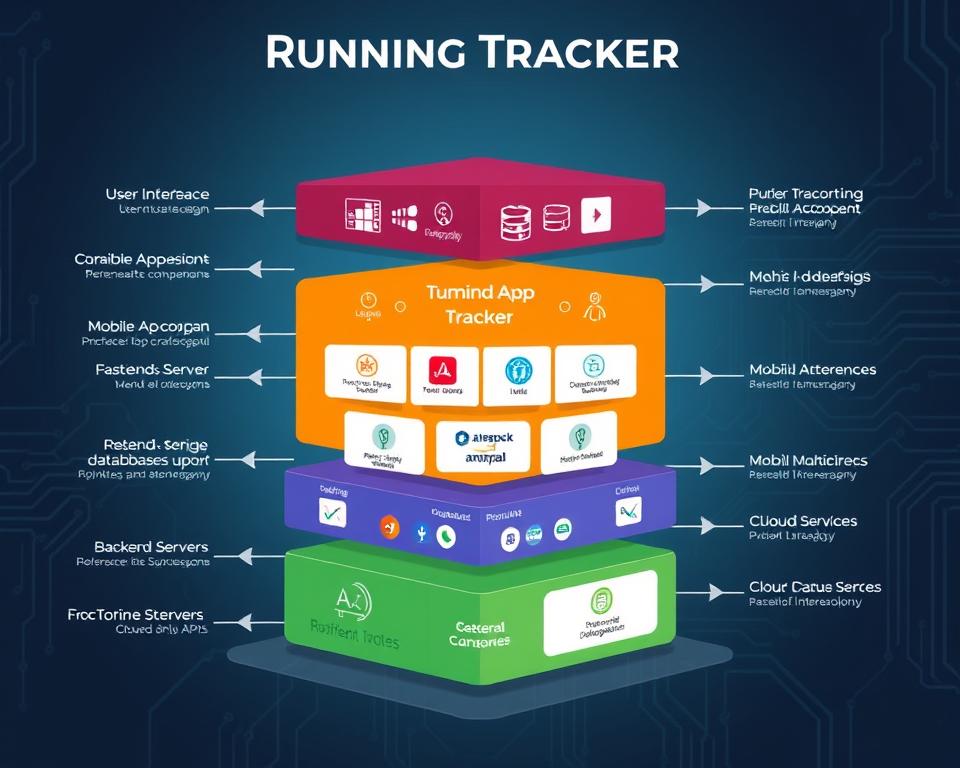
Creating a successful running tracker app like Strava needs a well-chosen tech stack. This stack must handle the app’s complex tasks and grow with it. It’s important to pick the right technologies for backend, frontend, and database management.
Backend Technology Options
The backend of your app handles key functions like user login, tracking activities, and processing data. Popular choices include Node.js, Ruby on Rails, and Spring Boot. These frameworks are strong, scalable, and can integrate well with your app’s needs.
Frontend Framework Choices
The frontend of your app is what users see and interact with. Using frameworks like React, Angular, or Vue.js can make your app look good and work well. These frameworks help create a smooth user experience on different devices.
Database Selection Criteria
Choosing the right database is key for storing and getting user data and app info. You can pick from relational databases like PostgreSQL or MySQL, or NoSQL databases like MongoDB or Couchbase. Think about your data needs, how it will grow, and how fast you need to get data when picking a database.
“Selecting the right tech stack is essential for building a robust and scalable running tracker application that can meet the evolving needs of your users.”
GPS Integration and Location Tracking Implementation
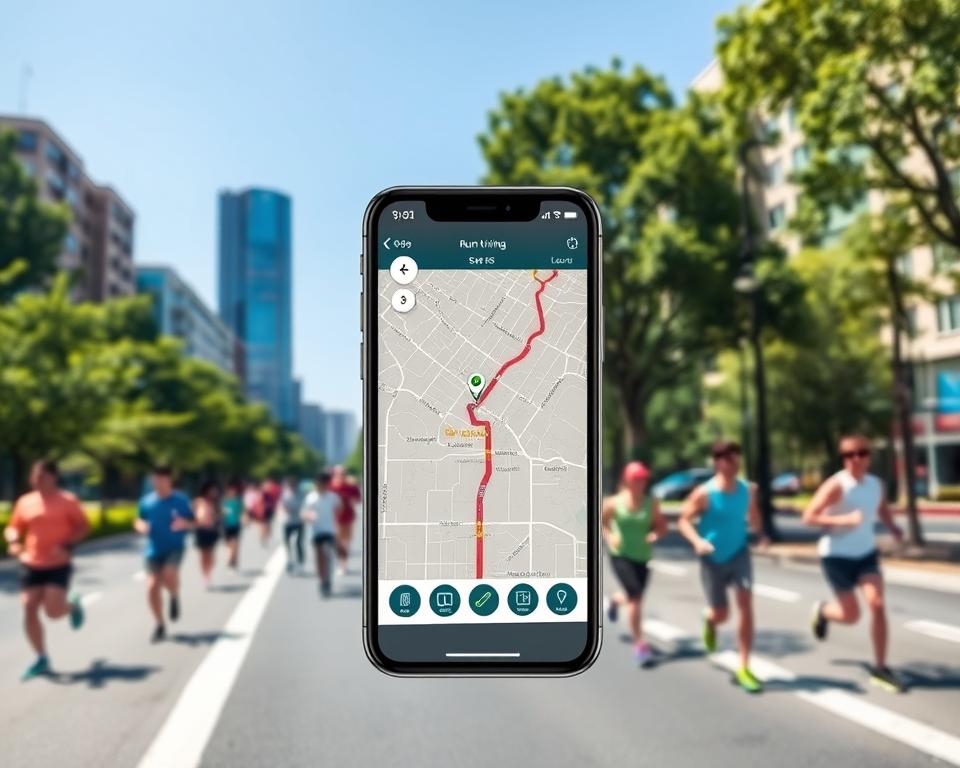
Integrating GPS and implementing location tracking are key for a top running tracker app like Strava. It’s vital to have GPS accuracy and real-time tracking for reliable performance data during runs.
Developers face challenges in GPS integration. Battery life is a big concern since GPS uses a lot of power. Using smart GPS sampling and low-power modes can help save battery life.
Keeping location services accurate is also crucial. Urban areas, tall buildings, and signal interference can affect GPS quality. Techniques like sensor fusion, combining GPS with Wi-Fi and cellular data, improve accuracy and reliability.
| Feature | Description |
|---|---|
| GPS Accuracy | Ensuring precise location tracking and measurements for user activities |
| Real-time Tracking | Providing users with live updates on their performance and location during workouts |
| Battery Optimization | Implementing strategies to minimize battery drain from continuous GPS usage |
| Sensor Fusion | Combining GPS data with other location sensors for improved accuracy and reliability |
By tackling these technical issues, developers can make a running tracker app that’s seamless, accurate, and fun for fitness lovers.
User Authentication and Profile Management System
Creating a secure and easy-to-use user authentication system is key for apps like Strava. By adding user authentication and profile management, users can easily access their data and settings. This makes their experience better.
Social Login Integration
Adding social login options is a big plus. It makes signing up and in easier. It also uses users’ social media accounts, making things more convenient.
- Use popular social login providers like Google, Facebook, and Apple for easy account linking.
- Make sure the integration works well, keeping user data safe and preferences intact.
- Also, offer email and password sign-up for those who like it old-school.
User Data Security Measures
Keeping user data safe is crucial for trust in your app. Use strong security to protect user info and keep their data private.
- Use top encryption methods to keep user details and sensitive info safe.
- Add multi-factor authentication (MFA) for extra security on user accounts.
- Keep updating your security to fight off new threats and weaknesses.
Profile Customization Options
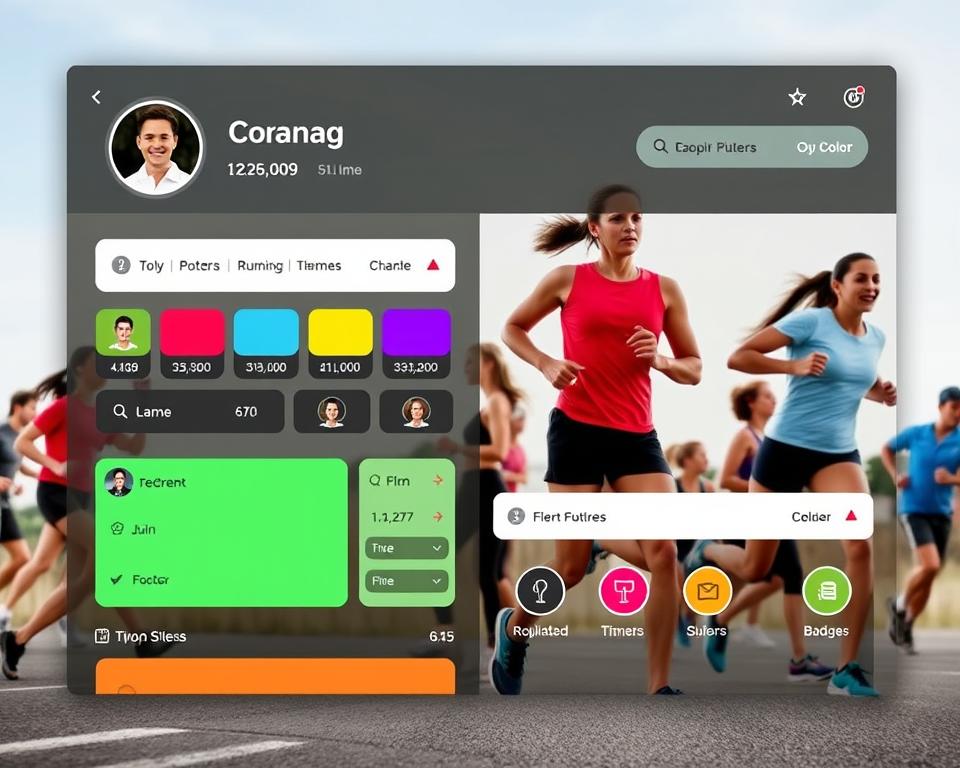
Letting users customize their profiles boosts their app use and personal touch. Give them options to make their running tracker fit their style.
- Manage personal info like name, email, and profile picture.
- Set fitness goals and track progress.
- Choose unit measurements and display settings.
- Control notifications and privacy settings.
With a full user authentication and profile management system, you make a smooth and safe app. This keeps users happy and active.
Activity Recording and Real-time Tracking Features
Creating a top-notch running app like Strava needs strong features for logging activities, real-time updates, and syncing data. These are key for a great workout tracking experience.
The activity logging part lets runners track their workouts. It captures important details like distance, time, pace, and elevation. The app should make it easy to start, pause, and stop activities for smooth tracking.
The app should also give real-time updates during workouts. This means tracking the user’s location, pace, and performance live. Runners can see how they’re doing and adjust their efforts on the fly.
It’s important for the app to sync data well. This way, users can see their workout history on any device. It keeps their records up to date and complete, no matter where they are.
For meaningful insights, workout tracking must be accurate. The app should use GPS and sensors to get precise data. This ensures users can rely on their workout history.

“The ability to track my runs in real-time and have all my data seamlessly synced across devices is a game-changer. It keeps me motivated and helps me analyze my progress over time.”
By focusing on these key features, a running app can offer a full and engaging experience. It helps users reach their fitness goals and stay motivated in their running journey.
How to Create a Running Tracker App Like Strava
To make a running tracker app like Strava, you need a solid plan. The app-making process has several important steps. Each step has its own tasks and best ways to do them.
Development Roadmap
The first thing is to make a clear plan for your app. You should outline what your app will do, when it will be ready, and what features it will have. Using an agile method helps keep your project flexible and on track.
Core Functionality Implementation
The heart of a running tracker app is its main features. These include tracking your runs with GPS, monitoring your activity in real-time, and showing your workout data. Making these features work well is key to a good user experience.
Testing and Quality Assurance
Ensuring your app is top-notch is crucial. You need a strong testing and quality assurance plan. This includes testing each part of the app, trying it out with a few users, and fixing any problems found. This way, you can offer a smooth and reliable app to your users.
By sticking to a detailed plan, focusing on the app’s core features, and making sure it’s tested well, you can create a standout running tracker app. It will offer a great experience for users and stand out in the fitness app world.

“The key to building a successful running tracker app is to focus on the user experience and continuously improve the app based on user feedback and market trends.”
Data Analytics and Performance Metrics
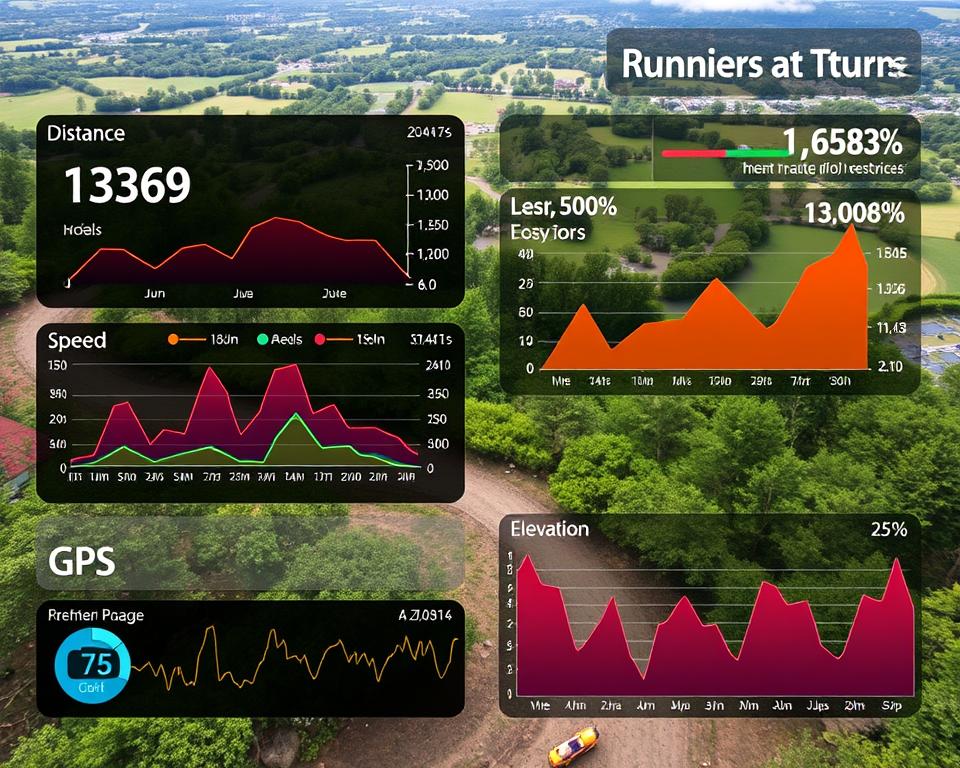
Running tracker apps aim to offer a full experience. They do this by using strong data analytics and performance metrics. These tools help users see their workout statistics and progress tracking. This way, they can better their fitness journey.
The app’s data analytics should make it easy to understand user data. Data visualization tools turn raw data into clear charts and graphs. This lets users quickly see their performance analysis and know where to improve.
| Metric | Description | Benefit |
|---|---|---|
| Distance Tracking | Accurately record and display the total distance covered during a workout. | Helps users monitor their progress and set distance-based goals. |
| Pace and Speed Analysis | Provide detailed insights into the user’s pace, speed, and split times during the run. | Enables users to optimize their training and identify areas for improvement. |
| Elevation and Gradient Tracking | Track the elevation gained and the gradient of the terrain during the workout. | Helps users understand the difficulty of their runs and plan for future challenges. |
| Calorie Burn Estimation | Estimate the number of calories burned based on the user’s activity level and biometrics. | Allows users to monitor their calorie expenditure and adjust their nutrition accordingly. |
By adding these performance analysis features, the app helps users stay motivated. It lets them set and reach goals, improving their fitness. The mix of data visualization and workout statistics gives users a full view of their progress tracking. This helps them make smart choices to improve their running.
Social Features and Community Building Tools
In today’s world, social networking and community engagement are crucial for fitness app success. Adding social features to your running app can create a lively community. It encourages users to share their activities, compete with friends, and feel part of a group.
Activity Sharing Capabilities
Let your users share their running achievements on social media. They can post their workouts, routes, and performance stats. This makes sharing easy and helps your app grow through word of mouth.
Friend Networks Implementation
Make it easy for users to connect with friends and other runners in your app. Include features like customizable profiles, friend requests, and news feeds. This helps users stay motivated and builds a supportive community.
Community Challenges Setup
Use fitness challenges to boost user engagement and community spirit. Create challenges that let users compete or work together towards goals. Offer virtual rewards or prizes to make it fun and competitive. These challenges increase activity and strengthen your app’s community.

“Building a strong, engaged community is essential for the long-term success of any fitness app. By leveraging social features and collaborative challenges, you can create a sense of belonging and camaraderie that keeps users coming back.”
Implementing Gamification and Achievement Systems
Gamification is a key strategy for boosting user engagement in mobile apps. It uses game-like elements like achievement badges and rewards systems. This makes the app more fun and rewarding, especially in fitness apps where users need motivation.
Achievement badges are a big part of gamification. Users get these badges for hitting milestones, like reaching a distance goal or logging workouts. Rewards, like in-app currencies, also motivate users to keep using the app.
Challenges are another great tool. They let users compete against themselves or others. These can be simple daily goals or more complex challenges. This approach boosts motivation and keeps users coming back.
Creating a good gamification system needs careful planning and understanding of user psychology. Developers must know their users well. By finding the right balance, gamification can make a running app very engaging and addictive.
| Gamification Strategies | Examples | Benefits |
|---|---|---|
| Achievement Badges |
|
Provide a sense of accomplishment, encourage continued app usage |
| Rewards System |
|
Motivate users to engage with the app and strive for new goals |
| Challenges |
|
Foster a sense of competition and community, increase user engagement |
By adding gamification to a running app, developers can make it more engaging and fun. This leads to happier users who stick with the app longer. It also opens up chances for making money through premium features.
Monetization Strategies and Premium Features
To make a running tracker app like Strava successful, you need a good monetization plan. This plan should meet the needs of all your users. You can do this by offering different subscription plans and premium features.
Subscription Model Design
A subscription-based model is a key way to make money from fitness apps. It lets users get more features by paying for your app. You should have different plans for different users, like a free plan, a mid-tier plan, and a premium plan with extra benefits.
Premium Feature Selection
You can also make money by selling premium features. These could be things like detailed data analysis, custom training plans, special challenges, or access to past workouts. Pick features that your users want most to make your app more appealing and profitable.
Payment Gateway Integration
It’s important to have a good payment system in your app. This makes it easy for users to buy things, like plans or features. Look for a payment processor that has low fees, pays out quickly, and supports many payment methods. This will make buying things in your app smooth and easy for users.
| Monetization Strategy | Features | Benefits |
|---|---|---|
| Subscription Plans |
|
|
| Premium Features |
|
|
| Payment Gateway Integration |
|
|
By planning your app’s monetization carefully, you can build a strong business. A mix of subscription plans, premium features, and good payment systems can help your app make money. This approach will help your app succeed in the long run.
API Integration and Third-party Services
To make a running tracker app like Strava, you need to integrate APIs and use third-party services. This makes data exchange smooth, adds more features, and works well with popular fitness devices and platforms.
API development is key for secure and efficient data sharing. By creating strong APIs, your app can connect with many fitness-tracking devices. This makes it easy for users to share their activity data. It also helps in getting valuable insights and analytics.
Third-party integrations also boost your app’s features. Think about linking with Garmin, Apple Health, and Google Fit. This lets users enjoy a smooth experience on different devices and systems. It adds cool features like heart rate tracking, GPS, and workout history syncing.
| API Integration | Third-party Integrations |
|---|---|
|
|
Using APIs and third-party integrations makes your running tracker app better. It connects well with users’ devices and platforms, offering a full and personal fitness experience. This keeps users engaged and makes your app stand out in the fitness app market.
“Integrating with third-party services and APIs is essential for creating a robust and feature-rich running tracker app. It allows users to seamlessly sync their data and access a broader range of capabilities.”
Performance Optimization and Scaling Considerations
When you start making a running tracker app like Strava, focus on app performance and scalability. This part of your project deals with making sure your app works well, even when more people use it. It’s about giving users a smooth experience.
Server Architecture Planning
Building a strong server architecture is key for a fast app. Think about server optimization, how to spread out the work, and what to do if something fails. Look at cloud options or a mix of cloud and on-site servers to meet your app’s needs.
Load Balancing Strategies
Using smart load balancing strategies helps manage lots of user requests. Look into ways like spreading work across servers, using content delivery networks (CDNs), and smart routing. This keeps your app fast and available, even when lots of people are using it.
Cache Implementation
Caching can really help your app performance. Use caching to store data that’s often needed, so your servers don’t get too busy. Try different caching methods, like in-memory caches, CDNs, and database caching, to make your app fast and ready to grow. Learn more about it here.
Plan your server setup, use good load balancing methods, and cache data wisely. This way, your running tracker app will run smoothly and grow well with your user base. Remember, making your app fast and scalable is key to keeping users happy and your app competitive in the fitness app world.
Conclusion
Creating a fitness app like Strava needs a deep understanding of the mobile app market. It also requires knowing what users want and the technical skills needed. The process is both tough and fulfilling.
Success comes from focusing on what users need, improving features, and keeping up with trends. By doing this, developers can make a running app that really shines. It’s all about meeting the needs of fitness lovers and using the latest tech.
Building a Strava-like app is a chance to mix advanced tech, data, and community spirit. It’s about making users’ fitness journeys better. With a focus on easy use, strong security, and creative ways to make money, apps can thrive in the fast-changing mobile world.