





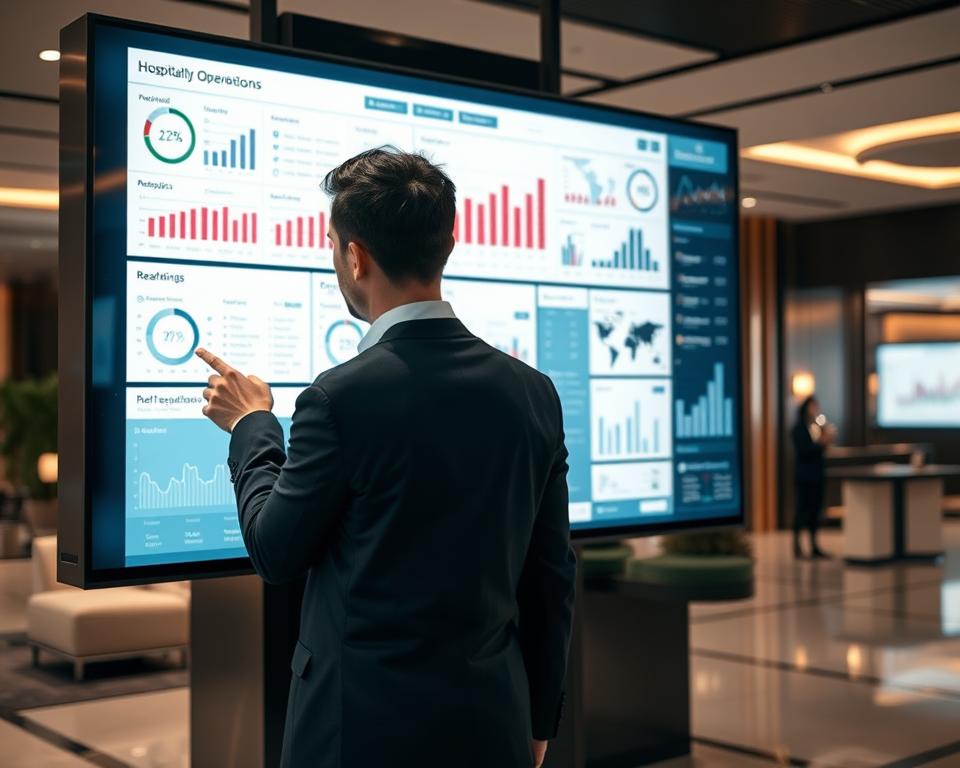
Running a busy hotel today needs constant focus and data-driven insights. A digital monitoring system lets teams watch service quality and staff work in real time. This makes sure every guest gets the best care right away.
Boosting operational efficiency is key for owners wanting to grow. Top platforms, like Yanolja Cloud Solution, offer tools to automate tasks and cut costs. These systems connect different departments into one dashboard, making hospitality operations smoother.
These smart solutions help managers increase revenue and keep guests happy. Modern software helps spot trends and fix problems early. To stay ahead, hotels must use these advanced tools to keep service high.
Table of Contents
Key Takeaways
- Boost daily productivity with smart automated tools.
- Improve guest satisfaction through real-time data tracking.
- Leverage Yanolja Cloud Solution for seamless hotel management.
- Reduce manual errors in service delivery and guest care.
- Maximize revenue with integrated billing and booking features.
- Streamline department communication to eliminate service gaps.
Understanding Modern Hospitality Operations Management
Managing modern hospitality operations is a big challenge. It’s about making guests happy, running smoothly, and making more money. The industry has changed a lot with new technology. For example, InfoGenesis helps with faster, more personal food and drinks.
The Evolution of Hospitality Management
The hospitality world has changed a lot. It used to rely on old ways and guesswork.
Now, thanks to technology, things are much better. Systems like Property Management Systems (PMS) have made a big difference.
Challenges in Traditional Operations Monitoring
Old ways of watching operations have big problems. There are mistakes, slow reports, and no quick fixes. These issues make guests unhappy, operations slow, and hurt profits.
For example, slow reports mean late decisions. And without quick data, fixing problems is hard.
The Digital Transformation Imperative
The need for quick data and better operations is key. New tech like data analytics and cloud computing is leading the way.
Using these tools, businesses can stay ahead, work better, and give guests what they want.

What Is a Hospitality Operations Monitoring System?
The hospitality industry is booming, making a strong operations monitoring system crucial. Hoteliers face high pressure to offer top-notch guest experiences and run their operations smoothly. A Hospitality Operations Monitoring System helps by giving real-time insights into hotel operations.
Core Definition and Purpose
A Hospitality Operations Monitoring System is a tech solution for hoteliers. It lets them watch, analyze, and improve their operations live. Yanolja Cloud Solution’s platform says these systems help boost revenue and streamline operations. They aim to give hotel managers a clear view of their operations, helping them make quick decisions and solve problems fast.

Key System Components
A typical Hospitality Operations Monitoring System has several key parts:
- Real-time data from various hotel systems
- Advanced analytics and reports
- Custom dashboards for different roles
- Automated alerts and notifications
These parts work together to give a full view of hotel operations. Managers can spot areas to improve and enhance their services.
How It Differs from Traditional Management Tools
Unlike old management tools, a Hospitality Operations Monitoring System looks at the whole operation. Experts say, “A unified operations monitoring system is key for hoteliers to keep up in today’s fast world.” This all-in-one approach helps in making better decisions and running operations more efficiently.
Using a Hospitality Operations Monitoring System, hoteliers can stand out in the market. They can offer better guest experiences and run their operations better.
Essential Features of a Hospitality Operations Monitoring System
In the hospitality world, a good operations monitoring system tracks data in real-time. It manages many properties and offers insights tailored to each. These features help hoteliers improve their operations and make guests happier.
Real-Time Data Tracking and Analytics
Tracking data in real-time is key in today’s hospitality. It lets hoteliers quickly respond to changes and make smart choices.
Live Performance Dashboards
Live dashboards show important performance indicators (KPIs) at a glance. For example, InfoGenesis uses AI to give insights and analytics. This helps operators manage staff and menus better.
Instant Data Synchronization
Instant data sync means everyone gets the latest data. This helps teams make decisions together, smoothly.
Multi-Property Management Capabilities
For groups with many properties, a good system must manage them all well.
Centralized Control for Multiple Locations
Having control from one place makes managing many locations easier. It cuts down on work and makes things run smoother.
Standardized Reporting Across Properties
Standard reports help compare how different properties are doing. This makes it easier to spot where to improve.
| Feature | Description | Benefit |
|---|---|---|
| Real-Time Data Tracking | Continuous monitoring of operational data | Enhanced decision-making |
| Multi-Property Management | Centralized control for multiple locations | Streamlined operations |
| Automated Alerting | Instant notifications for critical events | Proactive issue resolution |
Automated Alerting and Notifications
Alerts and notifications help hoteliers act fast on problems. This keeps operations running smoothly.
Customizable Dashboards and Reporting
Custom dashboards and reports let managers focus on what’s important. They can choose the metrics that matter most to them.

Core Operational Areas Monitored
Monitoring key areas is vital for great guest experiences in hotels. A Hospitality Operations Monitoring System gives a full view of hotel operations. This helps managers make smart choices and improve their services.
Front Desk and Guest Services Operations
The front desk is the heart of a hotel, handling guest needs. A Hospitality Operations Monitoring System watches front desk work in real-time. It ensures guests get quick and friendly service.
This includes checking wait times, staff work, and guest opinions.
Housekeeping and Maintenance Management
Housekeeping and maintenance keep rooms and facilities clean and comfy. The system checks housekeeping plans, task finishes, and maintenance needs. This lets hotels quickly fix any problems.
Food and Beverage Service Monitoring
Food and drink services are key to a good stay. The system looks at food and drink sales, stock, and service times. This helps hotels improve their menus and cut waste.
Revenue and Financial Performance Tracking
Managing revenue is key for hotel profits. The system shows real-time data on room use, rates, and revenue. This helps hotels adjust prices to make more money.
By watching these main areas, hotels can spot and fix problems. They can also make choices based on data to better their services and please guests more. For example, Yanolja Cloud Solution uses new tech to boost guest happiness.
| Operational Area | Key Performance Indicators (KPIs) | Benefits of Monitoring |
|---|---|---|
| Front Desk and Guest Services | Wait times, staff performance, guest feedback | Improved guest satisfaction, reduced wait times |
| Housekeeping and Maintenance | Task completion rates, maintenance requests | Enhanced room cleanliness, reduced maintenance response times |
| Food and Beverage Services | Sales, inventory levels, service times | Optimized menu offerings, reduced waste |
| Revenue and Financial Performance | Occupancy rates, ADR, RevPAR | Maximized revenue, data-driven pricing strategies |

Benefits of Implementing Operations Monitoring Systems
Hotels can make their operations smoother and guests happier with a Hospitality Operations Monitoring System. It helps manage different parts of the hotel better. This leads to better efficiency, happier guests, and more money made.
Enhanced Operational Efficiency
A Hospitality Operations Monitoring System makes things run better by automating tasks and giving real-time info.
Streamlined Workflows
Hotels get simpler with automated workflows. This means tasks are done fast and right. For example, InfoGenesis boosts revenue by serving guests quicker and selling more.
Reduced Manual Processes
Less manual work means fewer mistakes. This makes the hotel run more reliably. Staff can then focus on important tasks that need their touch.
Improved Guest Satisfaction and Experience
Happy guests are key in the hotel business. A good monitoring system helps by making service quick and personal.
Faster Response Times
The system lets staff answer guest needs fast. This makes guests happier with their stay.
Personalized Service Delivery
Hotels can tailor services with guest info. This makes guests feel special and valued.
Cost Reduction and Resource Optimization
A Hospitality Operations Monitoring System also saves money. It helps use resources better and cut waste. This boosts the hotel’s profit.
| Area of Improvement | Pre-implementation | Post-implementation |
|---|---|---|
| Operational Efficiency | Manual processes, prone to errors | Automated workflows, reduced errors |
| Guest Satisfaction | Limited personalization, slower response | Personalized service, faster response times |
| Cost Management | Inefficient resource allocation | Optimized resource utilization |
Data-Driven Decision Making
The system gives real-time data and analytics. This helps managers make smart choices. It shows where to improve and checks if plans work.
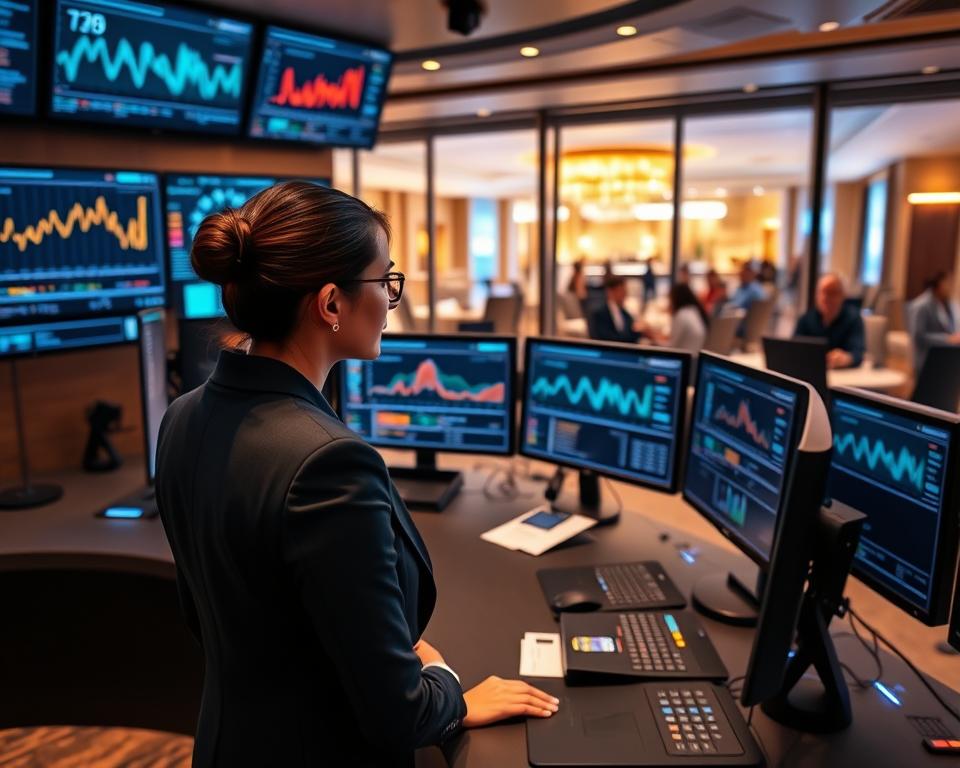
Real-Time Performance Metrics and KPIs
Real-time performance metrics and KPIs are key to running a smooth hospitality business. They help businesses quickly adapt to changes. This way, they can better their operations and make guests happier.
Occupancy and Revenue Metrics
Occupancy and revenue metrics show how well a hospitality business is doing financially. They help spot trends and guide smart decisions.
Average Daily Rate and Revenue Per Available Room
Average Daily Rate (ADR) and Revenue Per Available Room (RevPAR) are important for a hotel’s income. ADR is the average room rate. RevPAR looks at both room rate and how often they’re booked.
| Metric | Description | Importance |
|---|---|---|
| ADR | Average daily rate paid per room | Shows if pricing is working well |
| RevPAR | Revenue per available room | Shows overall income |
Booking Conversion Rates
Watching booking conversion rates shows how good marketing and booking are. It helps see if efforts are paying off.
Service Quality Indicators
Service quality indicators, like guest feedback and how well complaints are solved, are crucial. They help keep service high.
Staff Performance and Productivity Measures
Checking staff performance and productivity is key to saving on labor costs and boosting guest happiness. Looking at staff-to-guest ratio and employee satisfaction can offer insights.
Guest Satisfaction Scores and Net Promoter Score
Guest satisfaction scores and Net Promoter Score (NPS) are vital for knowing if guests are loyal and happy. Yanolja Cloud Solution’s platform offers services that can increase revenue by 2% to 20%.

By focusing on these metrics and KPIs, hospitality businesses can make better decisions. This improves operations and guest experiences.
Integration with Existing Hospitality Technology
It’s key to integrate with current hospitality tech for smooth operations monitoring. These systems are made to work with others, giving a full view of hotel operations.
Working with the Property Management System (PMS) is a big part of this. Hotels get real-time guest info, room status, and billing. This helps in making better decisions and running things smoothly.
Property Management System Integration
Linking with PMS keeps guest data, room rates, and occupancy in sync. This makes sure all teams are informed, cutting down on mistakes and boosting guest happiness.
Point of Sale System Connectivity
Connecting with Point of Sale (POS) systems lets hotels track sales from different places. This includes restaurants, bars, and shops. It gives insights into how much money is coming in and helps with pricing and stock.
For example, InfoGenesis brings together ordering, payments, guest info, and reports from food and drink places. It shows how well POS systems can work together.
Customer Relationship Management Integration
Linking with Customer Relationship Management (CRM) systems makes guest profiles better. It lets hotels offer personalized services and keep guests coming back.
Third-Party Platform Connections
Connecting with third-party platforms, like online travel agencies and channel managers, is also important. These links help manage bookings, rates, and stock across many places.
Online Travel Agency Interfaces
OTAs are a big source of bookings for hotels. Working with OTAs means hotels can update bookings and guest info in real time. This helps with making more money and serving guests better.
Channel Manager Integration
Channel managers help hotels share their rooms on many booking sites. Working with these managers keeps room availability and prices the same everywhere. This lowers the chance of overbooking and price mistakes.
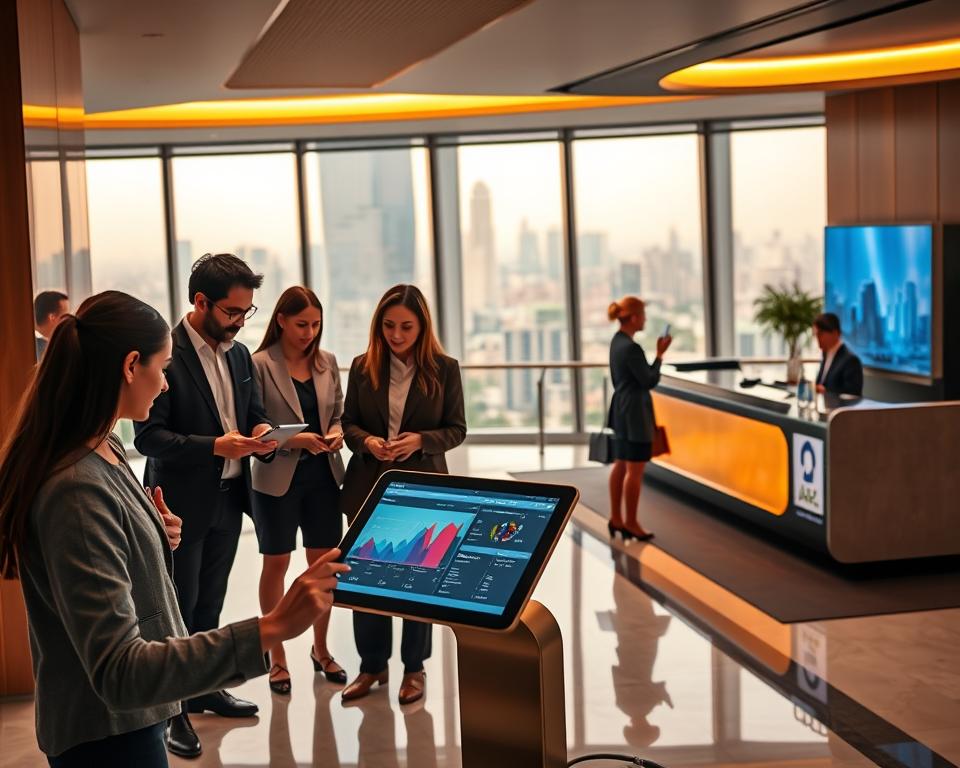
Implementation Process and Best Practices
Getting a Hospitality Operations Monitoring System right is key. It needs a solid plan. This ensures the system fits your hotel’s needs and staff can use it well.
Assessing Your Operations Monitoring Needs
First, figure out what your hotel needs. Know your current problems and where you can get better.
Conducting an Operations Audit
Start with a detailed operations audit. Look for areas where a monitoring system can help. Check everything from the front desk to housekeeping and maintenance.
Identifying Pain Points and Priorities
Find out what hurts your operations most. Maybe it’s slow check-ins or messy housekeeping. Yanolja Cloud Solution can help with these issues.
Selecting the Right System for Your Property
After knowing what you need, pick a system that fits. Think about your property size, operation complexity, and budget. Also, see how it works with your current software. Learn more about hotel management software development cost and features.
Staff Training and Change Management
Training staff well is crucial. They need to know how to use the system and see its value. Offer thorough training and support.
Managing change is also key. New tech can be hard to accept. Explain the system’s benefits and involve staff in the process.
Phased Rollout Strategies
Use a phased rollout to avoid big disruptions. Start with one area, like the front desk. Then, add more areas slowly. This lets staff get used to it step by step.
Key steps include:
- Initial pilot phase to test the system and identify any issues
- Gradual rollout to other departments, with ongoing training and support
- Continuous monitoring and evaluation to ensure the system is meeting its intended objectives
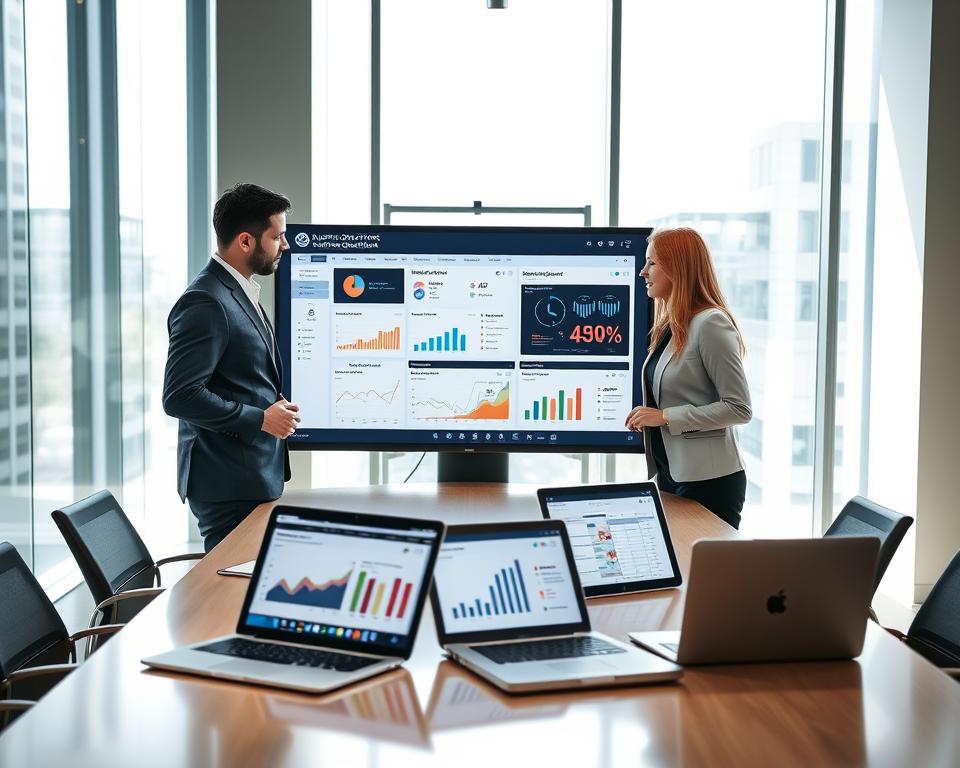
By following these steps, hotels can make their Hospitality Operations Monitoring System work well. This leads to better efficiency and happier guests.
Mobile Access and Remote Management
Mobile access and remote management are changing how hotels work. With more people using mobile devices, hotel managers can check and manage their work from anywhere. This is thanks to new systems that let them use mobile apps.
These systems make it easy for managers to stay in touch with their work from afar. They can check important data and insights on their phones.
Mobile App Functionality
The mobile apps of these systems let users see key data on their phones. For example, Yanolja Cloud Solution’s app lets managers see how busy their hotels are and how well they’re doing. They can do this from anywhere.
Key features of mobile apps include:
- Real-time data tracking
- Customizable dashboards
- Alerts and notifications

Remote Monitoring Capabilities
Remote monitoring lets managers watch their hotels from afar. This is great for those who manage many hotels at once. They can see what’s happening in all their locations without being there.
With real-time data, managers can spot problems fast. They can then fix them before they get worse.
On-the-Go Decision Making and Approvals
Being able to make decisions and approve things on the go is a big plus. Managers can deal with issues, approve requests, and change plans as needed. They can do this all from their phones.
This flexibility makes hotels run better and guests happier. It’s a win-win for everyone.
Advanced Analytics and Predictive Insights
Advanced analytics and predictive insights are changing the hospitality industry. They give data that helps make smart decisions. This way, operators can understand their business better, guess what guests want, and improve their services.
Historical Data Analysis and Reporting
Looking at past data is key in hospitality analytics. It helps find trends and patterns for better future choices. InfoGenesis uses AI in its POS system for guest profiles and insights, showing how past data can improve operations.
| Analysis Type | Description | Benefits |
|---|---|---|
| Trend Analysis | Examines historical data to identify patterns and trends | Informed decision-making, optimized operations |
| Pattern Recognition | Identifies correlations and anomalies in data | Enhanced forecasting, improved guest satisfaction |
Predictive Forecasting Tools
Predictive tools use past data and models to forecast the future. In hotels, they’re great for guessing demand and planning resources.
Demand Forecasting
Forecasting demand helps hotels guess how full they’ll be. They can then adjust prices and rooms to make more money and avoid waste.
Staffing Predictions
Hotels can plan their staff better by knowing when they’ll be busy. This means they have enough staff when it’s busy and not too many when it’s not.
Trend Identification and Pattern Recognition
Analytics helps spot trends in guest behavior and data. This knowledge lets operators make choices that improve the guest experience and run their business better.
Benchmarking Against Industry Standards
Comparing to industry standards is important for hotels. Analytics gives the data to see how they stack up against others. This includes things like how full they are, what they charge, and how much money they make per room.
By using advanced analytics and predictive insights, hotels can stay competitive, run more efficiently, and make guests happier.
Security and Data Privacy Considerations
Keeping sensitive information safe is key for hospitality systems. These systems use data to make smart decisions. So, keeping this data secure and private is very important.
Data Protection Measures and Encryption
Hospitality systems use strong data protection and encryption. For example, InfoGenesis supports Windows, iOS, and Android. It also offers cloud or on-premise options, focusing on keeping data safe.
Compliance with Industry Regulations
Following industry rules is vital for data security in hospitality. This means following PCI DSS for payment info and GDPR for personal data.
PCI DSS Compliance
PCI DSS helps keep payment card info safe. It requires secure data handling and regular checks.
GDPR and Data Privacy Laws
For European markets, GDPR is crucial. It ensures personal data is handled correctly and with consent.
Access Control and User Permissions
Good access control and user permissions are essential. They prevent unauthorized data access. By setting up roles and permissions, only the right people can see sensitive info.
| Security Measure | Description | Benefit |
|---|---|---|
| Data Encryption | Protects data from unauthorized access | Ensures confidentiality and integrity |
| Access Control | Restricts data access to authorized personnel | Prevents data breaches |
| Compliance with Regulations | Adheres to industry standards like PCI DSS and GDPR | Avoids legal and financial repercussions |
By focusing on data security, compliance, and access control, hospitality systems can keep information safe. This builds trust with guests and stakeholders.
Cost Considerations and ROI
When thinking about getting a Hospitality Operations Monitoring System, it’s key to look at costs and potential returns. This is especially important for hotel owners.
First, you need to check the pricing and what you’ll need to invest. These systems usually have flexible prices to fit different business needs.
Pricing Models and Investment Requirements
There are mainly two ways these systems are priced:
Subscription-Based Pricing
This model charges a fee that you pay every month or year. It’s good for businesses that want to grow and keep up with updates.
One-Time Licensing Fees
Some systems ask for a single payment to use forever. While it might seem cheaper at first, remember you’ll also need to pay for upkeep and updates.
| Pricing Model | Initial Cost | Ongoing Costs | Scalability |
|---|---|---|---|
| Subscription-Based | Low | Medium to High | High |
| One-Time Licensing | High | Low to Medium | Low |
Calculating Return on Investment
To figure out ROI, think about how the system affects your revenue and how well it runs. For example, Yanolja Cloud Solution can help grow revenue by 2% to 20%. It also makes guests happier and helps hotels save money by using resources better.
Key areas where ROI can be realized include: better running of operations, happier guests, and saving money by using resources wisely.
Long-Term Value and Cost Savings
A Hospitality Operations Monitoring System also brings long-term benefits. It helps hotels keep improving and stay ahead in the market. By using data, hotels can make smart choices to grow in the future.
Future Trends in Hospitality Operations Monitoring
New technologies are changing how hotels work, making them better and more guest-friendly. These changes will make hotels more efficient, quick to respond, and good for the planet.
Artificial Intelligence and Machine Learning Applications
Artificial intelligence (AI) and machine learning (ML) are key in hotel monitoring. They help hotels understand data, guess what guests want, and improve services. For example, AI can help pick the best rooms, guess how busy hotels will be, and make services more personal. Companies like InfoGenesis use AI insights and quick data analysis to boost revenue.
Internet of Things Integration
The Internet of Things (IoT) is also big in hotel monitoring. IoT devices watch and control hotel parts, like energy use and room features. This can save money and make guests happier.
| Technology | Application | Benefit |
|---|---|---|
| AI and ML | Predictive analytics, personalized services | Enhanced guest experience, optimized operations |
| IoT | Energy management, smart rooms | Cost savings, increased efficiency |
| Voice-Activated Tools | Voice-controlled guest services | Improved guest satisfaction, streamlined services |
Voice-Activated Management Tools
Voice tools are making hotel management easier and faster. They let staff do tasks and get info without using their hands. This makes services better and quicker.
Sustainability Monitoring and Environmental Impact Features
Hotels are now focusing more on being green. Monitoring systems track and lower environmental harm, like energy use and waste. This not only helps the planet but also attracts eco-aware travelers.
As hotels keep changing, using these new trends in monitoring is key. It helps them stay ahead and give guests the best experience.
Conclusion
Effective hospitality operations monitoring is key for hotels to stay ahead in today’s fast world. A good monitoring system helps hotels work better and make guests happier. Recent data shows that tools like Yanolja Cloud help hotels earn more and work smoother.
Studies show that new tech like AI and cloud platforms are changing how hotels manage. For example, modern property management systems have cool features. They track data in real-time, have custom dashboards, and predict trends. This helps hotels make smart choices and run better.
Using a monitoring system helps hotels work better and make guests happier. This leads to more satisfied guests and loyalty. It also means more money and success for the hotel in the long run.