







The dedicated resource model has changed how businesses handle software development. It lets companies have a reliable, long-term team of engineers. These engineers focus only on their product.
This model gives businesses a team of skilled pros who are dedicated to their project. This means the product gets made well and fast. Companies can reach their software goals more easily and accurately.
Table of Contents
Key Takeaways
- The dedicated resource model provides access to a stable team of engineers.
- This model allows businesses to achieve their software development goals efficiently.
- Companies can tap into a team of skilled professionals dedicated to their project.
- The dedicated resource model is a strategic approach to software development.
- It enables businesses to develop their product with greater ease and precision.
What is the Dedicated Resource Model?
The dedicated resource model is a strategy for businesses to grow their software development team without long-term jobs. It’s perfect for companies looking for ongoing work without the permanent job ties.
This model focuses on a long-term partnership between the client and the development team. It lets businesses have a dedicated team of developers for their projects. This team brings a high level of commitment and expertise.
Definition and Core Concept
The dedicated resource model means hiring a team of developers to work only for the client. It’s all about a strong partnership between the client and the team. The goal is to deliver top-notch software solutions.
Key characteristics of the dedicated resource model include:
- Dedicated team working exclusively on the client’s projects
- Long-term collaboration and commitment
- Flexibility in scaling the team up or down as needed
- Access to specialized skills and expertise
How It Differs from Traditional Hiring
The dedicated resource model is different from traditional hiring. It doesn’t require long-term job contracts. Instead, it offers a flexible and scalable solution that fits the business’s changing needs.
| Aspect | Dedicated Resource Model | Traditional Hiring |
|---|---|---|
| Employment Commitment | No long-term employment contracts | Long-term employment contracts |
| Scalability | Flexible scaling up or down | Limited scalability |
| Access to Skills | Access to specialized skills | Limited to in-house skills |
Key Components of the Model
The dedicated resource model has several key parts for a successful software development project. These parts include:
- Dedicated Team: A team of skilled developers working only on the client’s projects.
- Project Management: Good project management for timely and high-quality results.
- Communication: Regular talks and teamwork between the client and the development team.
- Flexibility: The ability to adjust the team size as needed for changing project needs.

How the Dedicated Resource Model Works
Understanding the dedicated resource model is key for businesses outsourcing software development. It offers a flexible approach that meets the client’s specific needs. This model is designed to adapt to the client’s project requirements.
Initial Consultation and Requirement Gathering
The journey starts with a consultation between the client and the service provider. This step is vital to grasp the client’s project needs, goals, and technical requirements. The service provider collects detailed project information, including scope, timelines, and expected results.
Team Selection and Onboarding Process
After the initial consultation, the service provider picks a team of developers. They choose based on the client’s technical needs and business domain. The selected team then goes through an onboarding process. They learn about the client’s project, workflows, and communication methods.

Integration with Your Existing Workflow
Integrating the dedicated team with the client’s workflow is a crucial part. The team aligns their processes and tools with the client’s. This ensures smooth collaboration and communication. The team works with the client’s team to understand their processes and tools.
Ongoing Communication and Collaboration
Continuous communication and collaboration are essential for the dedicated resource model’s success. Regular meetings and updates keep the project on track. The team uses collaboration tools and project management software for communication and transparency.
| Key Aspects | Description | Benefits |
|---|---|---|
| Initial Consultation | Understanding project requirements and business goals | Ensures alignment with client needs |
| Team Selection | Selecting developers based on technical needs and business domain | Provides the right expertise for the project |
| Onboarding Process | Familiarizing the team with project requirements and workflows | Ensures a smooth transition and integration |
| Ongoing Communication | Regular updates, meetings, and feedback sessions | Keeps the project on track and addresses issues promptly |
Key Benefits of Hiring Dedicated Web Developers
Dedicated web developers bring many advantages to software development projects. They offer expertise and experience, leading to better results. This is great for companies wanting to improve their online presence or create complex web apps.

Cost Efficiency and Budget Control
One big benefit of dedicated developers is cost efficiency. With this model, you pay a fixed monthly rate based on the team’s work. This saves money on things like benefits, training, and equipment.
Here’s a comparison of costs:
| Cost Component | Dedicated Developers | In-House Team |
|---|---|---|
| Monthly Rate | Transparent, capacity-based | Fixed salaries + benefits |
| Overhead Costs | Minimal | High (equipment, training, etc.) |
| Scalability | Easy, as needed | Difficult, involves hiring/firing |
Full-Time Commitment to Your Project
Dedicated web developers give your project their full attention. This means faster development and better results. As John Smith says, “A dedicated team can greatly improve your project’s success.”
“Dedicated teams are the backbone of successful software development projects. They provide the consistency and expertise needed to deliver high-quality results.”
Enhanced Productivity and Focus
Developers focused on one project work better and faster. They avoid distractions and focus fully on the task. This leads to better code and faster development.
- Improved code quality
- Faster development times
- Better collaboration among team members
Direct Control and Management
With dedicated developers, you have more control over the project. This makes management easier and allows for quick changes. Regular updates keep the project on track.
Access to Specialized Expertise
Hiring dedicated web developers gives you access to specialized skills. This is especially helpful for projects needing specific technologies. It improves the project’s overall quality.
Dedicated Resource Model vs. Other Hiring Models
Businesses have many ways to hire web developers, each with its own good and bad points. The Dedicated Resource Model is becoming more popular because of its special benefits. But how does it stack up against other models?

Dedicated Resources vs. Freelancers
Freelancers work on a project-by-project basis, offering flexibility but sometimes lacking in consistency and accountability. Dedicated resources, on the other hand, focus exclusively on one project, leading to better consistency and accountability. Here are the main differences:
- Commitment Level: Dedicated resources are fully dedicated to your project, unlike freelancers who might handle several projects at once.
- Consistency: Dedicated teams ensure consistent quality, unlike freelancers who may vary in skill level.
- Accountability: With dedicated resources, you have a direct contact and higher accountability.
For businesses seeking a stable and committed team, the Dedicated Resource Model is often the better choice. You can learn more about this model by visiting Next Big Technology to see how dedicated developers can help unlock your digital vision.
Dedicated Resources vs. In-House Teams
In-house teams are directly employed by the company, offering control and integration within the organization. However, they come with overhead costs and management duties. Dedicated resources provide similar commitment without the administrative hassle.
- Cost Efficiency: Hiring dedicated resources can be more cost-effective than maintaining an in-house team.
- Flexibility: Dedicated resources can be scaled up or down based on project needs.
- Expertise: Access to a global talent pool allows for the selection of highly specialized skills.
Dedicated Resources vs. Project-Based Outsourcing
Project-based outsourcing involves hiring a team or company for a specific project, after which the collaboration typically ends. Dedicated resources, however, are engaged for the long haul, providing ongoing support and development.
- Long-Term Support: Dedicated resources offer continuous support and maintenance.
- Project Continuity: The same team works on your project over time, ensuring continuity.
Dedicated Resources vs. Staff Augmentation
Staff augmentation involves adding external resources to an existing team, often on a temporary basis. While similar to dedicated resources in some respects, staff augmentation is typically used to fill short-term gaps.
- Duration of Engagement: Dedicated resources are often engaged for longer periods.
- Integration: Dedicated teams are more deeply integrated into your project’s workflow.
In conclusion, the Dedicated Resource Model offers a unique blend of commitment, consistency, and flexibility that distinguishes it from other hiring models. By understanding these differences, businesses can make informed decisions about their web development needs.
When to Choose the Dedicated Resource Model
For projects needing constant focus and flexibility, the dedicated resource model is perfect. It works well when the project’s scope might change or is still unclear. This model helps keep the project on track, even when things change.
Long-Term Projects and Ongoing Development
Long-term projects often go through many phases and need ongoing work. The dedicated resource model fits these projects well. It lets businesses adjust their team size as needed. This way, the project stays on schedule, even with changing needs.
Complex Applications Requiring Consistent Attention
Complex apps need constant care and updates to stay strong and efficient. The dedicated resource model gives a team focused on these apps. They work without the limits of a fixed project scope or timeline.
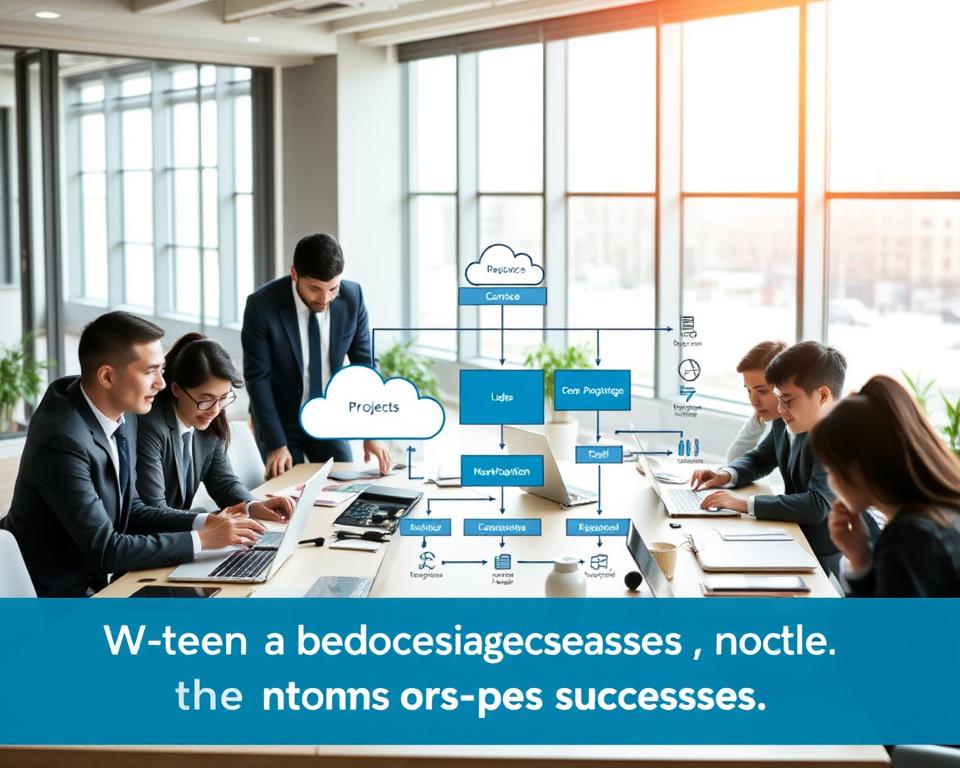
Growing Startups Needing Scalable Solutions
Growing startups need to scale their development quickly. The dedicated resource model is a flexible solution. It grows with the startup, providing the right skills and resources as needed.
Enterprises with Continuous Development Needs
Enterprises always developing benefit from the dedicated resource model. It gives a steady source of development expertise. This model helps keep quality and innovation high in products and services.
| Scenario | Benefits of Dedicated Resource Model |
|---|---|
| Long-Term Projects | Flexibility, continuous commitment, scalability |
| Complex Applications | Consistent attention, expertise, efficiency |
| Growing Startups | Scalability, adaptability, cost-effectiveness |
| Enterprises | Reliability, quality, innovation |
The dedicated resource model is flexible and fits many project needs. It’s a great choice for businesses wanting a reliable and adaptable development solution.
Types of Web Developers You Can Hire
Web development projects need different skills. Knowing the types of developers you can hire is key. The dedicated resource model lets you build a team with the skills your project needs.
Front-End Developers
Front-end developers make your web application’s UI/UX. They use HTML, CSS, JavaScript, and frameworks like React or Angular. This ensures your website looks good and works well.
Key Responsibilities:
- Designing and implementing UI/UX
- Ensuring cross-browser compatibility
- Ensuring responsiveness across different devices
Back-End Developers
Back-end developers handle the server-side logic, database, and API. They use languages like Java, Python, Ruby, and PHP. This makes your web application strong, scalable, and secure.
Key Responsibilities:
- Developing server-side logic and database integration
- Managing API connectivity and data security
- Ensuring scalability and performance
Full-Stack Developers
Full-stack developers know both front-end and back-end development. They can work on all parts of your web application. This makes them very useful for your project.
Key Responsibilities:
- Handling both front-end and back-end tasks
- Ensuring seamless integration between UI/UX and server-side logic
- Managing the entire web application development process
Specialized Technology Developers
Some projects need special skills, like machine learning or blockchain. Specialized technology developers have deep knowledge in these areas. They help you use the latest technologies in your web application.
Key Responsibilities:
- Implementing specialized technologies
- Optimizing performance for specific use cases
- Staying updated with the latest advancements in their specialty
A recent survey found that the demand for specialized tech skills is growing. Companies want developers who can bring new solutions.
“The future of web development lies in embracing new technologies and integrating them into existing infrastructures.”
| Type of Developer | Primary Focus | Key Skills |
|---|---|---|
| Front-End | User Interface and Experience | HTML, CSS, JavaScript, React, Angular |
| Back-End | Server-Side Logic and Database | Java, Python, Ruby, PHP, MySQL |
| Full-Stack | Both Front-End and Back-End | HTML, CSS, JavaScript, Node.js, React, Angular, Ruby on Rails |
| Specialized Technology | Specific Technologies like AI, Blockchain | Machine Learning, TensorFlow, Blockchain Development, Smart Contracts |

Cost Structure and Pricing Models
When you hire dedicated web developers, it’s key to understand the pricing models and costs. The dedicated resource model is flexible and scalable. But, knowing its costs is vital for planning your budget.
Monthly Retainer Pricing
The monthly retainer is a common pricing model. You pay a fixed monthly fee for the developers’ work. This makes budgeting easier because costs are set. DDT budgets are usually set as a monthly run rate, making it easier to forecast spending. This model works well for long-term projects needing consistent work.
Factors Affecting Cost
Several things can change the cost of hiring dedicated web developers. These include:
- The technology stack and tools needed for the project
- The level of expertise required (e.g., junior, senior, or specialized developers)
- The location of the development team (rates vary by region)
- The complexity and scope of the project
Knowing these factors helps businesses estimate costs better and make informed choices.
Comparing Costs Across Different Regions
Comparing costs across regions is crucial for budgeting for web development teams. Rates differ due to living costs, labor laws, and market conditions. For example, hiring developers from areas with lower living costs can save money. But, consider language proficiency and cultural compatibility too.

Hidden Costs to Consider
While the monthly retainer model gives a clear cost baseline, other expenses exist. These include project management tools, communication platforms, and overtime or extra features. Knowing these hidden costs helps avoid surprises and ensures a smooth project.
How to Hire Web Developers Using the Dedicated Resource Model
Hiring web developers through the dedicated resource model has several steps. These steps are key to your project’s success. This model lets businesses create a team of skilled developers for their projects. This ensures quality and efficient work.
Step 1: Define Your Project Requirements
First, define what you want the team to achieve, not just what they should build. Clearly state your project goals, objectives, and timelines. This is crucial to align the dedicated team with your project needs.
Key considerations: Identify the skills needed, the work scope, and expected results. This helps create a detailed job description and ensures you hire the right talent.
Step 2: Choose the Right Service Provider
Finding the right service provider is crucial for your project’s success. Look for a company with experience in the dedicated resource model. They should have a good track record of delivering quality web development services.
- Evaluate their portfolio and client testimonials.
- Assess their technical capabilities and expertise.
- Consider their communication and project management processes.
Step 3: Interview and Select Developers
After choosing a service provider, interview and select the developers for your project. Evaluate their technical skills, experience, and cultural fit.
Tips for effective interviews: Prepare questions that test their problem-solving and technical knowledge. Also, consider practical coding tests to assess their skills.
Step 4: Establish Communication Protocols
Good communication is essential for a successful project. Set up clear communication protocols for smooth collaboration between your team and the dedicated developers.
Best practices: Use tools like Slack or Microsoft Teams for instant communication. Schedule regular video meetings to discuss progress and any concerns.
Step 5: Set Up Project Management Tools
Setting up project management tools is crucial for a smooth project. These tools help track progress, manage tasks, and improve collaboration.

Popular tools include Jira, Trello, and Asana. Choose one that meets your project’s needs and keeps everyone informed.
Essential Skills to Look for in Dedicated Web Developers
When you’re hiring web developers, it’s key to find the right skills for your project. The right mix of technical skills, problem-solving, and soft skills can greatly impact your project’s success.
Technical Proficiency and Programming Languages
Technical skills are crucial for any web development project. Look for developers who know the programming languages you need, like JavaScript, Python, or Ruby. Front-end developers should know HTML5, CSS3, and JavaScript frameworks like React or Angular. Back-end developers need to be good with server-side programming languages and frameworks, such as Node.js, Django, or Ruby on Rails.
Key Technical Skills:
- Proficiency in relevant programming languages
- Experience with web development frameworks
- Knowledge of database management systems
- Familiarity with version control systems like Git

Problem-Solving and Analytical Abilities
Web development projects often face unexpected challenges. Developers with strong problem-solving and analytical skills can quickly find and solve issues. Look for those who can break down complex problems and have a logical way to debug.
Communication and Collaboration Skills
Good communication is key for any project’s success. Web developers should be able to clearly share their progress, challenges, and ideas. They should also work well with your team, understanding your business needs and goals.
| Skill | Description | Importance Level |
|---|---|---|
| Technical Proficiency | Proficiency in programming languages and web development frameworks | High |
| Problem-Solving | Ability to diagnose and solve complex problems | High |
| Communication Skills | Ability to communicate effectively with the team and stakeholders | Medium |
| Adaptability | Ability to adapt to changing project requirements | Medium |
Adaptability and Continuous Learning
The web development world is always changing, with new technologies and frameworks coming out all the time. Developers who keep learning and can adapt quickly are very valuable. They help keep your project up-to-date and competitive.
By focusing on these essential skills, you can build a dedicated team of web developers who will make your project a success and deliver top-notch results.
Managing Your Dedicated Development Team
To get the most from your dedicated development team, strong management is key. Good management keeps the team on track and ensures quality results.
Setting Clear Expectations and Goals
Clear leadership makes decisions faster and keeps the team on track. It’s important to set clear goals and expectations from the start.
- Define project objectives and timelines
- Establish measurable milestones
- Communicate roles and responsibilities
Implementing Agile Methodologies
Agile methods make project management flexible and iterative. They help teams adapt quickly and work more efficiently.
| Agile Practice | Description | Benefit |
|---|---|---|
| Sprint Planning | Team sets goals for the sprint | Focus on immediate tasks |
| Daily Stand-Ups | Team members share progress | Enhanced communication |
| Retrospectives | Team reviews sprint outcomes | Continuous improvement |
Regular Check-Ins and Progress Reviews
Regular meetings and progress reviews are crucial. They keep the project on track and help spot issues early.
Regular communication builds a team that works together well and stays focused on goals.
Performance Monitoring and Feedback
Watching performance and giving feedback are key for growth and success. They help find areas to improve and celebrate success.
Effective performance monitoring means setting clear goals and giving regular feedback.
Common Challenges and How to Overcome Them
Hiring dedicated web developers can be a smart move, but it comes with challenges. Dedicated teams bring many benefits but also unique hurdles. It’s important to tackle these challenges head-on.
Time Zone Differences and Communication Gaps
Managing time zone differences is a big challenge. It can lead to delays or misunderstandings. To solve this, having a clear communication plan is key.
For example, a company in New York hiring remote developers in India can schedule daily meetings. This ensures everyone is on the same page.
Cultural and Language Barriers
Cultural and language barriers can also be big hurdles. To overcome them, creating an inclusive team culture is vital. Cultural sensitivity training and open communication can help bridge these gaps.
Using simple language in documents and talks can also reduce misunderstandings. Regular team activities, both online and offline, can boost teamwork and friendship.
Quality Control and Code Standards
Keeping up with quality control and code standards is another challenge. Strong code review processes and CI/CD pipelines ensure quality outputs.
Setting clear coding standards and guidelines from the start helps maintain quality. Regular audits also keep the team consistent and high-quality.
Team Integration Issues
Finally, team integration issues can happen when dedicated developers don’t fit with the in-house team. It’s crucial to integrate them fully into the team.
This can be done by involving them in team meetings and encouraging project collaboration. Using project management tools helps keep everyone informed. Regular feedback and check-ins make sure dedicated developers feel part of the team.
Industry Use Cases and Success Stories
The dedicated resource model works well in many industries. It helps turn assumptions into real projects. This model is both versatile and effective.
E-Commerce Platform Development
E-commerce platforms benefit a lot from this model. Hiring dedicated web developers makes platforms strong and easy to use. They meet the business’s exact needs.
Key Benefits:
- Enhanced scalability to handle increased traffic and sales
- Improved user experience through customized features
- Faster time-to-market due to dedicated resources
SaaS Product Development
The dedicated resource model is great for SaaS products too. It lets companies build and keep up complex SaaS products. They have teams of experts for this.
Success Factors:
- Continuous integration and deployment
- Regular updates and feature additions
- Scalable architecture to support growth
Enterprise Application Modernization
Modernizing old systems is another area where this model excels. It helps companies make their old systems better. This makes things more efficient and cheaper.
Benefits:
| Benefit | Description |
|---|---|
| Improved Efficiency | Modernized applications streamline processes and reduce manual errors |
| Cost Reduction | Legacy system maintenance costs are minimized |
| Enhanced Security | Modern applications incorporate the latest security features |
Using the dedicated resource model helps businesses succeed in many areas. It’s good for e-commerce, SaaS products, and modernizing old systems. This model gives the needed skills and flexibility for success.
Legal and Contractual Considerations
When you work with dedicated web developers, you need to think about the legal and contract parts. It’s important to know these things to avoid problems. This knowledge helps both sides work well together and keeps risks low.
Service Level Agreements
A Service Level Agreement (SLA) is key in your contract. It talks about what service you should get, like how fast they’ll respond. A good SLA makes sure everyone knows what to expect and what they need to do.
Key elements of an SLA include:
- Service description and scope
- Performance metrics and monitoring
- Response and resolution times
- Escalation procedures
Intellectual Property Rights
Intellectual Property (IP) rights are very important when you hire web developers. You need to talk about who owns the software and how it can be used. This makes sure you can use and change the software as you need to.
Key aspects to consider:
- Ownership of developed code and materials
- Licensing agreements for third-party components
- Protection of trade secrets and confidential information
Data Security and Confidentiality
Data security and keeping information private are big deals. Your contract should cover how to keep client data safe and follow data protection laws.
| Data Security Measure | Description | Importance Level |
|---|---|---|
| Encryption | Protecting data both in transit and at rest | High |
| Access Controls | Limiting access to authorized personnel | High |
| Regular Audits | Conducting periodic security audits | Medium |
Termination and Transition Clauses
Termination and transition clauses are important. They explain what happens if the contract ends. This includes getting back client data and who does what next.
By thinking about these legal and contract points, you can have a good partnership with your web development team. This helps avoid problems and makes sure things go smoothly.
Scalability and Flexibility with Dedicated Resources
Dedicated teams offer the flexibility and scalability businesses need to grow. This is key in today’s fast world, where projects can change quickly.
Scaling Your Team Up or Down
The dedicated model lets businesses adjust their team size as needed. This means they can quickly change their project scope or timeline without being stuck with a fixed team size.
Benefits of Scalability:
- Rapidly adjust team size to meet changing project demands
- Improve resource allocation and reduce waste
- Enhance ability to respond to new opportunities or challenges
Adding Specialized Skills as Needed
With dedicated resources, businesses can add specialized skills as needed. They don’t have to keep a big team with all the skills. This lets companies use a wide range of skills on a flexible basis.
| Skill | Benefit | Flexibility |
|---|---|---|
| Front-end development | Enhanced user experience | Easy to scale up or down |
| Back-end development | Improved system performance | Flexible integration with existing systems |
| Full-stack development | Comprehensive project coverage | Adaptable to changing project needs |
Adapting to Changing Project Requirements
The dedicated model is made to meet the client’s needs quickly. This flexibility is crucial for keeping projects on track. It helps businesses handle new challenges or opportunities fast.
The ability to adapt to changing project requirements is a key advantage of the dedicated resource model. It lets businesses stay agile and responsive in a rapidly changing world.
Best Practices for Long-Term Success
To get the most out of the dedicated resource model, businesses need to follow best practices. These practices help create a productive and effective team. This way, companies can reach their project goals and enjoy long-term success.
Building Strong Working Relationships
Creating strong working relationships is key to any project’s success. It’s about building trust, keeping communication open, and working together as a team. When everyone feels valued and respected, they’re more likely to be committed to the project’s success.
A study found that good teamwork can boost project results by up to 30%. To achieve this, businesses should:
- Organize regular team-building activities
- Make sure communication is clear and open
- Build a culture of trust and respect
Investing in Team Training and Development
It’s important to invest in the training and development of the dedicated team. This keeps them up-to-date with new technologies and trends. It also improves their skills and ability to deliver quality solutions.
Experts say, “Continuous learning is key to staying ahead in the tech industry.” Companies can support their teams by:
Providing access to training programs and workshops
and
Encouraging them to attend industry conferences and events
Maintaining Transparent Communication
Keeping communication clear is crucial for project success. It means keeping everyone informed about progress, timelines, and any changes. This helps manage expectations and avoid misunderstandings.
To keep communication open, businesses should:
- Have regular check-ins and updates
- Use project management tools to track progress
- Encourage feedback and questions
Regular Performance Evaluations
Regular performance evaluations are important. They help check how the team is doing, find areas for improvement, and give feedback. This makes sure the team is on track with the project’s goals and working well together.
| Evaluation Criteria | Description | Frequency |
|---|---|---|
| Project Progress | Checks if project milestones are met | Monthly |
| Team Performance | Looks at team collaboration and productivity | Quarterly |
| Individual Performance | Checks how each team member is doing | Quarterly |
For more insights on working with a dedicated development team, visit Next Big Technology.
Hire Web Developers – Dedicated Resource Model Explained
Deciding to hire web developers with the dedicated resource model needs careful thought. You must consider your project’s needs and goals. The right choice depends on cost, speed, and risk.
Making the Strategic Decision
Before choosing the dedicated resource model, think about your project’s needs. Look at the scope, required skills, and project length. This helps decide if this model fits your project.
Key factors to consider include:
- The complexity and scale of your project
- The need for specialized skills and expertise
- The desired level of control and management over the development process
- The potential for scalability and flexibility
Finding the Right Partner
After deciding on the dedicated resource model, find a reliable partner. Look at potential service providers, their portfolios, and technology expertise. Also, consider their communication, project management, and team integration.
To find the right partner, you can hire dedicated developers from a reputable service provider. Make sure they have a good track record and can meet your needs.
Maximizing ROI from Dedicated Resources
To get the most from dedicated resources, set clear goals and monitor progress. Keep communication open. Regular check-ins help spot and fix problems early. Also, invest in team training to boost productivity.
Effective strategies for maximizing ROI include:
- Setting clear expectations and goals
- Implementing agile methodologies to facilitate flexibility and adaptation
- Regularly reviewing progress and making adjustments as needed
- Fostering a culture of continuous learning and improvement
Conclusion
The dedicated resource model is a smart way for businesses to grow. It offers flexibility, scalability, and access to experts. This helps companies make better choices for their software needs.
In conclusion, this model is great for companies wanting to improve their software skills. It lets businesses use a global talent pool, leading to better projects and innovation.
As more skilled web developers are needed, the dedicated resource model will be key. It helps companies stay ahead, adapt to new trends, and meet their software goals.