







Table of Contents
Understanding Client Needs
Understanding client needs in the realm of corporate website development services is a multifaceted process that extends beyond a mere exchange of requirements. It involves delving deep into the intricacies of the client’s business, objectives, and audience to create a tailored digital solution that not only meets but exceeds expectations. This comprehensive understanding forms the bedrock upon which successful websites are built.
Initial Client Engagement

The journey of comprehending client needs begins with the initial engagement. This phase is crucial as it sets the tone for the entire development process. It involves active listening, open communication, and asking the right questions to grasp the essence of the client’s vision. Establishing a clear line of communication helps in uncovering the primary goals, target audience, brand identity, and unique selling propositions.
Needs Assessment and Analysis
Upon gaining insights from the initial engagement, the next step involves a comprehensive needs assessment and analysis. This phase delves deeper into understanding the business model, industry dynamics, competitors, and the specific functionalities required. It’s not just about what the client wants but also understanding what they truly need to achieve their objectives.
Collaborative Strategy Formulation
Translating client needs into a viable strategy requires collaboration between the development team and the client. This stage involves brainstorming sessions, where ideas are exchanged, and strategies are formulated to align the website’s design, functionality, and user experience with the client’s goals.
Persona and Audience Understanding:
Understanding the target audience is pivotal in crafting a website that resonates with users. Client needs extend beyond their direct requirements to understanding their audience – their preferences, behaviors, pain points, and expectations. Creating user personas helps in tailoring the website to meet the specific needs of different user segments.
Iterative Feedback and Prototyping

Developing prototypes and seeking iterative feedback from the client is a critical phase in understanding their evolving needs. It involves presenting wireframes, mockups, or prototypes that give the client a tangible representation of the website’s structure and functionality. Feedback loops ensure that client requirements are accurately interpreted and implemented.
Flexibility and Adaptability:
Client needs aren’t static; they evolve over time. Flexibility in the development process is essential to accommodate changing requirements, new market trends, or unforeseen challenges. An agile approach allows for adjustments while ensuring that the core objectives remain intact.
Educating and Guiding Clients:
Part of understanding client needs involves guiding and educating them about industry best practices, emerging trends, and potential opportunities. This collaborative learning approach fosters a stronger partnership and empowers clients to make informed decisions about their website.
Design Consultation
Design consultation is a critical aspect of any project, especially in fields like architecture, interior design, software development, and corporate branding. It’s the pivotal phase where ideas are conceived, refined, and shaped into actionable plans. Let’s delve into the significance of design consultation across various industries and its role in delivering successful outcomes.
1. Architecture and Construction:
In architecture, design consultation is the cornerstone of a project. Architects collaborate closely with clients to understand their vision, needs, and constraints. They offer expertise on structural design, aesthetics, functionality, and sustainability. Through consultations, architects translate abstract ideas into tangible designs, ensuring alignment with the client’s expectations and regulatory standards.
2. Interior Design:
Interior design consultations involve detailed discussions about space utilization, color schemes, furniture selection, and overall ambiance. Designers work with clients to create spaces that reflect their personality, optimize functionality, and evoke desired emotions. Consultation sessions help refine concepts, address preferences, and integrate innovative design elements into the space.
3. Graphic and Web Design:
In the realm of graphic and web design, consultation involves understanding brand identity, target audience, and marketing objectives. Designers collaborate with clients to create visual assets that communicate the brand’s message effectively. Through consultations, they ensure that designs align with the brand’s ethos and resonate with the intended audience.
4. Software Development:
Design consultation plays a crucial role in software development. UX (User Experience) and UI (User Interface) designers engage in consultations to understand user needs, pain points, and desired functionalities. They create wireframes and prototypes, refining them based on client feedback. Consultations help in designing intuitive interfaces that enhance user interaction and satisfaction.
The Process of Design Consultation:
Design consultation typically follows a structured process:
- Understanding Client Needs: Listening and comprehending the client’s objectives, preferences, and constraints.
- Analysis and Research: Conducting in-depth research, analyzing market trends, and studying competitors to formulate innovative ideas.
- Conceptualization: Translating ideas into preliminary designs or prototypes, allowing clients to visualize the end product.
- Feedback and Refinement: Gathering client feedback, making necessary adjustments, and iterating on designs until they align with client expectations.
- Finalization: Presenting finalized designs or plans, incorporating all agreed-upon elements and features.
The Impact of Design Consultation:
- Enhanced Collaboration: It fosters a collaborative environment where clients and designers work together, resulting in solutions that meet or exceed expectations.
- Cost and Time Efficiency: Early-stage consultations mitigate the need for extensive revisions later, saving time and resources.
- Innovative Solutions: Brainstorming during consultations often leads to innovative ideas and creative solutions that might not have been apparent initially.
- Client Satisfaction: By involving clients in the design process, consultation ensures their vision is realized, leading to higher satisfaction levels.
Challenges in Design Consultation:
- Communication Barriers: Misinterpretation of client requirements due to ineffective communication.
- Changing Expectations: Clients may change their preferences or needs throughout the consultation process, requiring flexibility and adaptability from designers.
- Balancing Creativity and Constraints: Meeting client demands while adhering to technical, budgetary, or regulatory limitations can be challenging.
Responsive Web Development
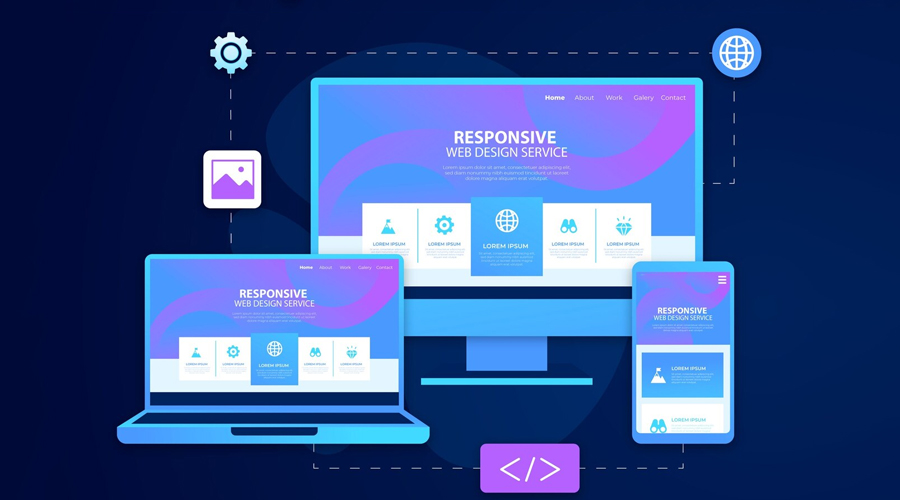
Creating a responsive website has become a cornerstone of modern web development. In a constantly evolving digital landscape where users access the internet through various devices, ensuring a seamless and engaging experience across all platforms is crucial. Responsive web development is a methodology that aims to achieve precisely that. Let’s delve deeper into this pivotal aspect of web design and development in this comprehensive 3000-word exploration.
Introduction to Responsive Web Development
The evolution of technology has transformed the way users interact with the internet. Gone are the days when browsing occurred solely on desktop computers. Today, people use smartphones, tablets, laptops, and even smartwatches to access websites. Responsive web development emerged as a solution to the challenge of delivering an optimal user experience across this diverse range of devices and screen sizes.
Understanding Responsiveness in Web Development
Responsive web development revolves around creating websites that adapt and respond dynamically to the user’s device. It entails building a fluid and flexible design that adjusts layout, content, and functionality based on the screen size and orientation. The goal is to ensure readability, navigation, and usability remain consistent, regardless of the device being used.
The Importance of Responsive Web Development
1. Enhanced User Experience (UX):
- A responsive website provides a seamless and intuitive experience, irrespective of the device, which enhances user satisfaction and engagement.
2. Improved Accessibility:
- By catering to various devices, responsive design ensures that content is accessible to a broader audience, including those with disabilities using assistive technologies.
3. SEO Benefits:
- Search engines favor responsive websites due to their mobile-friendliness, resulting in improved rankings and visibility in search results.
4. Cost-Effectiveness:
- Building a responsive website eliminates the need for separate mobile and desktop versions, saving time and resources in the long run.
Principles of Responsive Web Development
1. Fluid Grids:
- Using relative units like percentages instead of fixed pixels allows elements to resize proportionally based on the screen size.
2. Flexible Images and Media:
- Employing CSS techniques like max-width: 100% ensures that images and media scale within their containers, preventing distortion or overflow.
3. Media Queries:
- Media queries enable developers to apply specific CSS rules based on device characteristics like screen width, height, or orientation.
4. Mobile-First Approach:
- Starting the design process with mobile devices in mind ensures a strong foundation for responsiveness, gradually scaling up for larger screens.
Implementing Responsive Web Development
1. Design Phase:
- Wireframing and prototyping help visualize how content will adapt across devices. Tools like Adobe XD, Figma, or Sketch aid in creating responsive designs.
2. Front-End Development:
- Using HTML, CSS, and JavaScript, developers code responsive layouts, ensuring elements resize and reposition appropriately based on screen size.
3. Testing and Optimization:
- Thorough testing across various devices, browsers, and resolutions is imperative to identify and rectify responsiveness issues. Tools like BrowserStack or Responsinator assist in testing responsiveness.
4. Performance Optimization:
- Optimizing images, minifying CSS and JavaScript, and employing techniques like lazy loading enhance site performance, crucial for a responsive experience.
Challenges and Solutions in Responsive Web Development
1. Performance Issues:
- Loading times may increase on smaller devices due to larger assets. Employing techniques like lazy loading and optimizing assets mitigates this challenge.
2. Complex Navigation:
- Simplifying navigation and employing techniques like hamburger menus for mobile devices enhances usability on smaller screens.
3. Browser Compatibility:
- Ensuring compatibility across different browsers and their versions requires thorough testing and employing progressive enhancement strategies.
4. Device Fragmentation:
- The vast array of devices with varying screen sizes and resolutions makes it
- challenging to ensure a consistent experience. Robust testing and flexible design strategies are key solutions.
Future Trends in Responsive Web Development
1. AI-Driven Responsiveness:
- AI and machine learning could play a significant role in predicting user behavior and customizing website experiences in real-time across devices.
2. Enhanced Interactivity:
- Leveraging technologies like WebGL and WebXR could bring about more immersive and interactive experiences on responsive websites.
3. Internet of Things (IoT) Integration:
- With the proliferation of IoT devices, integrating responsive design principles into IoT interfaces will become increasingly crucial.
4. Voice and Gesture Controls:
- Adapting websites to accommodate voice and gesture-based interactions will likely become a norm in responsive design.
Search Engine Optimization (SEO)

Search Engine Optimization (SEO) is the cornerstone of online visibility and digital success in today’s competitive landscape. With millions of websites vying for attention, understanding and implementing effective SEO strategies is crucial to stand out, attract organic traffic, and rank higher on search engine result pages (SERPs). In this comprehensive guide, we’ll delve deep into the world of SEO, exploring its fundamental principles, advanced techniques, and the evolving landscape of search engine algorithms.
Part 1: Understanding SEO Fundamentals
1.1 What is SEO?
Search Engine Optimization (SEO) encompasses a set of techniques aimed at enhancing a website’s visibility and ranking on search engine results. The primary goal is to improve organic (non-paid) traffic by optimizing various elements, including content, keywords, and technical aspects of a website.
1.2 Importance of SEO
SEO is instrumental in driving targeted traffic to websites, increasing brand visibility, and fostering credibility. It’s a cost-effective marketing strategy that yields long-term benefits by attracting users actively seeking products or services related to a business.
1.3 How Search Engines Work
Understanding search engine algorithms is pivotal in devising effective SEO strategies. Exploring the functioning of crawlers, indexing, and ranking factors helps in comprehending how search engines determine the relevance and ranking of web pages.
Part 2: On-Page SEO Techniques
2.1 Keywords and Keyword Research
Keywords are the foundation of SEO. Comprehensive keyword research involves identifying relevant terms and phrases used by the target audience. Strategically integrating these keywords into content, meta descriptions, headers, and URLs optimizes on-page SEO.
2.2 Content Optimization
High-quality, relevant, and engaging content is imperative for SEO success. Techniques such as creating compelling meta titles, descriptions, using structured data, optimizing images, and employing internal linking contribute significantly to on-page optimization.
2.3 Technical SEO
Technical aspects like site structure, mobile responsiveness, site speed, and crawlability impact a website’s ranking. Optimizing HTML tags, implementing SSL certificates, fixing broken links, and enhancing user experience contribute to technical SEO excellence.
Part 3: Off-Page SEO Strategies
3.1 Link Building
Backlinks from authoritative and relevant websites enhance a site’s credibility and ranking. Developing a robust link-building strategy through guest posting, influencer collaborations, and content marketing is pivotal for off-page SEO success.
3.2 Social Media and SEO
While social media platforms don’t directly impact search engine rankings, they contribute indirectly by amplifying brand visibility, driving traffic, and fostering engagement, which can positively influence SEO efforts.
Part 4: Advanced SEO Techniques
4.1 Voice Search Optimization
The rise of voice-enabled devices has led to the importance of optimizing for voice search. Tailoring content to match conversational queries and focusing on long-tail keywords aids in voice search optimization.
4.2 Local SEO
For businesses targeting a local audience, optimizing for local search is vital. Leveraging Google My Business, local directories, and garnering positive reviews enhances local SEO visibility.
Part 5: Monitoring and Analytics
5.1 SEO Analytics and Tools
Utilizing tools like Google Analytics, Google Search Console, SEMrush, Moz, and Ahrefs helps in monitoring website performance, tracking keyword rankings, analyzing traffic patterns, and fine-tuning SEO strategies.
5.2 Measuring SEO Success
Metrics such as organic traffic, keyword rankings, click-through rates (CTR), bounce rates, and conversion rates assist in assessing the effectiveness of SEO efforts and making data-driven optimizations.
Part 6: The Future of SEO
6.1 AI and Machine Learning in SEO
Advancements in AI and machine learning are transforming SEO. Understanding how search engine algorithms evolve and adapt to AI-driven changes is crucial for staying ahead in the SEO landscape.
6.2 User Experience (UX) and SEO
Search engines increasingly prioritize user-centric experiences. Factors like site speed, mobile responsiveness, intuitive navigation, and quality content directly impact user experience, thereby influencing SEO.
Testing and Quality Assurance

In the realm of software development, where innovation and functionality reign supreme, the significance of testing and quality assurance (QA) cannot be overstated. These two pillars serve as the guardians of impeccable software, ensuring its reliability, functionality, security, and user satisfaction. As the complexity of software systems continues to evolve, the role of testing and QA becomes even more pivotal, demanding a comprehensive understanding and strategic approach.
Understanding Testing and Quality Assurance:
Testing and QA are indispensable processes embedded within the software development life cycle (SDLC). Testing involves the systematic examination of software components or systems to detect potential issues, bugs, or deviations from expected behavior. On the other hand, QA encompasses a broader spectrum, focusing on the entire development process, methodologies, and standards to ensure high-quality software delivery.
Types of Testing:
- Unit Testing: This involves testing individual components or units of the software in isolation to verify their functionality independently.
- Integration Testing: It checks the interaction between different units/modules to ensure they work seamlessly together.
- System Testing: The entire system is tested as a whole to validate its compliance with specified requirements.
- Acceptance Testing: Conducted to ensure that the software meets the user’s requirements and is ready for deployment.
- Regression Testing: Verifies that recent changes in the codebase haven’t adversely affected the existing functionalities.
Importance of Testing and QA:
- Enhanced Product Quality: Rigorous testing and QA procedures contribute to delivering high-quality software that meets user expectations and adheres to industry standards.
- Cost Reduction: Identifying and fixing issues early in the development cycle reduces the cost of rectifying them at later stages or after deployment.
- Customer Satisfaction: A thoroughly tested and quality-assured software product leads to higher customer satisfaction due to its reliability and performance.
- Security and Compliance: QA ensures that software meets security standards, safeguarding against vulnerabilities and ensuring compliance with regulatory requirements.
Testing Methodologies and Tools:
- Manual Testing: Carried out by human testers, manually executing test cases to identify defects and ensure the software meets requirements.
- Automated Testing: Utilizing specialized tools and scripts to automate the execution of test cases, speeding up the testing process and enhancing efficiency.
- Continuous Testing: Integrated within the Continuous Integration/Continuous Deployment (CI/CD) pipeline, ensuring that every code change is thoroughly tested and validated.
- Performance Testing: Evaluating the software’s performance under various conditions to ensure scalability and stability.
Challenges and Best Practices:
- Changing Requirements: Frequent changes in requirements pose challenges in maintaining test cases. Adopting Agile methodologies helps in adapting to changing requirements efficiently.
- Resource Allocation: Allocating appropriate resources and skilled personnel for testing and QA is crucial for effective implementation.
- Test Data Management: Managing test data effectively and ensuring its integrity is vital for accurate testing.
- Documentation and Reporting: Comprehensive documentation of test cases, results, and reporting facilitates better understanding and decision-making.
Maintenance and Support Services

Understanding the Vitality of Maintenance and Support Services for Corporate Websites
In the dynamic digital landscape, a corporate website isn’t a static entity; it’s an evolving platform that requires continual nurturing, enhancement, and protection. The journey of a website doesn’t culminate at its launch; instead, it necessitates consistent maintenance and reliable support services to ensure its functionality, security, and relevance in an ever-changing online environment.
I. The Evolution of Website Maintenance:
- Adapting to Technological Advancements: Technology evolves rapidly, introducing new frameworks, security measures, and user expectations. Maintenance services facilitate the integration of these advancements, ensuring that the website remains aligned with the latest industry standards and trends.
- Content Updates and Optimization: Regular content updates and optimization are crucial for retaining audience interest and maintaining search engine visibility. Maintenance services encompass content management, ensuring that the website’s information is current, engaging, and optimized for SEO.
- Bug Fixing and Performance Optimization: Websites encounter glitches and performance issues over time. Maintenance services address these concerns by identifying and resolving bugs, optimizing loading times, and enhancing overall performance for a seamless user experience.
II. The Role of Support Services:
- Technical Assistance and Troubleshooting: Support services provide immediate technical assistance to address any issues that may arise. Whether it’s a functional error, compatibility issue, or user query, a dedicated support team ensures swift resolution, minimizing downtime and user dissatisfaction.
- Security Upgrades and Monitoring: Cyber threats constantly evolve, making website security a top priority. Support services encompass regular security updates, vulnerability assessments, and proactive monitoring to thwart potential threats and safeguard sensitive data.
- User Training and Guidance: Users might encounter challenges navigating or utilizing certain features of a website. Support services extend beyond technical assistance, offering user training and guidance to optimize the website’s usability and functionality.
III. The Benefits of Comprehensive Maintenance and Support:
- Enhanced Performance and User Experience: A well-maintained website functions seamlessly, providing visitors with an intuitive and enjoyable experience. Regular maintenance and support services ensure optimal performance, contributing to increased user engagement and retention.
- Improved Security and Data Integrity: Proactive security measures prevent potential cyber threats, preserving the integrity of user data and instilling trust among visitors. Timely updates and monitoring mitigate vulnerabilities, fortifying the website against malicious activities.
- Cost-Efficiency and Longevity: Investing in maintenance and support services is cost-effective in the long run. Proactively addressing issues prevents major overhauls or breakdowns, prolonging the website’s lifespan and reducing overall operational costs.
IV. Strategies for Effective Maintenance and Support:
- Scheduled Checkups and Updates: Establishing a routine for regular checkups, updates, and backups ensures that the website remains optimized, secure, and up-to-date with the latest advancements.
- Responsive and Knowledgeable Support Team: A dedicated support team equipped with expertise and responsiveness is crucial. They serve as the frontline for addressing user queries and technical issues promptly.
- Continuous Evaluation and Improvement: Continuous evaluation of website performance and user feedback allows for ongoing improvements. Implementing user-centric changes based on analytics enhances the website’s effectiveness.


