






Launching a mobile app is a complex task that needs careful planning. A good launch strategy is key to your app’s success.
Having a detailed checklist helps you stay organized and focused. It covers both pre-launch and post-launch steps.
A successful app launch strategy includes several important parts. These are market research, user experience design, and marketing campaigns.
Table of Contents
Key Takeaways
- Understand the importance of a comprehensive launch strategy
- Learn how to create a pre-launch checklist
- Discover the key elements of a post-launch evaluation
- Improve your app’s visibility and user engagement
- Stay organized and focused throughout the launch process
Understanding the App Market Landscape
To launch a successful app, knowing the app market is key. The mobile app world is always changing. New trends and tech pop up all the time.
Current App Market Trends and Statistics
The app market is growing fast. More people have smartphones and want digital services. Mobile apps are now a big part of our lives. Users spend a lot of time on different apps.
Some important stats show the app market’s current state:
| Category | Statistic | Growth Rate |
|---|---|---|
| Gaming Apps | 70% of total app downloads | 15% YoY |
| Productivity Apps | 45% increase in usage | 20% YoY |
| Social Media Apps | 80% user engagement | 10% YoY |
An industry expert says,
“The future of mobile apps lies in providing personalized experiences and leveraging emerging technologies like AR and VR.”
Identifying Your Target Audience
Knowing your target audience is crucial for app success. It means looking at demographics, preferences, and behaviors. This helps create a custom experience.
Key things to consider for your target audience include:
- Age and gender demographics
- User preferences and interests
- Behavioral patterns and usage habits

By grasping current app market trends and knowing your audience, you can craft a better app strategy. This strategy meets user needs and shines in a crowded market.
Setting Clear Goals for Your App Launch
The journey to a successful app launch starts with clear goals. These goals help shape a focused strategy. They align with your app’s purpose and meet the needs of your target audience.
Defining Success Metrics
It’s key to know what success looks like for your app. You need to identify key performance indicators (KPIs) like user costs, retention rates, and revenue. For example, a game app might track daily users and in-app purchases.
| Metric | Description | Target Value |
|---|---|---|
| User Acquisition Cost | The cost of acquiring a new user. | $1.50 |
| Retention Rate | The percentage of users retained over a period. | 75% |
| Revenue per User | The average revenue generated per user. | $5.00 |
Establishing Realistic Timelines
Setting realistic timelines is also crucial. This includes setting launch dates and marketing campaign schedules. It also covers the time for post-launch evaluation.
“The Lean Startup” by Eric Ries, “You can always draw a line from a bad decision to a bad outcome, but you can’t draw a line from a good decision to a good outcome because of the inherent uncertainty in the business environment.”
Being flexible with your timelines helps you adapt to unexpected challenges.
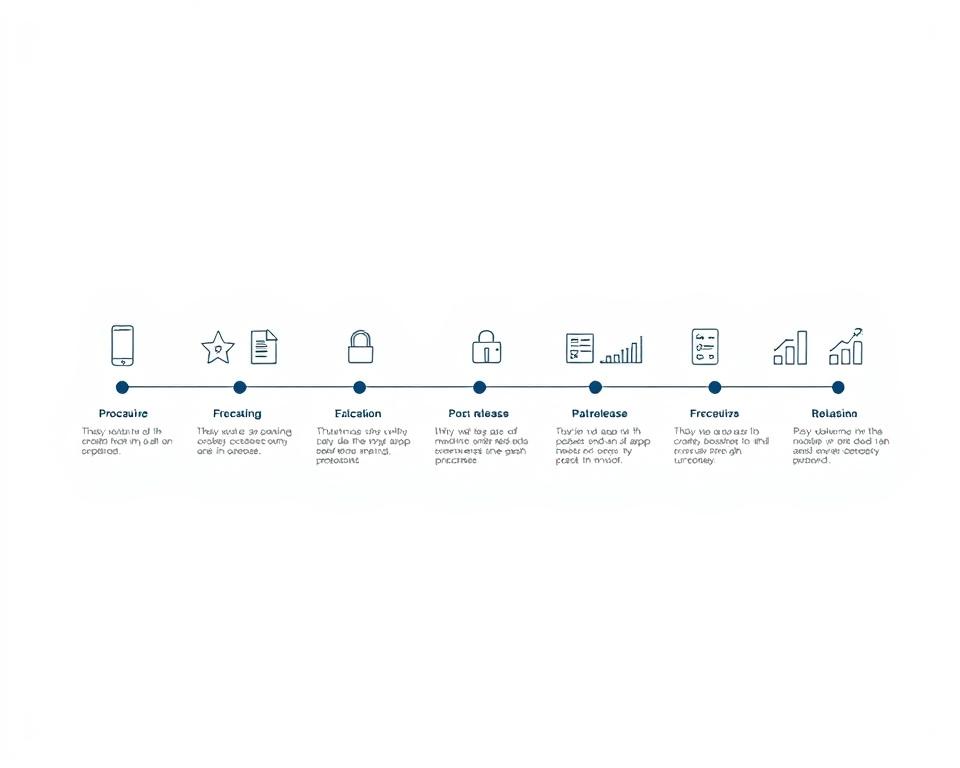
By defining success metrics and setting realistic timelines, you can build a strong app launch strategy. This strategy is both measurable and achievable.
Market Research and Competitive Analysis
Market research and competitive analysis are key to a successful app launch. They help you understand market trends and your competitors. This way, you can spot market gaps and find ways to stand out.
Analyzing Competitor Apps
Looking at competitor apps is crucial. You need to find who your direct competitors are, what they’re good at, and what they’re not. Tools like App Annie or Sensor Tower can help. They provide data on app performance, user feedback, and how they make money.
Key aspects to analyze include:
- Features and functionalities
- User interface and user experience
- Pricing models and revenue generation
- Marketing and promotional strategies

Finding Your Unique Value Proposition
Your unique value proposition (UVP) is what makes your app special. It’s the unique benefit or solution your app offers. To find it, you must know what your target audience wants and how your app meets those needs better than others.
A strong UVP:
- Clearly communicates your app’s benefits
- Differentiates your app from competitors
- Resonates with your target audience
Through deep market research and competitive analysis, you can craft a compelling UVP. This will attract users and boost engagement and conversion.
App Monetization and Business Model
A good app monetization plan is key to making money from your mobile app. There are many ways to make money, but picking the best one can be tough.
It’s important to know the different ways to make money. The right choice depends on who your app is for, what it does, and what’s popular in the market.

Choosing the Right Monetization Strategy
Picking the right way to make money is crucial for your app’s success. You can use freemium models, where basic stuff is free but extra features cost money. Or, you can go for subscription-based models, where people pay a regular fee for ongoing access. Another option is advertising, which makes money from ads.
Each method has its own good and bad sides. For example, freemium models can get lots of users but might find it hard to turn them into paying customers. Subscription models give steady income but need to keep offering value to keep users.
- Freemium models
- Subscription-based models
- Advertising
- In-app purchases
Pricing Models and Revenue Projections
Pricing is a big deal for your app’s earnings. Dynamic pricing changes prices based on how much people want it. Value-based pricing sets prices based on what users think it’s worth. To guess how much money you’ll make, you need to know how much it costs to get users, how well you keep them, and how much each user spends.
| Pricing Model | Description | Revenue Potential |
|---|---|---|
| Dynamic Pricing | Adjusts prices based on demand | High |
| Value-Based Pricing | Sets prices according to perceived value | Medium to High |
| Flat Rate Pricing | Charges a fixed price regardless of usage | Low to Medium |
Pre-Launch Development Checklist
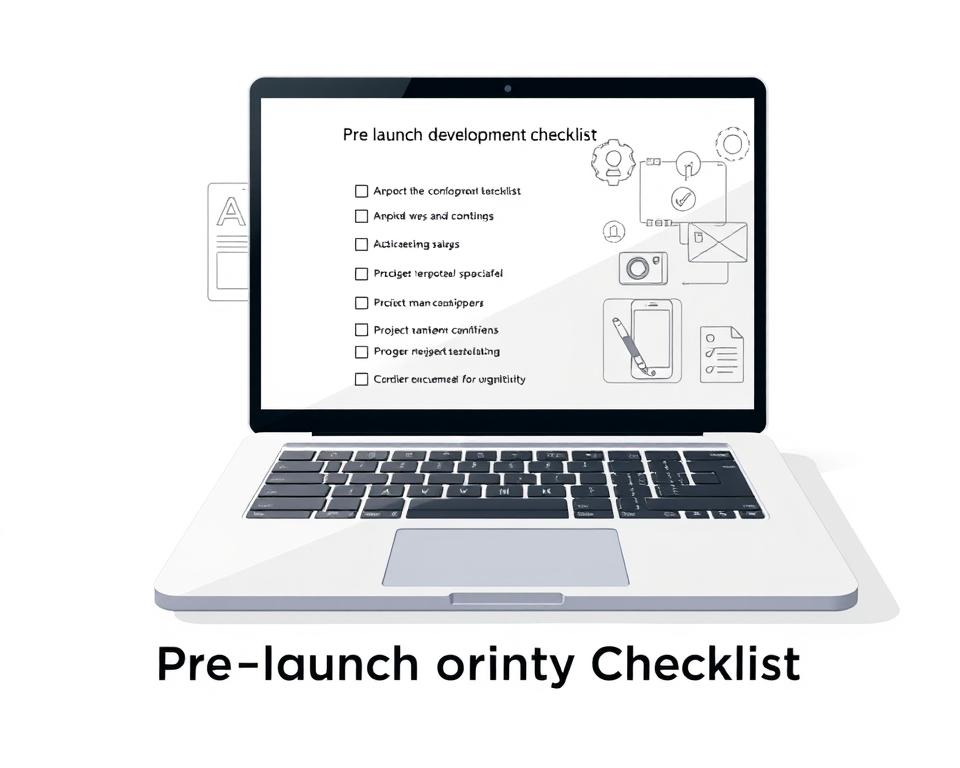
A successful app launch starts with a detailed pre-launch checklist. It’s key to make sure your app is ready before it hits the market. This is crucial for standing out in the competitive app world.
Technical Requirements and Testing
Your app must meet all technical requirements before launch. It needs to work well on different devices and platforms. Also, it should be free from bugs and crashes.
Testing covers many areas like how well it works, its speed, security, and how easy it is to use. Doing user acceptance testing (UAT) is also important. It checks if the app does what it’s supposed to and meets user needs.
User Experience Optimization
Improving the user experience is essential for your app’s success. It should be easy to use and fun. Make sure navigation is simple, it loads quickly, and content is clear.
It’s also important to test the app with real users. This way, you can get feedback and make changes before it’s released.
Performance and Security Considerations
Keeping your app’s performance and security top-notch is crucial. This means making the app run smoothly and protecting user data. You also need to follow data protection laws.
Doing regular security audits and penetration testing helps find and fix problems early. This way, your app is ready for a successful launch.
By focusing on these key areas, your app will be well-prepared for its launch. This sets a strong foundation for its success in the market.
App Store Optimization Strategy
A good App Store Optimization (ASO) plan can really help your app get noticed. ASO uses different methods to make your app more visible in the app store. This can lead to more downloads and more money.
Keyword Research and Implementation
Starting with good keyword research is key to a strong ASO plan. You need to find words that people use to find apps like yours. Tools like Google Keyword Planner, App Annie, and Sensor Tower can help find these keywords. Then, use these keywords in your app’s title, description, and metadata.
Keyword Implementation Tips:
- Use relevant keywords in your app title and subtitle.
- Incorporate keywords naturally into your app description.
- Optimize your metadata, including keywords and tags.
Creating Compelling App Store Assets
Your app’s visual elements, like the icon, screenshots, and preview videos, are very important. They should grab the user’s attention and show off your app’s best features. Make sure your icon stands out and shows your brand. Screenshots and videos should highlight what makes your app special.
“The visual elements of your app store listing are just as important as the written content. Make sure your assets are high-quality and engaging.”

App Store Guidelines Compliance
Every app store has rules that apps must follow to be approved and featured. Knowing these rules is crucial to avoid being rejected or suspended. Focus on content guidelines, intellectual property rights, and in-app purchase policies.
| Guideline | Description | Importance |
|---|---|---|
| Content Guidelines | Ensure your app’s content complies with the app store’s rules. | High |
| Intellectual Property | Respect third-party intellectual property rights. | High |
| In-App Purchase Policies | Comply with rules regarding in-app purchases and subscriptions. | Medium |
Building Your Pre-Launch Marketing Plan
To have a successful app launch, you need a solid pre-launch marketing strategy. This plan will build excitement, create a community, and get people to download your app. It includes several key parts that work together to make people talk about your app.
Content Marketing and Social Media Strategy
Content marketing is key in your pre-launch plan. It’s about making content that draws in and keeps your audience interested. Use blog posts, videos, and social media to share bits about your app. A strong social media strategy helps you reach more people and build a community around your app.
For instance, write a series of blog posts about how you made your app. Share behind-the-scenes stuff, developer stories, and user feedback on social media. This helps connect with people who might use your app.
Press and Influencer Outreach
Reaching out to the press and influencers in your app’s field can really boost your pre-launch efforts. Write a press release that shows off your app’s special features. Find influencers who have followers that match your app’s target audience and work with them to promote your app.
When you contact influencers, make your message personal and explain why your app is good for their followers. Offering them early access or a sneak peek can motivate them to share your app with their audience.
Building a Pre-Launch Landing Page
A pre-launch landing page is a special webpage that shows off your app and lets people sign up for updates. It should have a catchy headline, a brief description of your app, a CTA button, and a way to capture emails. Use this chance to highlight what makes your app special and build excitement.

Your landing page should look good and work well on mobile devices. Add testimonials or social proof to make it more believable and get more people to sign up.
Beta Testing and Feedback Implementation
To make sure your app launches well, beta testing and feedback are key. Beta testing lets you test your app with a few users first. This helps find bugs, improve how it works, and make it better for users.
Recruiting Beta Testers
Finding the right beta testers is important. You can find them on social media, your app’s website, or in online groups. It’s best to pick testers who are like your app’s users to get good feedback.
Tips for recruiting beta testers:
- Know who your app is for and find testers that fit.
- Offer them something special, like early access, to get them excited.
- Use online beta testing sites to make finding testers easier.
Collecting and Prioritizing Feedback
Once you have your testers, it’s time to get their feedback. Use surveys, forms, or in-app tools to collect it. Then, sort the feedback to see what needs fixing first and make those changes.
| Feedback Type | Priority Level | Action Required |
|---|---|---|
| Crashing issues | High | Immediate fix |
| UI/UX improvements | Medium | Review and implement |
| Feature requests | Low | Consider for future updates |
Making Final Adjustments Before Launch
After sorting feedback, make the needed changes to your app. This means fixing bugs, making it run smoother, and improving how it looks. Do more testing to make sure everything works right.

By doing these steps, you can make sure your app is ready for launch. This will help it do well in the market.
App Launch Strategy: A Complete Pre and Post-Launch Checklist
An effective app launch strategy is key to grabbing the audience’s attention. It’s about preparing well and planning smartly. This ensures your app makes a splash in the market.
Day-of-Launch Activities
The day your app launches is very important. You need a solid plan to make it a success. This plan should focus on getting your app noticed and engaging users.
Submission Process Timeline
Managing your app’s submission timeline is crucial. You must work with app stores, submit all needed documents on time, and follow their rules. Timely submission prevents delays and ensures your app launches as planned.
Launch Day Communication Plan
Creating excitement around your app’s launch is vital. Use press releases, social media, and email marketing to reach your users. Good communication on launch day builds anticipation and boosts downloads.

Immediate Post-Launch Monitoring
After launching, it’s important to watch how your app does. Track important metrics like user costs, retention, and revenue. This helps spot problems early and make improvements.
By keeping a close eye on your app’s performance, you can fix issues and improve the user experience. This approach is key to keeping the momentum going and ensuring your app’s long-term success.
Post-Launch User Acquisition Tactics
After launching, focus on a solid user acquisition plan. Getting new users and keeping current ones is key to your app’s success. It’s about using different strategies to attract and keep users.
Paid Advertising Campaigns
Paid ads are great for getting more users. They help you reach lots of people fast and bring them to your app. Google Ads, Facebook Ads, and Apple Search Ads are top choices. Each lets you target your audience in unique ways.
To make the most of paid ads, remember to:
- Set clear goals and know who you’re targeting.
- Make your ads catchy and engaging.
- Keep an eye on your budget and adjust as needed.
- Check how well your ads are doing with the right metrics.
Studies show that with smart ad optimization, you can get up to 200% return on your ad spend.
“The key to successful paid advertising is not just in the budget, but in the strategy and optimization,”
an expert in digital marketing points out.
| Platform | Targeting Options | Average CPC |
|---|---|---|
| Google Ads | Keyword, Location, Interest-based | $1-$5 |
| Facebook Ads | Demographic, Interest, Behavior-based | $0.50-$3 |
| Apple Search Ads | Keyword-based | $1-$5 |
Organic Growth Strategies
Paid ads work fast, but organic growth is vital for lasting success. Improve your app’s visibility in stores with ASO, use content marketing, and engage on social media.
Good organic growth tactics include:
- Make your app’s store listing appealing with the right keywords and descriptions.
- Share content that speaks to your audience.
- Interact with users on social media to grow a loyal community.
By mixing paid ads with organic growth, you’ll have a strong plan for getting and keeping users.
Measuring App Performance and Analytics
App performance and analytics are key in a mobile app’s life. They give insights into how users interact and help developers improve the app for better user experience.
To measure app performance well, tracking the right metrics is crucial. It’s about understanding user interaction, finding areas for improvement, and making decisions based on data.
Key Performance Indicators to Track
Key Performance Indicators (KPIs) help evaluate an app’s success. Important KPIs include:
- Retention Rate: The percentage of users who come back to your app.
- Daily Active Users (DAU): The number of users who use your app every day.
- Session Length: The average time users spend in your app in one session.
- Crash Rate: How often your app crashes, showing stability issues.
| KPI | Description | Importance |
|---|---|---|
| Retention Rate | Percentage of users retained over time | High |
| DAU | Daily active users | High |
| Session Length | Average time spent in-app per session | Medium |
Tools for App Analytics
Many tools help track app performance and analytics. Some top choices are:
- Google Analytics for Firebase: Gives detailed insights into user behavior and app performance.
- Mixpanel: Offers advanced analytics and user tracking.
- Flurry Analytics: Provides comprehensive analytics and insights into user engagement.
By using these tools and tracking the right KPIs, developers can understand their app’s performance better. This helps make informed decisions to improve user experience and achieve success.
User Feedback and Continuous Improvement
User feedback is key to a successful app launch. It helps improve and adapt to what users need. By listening to feedback, developers can make their app better, fix problems, and add features users want.
Implementing User Reviews and Ratings
User reviews and ratings show how your app is seen by users. Positive reviews can make your app more visible. Negative reviews help you know what to improve.
To get user feedback, ask for it after a good experience or after using the app for a while. This helps you understand what users like and what they don’t.
Replying to all reviews shows you value user feedback. It helps build a loyal user base and shows what you’re doing well and what needs work.
Planning App Updates and New Features
Improving your app means adding new features and fixing bugs. Planning app updates needs a smart strategy. You should focus on updates that users want, fit your business goals, and are technically possible.
Use data from feedback, analytics, and market research to plan updates. This way, you can make updates that users will like and that fit your app’s future.
Conclusion
A well-planned app launch strategy is key to any mobile app’s success. Knowing the app market, setting clear goals, and having a detailed plan before and after launch are crucial. This way, developers can boost their app’s chances of success.
Important points from this article include the need for market research, competitive analysis, and app store optimization. A strong pre-launch marketing plan, beta testing, and ongoing improvement are also vital. These steps help ensure a successful app launch.
By following the advice in this article, developers can craft a custom app launch strategy. This strategy will help them reach and connect with their audience. It will also drive user acquisition, leading to a successful app launch.